18+
Years of SMPS Manufacturing
100%
Full-Load Burn-In Aged
>93%
Peak Conversion Efficiency
TÜV
Rheinland Onsite Verified
OEM / ODM Factory Selection
Engineered Constant Voltage Switched-Mode Solutions
Discover our top-tier industrial constant voltage topologies engineered for mission-critical automation cabinets, high-flux LED installations, laser lab instrumentation, and process control platforms.
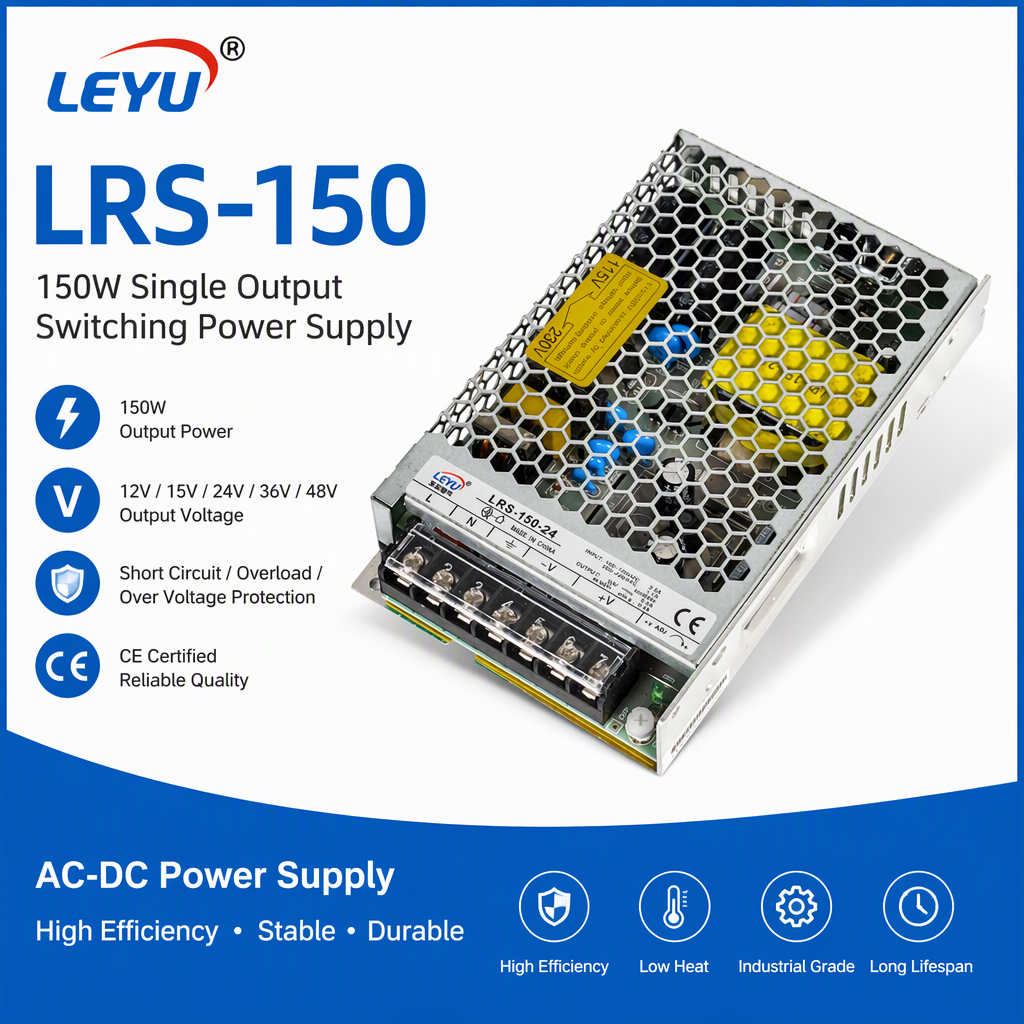
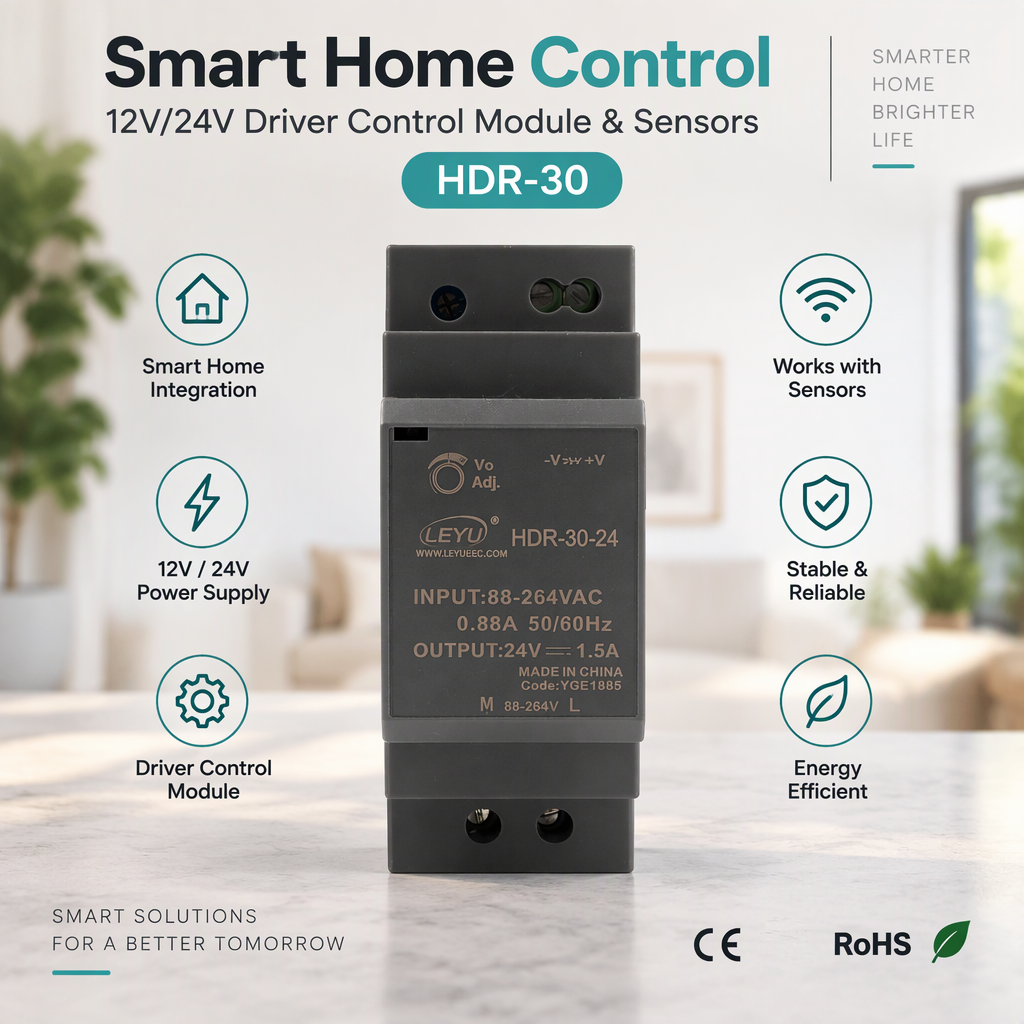
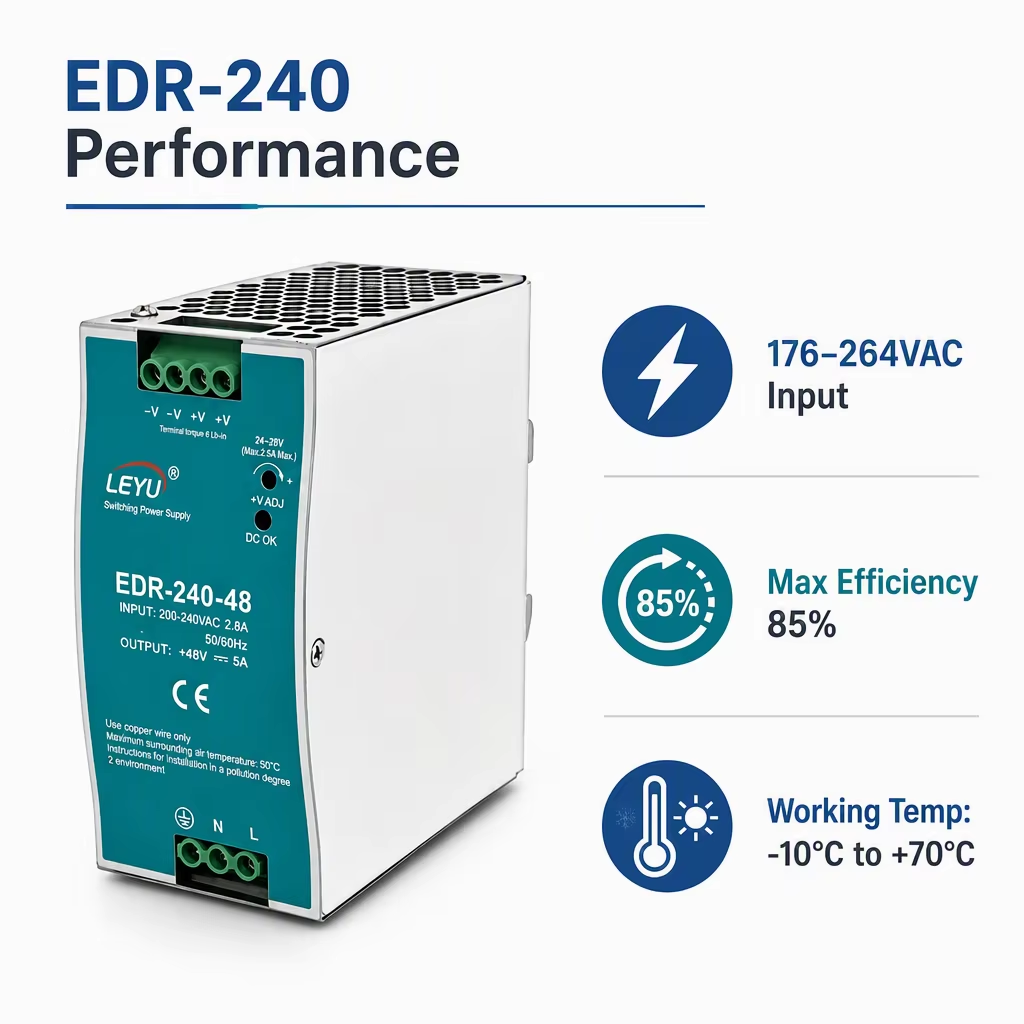
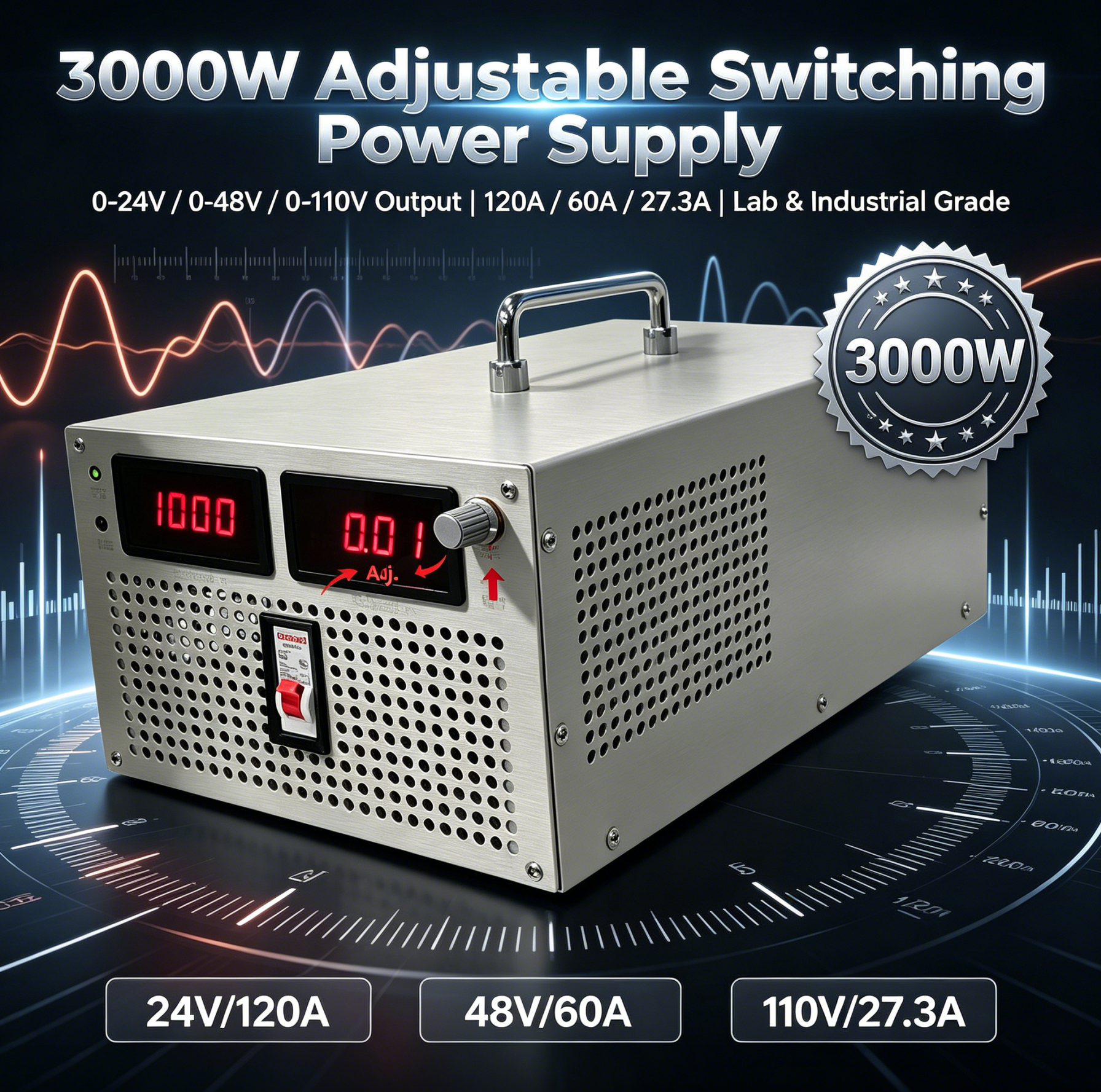
Technical Whitepaper
Engineering Architecture of Constant Voltage Power Topologies
A rigorous examination of switched-mode power conversion, transient stabilization, magnetic thermal design, and electrical reliability protocols for industrial procurement teams.
Dynamic Loop Regulation
Unlike constant current drivers which dynamically shift DC output voltages to maintain a fixed electron flow, a constant voltage (CV) power supply maintains a rigid output voltage threshold (commonly 5V, 12V, 24V, 36V, or 48V DC) over varying load currents from zero amperes up to the unit's rated ceiling. To maintain sub-1% voltage variation across fluctuating line conditions, our engineering designs utilize fast optocoupler feedback loops coupled with precision shunt references (TL431 architecture). This prevents transient overshoots during dynamic stepped-load demands, protecting microprocessors, PLCs, distributed lighting drivers, and delicate semiconductor sub-circuits.
Electrolytic Stress & MTBF
The lifespan of a switched-mode power supply is overwhelmingly governed by the thermal stress experienced by its primary and secondary aluminum electrolytic capacitors. In accordance with the Arrhenius calculation model, for every 10°C elevation in component operational core temperature, the lifespan of the dielectric capacitor is reduced by half. Yueqing Keldan Technology integrates tier-one, 105°C-rated high-ripple current capacitors coupled with multi-stage aluminum extrusions and perforated chassis airflow paths, yielding verified Mean Time Between Failures (MTBF) exceeding 300,000 operational hours under MIL-HDBK-217F conditions.
Active PFC & Harmonic Control
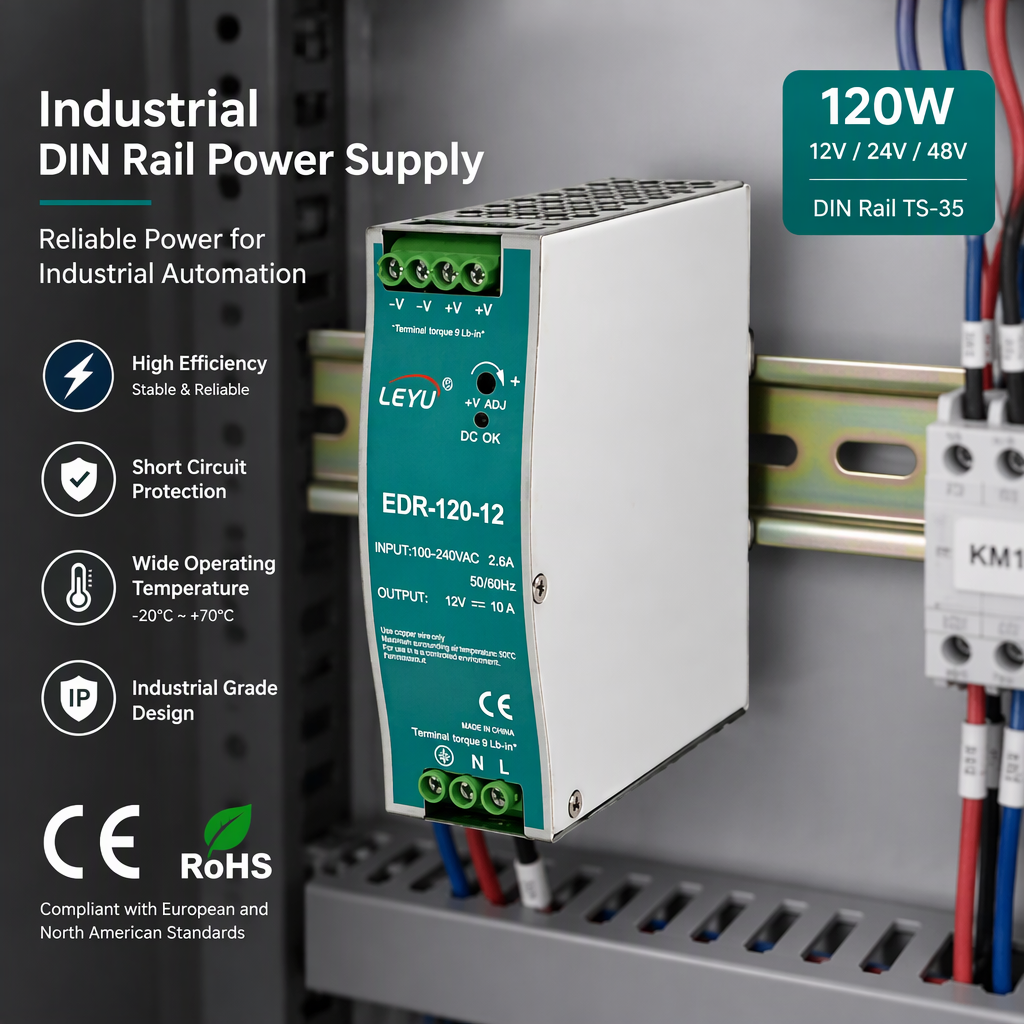
For industrial topologies exceeding 75 Watts, European standard EN 61000-3-2 and international utility regulations enforce strict limits on input current harmonic distortion. Our high-tier DIN rail platforms (such as the DRP and EDR active iterations) incorporate dual-stage active Power Factor Correction (PFC) circuitry. By continuously wave-shaping the incoming AC line current into phase with the sinusoidal input voltage, our power converters achieve a Power Factor (PF) greater than 0.95 and reduce Total Harmonic Distortion (THD) below 10%, mitigating reactive power penalties and panel heat build-up.
Factory Direct Competence
Yueqing Keldan Technology Co., Ltd. Advantage
Situated in Yueqing, Wenzhou—the world-renowned epicenter of China's electrical apparatus manufacturing sector—we translate geographic ecosystem density into technical precision, raw material agility, and cost optimization.
TÜV Rheinland Audited Facility
Our production floor, engineering laboratories, and supply chain protocols have been verified onsite by TÜV Rheinland. We operate as an authentic custom manufacturer with 44 verified full-time specialists dedicated to SMPS engineering, assembly, and testing.
100% 4-Hour Burn-In Verification
We do not rely on sample testing. 100% of finished constant voltage power supplies undergo full-load aging tests in high-temperature burn-in chambers to filter out infant mortality failures before units enter final boxing and global shipment.
End-to-End Surface Mount Automation
Equipped with high-precision pick-and-place SMT machines, automated reflow ovens, and Automated Optical Inspection (AOI) stations, our circuit manufacturing maintains micron-level solder integrity, minimizing cold joints and solder bridging.
Agile OEM/ODM Engineering
With an in-house engineering team possessing over 18 years of power conversion background, we rapidly prototype non-standard output voltages (such as 15V, 36V, 60V, or variable high-power configurations), customized terminal blocks, and custom branding.
Direct Global Trade Infrastructure
Our dedicated international multilingual trade division eliminates middlemen markups, delivering wholesale ex-factory pricing, strict export palletization, FOB/CIF/DDP logistic terms, and seamless technical documentation handling for B2B distributors.
Comprehensive Circuit Protections
Every constant voltage power supply topology engineered by Keldan includes quadruple-tier automatic safeguard topologies: Over Voltage Protection (OVP), Over Current Protection (OCP / Hiccup Mode), Short Circuit Protection (SCP), and Over Temperature Shutdown (OTP).
Industry Insights
Future Procurement Trends in Industrial Power Conversion
Understanding shifting regulatory baselines, supply chain resilience models, and technical shifts for engineering purchasers over the 2025–2030 cycle.
1. Wide-Bandgap GaN & SiC Adoption
The transition from conventional Silicon MOSFETs to Gallium Nitride (GaN) and Silicon Carbide (SiC) semiconductors is redefining switched-mode power supplies. WBG devices enable substantially higher switching frequencies (from 65kHz up to 200kHz+), directly reducing the physical footprint of magnetic transformers and inductors. Wholesale procurement teams are increasingly specifying ultra-compact form factors like the HDR slim DIN-rail series to free up valuable DIN-rail cabinet space.
2. Stringent Efficiency Mandates & Standby Losses
Regulatory frameworks such as the EU ErP Directive and Energy Star requirements now mandate minimum active efficiency thresholds exceeding 90% alongside stringent standby power consumption caps (sub-0.3W to sub-0.5W no-load loss). Industrial and commercial buyers are turning away from legacy linear transformer supplies in favor of high-efficiency Green SMPS architectures to lower lifecycle operating expenditures.
3. Digital Communication & Telemetry
In high-end manufacturing, robotics, and telecommunication shelters, static power supplies are being replaced by units featuring digital telemetry interfaces such as PMBus, CANbus, and RS485 Modbus. Engineering teams expect real-time reporting of operating voltage, thermal profiles, and instantaneous load currents to facilitate AI-driven predictive maintenance, preventing unexpected factory line shutdowns.
Innovation Roadmap
Architectural Development Trends in Constant Voltage SMPS
How next-generation power electronics meet the demands of harsher environments, automation complexities, and localized electrical standardizations.
Conformal Coating & Harsh Climate Hardening
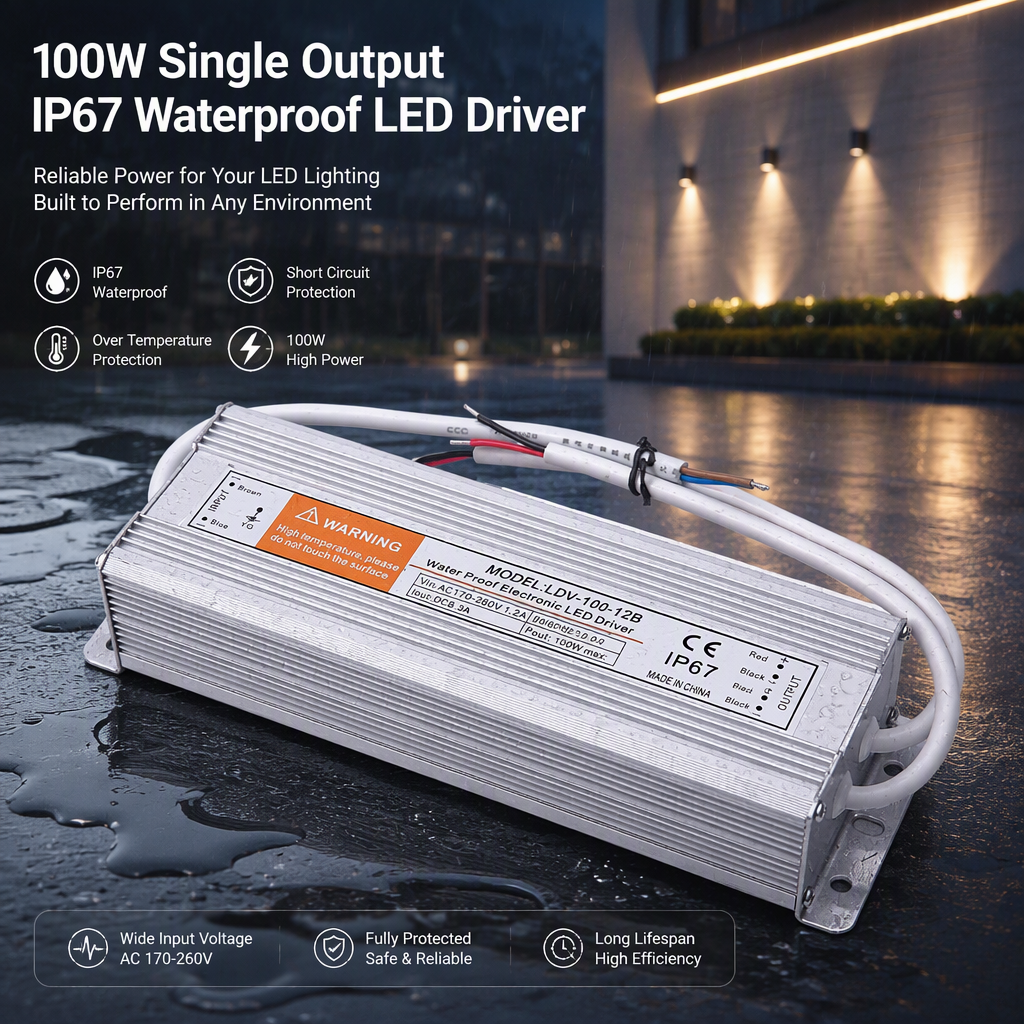
Global deployment demands power supplies that operate reliably in non-conditioned environments. Trends show rising integration of specialized silicone-based conformal coatings on internal PCBA assemblies to prevent failure from airborne dust, corrosive moisture, and industrial salt-mist. Our IP67-rated exterior driver series (such as the LDV-100) exemplifies complete potting compound isolation for outdoor lighting and wet process environments.
Modular Flexibility & N+1 Redundancy
Critical automated infrastructure cannot tolerate single-point power failures. The industry standard has shifted toward modular DIN rail setups with built-in OR-ing diodes and MOSFET circuits that allow active N+1 parallel current sharing. In the event of an external grid glitch or module malfunction, redundant units take over the bus voltage seamlessly without triggering PLC drops.
Universal Ultra-Wide AC/DC Input Windows
Equipment manufacturers face logistical headaches maintaining distinct inventory stock for North American 110V/120VAC, European 230VAC, and rural installations subject to severe brownouts. Modern constant voltage power supply designs feature true ultra-wide universal AC input ranges (85VAC–264VAC / 120V–370VDC) to enable unified global machine design and lower global supply chain friction.
Buyer Guidance
Frequently Asked Questions: B2B Power Supply Sourcing
Critical engineering considerations, testing standards, and trade terms answered by Yueqing Keldan Technology's technical sales engineering group.
What is the fundamental difference between Constant Voltage (CV) and Constant Current (CC) power supplies?
A Constant Voltage (CV) power supply delivers a fixed, regulated DC voltage (e.g., 12V, 24V, 48V) while the output current fluctuates dynamically based on the electrical resistance of the connected load. CV topologies are the industry standard for PLC automation systems, sensors, relays, CCTV setups, and LED strips with built-in current limiting resistors. Conversely, a Constant Current (CC) power supply dynamically varies its output voltage to maintain an unchanging current rating (e.g., 350mA, 700mA), primarily used for driving bare high-power LED emitter chips directly to prevent thermal runaway.
How much headroom margin should be planned when sizing a constant voltage power supply?
Our application engineering team recommends sizing power supplies with an intentional 20% to 30% headroom margin over your calculated continuous nominal load. For instance, if your equipment consumes 80W continuously, specify a 100W to 120W unit (such as our LRS-100 or LRS-150 series). This margin prevents the power supply from operating near its maximum thermal design limit, accounts for the inrush current spikes of inductive components (motors, solenoids), and substantially extends the functional life of the internal smoothing capacitors.
What electrical certifications and compliance standards do your power supplies carry?
Yueqing Keldan Technology's product lines are manufactured in compliance with international low-voltage and safety directives. Standard models are CE-marked, adhering to EN 62368-1 / EN 60950-1 safety frameworks and EN 55032 Class B / EN 61000-4 electromagnetic compatibility (EMC) regulations. For OEM/ODM enterprise clients, we assist with test reports and documentation required for specialized certifications including UL, RoHS, and CB scheme filings.
What is the minimum order quantity (MOQ) and sample lead time for wholesale purchases?
Because we operate our own assembly and automated surface mount lines, we support B2B sample evaluation with sample MOQs starting from 1 unit across standard DIN rail and enclosed LRS series models. For commercial production runs, standard factory packaging MOQs typically range from 10 to 50 units depending on the power rating. Custom OEM projects (custom voltage calibrations, bespoke casing, branded silk screening) involve project-specific MOQs discussed directly during engineering review.
How does Yueqing Keldan manage Quality Assurance (QA) and incoming component qualification?
Quality control begins prior to SMT staging. Our verified protocol encompasses: (1) On-site IQC (Incoming Quality Control) for semiconductors and magnetic cores; (2) Precision automated SMT placement with multi-zone reflow soldering; (3) Automated Optical Inspection (AOI) to eliminate assembly defects; (4) Manual technical debugging; (5) Mandatory 100% full-load aging tests on electronic burn-in racks; and (6) Final end-of-line electrical testing for hipot insulation resistance, output ripple/noise, and aesthetic packaging integrity.
Can Keldan develop customized voltage, current, or multi-channel outputs for custom equipment?
Yes. Our internal engineering department brings over 18 years of power supply R&D experience. We provide complete design-based and sample-based ODM/OEM development. Whether you require non-standard DC potentials (such as 13.8V, 27.6V battery float charging rails, 36V, or dual-output configurations), customized terminal blocks, special casing dimensions, or IP-rated weatherproofing, our team can deliver engineering prototypes rapidly for your approval.
