Blog
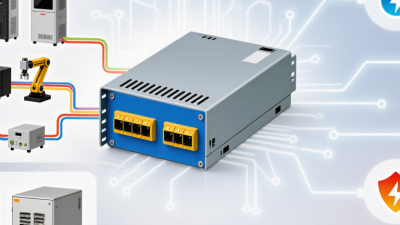
How to Choose a Switching Power Supply in 2026
Choosing a Switching Power Supply in 2026 starts with the equipment it must serve, not the largest wattage on the shelf. Check the required output voltage, current, and operating range. Then consider startup demand, peak loads, and whether the supply will run continuously. It sounds simple. It isn’t.
A practical selection also accounts for the installation environment. A supply inside a sealed cabinet may face very different temperatures from one mounted in an open, ventilated enclosure. Look at cooling requirements, mounting space, connector access, and expected service life. Efficiency matters, but it should be weighed alongside heat, noise, and performance under the actual load. A high efficiency figure on a product sheet does not tell the whole story.
Protection features deserve careful attention. Overload, short-circuit, overvoltage, and overtemperature protection can help reduce equipment damage, though their behavior varies by model. Confirm the manufacturer’s specifications and relevant safety approvals for your application and region. If the supply will power sensitive electronics, review output ripple and transient response, not just headline ratings. Ask for test data when published specifications leave important gaps.
There is no universal best choice. A compact unit may suit a small control panel but leave little room for future expansion. Conversely, oversizing can add cost and may not improve performance. Compare credible datasheets, check warranty and technical support, and verify the exact model before purchasing. I would still leave some margin for changing loads; plans rarely stay perfectly still. The right decision is the one supported by measured requirements, reliable documentation, and the conditions where the supply will actually operate.
Read more »
 By:Elowen
- November 5, 2026

10 Power Supply Buying Tips for Global Buyers
A Power Supply can look like a simple line item: input voltage, rated output, connector, price. But a mismatch may show up later as heat inside a cabinet, unstable startup, or an avoidable replacement. Global buyers need more than a low quotation. They need evidence that the unit fits the real load, operating environment, and service plan.
The International Energy Agency’s Electricity 2024 report estimated that data centers used about 460 terawatt-hours of electricity in 2022, with demand potentially exceeding 1,000 terawatt-hours by 2026. That forecast concerns data centers, not every Power Supply application. Still, it highlights why efficiency and dependable power conversion deserve careful review. IEA Executive Director Fatih Birol has described the wider shift this way: “We are entering the Age of Electricity.” His observation is useful context, not a purchasing specification.
Details matter. Check the input range against the destination market, then compare rated output with peak demand—not just the average load. Review efficiency data at relevant operating points, thermal limits, protection features, certifications, lead times, and warranty terms. The 80 PLUS program, for example, tests efficiency at defined load levels; a certification label alone does not establish suitability for every installation. Ask suppliers for current test documents and clarify who handles technical support after delivery.
Small checks matter. A glossy datasheet can still leave questions unanswered. This guide examines ten practical buying tips for global buyers, from matching specifications to assessing supplier reliability. No checklist replaces application testing. But a few precise questions, asked before the order, can prevent costly surprises.
Read more »
 By:Clara
- November 5, 2026
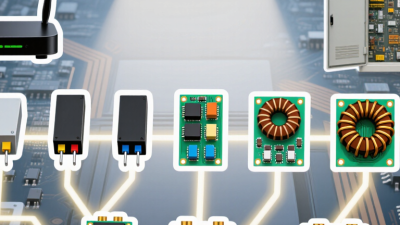
Top 10 Types of Switch Mode Power Supply
A Switch Mode Power Supply converts electrical energy by rapidly switching semiconductor devices and shaping the output with components such as inductors, transformers, and capacitors. Compared with many linear designs, it can deliver efficient power in a compact enclosure. You might find one inside a router, LED fixture, industrial control cabinet, or battery-powered instrument. The label sounds simple. The design choices are not.
This guide explores ten common types, including AC-to-DC and DC-to-DC supplies, buck and boost converters, flyback and forward designs, and resonant supplies. These names do not all describe the same thing: some identify a circuit topology, while others describe the input and output or a product’s function. Categories can overlap. That distinction matters when comparing specifications or choosing a unit for a real load.
A useful comparison starts with the input-voltage range, required output, isolation needs, load behavior, thermal conditions, and available space. Check the datasheet, not just the product label. A small supply may fit neatly on a crowded board yet run hot under sustained load. A high-efficiency rating can also hide limitations at light loads or during startup. The best option depends on the application, and no single type wins everywhere. Even experienced designers revisit assumptions when the actual operating conditions differ from the bench test.
Read more »
By:Elowen
- November 5, 2026
