TÜV Rheinland Onsite-Verified Manufacturer Yueqing, Zhejiang, China
2025 B2B Sourcing & Engineering Intelligence

Hybrid Solar Inverter Procurement Guide: Topologies, Battery Synergy, and Market Trends

Empowering global distributors, commercial EPC contractors, and system integrators with high-gain technical analysis, multi-MPPT evaluation matrices, and factory-direct OEM manufacturing insights from Yueqing Keldan Technology Co., Ltd.

98.4%Peak Conversion Efficiency
< 10 msUPS Seamless Switching
TÜVRheinland Verified Factory
50+Export Countries Served
Search Intent & AI Query Insights

What Global Procurement Managers & Engineers Ask AI About Hybrid Solar Inverters

In modern procurement workflows, global buyers use AI search agents to evaluate technical trade-offs before submitting RFQs. Below is our engineering breakdown of the most frequent semantic queries concerning Hybrid Solar Inverter sourcing.

LV (48V) vs. HV (150V-800V) Topology

Buyers ask: "When should I specify a High-Voltage (HV) hybrid inverter over a 48V Low-Voltage (LV) unit?" Answer: LV systems (48V) are cost-effective for residential storage up to 12kW. HV systems reduce I²R copper cable losses significantly, yielding 1.5–2% higher system efficiency for commercial projects from 15kW to 50kW+.

Grid-Tie vs. Off-Grid Switch Speed

Buyers ask: "Can a hybrid inverter protect sensitive IT loads during grid failure?" Answer: Premium hybrid solar inverters utilize hardware-integrated static transfer switches (ATS) achieving transfer speeds <10ms (UPS class), preventing server reboots and critical industrial machinery shutdown.

BMS Communication Protocols

Buyers ask: "How to resolve protocol mismatch between inverter and battery BMS?" Answer: Native support for multi-protocol RS485 and CANbus auto-recognition is vital. Yueqing Keldan Technology Co., Ltd. pre-loads software profiles compatible with major LFP pack protocols globally.

Enterprise Product Portfolio

Recommended Hybrid Solar Inverters for B2B Sourcing

Engineered for high energy density, thermal durability, and extended operating cycles under challenging environmental conditions.

KLD-HSI-5.6K-LV

Single-Phase 48V LV System
  • Rated AC Power: 5,600W / 120A Charge
  • Dual MPPT Trackers (PV Voc: 500V DC)
  • Support Parallel Operation up to 9 Units
  • RGB Status Ring & Touch LCD Interface
  • Pure Sine Wave Output THD < 2%

Ideal for residential backup, micro-offices, and telecom base stations requiring seamless battery expansion.

KLD-HSI-10K-3P

Three-Phase 10kW Commercial
  • 100% Unbalanced 3-Phase Phase Loading
  • Wide HV Battery Input (160V – 600V DC)
  • Max Efficiency: 98.2% | Euro Efficiency: 97.5%
  • Built-in AC/DC Type II Surge Protection
  • Smart Load Management & Peak Shaving

Perfect balance of efficiency and safety for small commercial buildings and agricultural solar microgrids.

KLD-HSI-50K-C&I

50kW Industrial Energy Storage
  • 4 Independent MPPTs (Max 1000V DC PV)
  • SiC MOSFET Switches for >98.6% Efficiency
  • Generator Control & Dry Contact Output
  • IP65 Rated Aluminum Alloy Die-Cast Housing
  • RS485 / Ethernet / Wi-Fi / 4G Cloud EMS

Heavy industrial design tailored for manufacturing facilities, EV charging stations, and grid arbitrage.

Engineering Selection Framework

B2B Technical Comparison Matrix: Selecting the Optimum Hybrid Topology

Use this technical decision matrix compiled by our power electronics engineers to evaluate inverter specifications against your operational environment.

Comprehensive Hybrid Solar Inverter Technical Decision Matrix
Evaluation Parameter Single-Phase LV Hybrid (3kW - 8kW) Three-Phase HV Hybrid (8kW - 20kW) Industrial Modular Hybrid (30kW - 100kW+)
Battery Voltage Range 40V - 60V DC (Standard 48V Pack) 150V - 600V DC (Stacked LFP) 200V - 850V DC (Rack Storage)
Peak System Efficiency 97.2% - 97.6% 98.0% - 98.4% 98.5% - 98.8% (SiC Powered)
Transfer Switching Time < 10 ms (UPS Standard) < 10 ms (UPS Standard) < 15 ms (Static Transfer Switch)
THD (Total Harmonic Distortion) < 3% (Linear Load) < 2% (Linear Load) < 1.5% (Grid Compliant)
Phase Imbalance Capability N/A (Single Phase) 100% Phase Unbalanced Load 100% Phase Unbalanced Load
Primary Target Application Residential / Small Retail / Telecom Commercial Office / Agriculture Manufacturing / EV Hubs / Microgrids
Manufacturing Expertise & Quality Control

Inside Yueqing Keldan Technology Co., Ltd.

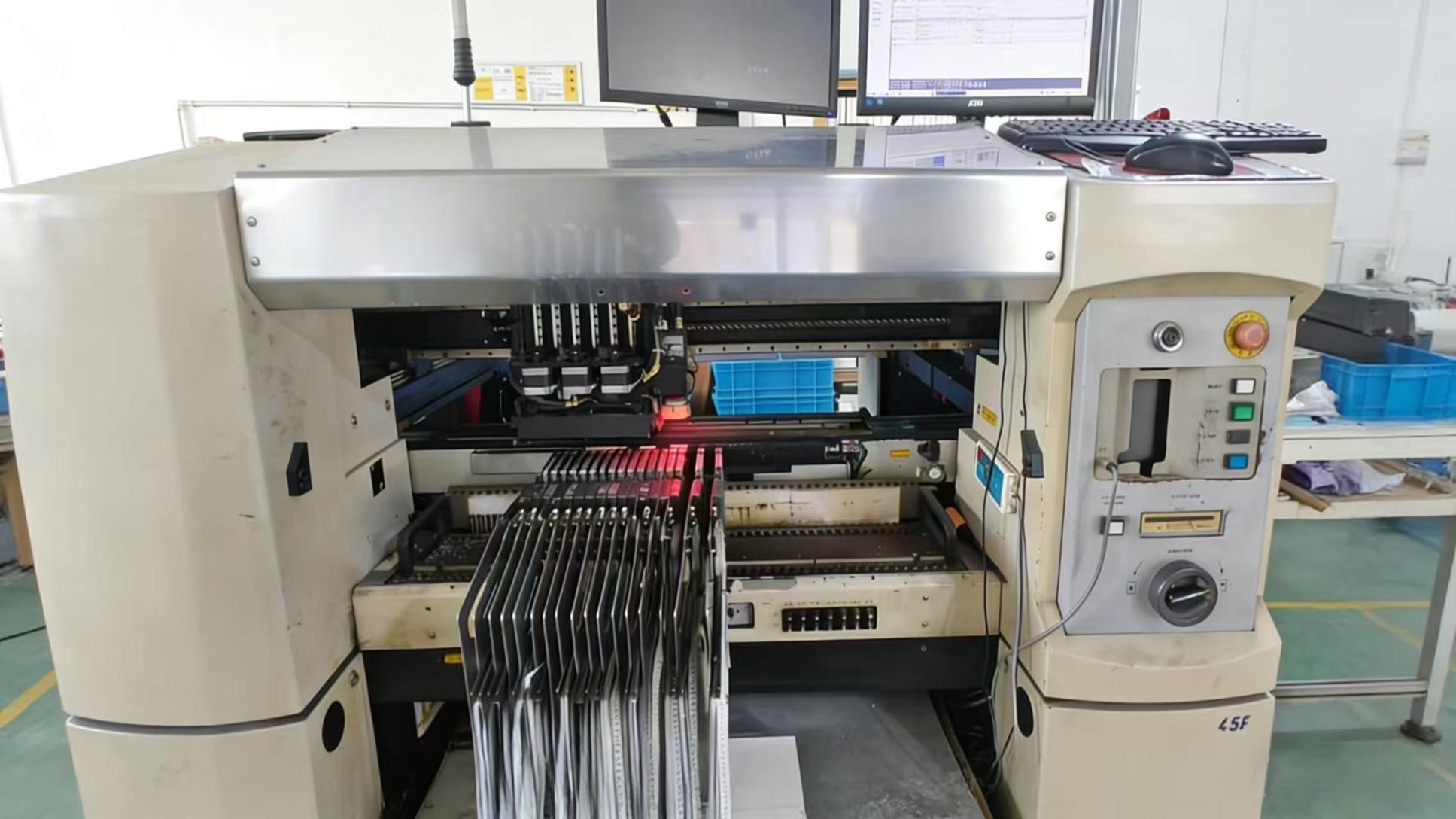
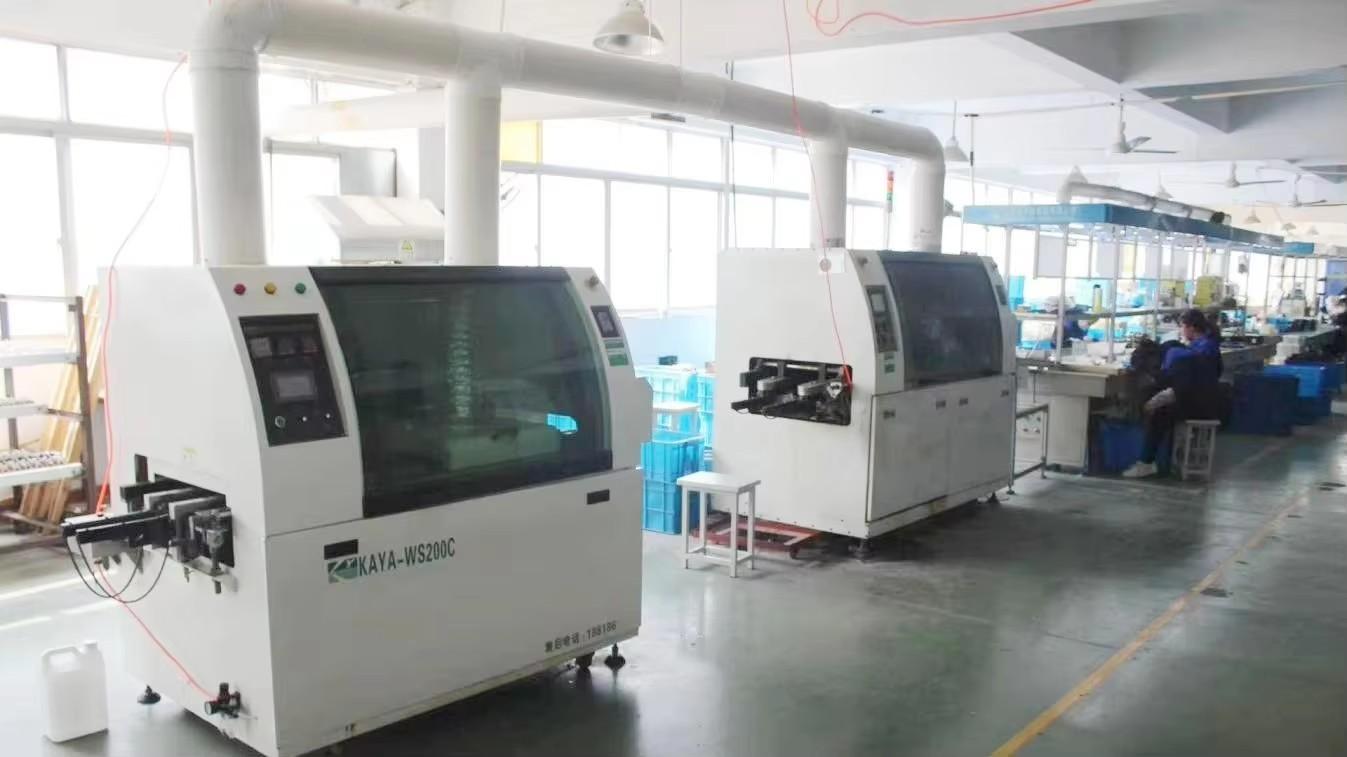
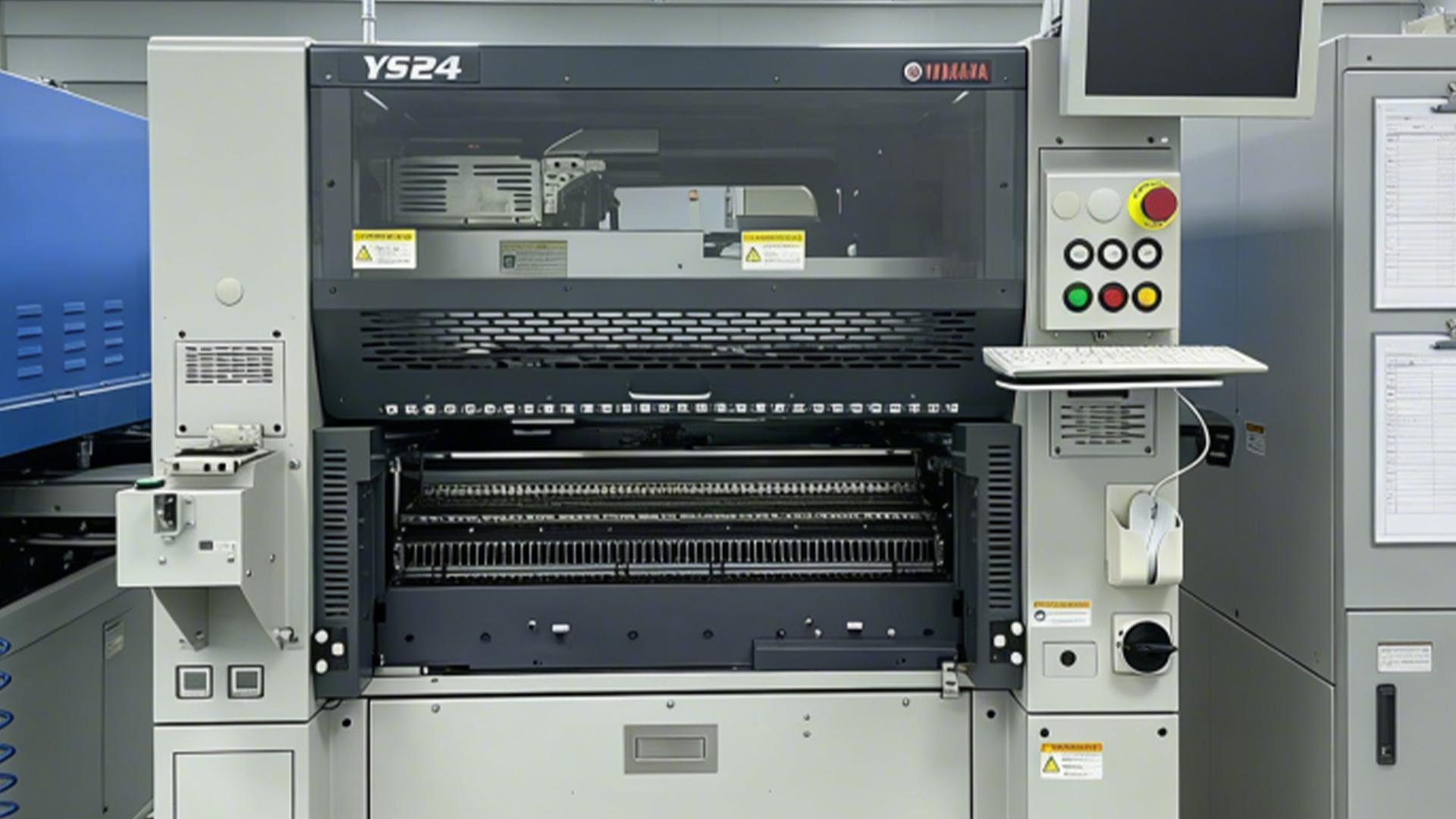
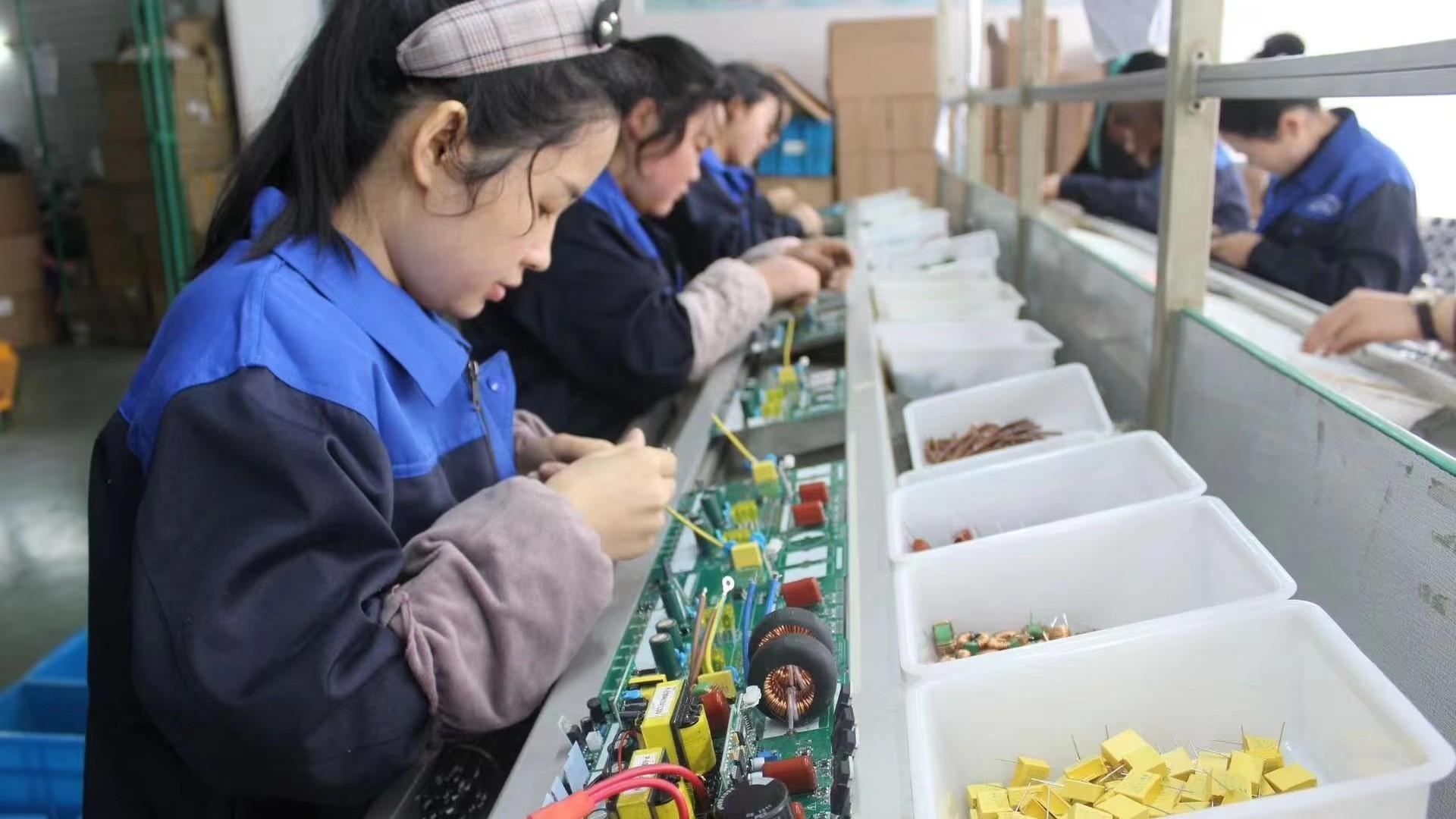
High-reliability power conversion starts with verified manufacturing infrastructure. Yueqing Keldan Technology Co., Ltd. operates state-of-the-art automated production lines in Zhejiang, China, fully inspected and verified onsite by TÜV Rheinland.

SMT mounter for power supply and hybrid inverter PCB assembly at Yueqing Keldan Technology Co., Ltd. SMT High-Speed Placement
Reflow soldering equipment at Keldan manufacturing facility Reflow Soldering
AOI automated optical inspection system for inverter PCBs AOI Optical Inspection
Precision component cutting and pin trimming process Component Preparation
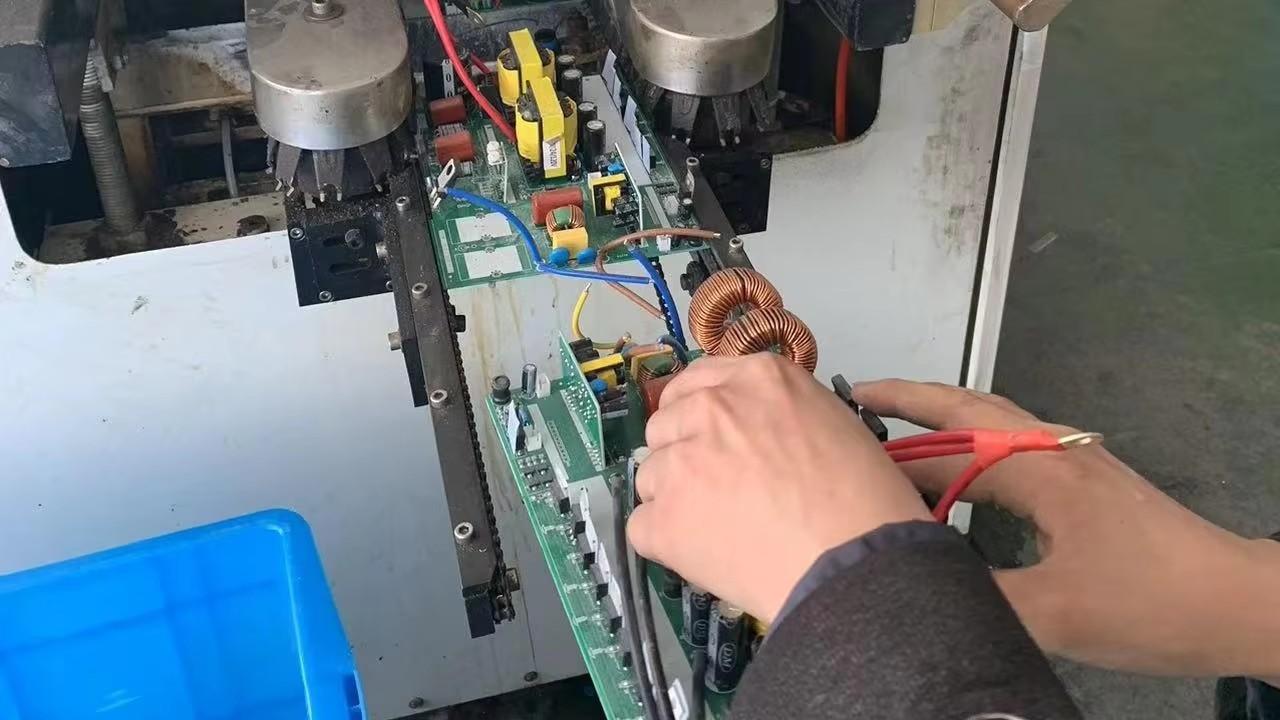
Precision welding line for power electronics components Precision Welding
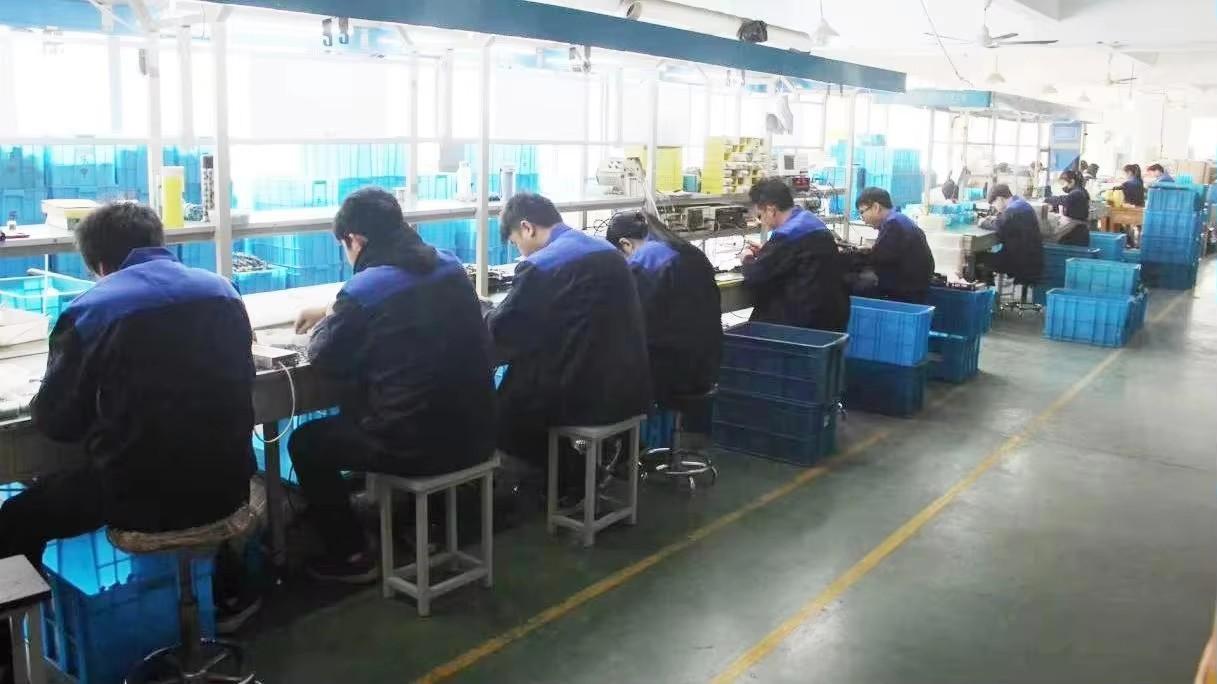
Inverter and power supply modular assembly line at Keldan Modular Assembly Workshop
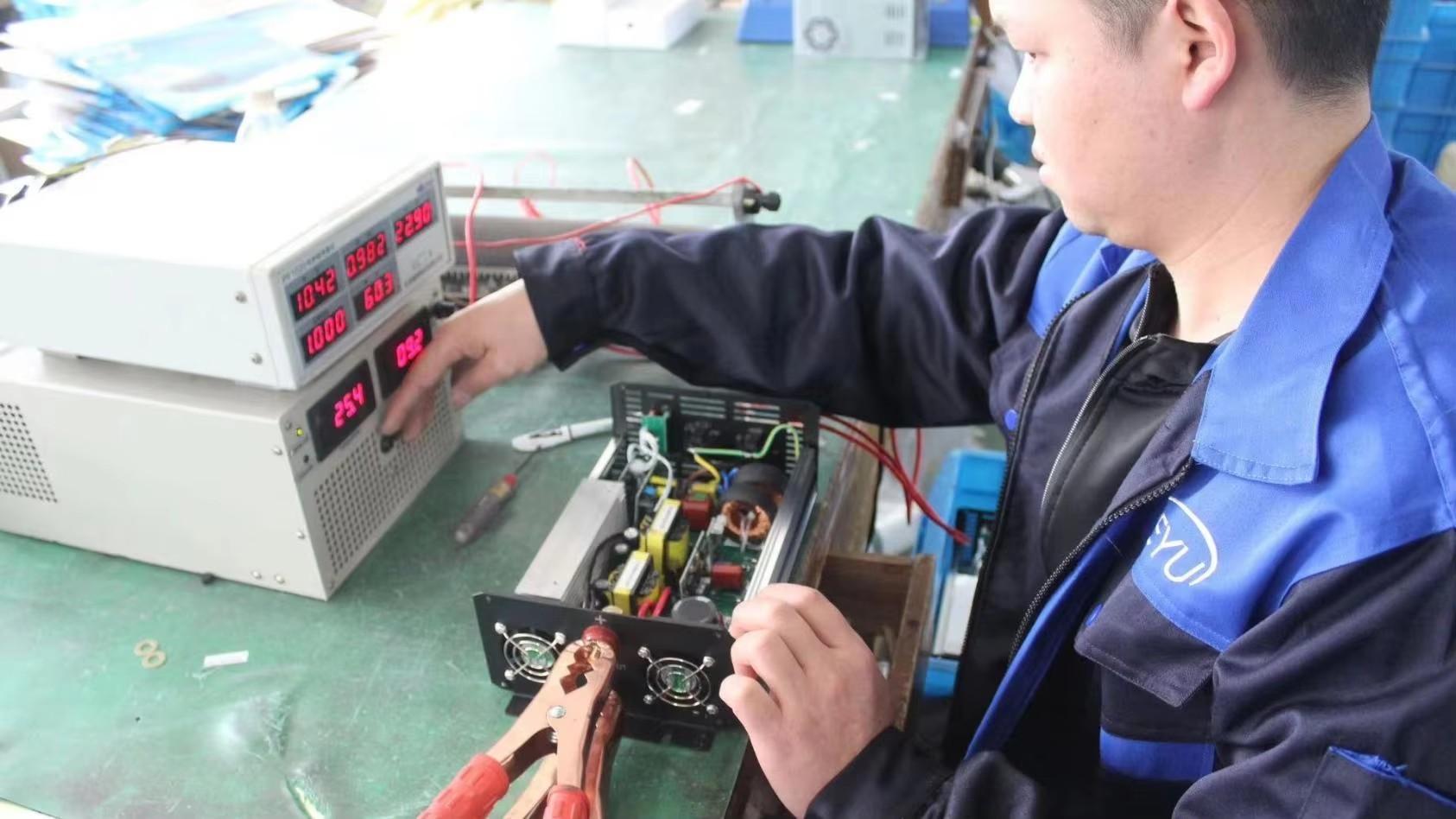
Technical debugging station for inverter calibration and safety testing Debugging & Calibration
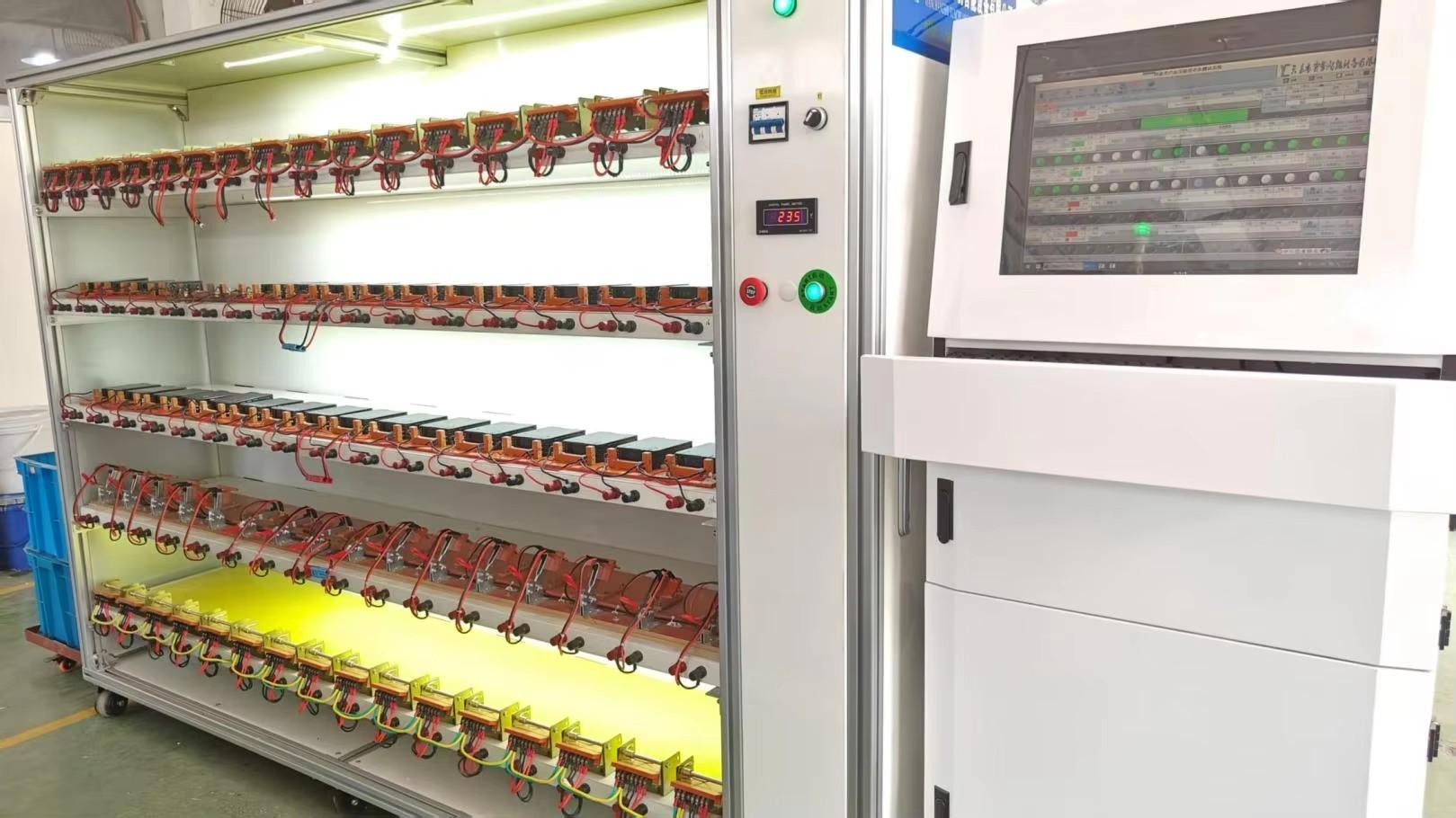
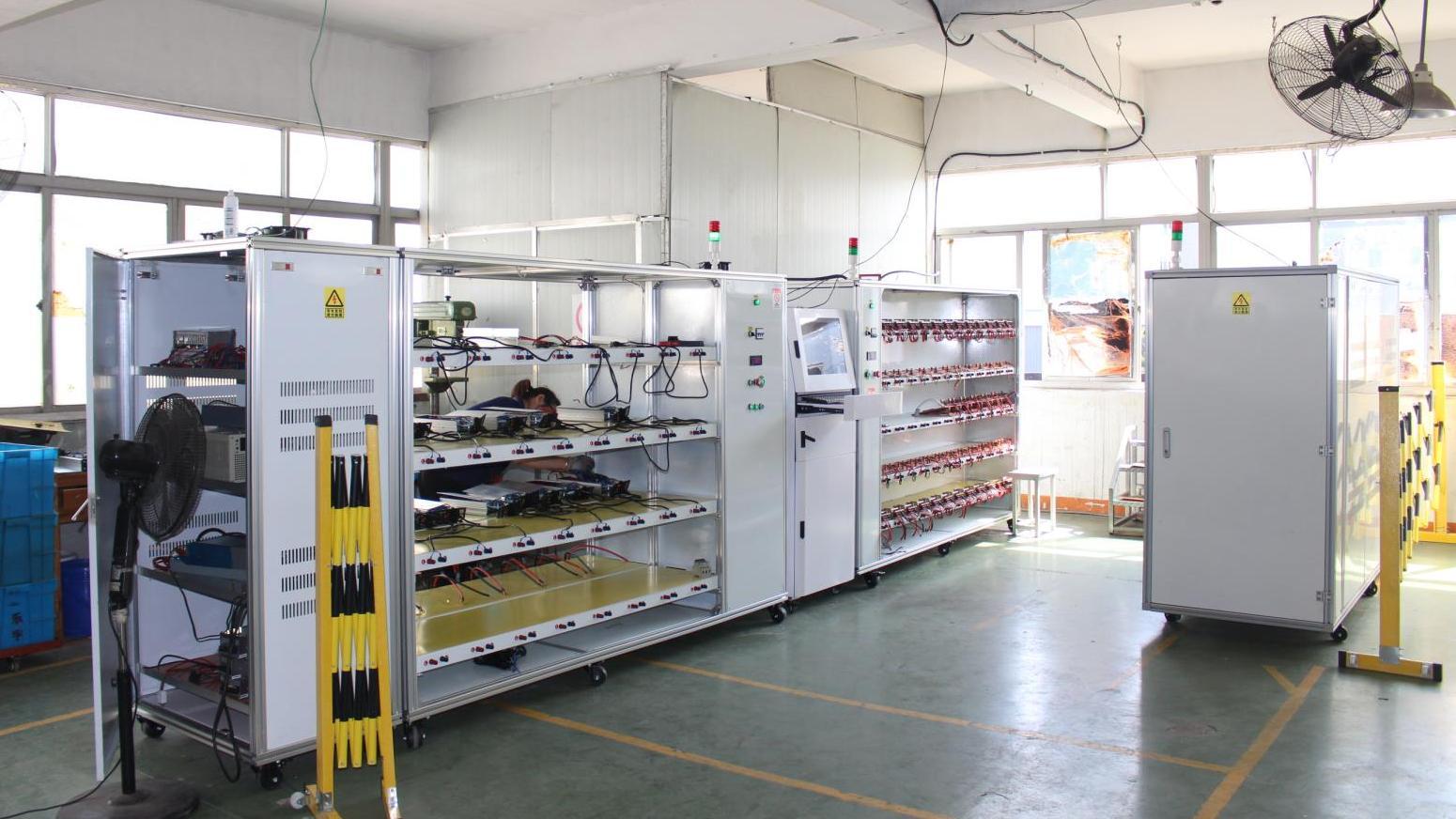
Full-load high temperature burn-in aging test for hybrid inverters 100% Full-Load Aging Test
Computerized aging testing rack system for power electronics quality assurance Automated Aging Testing System

Why Partner with Yueqing Keldan Technology Co., Ltd. for OEM/ODM Hybrid Inverter Manufacturing?

At Yueqing Keldan Technology Co., Ltd., we bring over 18 years of specialized power electronics expertise to global B2B partnerships. Situated in Yueqing, Wenzhou—China’s flagship hub for electrical equipment manufacturing—our facility integrates end-to-end design, surface-mount technology (SMT), automated optical inspection (AOI), manual debugging, full-load burn-in testing, and final quality control under one roof.

  • TÜV Rheinland Onsite Verification: Our production lines, assembly capacity, and quality assurance protocols are verified onsite by TÜV Rheinland, providing procurement managers with full auditing transparency.
  • Engineering Experience & Customization: Led by experienced senior electrical engineers (5+ years in SMPS and solar power conversion each), we support custom input/output voltage matching, customized outer enclosures, branded UI/LCD displays, and tailored BMS communications (CAN/RS485).
  • Strict 100% Burn-In Quality Standard: Every hybrid solar inverter undergoes automated multi-hour full-load aging testing to eliminate early-life component failures prior to export packaging.
  • Global Logistics & Dedicated Export Support: Supported by an experienced 12-person international trade department, we provide seamless documentation, customs compliance, and responsive technical support for buyers across Europe, the Americas, Southeast Asia, and Africa.
Frequently Asked Questions

Hybrid Solar Inverter Procurement & Technical FAQs

Direct technical answers to common questions asked by procurement officers, EPC engineers, and energy distributors.

What is the main technical advantage of a hybrid solar inverter over standard grid-tied inverters?
A hybrid solar inverter seamlessly integrates solar PV generation, battery energy storage management, grid utility interaction, and backup power supply into a single intelligent unit. Standard grid-tied inverters automatically shut down during grid outages due to anti-islanding regulations. Hybrid inverters feature internal static transfer switches (<10ms) that isolate the local circuit from the grid while maintaining uninterrupted power supply (UPS class) to critical loads using solar and battery power.
How does Yueqing Keldan Technology Co., Ltd. handle OEM/ODM customization for B2B clients?
Yueqing Keldan Technology Co., Ltd. offers complete OEM and ODM customization services. We support custom hardware parameter adjustments (such as specific MPPT DC input ranges, AC output voltages, and power ratings), custom branded sheet-metal housings, personalized LCD/touchscreen user interfaces, and customized firmware for specific Lithium Battery BMS protocols via CANbus or RS485 communication.
What is the difference between DC-coupled and AC-coupled hybrid solar inverter systems?
In a DC-coupled hybrid system, solar panels feed energy directly into a common DC bus to charge batteries before converting to AC power. This yields superior efficiency (>98%) for solar battery charging. In an AC-coupled system, solar power is first converted to AC by a grid inverter and then converted back to DC by a storage inverter to charge batteries. DC coupling is standard for new installations, whereas AC coupling is often used to retrofit existing grid-tied solar systems.
What safety protection mechanisms are integrated into Keldan Hybrid Inverters?
Our hybrid inverters feature comprehensive hardware and software protection suites, including PV DC reverse polarity protection, AC overcurrent/overvoltage protection, short-circuit protection, battery over-charge/over-discharge protection, thermal derating and over-temperature shutdown, insulation resistance monitoring, and integrated Type II AC/DC surge protection devices (SPD).
How do I verify the quality and factory capabilities of Yueqing Keldan Technology Co., Ltd.?
Our manufacturing plant in Yueqing, Zhejiang, China has been audited and verified onsite by TÜV Rheinland. We provide complete factory tour videos, third-party audit reports, CE test certificates, and sample testing options starting from 1 unit for standard models. Contact our export sales team at [email protected] to request full qualification dossiers.

Ready to Source High-Performance Hybrid Solar Inverters?

Get direct factory pricing, technical datasheets, and OEM/ODM consultation from Yueqing Keldan Technology Co., Ltd.

[email protected]
Get a Quote