Precision-Engineered Industrial Power Conversion Units
Manufactured under strict ISO9001 and CE directives, our power supply portfolio fulfills the rigorous noise immunity, thermal stability, and transient tolerance demands of heavy-duty automation, building management, and critical infrastructure.
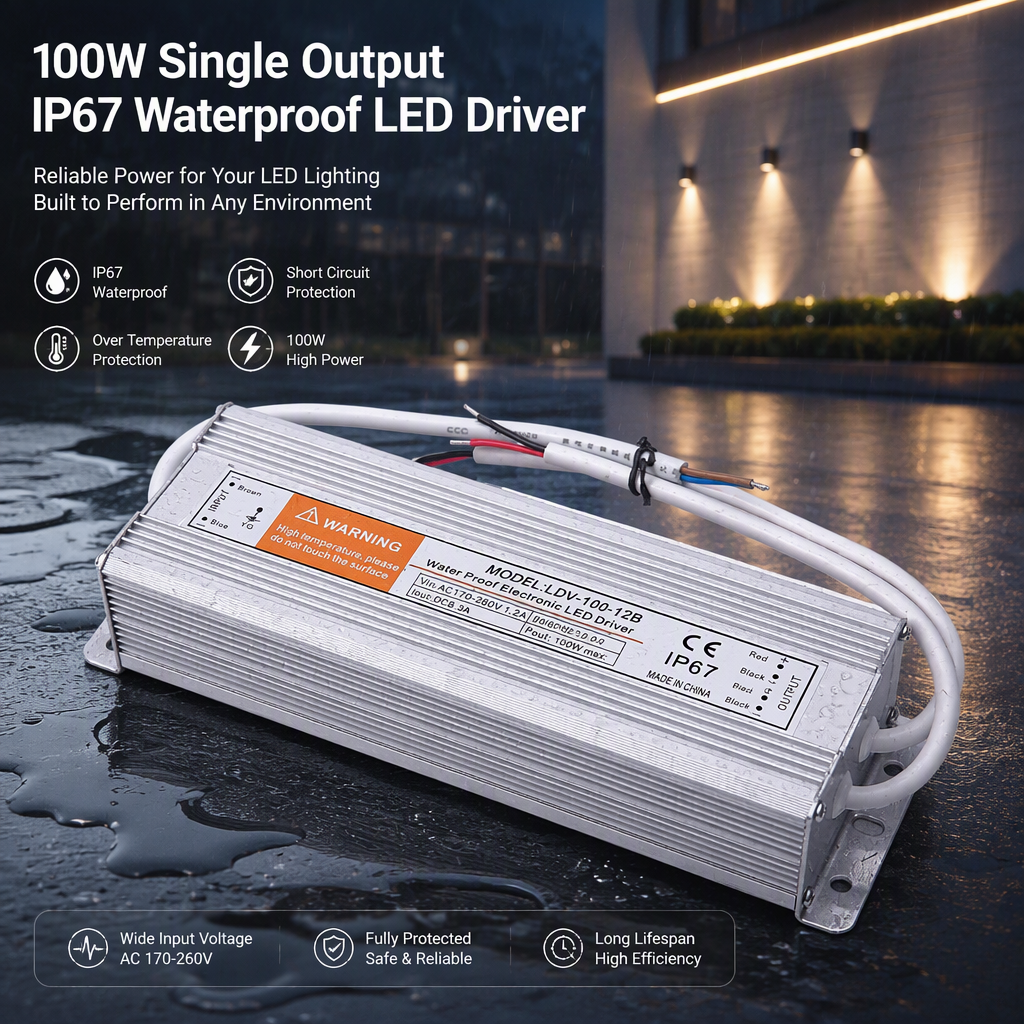
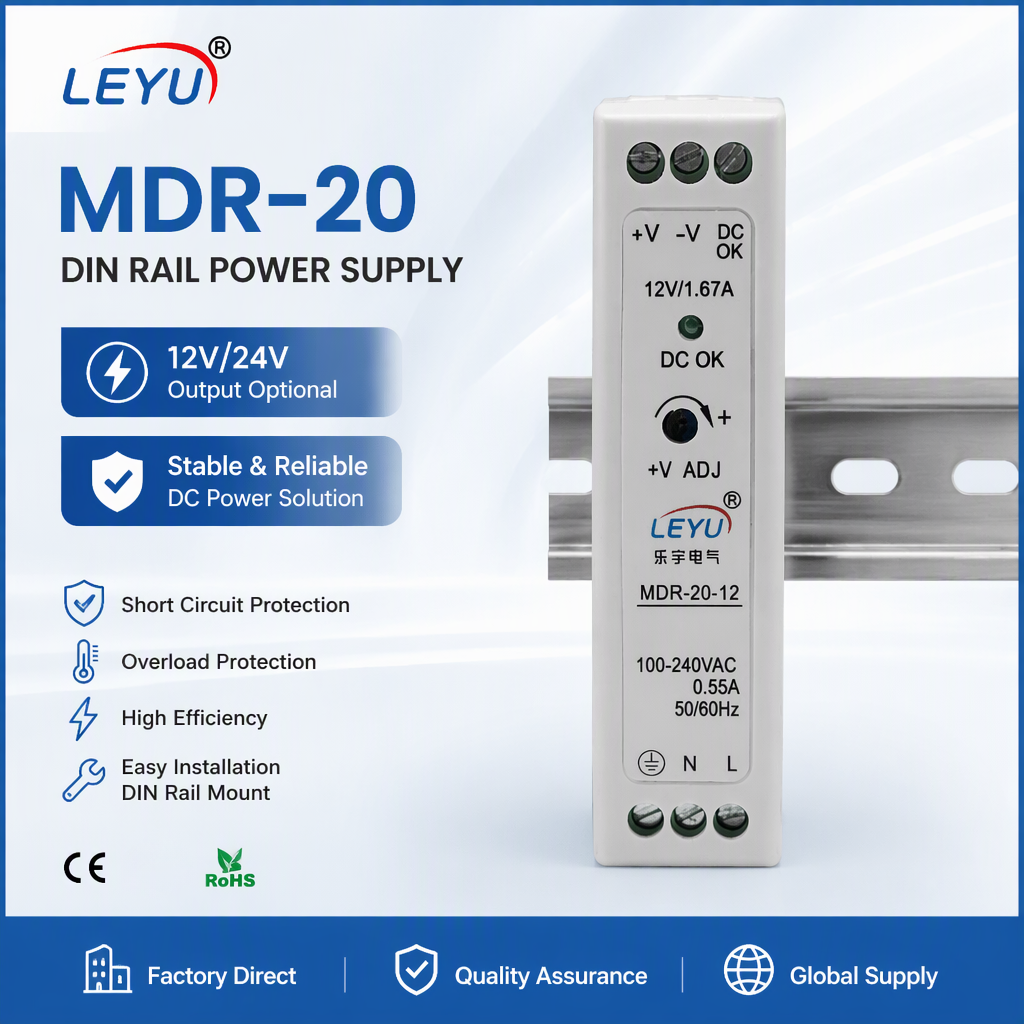
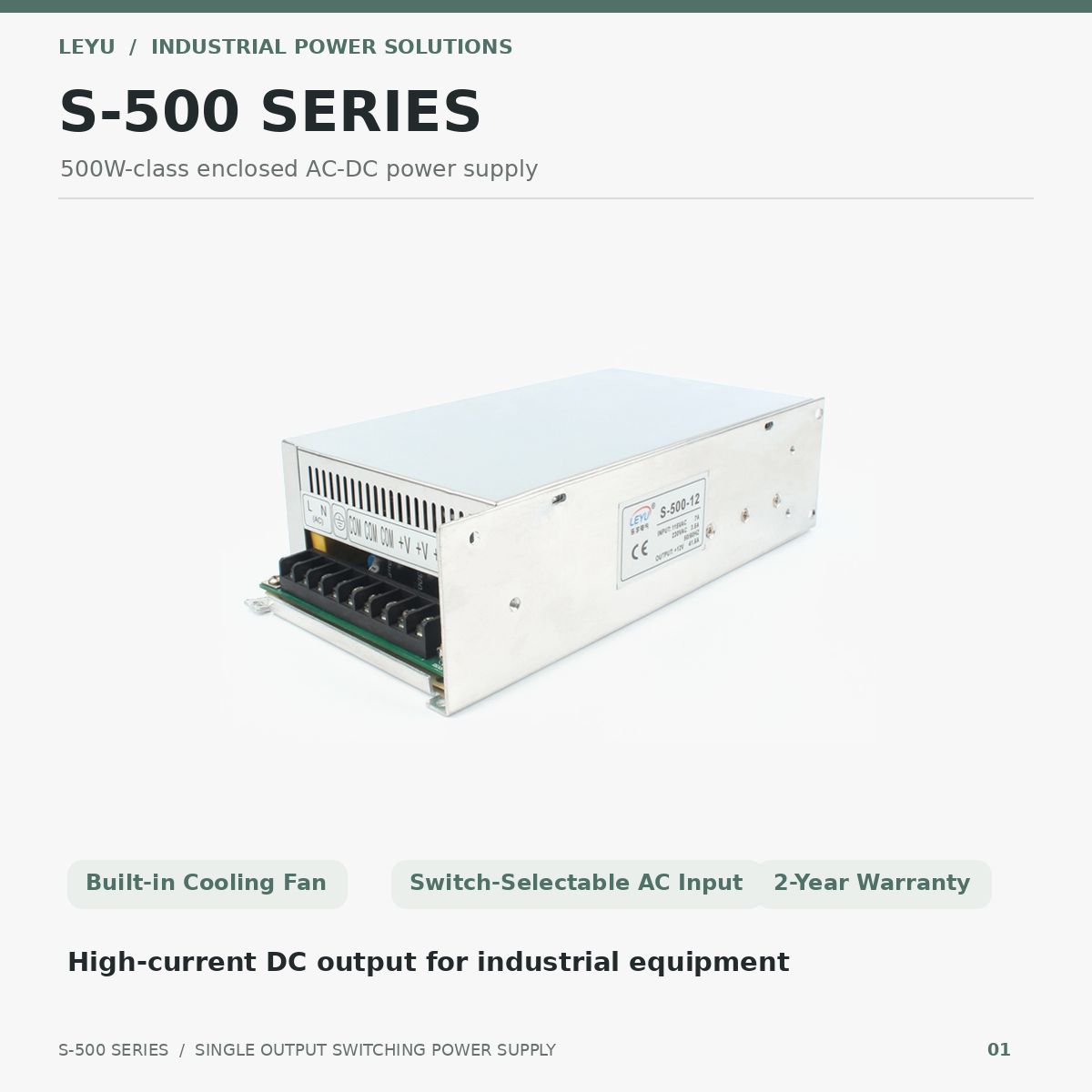
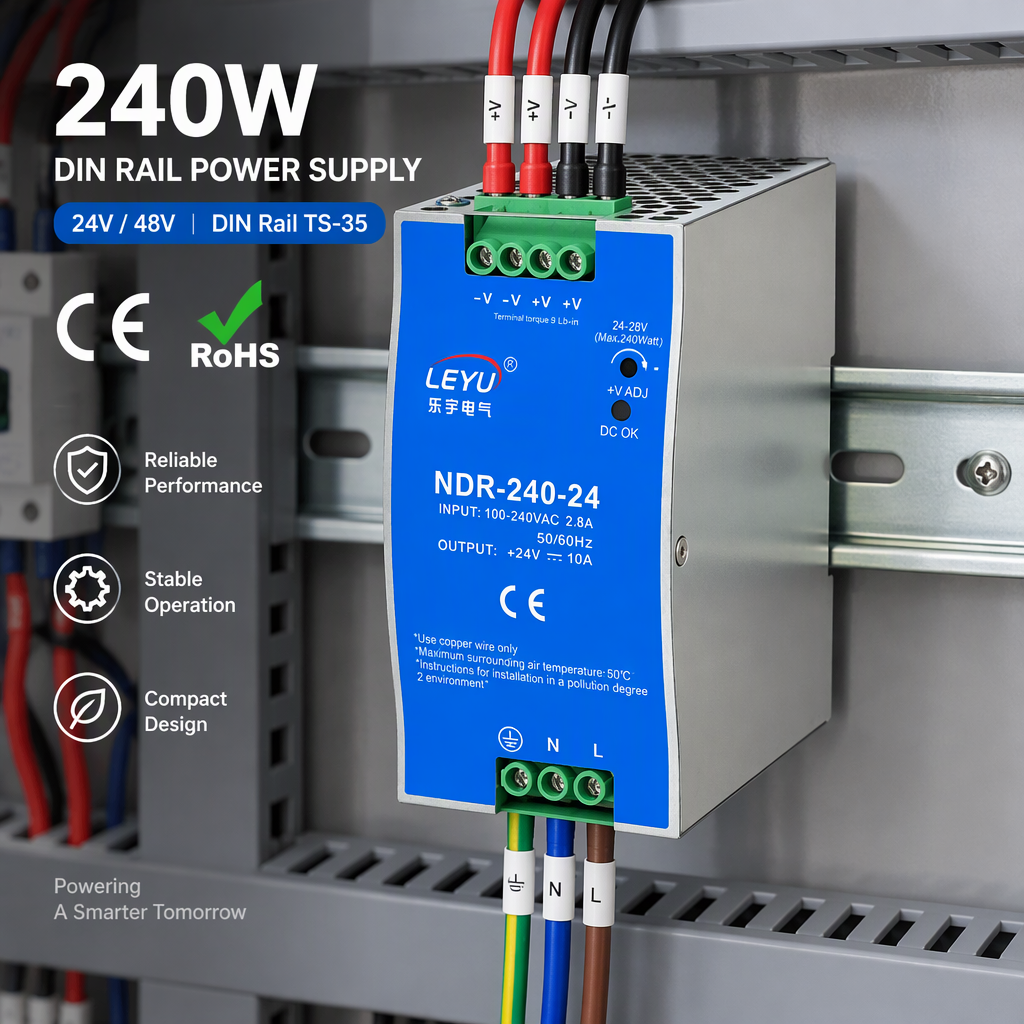
Why Tier-1 Importers Source from Yueqing Keldan Technology
Positioned in Yueqing, Wenzhou—the capital of electrical apparatus manufacturing in China—Keldan integrates engineering depth, localized supply chain responsiveness, and direct manufacturer accountability.
TÜV Rheinland Onsite Verification
Unlike export trading intermediaries, our complete physical production setup—including SMT automated placement, reflow thermal profiles, and testing jigs—has been assessed and verified onsite by TÜV Rheinland.
We provide full chain transparency, offering clients documented audit records, CE certificates, and factory batch reports upon specification review.
8-Stage Quality Verification Protocol
Every SMPS leaving our factory floor navigates an 8-stage QA gate: rigorous IQC screening of components (long-life electrolytic capacitors, high-junction MOSFETs), automated optical inspection (AOI), manual wave calibration, and 100% full-load burn-in aging under elevated ambient chambers to eradicate premature infant mortality.
Agile OEM & ODM Engineering Customization
Our senior engineering core (average SMPS design tenure >5 years) executes specialized voltage trimming, dual-bus rail setups, enhanced dielectric conformal coating, wide-range DC inputs, custom chassis extrusions, and client-branded Silk-screen labeling from CAD prototypes within rapid turnaround cycles.
| Inspection Stage | Technical Objective | Validation Equipment / Methodology | Defect Mitigation Standard |
|---|---|---|---|
| 1. Incoming QC (IQC) | Raw semiconductor & core verification | LCR Bridge, ESR Testers, Transistor Curve Analyzers | Zero lot acceptance on out-of-spec capacitor ESR |
| 2. SMT & Reflow | Micro-placement precision of SMPS circuitry | Multi-zone reflow oven, Nitrogen-assisted profiling | IPC-A-610 Class II standard compliance |
| 3. AOI Optical Gate | Detection of tombstoning, micro-bridging, solder voids | High-definition Automated Optical Inspection scanners | Immediate line stoppage on consecutive misalignment |
| 4. Full-Load Aging | Thermal degradation and infant mortality purge | Computerized Burn-In Racks at 45°C ambient (2-4 hours) | 100% units subjected to high-temperature operating load |
| 5. Final ATE Testing | Electrical parameters, Hi-Pot, Ripple & Noise | Chroma Automated Test System (ATE) | Dielectric withstand: 3.0kVAC Input-Output isolation |
Next-Generation Industrial SMPS: Engineering Evolution Trends
A technical briefing on the shifts in topology, material science, and regulatory compliance transforming the global power supply supply chain.
1. Wide-Bandgap GaN & SiC Integration
Traditional silicon MOSFET topologies in switched-mode power supplies are approaching their physical thermal and switching-frequency limits. The transition to Gallium Nitride (GaN) and Silicon Carbide (SiC) switching stages enables frequencies exceeding 150kHz-300kHz.
This dramatic reduction in switching losses slashes magnetics volume by up to 40%, generating higher power density (W/in³) critical for packed DIN rail cabinets while elevating overall conversion efficiency above 94%.
2. Mandatory Active PFC & Harmonics Suppression
With stringently enforced international standards such as EN 61000-3-2 Class D and regional energy-efficiency directives, active Power Factor Correction is no longer restricted to premium units. Modern industrial grids demand a Power Factor >0.95 across 20% to 100% loading.
Active PFC topologies eliminate reactive power waste, mitigate line-frequency harmonics, protect upstream PLCs, and streamline multi-unit parallel setups on single AC branch runs.
3. Digital Telemetry & Fieldbus Diagnostics
Industry 4.0 architecture is converting the passive power supply into an active node on the operational data plane. Smart DIN rail units are increasingly engineered with bidirectional communication buses (PMBus, IO-Link, Modbus RTU).
Real-time measurement of output ripple voltage, MTBF thermal stress, real-time load distribution, and cycle-life degradation permits remote predictive maintenance prior to catastrophic system shutdown.
Future Procurement Trends: Mitigating Geopolitical & Technical Risk
Strategic purchasing guidelines for distributors, system integrators, and industrial panel OEMs seeking sustainable cost performance.
Derating Economics vs. True MTBF Sizing
Experienced sourcing directors avoid purchasing SMPS units based strictly on 100% nominal continuous wattage. Industrial inductive loads (solenoids, servo motors, DC relays) impose sudden 1.5x–2.5x inrush surges lasting several hundred milliseconds.
Future-proof procurement favors manufacturers providing clear derating curves above 50°C ambient temperature and models designed with continuous 120%-150% peak power reserve margins. Buying higher thermal-margin supplies saves up to 400% on warranty service calls and downtime claims.
Supply Chain Cluster Integration (Yueqing Advantage)
Global supply chain volatility has proven that isolated assembly shops fail when localized sub-tier vendors face disruptions. China's Yueqing industrial corridor houses an end-to-end ecosystem: copper wire extrusion, stamped terminal blocks, flame-retardant polymers, and custom magnetic cores reside within a 15km operational radius.
By partnering with established manufacturers like Keldan in this electrical cluster, buyers gain protected lead times, resilient BOM sourcing, and consistent unit pricing even amid international commodity fluctuations.
Frequently Asked Questions on Sourcing Power Supplies from China
Practical answers addressing regulatory compliance, production auditing, customization parameters, and quality assurance.
FAQ 01 How do I verify if a Chinese power supply supplier is an actual manufacturer?
Examine third-party onsite assessment reports conducted by recognized certification bodies such as TÜV Rheinland or SGS. A authentic manufacturer has verifiable on-premise machinery assets: automated SMT surface mounters, reflow ovens, AOI testing consoles, dedicated aging/burn-in chambers, and Chroma electrical testers. Keldan is onsite-verified by TÜV Rheinland as a custom manufacturer with transparent video audits available.
FAQ 02 Why is active Power Factor Correction (PFC) crucial for European and American imports?
Active PFC aligns the phase of input current with input voltage, raising power factors above 0.95. Regulatory directives such as EU EN 61000-3-2 dictate strict harmonic emissions limitations for power supplies drawing over 75W. Non-PFC power supplies cause heavy current distortion, tripping upstream branch circuit breakers and facing customs non-compliance scrutiny.
FAQ 03 What is the critical distinction between pure sine wave and modified sine wave inverters?
Pure sine wave inverters replicate low-distortion utility-grade AC electricity (THD <3%), which is mandatory for inductive loads (refrigeration compressors, precision medical tools, variable-speed pumps, and audio equipment) to run cool and quiet. Modified sine wave units are economical stepped-square topologies suitable only for resistive heating elements or basic incandescent lamps.
FAQ 04 How do you prevent field failures caused by fluctuating grid surges?
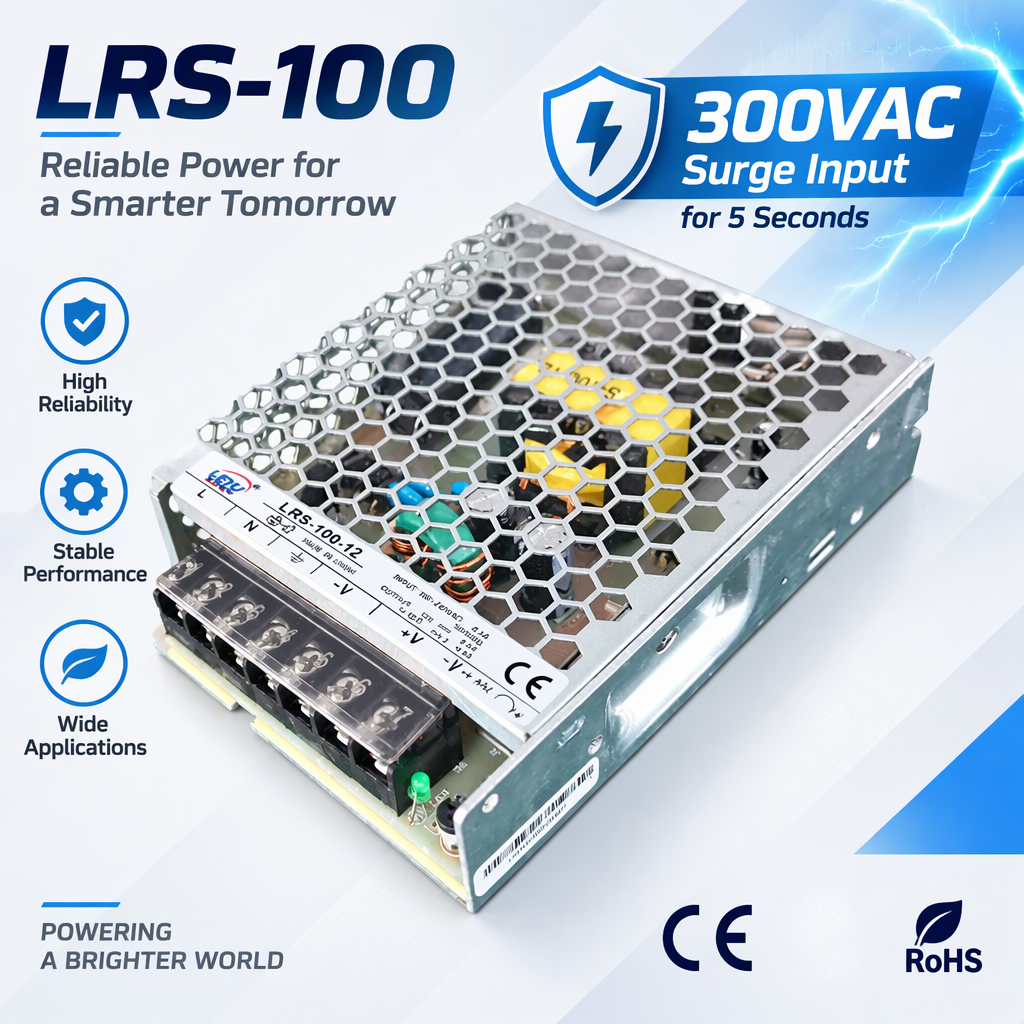
All industrial-grade Keldan switching power supplies integrate multi-stage input EMI filters and transient surge suppression (MOV networks) engineered to withstand a continuous 300VAC surge for 5 seconds. Comprehensive auto-recovery protections—Overvoltage Protection (OVP), Overload/Hiccup Protection (OLP), and Overtemperature Thermal Shutdown (OTP)—are incorporated into the core IC silicon architecture.
FAQ 05 What are the standard Minimum Order Quantities (MOQs) for OEM custom projects?
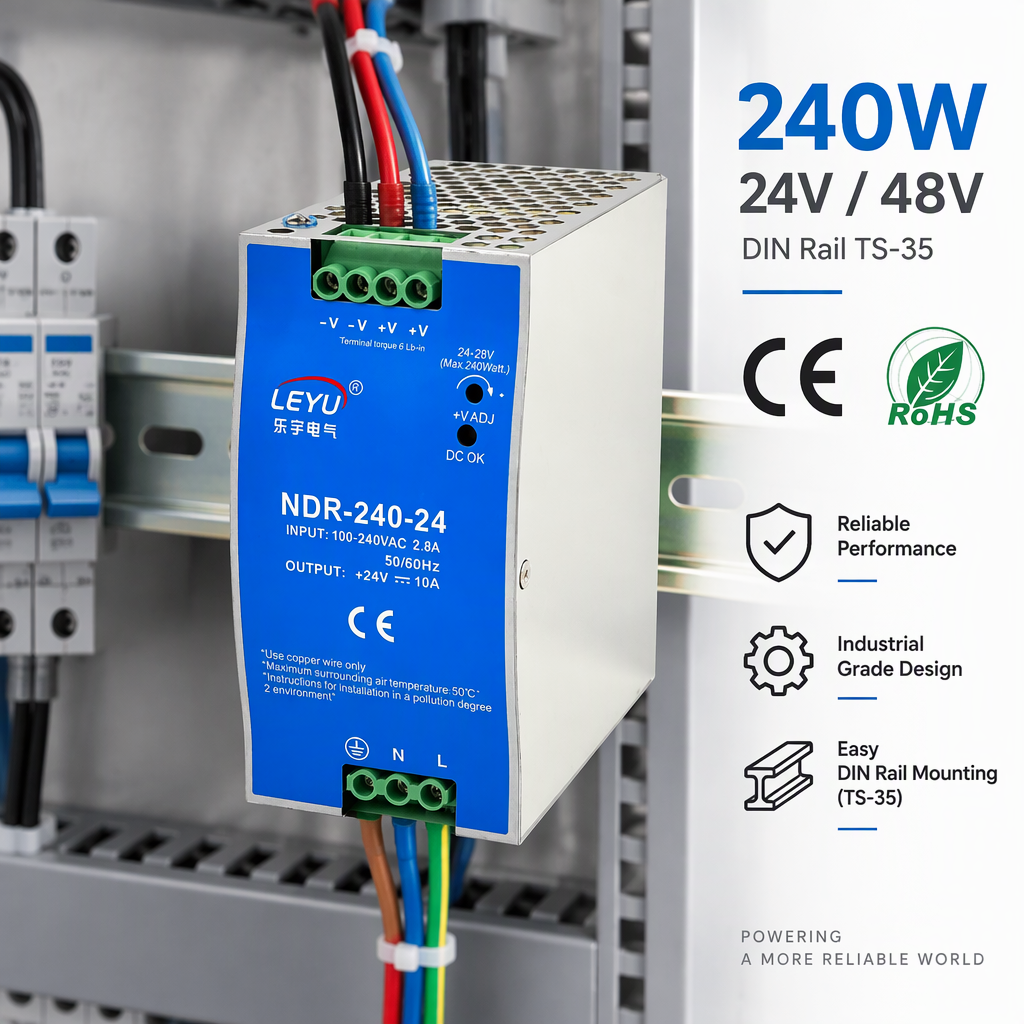
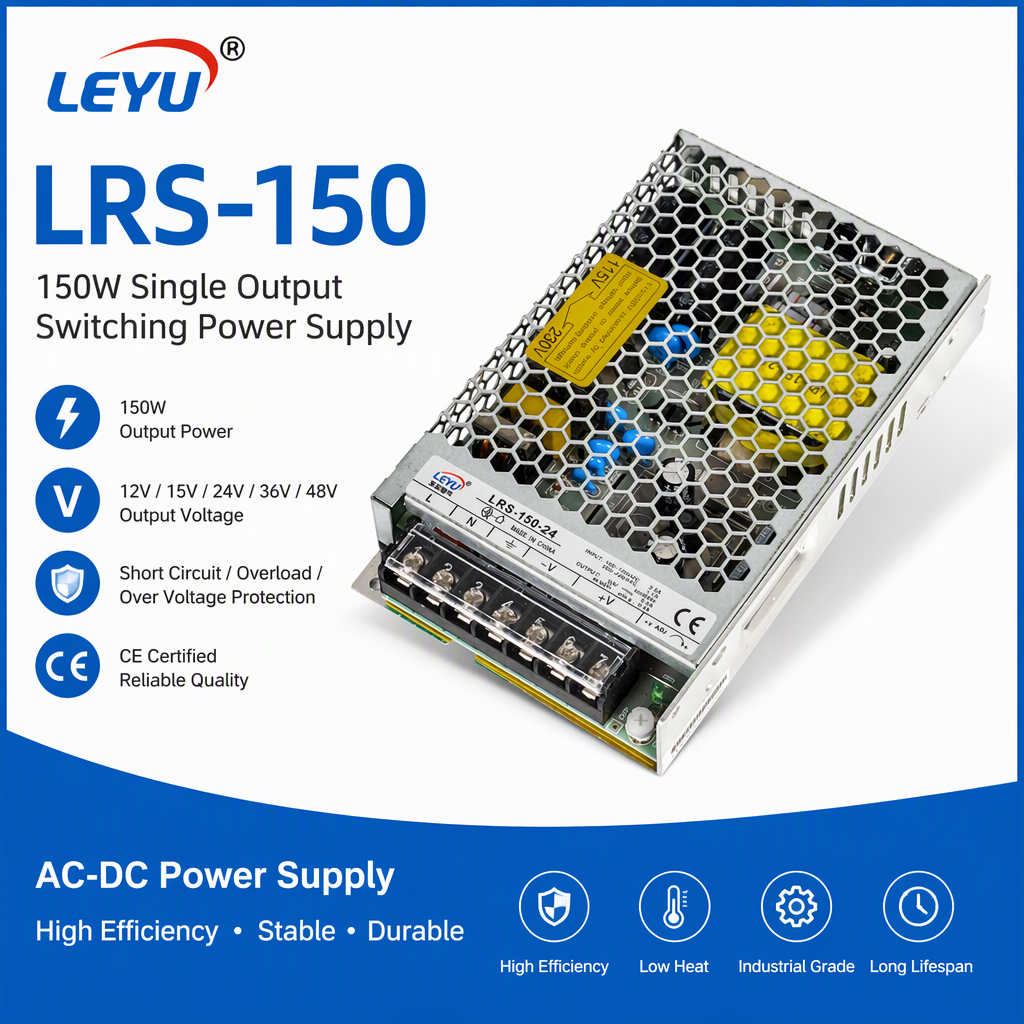
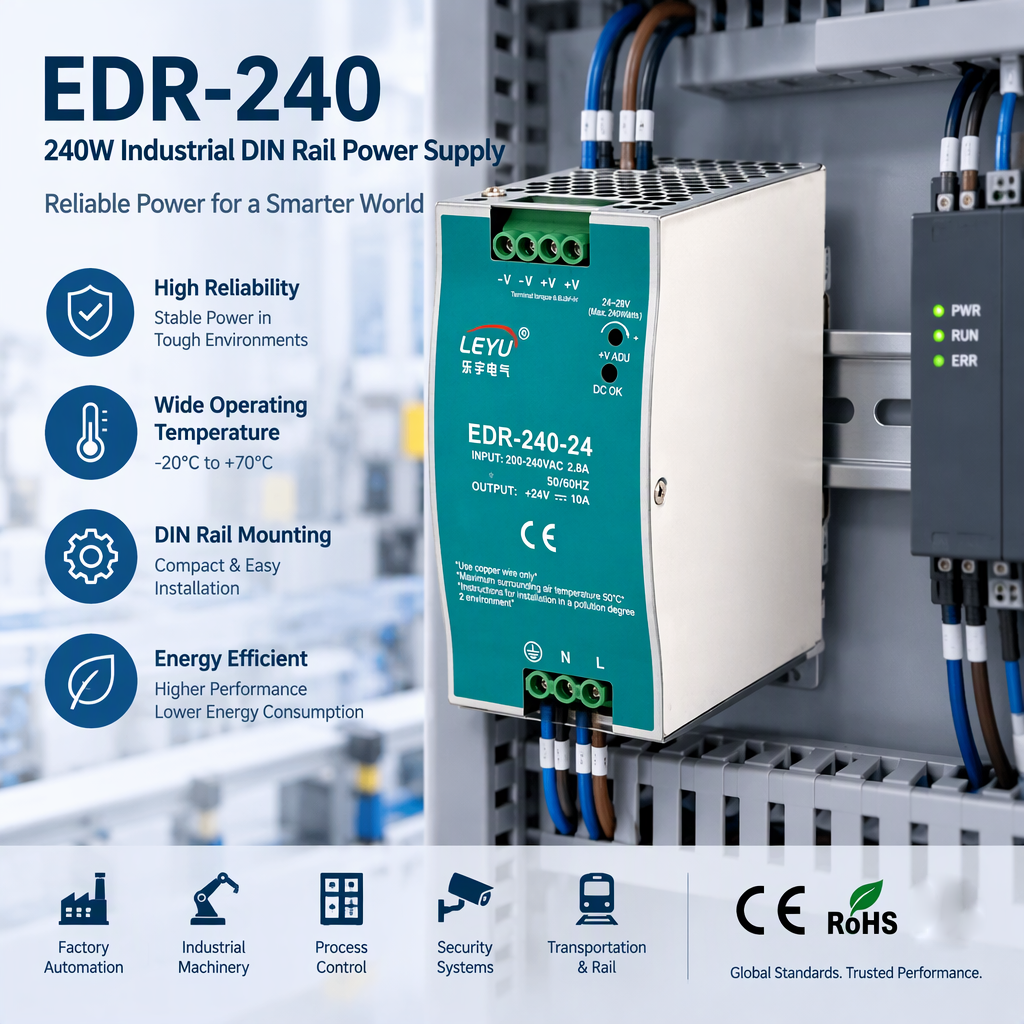
For standard catalog models (such as DIN Rail NDR, MDR, or enclosed LRS series), sample validation batches are available starting from 1 unit, with low carton-level MOQs (10-15 pieces) for rapid trial runs. For custom hardware modifications—such as unique DC output voltages, specialty IP-rated silicone potting, customized wiring looms, or private labeling—MOQs are calculated flexibly based on customized tooling requirements.
FAQ 06 What testing data and conformity documentation is delivered with bulk consignments?
Every standard shipment includes CE conformity documentation, RoHS compliance declarations, and lot-specific QA inspection certificates verifying dielectric breakdown resistance (Hi-Pot 3kVAC), insulation resistance (>100MΩ), and full-load burn-in stabilization curves. Extended third-party test reports are provided upon project specification alignment.
