18+ Years
Power Electronics R&D
TÜV Rheinland
Onsite Verified Audit
44+ Personnel
Dedicated Engineers & QC
100% Aging
Full Load Burn-in Tested
Industrial Product Showcase
Precision Power Supplies & Non-Isolated/Isolated Converters
Engineered for dynamic fluctuation stability, ultra-low harmonic distortion, and rugged industrial performance.
Technical Engineering Whitepaper
Next-Generation Buck-Boost Power Conversion & Topology Evolution
A comprehensive technical analysis for lead systems architects, embedded power designers, and global procurement managers navigating battery-buffered industrial grids and renewable fluctuations.
Topology Demands: Four-Switch Synchronous vs. Inverting SEPIC Solutions
In distributed energy resources, vehicular telematics, and unstable factory automation buses, input voltages often fluctuate across the nominal output voltage threshold. In a conventional DC-DC architecture, standard buck regulators drop out when the supply rails sag beneath the target, while pure boost circuits saturate when voltage spikes strike during regenerative motor braking. Non-inverting 4-switch synchronous buck-boost converters have emerged as the industry benchmark for high-density, mission-critical engineering.
By dynamically alternating between pure buck, pure boost, and interleaved buck-boost transition modes, modern synchronous control logic reduces switching losses by upwards of 40% compared to legacy single-inductor inverting topologies. At Yueqing Keldan Technology, our OEM buck-boost converter platforms employ low RDS(on) trench-gate MOSFETs, low-core-loss powdered iron inductors, and specialized thermal vias that mitigate hotspot concentrations under continuous industrial workloads.
- Seamless Buck-to-Boost Handshake: Microsecond transient response prevents bus dropouts during heavy cold-crank or line sags.
- Ultra-Wide Input Dynamic Ratios: Standard designs handle 9V–36V or 18V–75V broad envelopes without derating stability.
- GaN and SiC High-Frequency Switch Options: Reduces magnetic passive footprint by over 35% for low-profile applications.
- Class-B EMC Compliance: Built-in multi-stage pi-filters minimize radiated and conducted emissions under EN 55032 standard.
| Topological Architecture | Typical Conversion Efficiency | Output Polarity | EMC/EMI Profile | Primary OEM Industrial Application |
|---|---|---|---|---|
| 4-Switch Synchronous Buck-Boost | 95.5% – 98.2% | Positive (Non-Inverting) | Low (Optimized Spread-Spectrum) | Industrial Control Cabinets, Medical Robotics, AGVs |
| Single-Inductor Inverting (Classic) | 82.0% – 88.5% | Negative (Inverted) | Moderate to High Ripple | Legacy Telecom Boards, Negative Bias Sensors |
| SEPIC (Single-Ended Primary-Inductor) | 85.0% – 90.0% | Positive (Non-Inverting) | Continuous Input, Low Conducted | Solar LED Lighting, Automotive Battery Buffers |
| Isolated Flyback / Forward Converter | 86.0% – 92.5% | Galvanically Isolated | Controlled by Transformer Shield | Grid Substation SCADA, PLC I/O Isolation |
Strategic Procurement Insights
Future Procurement Trends & Power Architecture Evolution
Market intelligence gathered across OEM project consultations, regulatory shifts, and supply-chain risk mitigation strategies for 2025–2030.
Transition to Wide Bandgap Semiconductors (GaN/SiC)
Global tier-1 OEMs are rapidly sunsetting silicon switches in buck-boost applications above 200W. Gallium Nitride (GaN) and Silicon Carbide (SiC) drastically cut switching losses, allowing switching frequencies to exceed 500kHz. This dramatically shrinks inductive components and enclosure footprints, directly lowering enclosure freight costs and cabinet thermal footprints.
Digital Control Loops & PMBus/CAN Telemetry
Static analog potentiometers are being replaced by digitally programmable converter units. OEM buyers now demand PMBus, Modbus-RTU, or CAN telemetry. Real-time reporting of junction temperature, output ripple, current draw, and degradation status empowers smart factory predictive maintenance, preventing unexpected factory shutdowns.
Reshoring to Direct Verified Manufacturers (Anti-Brokerage)
Supply chain disruptions have exposed the fragility of multi-tier trading brokers. Engineering managers and professional procurement agents are shifting capital directly to audited, onsite-inspected facilities (such as TÜV Rheinland-inspected factories). Direct-to-factory partnerships reduce MOQ friction, ensure component traceability, and cut lead times by 30%.
TÜV Rheinland Inspected Custom Manufacturer
Factory Advantage
Yueqing Keldan Technology Co., Ltd. — Your Proven Power Electronics Manufacturing Ally
Strategically situated in Yueqing, Wenzhou—China's global center of industrial and low-voltage electrical engineering—Keldan brings over 18 years of specialized engineering in DIN rail power supplies, precision SMPS, variable DC converters, and custom OEM buck-boost topologies.
Unlike export traders who act as intermediaries, our complete physical workflow operates in-house: high-precision automated SMT pick-and-place lines, nitrogen reflow ovens, automated optical inspection (AOI), through-hole wave soldering, manual calibration, and 100% full-load thermal burn-in racks. Verified onsite by TÜV Rheinland, our manufacturing site complies with rigorous ISO standards and CE directives.
100% Incoming IQC Inspection
Critical electrolytic capacitors (Rubycon, Nichicon equivalents), high-voltage MOSFETs, and ferrite cores pass batch sampling LCR bridges and breakdown testers before touching the SMT feeder line.
Full-Cycle Dynamic Burn-in
Every industrial unit must complete continuous full-load aging tests on dedicated test benches, exposing infant component mortality long before cargo arrives at your destination port.
Tailored OEM/ODM Flexibility
From low starting sample evaluations (MOQ 1pc for standard lines) to full board re-layout, custom chassis stamping, conformal coating, private labeling, and custom wire harnessing.
Procurement Guidance
Frequently Asked Questions: Industrial Buck-Boost Sourcing
Direct technical and commercial answers addressing common engineering challenges, compliance barriers, and order specifications.
What critical differences distinguish non-isolated buck-boost modules from isolated converters?
Non-isolated synchronous buck-boost converters share a common electrical ground between the input source and the regulated load. This delivers maximum electrical efficiency (frequently 96% to 98.5%) and ultra-compact packaging because no transformer is required. However, if your system operates in high-noise ground-loop environments, grid utility interfaces, medical patient-contact equipment, or SCADA architectures exposed to high common-mode surges, galvanic isolation (via flyback, forward, or push-pull topologies) is mandatory to prevent voltage transients on the primary side from damaging sensitive microprocessor loads. Keldan designs and manufactures both topological categories depending on your exact safety isolation ratings (e.g., 1.5kVAC to 3kVAC).
How does Yueqing Keldan Technology handle heat dissipation in compact enclosed buck-boost units?
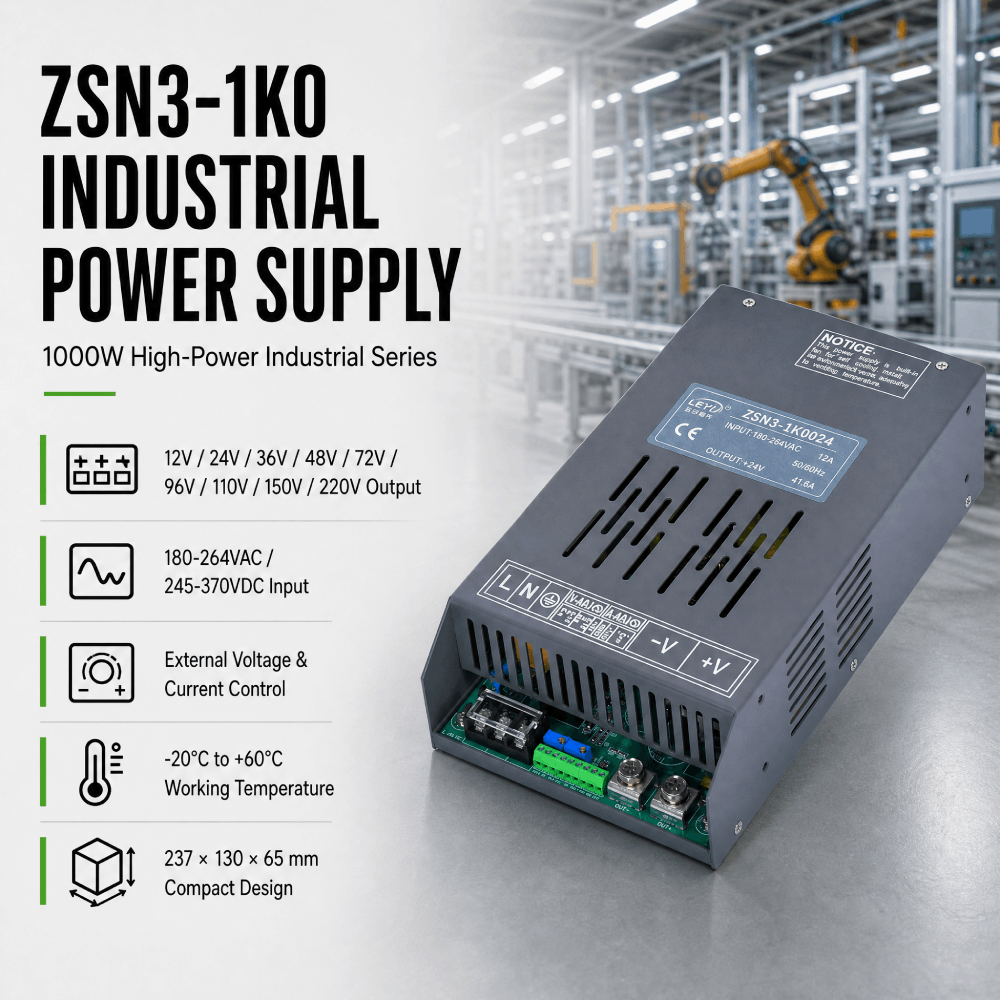
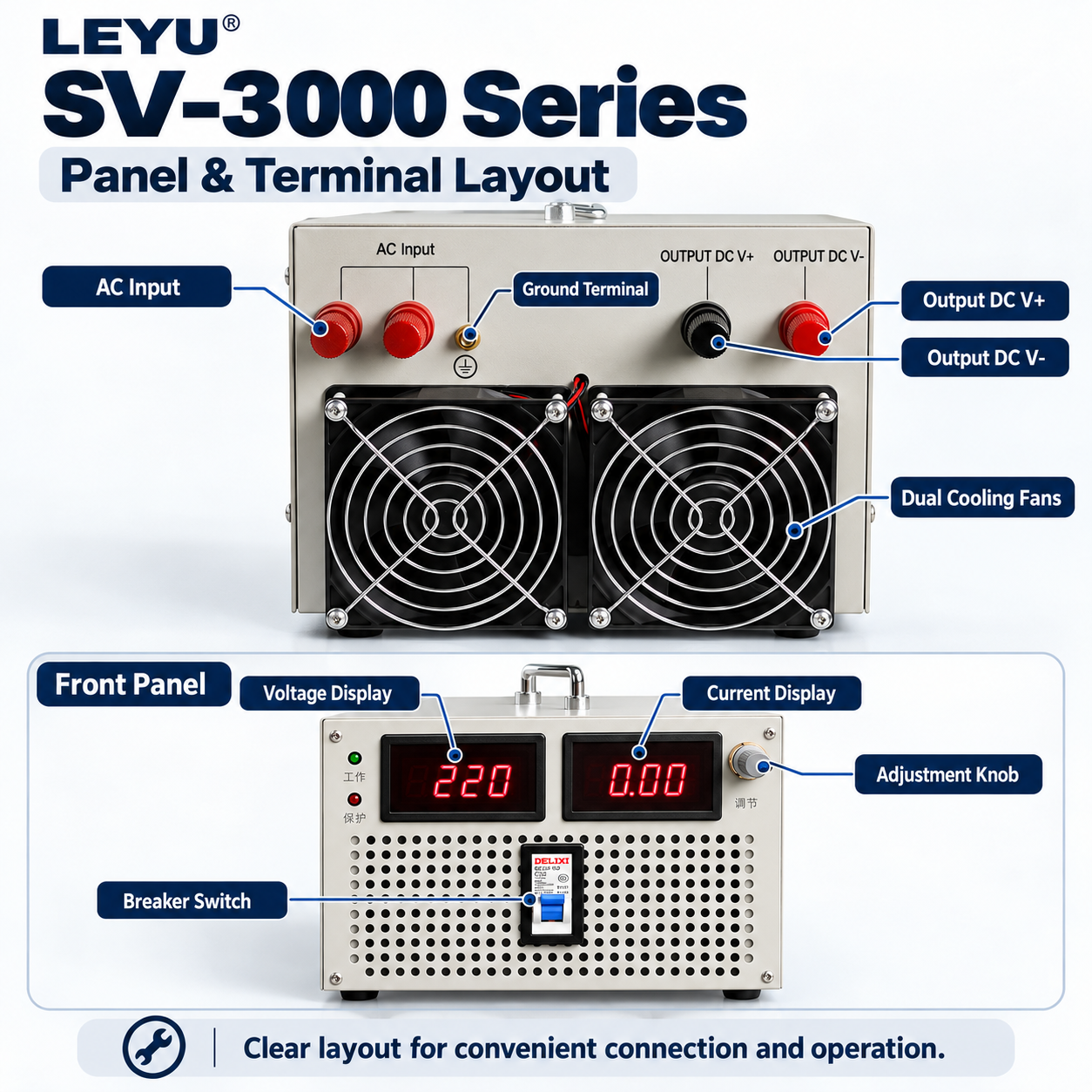
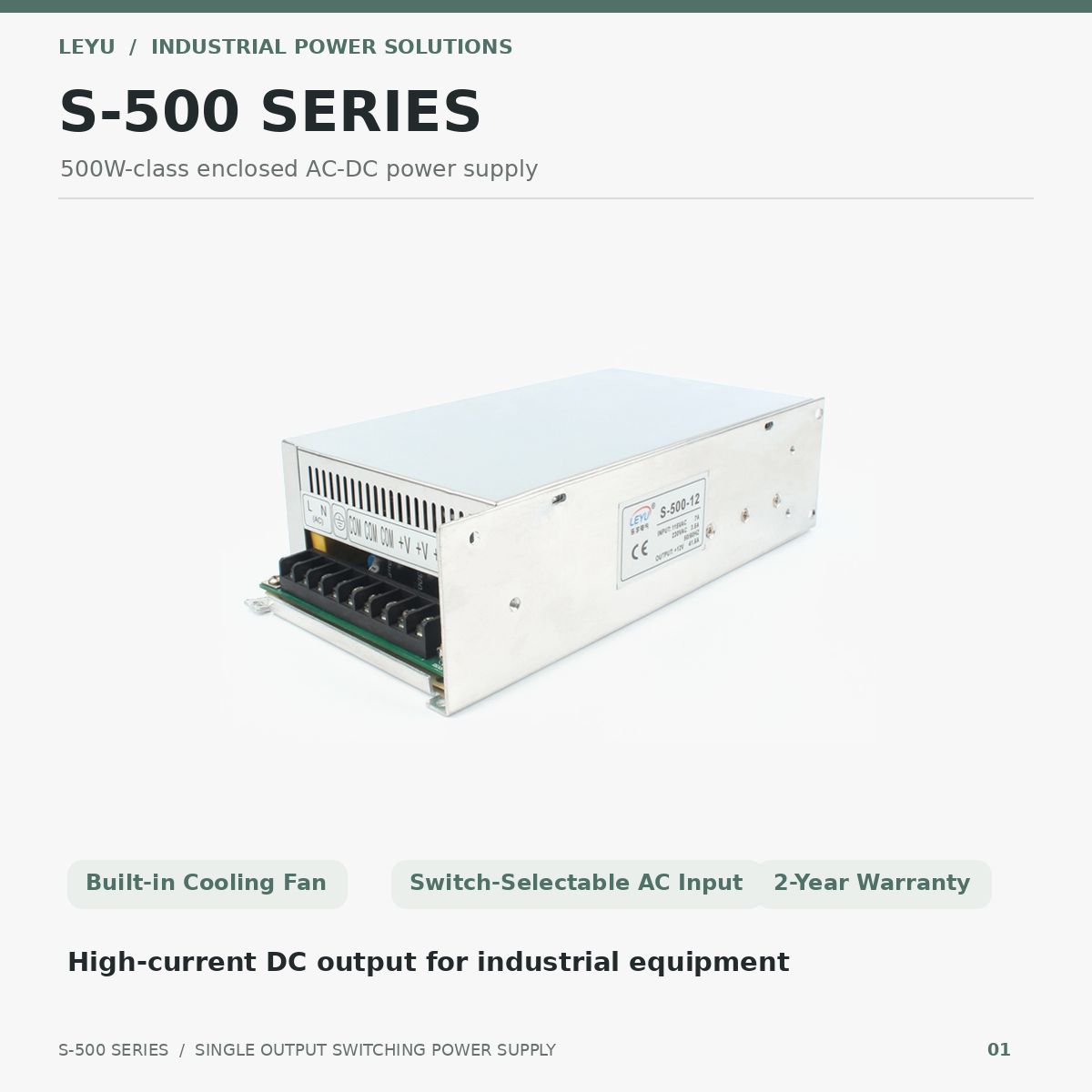
Thermal management is critical in wide-input converters because conduction losses peak during low-input/high-current boost modes. We employ 2oz–4oz heavy copper PCB traces, ceramic thermally conductive interface pads (with thermal conductivities of 3.0 W/m-K or greater), extruded aluminum enclosures, and specialized PCB thermal via arrays. For heavy-duty models (such as our 500W to 3000W product series), we incorporate temperature-controlled smart brushless DC cooling fans that only activate above specific heatsink temperatures (e.g., >50°C), minimizing acoustic noise, dust ingress, and fan bearing wear.
What are the typical lead times and minimum order quantities (MOQ) for custom OEM projects?
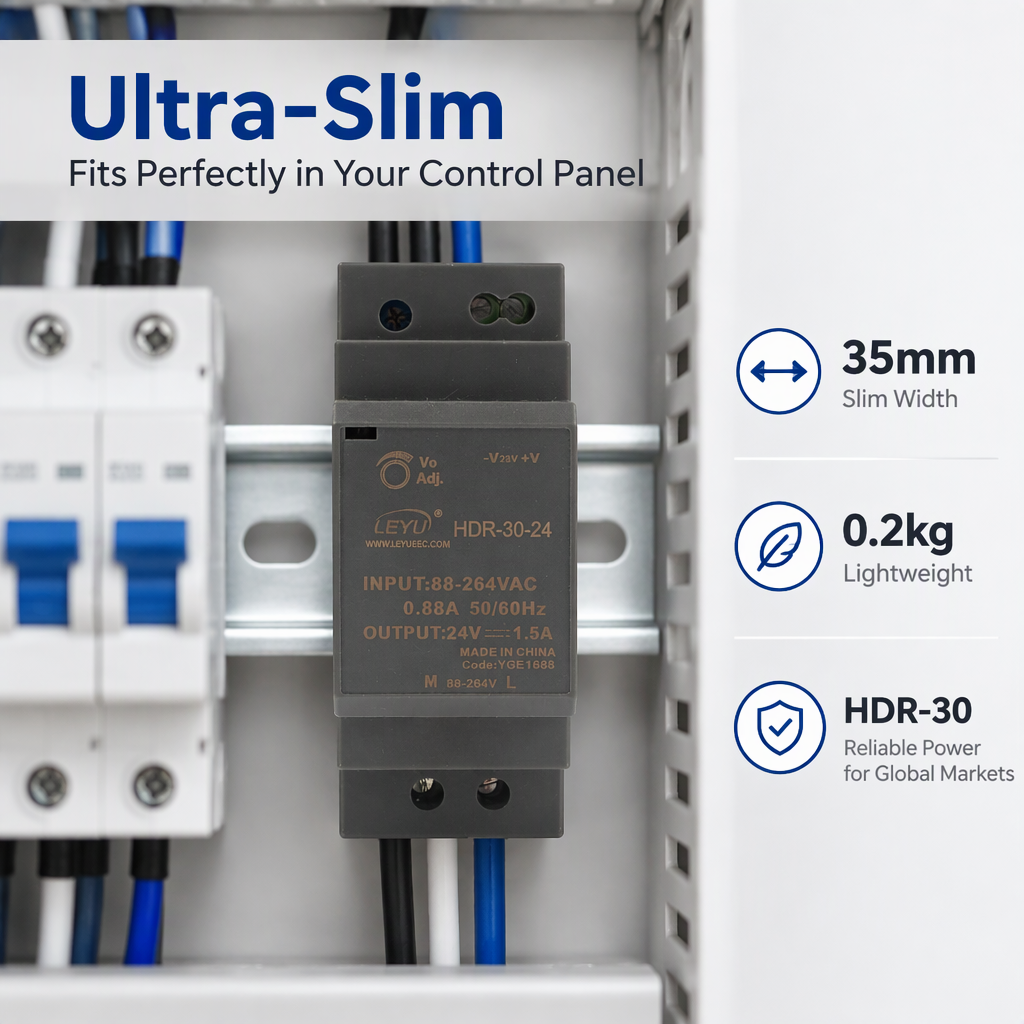
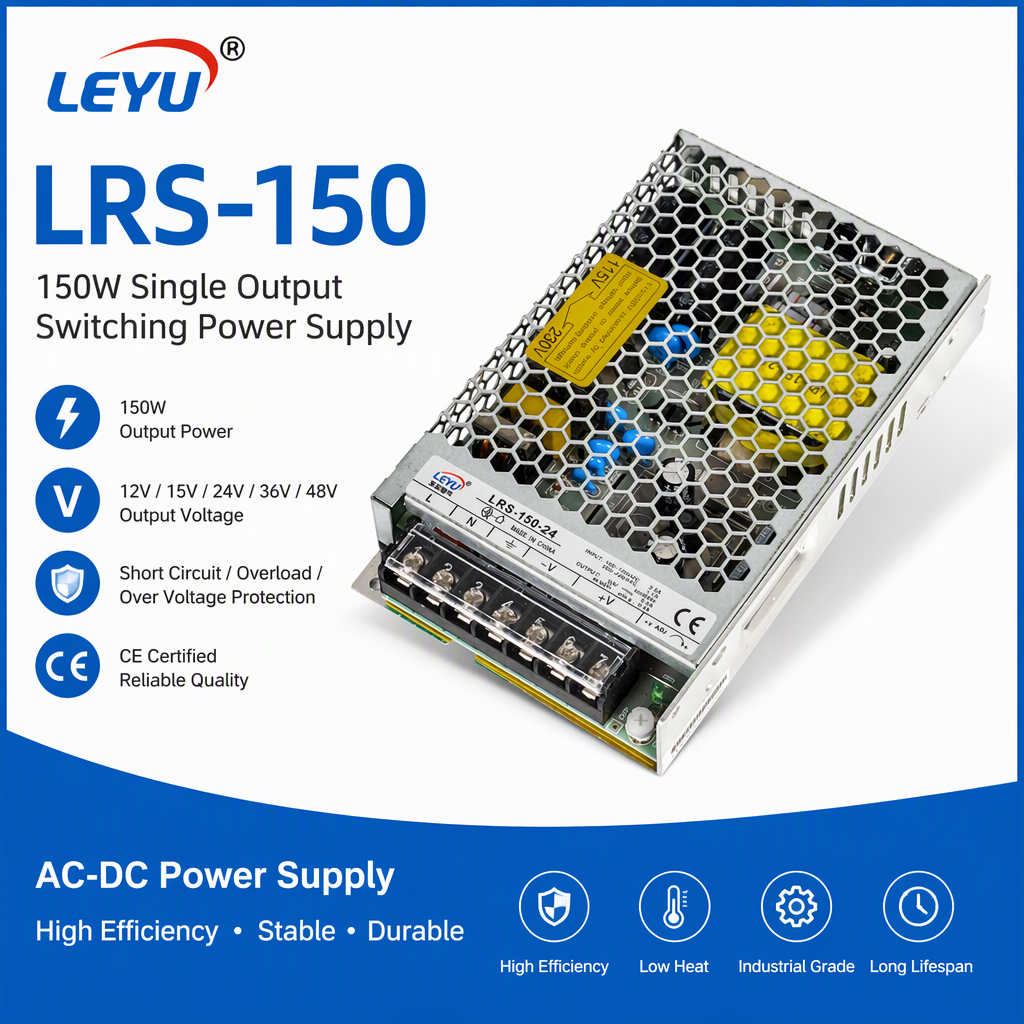
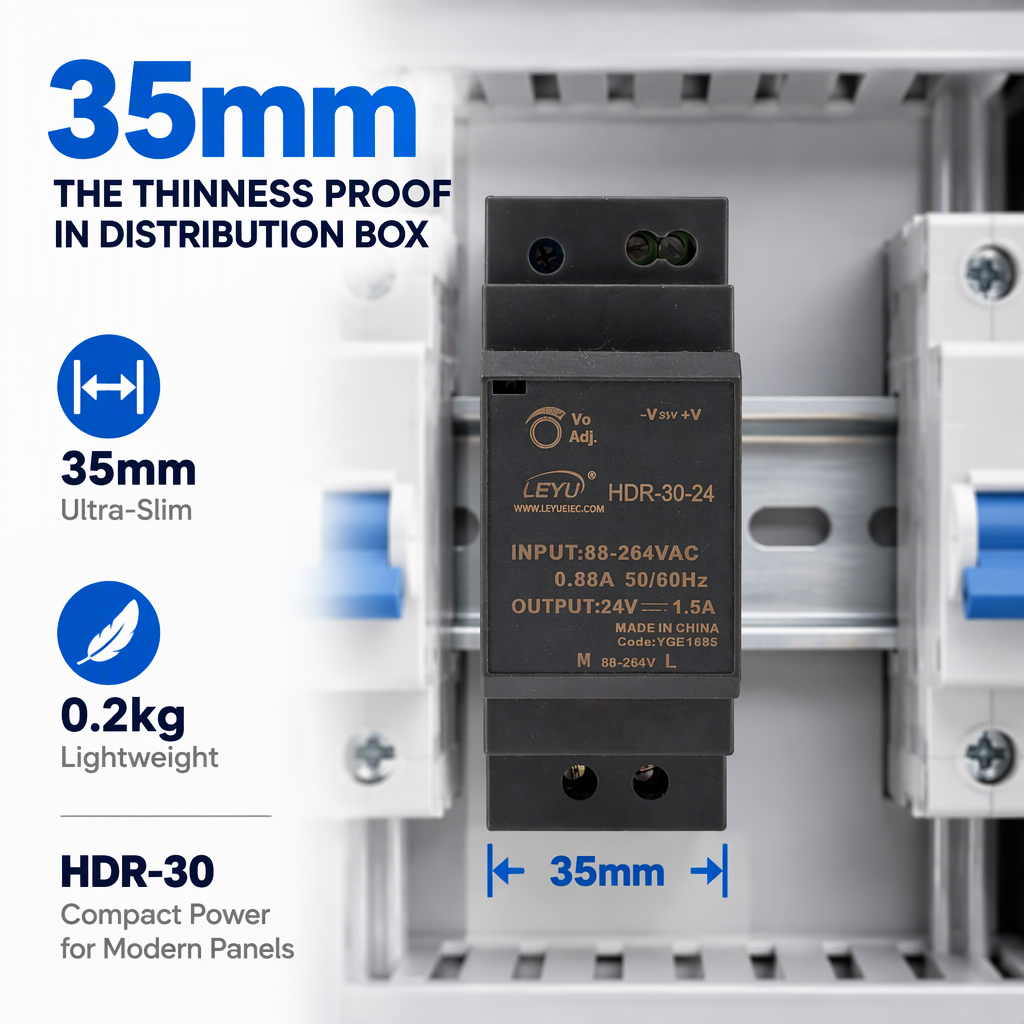
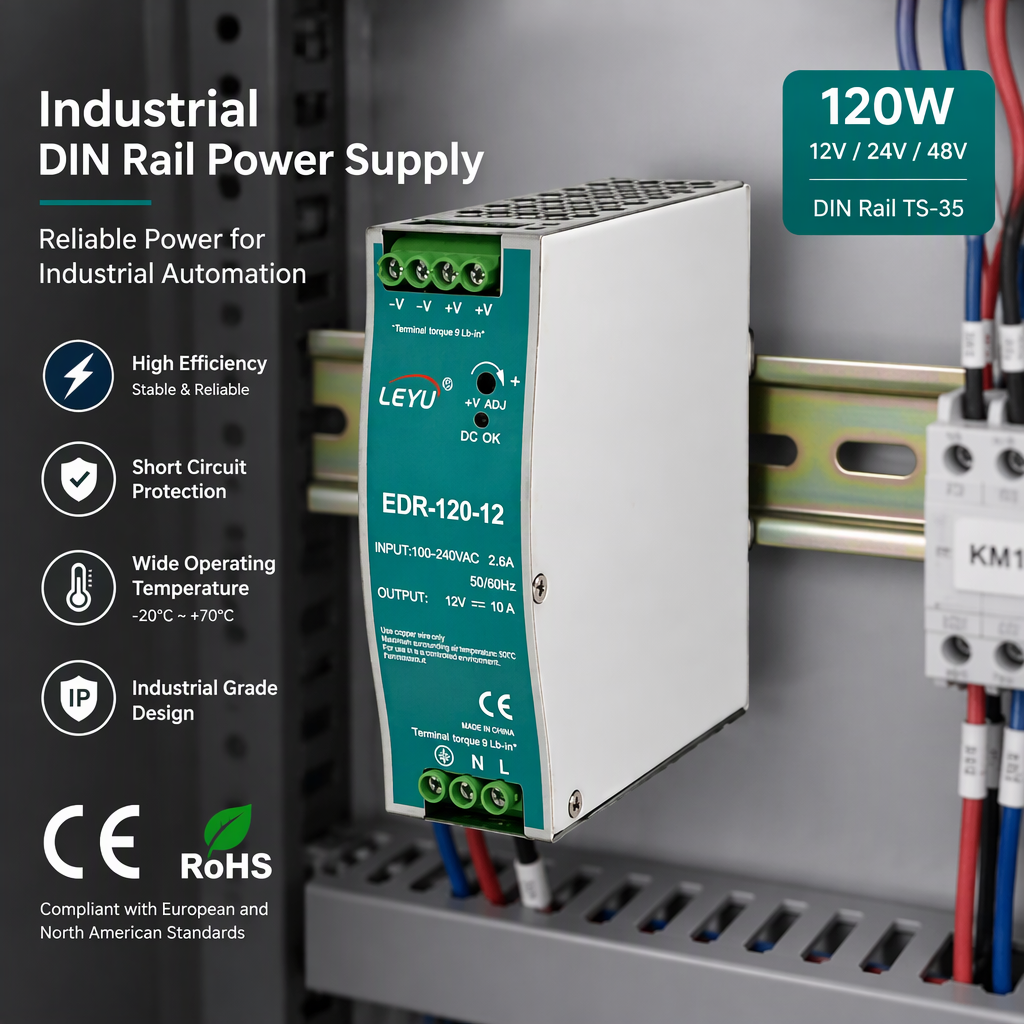
For catalog DIN rail modules, LRS enclosed units, and standard variable laboratory power supplies, sample orders are available starting from 1 piece to facilitate rapid engineering prototyping and laboratory bench testing. For semi-custom OEM requests (e.g., modified output voltages, customized wire looms, or conformal coating for marine/tropical conditions), MOQs typically start at 50–100 pieces with prototype dispatch within 7 to 10 working days. Full custom ground-up ODM development (enclosure tooling, new magnetic designs, custom PCB layouts) involves a 25–35 day prototyping cycle followed by batch volume production.
How do you guarantee electromagnetic compatibility (EMC/EMI) compliance for European and North American deployments?
Buck-boost topologies switch rapidly across alternating transistor pairs, generating high di/dt and dv/dt transients that can easily breach EN 55032 and FCC Part 15 limits if left unattenuated. Our engineering team incorporates multi-stage common-mode chokes, differential mode pi-filters, zero-voltage switching (ZVS) soft-switching techniques, and optional spread-spectrum frequency dithering. Every series released carries CE certification, and full EMC chamber test reports are made available to project auditors prior to volume shipment.
Can Keldan manufacture converters with conformal coating for humid or chemically aggressive atmospheres?
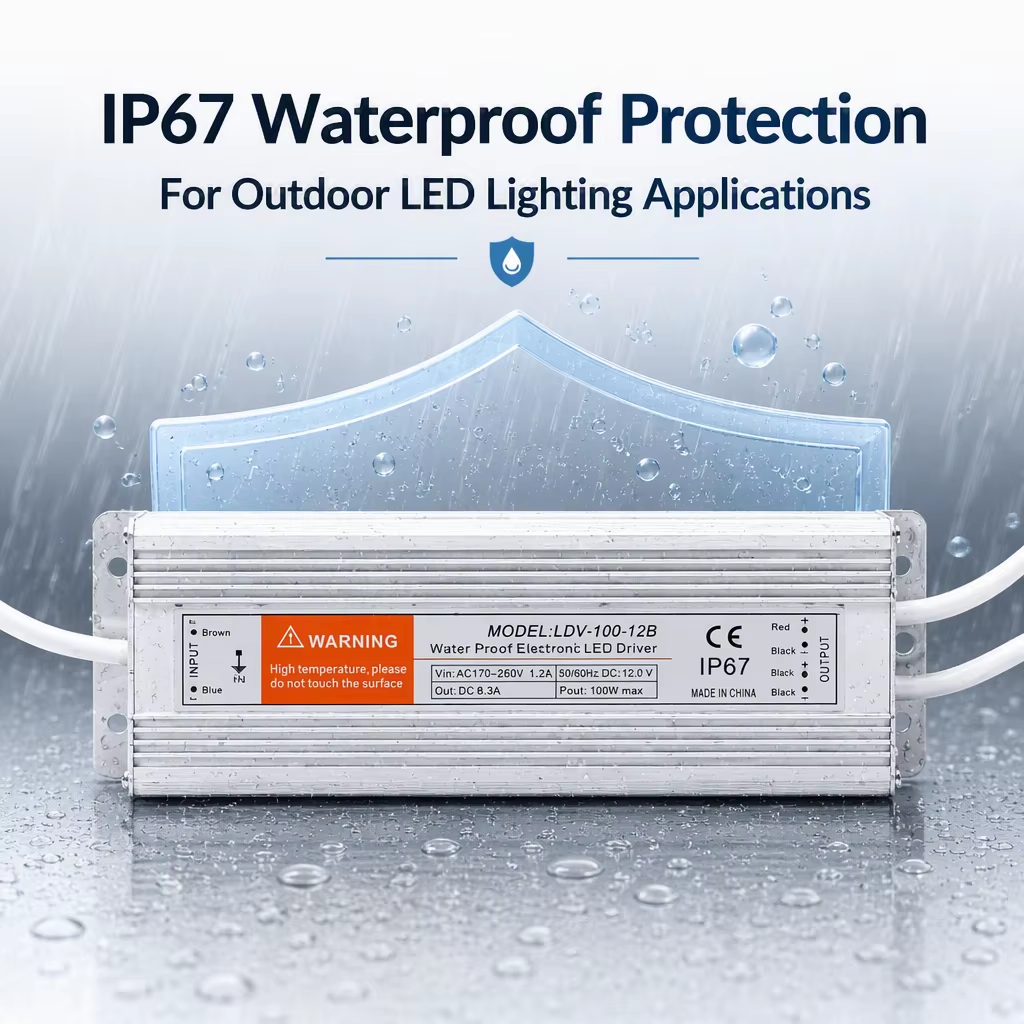
Yes. We routinely provide automated precision conformal coating (utilizing high-grade modified acrylic or silicone formulations) for industrial automation equipment, wastewater treatment control panels, and outdoor LED billboards. This provides verified dielectric protection against airborne sulfur, high salt mist environments, 95% relative humidity condensation, and conductive particulate contamination common in mining and heavy industrial plants.
How do you protect power conversion systems against high inductive kickback from motors and solenoids?
Inductive back-EMF spikes from stepping motors, hydraulic valves, and large relay coils can reverse-bias the secondary stage, puncturing standard output capacitors and regulation ICs. Our converters incorporate ultrafast transient voltage suppression (TVS) clamping diodes, robust snubber circuits across switching nodes, and programmable over-voltage crowbar protection. Furthermore, we design converters with up to 130%–150% peak peak-current headroom for 3–5 seconds to safely accommodate dynamic starting loads without latch-off shutdown.
Accelerate Your Custom Power Engineering Project Today
Submit your input/output parameters, target efficiency thresholds, mechanical footprint limits, and target volume. Our senior power supply application engineers will deliver an evaluation proposal within 24 hours.
