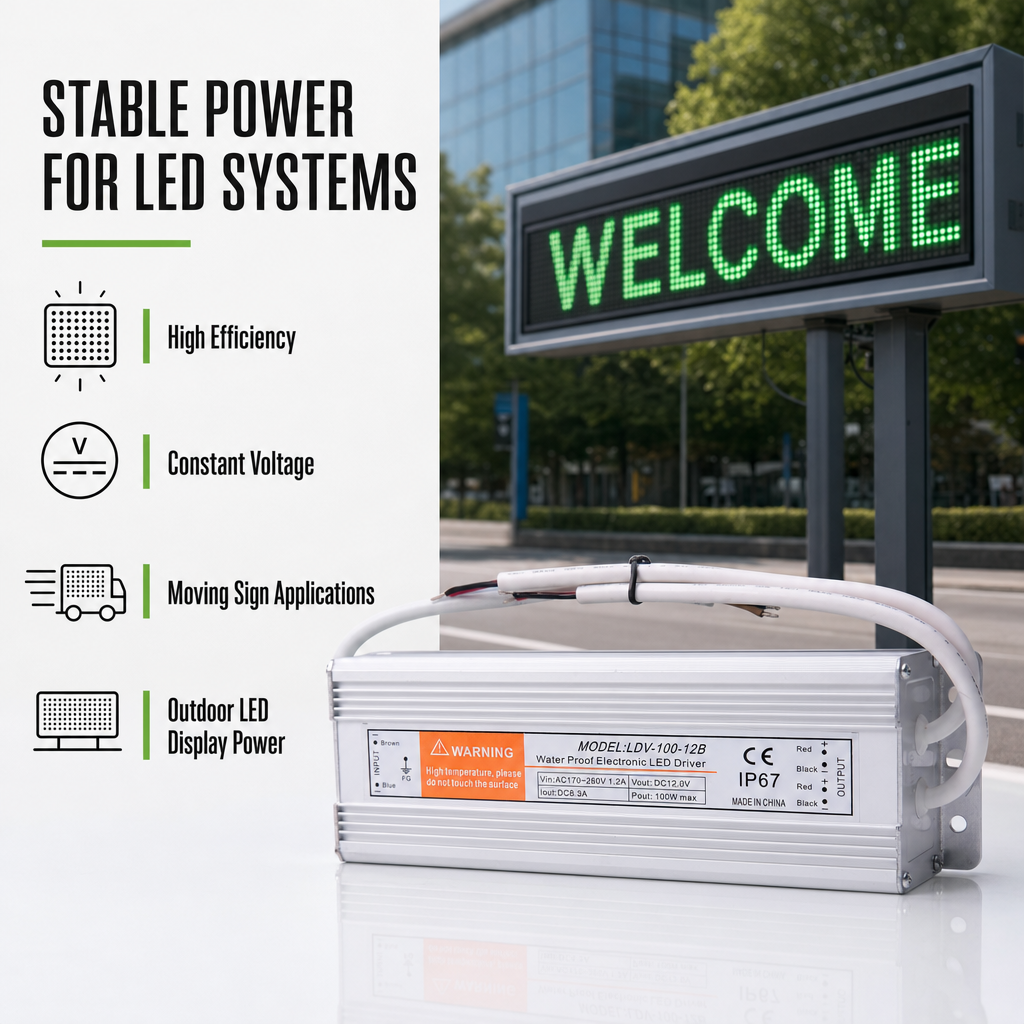
IP67 Enclosed
12V / 24V DC
Precision-regulated AC/DC and isolated DC/DC topologies engineered for high galvanic barrier protection, ultra-low ripple voltage, and continuous 100% full-load duty cycles.
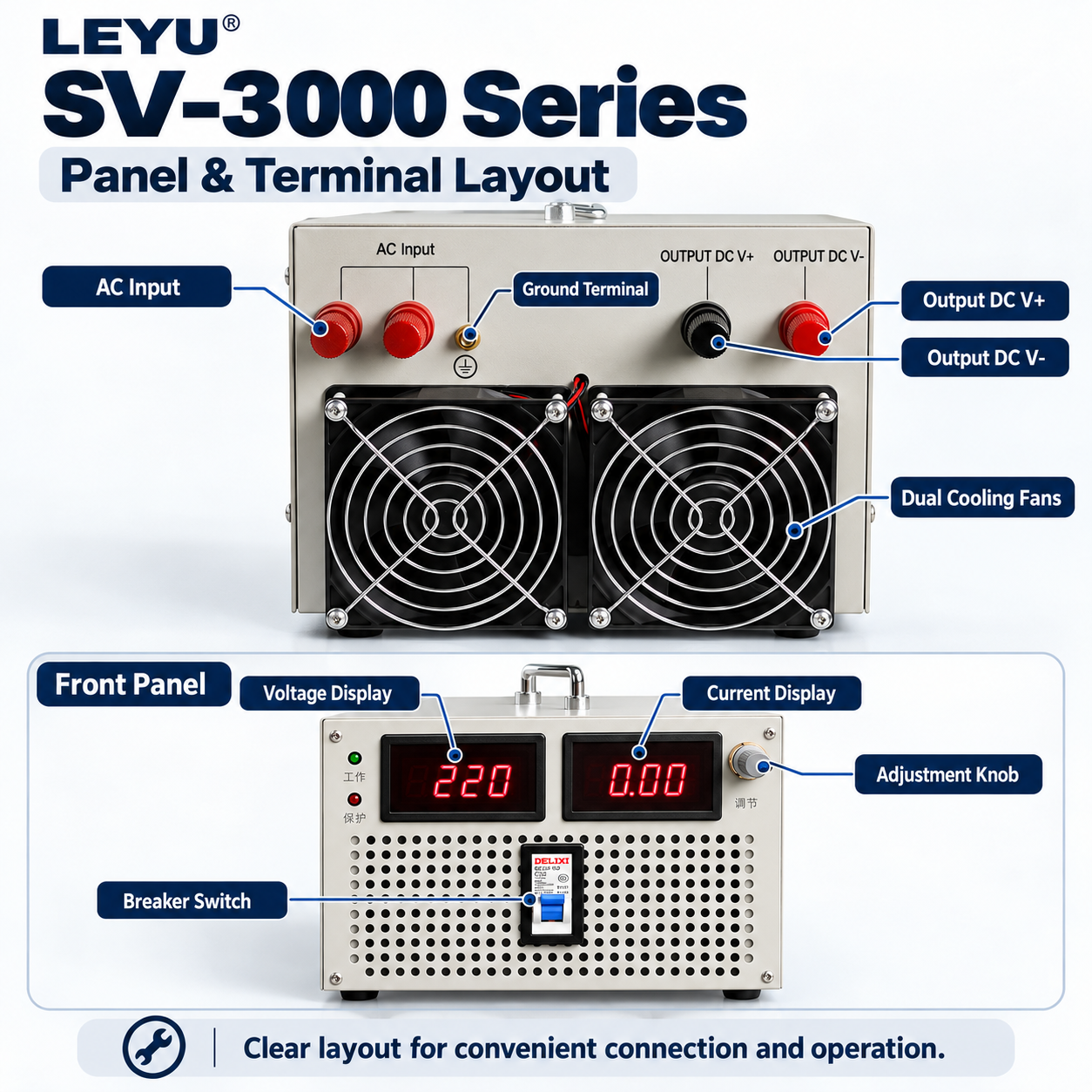
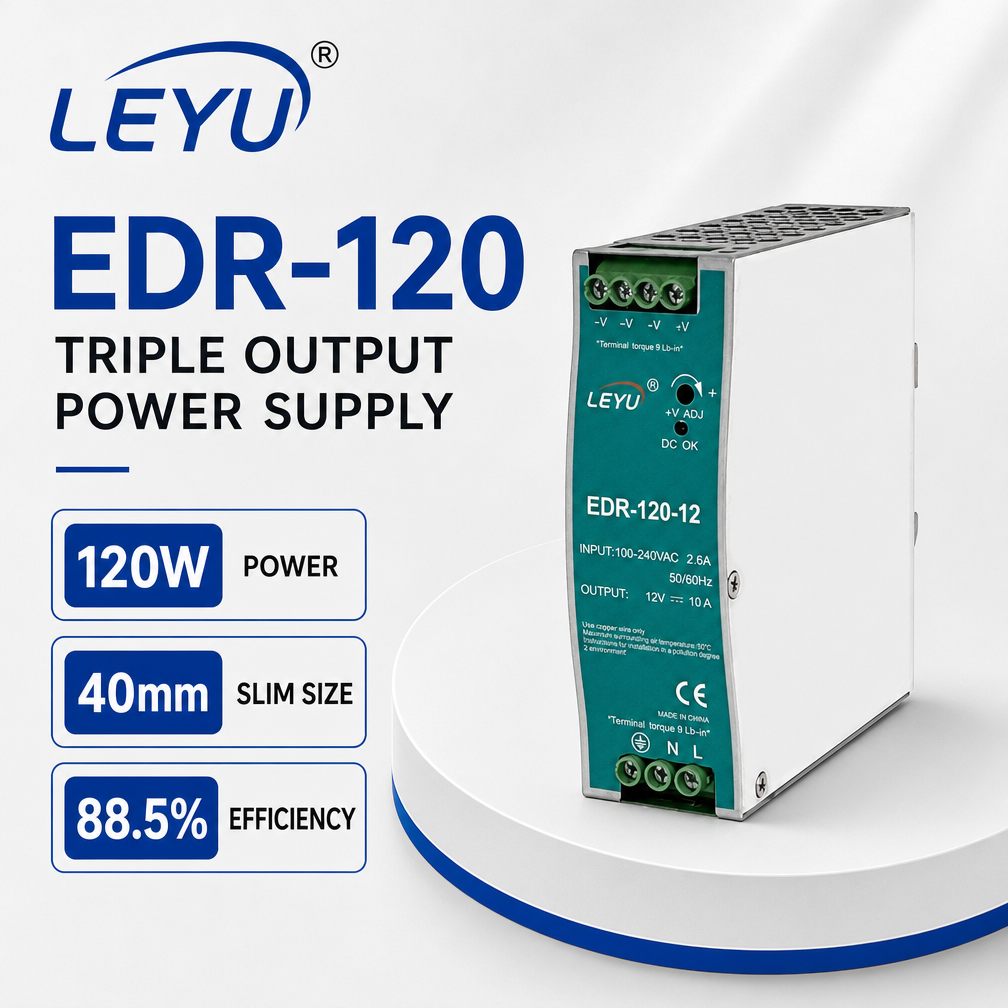
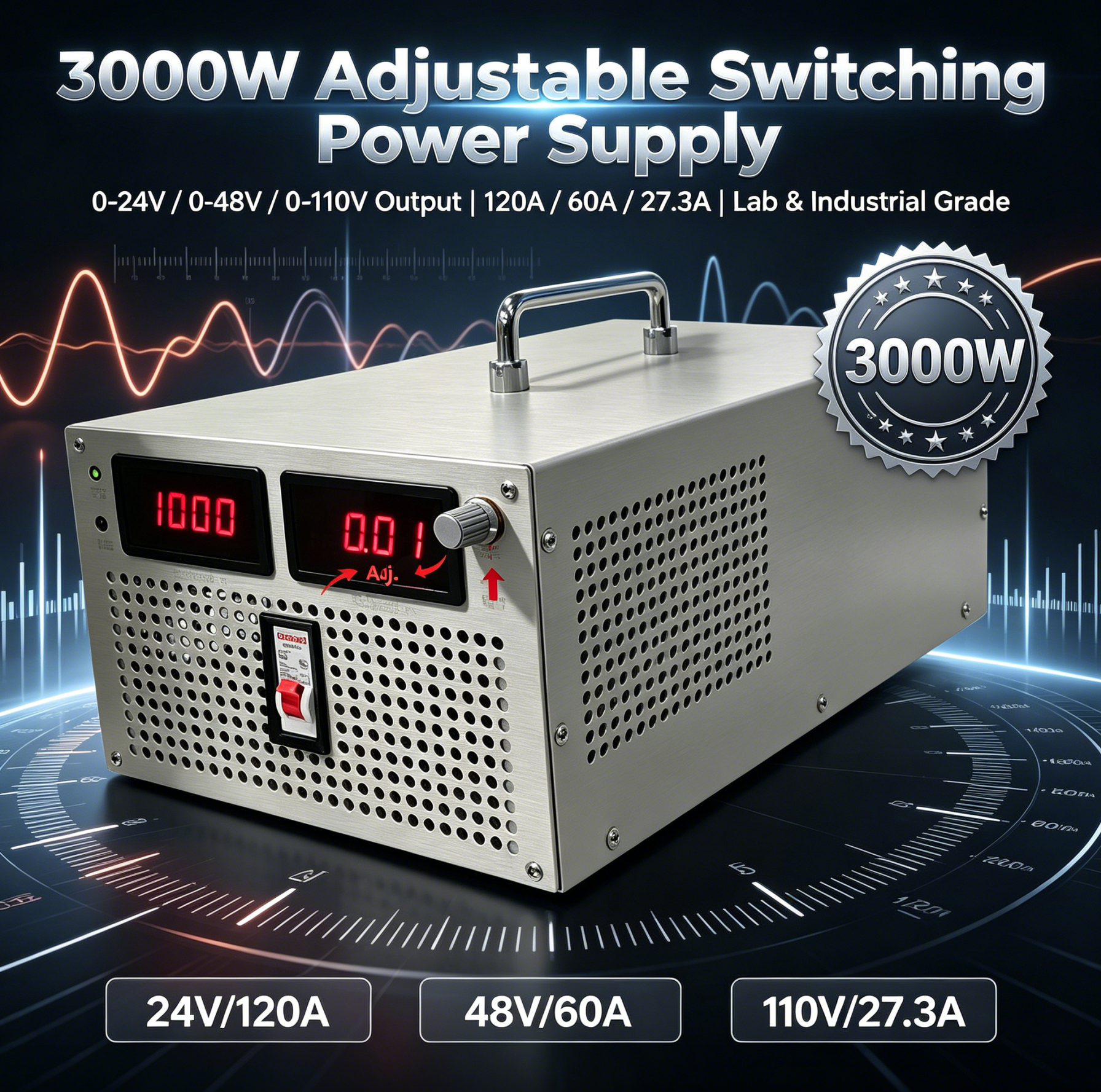
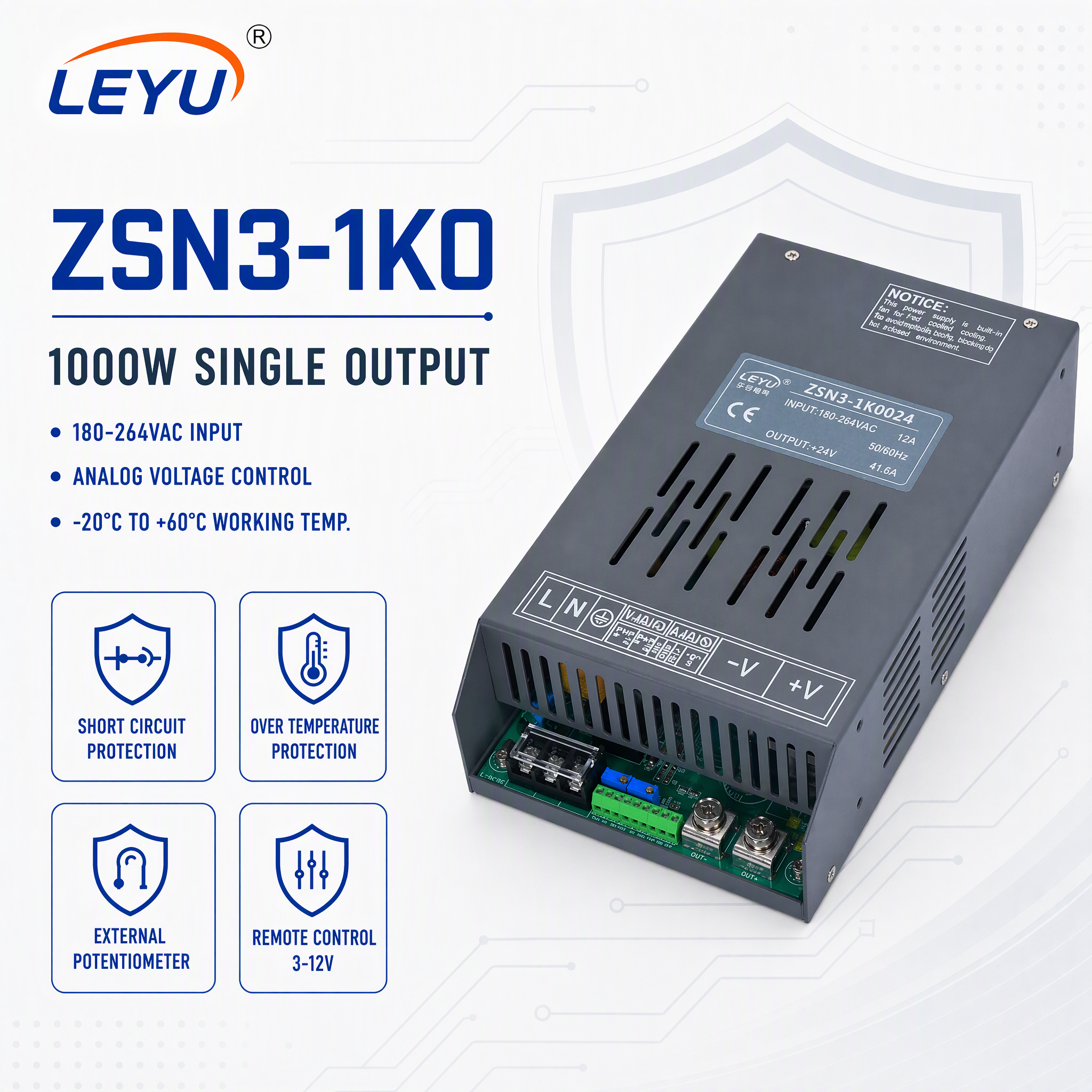
In mission-critical industrial automation, renewable infrastructure, electric vehicle powertrains, and telecommunications backbones, the isolated DC-DC converter is much more than a standard voltage step-down or step-up component. It acts as an impermeable galvanic wall designed to break ground loops, suppress hazardous high-voltage common-mode transients, and safeguard delicate downstream control units like programmable logic controllers (PLCs), microcontrollers, and precision sensors. As global original equipment manufacturers (OEMs) demand higher power densities within shrinking physical envelopes, standard catalog components frequently fail to satisfy specific form factors, wide input voltage ratios, stringent electromagnetic compliance (EMC), or harsh thermal dissipation profiles.
Sourcing customized conversion modules directly from an accredited Chinese power electronics exporter like Yueqing Keldan Technology Co., Ltd. bridges the critical gap between standardized off-the-shelf limitations and tailored electronic engineering. With over 18 years of specialized manufacturing experience, our design framework covers custom planar transformer winding, wide input window optimizations (such as 4:1 and ultra-wide 8:1 spans accommodating nominal 12V, 24V, 48V, and 110V rail networks), and galvanic dielectric barrier isolation ranging from 1500V DC up to 4200V AC reinforced safety barriers conforming to IEC/EN 62368-1 standards.
Deploying advanced Silicon Carbide (SiC) and Gallium Nitride (GaN) switching bridges reduces switching switching losses, enabling switching frequencies above 300kHz and shrinking magnetic core dimensions while reaching up to 94.5% thermal efficiency.
Precision-molded triple-insulated windings and multi-channel optocoupler or digital capacitive feedback loops guarantee robust input-to-output creepage and clearance distances, delivering exceptional common-mode transient immunity (CMTI > 50kV/μs).
Integrated multi-stage differential and common-mode Pi filters ensure compliance with EN 55032 Class B radiated and conducted emission boundaries without demanding clumsy, costly external peripheral components on the host motherboard.
Shortlisting the exact conversion architecture prevents field degradation, thermal throttling, and costly field recalls. Use our technical matrix below to cross-evaluate power topology options against real-world industrial environments:
| Architecture Class | Typical Input Range | Isolation Rating | Primary Industrial Applications | Recommended Series |
|---|---|---|---|---|
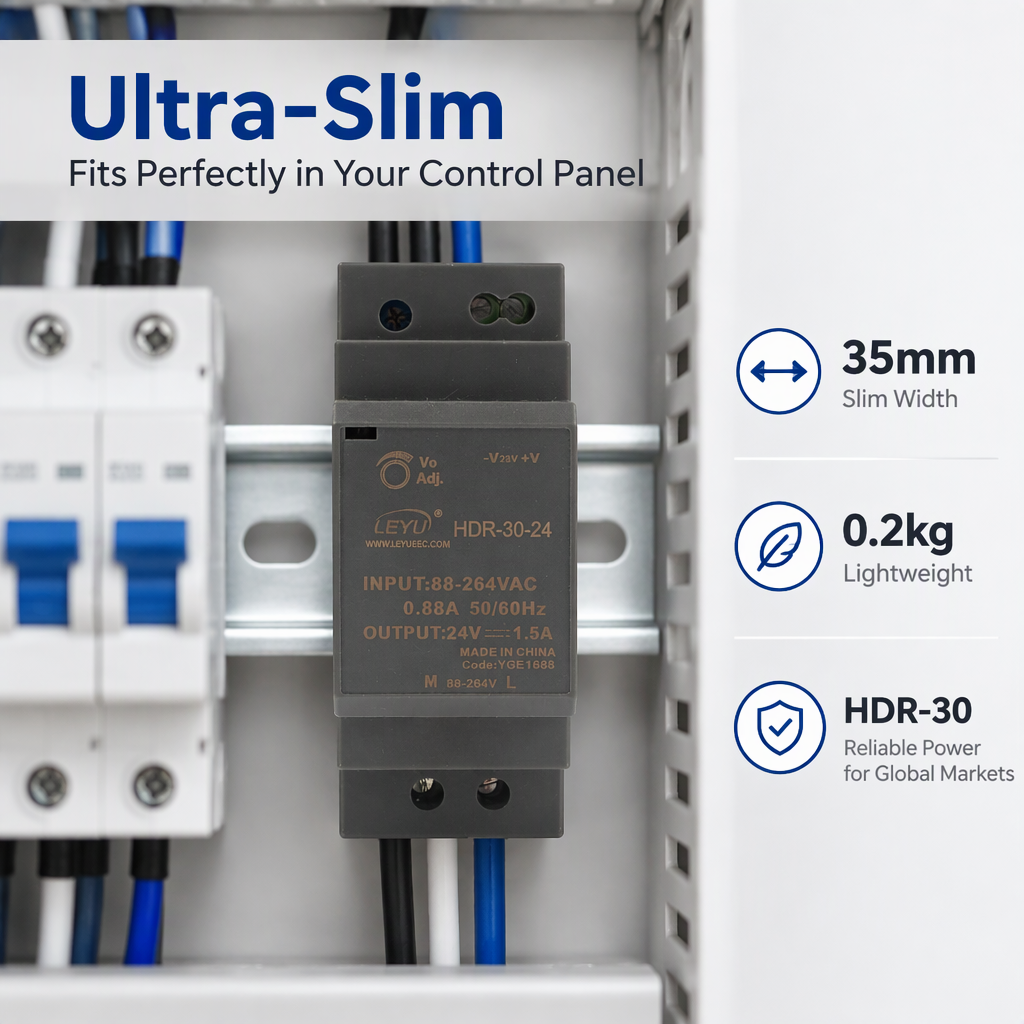
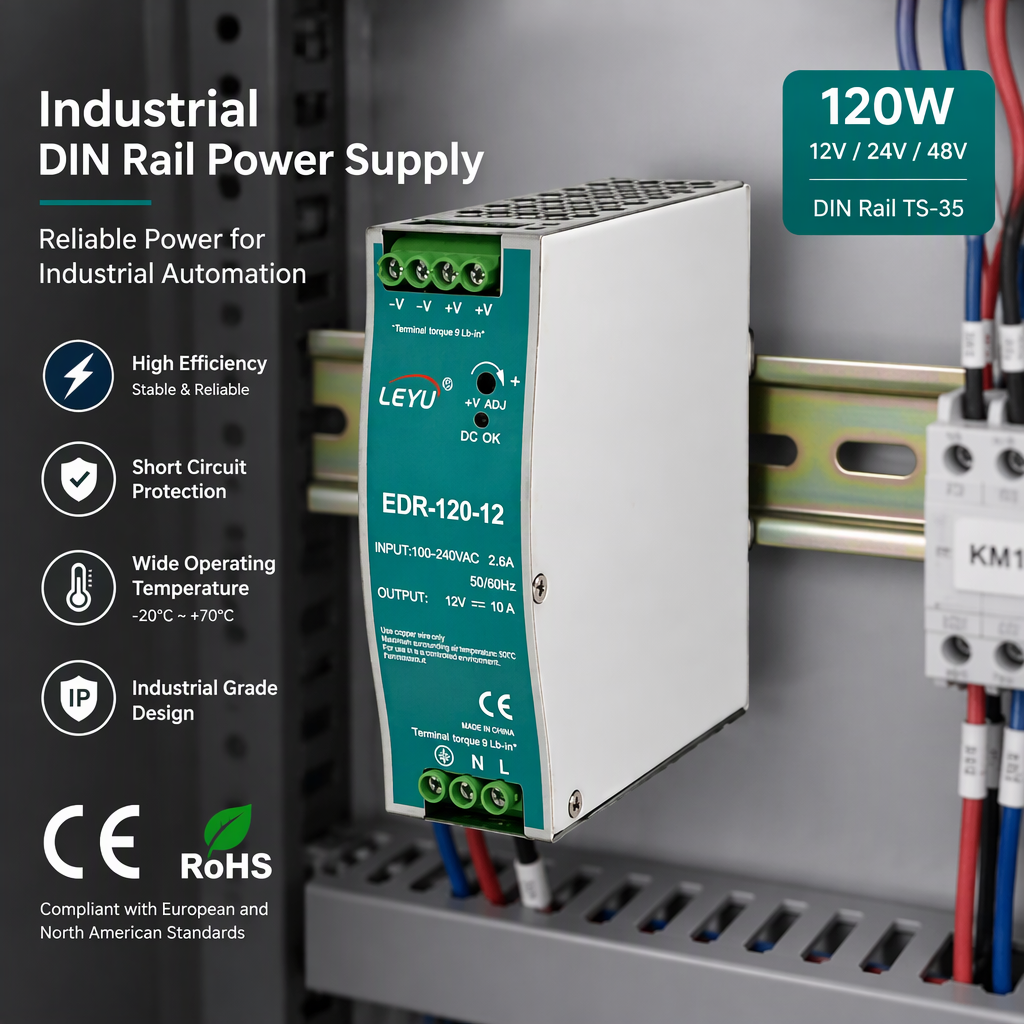
| Slim TS-35 DIN-Rail Module | 85–264V AC / 120–370V DC | 3000V AC Reinforcement | Process Control, PLC Automation, Sensor Junctions | Ultra Slim 30W / EDR-120 Series |
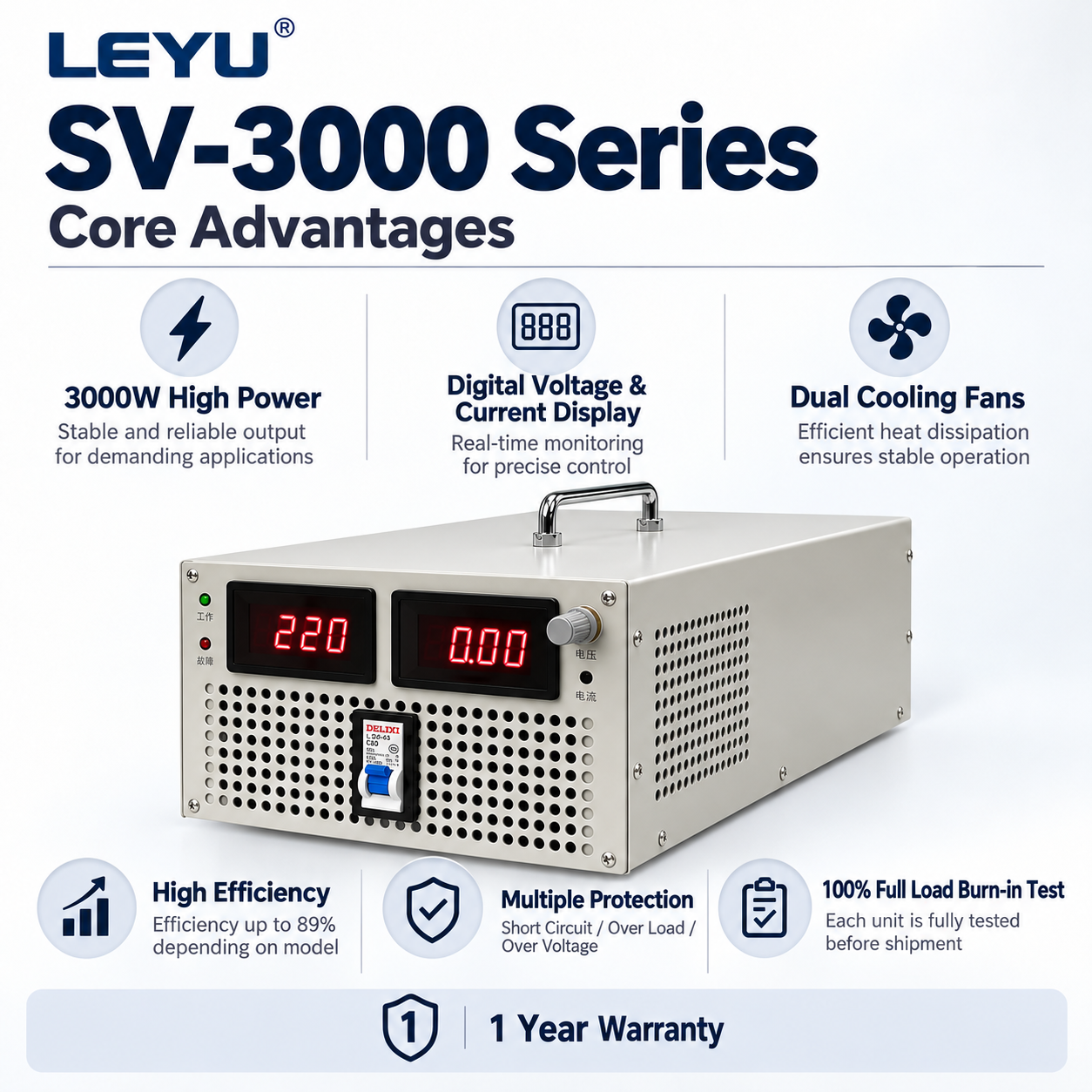
| Heavy Variable Switching Units | 180–260V AC Single/3-Phase | 2000V AC Galvanic | Electroplating, Battery Bank Formation, Laser Pumping | SV-3000 3KW / Industrial 3000W |
| Hermetic Sealed LED / Driver Units | 90–305V AC Extended | 3750V AC High Voltage | Marine Architectural Strips, Mining Signage, Outdoor Systems | LDV-100 IP67 Waterproof Series |
| Ultra-Wide Input DC-DC (OEM) | 9–36V / 18–75V / 40–160V DC | 1500V–3000V DC Barrier | Railway Rolling Stock, Solar Micro-grids, Distributed BESS | Custom Keldan OEM Brick / Module |
Key technological, regulatory, and supply chain shifts reshaping global isolated DC-DC converter procurement over the next five years.
B2B buyers are migrating away from traditional silicon MOSFET designs. Wide-bandgap GaN and SiC switching systems provide superior thermal conductivity, higher operational junction temperatures (up to 150°C-175°C), and significantly minimized conduction resistance (Rds(on)). Procurement teams can design compact control enclosures without resorting to forced liquid-chilling loops or oversized extruded aluminum heatsinks.
Future power procurement is deeply tied to Industry 4.0 predictive diagnostics. Forward-looking automation engineers are specifying isolated converters equipped with digital control loops that stream real-time operational metrics—such as thermal junction status, input overvoltage surges, output current ripple, and capacitor lifetime estimation—via PMBus, I2C, or CAN protocols directly to edge controllers.
Due to unpredictable geopolitical and shipping volatility, international procurement divisions are bypassing intermediaries and establishing verified direct partnerships with vertically integrated manufacturers. Sourcing from custom manufacturers featuring internal SMT lines, automated optical inspection, and localized passive component ecosystems yields superior price-to-performance stability and guaranteed supply continuity.
Global certification demands are tightening under combined standards including IEC/EN 62368-1, IEC 60601-1 (medical-grade insulation 2x MOPP), and EN 50155 for rail-transit networks. Exporters capable of providing turn-key compliance documentation, full dielectric testing certificates, and verified burn-in reports secure prime advantages across European and North American enterprise bidding processes.
Our 44-person specialized manufacturing workshop is audited onsite by TÜV Rheinland, operating automated production lines engineered for zero-defect switching electronics.
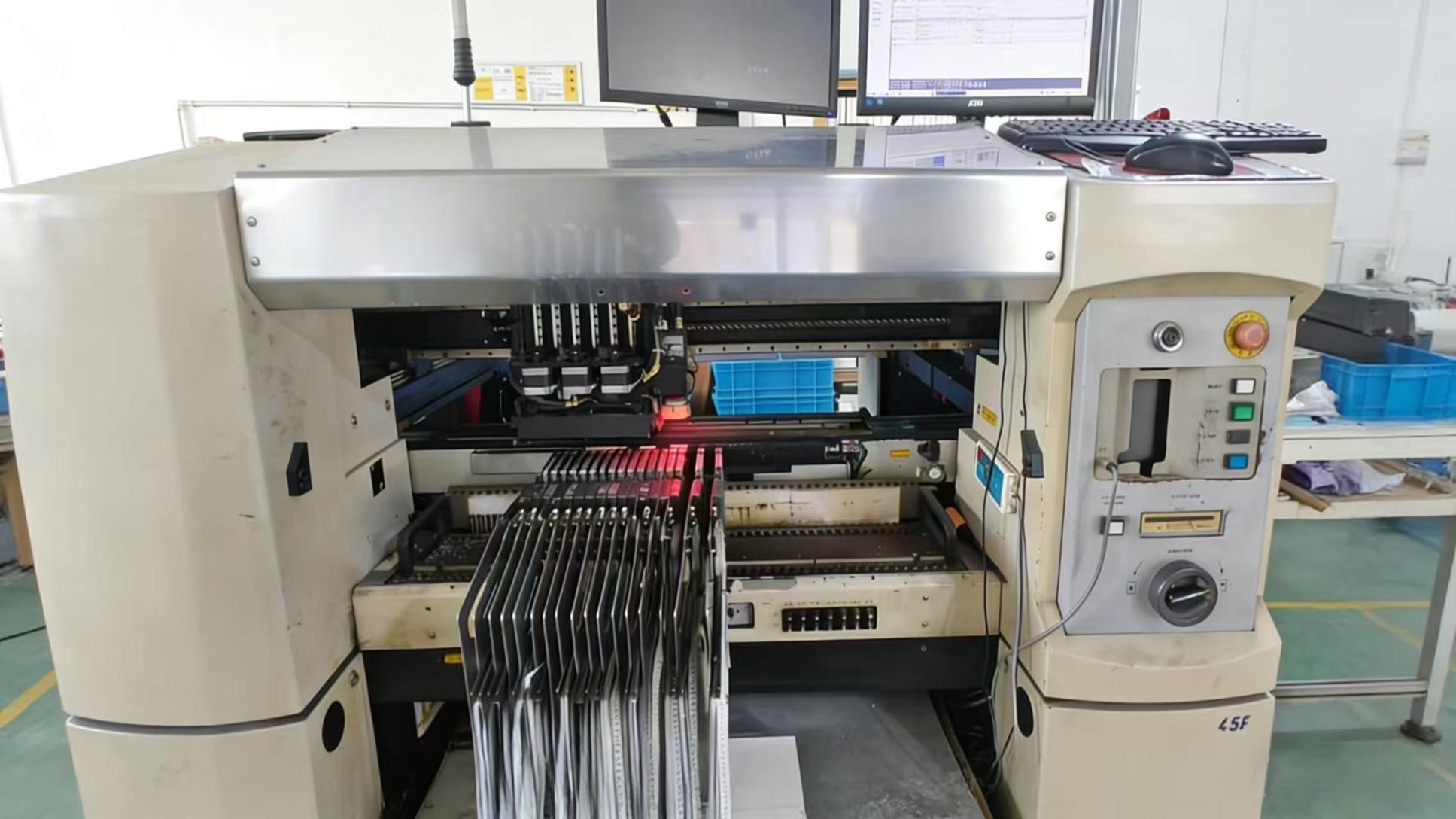 High-Speed SMT Placement
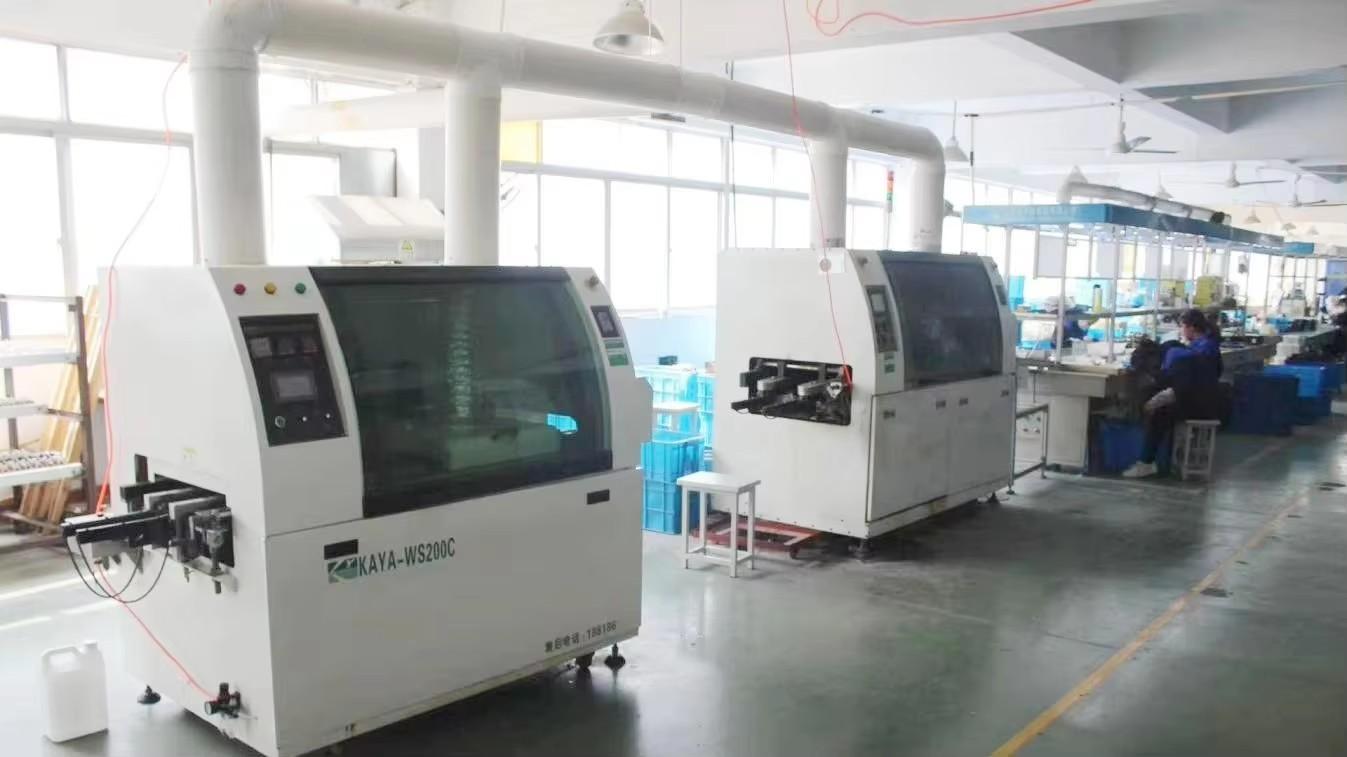 Reflow Thermal Profiling
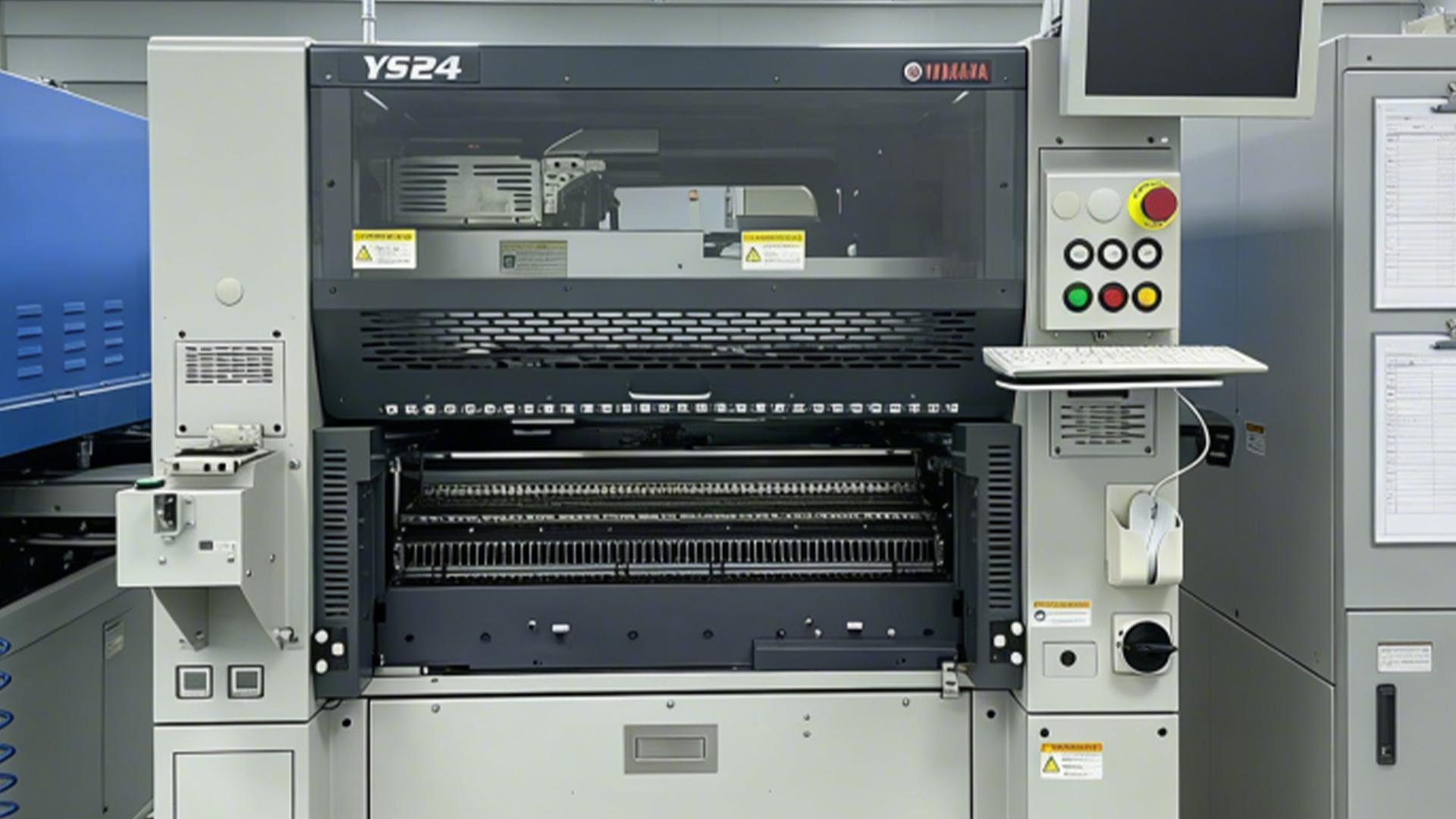 AOI Automated Inspection
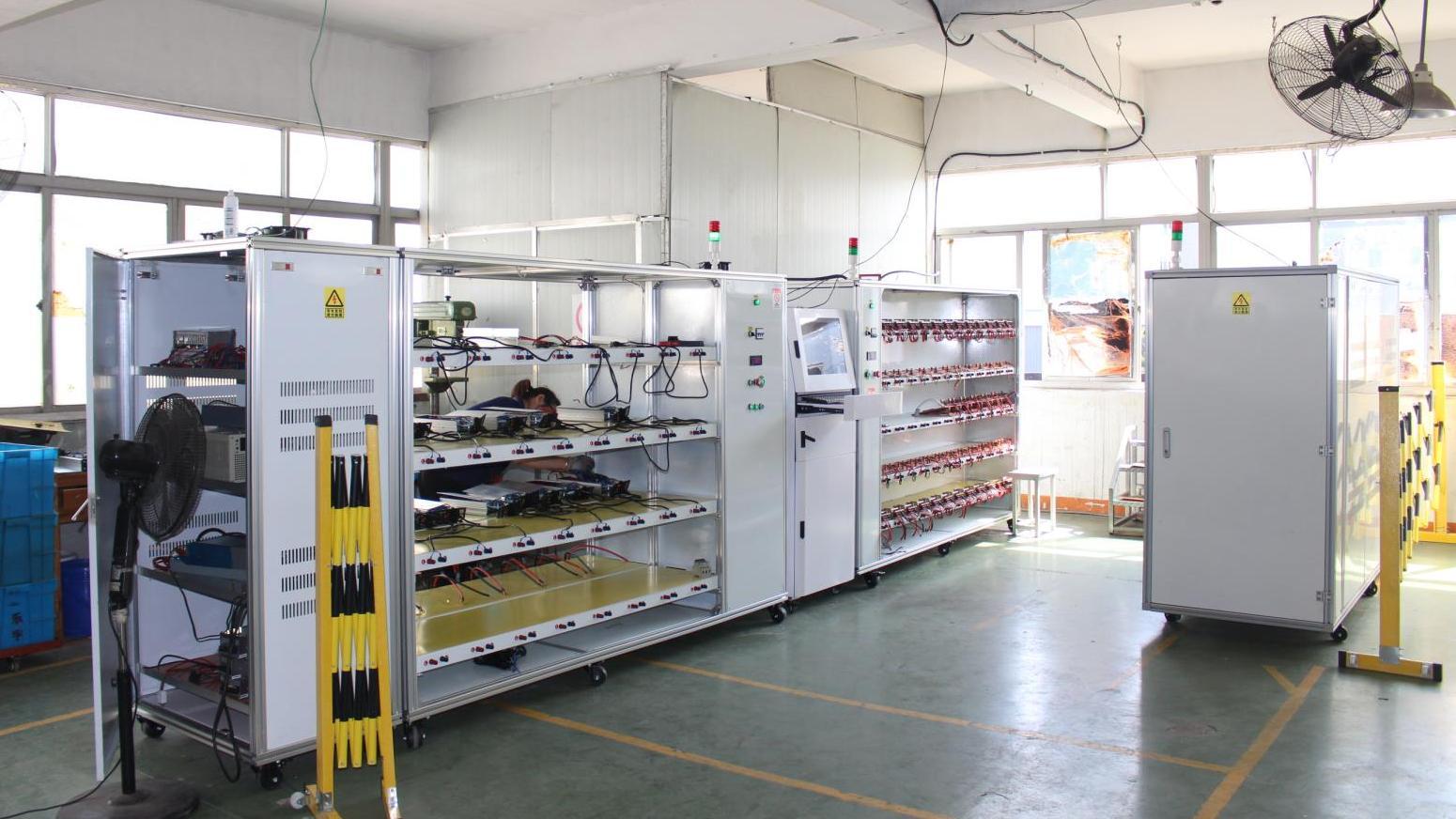 100% Full-Load Burn-In
Operating from China’s electrical manufacturing epicenter, we deliver end-to-end engineering velocity, direct accountability, and verified manufacturing transparency.
Experienced power design engineers with 5+ years of specialized experience convert your physical housing dimensions, custom rail voltages, and terminal specs into functional samples rapidly.
Our manufacturing facility, quality assurance systems, and foreign trade capabilities are verified on site by TÜV Rheinland, providing audit-ready assurance for global tenders.
Every single switching unit undergoes incoming passive material inspection, automated AOI, manual parameter calibration, and rigorous elevated-temperature aging tests before dispatch.
A professional 12-person international trade department provides English, Spanish, and multi-lingual technical and logistics coordination, guaranteeing efficient sea and air customs transit.
Straightforward answers to the most common engineering and procurement inquiries raised by OEM buyers.
Isolated converters employ a physical magnetic transformer barrier to separate the input and output circuits, meaning there is zero direct ohmic path between primary and secondary grounds. This prevents high ground loop noise, eliminates floating voltage hazards, and shields delicate control microprocessors from high-voltage input transients common in industrial machinery.
While standard catalog DIN-rail models, bench supplies, and LED drivers can be sampled from 1 unit to facilitate laboratory qualification, customized OEM/ODM projects (custom PCB layouts, specific wide-ratio input voltages, specialized conformal coating) typically begin at manageable batch runs of 50 to 100 units.
Every unit undergoes high-potential (Hi-Pot) dielectric withstand testing between primary input and secondary output terminals (typically 1.5kV AC to 3.0kV AC for 60 seconds). Leakage currents are tracked, followed by strict ground insulation resistance testing (typically >100MΩ at 500V DC) before thermal aging.
Yes. Our engineering division routinely develops wide input range (2:1, 4:1, and 8:1) custom conversion topologies designed to handle fluctuating battery systems such as nominal 72V, 96V, or 110V DC railway inputs, converting them cleanly to tightly regulated 12V, 24V, or dual balanced rails.
Our standard product series are CE-marked, fully compliant with Low Voltage Directive (LVD 2014/35/EU) and Electromagnetic Compatibility (EMC Directive 2014/30/EU). Detailed third-party test reports and CE Declarations of Conformity are provided to international clients prior to formal procurement.
Initial evaluation prototypes are generally built and debugged within 7–15 working days. For standard mass-production export runs, our Yueqing facility maintains an average cycle of 20–30 calendar days, supported by buffer stocks of critical long-lead magnetic cores and semiconductors.
Connect directly with Yueqing Keldan Technology’s application engineering team. Provide your input voltage window, output regulation tolerances, isolation threshold, and physical form factor to receive a detailed technical proposal and quotation.
