18+
Years Engineering Expertise
44+
Verified Technical Staff
100%
Burn-In Aging Screened
4.8/5
Verified Buyer Satisfaction
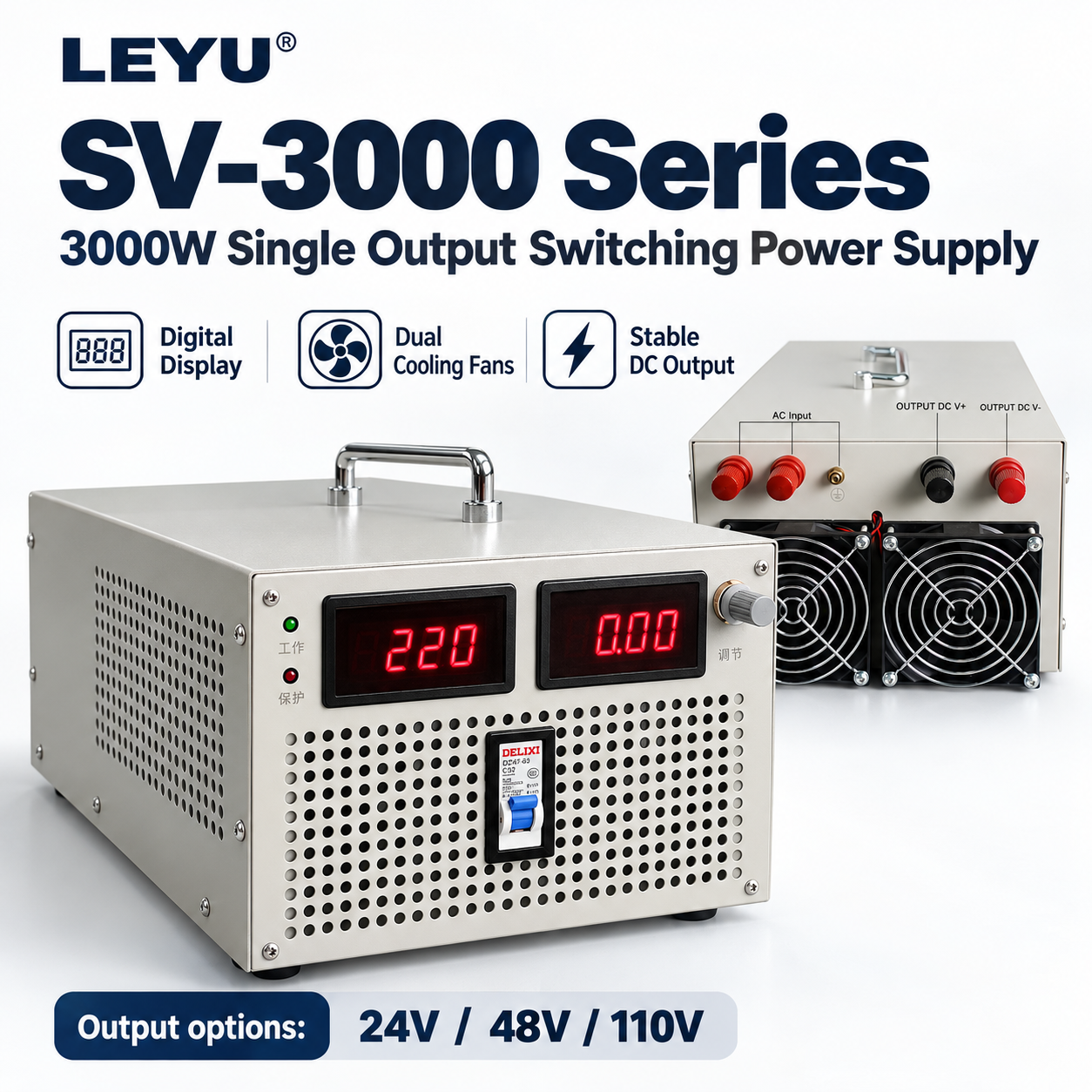
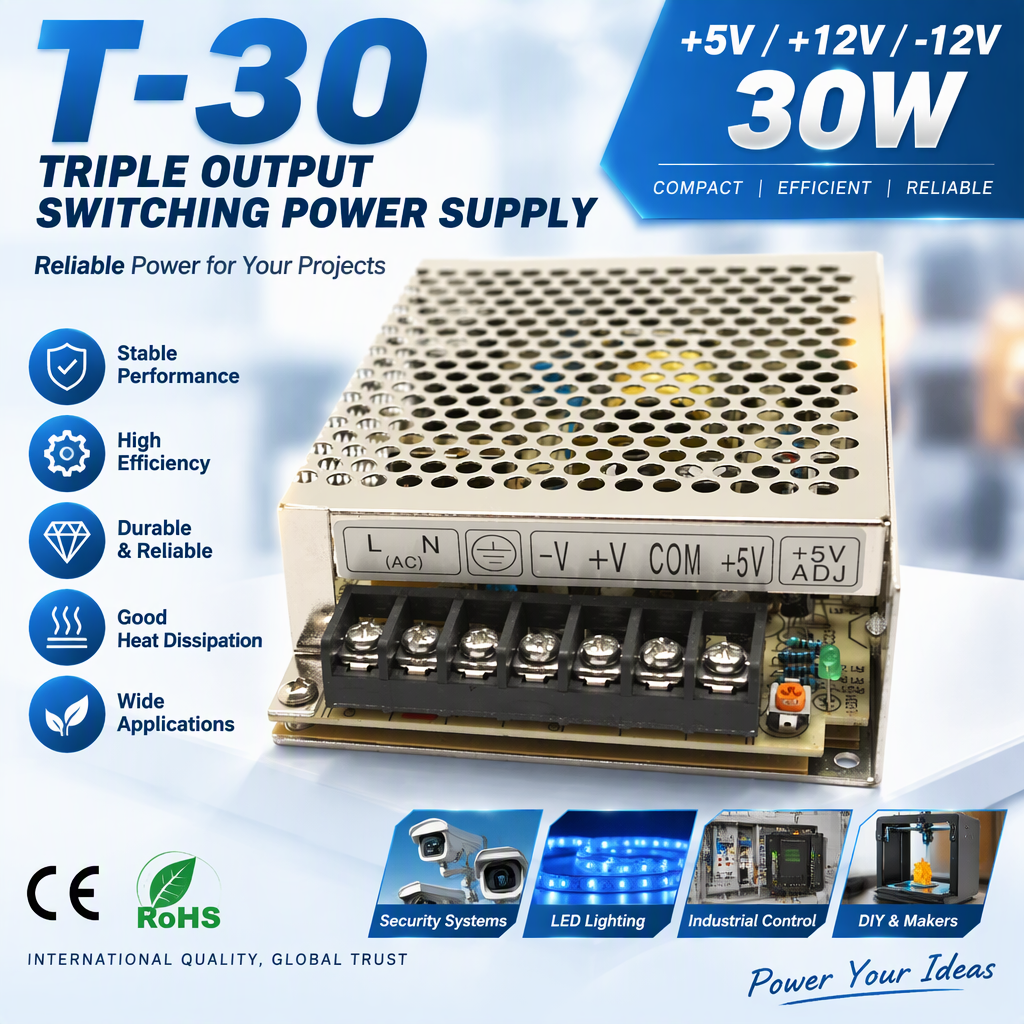
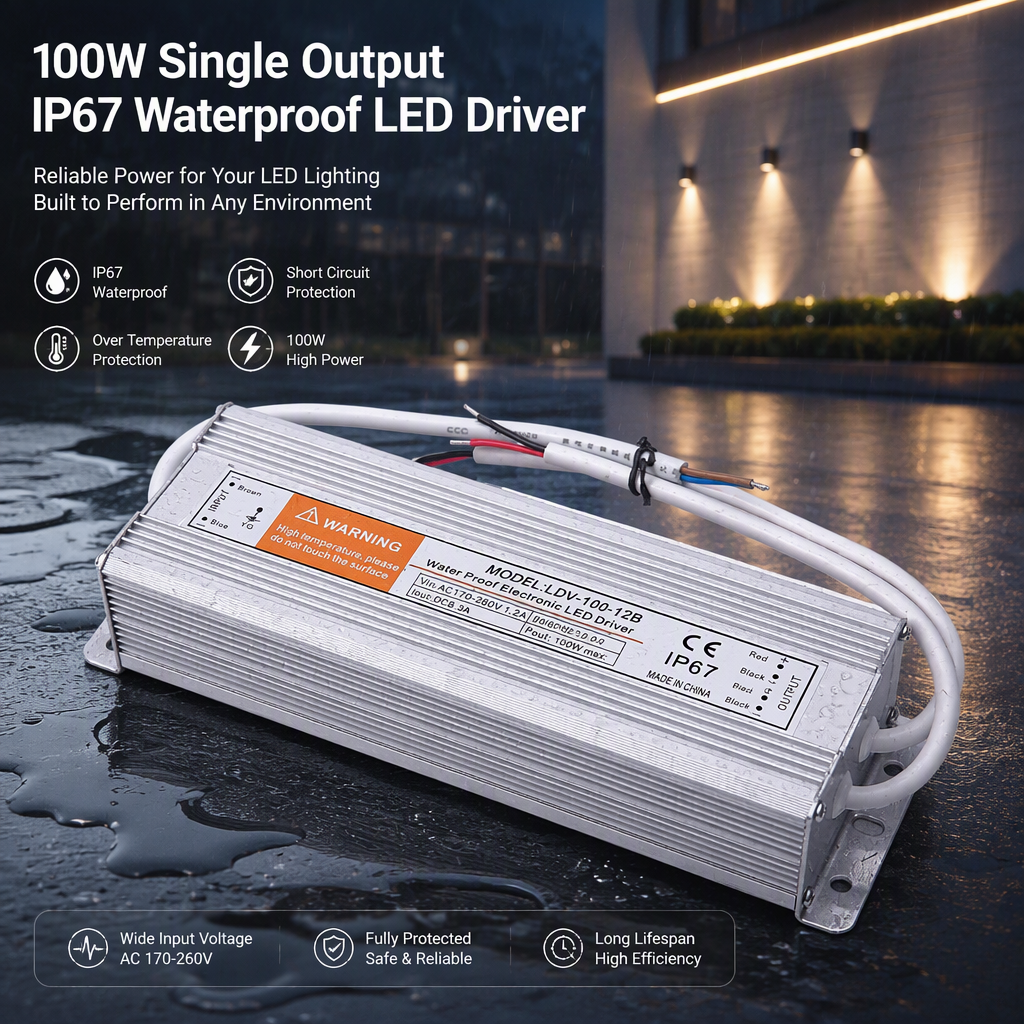
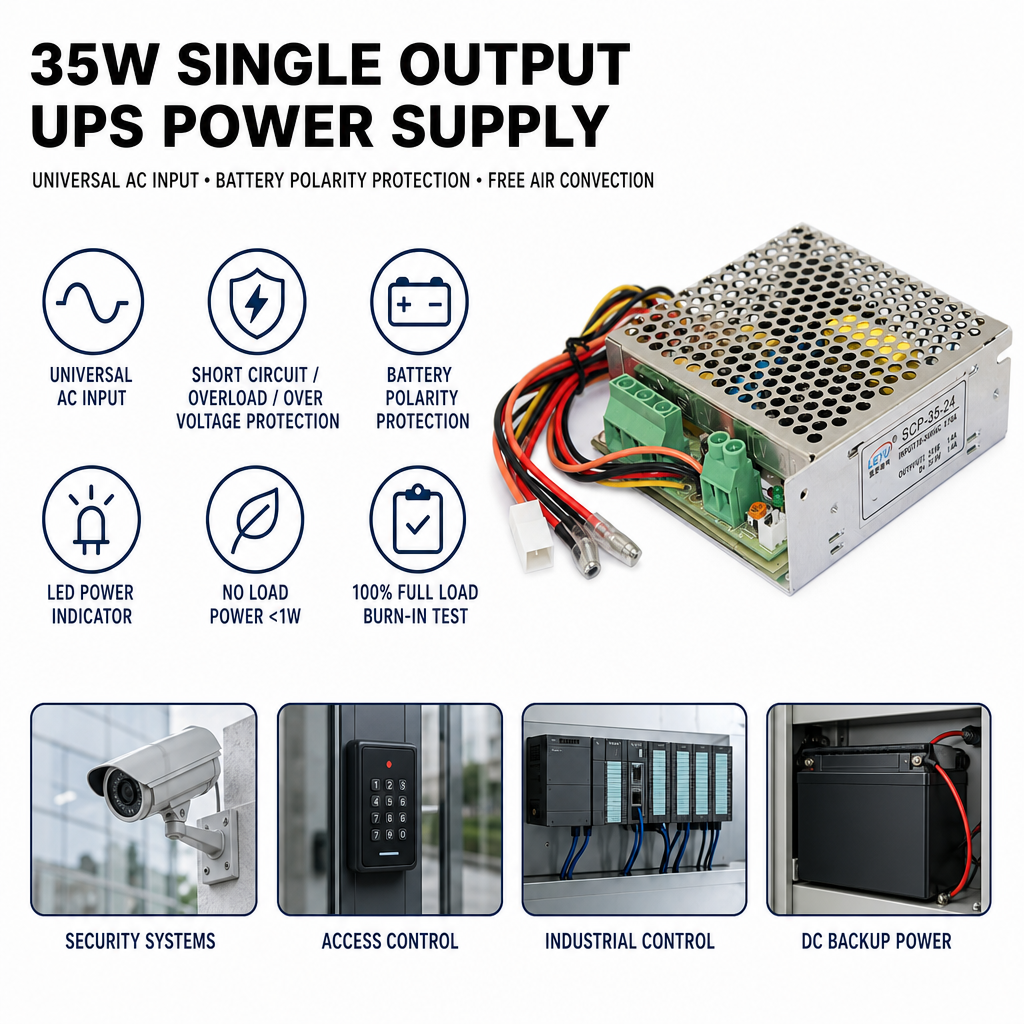
Engineered Switching Power Solutions & Converter Modules
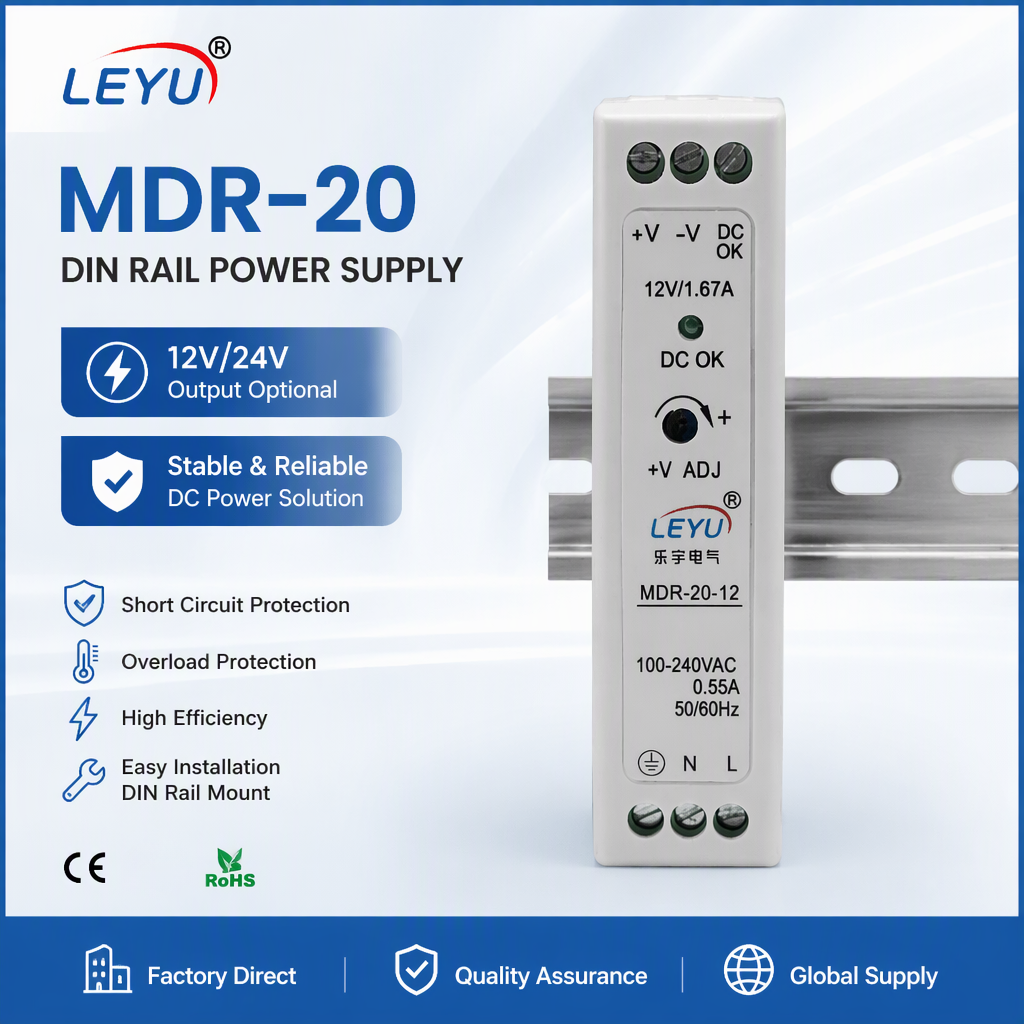
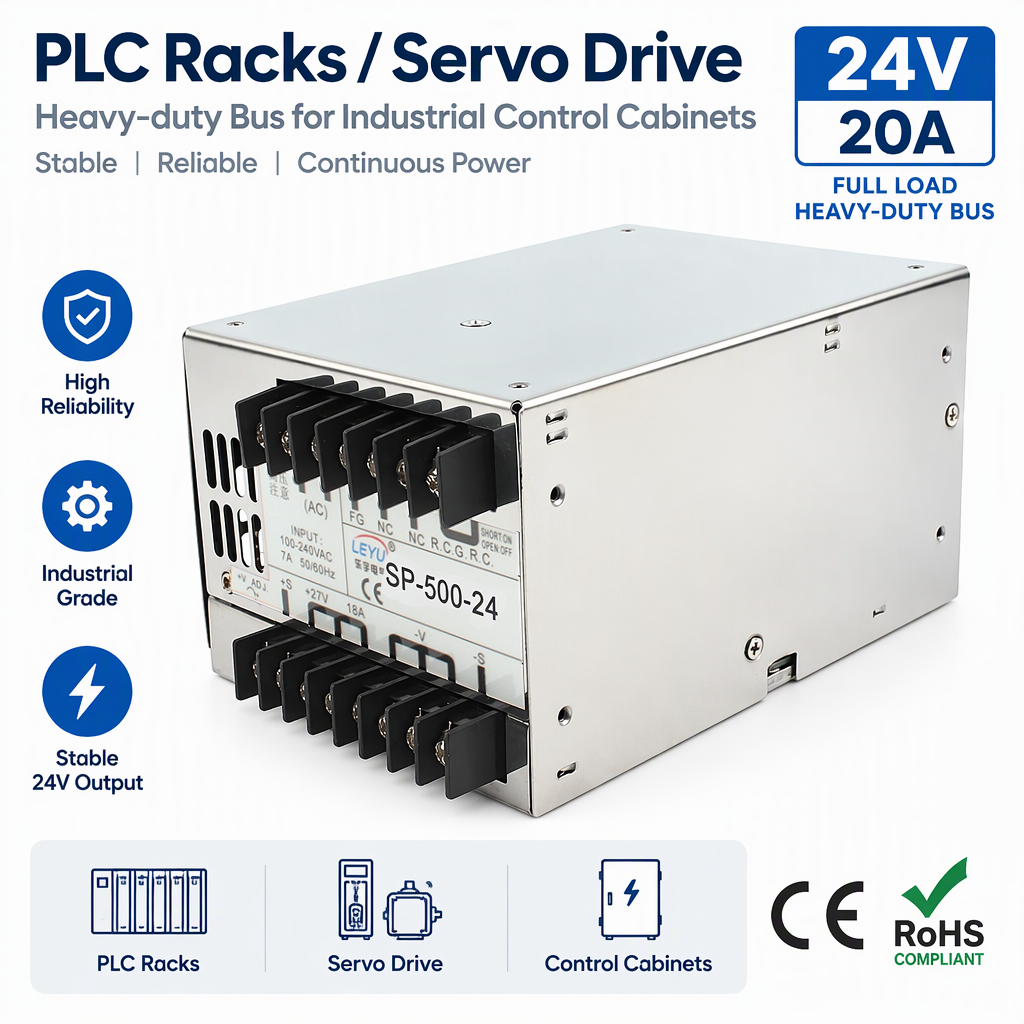
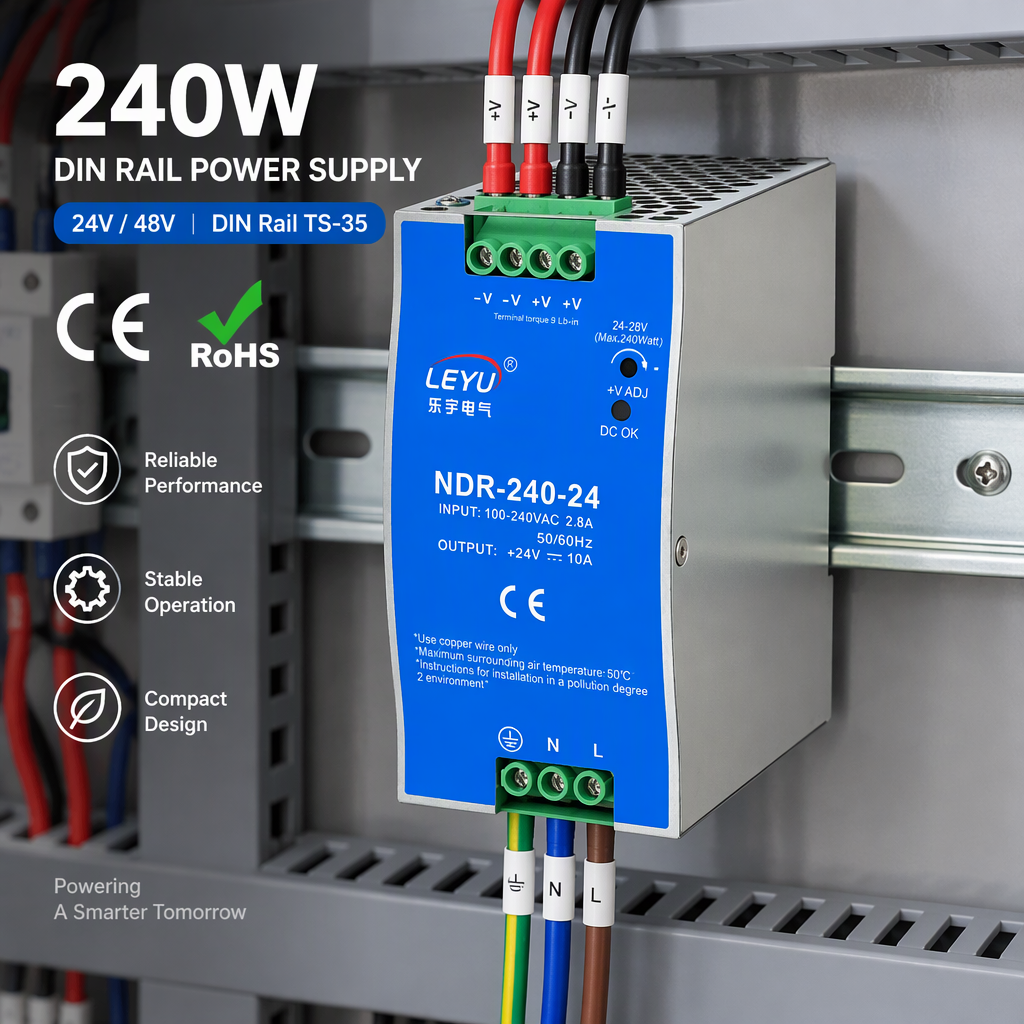
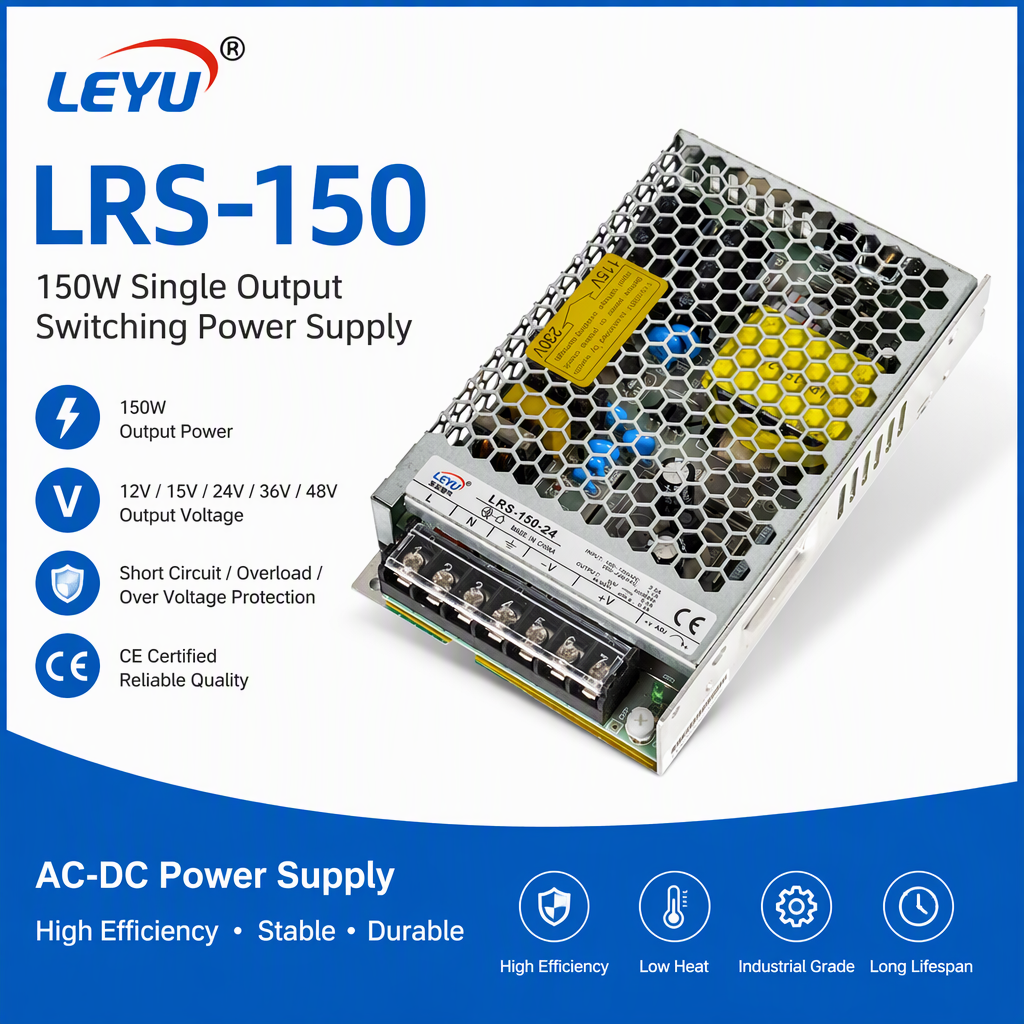
Explore standard, enclosed, DIN-rail and waterproof power modules benchmarked for rugged operational parameters, long MTBF, and seamless industrial panel integration.
Engineering Authority & Production Integrity
Direct from Yueqing Keldan Technology Co., Ltd. — Delivering verifiable precision, stringent quality assurance gates, and certified international capabilities.
Verified Manufacturing Capability in China’s Electrical Center
Situated in Beibaixiang Town, Yueqing, Wenzhou—the epicentre of China's electrical apparatus industry—Yueqing Keldan Technology Co., Ltd. operates as a specialized custom manufacturer and global exporter of high-reliability power conversion equipment. Unlike commercial trading intermediaries, our operational base is verified onsite by TÜV Rheinland, validating our technical capacity, testing infrastructure, assembly workflows, and quality management systems.
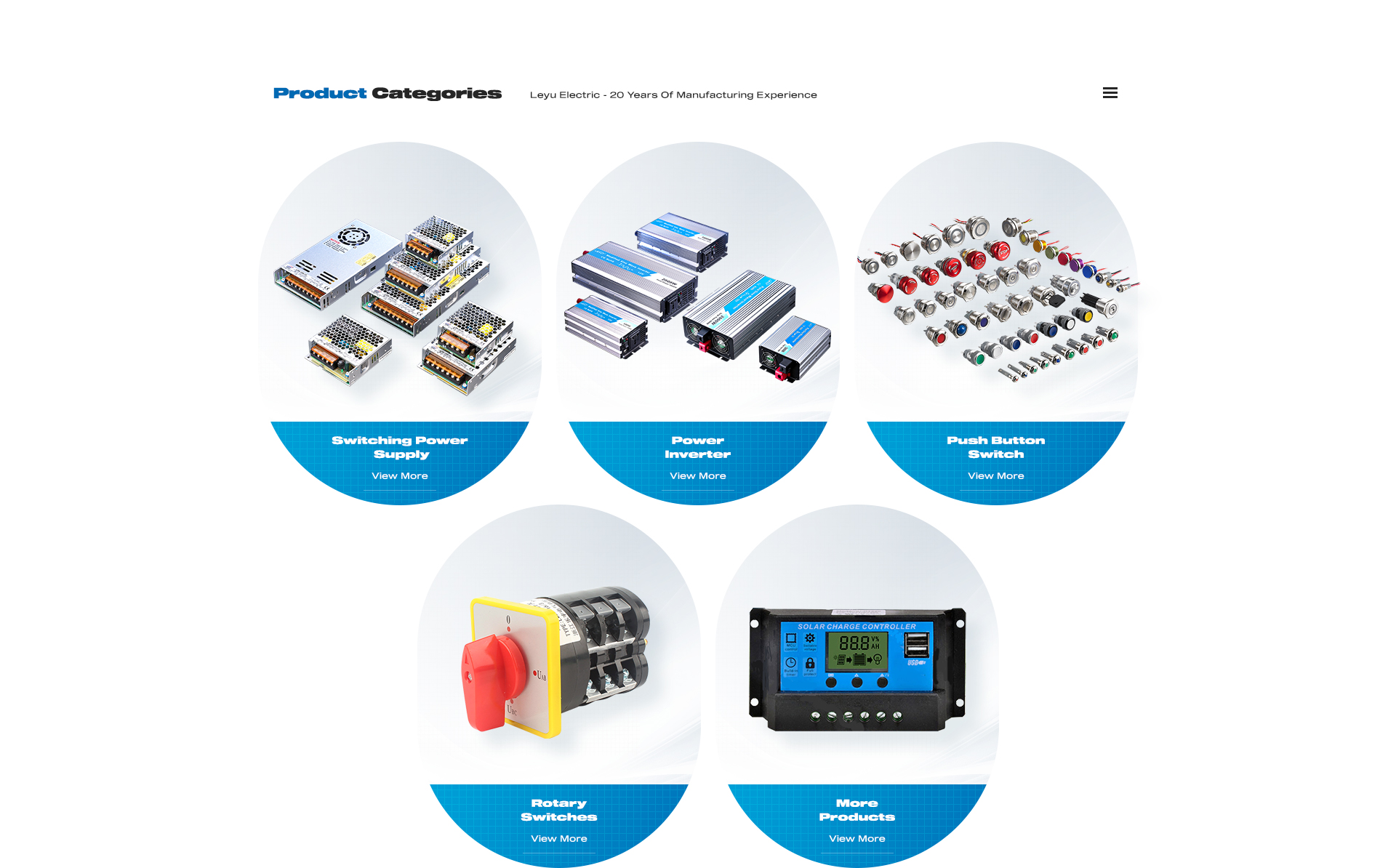
With an experienced manufacturing team of 44 verified personnel and a dedicated R&D engineering crew boasting over 18 years in power electronics, we handle end-to-end transformation from schematic design, PCB topology routing, to high-volume assembly. Our focus lies in providing robust OEM/ODM services for switching power supplies (SMPS), TS-35 DIN rail modules, DC-to-DC converters, pure sine wave inverters, and PWM solar management devices.
TÜV Rheinland Audited
Comprehensive verification covering physical plant capacity, testing apparatus validity, and trading legitimacy.
Automated SMT & AOI
High-precision Surface Mount Technology paired with automated optical inspection screens every solder node.
100% Thermal Burn-In
Rigid full-load high-temperature aging cycles eliminate early-life silicon mortality before dispatch.
Dedicated Global Trade
Multi-lingual engineering sales team ensuring flawless technical documentation, harmonized codes, and swift logistics.
Technological Frontiers: The Evolution of Industrial Power Modules
Analyzing key structural shifts in wide-bandgap semiconductors, power density benchmarks, and intelligent telemetry interfaces.
Wide-Bandgap Semiconductors (GaN & SiC)
The migration from conventional silicon superjunction MOSFETs toward Gallium Nitride (GaN) and Silicon Carbide (SiC) switches allows for elevated switching frequencies (200kHz to 1MHz+) with reduced gate capacitance and zero reverse recovery losses. This shift drives power density gains across enclosed SMPS models up to 40W/in³, shrinking transformer core footprints while reducing heat sinks by over 35%.
Active PFC Harmonic Mitigation (IEC/EN 61000-3-2)
Modern global electrical grids demand power factor compliance nearing unity. We integrate active power factor correction (PFC) topologies yielding power factors > 0.95 across wide load dynamics. By suppressing third and fifth odd harmonics, these modules minimize reactive current circulating within plant substations, suppress neutral conductor overheating, and avoid phase-shift interference on shared busbars.
Digital Telemetry & Remote Power Diagnostics
Transitioning from analog status relay contacts (DC-OK dry contacts) to standardized industrial IoT communication protocols like PMBus, Modbus-RTU, and IO-Link. Embedded microcontrollers facilitate real-time monitoring of rail impedance, operational thermal junctions, cumulative operating hours, and early ripple degradation warnings—enabling preventative plant maintenance protocols.
Strategic B2B Procurement: Forward-Looking Sourcing Criteria
A strategic breakdown for supply chain directors, industrial panel integrators, and OEM engineers navigating lifecycle viability.
Global procurement teams in the automation and renewable sectors are moving away from evaluating power supplies solely on initial unit costs. Recent global supply chain volatility and tightening carbon reporting standards have elevated Total Cost of Ownership (TCO) to the primary evaluation metric. A failure at the DC rail halts an entire industrial automation cell, resulting in downtime costs that far exceed the price of the power module itself.
Electrolytic Capacitor Lifetime Modeling
Procurement specialists now require Arrhenius-equation verification calculating capacitor operating lifespan. Premium long-life 105°C-rated Japanese and elite tier Taiwanese capacitors remain standard in Keldan architectures, preventing early degradation of ESR and ripple voltage attenuation in sealed control enclosures.
Thermal Derating Realities
Datasheet ratings frequently conceal power drops at ambient elevations. Forward-looking buyers examine true convection cooling margins between 50°C and 70°C. Sizing power reserves with a 20%–30% overhead safeguards mission-critical systems against nuisance trips from inductive motor inrush currents.
Unified Global Compliance & Traceability
Tier-1 international integrators necessitate dual CE-marking, RoHS3 environmental certification, and strict adherence to industrial EMC standards (EN 55032 Class B, EN 61000-4-2/3/4/5). Batch-level barcode tracing back to incoming component lots mitigates risk in mission-critical deployments.
Quality Control & Shopfloor Traceability
Standardized workflows in our Beibaixiang facilities ensure every power module reliably converts energy under harsh conditions.
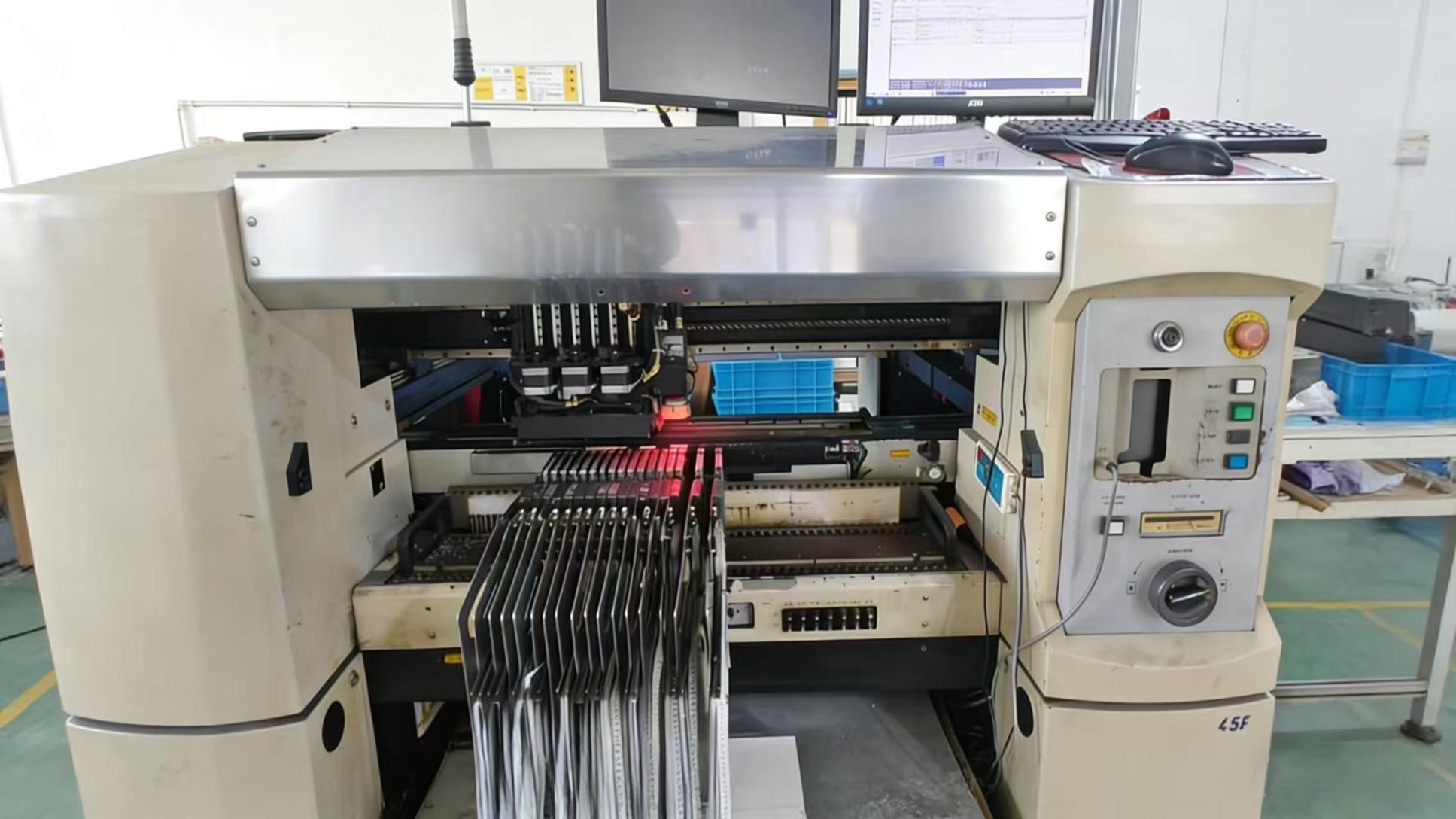
Automated SMT Placement
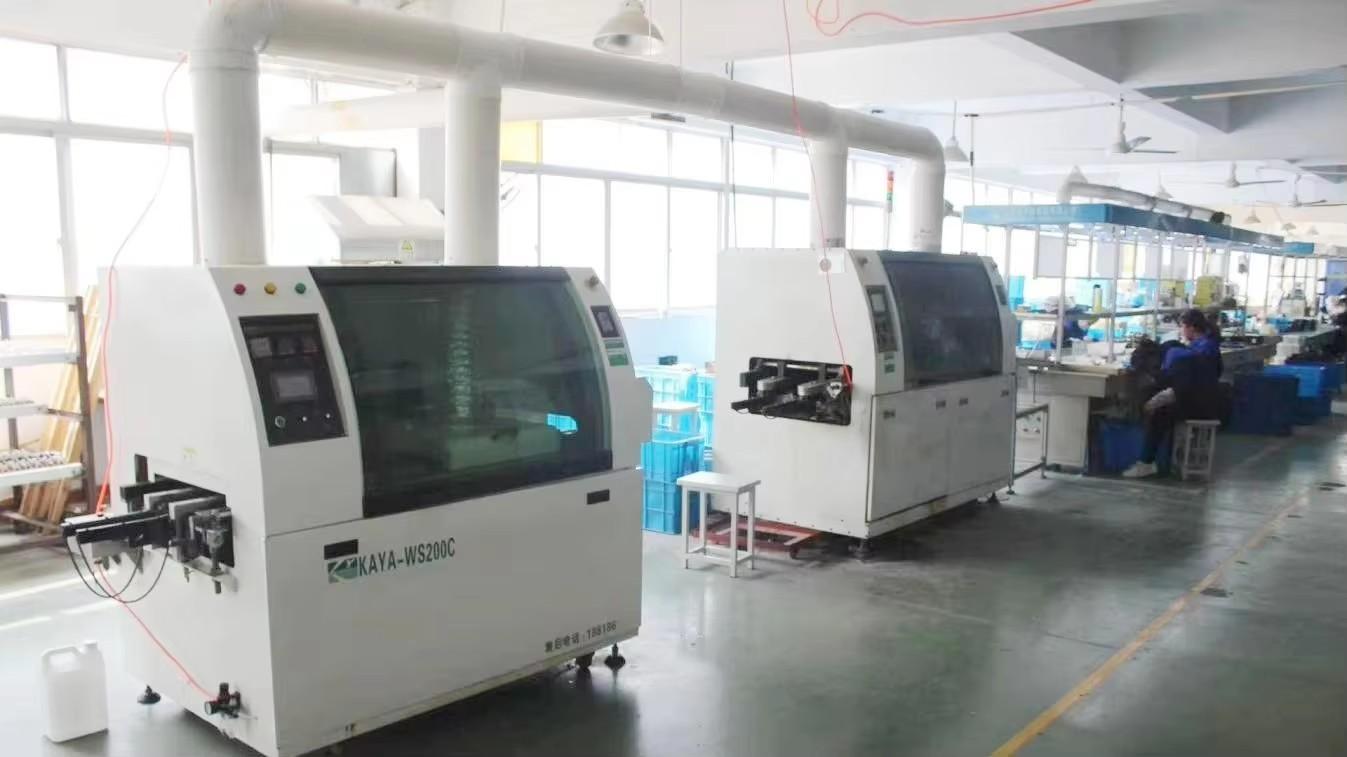
Reflow Thermal Soldering
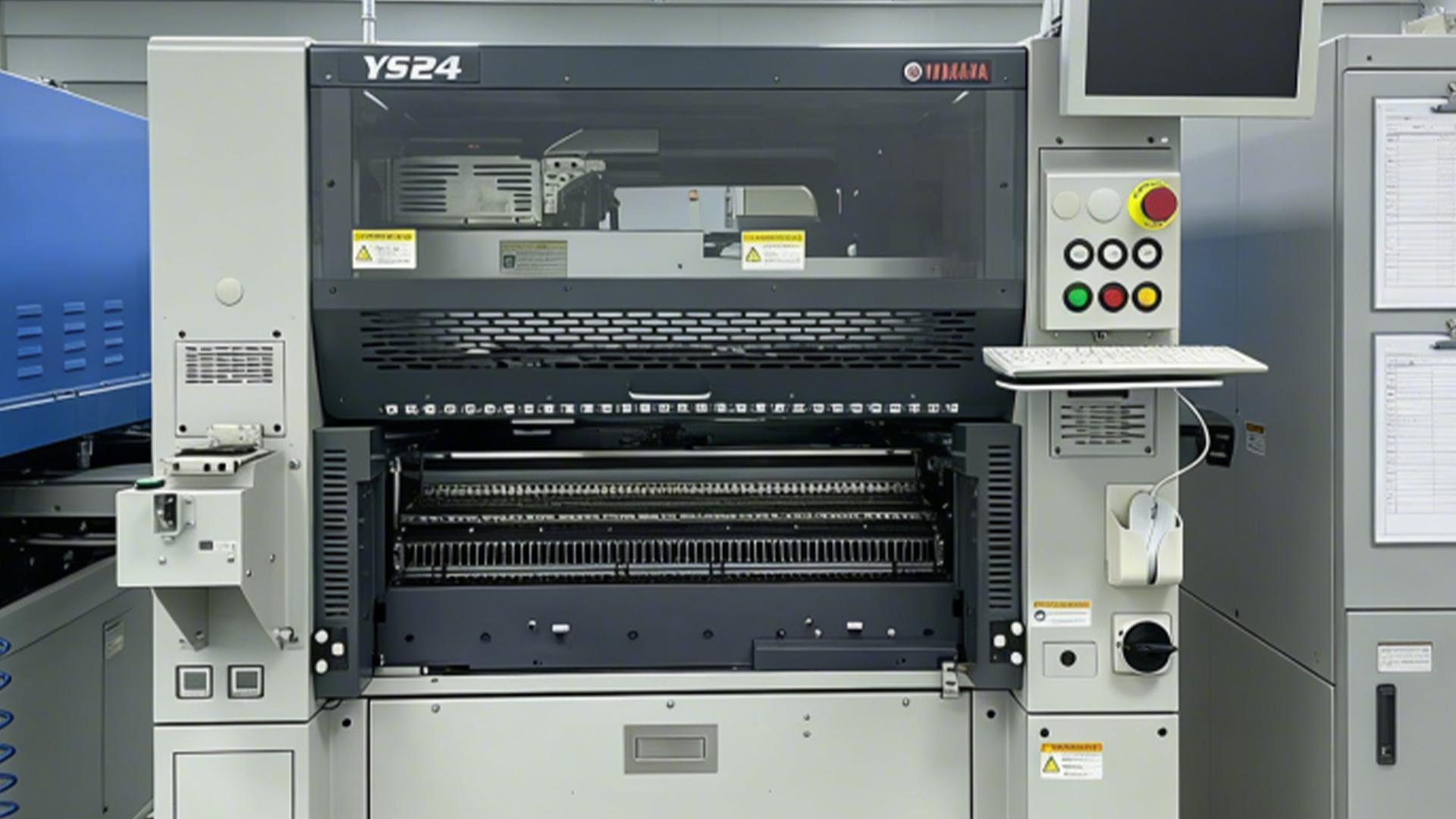
AOI Optical Inspection
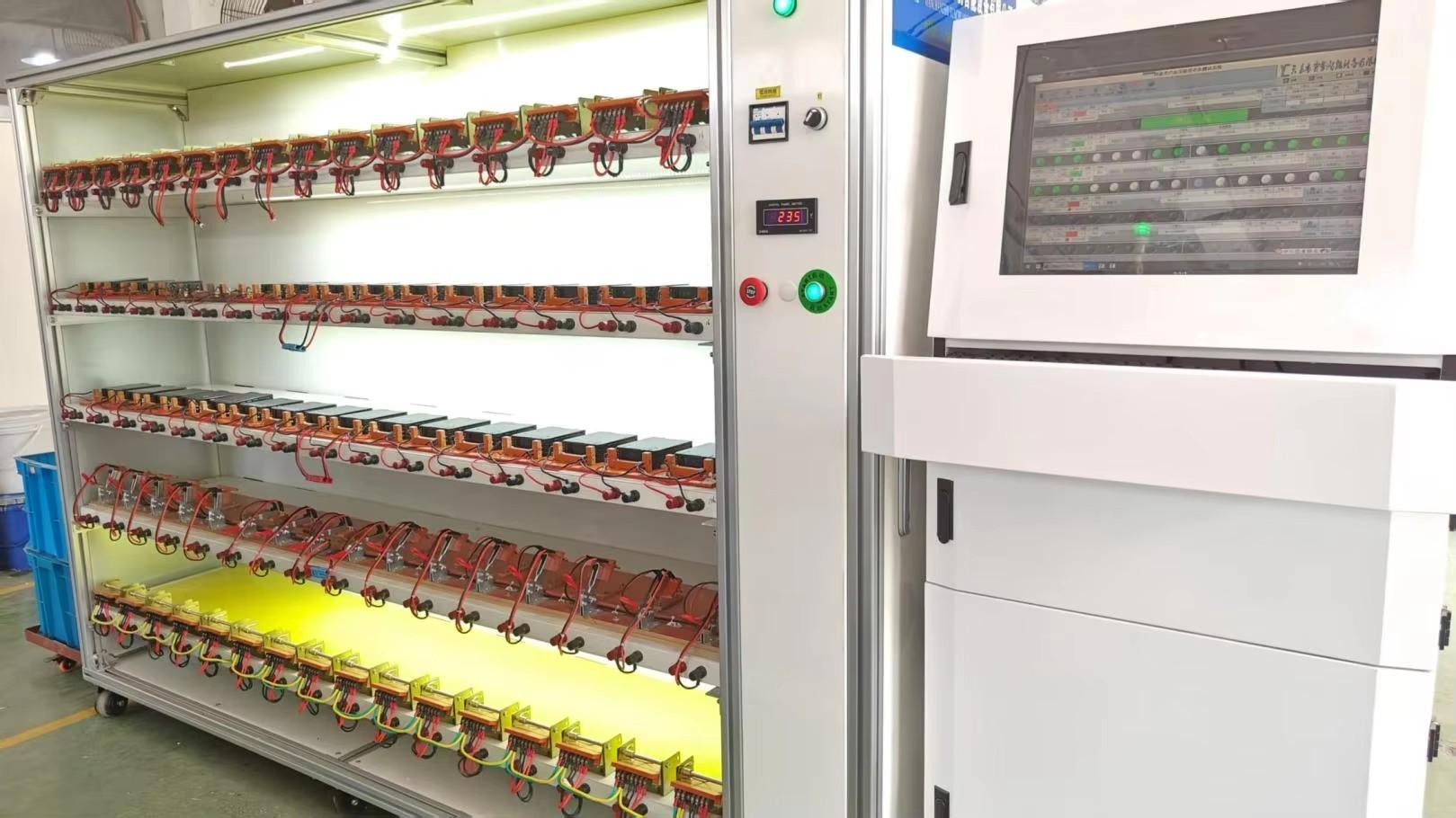
100% Full-Load Burn-In
Power Supply Procurement FAQ
Clear, direct answers regarding factory certifications, minimum order quantities, customization parameters, and manufacturing processes.
VERIFIEDIs Yueqing Keldan Technology a genuine manufacturer or an exporter?
We are a custom manufacturer with an in-house export infrastructure. Our workshop, located in Malujiao Village, Beibaixiang Town, Yueqing, has undergone verified onsite audits by TÜV Rheinland. This independent assessment verifies our automated production lines, testing laboratories, QA/QC tracking regimes, and cross-border commercial execution.
STANDARDSWhich safety and regulatory certifications accompany Keldan power modules?
Our baseline switching and DIN rail power series carry the CE mark, indicating compliance with the Low Voltage Directive (LVD 2014/35/EU) and Electromagnetic Compatibility Directive (EMC 2014/30/EU). Models comply with EN 62368-1 for ITE/industrial gear. Third-party testing reports and declarations are provided prior to batch containerization.
OEM/ODMWhat levels of design customization can be requested under OEM contracts?
We handle both drawing-based and physical sample-based OEM/ODM engagements. Custom design variables include wide input options (e.g., 90-305VAC or ultra-wide DC inputs), non-standard voltage outputs (e.g., 36V, 72V, 110V DC), custom current limits, conformal coatings (anti-moisture, anti-salt-spray), specialized sheet-metal chassis, and silk-screened private labeling.
MOQWhat are the standard Minimum Order Quantities for trial vs. OEM batches?
For standard catalog items—including popular LRS enclosed models and NDR/MDR DIN rail supplies—sample orders start from 1 piece to facilitate lab testing and certification validation. Specific low-profile assemblies and customized chassis start at 10 to 15 pieces, while complex custom transformer/PCB projects maintain low-barrier batch thresholds tailored to your production schedules.
QUALITYWhat testing protocols are executed on units before shipment clearance?
Every single unit undergoes an 8-stage verification cycle: (1) incoming component IQA checks, (2) automated SMT placement, (3) profile-governed reflow soldering, (4) AOI optical validation, (5) manual assembly and welding, (6) multi-point electrical debugging, (7) dynamic 100% full-load burn-in aging, and (8) final automated hi-pot safety and appearance inspection.
ENGINEERINGHow do I choose between Pure Sine Wave and Modified Sine Wave inverters?
Select Pure Sine Wave architectures when operating inductive, motor, or sensitive microprocessor loads—such as compressors, medical devices, automation controllers, and audio equipment—to prevent excessive heating and harmonic distortion (THD < 3%). Modified Sine Wave architectures serve as economical options for purely resistive loads like heaters and basic lighting.
Consult Directly with Keldan Power Engineers
Looking for an authorized OEM/ODM manufacturing partner to design or manufacture reliable switching power supplies, DIN-rail modules, or DC/AC inverters? Share your voltage, current, enclosure requirements, or application schematics.
