Featured Industrial & Multi-Rail Power Conversion Systems
Engineered for harsh operating conditions, low thermal rise, and zero inter-channel interference. Explore our core standard platforms and custom configurable power systems.
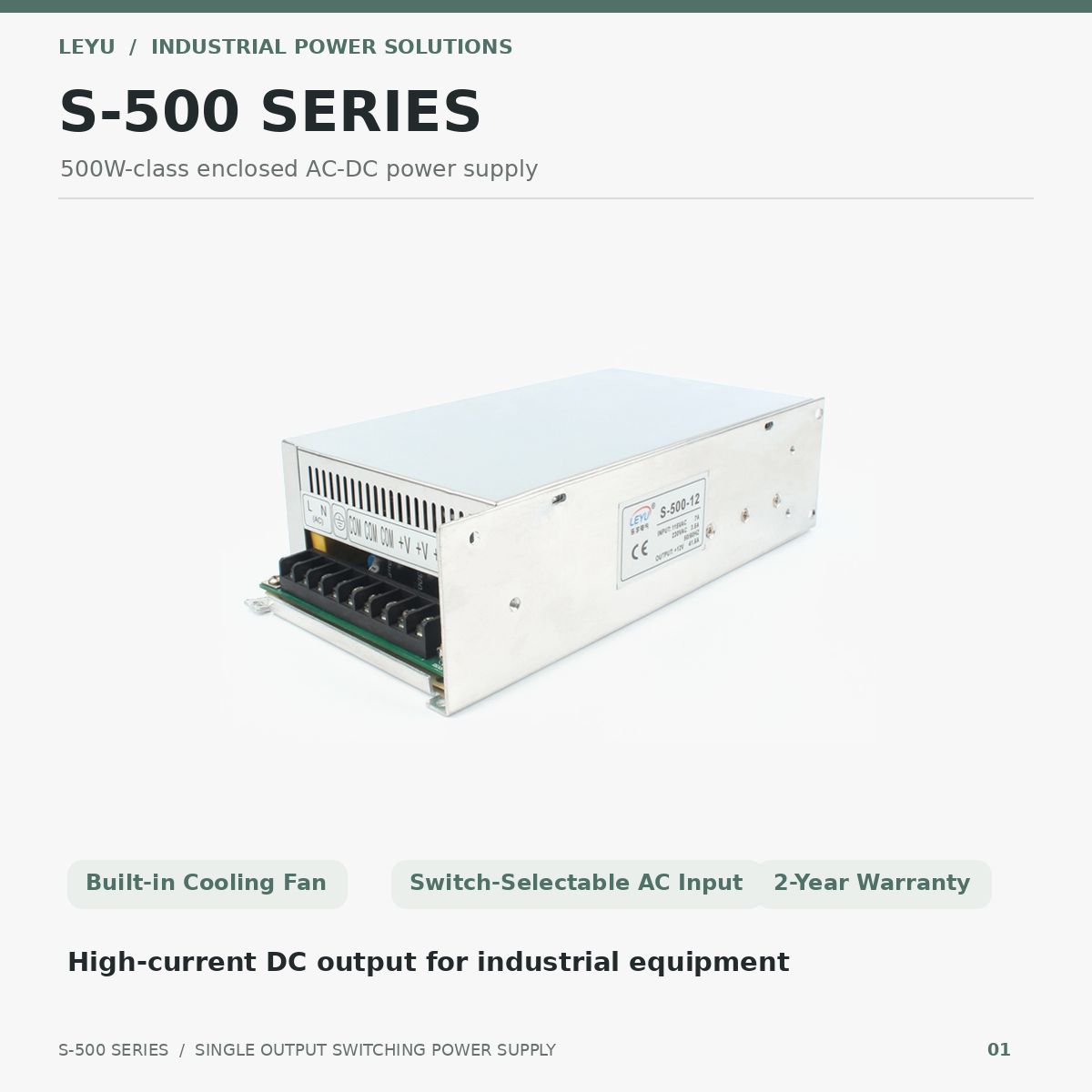
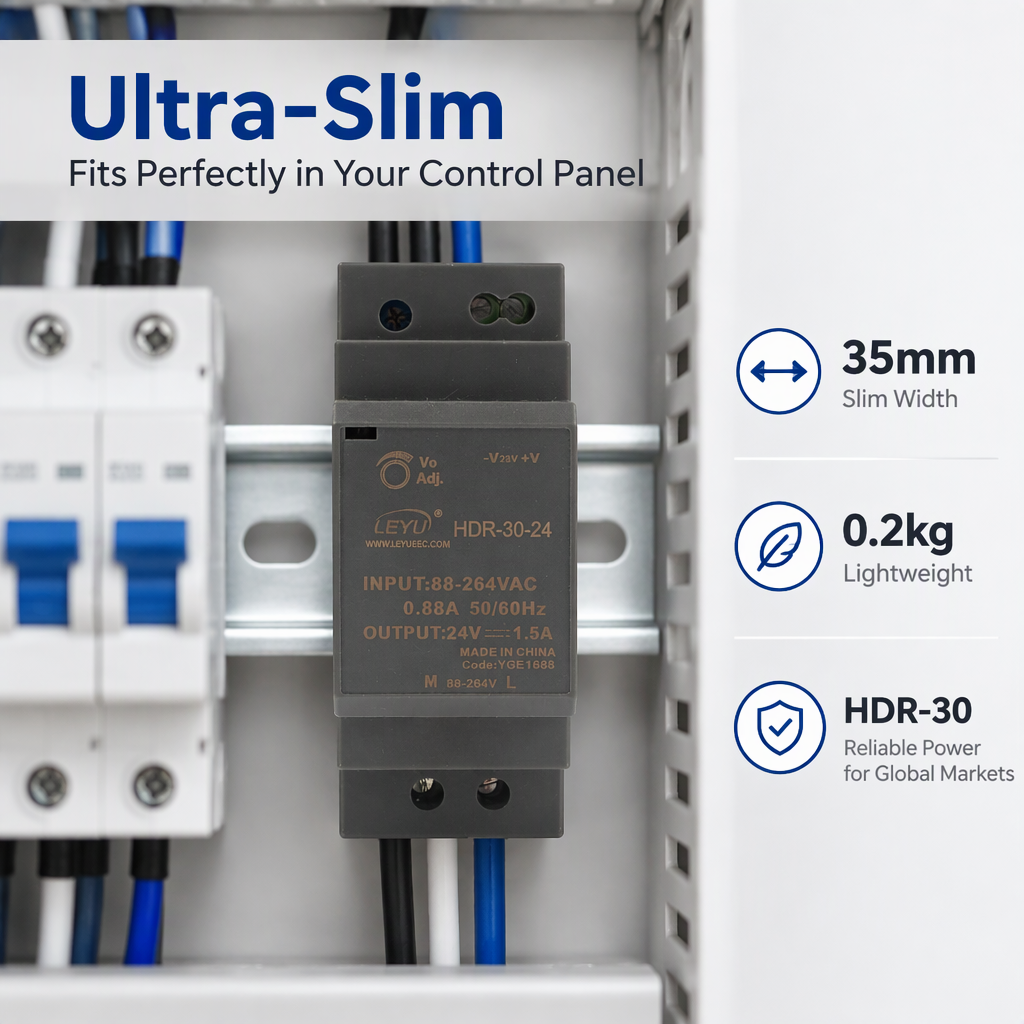
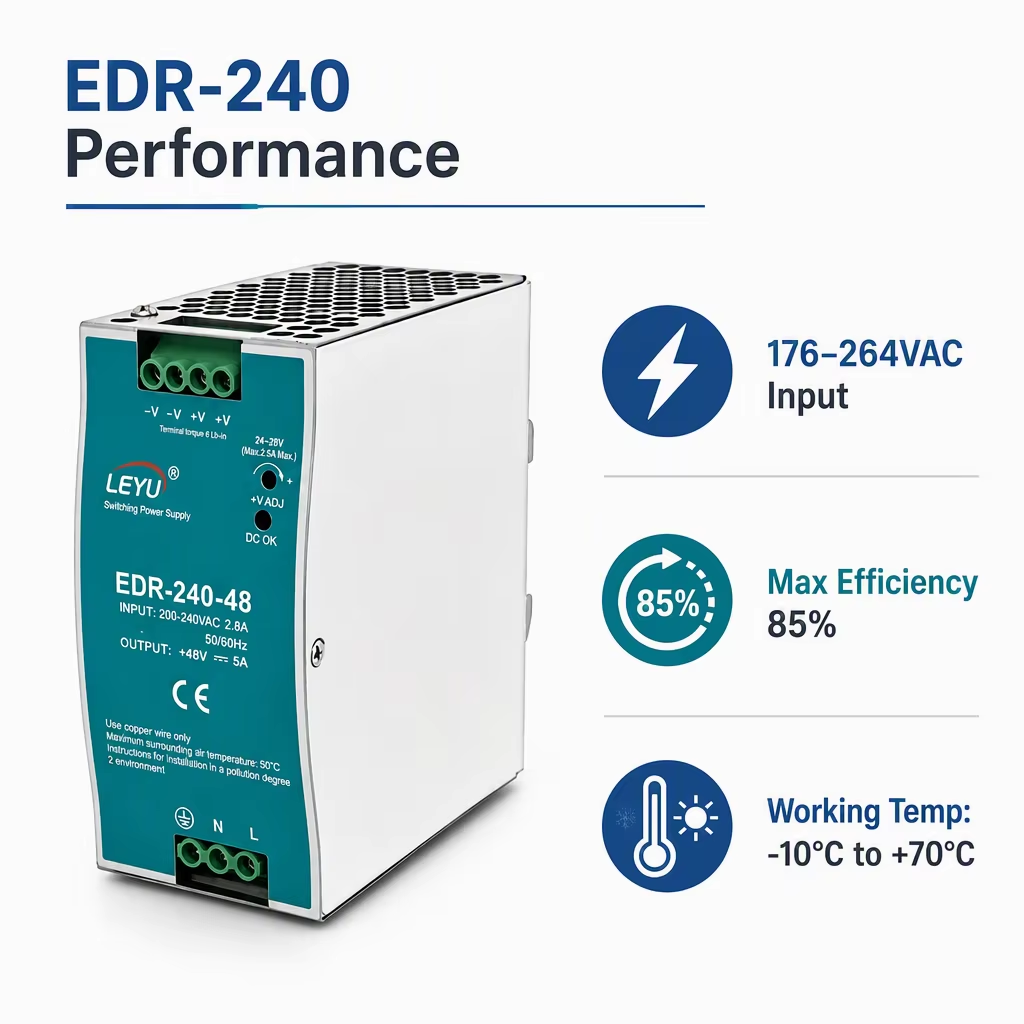
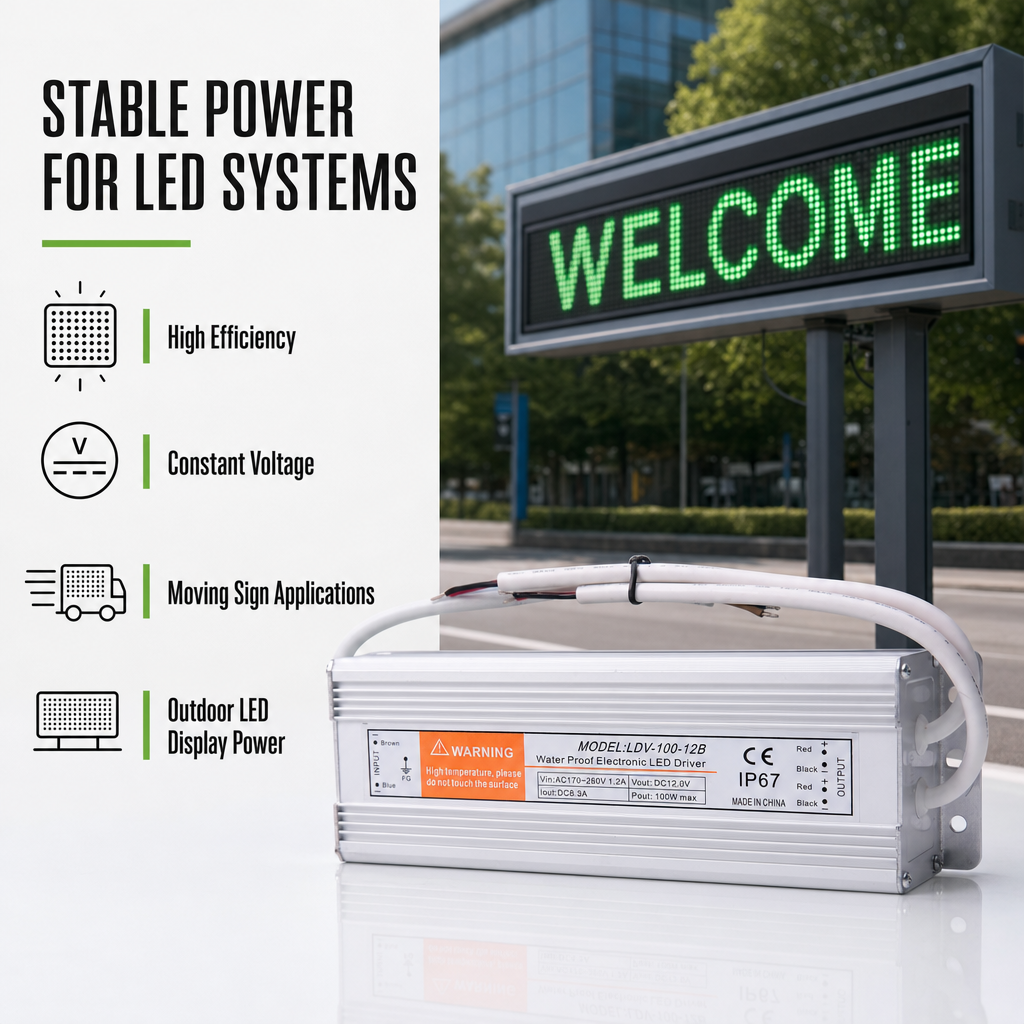
Engineering Triple Output Power Supplies: Architecture & Cross-Regulation Mechanics
Solving secondary load-dump instability, high-frequency inter-rail EMI, and dynamic current sharing across isolated multi-channel switch-mode power topologies.
1. The Cross-Regulation Challenge in Multi-Rail Topologies
In modern industrial architectures, power distribution units are increasingly required to provide isolated, heterogeneous voltage rails from a single upstream AC source. Typically, a standard OEM triple output configuration serves three distinct functional stages:
- Channel 1 (CH1 - e.g., +5V or +3.3V Logic Rail): High-precision, low-noise supply dedicated to microcontrollers, DSPs, FPGAs, and embedded bus transceivers.
- Channel 2 (CH2 - e.g., +24V or +12V Driver Rail): Dynamic drive bus providing burst current for inductive solenoids, relays, stepper drives, and cooling fans.
- Channel 3 (CH3 - e.g., -12V, -15V, or isolated +48V Subsystem Rail): Operational amplifier biasing, analog-to-digital converter references, or isolated industrial fieldbus communication (RS-485/CAN/Profibus).
The primary engineering bottleneck in multi-output flyback or forward topologies is cross-regulation. When Channel 2 encounters a heavy step-load transient (e.g., motor actuation drawing a sudden 8A surge), magnetic flux shifts across the coupled secondary windings of the shared high-frequency transformer. Without decoupled regulation networks, this induces a sudden voltage droop or surge on Channel 1, potentially triggering false undervoltage lockouts (UVLO) on digital processors or introducing high harmonic ripple into analog feedback loops.
To eliminate this phenomenon, our custom OEM/ODM multi-output architectures implement synchronous secondary post-regulation or integrated DC-DC synchronous buck/boost stages directly following the isolated main secondary winding. This guarantees that each channel maintains independent closed-loop feedback, achieving load regulation tighter than ±1.5% across entire 10% to 100% asymmetric loading ranges.
Galvanic Isolation & Noise Segregation
High-speed switching transistors (GaN/SiC) generate high dV/dt transients. Our custom OEM/ODM designs leverage optocouplers with CMTI > 35kV/µs and triple-insulated transformer windings to establish up to 3000VAC reinforced isolation between primary and secondary paths, and 500VDC inter-channel isolation, preventing noisy servo grounds from degrading delicate logic returns.
Active PFC & Harmonic Compliance
Meeting international grid standards (EN 61000-3-2 Class A through D) is mandatory for export equipment. Our industrial triple output power platforms utilize continuous conduction mode (CCM) active power factor correction (PFC), maintaining a power factor greater than 0.95 across universal input voltages (90-264VAC) while drastically reducing THD below 8%.
Intelligent Diagnostics & Telemetry
Modern Industry 4.0 architectures require proactive predictive maintenance. We offer optional PMBus, I2C, or Modbus RS-485 digital telemetry channels that stream real-time operational metrics—including per-channel current load, ambient heatsink temperature, input surge history, and lifetime capacitor wear indices—directly to host automation controllers.
Future Procurement Trends: Where Multi-Rail Power Conversion Is Headed
Key technology transitions reshaping global supply chains, BOM engineering, and lifecycle total cost of ownership (TCO) over the 2025–2030 cycle.
Strategic Shifts in B2B Power Electronics Sourcing
As original equipment manufacturers transition toward decentralized modular machinery and intelligent edge compute nodes, power supply procurement is shifting from commoditized catalog purchasing to tailored, integrated multi-rail power architectures. Standard off-the-shelf single-rail power supplies paired with multiple secondary downstream DC-DC bricks introduce added PCB footprint, redundant enclosure costs, compounding thermal hot spots, and multiple potential points of component failure.
By shifting to an engineered OEM triple output platform, systems designers eliminate secondary point-of-load (PoL) regulators, compress internal cabinet clearance requirements by up to 35%, and streamline their enterprise AVL (Approved Vendor List) management. However, navigating international regulatory compliance, wide-bandgap (WBG) component sourcing, and supply chain resilience requires buyers to assess manufacturers through an advanced technical rubric.
| Procurement Parameter | Legacy SMPS Paradigm (Traditional Sourcing) | Next-Generation OEM/ODM Engineering Trend | Strategic Advantage for Global B2B Importers |
|---|---|---|---|
| Semiconductor Topology | Standard Silicon MOSFETs with hard-switching flyback/forward circuits. | Gallium Nitride (GaN) and Silicon Carbide (SiC) resonant LLC soft-switching topologies. | Up to 94%+ energy efficiency, 40% reduction in heat dissipation, smaller enclosure form-factors. |
| Thermal & Acoustic Profile | High-RPM forced-air internal fans prone to bearing failure and dust ingress. | Conduction-cooled cold-plate chassis and optimized thermal potting (IP65/IP67 rated options). | Zero acoustic noise, extended MTBF > 300,000 hours, eliminated maintenance cycles in dusty plant floors. |
| Regulatory Compliance | Basic regional CE self-declarations with nominal thermal safety margins. | Full CE, UL/cUL 62368-1, IEC 60601-1 (medical grade 2x MOPP), and Class B Conducted EMI compliance. | Frictionless customs entry, lowered target market certification re-testing costs, broad international acceptance. |
| Channel Configuration | Rigid, fixed-ratio voltage rails requiring downstream auxiliary regulators. | Modular customizable secondary windings with digitally trim-able voltage and current limits. | Optimized Bill of Materials (BOM), reduction of multiple SKU inventory burdens, streamlined assembly. |
| Lifecycle Management | Frequent component obsolescence with short notice (EOL) cycles. | Automotive/industrial grade component selection guarantees 7–10 year design stability. | Protected capital investment for high-end industrial machinery without frequent PCB requalification. |
Why Partner with Yueqing Keldan Technology Co., Ltd.
Headquartered in Beibaixiang, Yueqing, Zhejiang—China’s epicenter for electrical engineering—we combine raw component sourcing power with world-class production integrity.
TÜV Rheinland Verified
Our manufacturing facility, production capacity, quality verification labs, and trading practices have been strictly audited and verified onsite by TÜV Rheinland as a genuine Custom Manufacturer.
Engineering-Led OEM/ODM
With 5+ senior power design engineers (each boasting 5+ years of SMPS focus), we customize output voltages, continuous amperage, form-factors, cable harnesses, and terminal pinouts from technical drawings or physical samples.
8-Step Comprehensive QC
Zero compromise on electrical reliability: Onsite incoming material inspection, automated SMT pick-and-place, reflow soldering, AOI optical defect screening, manual calibration, 100% full-load burn-in aging test, and finished QC testing.
Seamless Global Logistics
Backed by a 12-person specialized international trade department and 10+ years of export experience, we manage localized customs clearance, DDP shipping options, private labeling, and drop-ship support for Tier-1 industrial buyers worldwide.
Frequently Asked Questions: Sourcing Triple Output Power Supplies
Clear, direct answers regarding custom voltage rail splits, MOQ, compliance documentation, and quality assurance testing.
We employ independent secondary winding regulation stages. While basic designs rely solely on primary feedback (leading to cross-channel voltage sag during unbalanced loads), our custom platforms integrate secondary DC-DC synchronous buck/boost regulators or isolated magnetic amplifier circuits on secondary channels. This keeps all auxiliary rails within ±1% to ±2% regulation regardless of whether the main channel is at 10% or 100% continuous load.
For our existing base configurations (such as modifying output taps or cable harnesses on established industrial platforms), we support low pilot runs starting at 10 to 50 units. For complete custom ground-up chassis, private labeling, tooling modifications, or proprietary multi-rail PCB layouts, project-specific MOQs typically range from 100 to 500 units depending on transformer tooling requirements.
All our exported industrial power supplies are CE certified (EMC Directive 2014/30/EU and Low Voltage Directive 2014/35/EU). We supply comprehensive EN 55032 (CISPR 32) Class B conducted and radiated emission test reports, EN 61000-4 immunity verification, RoHS compliance statements, and factory burn-in test documentation upon customer request to ensure smooth customs clearance.
Yes. In complex industrial robotic and communication systems, sensitive sensor ground loops must be completely galvanically isolated from motor driver grounds. We can design your triple output unit with fully floating, independent returns (CH1 Isolated GND, CH2 Isolated GND, CH3 Isolated GND) rated for up to 500VDC isolation, or tie designated logic rails to a common chassis plane based on your schematic.
Every single power supply unit manufactured in our Yueqing facility passes through an automated 8-step QA protocol. Following SMT assembly and automated optical inspection (AOI), 100% of finished units undergo 2 to 4 hours of dynamic full-load burn-in testing on dedicated aging racks at elevated temperatures (40°C–50°C) with continuous AC power cycling to screen out infant component mortality.
Standard prototype samples based on modified standard architectures can be configured and dispatched within 7–12 business days. Comprehensive custom OEM/ODM prototypes requiring custom transformer fabrication and enclosure tooling require approximately 3–4 weeks. Standard commercial volume batch orders typically ship within 20–30 business days following engineering sign-off.
Ready to Engineer Your Custom Multi-Rail Power Platform?
Connect directly with our Yueqing engineering team. Submit your required input range, channel voltage/current splits, dimensional restrictions, and certification goals for an immediate technical review and competitive factory-direct quotation.
