DIN Rail
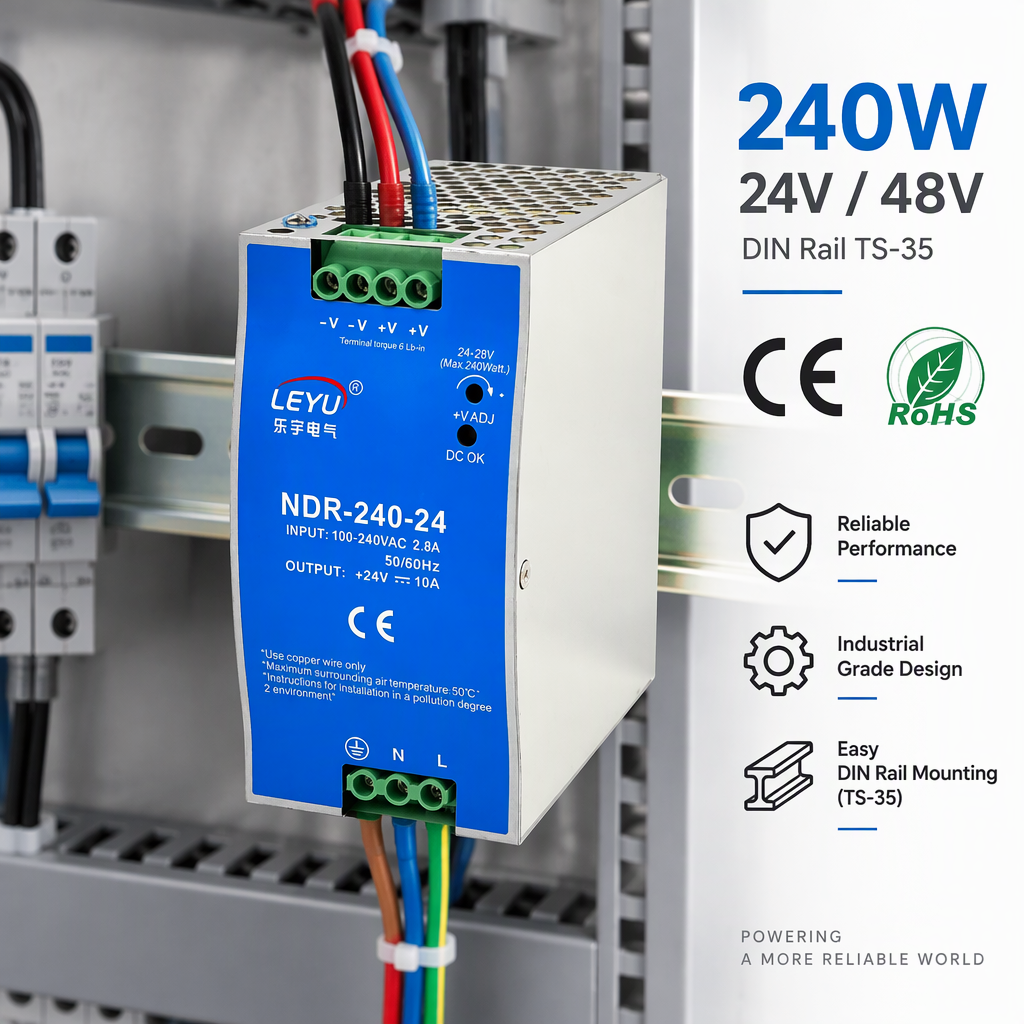
NDR-240 240W DIN Rail Power Supply Universal Input with Active PFC
90-264VAC In
24V 10A / 48V 5A
Active PFC
Engineered for demanding control systems, laser benches, building automation, and mission-critical electronics. Field-proven designs compliant with global CE, RoHS, and EMC requirements.
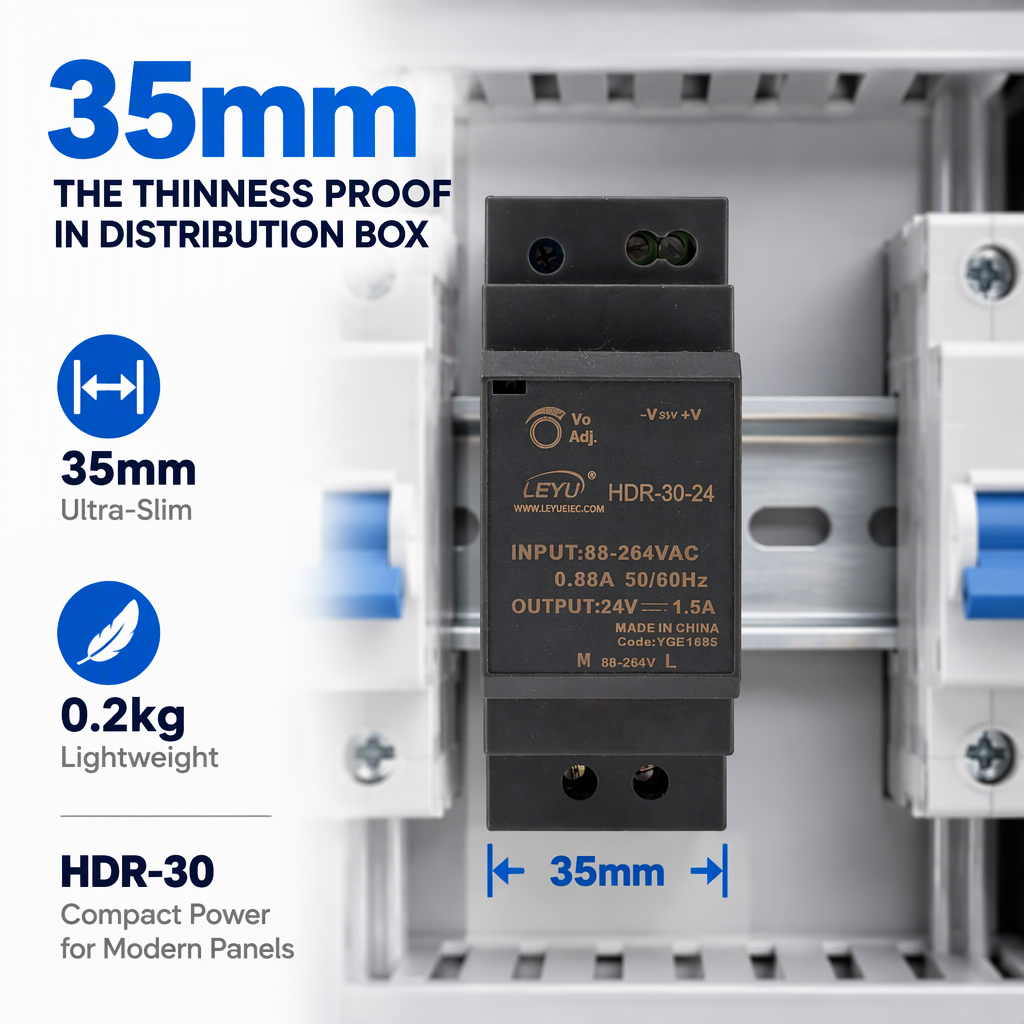
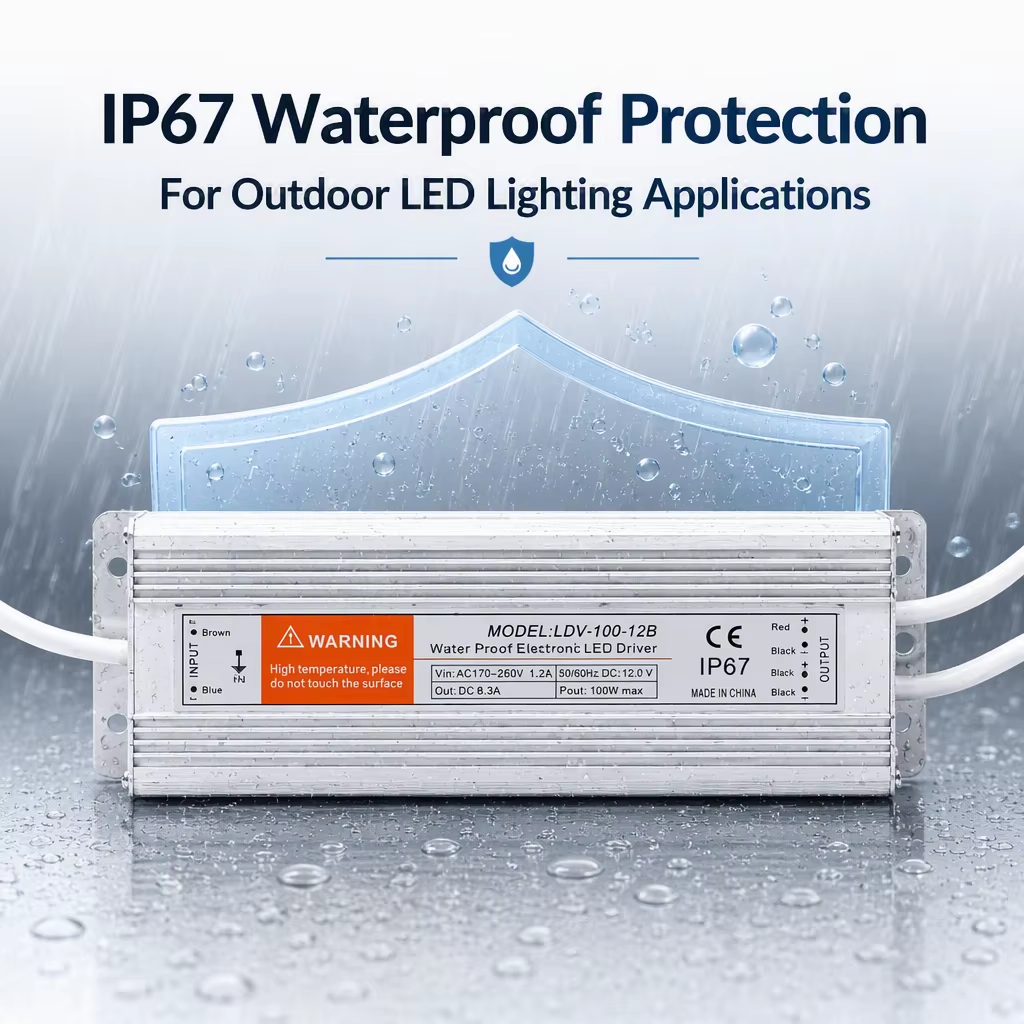
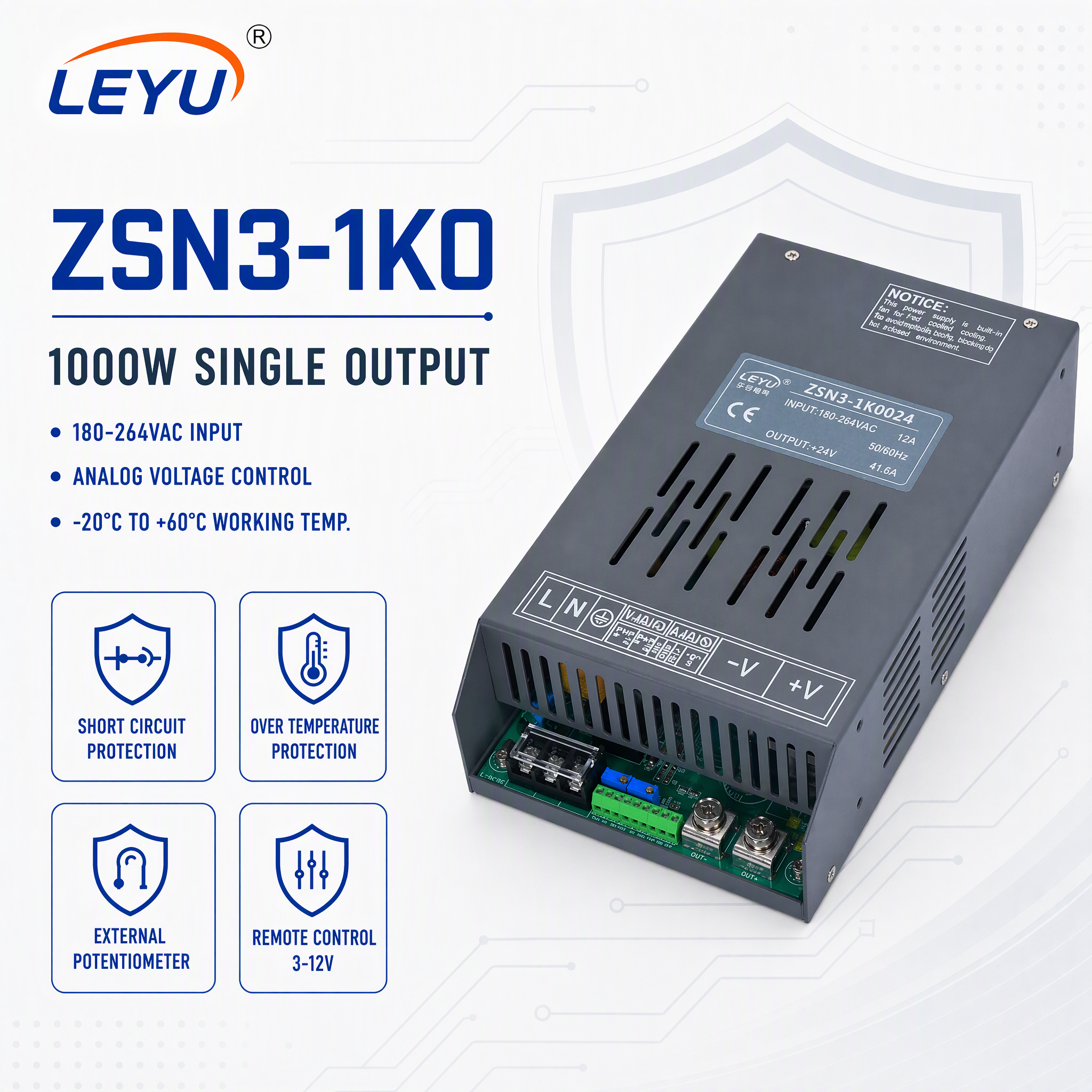
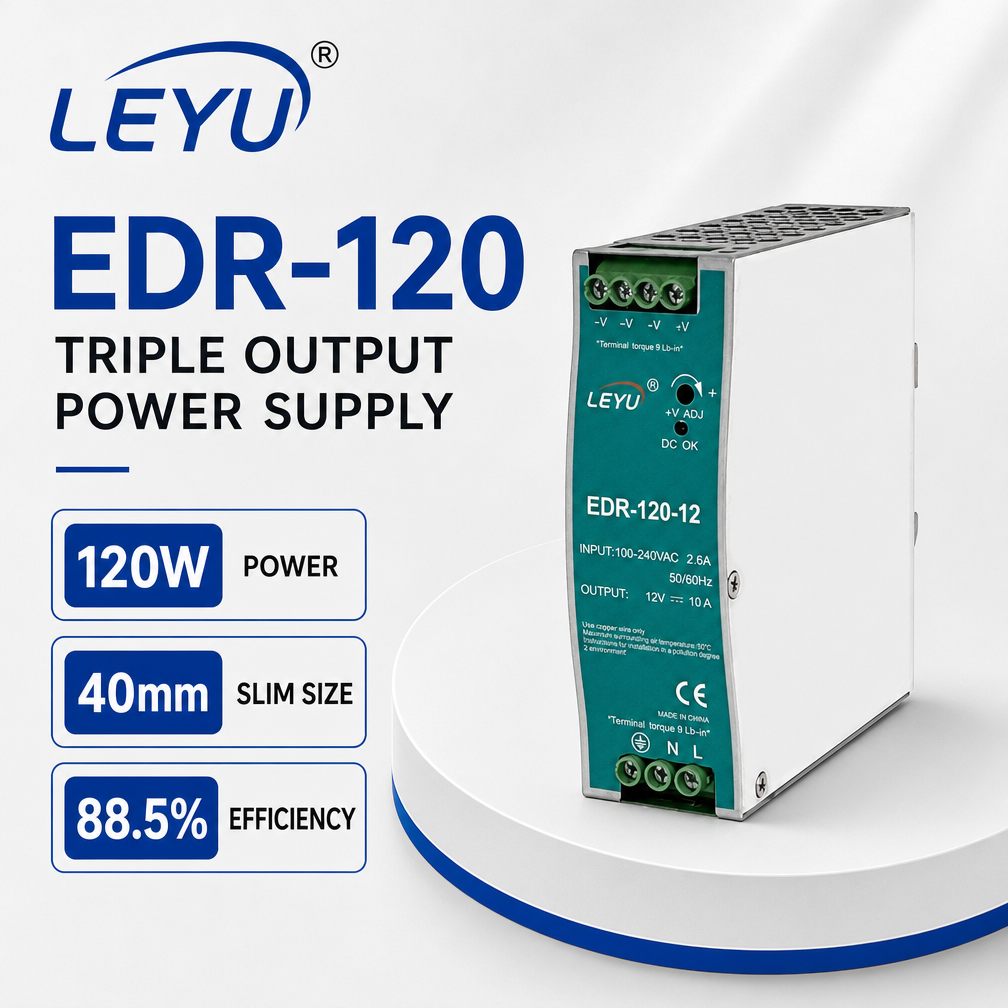
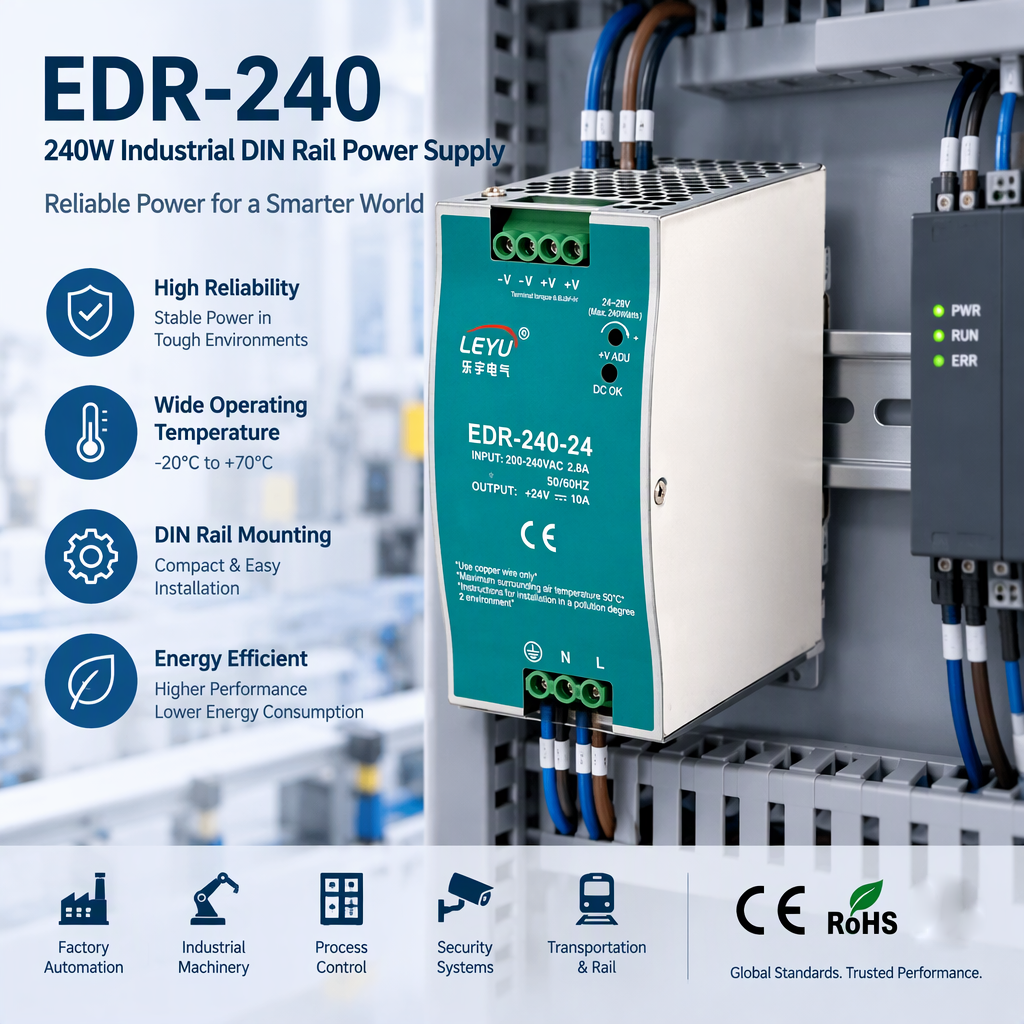
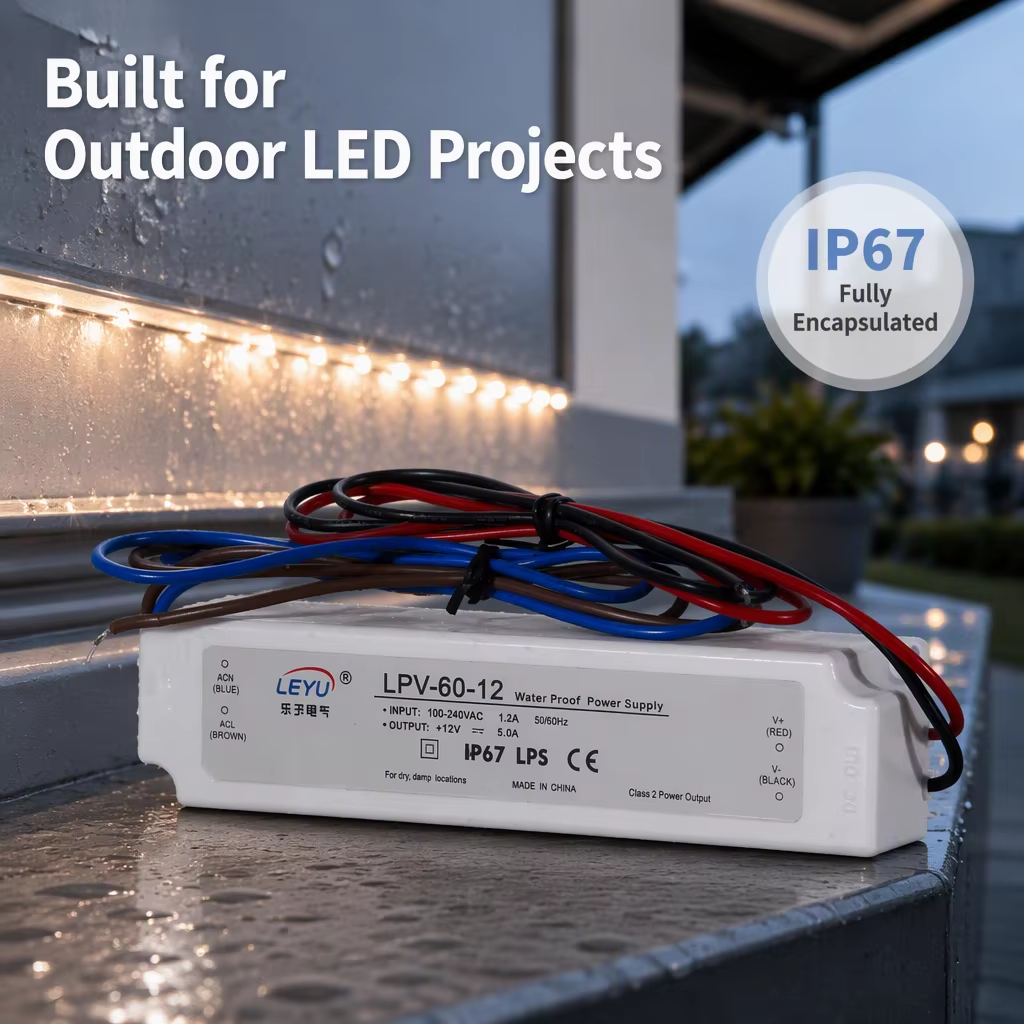
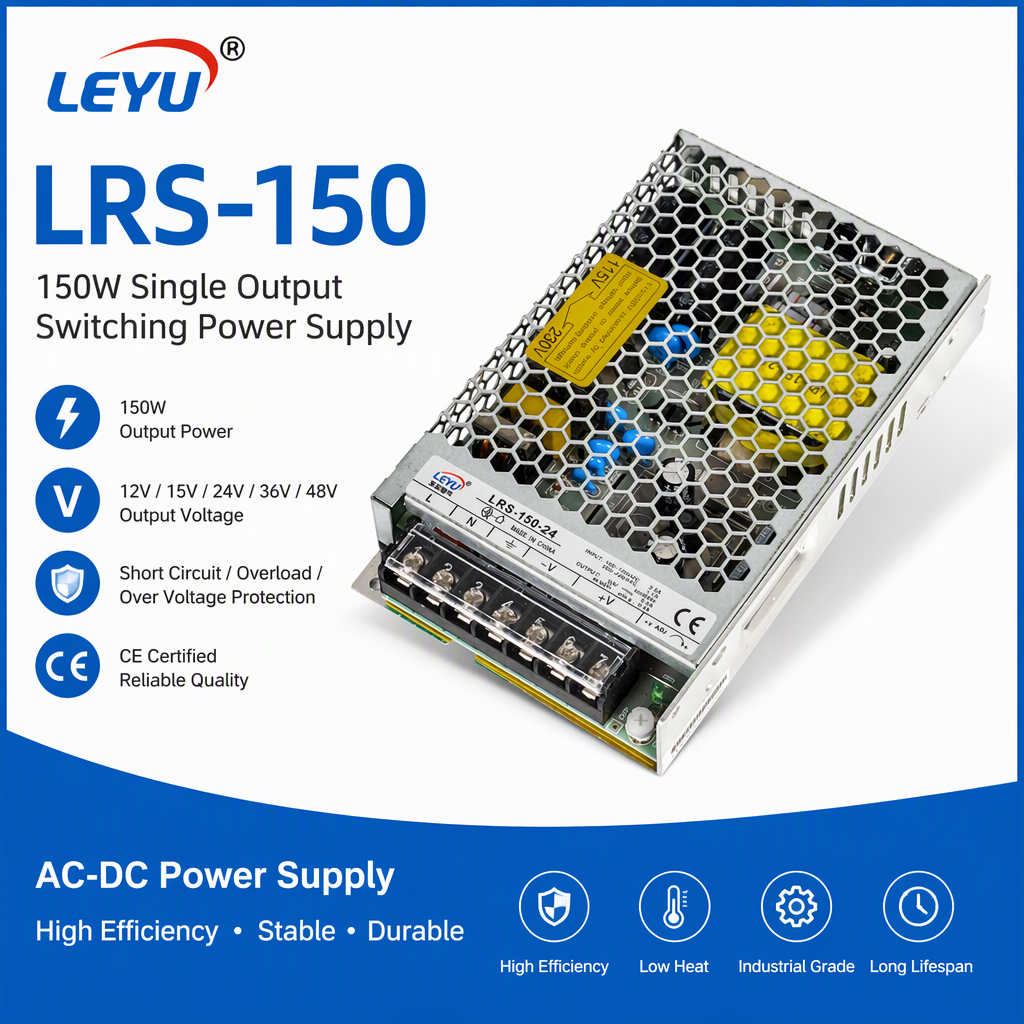
The global shift toward automated manufacturing, renewable energy systems, high-precision laser instrumentation, and electric vehicle (EV) testing has placed immense operational dependency on regulated Direct Current (DC) power supplies. Modern industrial systems demand power conversion units that do not merely convert alternating current into direct current, but do so with near-unity power factors, minimal electromagnetic interference (EMI), ultra-low output ripple, and sustained mean time between failures (MTBF) exceeding 250,000 hours under heavy industrial thermal cycling.
China has fundamentally transformed from a basic contract assembler of low-wattage adapters into the epicentre of sophisticated power electronics engineering. Within the Yueqing industrial electrical cluster in Zhejiang Province—the internationally recognized capital of China’s low-voltage and industrial electrical apparatus—manufacturers have integrated component fabrication, high-speed automated Surface Mount Technology (SMT), magnetics engineering, and localized quality testing into unified, hyper-efficient ecosystems. For global OEM design engineers and technical procurement directors, navigating this ecosystem requires moving beyond gross price considerations to scrutinize underlying conversion topologies, thermal headroom, component qualification criteria, and regulatory audit veracity.
Selecting an optimal AC/DC converter requires understanding the internal power stage topology. Generic low-cost manufacturers frequently rely on standard hard-switched Two-Switch Forward or classic Half-Bridge designs at power levels where they become thermally self-destructive. Premium Tier-1 export manufacturers, including Yueqing Keldan Technology Co., Ltd., employ resonant and soft-switching topologies that minimize switching losses and electromagnetic radiation.
Leverages Zero Voltage Switching (ZVS) across the primary MOSFETs and Zero Current Switching (ZCS) across secondary rectifiers. Drastically mitigates di/dt switching noise, yielding efficiencies up to 94.5% and low ripple for sensitive instrumentation and laser sources.
Dual-boost stages operating 180° out-of-phase reduce input ripple current by up to 60%. Achieves Power Factor >0.98 and THD <5%, ensuring compliance with EN 61000-3-2 Class A/D regulations and relieving stress on grid neutral conductors.
Silicon Carbide Schottky barrier diodes eliminate reverse recovery losses in output stages. GaN FET primary switches allow switching frequencies to rise from 65kHz to 250kHz+, shrinking transformer magnetic cores and doubling volumetric power density (W/in³).
| Conversion Topology | Typical Wattage Range | Efficiency Spectrum | Peak EMI Generation | Optimal End-Use Application |
|---|---|---|---|---|
| Flyback (Quasi-Resonant) | 15W – 100W | 82% – 88% | Moderate to High | Auxiliary auxiliary power, low-cost LED drivers, PLC I/O modules |
| Two-Switch Forward | 100W – 350W | 86% – 89% | Moderate | Standard enclosed chassis (LRS-150/350), CNC drives, baseline CCTV |
| Interleaved LLC Resonant | 240W – 3000W+ | 92% – 95% | Ultra-Low (Soft Switch) | High-density DIN Rail (NDR/DRP), variable laser lab PSUs, robotics |
| Full-Bridge Phase Shift (FBPS) | 1500W – 10kW+ | 93% – 96% | Low to Moderate | High-power DC rectifiers, telecom battery backup, EV test benches |
Procurement teams operating in Europe, North America, and Australasia are rapidly updating their technical specification matrices. Over the next five-year cycle, regulatory updates surrounding carbon footprints, eco-design directives (such as EU Ecodesign ErP Lot 9), and digital plant architecture are transforming baseline expectations for power equipment.
B2B import failures rarely stem from immediate DOA (dead-on-arrival) occurrences. Instead, field catastrophes typically happen 6 to 18 months into operational deployment due to overlooked component stress deratings and corner-cutting on auxiliary protections.
Electrolytic bulk capacitors are the primary life-limiting component. Low-tier assemblers use 85°C-rated capacitors with 2,000-hour endurance. Tier-1 exporters specify 105°C Japanese/Taiwanese (Rubycon, Nichicon, or high-tier domestic) capacitors rated for 5,000 to 10,000 hours, quadrupling operational life at 50°C ambient.
A power supply labeled "240W" may only produce 240W at an unrealistic 25°C. At an enclosed cabinet ambient of 50°C, inferior units derate output by 50% or enter thermal shutdown. Always demand full output vs. ambient temperature derating graphs before finalizing purchase orders.
Non-verified trading entities frequently photoshop certificates or submit reports based on "golden samples" while stripping out EMI filter chokes and X/Y safety capacitors on production runs. Only source from facilities with verified third-party audit reports, such as TÜV Rheinland on-site factory verification.
In laser, telecom, and sensor environments, switching ripple and transient load steps matter immensely. An inferior power supply can experience a 1.5V voltage sag when loads swing from 10% to 90%, tripping sensitive microcontrollers or causing laser diode wavelength instability.
Headquartered in Malujiao Village, Beibaixiang Town, Yueqing, Zhejiang, Yueqing Keldan Technology Co., Ltd. represents the modern standard of specialized power conversion manufacturing. With over 18 years of focused engineering and an onsite-verified facility audited by TÜV Rheinland, Keldan operates dedicated production lines covering DIN rail switching supplies, LRS ultra-thin series, high-power benchtop sources, pure sine wave inverters, and PWM solar controllers.
Unlike pure trading agencies that re-box generic electronics, Keldan maintains an integrated 44-member on-site technical team including 5+ senior power electronics design engineers with over 5 years of SMPS topology development each. Our Yueqing manufacturing facility executes end-to-end quality governance:
All semiconductor batches, ferrite cores, and electrolytic capacitors undergo parametric verification and LCR testing against approved BOM specs.
High-speed surface-mount machines place passives, driver ICs, and power MOSFETs with micrometer-level repeatable precision.
Precise thermal profile zones guarantee zero cold-soldering and prevent micro-cracking across large ceramic power capacitors.
Automated Optical Inspection screens every board for solder bridging, missing components, tombstoning, and polarity misalignment.
Through-hole chokes, large terminal blocks, and custom heatsinks are fitted by certified operators followed by secondary wave soldering.
Technicians trim output DC potentiometers, test overcurrent latch levels, and confirm short-circuit foldback thresholds.
Every single power unit is placed into continuous 4-to-12 hour elevated temperature aging chambers under maximum rated resistive load.
Rigorous 3.0kVAC dielectric breakdown isolation testing between primary, secondary, and chassis ground before automated packaging.
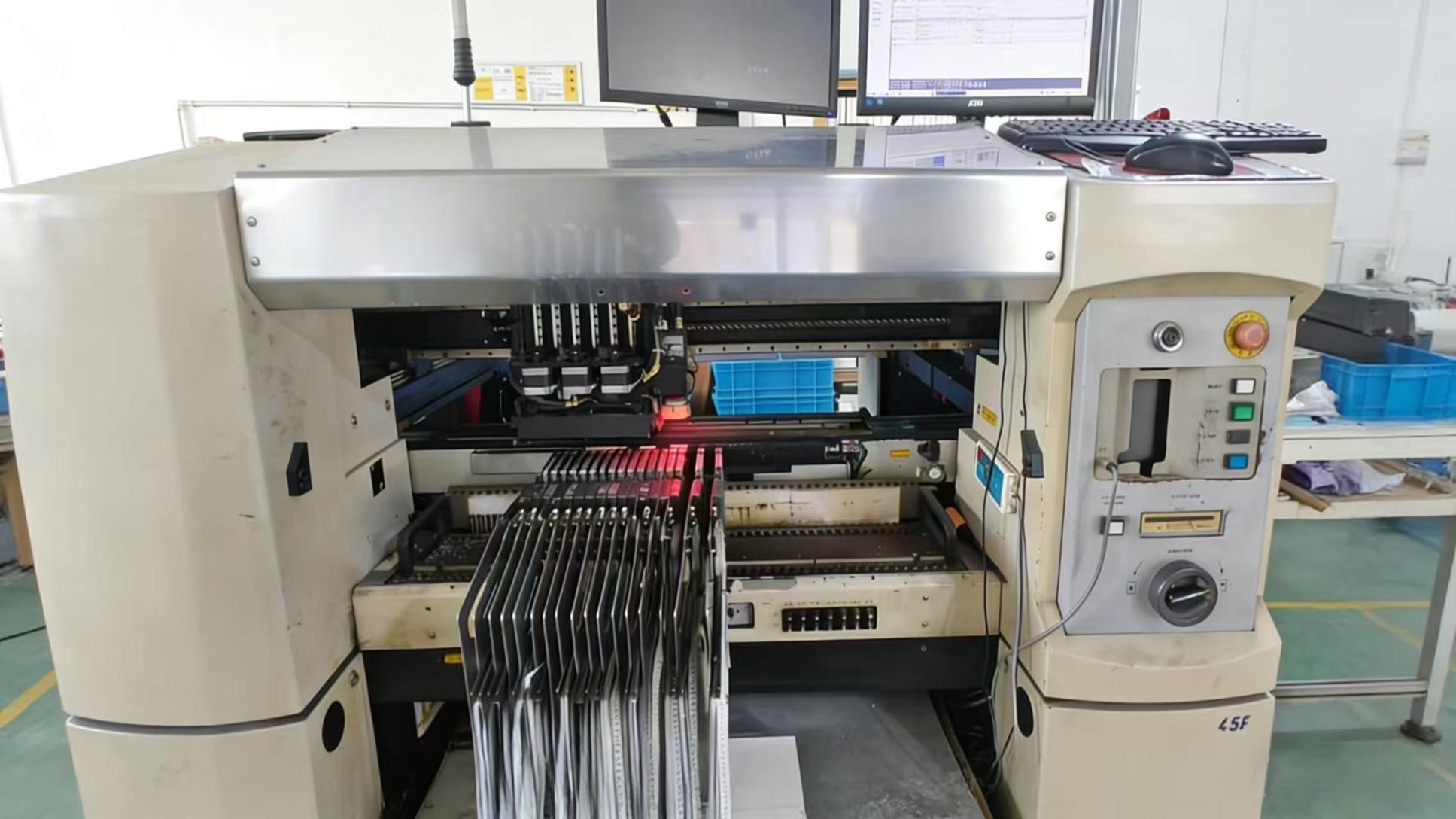
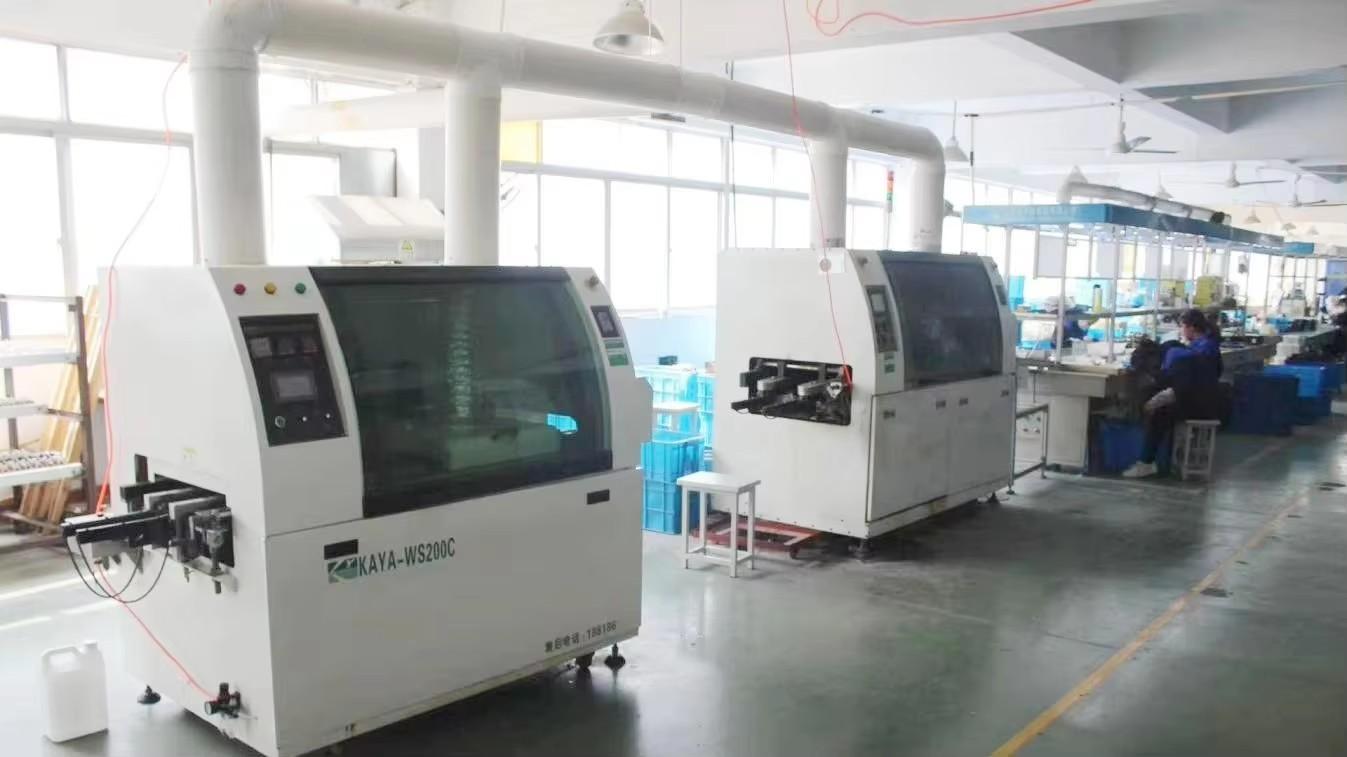
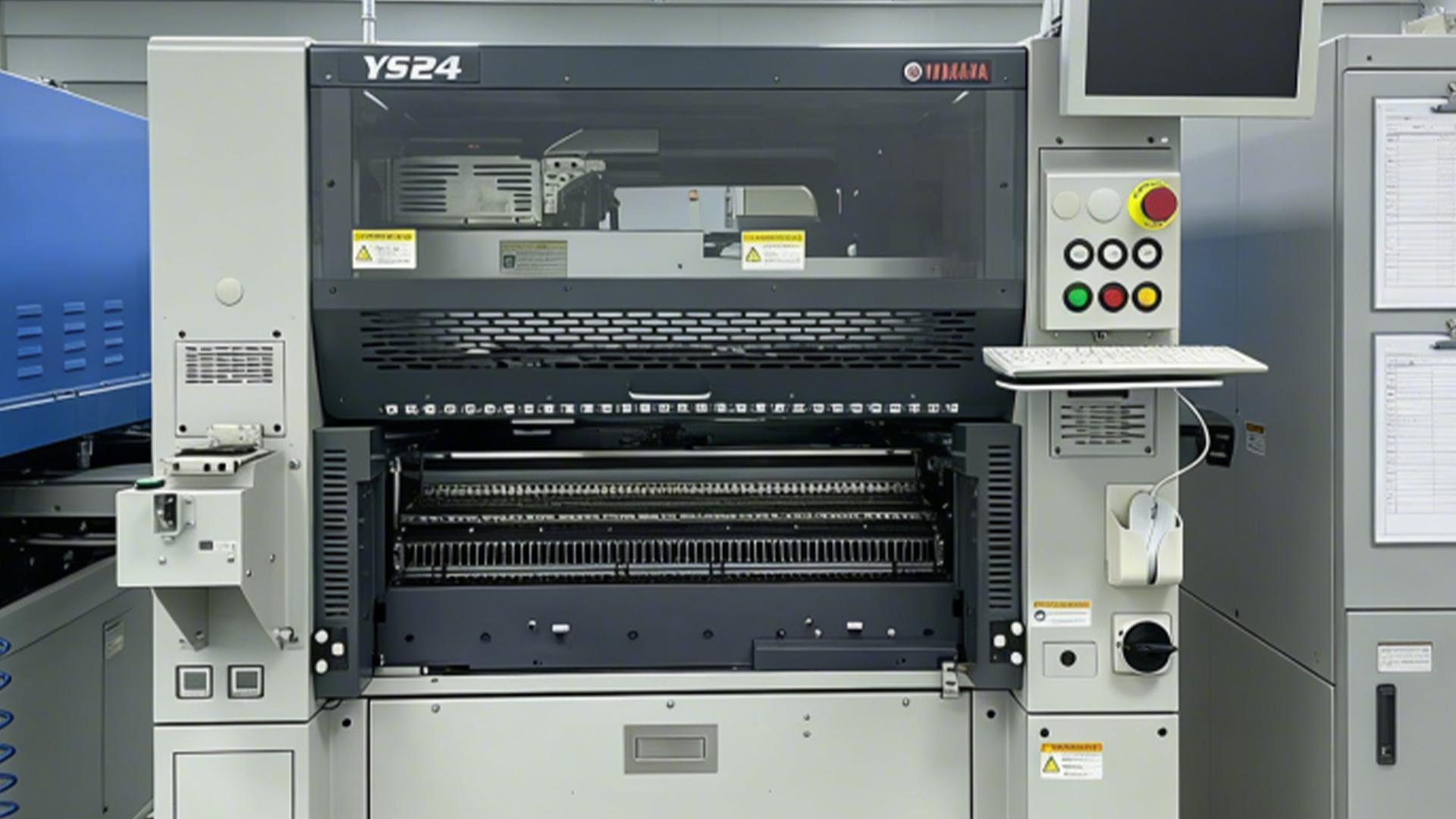
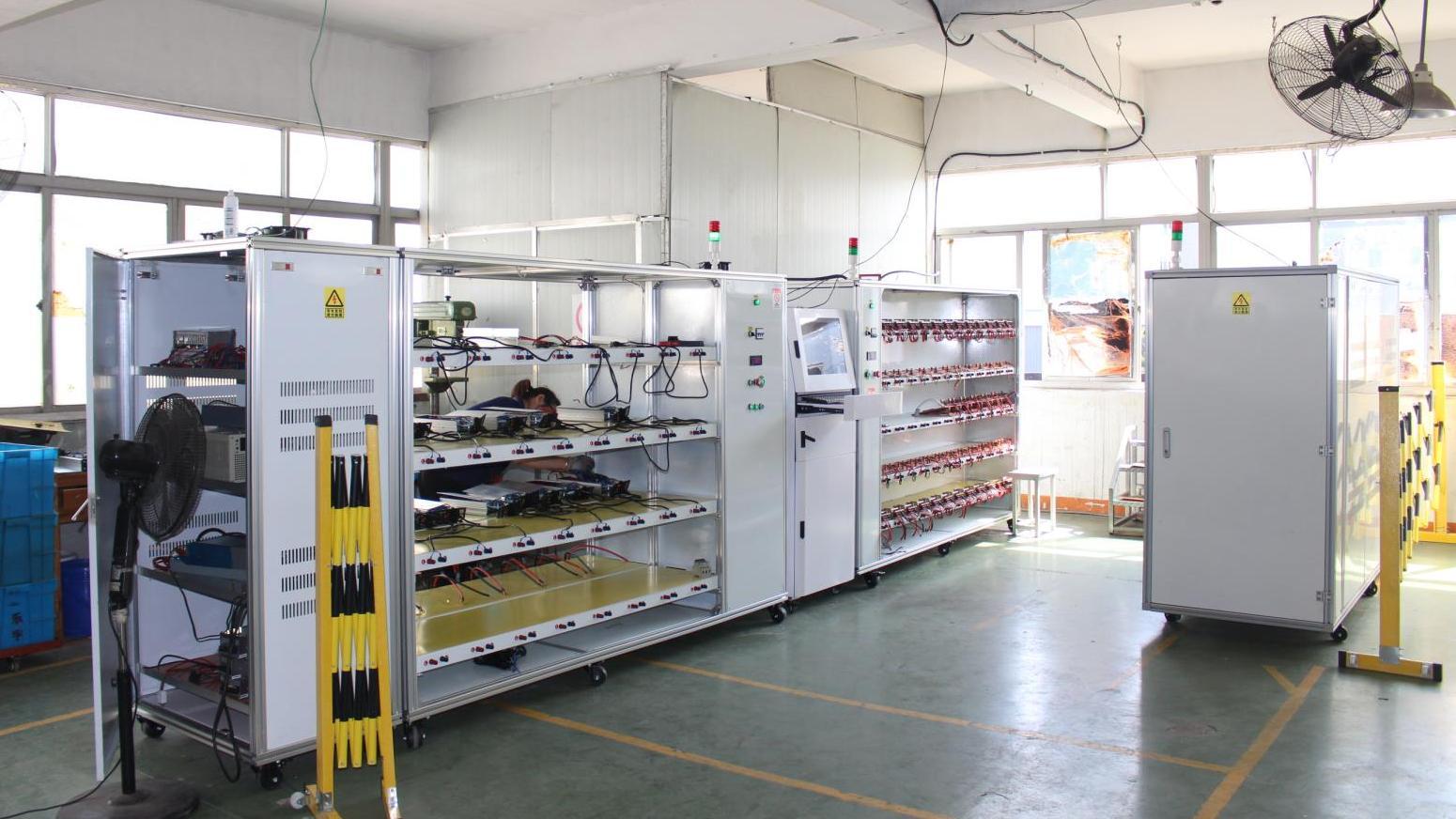
Standard catalog units address roughly 80% of project needs; the remaining 20% require tailored specifications. Keldan's internal engineering wing supports OEM/ODM modifications with accelerated prototyping cycles:
Custom non-standard outputs (e.g., 36V, 42V, 60V, 72V, or high-current 12V 100A+ rails), programmable 0-5V/0-10V analog control, and dual tracking rails for instrumentation.
Specialized low-profile 1U subrack integration, IP67 fully potted aluminum extrusions for corrosive atmospheres, screwless push-in terminals, or military-grade Amphenol connectors.
Comprehensive laser marking, customized brand packaging, barcoded serial numbers tied to individual test reports, and target-market regulatory documentation support.
Key technical and commercial queries clarified by our application engineering and international export divisions.
Require custom output voltages, special terminal layouts, high-reliability DIN rail solutions, or volume B2B export pricing? Connect directly with our Yueqing engineering and sales team for comprehensive technical proposals and fast sample turnaround.
