Featured Industrial AC/DC Switching Power Supplies
Precision-engineered DIN-rail converters, low-profile enclosed switchers, and heavy-duty programmable power modules deployed across European manufacturing facilities and electrical control cabinet assemblies.
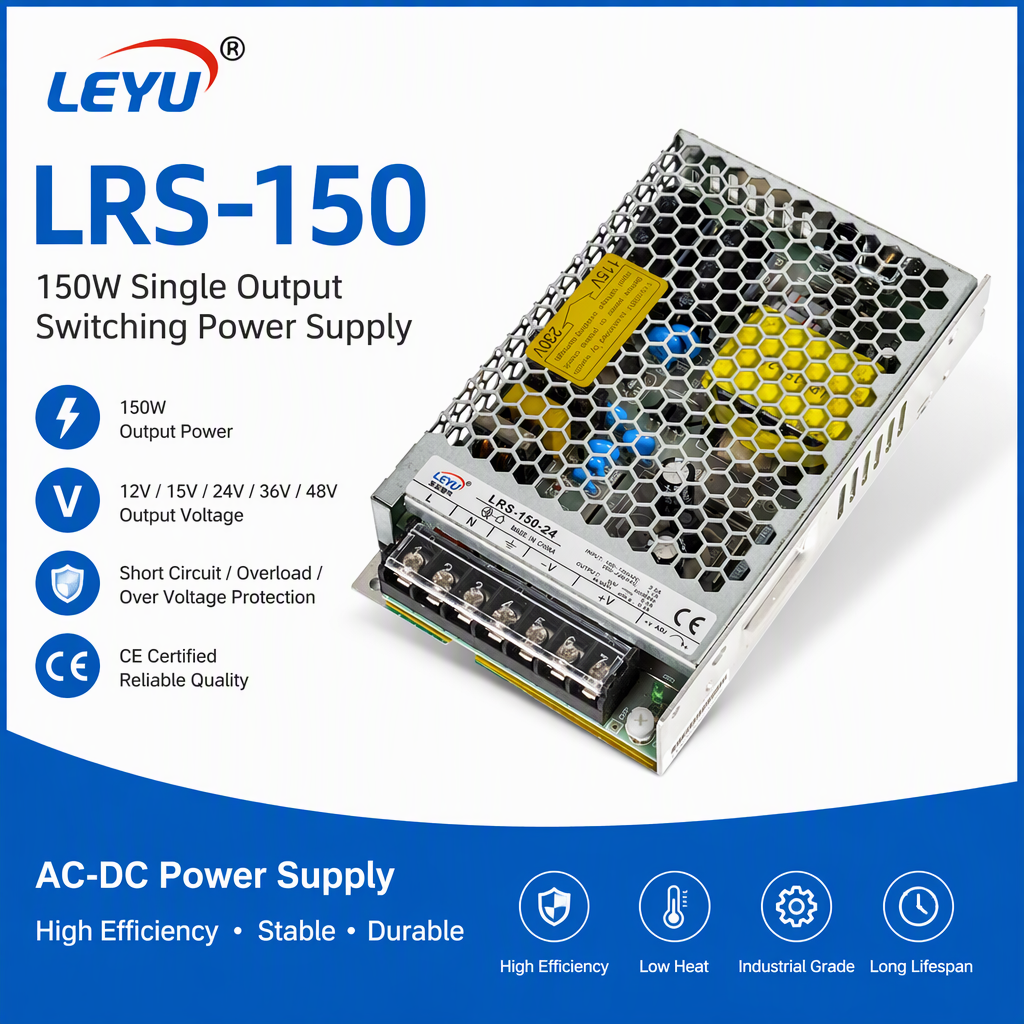
LEYU LRS-150-24 150W 24V 6.5A AC DC Switching Power Supply Single Output Low Profile for Industrial Control
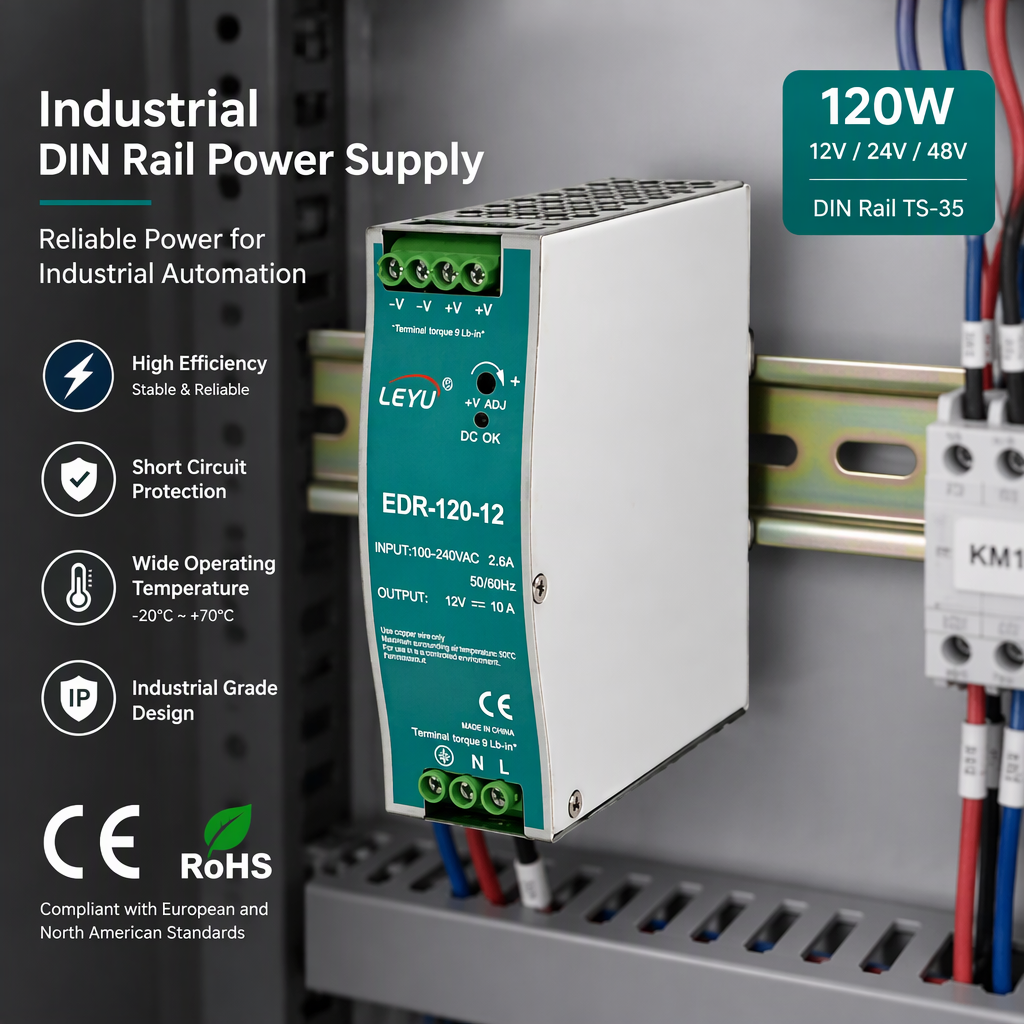
120W Industrial DIN Rail Power Supply 24V 5A AC DC Converter for PLC Control Cabinet Automation Equipment
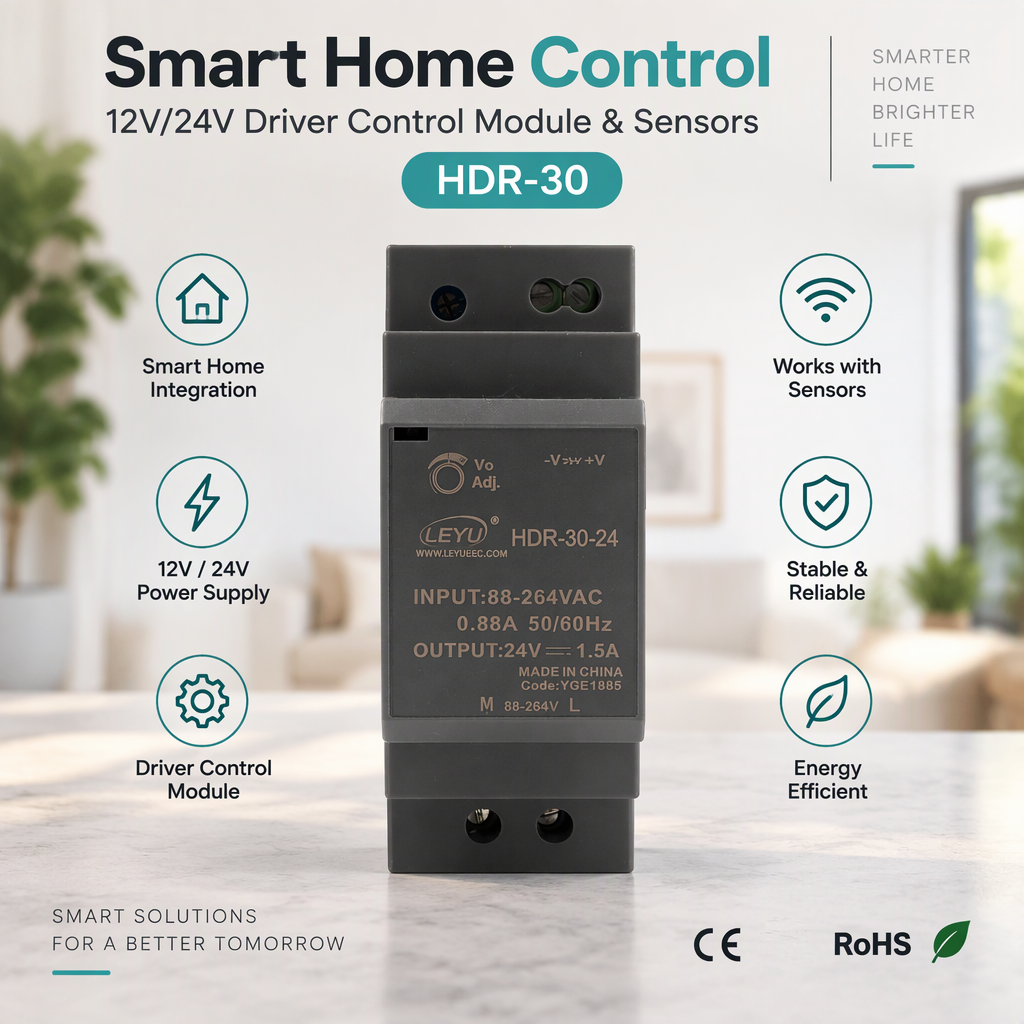
HDR-30 30W DIN Rail Power Supply 85-264VAC Universal Input 12V 2A 24V 1.5A 5V 3A Slim Industrial Switching Power Supply
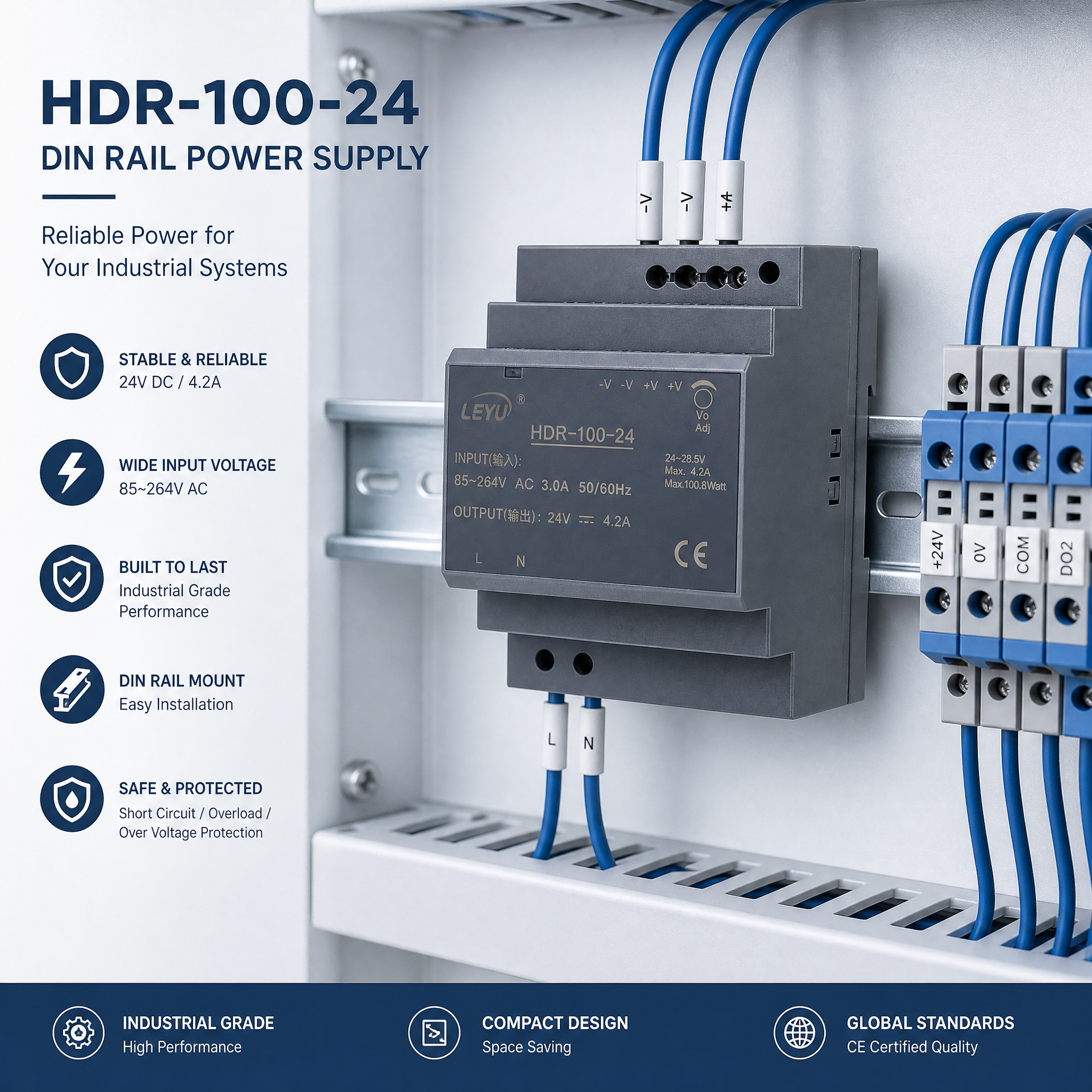
HDR-100 100W DIN Rail Power Supply 85-264VAC Universal Input 12V 24V 48V Industrial Switching Power Supply
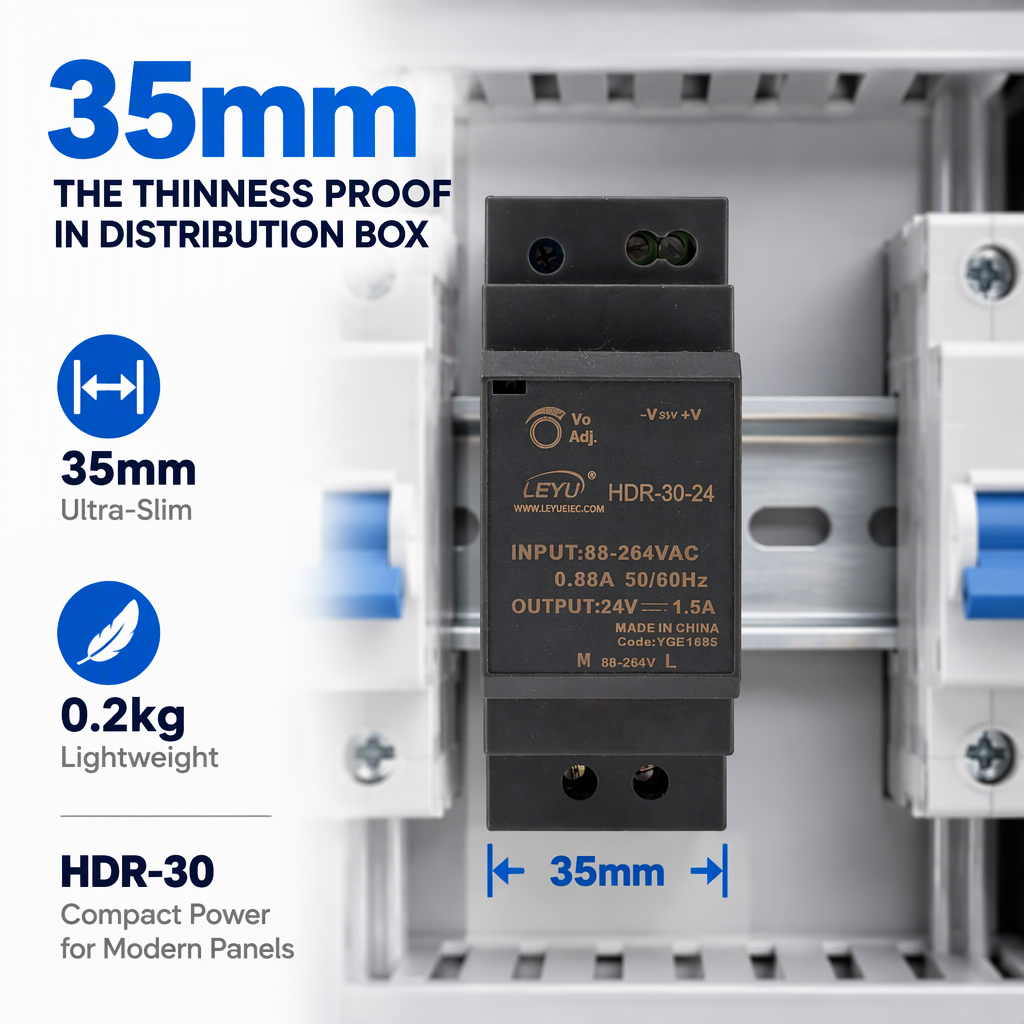
30W Industrial DIN Rail Power Supply 24V 1.5A AC DC Converter for PLC Control Cabinet & Building Automation
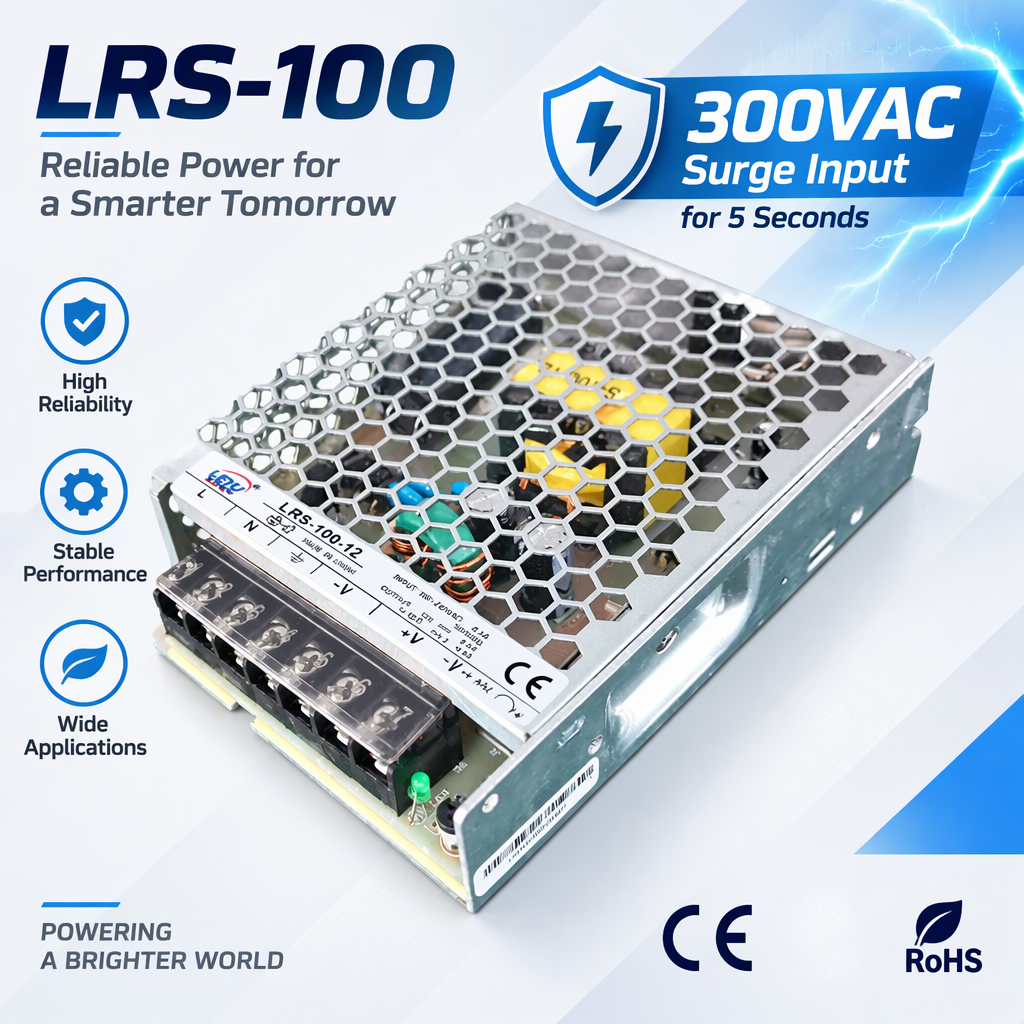
100W Industrial Switching Power Supply 300VAC Surge Input 5s 12V 24V 48V AC DC Converter with Overload Protection
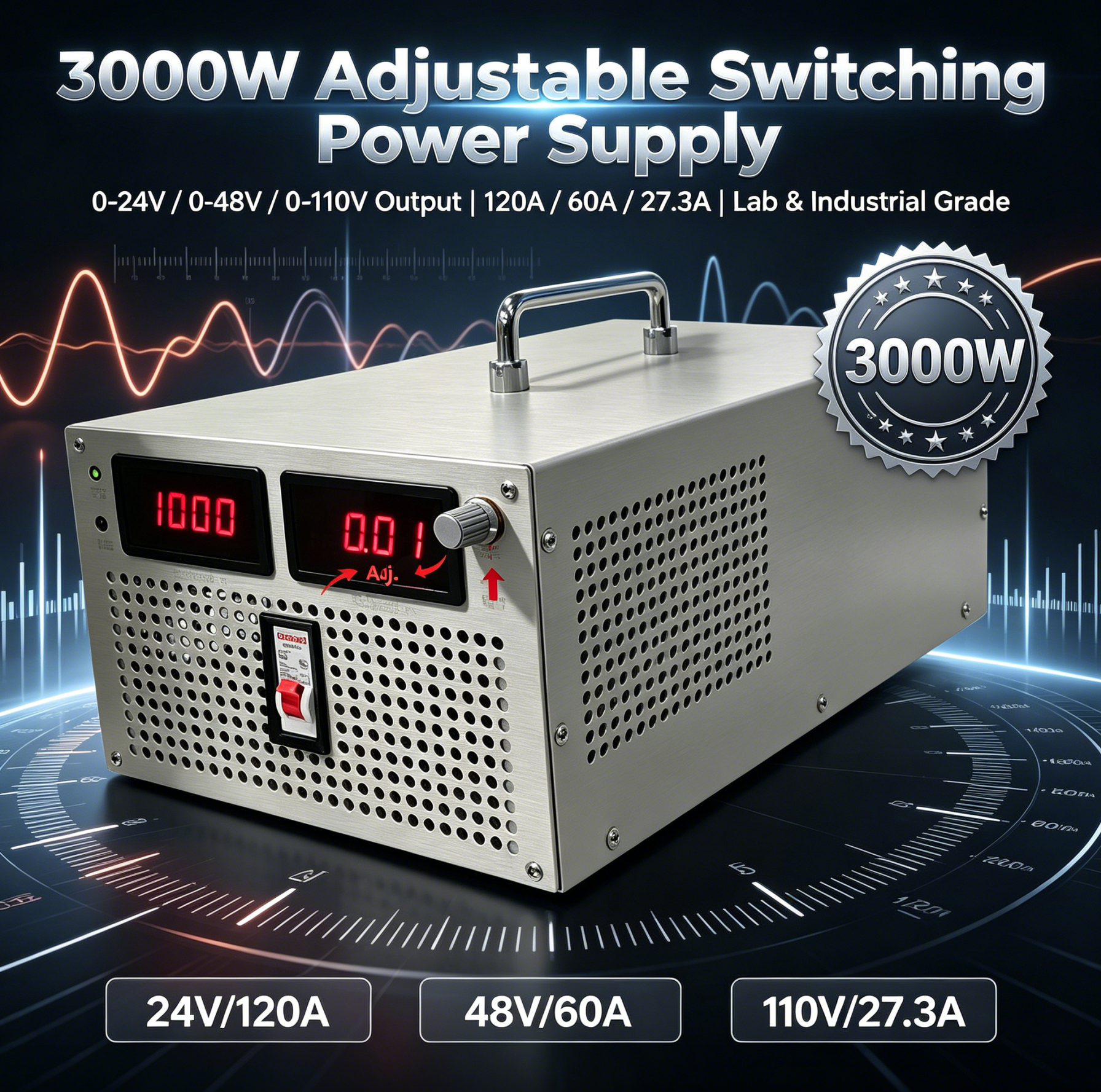
SV-3000 3KW Industrial Variable Power Supply 120A 60A for Electroplating Electrolysis & Laser Equipment AC 220V Input
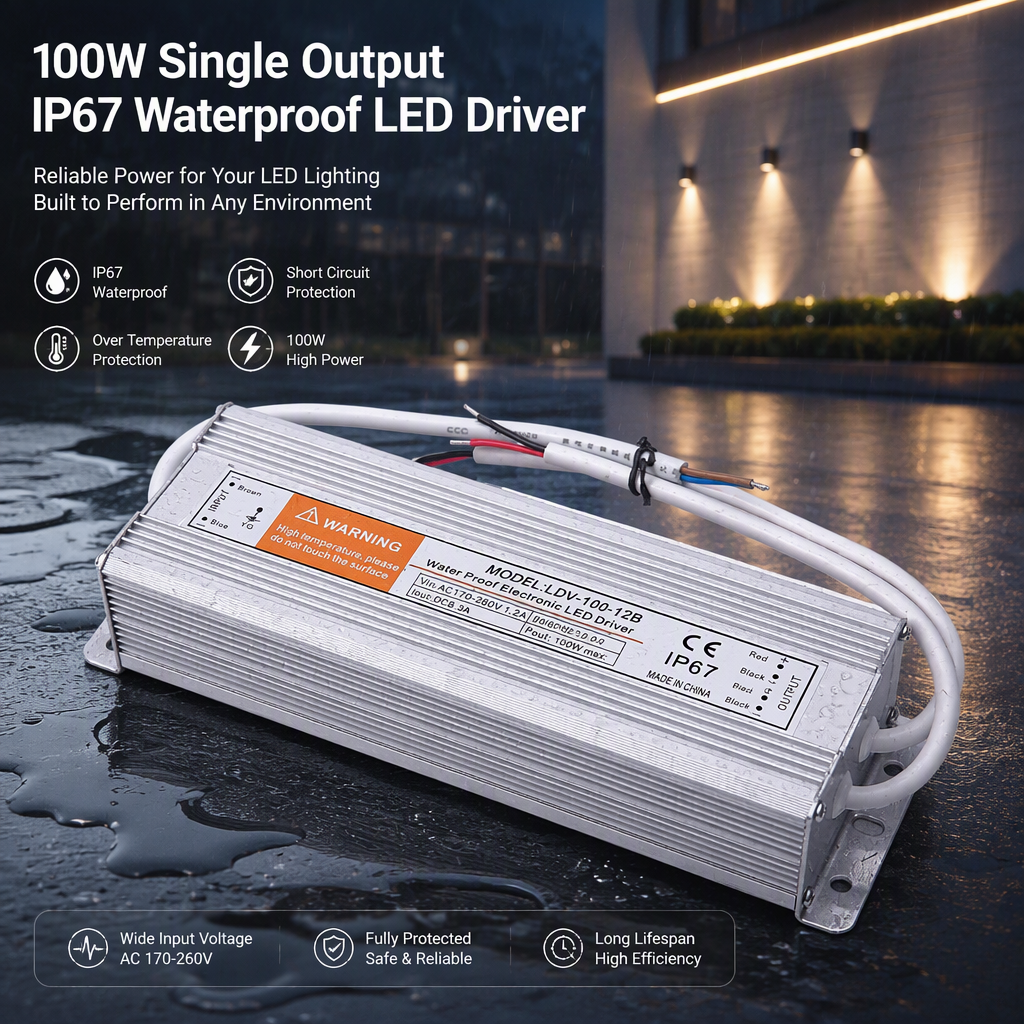
LDV-100 Factory Direct 100W Waterproof LED Driver Power Supply 12V 24V IP67 Outdoor AC to DC Transformer
AC/DC Power Conversion Dynamics Across Poznań’s Industrial Corridor
Poznań and the surrounding Wielkopolska Voivodeship represent Poland’s premier heartland for advanced mechatronics, automotive assembly, intralogistics fulfillment, and automated packaging lines.
In modern industrial engineering, the AC DC switching power supply (SMPS) is no longer treated merely as a passive component; it acts as the primary electrical defense and conversion backbone for programmable logic controllers (PLCs), distributed I/O systems, servo drive controllers, and human-machine interfaces (HMIs). Within the Poznań metropolitan area—stretching from the automotive manufacturing centers in Antoninek and Swarzędz through the specialized automated manufacturing clusters in Tarnowo Podgórne, Komorniki, and Września—power conversion reliability dictates overall equipment effectiveness (OEE).
Industrial electrical cabinet builders (prefabrykacja szaf sterowniczych) throughout Poznań require switching topologies that withstand localized electrical grid variations, severe inductive kickbacks from high-tonnage stamping presses, high-cycle servo accelerations, and high ambient operating temperatures within sealed IP54/IP65 automation enclosures. Standard consumer-grade power units degrade under such thermal and harmonic stress. Yueqing Keldan Technology delivers engineered, industrial-tier DIN-rail and enclosed AC/DC power supplies built specifically to thrive under the stringent demands of Polish and European industrial automation systems.
Automotive Component Manufacturing
Tier-1 and Tier-2 automotive component suppliers around Poznań utilize our DRP-240 and 120W DIN-rail units with active PFC to drive robotic weld cells, multi-axis automated clamping rigs, and real-time machine vision inspection lines without voltage sag during sudden line-inrush spikes.
E-Commerce & Intralogistics Hubs
With massive fulfillment complexes situated along the A2 motorway and S11 expressway (Sadkory, Żerniki), autonomous mobile robots (AMRs), high-speed sortation conveyors, and motorized roller systems depend on our rugged LRS-150 and LRS-350 units for clean 24VDC telemetry power.
Food & Beverage Packaging Machinery
Poznań’s expansive food processing facilities require washdown-safe operations. Our LDV-100 IP67 sealed waterproof transformers and HDR slim-step power modules are incorporated into stainless steel enclosure panels for multihead weighers, cartoners, and CIP process sensors.
Switching Topologies, Thermal Derating, and Hold-Up Dynamics
An authoritative technical analysis of power supply topology selection, MTBF calculation metrics, and line surge survivability under European EN 61000-4 EMC testing protocols.
1. LLC Resonant vs. Quasi-Resonant Flyback Topologies
In designing modern switching converters for industrial deployment in Poznań's automation panels, the choice of conversion topology governs conversion efficiency, thermal heat dissipation, and electromagnetic interference (EMI) profiles. Lower wattage modules (such as the HDR-30 and HDR-100) leverage advanced Quasi-Resonant (QR) flyback converters combined with synchronous rectification on the secondary side. This configuration reduces primary MOSFET drain-to-source turn-on switching losses by implementing valley-switching techniques, achieving operational efficiencies up to 90% without requiring forced fan cooling.
For mid-to-high capacity supplies ranging from 120W to 480W (including the 120W DIN-rail converter and DRP series), our engineering utilizes a two-stage architecture: an active Boost Power Factor Correction (PFC) pre-regulator followed by an LLC Half-Bridge Resonant Converter. Operating at zero-voltage switching (ZVS) on primary power switches and zero-current switching (ZCS) on secondary diodes, the LLC topology virtually eliminates primary turn-on losses. This reduction in high-frequency di/dt and dv/dt emissions substantially streamlines compliance with EN 55032 Class B limits for conducted and radiated emissions inside dense electrical cabinets.
2. Calculating Critical Hold-Up Time for Machine Safety (PLC Protection)
During heavy manufacturing cycles in Wielkopolska industrial zones, switching heavy inductive loads—such as large conveyor motor drives or robotic welders—can cause brief mains voltage drops (micro-interruptions). If a 24VDC power supply output drops below the operating threshold of a Siemens S7-1500 or Beckhoff CX-series PLC (typically 19.2VDC), the entire production line triggers an emergency stop sequence, resulting in substantial downtime and material scrap.
Our industrial DIN rail power supplies are engineered with industrial-grade bulk aluminum electrolytic storage capacitors designed according to the critical hold-up energy formula:
Where C_bulk is the primary bus capacitance, V_bus is the active PFC regulated rail (typically 390V–400VDC), V_min is the dropout threshold of the downstream DC/DC stage (typically 300VDC), P_out is the maximum delivered electrical load, and η is the stage efficiency. While consumer power packs often fail to maintain output within 8ms–12ms, Keldan’s industrial DIN rail power supplies deliver a verified hold-up time of > 20ms at full rated load (230VAC input). This guarantees that momentary AC line interruptions are completely bridged without resetting PLC logic, fieldbus communications (Profinet/EtherCAT), or safety relays.
3. Thermal Derating and Heat Load Management in Sealed Enclosures
Industrial control cabinets in Poznań factories frequently operate without active air conditioning to prevent ingress of airborne oil mist, metal shavings, and organic dust, relying instead on passive heat dissipation through painted steel walls (Rittal, Eldon/nVent). Under elevated internal cabinet ambients reaching 50°C to 60°C, commercial-grade power components degrade rapidly.
Keldan power modules incorporate premium 105°C long-life Japanese and Taiwanese electrolytic capacitors (rated for 5,000 to 10,000 operating hours at peak rating) and oversized aluminum heat sinks. As detailed in the thermal derating comparison table below, our industrial designs sustain full 100% rated output up to +50°C ambient without derating, providing safe, derated operation up to +70°C:
| Performance Parameter | Keldan Industrial DIN Series | Keldan LRS Industrial SMPS | Generic Commercial Grade Units |
|---|---|---|---|
| Operating Temperature Range | -30°C to +70°C (Cold Start at -40°C) | -25°C to +70°C (Convection) | 0°C to +40°C (Sharp Derating) |
| Mains Hold-Up Time (230VAC) | ≥ 20ms at 100% Continuous Load | ≥ 16ms at 100% Continuous Load | < 10ms (Risks PLC Fault Out) |
| AC Surge Withstand Capability | 300VAC Input Surge for 5 Seconds | 300VAC Input Surge for 5 Seconds | Fails on Transients > 264VAC |
| Harmonic Compliance | Active PFC (PF > 0.98), EN 61000-3-2 Class A/C | Passive / Standard Line Filter (PF > 0.55) | Non-Compliant Harmonic Distortion |
| Vibration Resistance | 2G to 5G (10-500Hz on 3 Axes) | 5G (Meets Anti-Vibration Standard) | < 0.5G (Prone to Lead Fractures) |
| MTBF Calculation (Telcordia SR-332) | > 350,000 Hours at 25°C Ambient | > 320,000 Hours at 25°C Ambient | < 80,000 Hours (Early Failures) |
Industrial Modernization Trends Across Wielkopolska
How regional sustainability targets, high European electricity tariffs, and cabinet footprint reduction are reshaping power procurement strategies in Western Poland.
Efficiency & Polish Decarbonization
With industrial energy tariffs in Poland driving operational overhead, converting plant floors to high-efficiency power supplies (89%–94% conversion efficiency) eliminates parasitic kilowatt-hour losses, drastically lowering internal cabinet heat generation and associated cooling costs.
Control Cabinet Miniaturization
Panel builders in Poznań face spatial constraints inside modern robotic tooling cells. The transition to ultra-slim step-profile units (such as the HDR-30 at 35mm and HDR-100 at 70mm) enables engineers to integrate 40% more I/O modules along standard TS-35 rails without expanding enclosure dimensions.
Strict Compliance with CE & EN Standards
Machinery exported from Poznań throughout the European Union and EEA must adhere rigorously to the Low Voltage Directive (2014/35/EU), EMC Directive (2014/30/EU), and safety benchmark EN 62368-1. Keldan delivers complete declaration documentation and certified EMC test reports for seamless qualification.
Audited Manufacturing Direct to Poznań OEM Importers
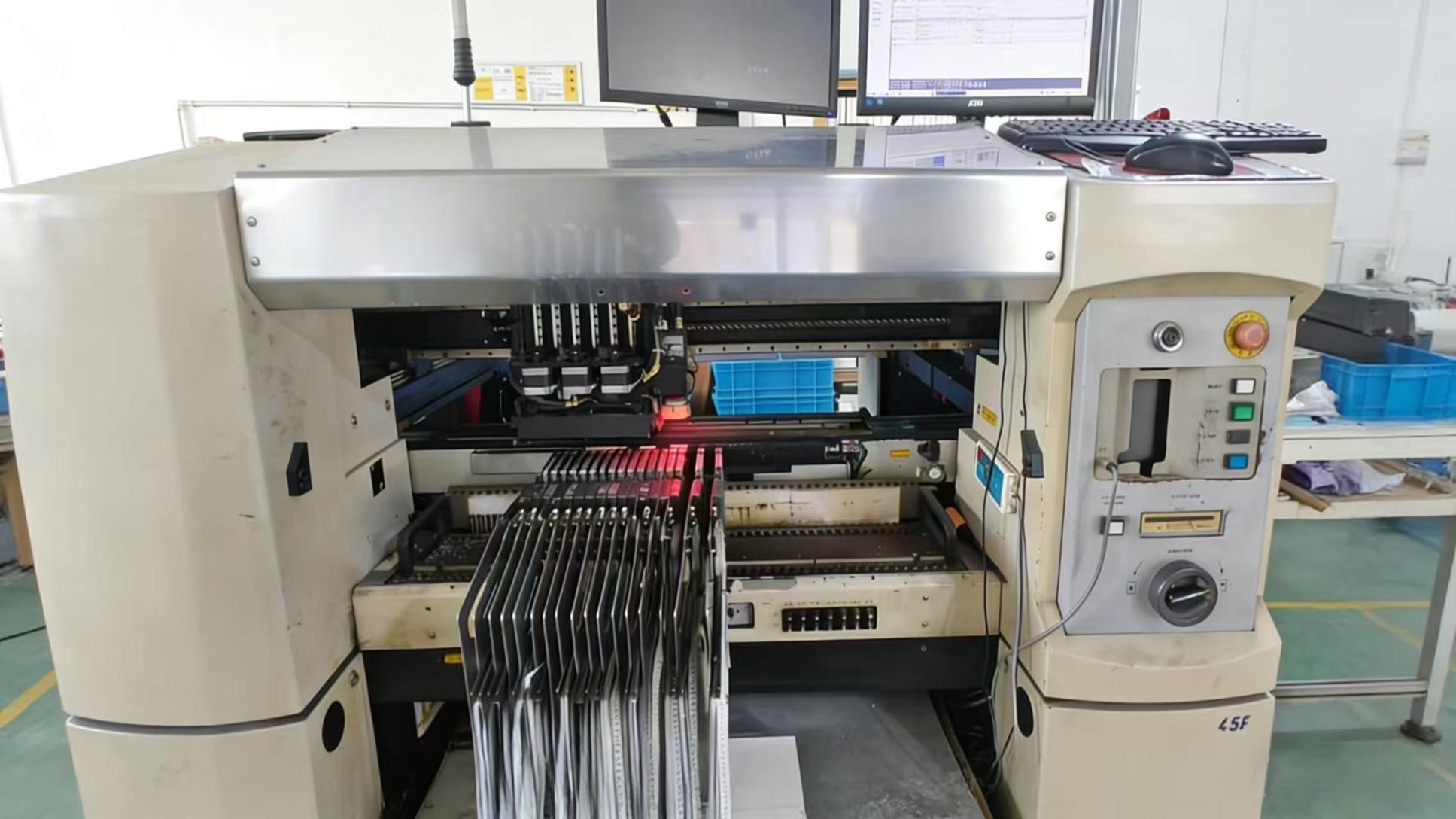
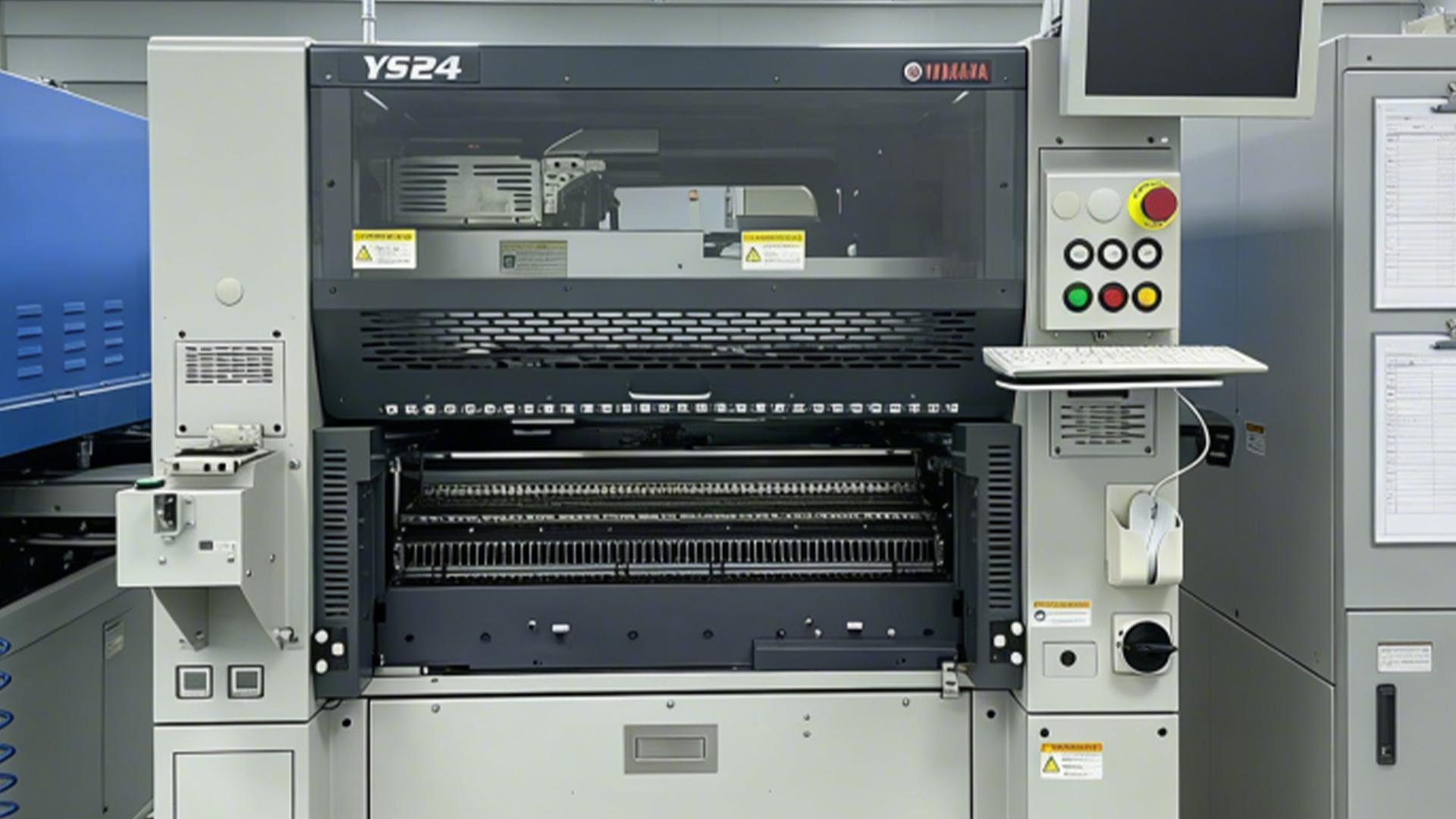
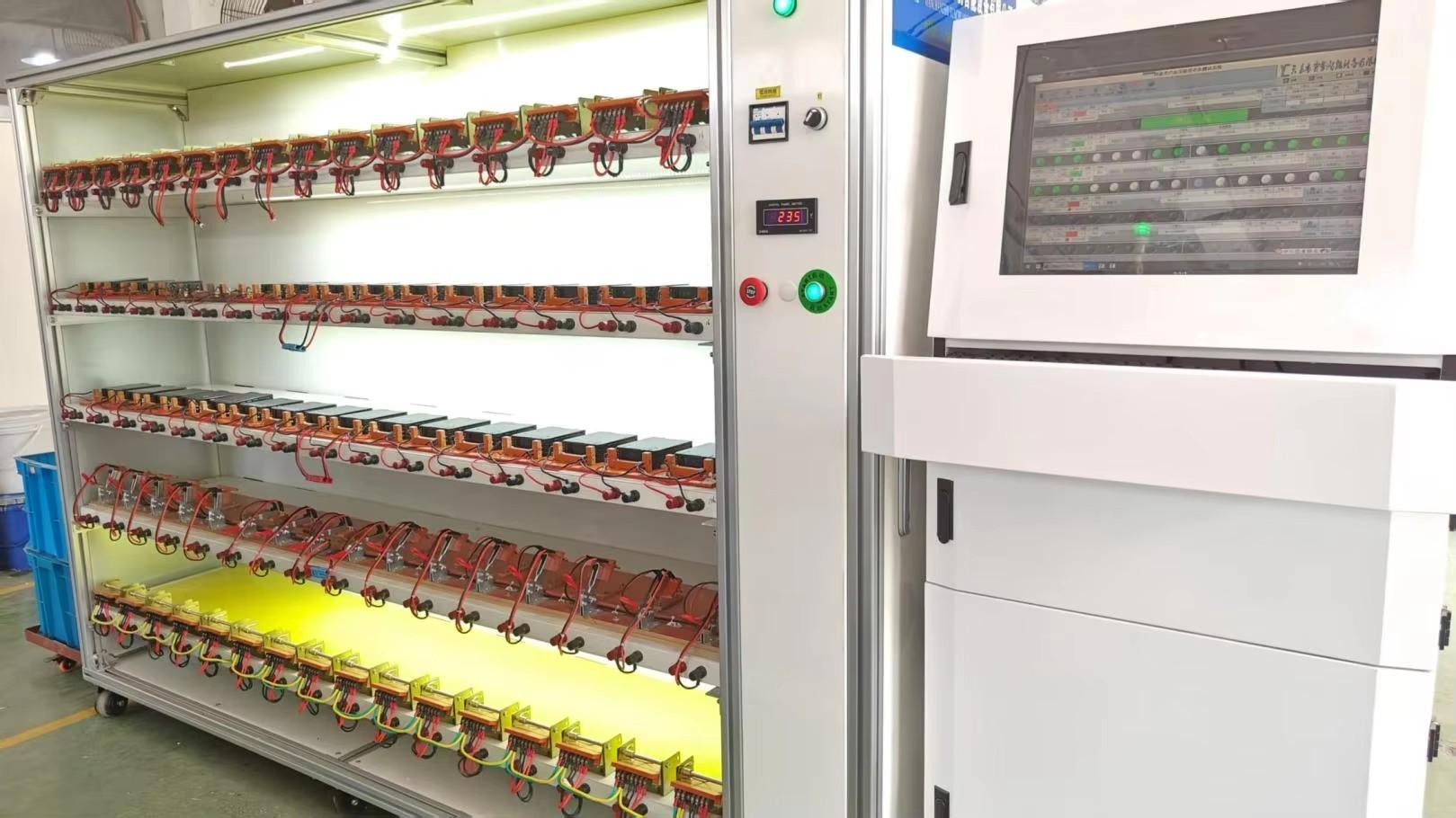
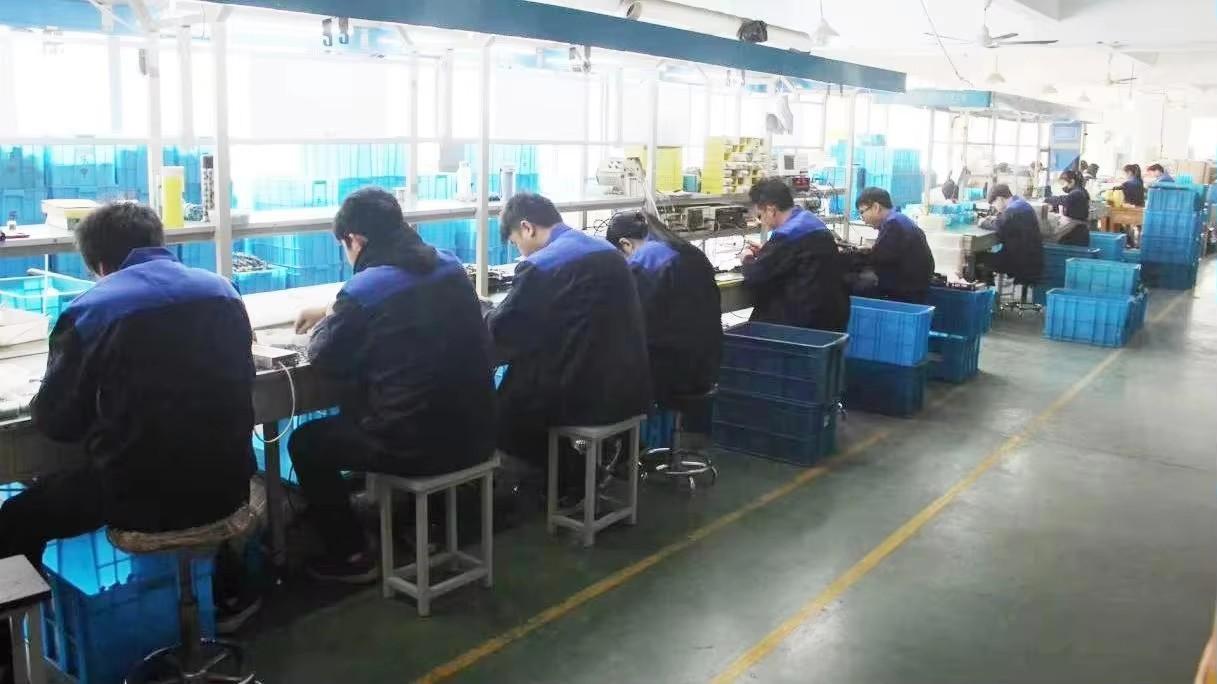
Yueqing Keldan Technology Co., Ltd. operates an advanced manufacturing facility onsite-verified by TÜV Rheinland. Unlike trading brokers, our full engineering team, surface-mount assembly (SMT) suites, automated optical inspection (AOI) workstations, and computerized burn-in testing chambers ensure uncompromised quality control from bare FR-4 PCB to completed switch-mode power assembly.
- TÜV Rheinland Verified Factory
- 100% Full-Load Aging Burn-In
- High-Precision SMT & AOI Lines
- Design & Sample OEM/ODM Support
- 44 Verified Staff Onsite
- 5+ Senior SMPS Design Engineers
Frequently Asked Questions for Poznań Procurement Teams
Clear, technically accurate answers covering import compliance, logistics routes to Wielkopolska, certification documentation, and customization parameters.
How do you ship bulk power supply orders to Poznań, and what are typical lead times?
For industrial buyers in Poznań and Greater Poland, we offer three streamlined logistics channels: air freight to Poznań-Ławica Airport (POZ) or Warsaw Chopin (WAW) for urgent engineering samples (4-7 business days); direct China-Europe Railway Express (Nowy Jedwabny Szlak) arriving via the Małaszewicze dry port terminal directly to Poznań Franowo rail freight hub (16-20 days); and consolidated sea freight via Gdynia or Hamburg port (28-35 days). Our export specialists handle full bill of lading (B/L), EUR.1 / commercial invoice, packing list, and HS customs clearance support under DDP, DAP, or CIF terms.
Do Keldan AC/DC switching power supplies meet mandatory Polish & EU electrical directives?
Yes. All standard models comply with European Union harmonized standards. They carry genuine CE markings and meet the Low Voltage Directive (LVD 2014/35/EU) via safety standard EN 62368-1 (superseding EN 60950-1 and EN 60065), the Electromagnetic Compatibility Directive (EMC 2014/30/EU) under EN 55032 Class B for emissions and EN 61000-6-2 for heavy industrial immunity, as well as RoHS 2011/65/EU and REACH. Verified third-party test reports from accredited laboratories are provided with quotes and technical submittals.
What are the critical advantages of selecting Active PFC modules (DRP series) for Poznań factories?
Under Polish energy regulatory framework and European standard EN 61000-3-2, industrial facilities must limit total harmonic distortion (THD) injected into the electrical distribution grid. Our Active Power Factor Correction (PFC) circuitry achieves a power factor of > 0.98. This ensures almost pure sinusoidal current draw, lowers reactive power billing penalties from regional utilities (such as Enea Operator in Poznań), reduces neutral wire heating, and prevents nuisance tripping of upstream residual current devices (RCDs).
Can Keldan customize output voltages, terminal blocks, or private label branding for Polish machine OEMs?
Yes. Our in-house engineering department (staffed with veteran power electronics engineers each possessing 5+ years of dedicated SMPS design tenure) supports design-based and sample-based OEM/ODM customizations. We offer custom DC voltage rails (e.g., non-standard 15V, 36V, 54V, 72V, or high-power 0-300V adjustable systems), custom terminal blocks (push-in spring clamps or screw terminals), conformal PCB coating for humid/corrosive industrial environments, and private silk-screen labeling featuring your brand's part numbers and company trademark.
What testing protocol does every single power supply undergo before leaving your factory?
Quality assurance follows an uncompromising 8-stage manufacturing cycle: (1) incoming component verification (AQL checking on electrolytic capacitors, MOSFETs, and ferrite cores), (2) high-speed SMT placement, (3) profile-controlled reflow soldering, (4) Automated Optical Inspection (AOI) to eliminate solder bridges or misalignment, (5) through-hole component soldering, (6) manual electrical debugging, (7) 100% full-load thermal burn-in aging test in dedicated testing chambers to trigger and eliminate early infant mortality component failures, and (8) final high-pot isolation (3000VAC I/P-O/P) and packaging inspection.
What is the minimum order quantity (MOQ) for panel builders and distributors in Poland?
We maintain an agile, engineering-first commercial approach. For standard DIN-rail models (such as the 120W DIN unit, HDR-30, and HDR-100) as well as enclosed units (LEYU LRS-150-24), sample and pilot-evaluation orders can be initiated from just 1 piece to allow technical qualification in your test benches or automation prototypes. Standard production carton runs generally start from 10 to 20 units, while customized OEM/ODM projects with unique enclosures or bespoke PCB layouts feature transparent, project-specific volume thresholds.
