Certified Power Conversion Solutions Ready for Rigorous Baltic Deployments
Explore our 8 high-performance power modules engineered with active power factor correction, ruggedized components, and comprehensive fault protections for electrical system integrators across Riga and the greater Baltic region.
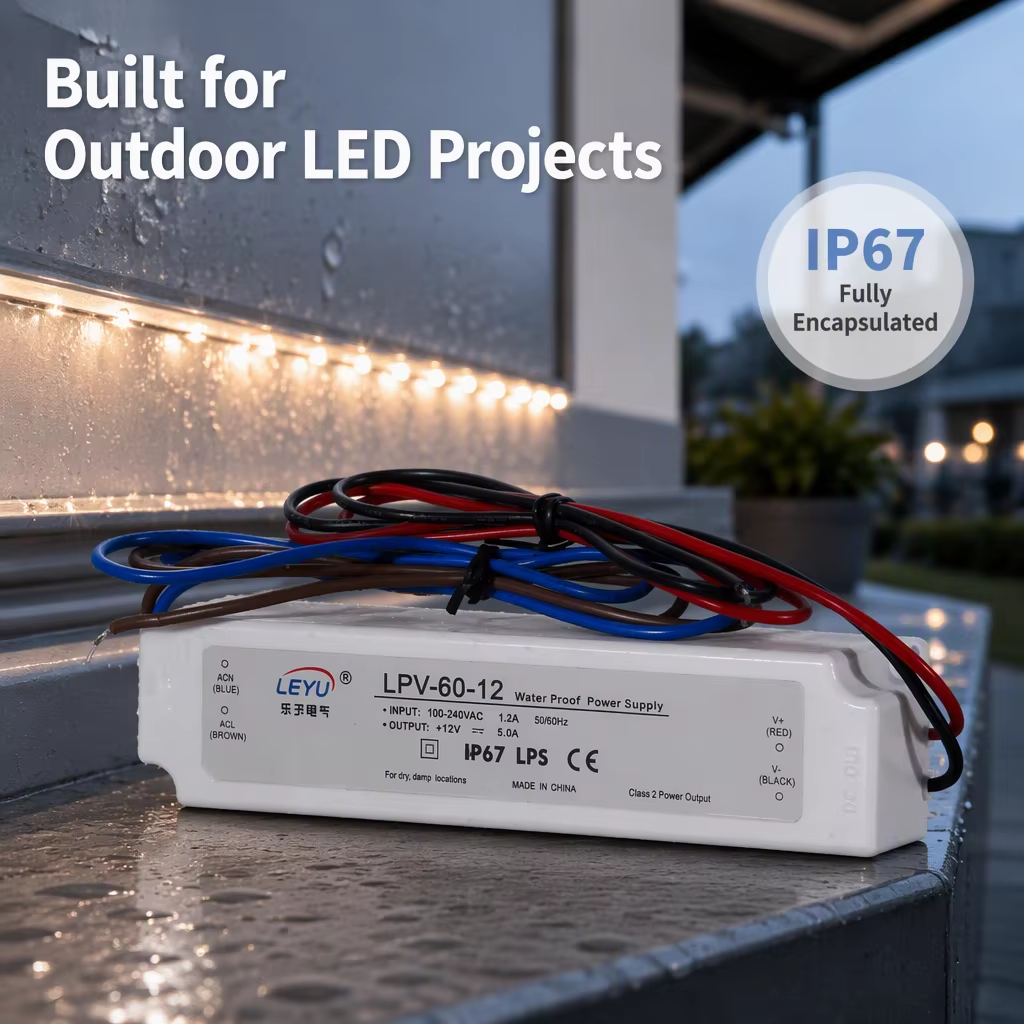
LPV-60-24 60W 24V 2.5A Waterproof Power Supply
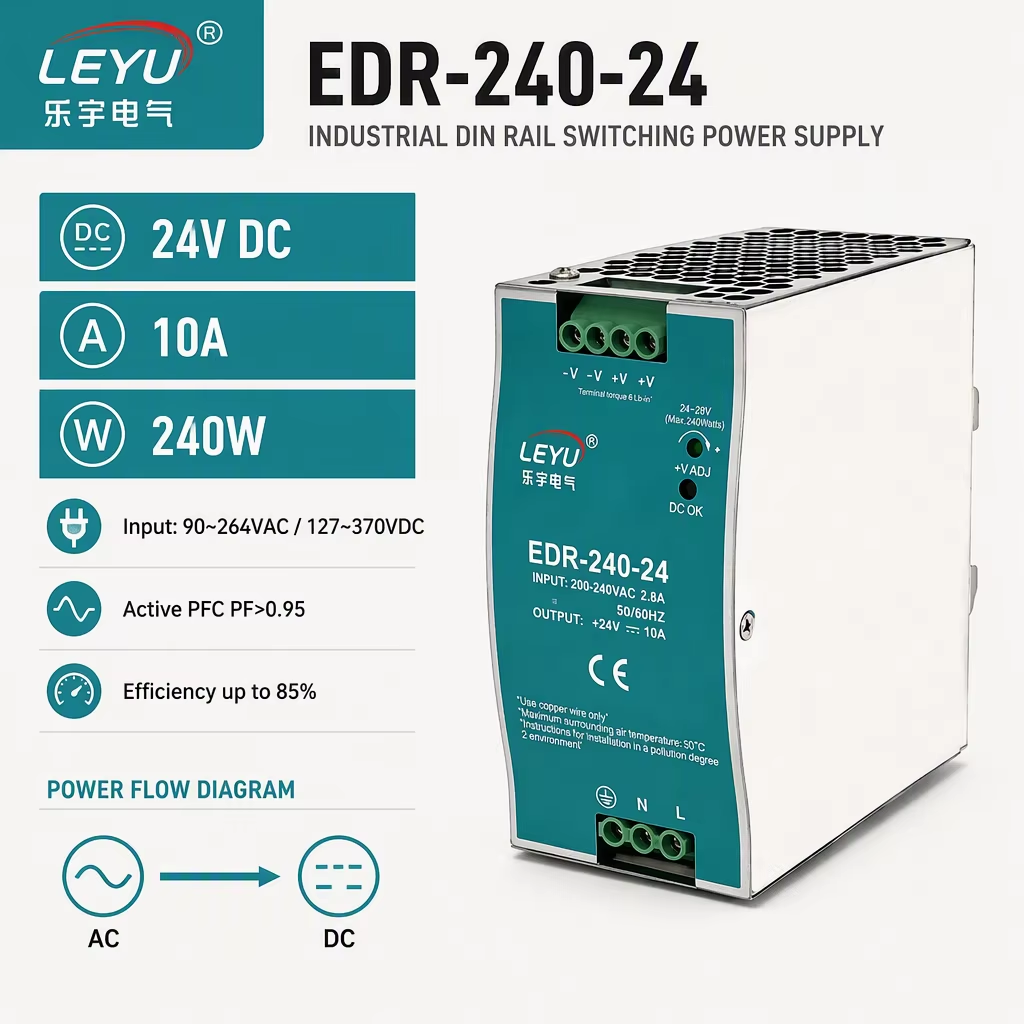
LEYU EDR-240-24 240W DIN Rail SMPS Module
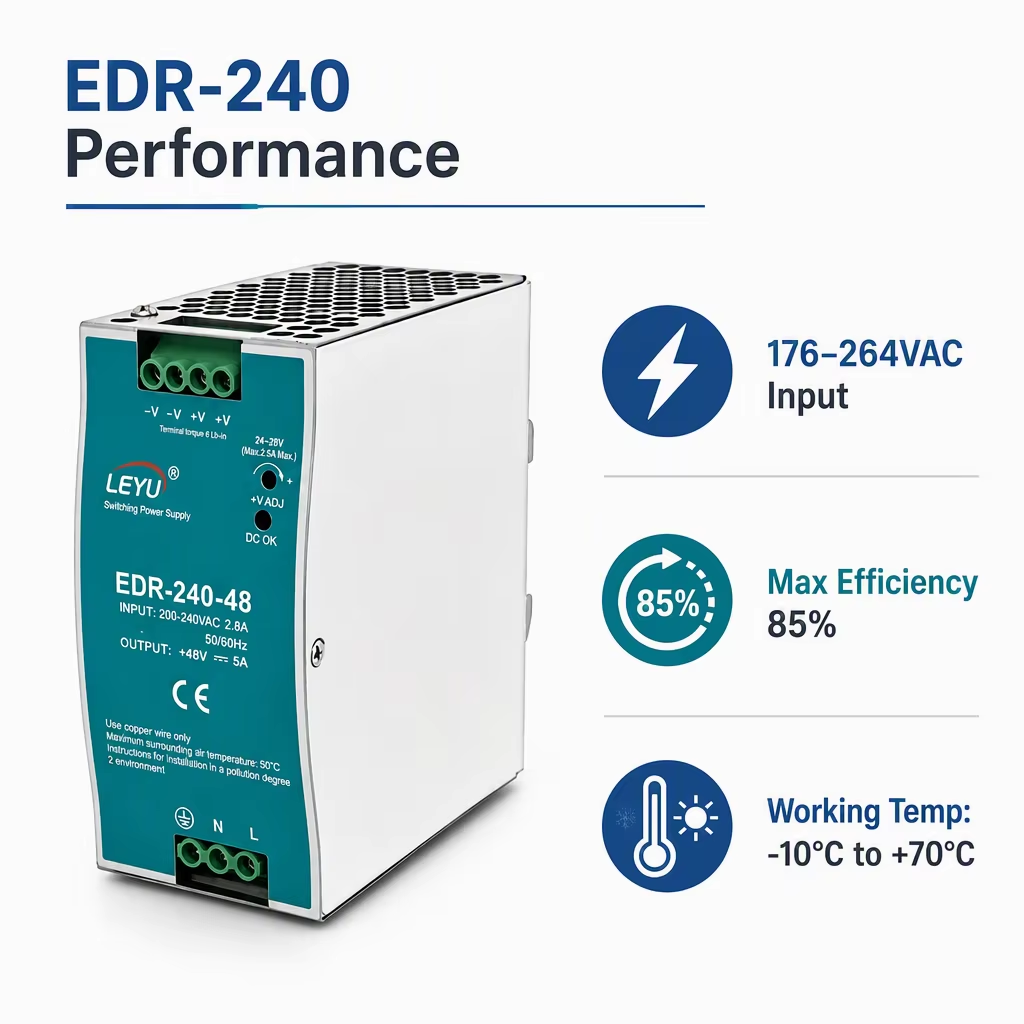
EDR-240-24 Slim DIN Rail High-Efficiency Converter
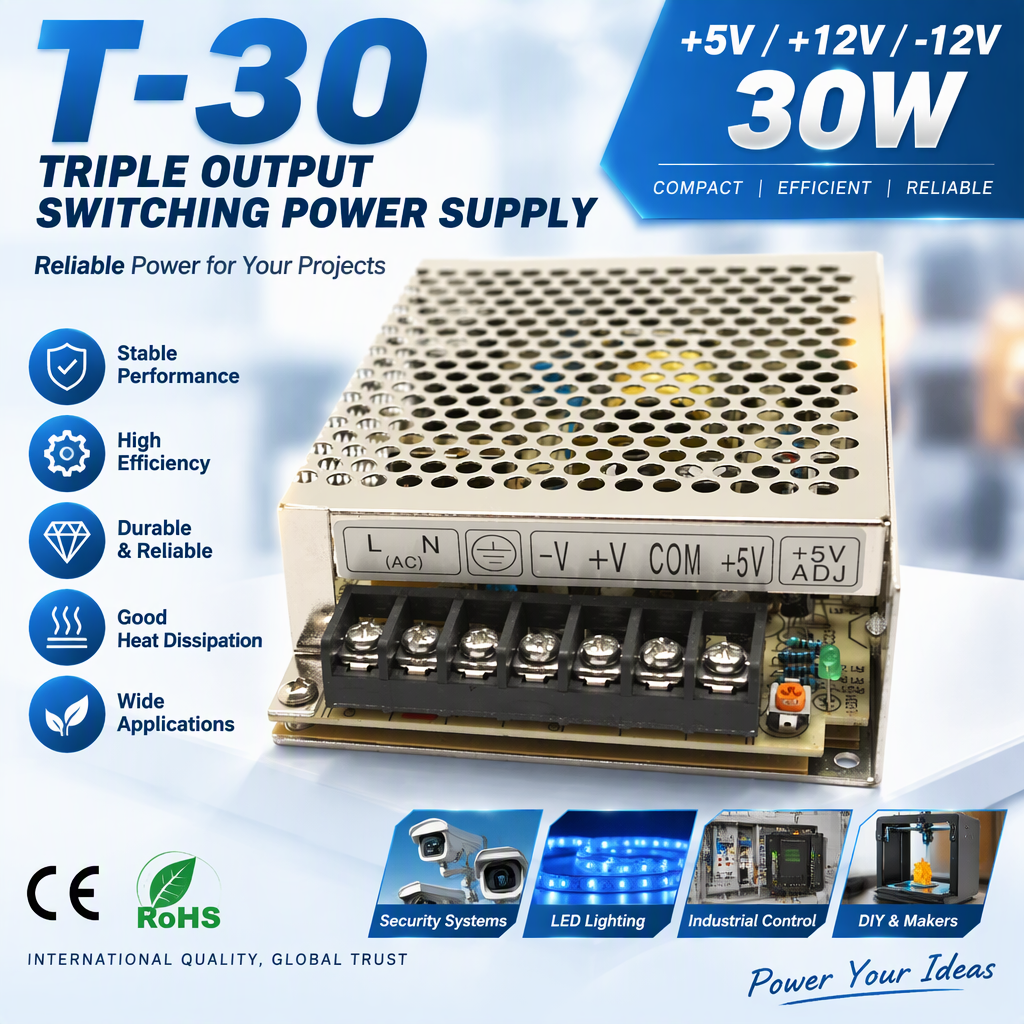
T-30 30W Multi-Rail Instrumentation PSU
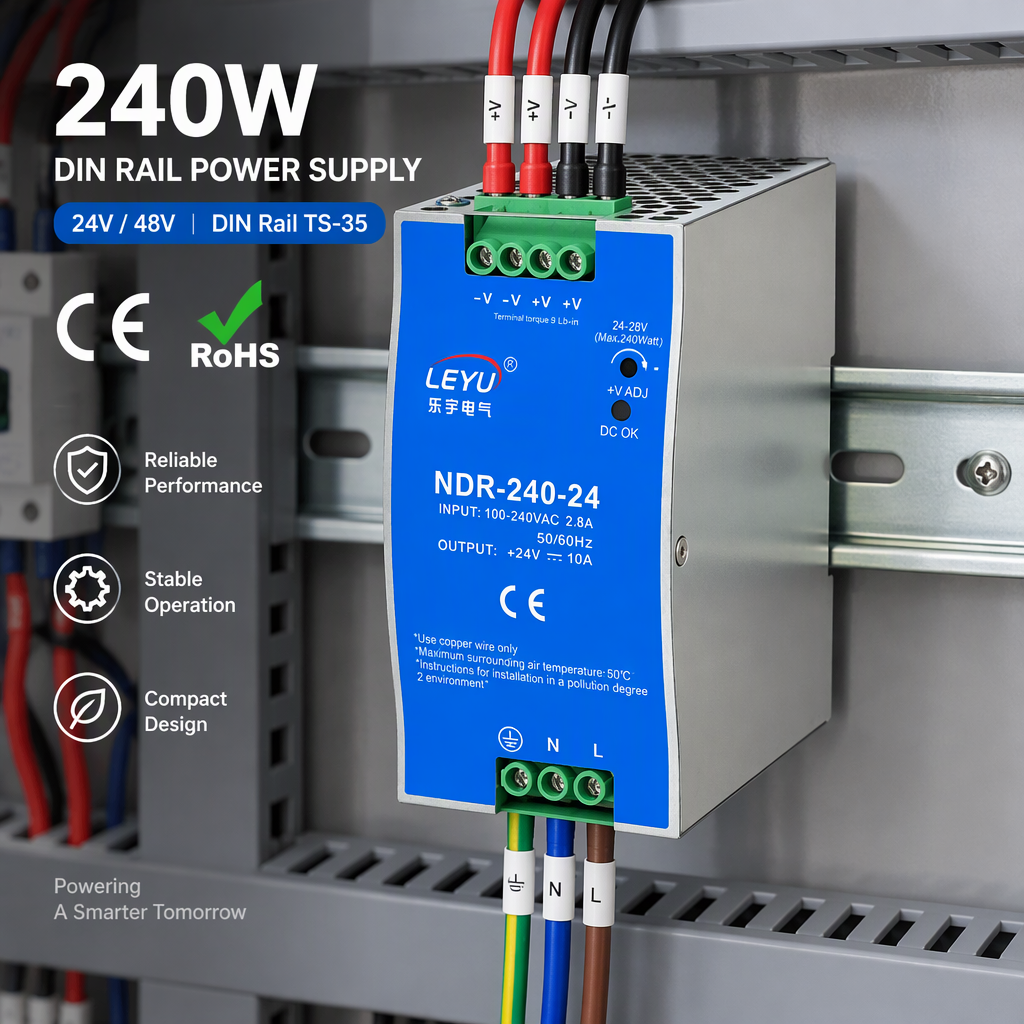
240W Active PFC Industrial Cabinet Power Module
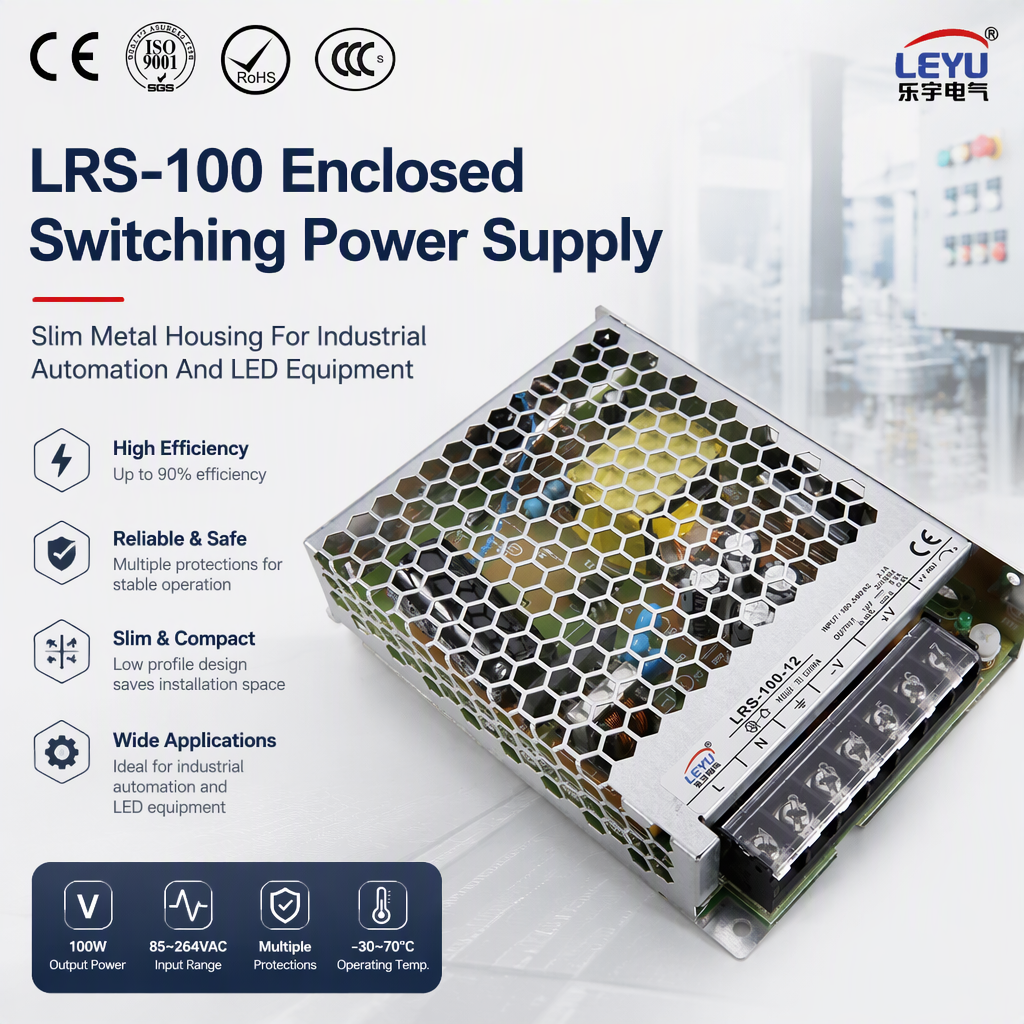
100W Wide-Input Universal SMPS Converter
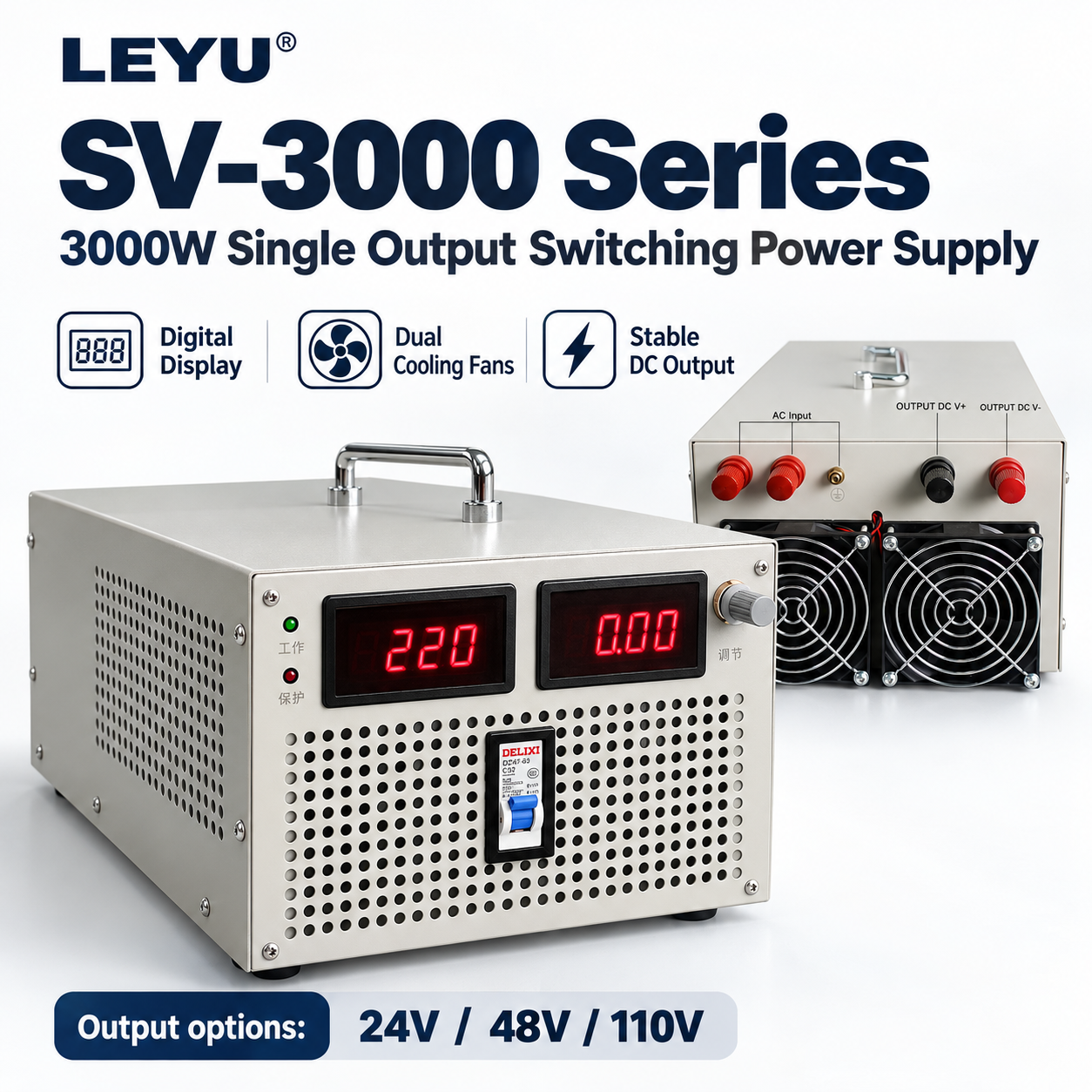
3000W 110V 27.3A High-Power Adjustable DC Supply
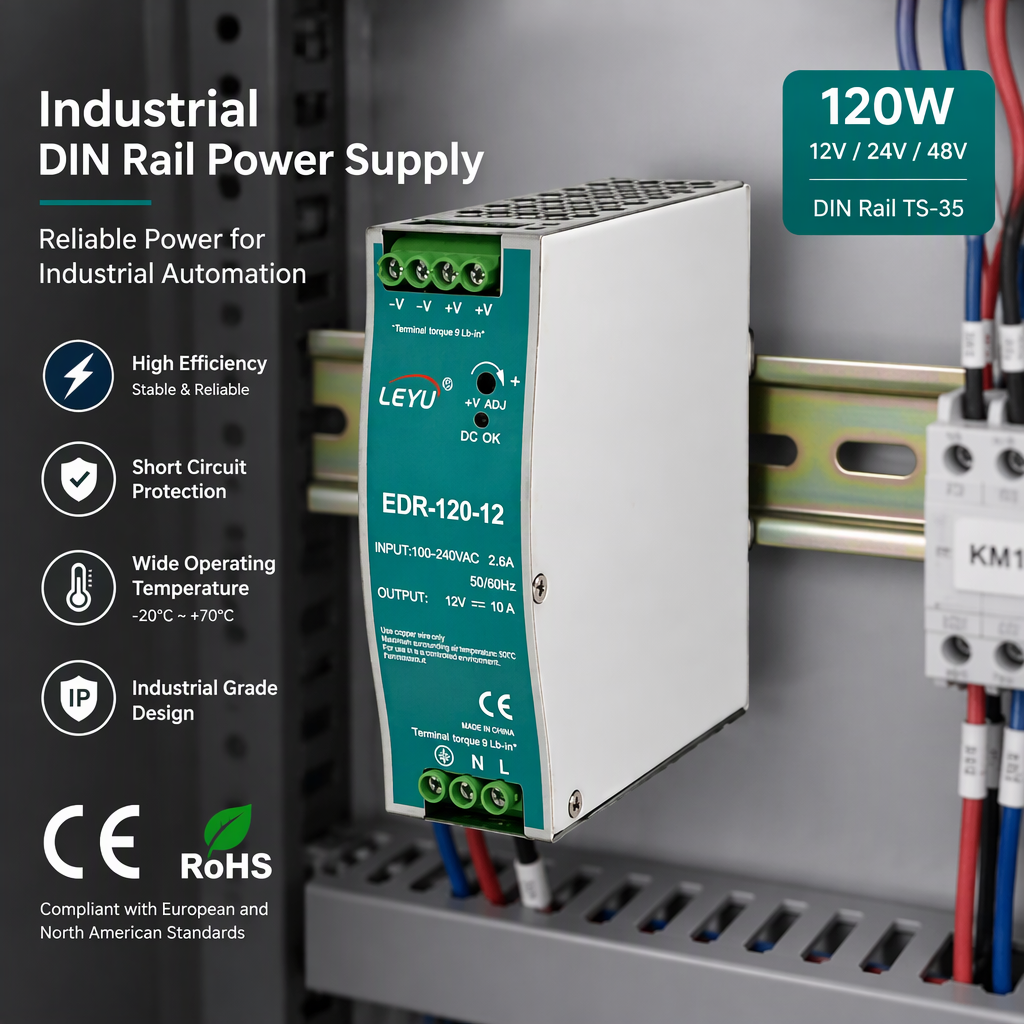
120W 24V 5A Industrial Control DIN Rail Unit
Engineering High-Power DC-DC Conversion for Riga's Industrial Infrastructure
As Latvia's capital, Riga acts as the undisputed commercial and industrial nucleus of the Baltic states. Positioned at the critical crossroads between Baltic maritime trade via the Freeport of Riga and continental rail cargo networks, the region's operational landscape demands exceptionally robust electrical infrastructure. When sourcing high-power DC-DC converters, industrial automation power supplies, and auxiliary DC switching converters, mechanical and electrical engineering departments across Riga encounter distinct operational challenges. These include fluctuating regional voltages, wide thermal swings characteristic of Northern European winters, and stringent compliance requirements set forth by European Union directives.
In high-power industrial contexts—ranging from 500 Watts to upwards of 3000 Watts and beyond—a DC-DC converter cannot simply be evaluated as an off-the-shelf step-up or step-down module. It serves as the primary barrier protecting sensitive programmable logic controllers (PLCs), high-speed industrial Ethernet transceivers, telematics relays, and precision sensor arrays against severe ground potential shifts, common-mode electromagnetic noise, and regenerative motor surges. Engineering a robust power conversion architecture requires analyzing thermal dissipation mechanisms, galvanic isolation standards, wide input range capabilities (such as 4:1 and ultra-wide DC bus margins), and magnetic core saturation dynamics under dynamic heavy loads.
Galvanic Isolation & Noise Decoupling (2500V to 4000V DC)
In railway substations, automated crane berths at the Freeport of Riga, and heavy metallurgical fabrication facilities along the Daugava River corridor, high transient overvoltages are standard occurrences. Without robust galvanic isolation, transient ground loops can destroy low-voltage computing systems and human-machine interface (HMI) consoles. Our high-power DC-DC converters and isolated switching topologies feature reinforced safety isolation barriers certified for dielectric breakdown resistances from 3000V AC up to 4000V DC. By utilizing custom planar transformers and optocoupler feedback loops engineered with creepage and clearance distances exceeding 8mm, our converters effortlessly achieve compliance with the European Low Voltage Directive (LVD 2014/35/EU) and EN 62368-1 standard.
Active Power Factor Correction & Harmonic Suppression
For systems pairing upstream AC/DC rectification with intermediate DC bus converters, harmonic emission is strictly regulated under European standard EN 61000-3-2 (Class C and Class D). Uncorrected switched supplies draw current in narrow, high-peak bursts, distorting local microgrids and stressing sub-distribution transformers. Keldan's high-efficiency DIN rail converters and industrial switching units (such as the DRP-240 and EDR-240 series) integrate dedicated continuous conduction mode (CCM) Active PFC circuits. These circuits hold the power factor (PF) above 0.95 under full load while dropping total harmonic distortion (THD) below 10%, maximizing usable energy capacity in crowded industrial control cabinets across Riga.
| Conversion Topology | Power Range | Peak Efficiency | Primary Isolation | Ideal Riga Application Matrix |
|---|---|---|---|---|
| Half-Bridge LLC Resonant | 240W – 1200W | 94.5% – 96.0% | 3000V AC Reinforcement | Telecommunications base stations, CNC cabinet automation, clean lab power supplies |
| Phase-Shifted Full Bridge (PSFB) | 1000W – 5000W+ | 92.0% – 95.5% | 4000V DC High Barrier | Riga port container cranes, electric bus depot charging, heavy plating DC rectifiers |
| Active Clamp Forward | 50W – 300W | 89.0% – 92.5% | 2500V DC Solid Core | Auxiliary PLC control cabinets, smart city IoT telemetry, LED illuminated signage |
| Synchronous Buck-Boost (Bi-directional) | 300W – 3000W | 95.0% – 97.2% | Non-Isolated / Common Return | Lithium-ion energy storage systems (BESS), solar PV battery charging, regenerative braking |
Deployment Scenarios Across Riga's Critical Infrastructure
Maritime Electrification & Freeport of Riga
The port infrastructure handling cargo across the Baltic Sea requires DC power conversion units that resist salt-fog corrosion, high humidity, and continuous structural vibration. Our converters power automated mooring systems, quay crane telemetry, and shore-to-ship DC auxiliary distribution grids.
Electric Transit & Rail Baltica Alignment
Riga's municipal electric transport operator (Rīgas Satiksme), along with contractors preparing localized subsystems for the megaproject Rail Baltica, demand high-voltage DC-DC step-down converters (600V/750V DC to 24V DC) engineered to endure high shock and electromagnetic interference (EN 50155).
Smart Grid BESS & Renewable Integration
With Latvia rapidly scaling solar PV farms and regional wind generation in Kurzeme and Vidzeme, commercial battery energy storage systems (BESS) installed near Riga utilize our bidirectional and high-power DC-DC converters to step stabilized intermediate bus voltages down to 24V or 48V DC.
Harsh Winter Thermal Cycling Resilience
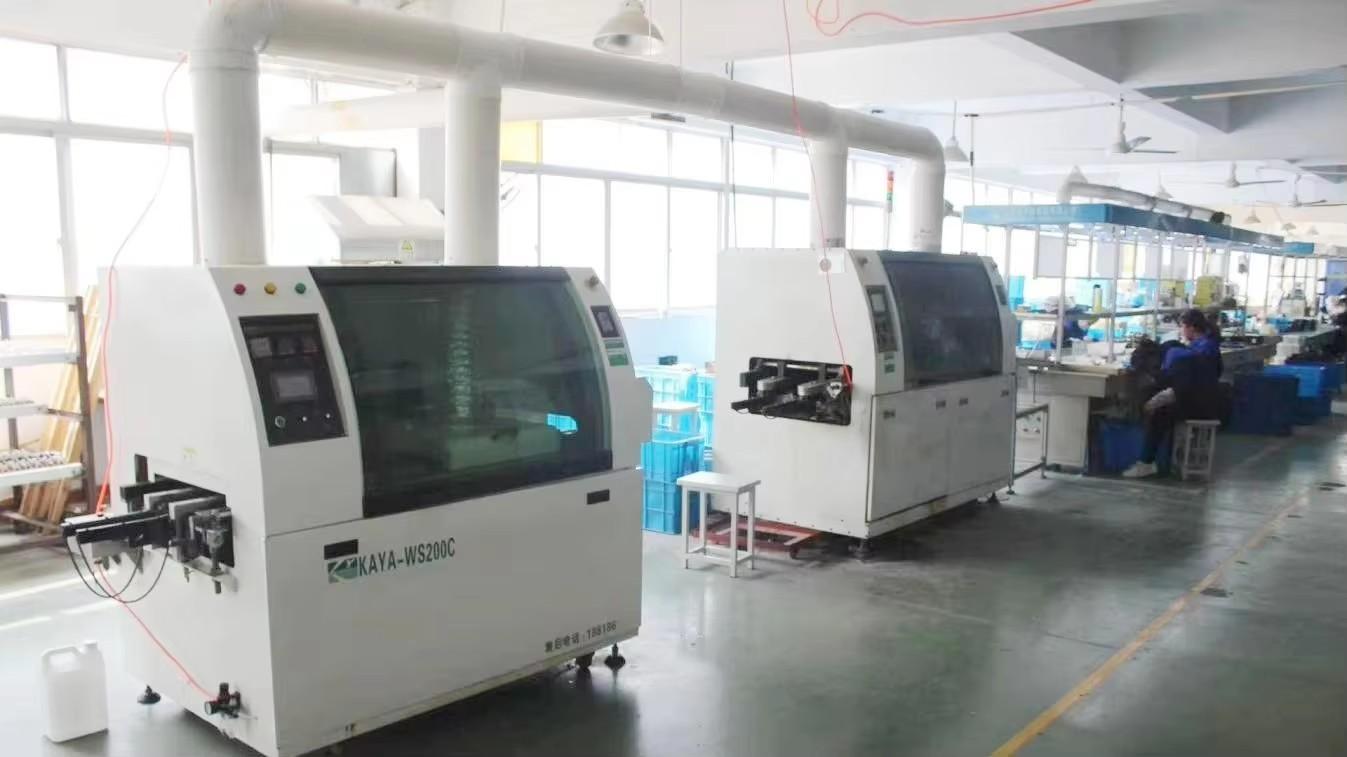
During the Baltic winter, seasonal outdoor and unconditioned warehouse temperatures frequently drop to between -15°C and -25°C, whereas interior control enclosures can rapidly reach +55°C when loaded with active variable frequency drives (VFDs) and dynamic braking resistors. This drastic thermal gradient creates cyclic mechanical stresses across solder joints, causing micro-fracturing if mismatched thermal expansion coefficients (CTE) exist between components and PCB substrates. At Yueqing Keldan Technology, our SMT placement and automated reflow ovens execute tightly monitored, multi-zone thermal ramp profiles using lead-free SAC305 solder alloy. In addition, critical subassemblies receive conformal coating to eliminate condensation risks caused by rapid heating cycles in unconditioned Latvian installations.
Mitigating High-Frequency Electromagnetic Disturbances
Riga's manufacturing plants—spanning chemical processing, timber automation, and food processing in Pardaugava—operate banks of induction motors, heavy servo drives, and welding machines that inject severe inductive spikes into shared power lines. Our converters feature multi-stage differential and common-mode LC input filtering coupled with metal-oxide varistors (MOVs) and transient voltage suppressors (TVS). This guarantees continuous uptime without tripping safety interlocks or corrupting sensor readings on Modbus, Profinet, or CANopen serial lines.
Frequently Asked Questions: Sourcing Power Supplies for Riga Projects
Clear, direct technical answers to the most common questions raised by electrical panel builders, purchasing agents, and engineering contractors in Latvia.
How do Keldan converters ensure compliance with European Union CE directives for customs clearance in Riga?
Can you provide custom DC input ranges for legacy tram or railway systems in Riga (e.g., 600V or 750V DC nominal)?
What is the standard lead time and shipping transit duration from your factory to Riga, Latvia?
What minimum order quantities (MOQs) apply to OEM/ODM custom projects?
How does your factory execute burn-in and environmental qualification testing?
Do you support RoHS and REACH environmental requirements for corporate ESG compliance in the Baltic region?
Yueqing Keldan Technology Co., Ltd. — Engineering Precision & Verification
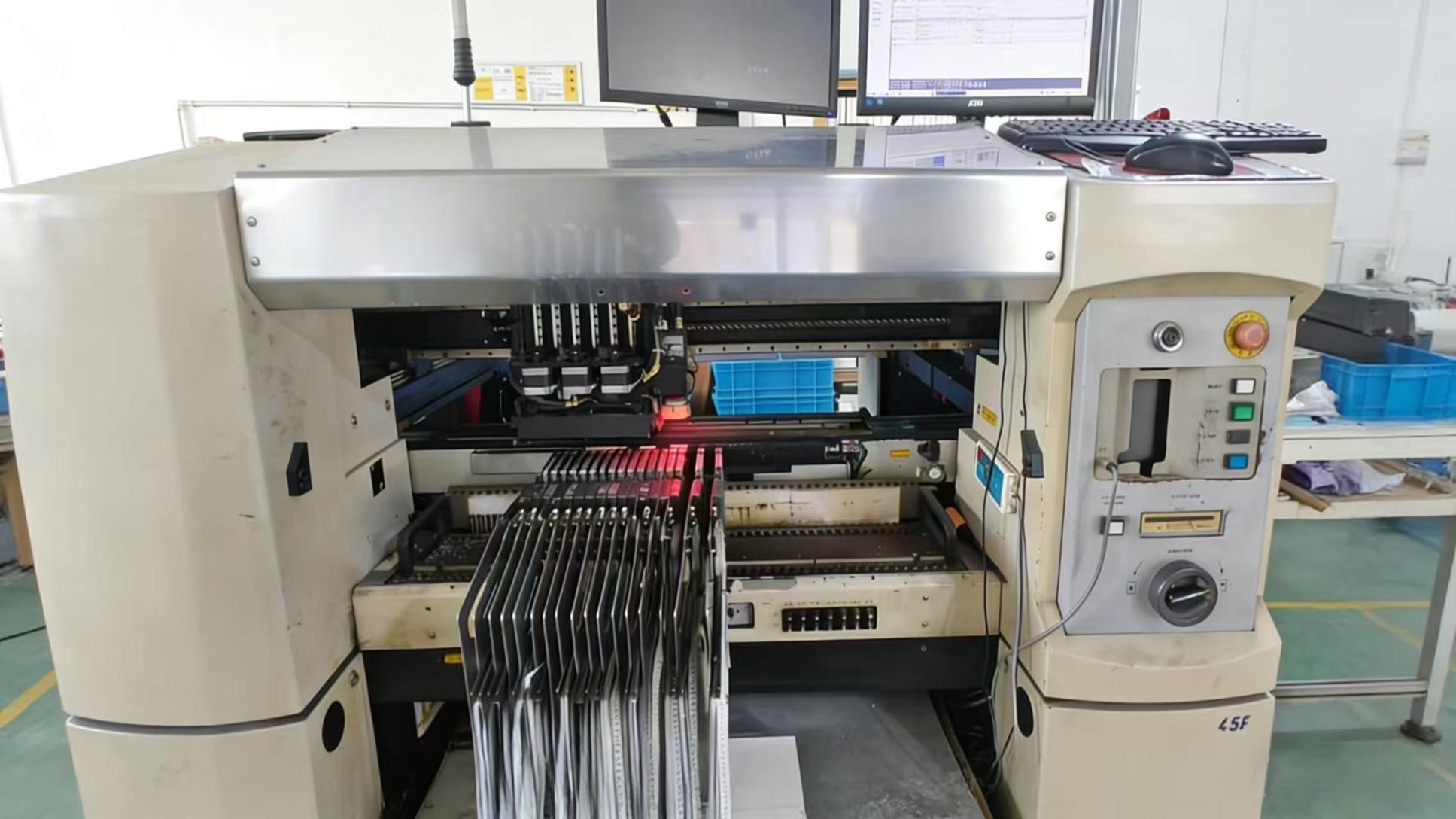
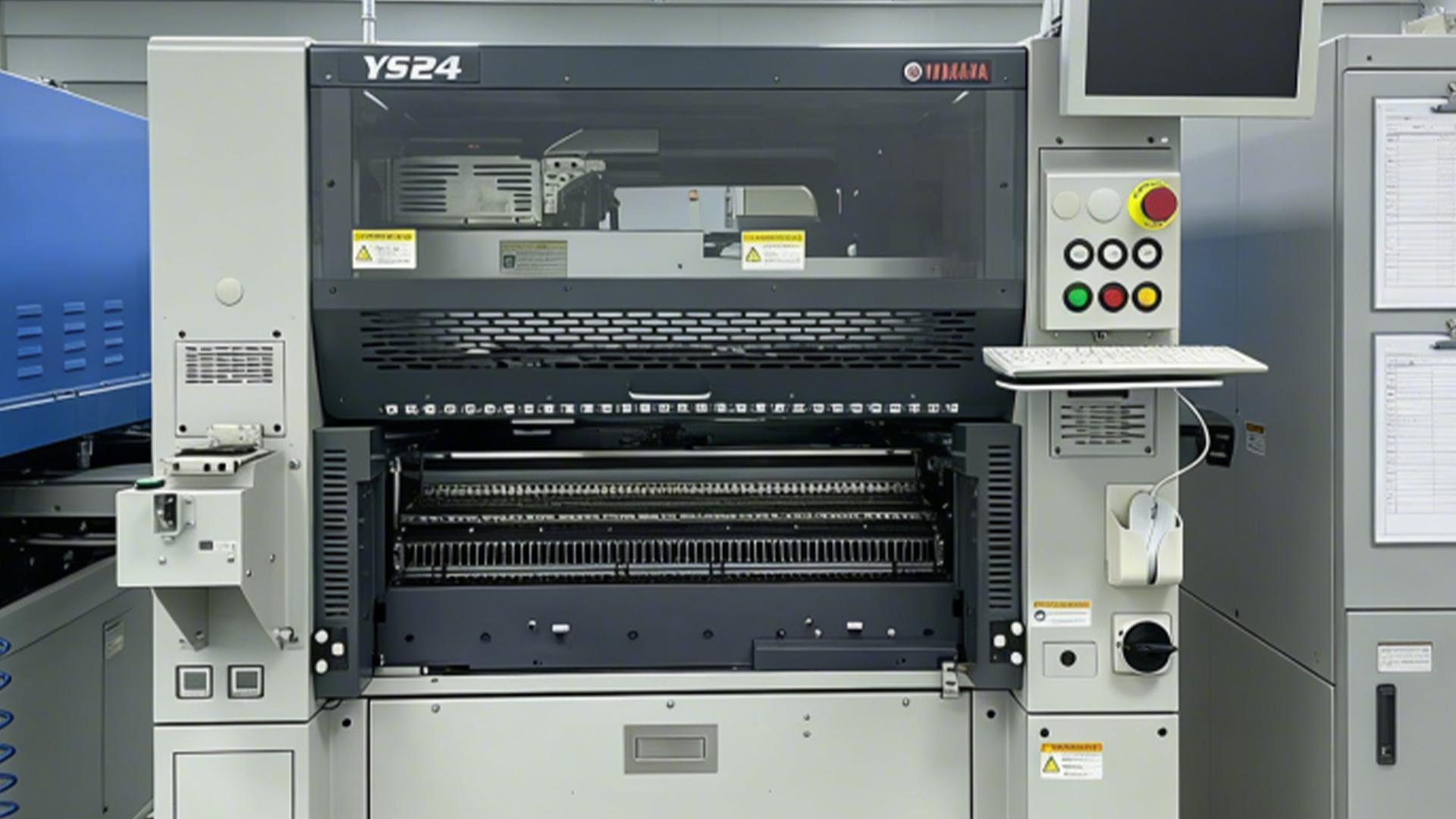
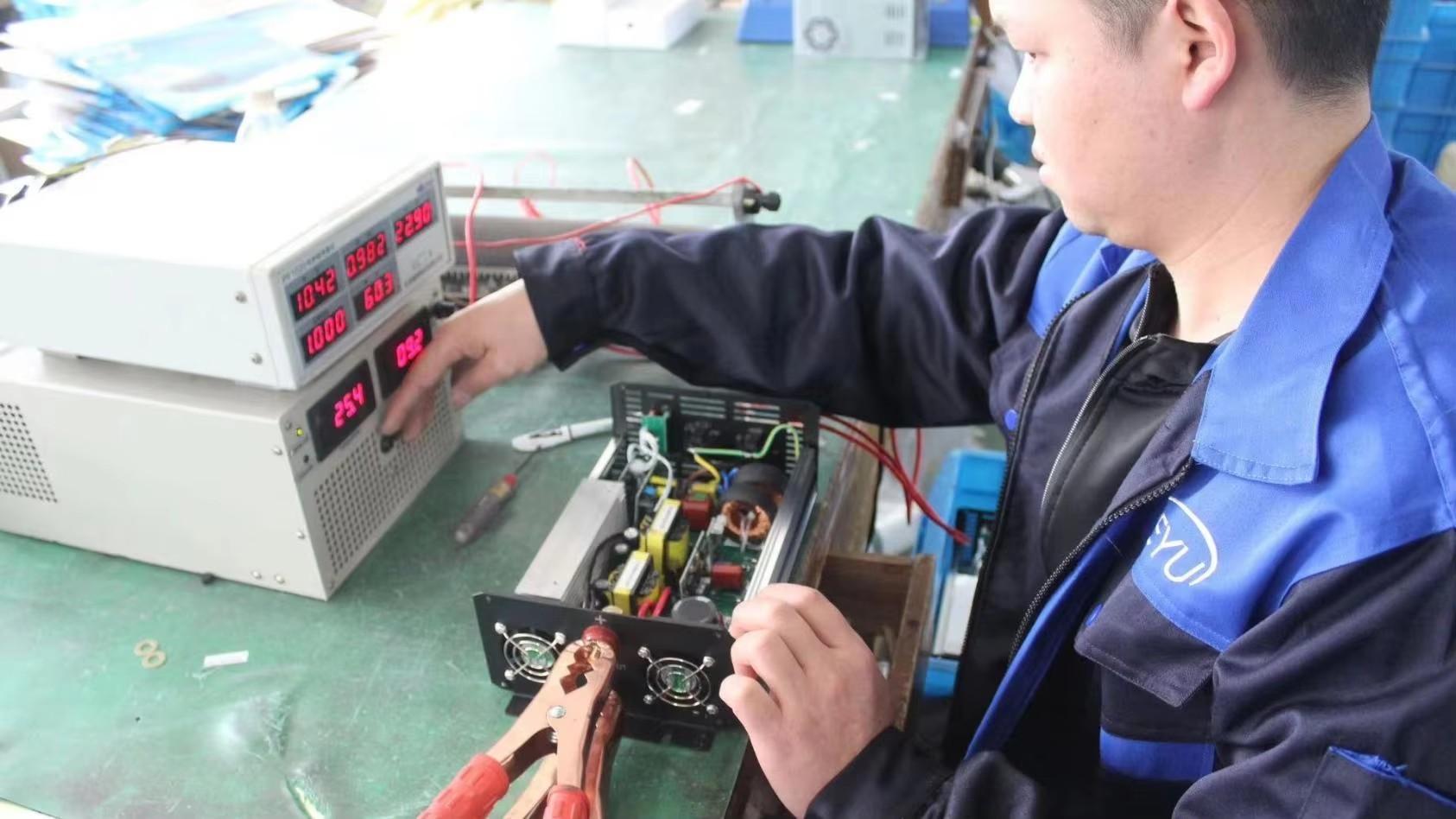
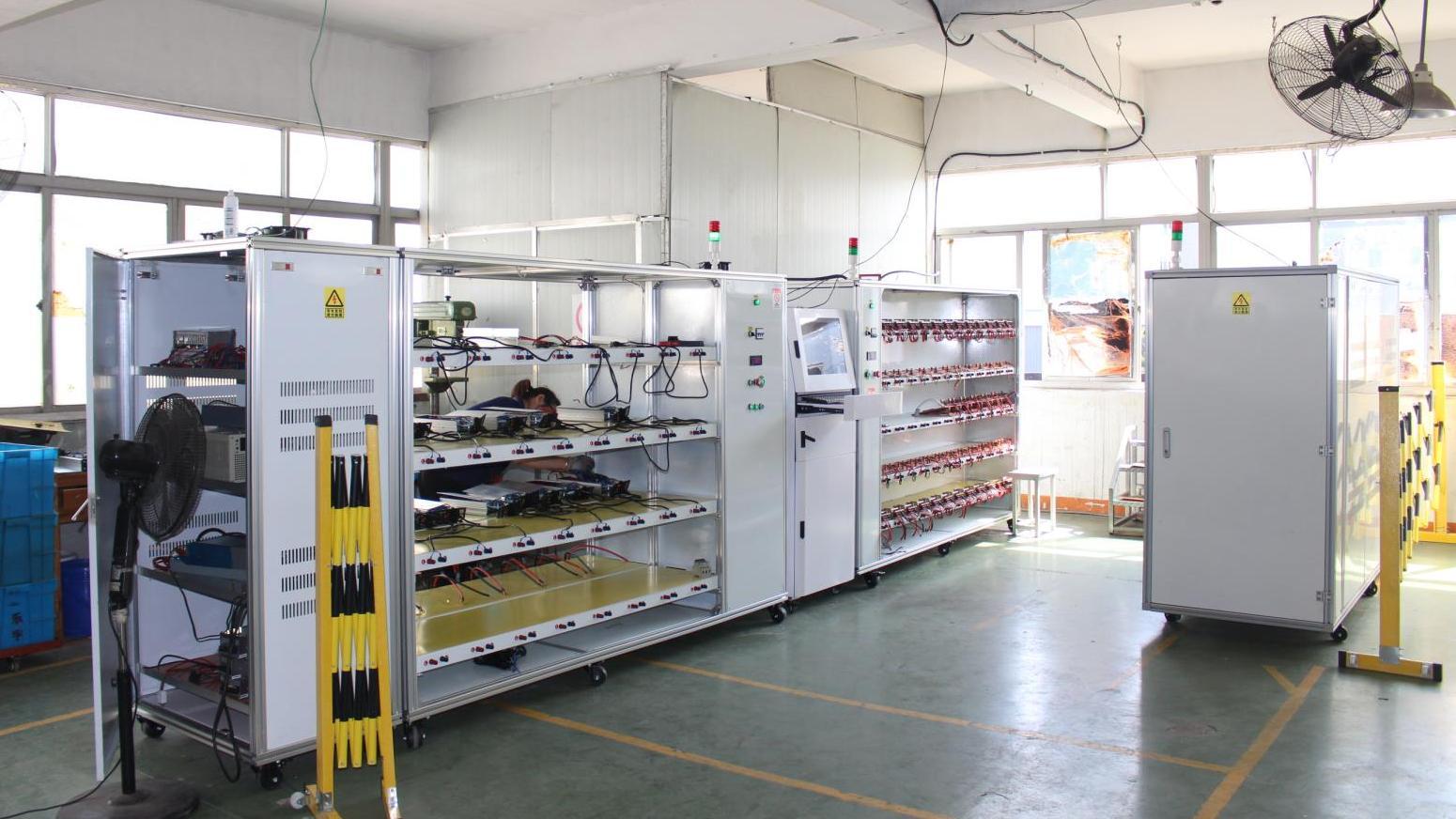
Located in Yueqing, Wenzhou—China's preeminent manufacturing center for low-voltage electrical engineering and power electronics—Yueqing Keldan Technology Co., Ltd. has accumulated over 18 years of focused manufacturing mastery. With an onsite workforce of 44 verified professionals, in-house high-speed surface mount technology (SMT) lines, computerized optical inspection (AOI), and specialized burn-in test chambers, we maintain total vertical integration over the power supply manufacturing lifecycle.
Crucially for procurement committees conducting vendor risk assessments, our factory has undergone rigorous onsite audit and verification by TÜV Rheinland. This evaluation validates our physical manufacturing capacity, in-house quality assurance workflows, electrical testing precision, and international B2B fulfillment operations. Rather than functioning as an unverified trading intermediary, Keldan operates as a dedicated custom manufacturer with a specialized team of 5+ senior electrical engineers—each possessing over five years of direct SMPS and DC-DC power converter design experience.
Our 8-Step Zero-Defect Quality Control Regimen
Power conversion systems are only as resilient as their weakest individual capacitor, MOSFET, or transformer winding. We enforce an uncompromising 8-stage verification workflow across every batch produced:
IQC Material Verification
Strict incoming checks on semiconductor lots, high-frequency ferrite cores, and cold-rated electrolytic capacitors against approved specifications.
High-Speed SMT Placement
Automated pick-and-place lines position ultra-miniature passive and surface-mount power ICs with high positional repeatability.
Precision Reflow Soldering
Controlled multi-zone thermal ramp curves eliminate thermal shock and create reliable, void-free solder fillets.
AOI Optical Inspection
High-resolution automated optical scanning evaluates every solder bridge, fillet geometry, component orientation, and solder volume.
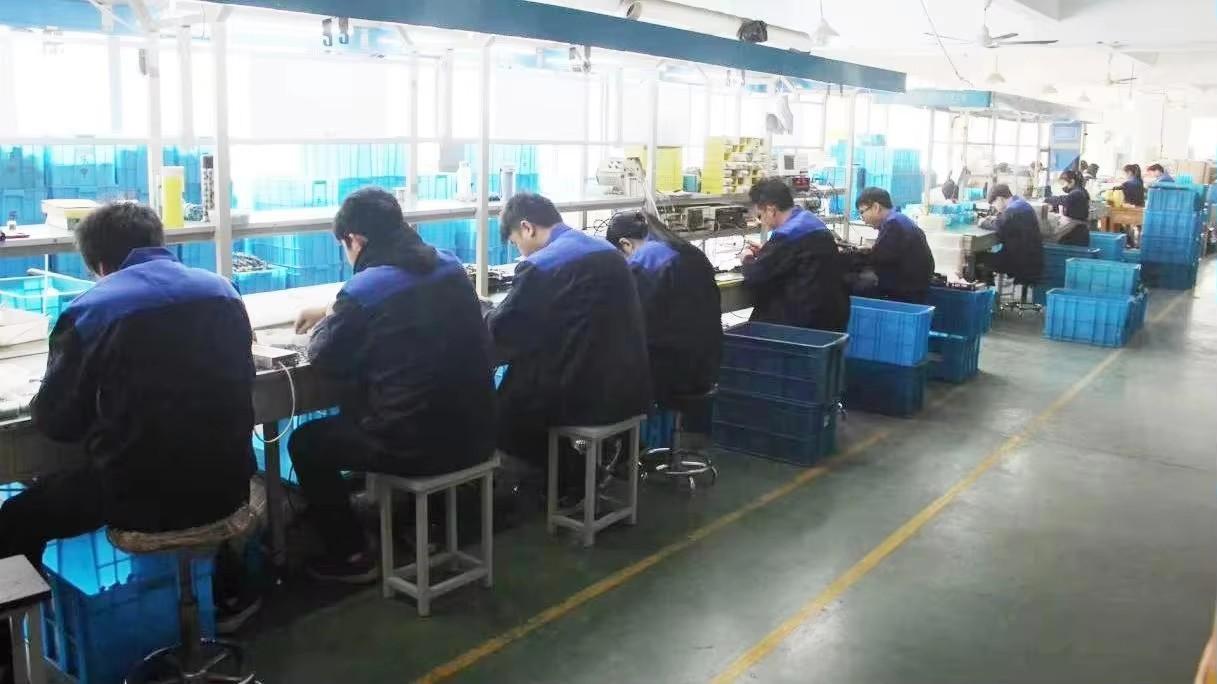
Through-Hole & Mechanical Integration
Manual insertion of heavy inductive chokes, robust terminal blocks, and custom extruded aluminum heatsinks.
Parameter Calibration
Oscilloscope and active load debugging ensures precise voltage trimming, low peak-to-peak ripple, and tight transient step responses.
100% Dynamic Full-Load Aging
Every single manufactured unit is subjected to sustained dynamic thermal burn-in under heavy load cycles to purge any early-life component failures.
Final OQC Audit & Packaging
High-potential dielectric breakdown insulation tests (Hi-Pot), earth continuity verification, cosmetic review, and export packing.
Emerging Power Electronics Trends in Riga & the Baltic Corridor
Over the next decade, the Baltic energy ecosystem will undergo profound structural shifts. Driven by the regional synchronization of the Baltic electricity grid with the Continental Europe Synchronous Area, coupled with massive capital infusions into Rail Baltica, local original equipment manufacturers (OEMs) and panel builders must engineer power architectures capable of handling sophisticated microgrid dynamics.
1. Wide Bandgap Semiconductor Integration (GaN & SiC)
As space inside industrial control cabinets in Riga becomes increasingly constrained, conventional silicon-based switching devices are rapidly reaching physical limits regarding power density and thermal conductivity. Keldan is pioneering next-generation architectures incorporating Gallium Nitride (GaN) and Silicon Carbide (SiC) power switches. Operating at switching frequencies exceeding 200kHz, these components slash the physical volume of planar transformers and inductive chokes by over 40% while pushing total converter efficiencies beyond 96.5%.
2. Bidirectional Power Flow for Distributed Energy Storage
The proliferation of decentralized commercial rooftop solar PV installations across industrial parks in Marupe, Olaine, and Salaspils is driving demand for bidirectional DC-DC conversion platforms. These advanced modules facilitate seamless energy exchanges between 400V/800V DC high-voltage battery storage banks and standard 24V/48V DC building automation buses. This architecture enables peak-shaving, eliminates repetitive conversion stages, and lowers total operational power losses.
3. Digital Power Management & Predictive Telemetry
Modern automated logistics hubs and smart sorting facilities clustered around Riga Airport are transitioning away from passive, analog power supplies toward intelligent, digitally controlled architectures. By embedding PMBus, CAN, or Modbus protocols into high-power DC-DC and AC-DC modules, facility operators receive real-time telemetry regarding internal MOSFET temperatures, output current trends, operational hours, and ripple variance. This rich operational data facilitates true predictive maintenance, allowing maintenance crews in Riga to schedule component replacements during planned turnaround windows well before an unexpected power failure disrupts automated operations.
Accelerate Your Power Project in Riga with Keldan Engineering
Whether you require a custom DC input voltage envelope, standard DIN rail power supplies, waterproof IP67 drivers, or a fully bespoke OEM converter designed to your exact cabinet footprint—our engineering team delivers verified datasheets, CAD models, and evaluation samples within 48 hours.
