High-Efficiency Power Conversion Systems for Northern Thailand
Built under stringent SMT and AOI quality protocols, our industrial-grade power supplies, DC-DC step-down converters, and modified sine wave power inverters provide maximum operational uptime in high-ambient tropical environments.
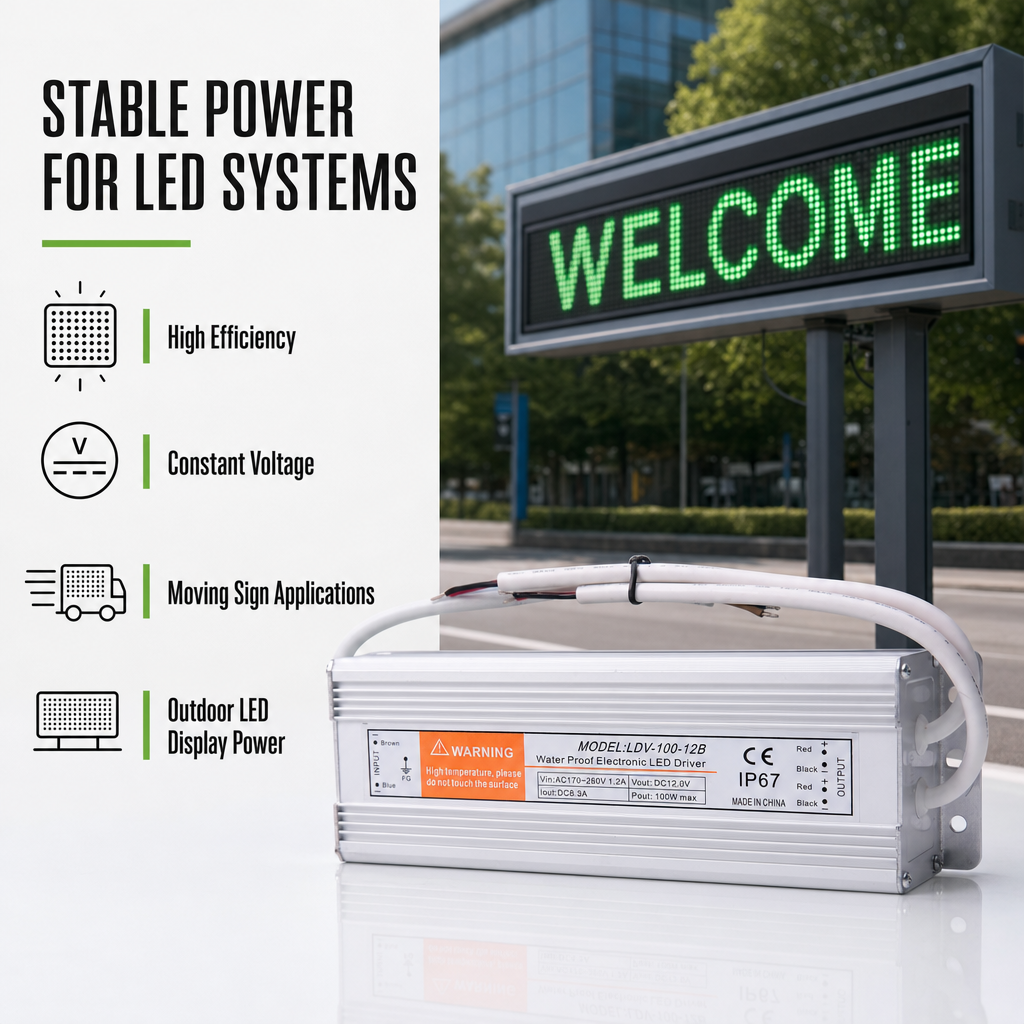
LDV-100 100W IP67 Waterproof LED Driver Power Supply 12V 8.3A 24V 4.2A AC to DC Adapter for Outdoor LED Strip Sign Lighting
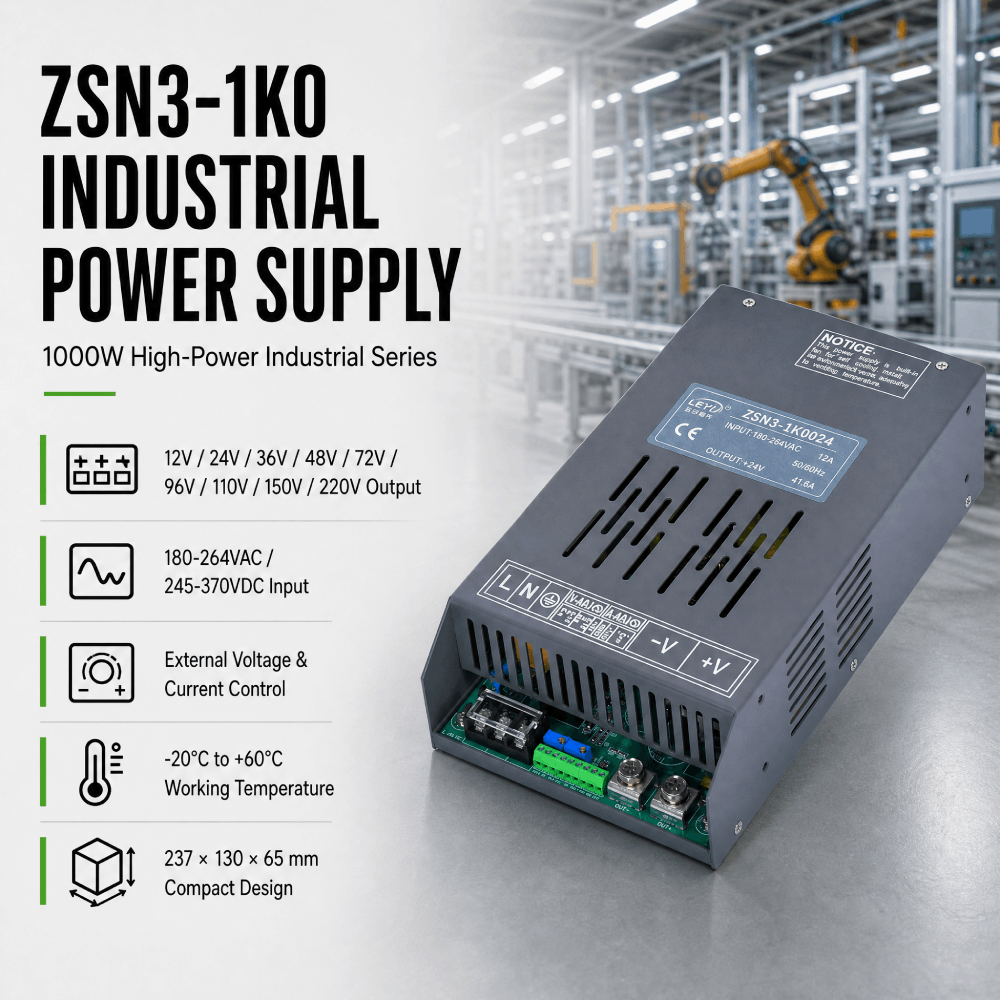
ZSN3 1000W Programmable Variable DC Power Supply AC to DC 12V 24V 48V 110V 220V Adjustable SMPS for Laser Lab Use
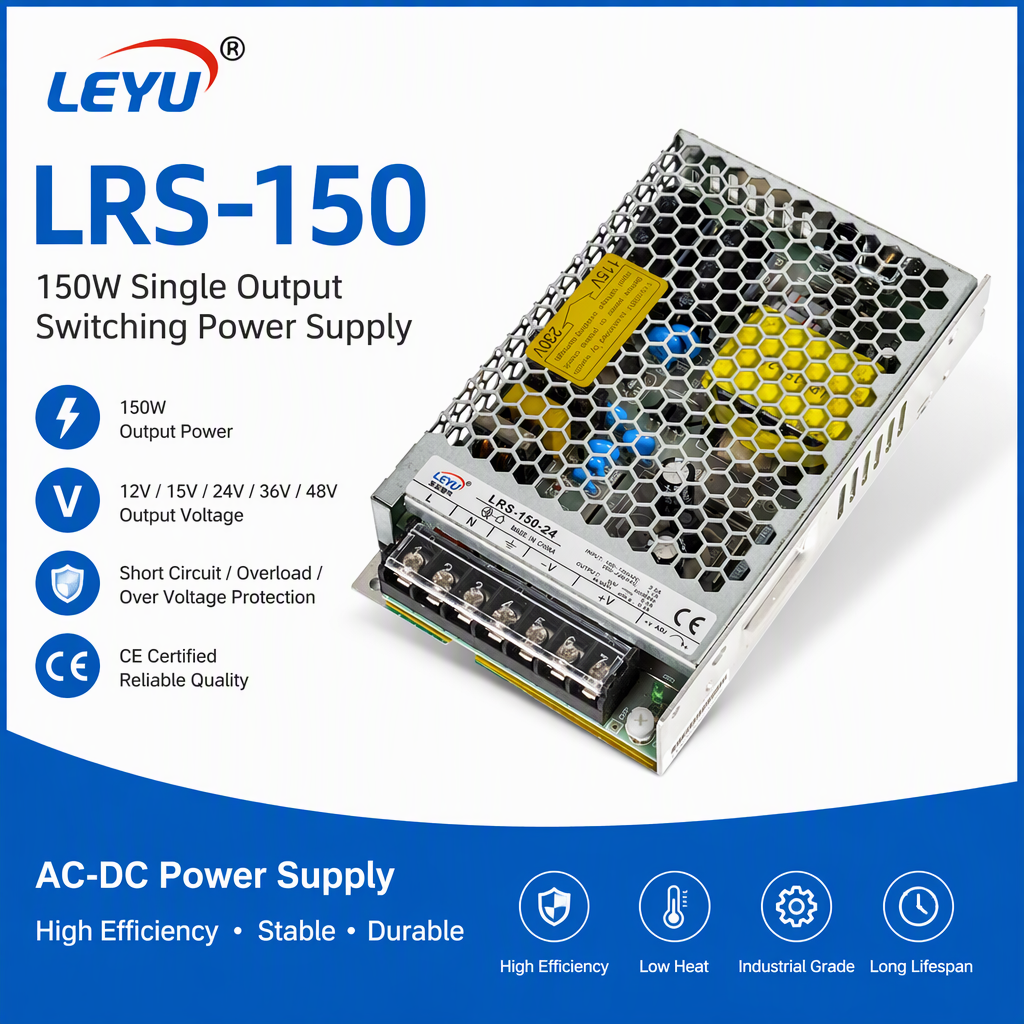
LEYU LRS-150-24 150W 24V 6.5A AC DC Switching Power Supply Single Output Low Profile for Industrial Control
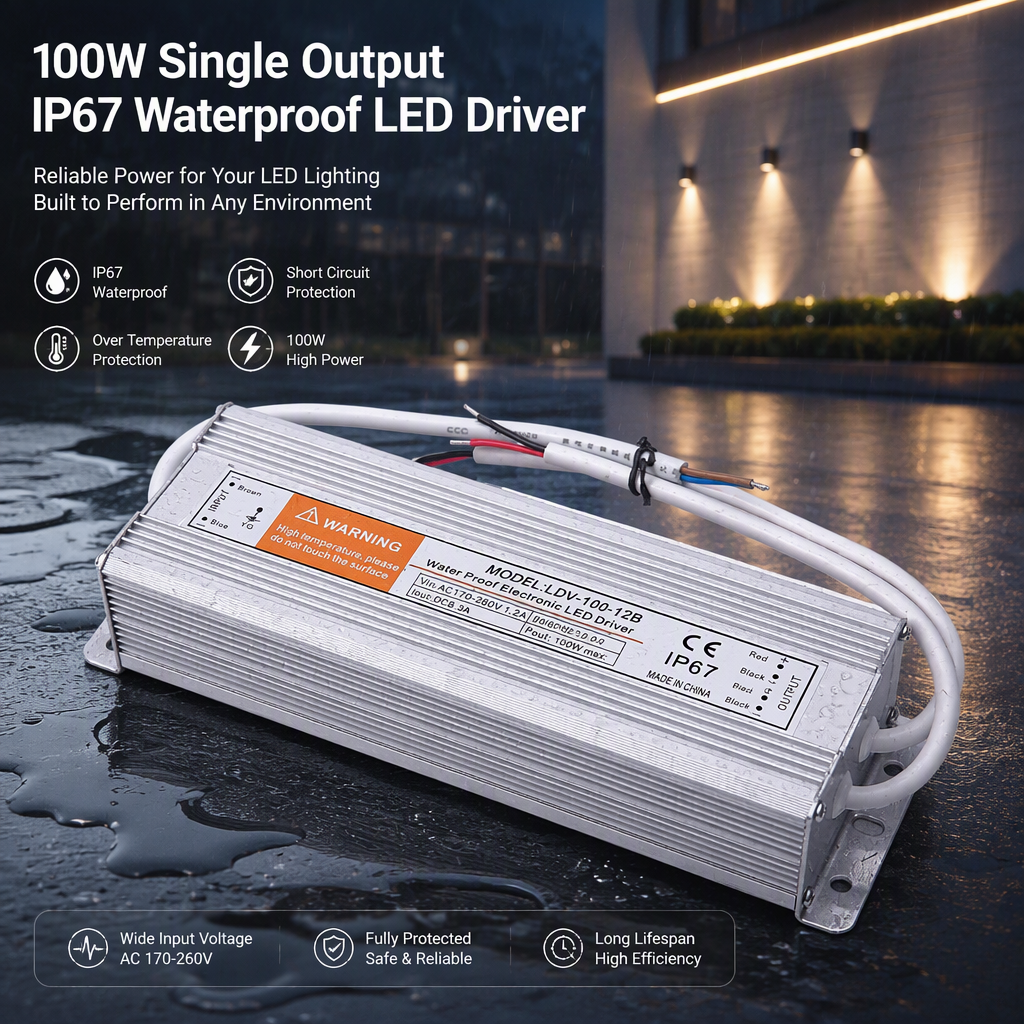
LDV-100 Factory Direct 100W Waterproof LED Driver Power Supply 12V 24V IP67 Outdoor AC to DC Transformer
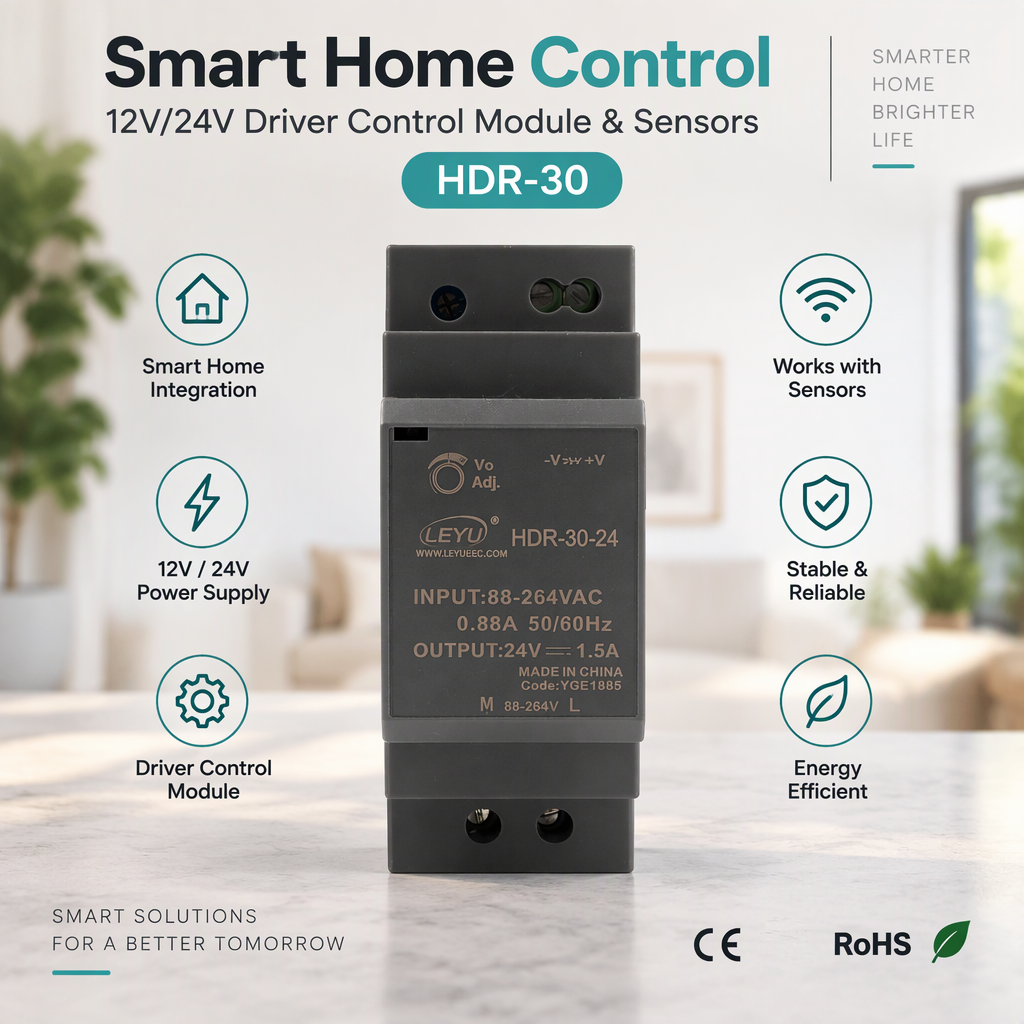
HDR-30 30W DIN Rail Power Supply 85-264VAC Universal Input 12V 2A 24V 1.5A 5V 3A Slim Industrial Switching Power Supply
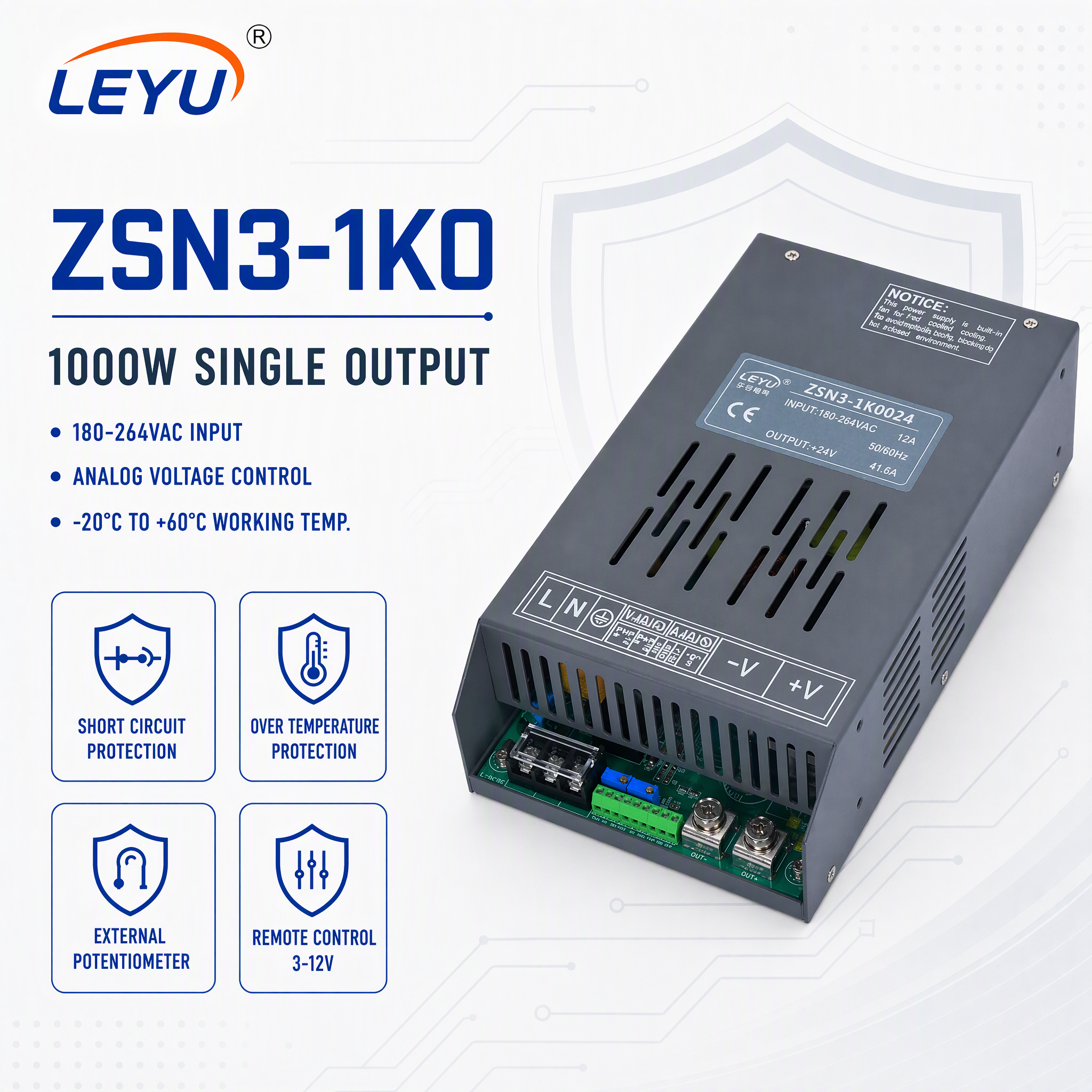
Fuente De Alimentacion Variable 1000W AC DC 24V 41.7A Adjustable Power Source for Laser Lab Use
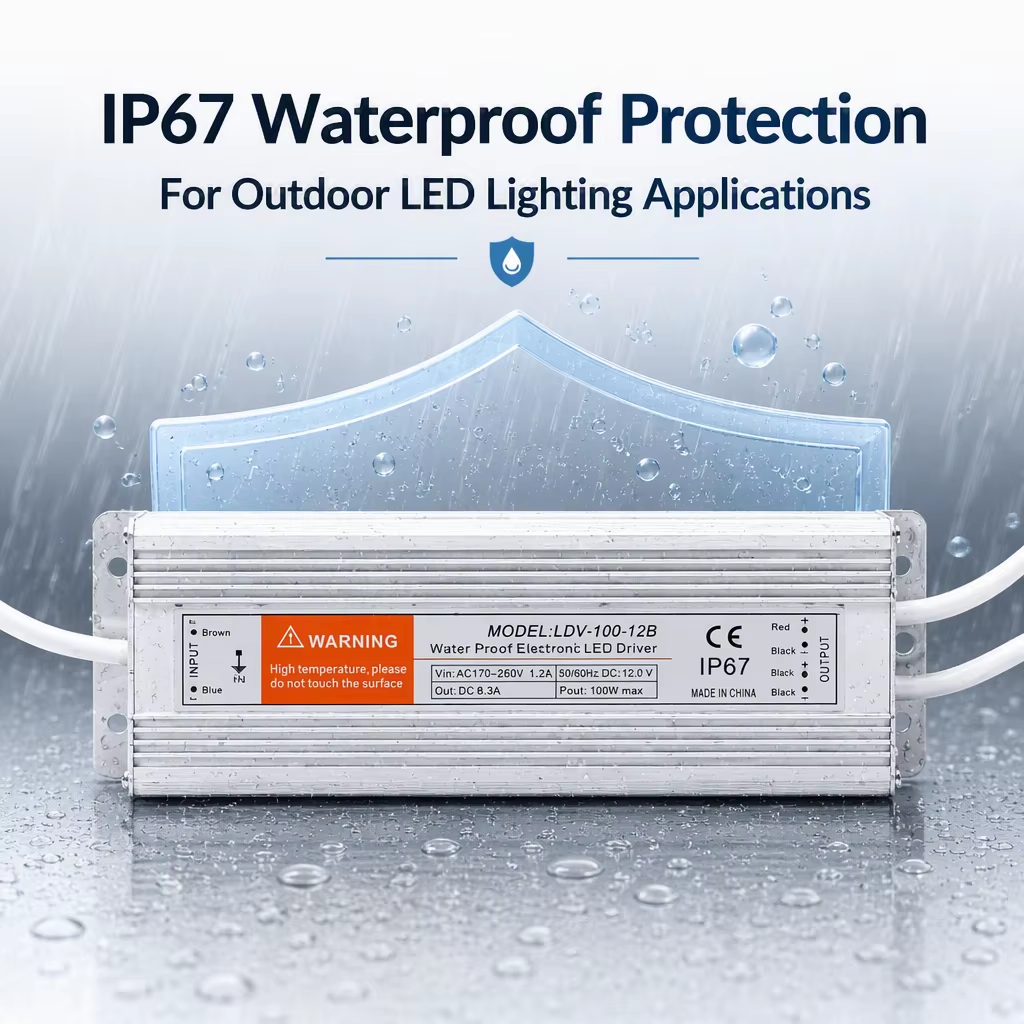
100W IP67 Waterproof LED Driver 12V 24V Constant Voltage Power Supply for Outdoor Billboards Signage & LED Strip Lights
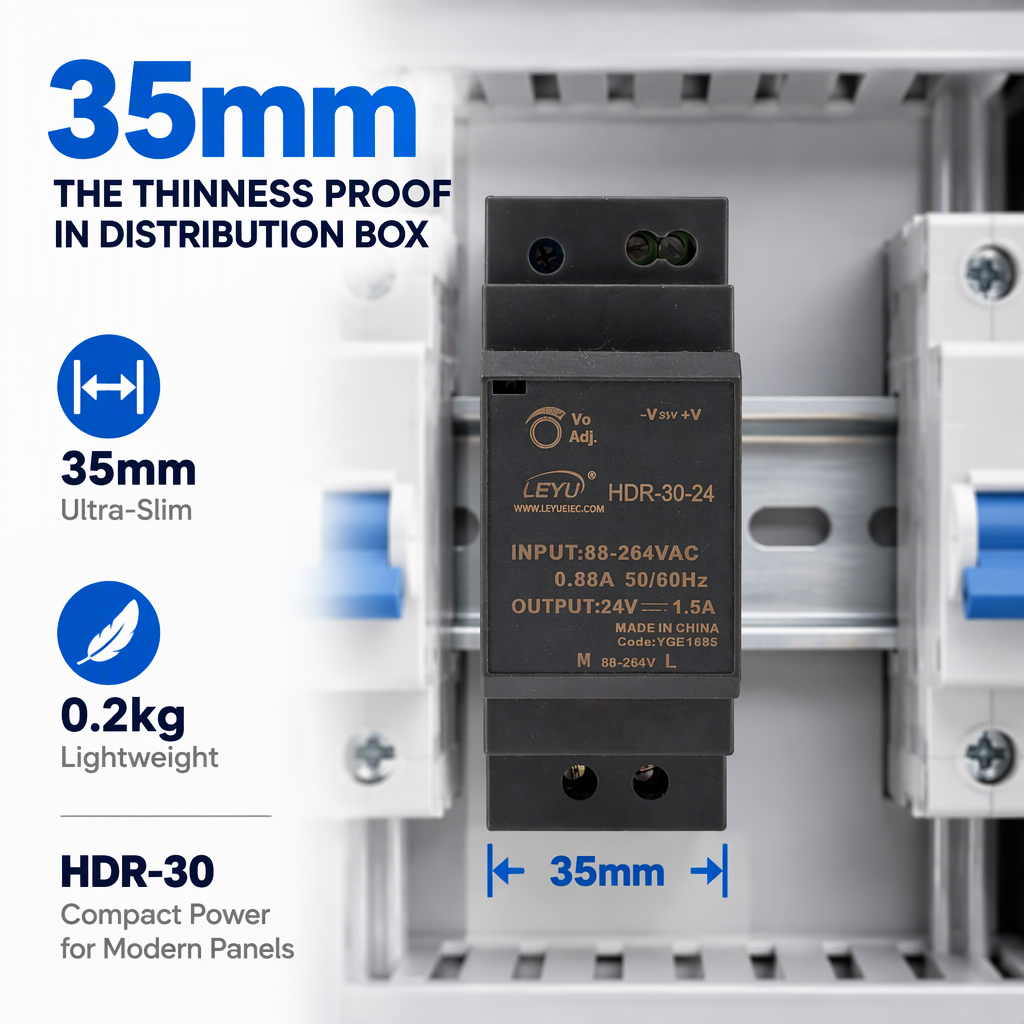
30W Industrial DIN Rail Power Supply 24V 1.5A AC DC Converter for PLC Control Cabinet & Building Automation
Technical Whitepaper: Modified Sine Wave Inverter Dynamics in Northern Thailand’s Microgrids
In power conversion engineering, selecting the appropriate topology hinges directly upon balancing continuous electrical efficiency, structural bill-of-materials (BOM) expenditure, and the physical characteristics of connected loads. In the northern economic and geographic landscape centered around Chiang Mai, systemic power stability frequently encounters geographic fragmentation. Rural highlands, off-grid eco-resorts across Mae Rim and Samoeng, remote agricultural facilities in Fang, and vibrant urban commercial ecosystems like the Sunday Walking Street rely heavily on decentralized energy infrastructure.
As a TÜV Rheinland onsite-verified manufacturer, Yueqing Keldan Technology Co., Ltd. supplies the Chiang Mai wholesale and contracting community with industrial-grade, CE-marked modified sine wave inverters (simulated sine wave / stepped square wave). Operating on high-frequency switching architectures, our inverters convert 12V, 24V, or 48V direct current (DC) from photovoltaic arrays or battery banks into stable 220V/230V alternating current (AC) at 50Hz, aligned precisely with Thailand's Provincial Electricity Authority (PEA) distribution metrics.
Comparative Analysis: Modified vs. Pure Sine Wave Topologies for Chiang Mai Deployments
A frequent dilemma for local mechanical and electrical (M&E) contractors in Chiang Mai is determining when to deploy modified sine wave units versus pure sine wave alternatives. Pure sine wave systems deliver low total harmonic distortion (THD < 3%), necessary for inductive loads like heavy reciprocating refrigeration compressors, variable speed motors, and high-fidelity audio equipment. However, modified sine wave architecture remains the engineering baseline and economic champion for resistive and switched-mode DC power supplies.
| Engineering Parameter | Modified Sine Wave (Keldan Industrial) | Pure Sine Wave (Standard SMPS) | Chiang Mai Operational Impact |
|---|---|---|---|
| Waveform Characteristic | Stepped 3-Level PWM Modified Square Wave | Continuous Pure Sinusoidal Wave | Zero functional discrepancy on SMPS, LEDs, and resistive heaters |
| BOM Cost & Price / Watt | Optimized (40% to 55% Lower Unit Cost) | Higher (Complex LC Filtering + Multi-Stage H-Bridge) | Accelerates capital payback for local agro-drying and pop-up market stalls |
| Conversion Efficiency | > 90% at Rated Resistive Load | 88% – 92% Typical | Minimizes battery bank drain during mountain nighttime off-grid periods |
| Electromagnetic Immunity (EMC) | Complies with EN 55032 / EN 61000-6-3 | Complies with EN 55032 Class B | Prevents radio / telecom telemetry interference in remote towers |
| Tropical Thermal Tolerance | Solid-state heat dispersion rated to 50°C | Requires wider derating above 40°C | Engineered for extreme pre-monsoon heatwaves across Chiang Mai valley |
For applications where loads comprise switched-mode power supplies (which rectify AC directly into internal DC rails via diode bridges—such as laptop chargers, LED drivers, CCTV recorders, network switches, resistive hot water coils, heating elements, and soldering equipment), the modified sine wave provides identical functional efficacy at a dramatically reduced initial investment.
Localized Engineering Applications across Chiang Mai Province
From the mist-shrouded elevations of Doi Inthanon to the dense urban night markets inside the Old City moat, power inverters must endure diverse microclimatic and operational stresses.
Highland Eco-Tourism & Off-Grid Glamping
Scattered across Mon Jam, Mae Rim, and Mae Kampong, eco-resort cabins operate outside municipal utility lines. Modified sine wave inverters run silent LED lighting arrays, charging stations, satellite Wi-Fi terminals, and mosquito-repelling coils without drawing costly diesel generator runtime.
Agro-Processing & Solar-Assisted Drying
Chiang Mai’s agricultural backbone—spanning longan, mango dehydrating facilities, and arabica coffee washing mills in Fang and San Sai—utilizes Keldan modified sine wave inverters to drive resistive heating elements, thermal air circulators, and DC-coupled conveyor controls.
Urban Night Bazaars & Mobile Food Trucks
Vendors throughout the Wua Lai and Chang Khlan night corridors rely on compact 12V-to-220V inverters connected to LiFePO4 battery packs. These power POS billing terminals, LED display canopies, small blenders, and barcode printers safely without noisy, exhaust-spewing gensets.
Chiang Mai Power Market Evolution: Trends & Regulatory Drivers
1. Expansion of Distributed Clean Energy & Microgrids
Under Thailand's updated Alternative Energy Development Plan (AEDP) and Smart Grid initiatives, Northern Thailand has experienced rapid expansion of rooftop solar installations and rural off-grid microgrids. The Chiang Mai Provincial Energy Office has consistently incentivized hybrid setups to offset peak PEA electricity rates. In these setups, modified sine wave inverters serve as auxiliary failover circuits for essential illumination and security infrastructure, preserving pure sine wave reserves solely for heavy inductive machinery.
2. Tropical Atmospheric Derating: Humidity and Ambient Heat
A critical engineering mistake often committed by procurement agents importing non-industrial power electronics into Chiang Mai is ignoring tropical environmental derating. Chiang Mai endures ambient temperatures exceeding 41°C between March and May, accompanied by heavy atmospheric dust during burning season, followed immediately by southwest monsoon seasons where relative humidity (RH) routinely surpasses 85%.
Standard commercial inverters fail prematurely in Northern Thailand due to electrolytic capacitor dry-out, thermal runaway in primary switching MOSFETs, and corrosive dendritic growth across PCB solder traces. Yueqing Keldan Technology engineers its inverters specifically for harsh sub-tropical environments:
- Automated Conformal Coating: All PCB assemblies are coated with high-dielectric moisture-proof lacquer to insulate against conductive dust accumulation and high relative humidity.
- Thermal Derating Margins: Power stages utilize 105°C-rated low-ESR capacitors paired with oversized, extruded aluminum heat spreaders, operating reliably without performance throttling up to 50°C ambient temperatures.
- Intelligent Pulse-Width Temperature Feedback: Integrated microcontrollers modulate high-efficiency ball-bearing cooling fans, initiating active convection cooling only when heat-sink temperatures cross 45°C.
3. Regulatory Alignment: CE Conformity and TISI Acceptance
Importing electrical machinery into Thailand requires strict adherence to international safety metrics. While Thailand's Industrial Standards Institute (TISI) regulates specific consumer appliances under mandatory TIS standards, B2B industrial power conversion components must provide rigorous testing documentation to clear customs at Laem Chabang and Bangkok maritime dry ports seamlessly. Our products feature genuine CE Marking backed by full test reports covering the Low Voltage Directive (LVD 2014/35/EU) and Electromagnetic Compatibility Directive (EMC 2014/30/EU), meeting all technical documentation requirements for expedited commercial transit to Chiang Mai freight stations.
Why Tier-1 Importers & Panel Builders Partner with Keldan
Headquartered in Yueqing, Wenzhou—the capital of China’s electrical manufacturing industry—we operate vertically integrated production lines verified onsite by TÜV Rheinland.
Automated SMT & AOI Precision
Our workshop houses high-speed surface-mount technology (SMT) mounters and automated optical inspection (AOI) machines, eliminating cold solder joints, bridge defects, and component misalignment across multi-layer driver boards.
100% Full-Load Burn-In Testing
Every single power unit undergoes full-load aging testing on computer-controlled racks before packaging. This screens infant mortality failures and guarantees peak reliability before export shipments depart for Thailand.
Dedicated OEM/ODM Engineering Team
Staffed by 5+ specialized SMPS engineers with over five years of industry tenure, supported by 12 multilingual trade officers. We engineer customized enclosures, terminal blocks, input DC voltages, and personalized buyer branding.
Frequently Asked Questions by B2B Buyers in Chiang Mai
Critical considerations regarding lead times, logistics, voltage tolerances, and duty clearance for northern Thai engineering firms.
What are the standard transit times and logistics routes from your factory to Chiang Mai?
+
Can your modified sine wave inverters handle inductive loads such as misting pumps or water pumps in orchards?
+
How does the factory support OEM customization and localized branding for Thai distributors?
+
Are test reports and conformity declarations provided for Thai customs and project tenders?
+
What Minimum Order Quantities (MOQs) apply for direct factory orders shipping to Thailand?
+
Request a Direct Factory Quote for Your Chiang Mai Project
Connect with our technical sales engineers today. We supply complete datasheets, custom Form E tariff documentation, and competitive tiered factory pricing tailored for Northern Thailand’s distributors, solar integrators, and contractors.
