CE Certified
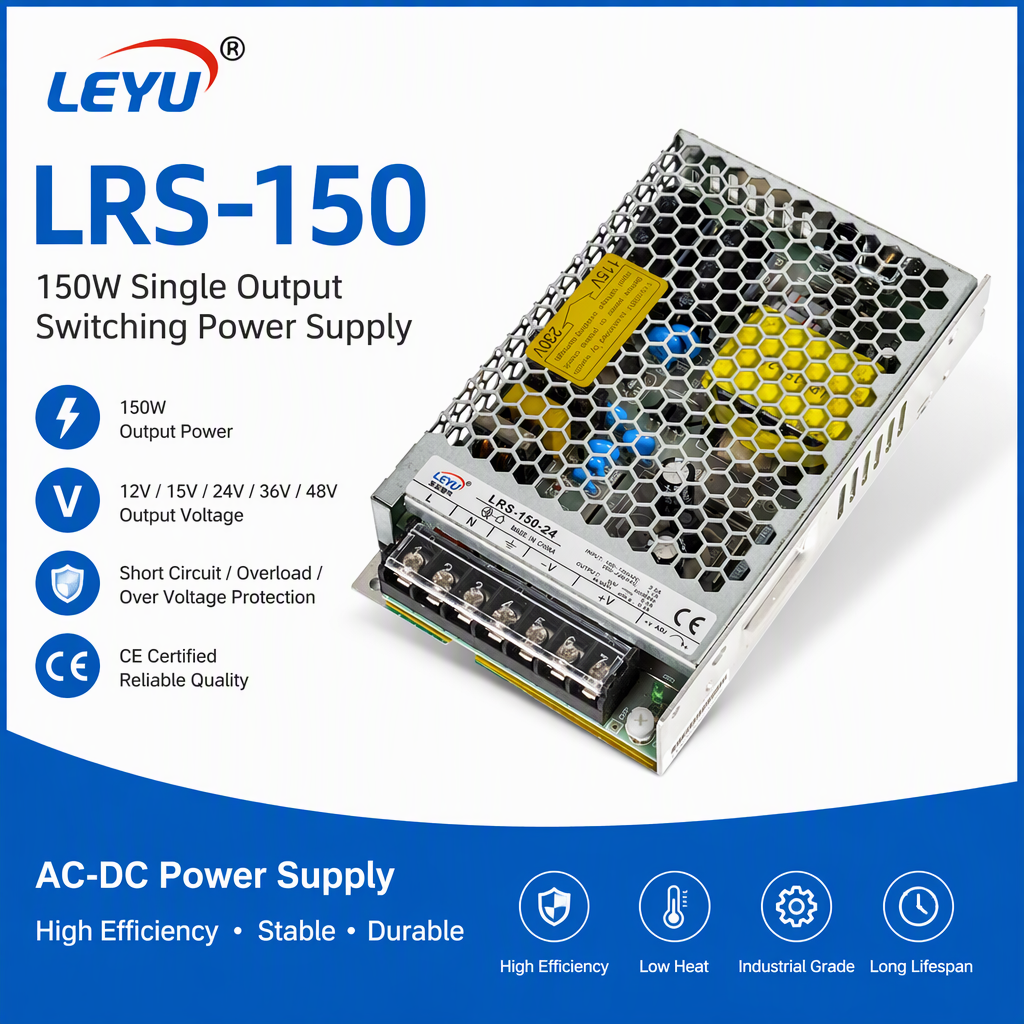
LEYU LRS-150-24 150W 24V 6.5A AC DC Switching Power Supply Single Output Low Profile for Industrial Control
- Low-profile 30mm 1U design
- Integrated short/overload trip
Engineered for tight control cabinet enclosures, distributed battery banks, and high inrush automated machinery serving European manufacturing clusters.
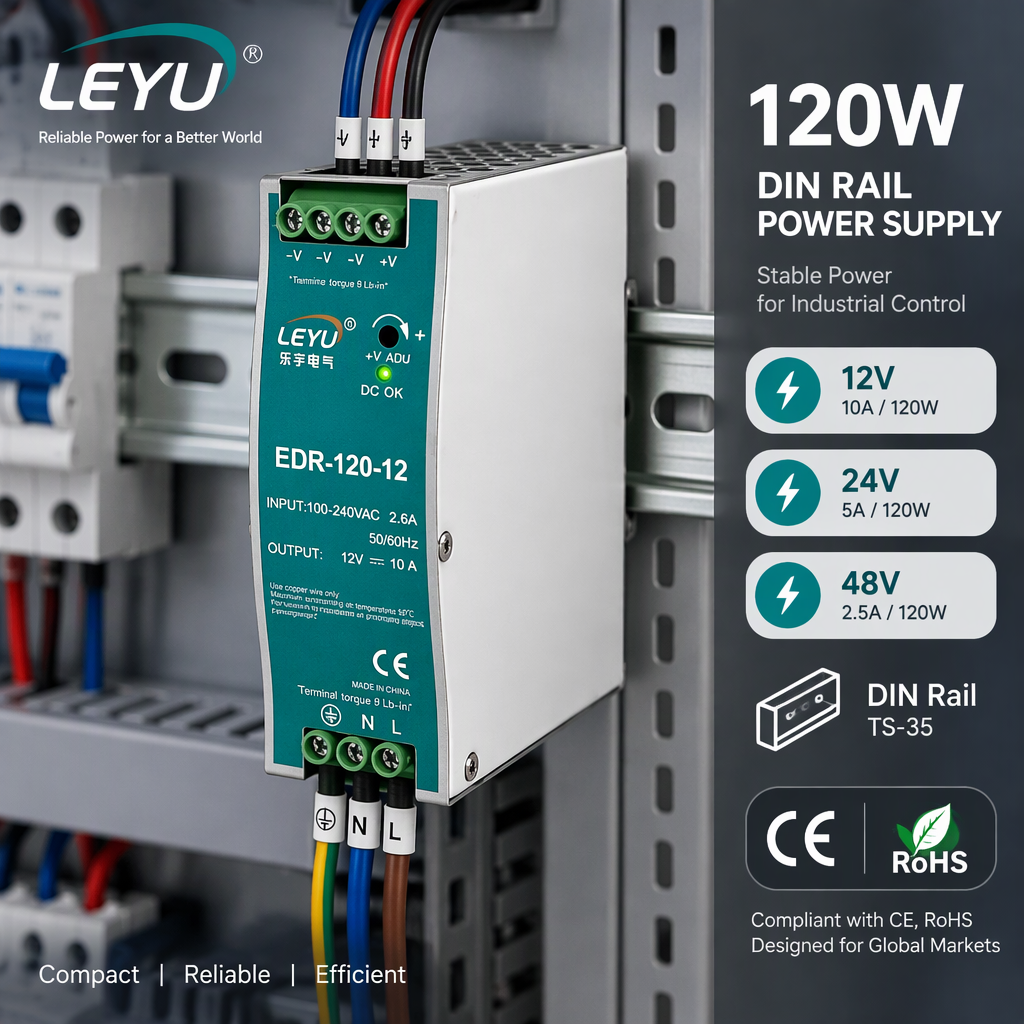
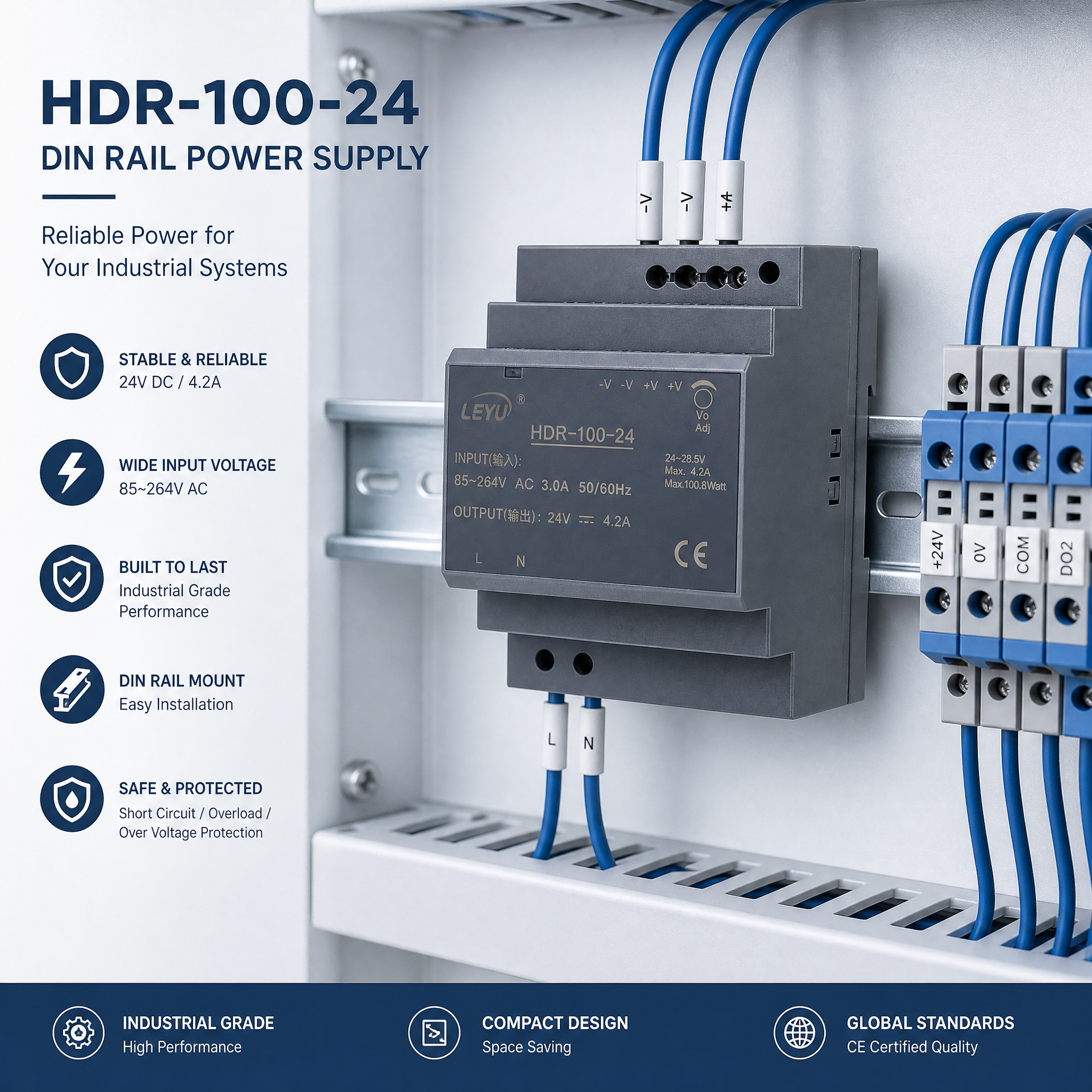
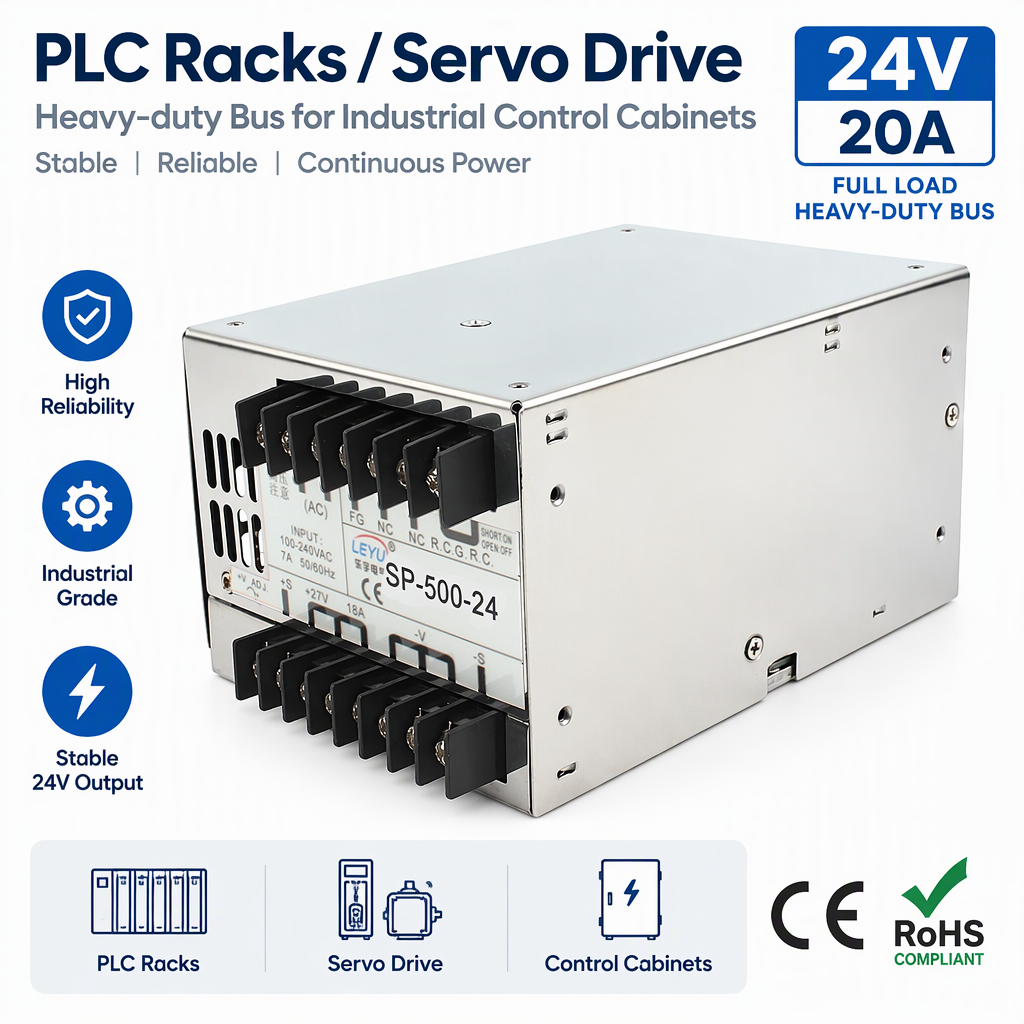
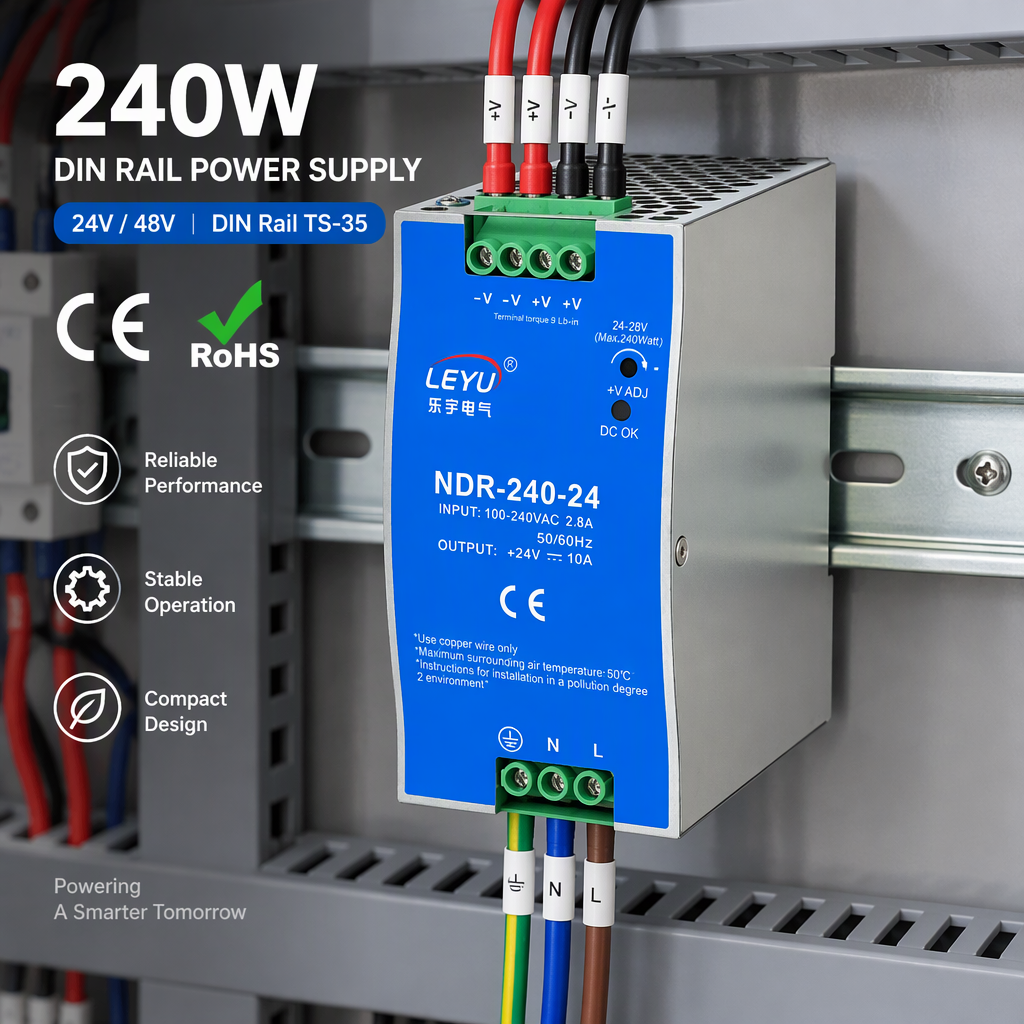
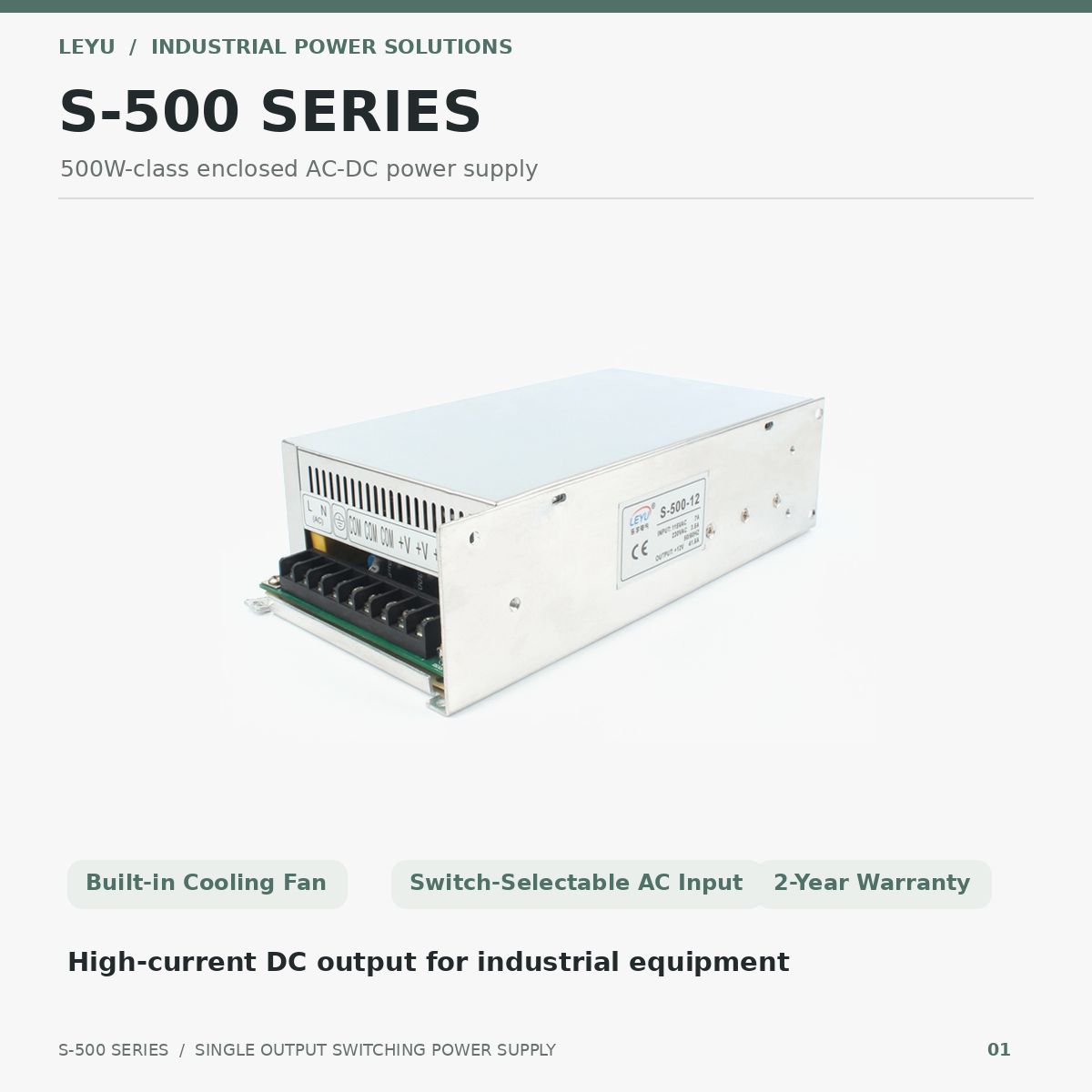
In high-density industrial control systems, selecting the appropriate conversion topology directly impacts thermal overhead, physical footprint, and overall capital cost. While galvanically isolated power converters are critical when crossing hazardous high-voltage boundaries or eliminating hazardous ground loops between remote structures, modern industrial architectures operating within common-ground machinery benefit immensely from non-isolated DC-DC converters. By omitting bulky high-frequency isolation transformers and optocoupler feedback mechanisms, non-isolated topologies achieve conversion efficiencies often exceeding 96% to 98%, while shrinking magnetic component volume by up to 60%.
Our non-isolated DC-DC converter series leverages multi-phase synchronous buck and buck-boost rectification. By replacing traditional freewheeling Schottky diodes with low-RDS(on) N-channel power MOSFETs, conduction losses are curtailed under heavy load currents. Operating frequencies ranging from 250 kHz to 500 kHz enable compact toroidal and planar inductors, resulting in minimal output voltage ripple (<30mVp-p) and swift transient recovery times under step-load conditions (<200µs for 25% to 75% load surges). For European automation integrators, this translates into exceptionally compact DIN-rail modules that fit snugly into congested distribution enclosures alongside PLCs, relays, and servo drives.
Debrecen, located in Hungary’s Northern Great Plain, has rapidly transformed into one of the world's most concentrated epicenters for electric vehicle (EV) battery manufacturing and advanced automotive assembly. The massive investments within the Debrecen Southern Economic Zone (Dél-Gazdasági Övezet) and the BMW Group Debrecen iFactory in the Northwest Industrial Park require electrical infrastructure capable of uninterrupted operation under intense electromagnetic environments.
Our non-isolated DC-DC intermediate bus converters (IBC) and DIN-rail power modules are engineered to meet the exact operational constraints of Debrecen's cutting-edge factory floors:
Lithium-ion cell formation and aging lines in Debrecen require high-efficiency 48V to 12V/24V step-down conversion to power automated robotic sorters and thermal testing telemetry where every watt of dissipated heat incurs substantial cooling penalties.
At automated vehicle assembly facilities, heavy inductive surges caused by multi-axis spot welding and servo arms require robust input filtering. Our modules incorporate input TVS surge suppression and heavy industrial immunity compliance.
Automated Guided Vehicles (AGVs) operating throughout Debrecen logistics hubs rely on 24V/48V onboard lithium iron phosphate (LiFePO4) packs. Non-isolated converters step voltages down cleanly to power LiDAR sensors, navigation cameras, and telemetry boards.
For systems engineers drafting procurement specifications, evaluating the core trade-offs among switching topologies is crucial to system longevity. Below is an engineering comparison matrix reflecting standardized testing under 24V/48V bus inputs:
| Architecture Feature | Keldan Non-Isolated Synchronous Buck | Standard Isolated DC-DC Converter | Traditional Linear Regulation |
|---|---|---|---|
| Typical Efficiency | 95% – 98.2% | 84% – 91% | 35% – 55% (High heat loss) |
| Galvanic Isolation | Non-isolated (Common Ground) | 1.5kV to 3.0kV AC/DC | Non-isolated |
| Thermal Dissipation | Low; Natural convection or chassis | Moderate; Requires derating/cooling | Severe; Requires bulky external finned sinks |
| Physical Size & Weight | Ultra-compact (1U / DIN TS-35 slim) | Medium to large (Transformer footprint) | Large (Heatsink dependent) |
| Transient Response (ΔIL 50%) | <150 µs recovery window | <400 µs recovery window | <50 µs (Extremely fast, but poor efficiency) |
| CE Standards Compliance | EN 55032 Class B, EN 61000-6-2 | EN 55032 Class A/B | EN 55032 Class B |
| Procurement Cost Index | Cost-optimized (1.0x baseline) | 1.6x – 2.4x higher cost | 0.8x (Economical, but prohibitive thermal penalty) |
Industrial electrification across Hungary, Germany, and the wider CEE region is driving a major migration away from traditional 12V and 24V primary trunk lines toward 48V Intermediate Bus Architectures (IBA). Driven by the physical reality of Ohm’s law, transmitting power at 48V reduces electrical distribution currents by half compared to 24V, and by three-quarters compared to 12V. This cuts distribution resistive losses (I²R) by up to 75% across plant-wide trunk cables, enabling panel builders to transition from heavy 6mm² or 10mm² copper cabling to flexible, cost-effective 2.5mm² wire runs.
To capitalize on this efficiency, non-isolated point-of-load (PoL) and intermediate DC-DC converters step down from the 48V distribution bus directly at the localized sub-assembly (e.g., down to 24V for standard industrial PLCs, 12V for edge vision sensors, or 5V/3.3V for internal microcontroller rails). Yueqing Keldan Technology Co., Ltd. works directly with European machine builders and tier-one integrators to engineer wide-input non-isolated DC-DC converters capable of handling line swings from 36V to 72V DC, ensuring total operational resilience even during deep battery discharge cycles in backup or off-grid installations.
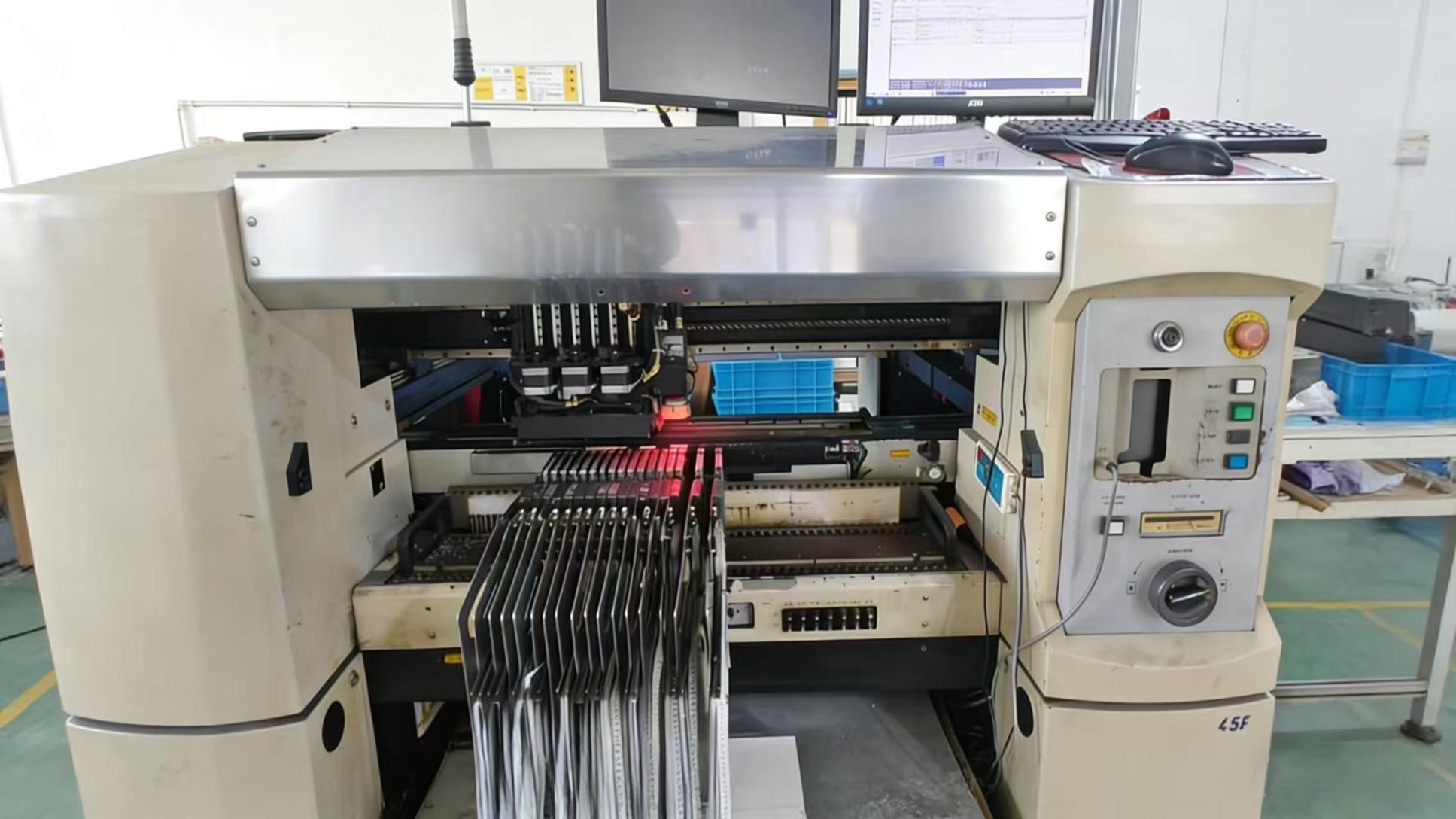
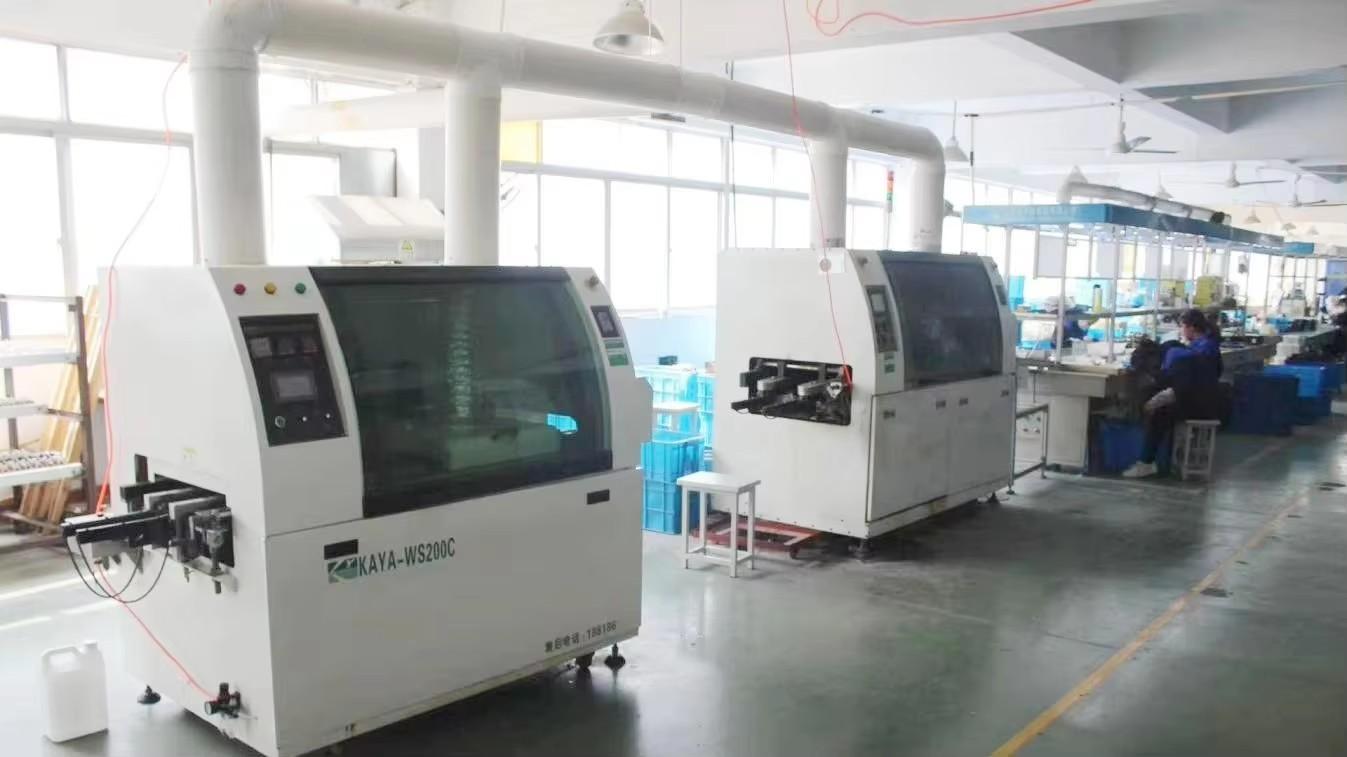
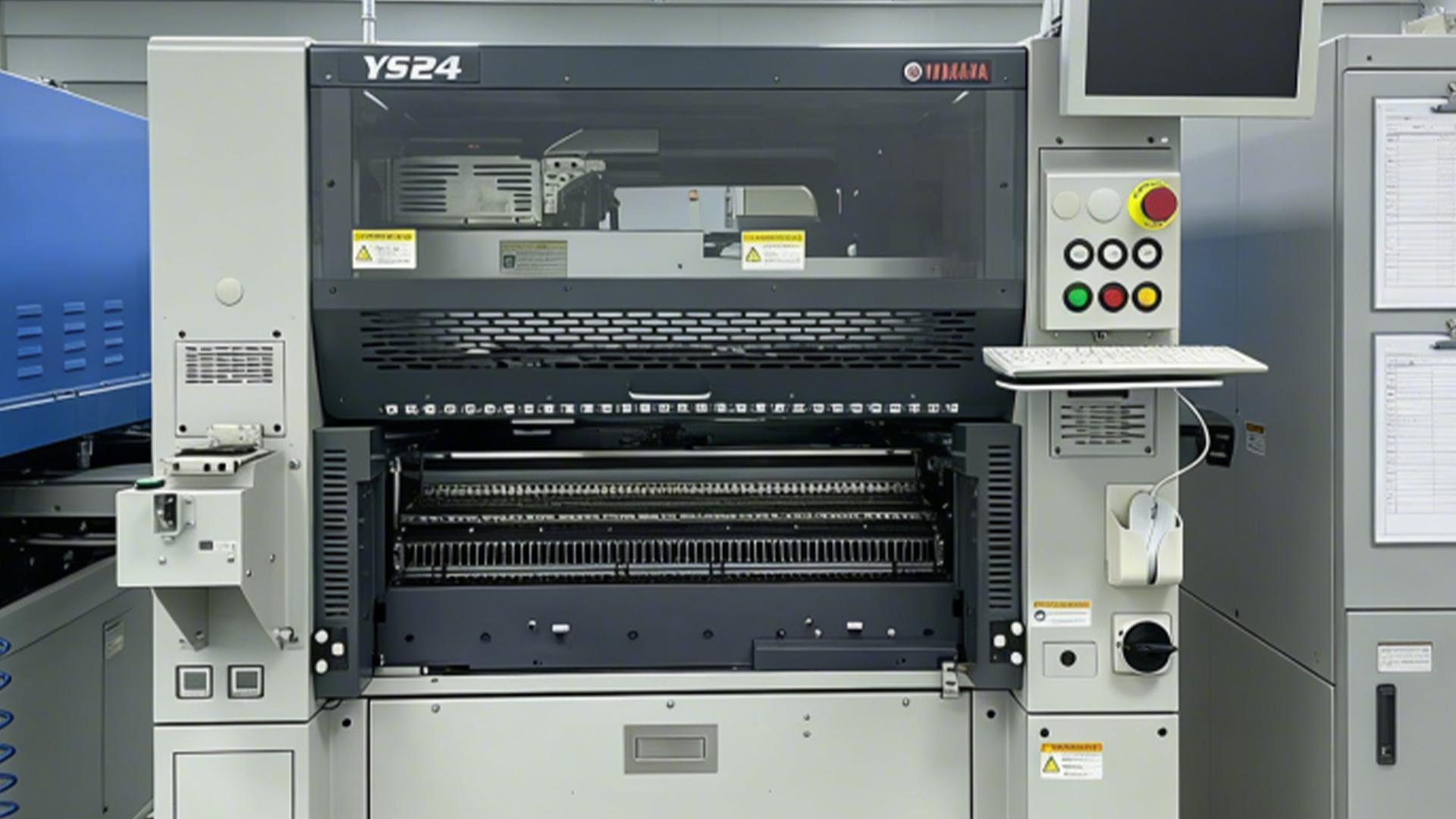
Located in Yueqing, Zhejiang—the epicenter of low-voltage electrical apparatus—our 44-employee facility operates verified surface-mount, thermal profiling, and burn-in testing departments.
Incoming verification of 105°C long-life electrolytic capacitors and genuine power MOSFETs, placed via automated high-speed SMT lines.
Multi-zone nitrogen-assisted reflow soldering tracked by automated optical inspection (AOI) to eliminate solder bridging and tombstoning.
Specialized through-hole magnetic soldering followed by bench calibration of output voltage tolerances and current limit setpoints.
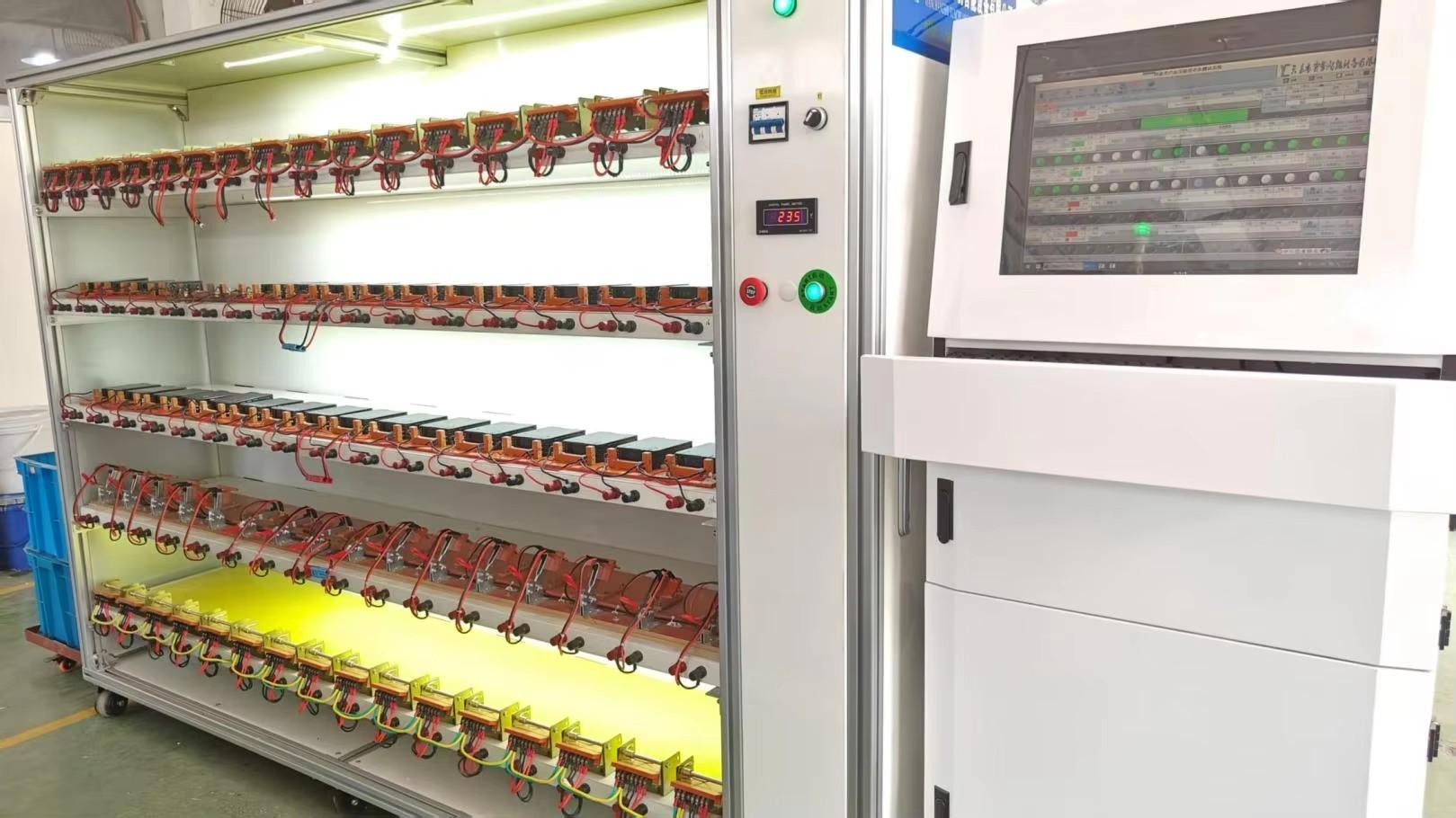
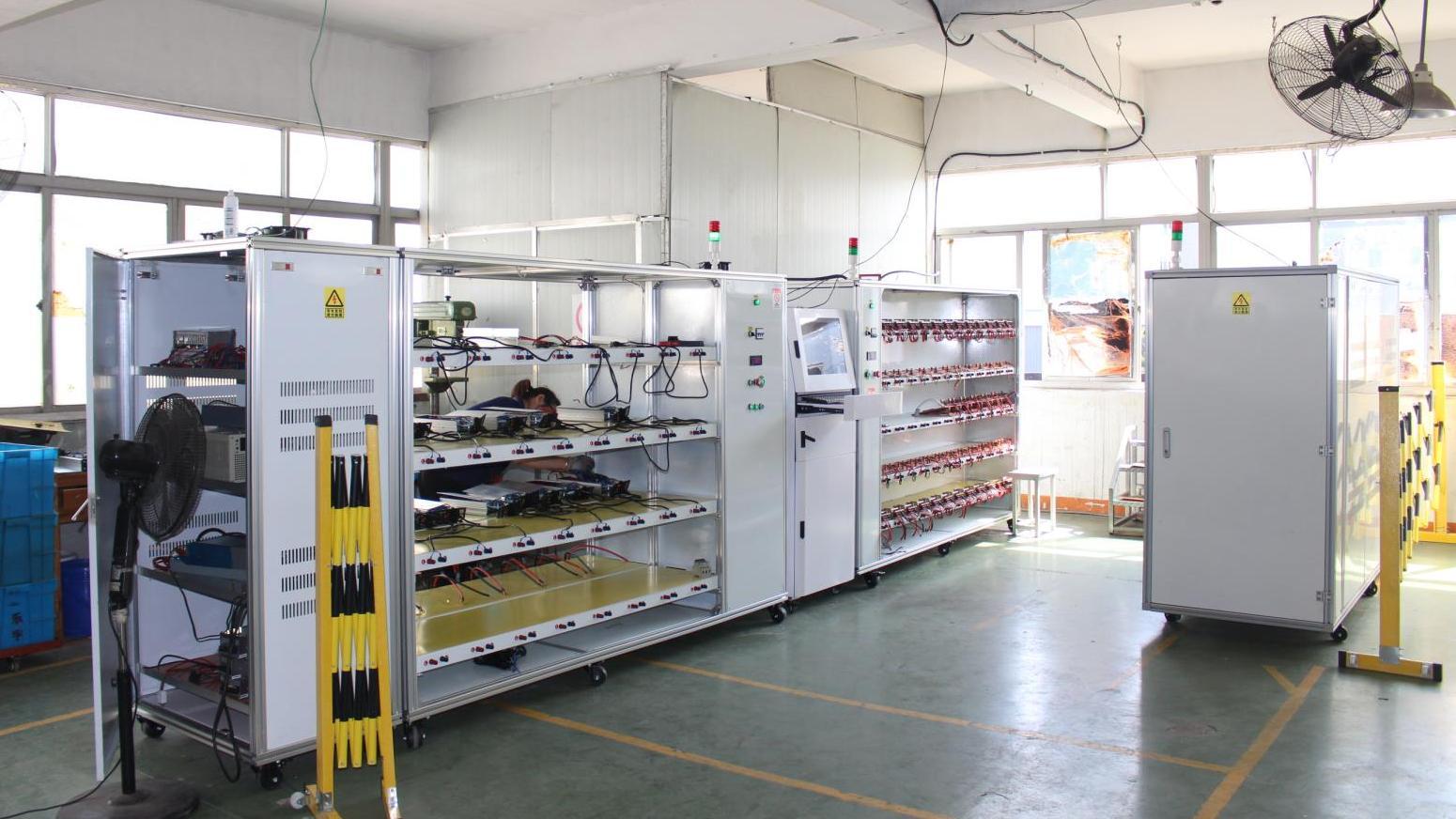
Every unit undergoes 4 to 12 hours of dynamic elevated-temperature burn-in testing on dedicated load racks before final CE packaging release.
Essential guidance on CE compliance, customs documentation, minimum order quantities, and technical customization for Hungarian plant projects.
Yes. All standard DIN-rail power supplies, enclosed switching power modules, and non-isolated DC-DC converters carry the CE mark. They comply with the Low Voltage Directive (LVD) 2014/35/EU and the Electromagnetic Compatibility (EMC) Directive 2014/30/EU, meeting EN 61000-6-2 (Industrial Immunity) and EN 55032 / EN 61000-6-4 (Emissions). Full EU Declarations of Conformity (DoC) and certified third-party laboratory test reports are provided directly to your compliance and engineering departments upon inquiry.
We provide flexible freight solutions tailored to European production schedules. Urgent pilot samples and critical maintenance spares ship via air express (DHL/FedEx/UPS) reaching Debrecen International Airport (DEB) or Budapest Liszt Ferenc International Airport (BUD) in 4 to 7 business days. For volume container shipments, freight travels either via China-Europe Railway Express (arriving at the BILK terminal in Budapest in 18 to 22 days) or via ocean container to Koper or Hamburg with direct road transit into the Hajdú-Bihar county industrial hubs.
Absolutely. As an audited Custom Manufacturer verified on-site by TÜV Rheinland, our in-house engineering team (each with 5+ years of SMPS design experience) offers OEM/ODM customization. We can engineer custom step-down conversion ratios, adjust overcurrent trip profiles to suit high-inrush servo loads, modify sheet metal enclosures for low-profile panels, and apply automated conformal coating (acrylic or silicone) to safeguard components against cleanroom chemicals, airborne moisture, and dust ingress.
To support design engineering teams, system integrators, and university research facilities in Debrecen, standard catalog models (such as our EDR, NDR, LRS, and SP series) can be sampled starting from 1 piece. Standard production batch runs start from 10 to 50 pieces depending on casing specifications, while custom electrical engineering or tailored PCB enclosures have project-specific MOQs discussed during technical consultation.
Our quality management follows an 8-stage operational verification process. Rather than sampling batches randomly, 100% of finished power units undergo full-load burn-in (aging) testing under maximum operating temperatures. Automated testing racks subject each unit to dynamic load switching and cyclical thermal stresses, screening out latent component defects prior to packaging and dispatch.
