Standard & Custom Power Hardware Portfolio
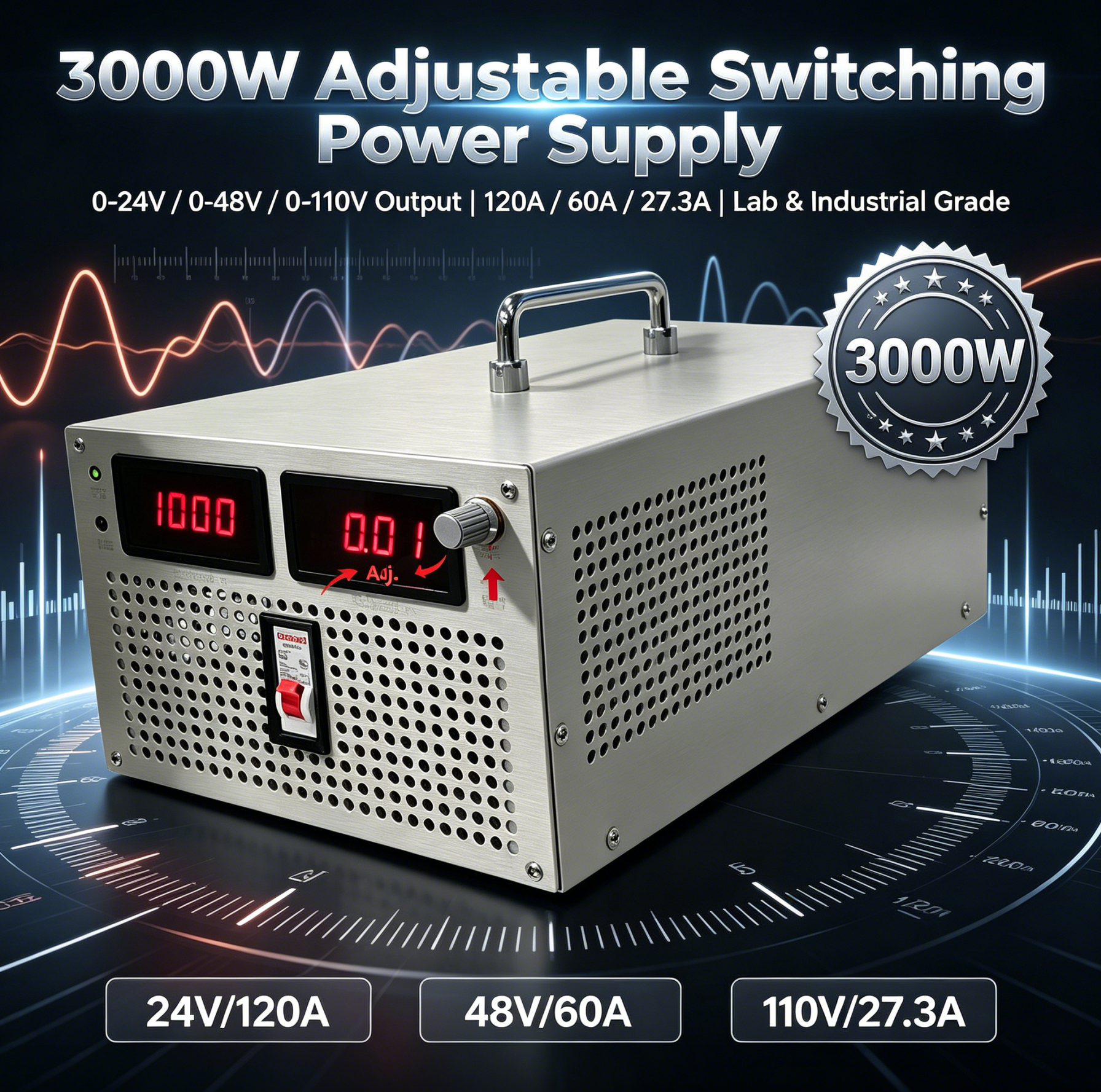
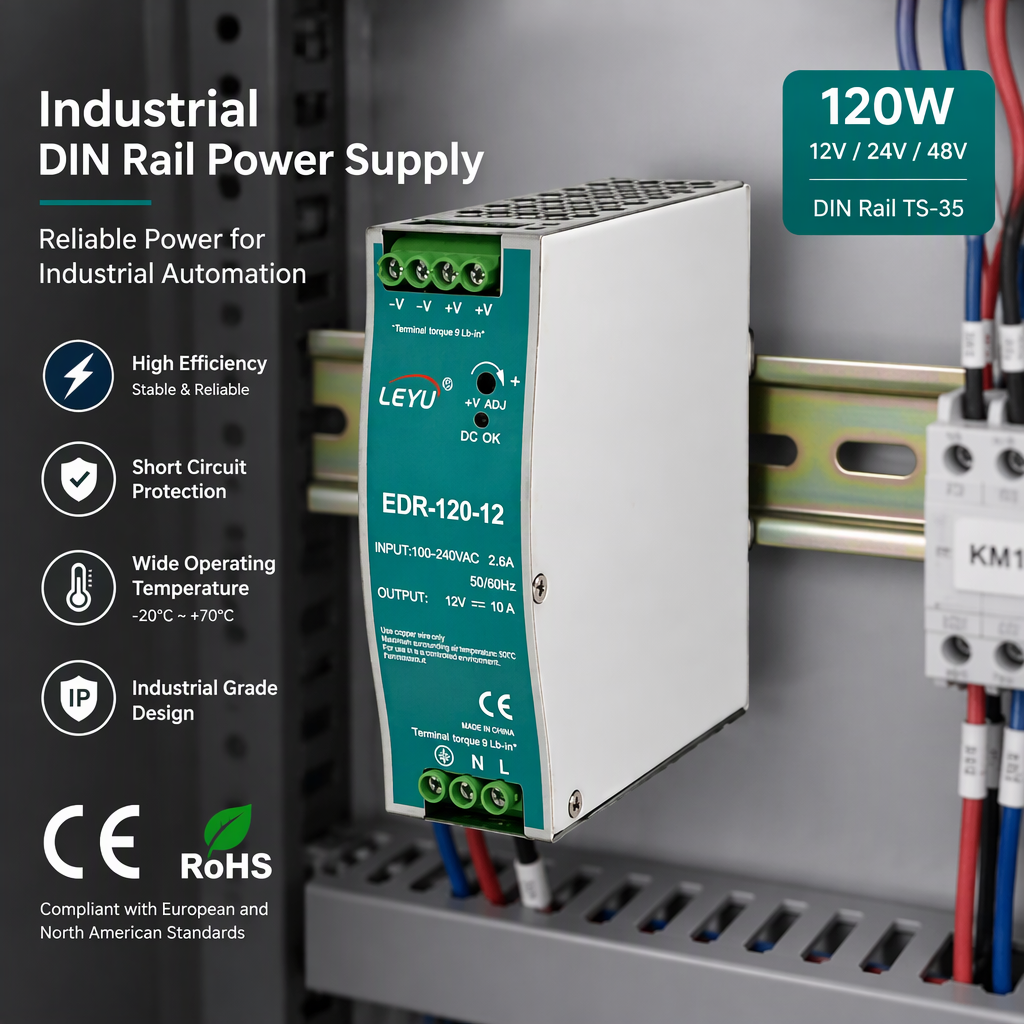
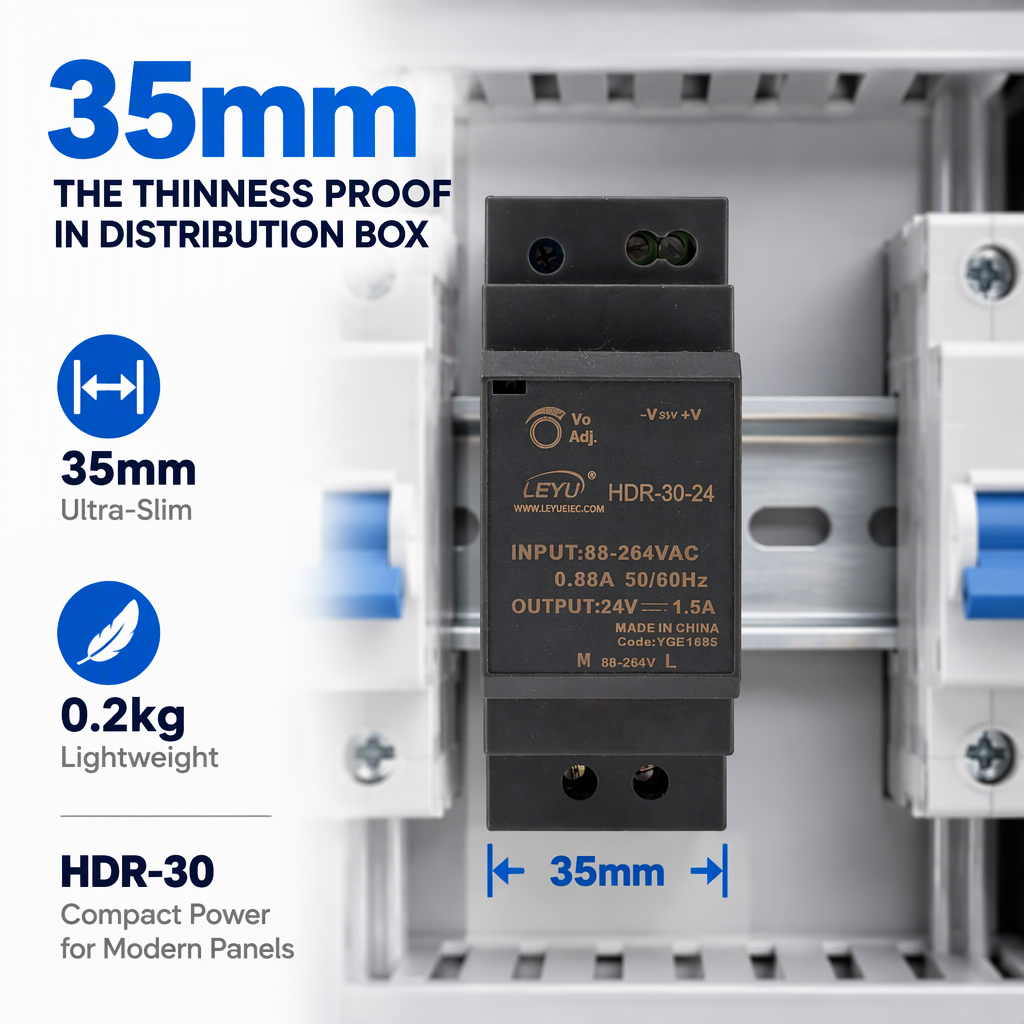
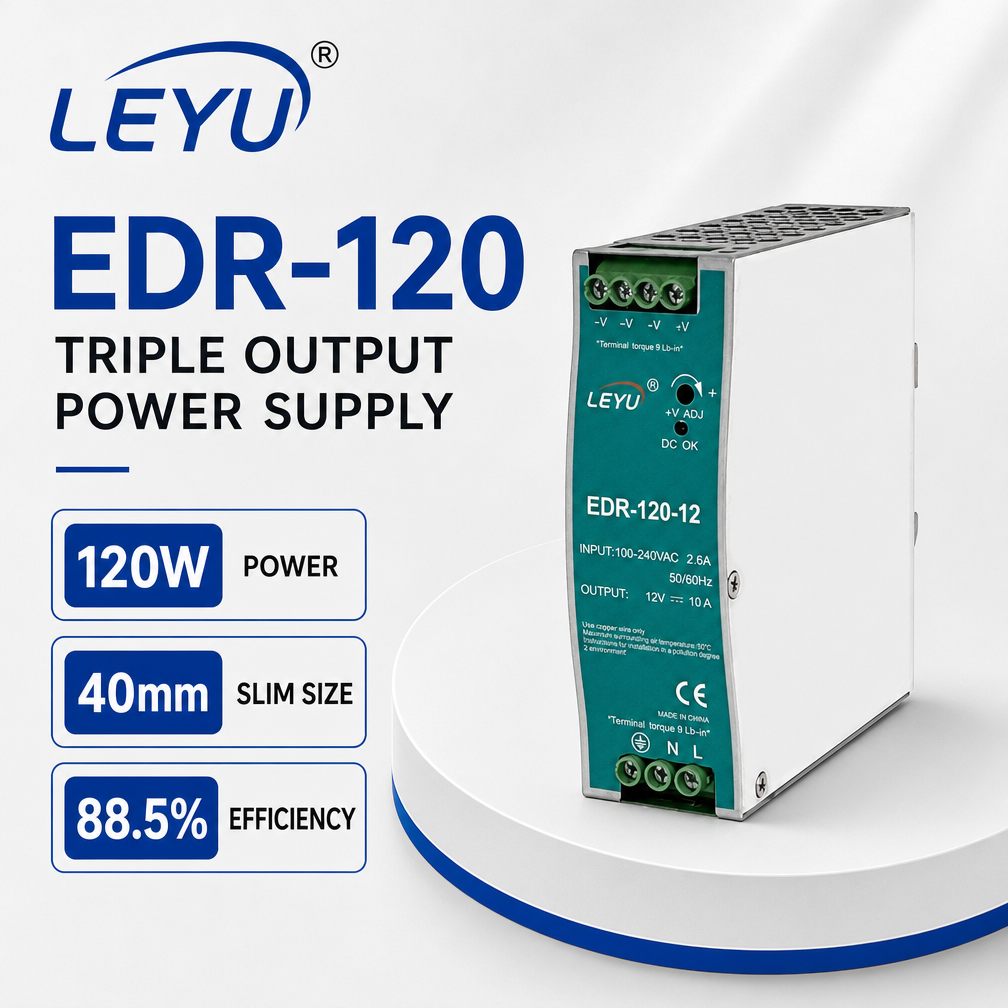
Engineered for high power density, superior thermal management, and seamless TS35 rail integration across Swiss industrial cabinets.
Architecture Analysis: Non-Isolated DC-DC Regulators in Basel's Industrial Grid
Why Tier-1 European systems engineers are transitioning from bulky isolated converter topologies to high-efficiency non-isolated POL architectures for centralized DC bus deployment.
Efficiency & Thermal Dissipation Dynamics
By eliminating bulky magnetic core transformers, non-isolated DC-DC converters achieve typical power conversion efficiencies between 94% and 98%. In densely populated industrial DIN-rail cabinets across Basel's chemical synthesis and biotechnology plants, every wasted watt translates into heat stress.
Non-isolated synchronous buck regulators reduce thermal dissipation inside IP66-sealed stainless steel enclosures, extending the MTBF of adjacent microcontrollers and sensor interfaces without demanding forced-air cooling.
Volumetric Power Density Optimization
Modern process automation panels require compact spatial footprints. Non-isolated topologies leverage high-frequency GaN and advanced silicon MOSFET switching stages (up to 500 kHz - 1 MHz), dramatically shrinking the requisite filter capacitors and inductors.
For Swiss mechanical OEMs, our compact point-of-load converters deliver up to 30W/cm³, enabling direct placement on multi-axis robotic motherboards and optical analytical backplanes where spatial clearance is strictly limited.
Cost Rationalization in Shared-Ground Systems
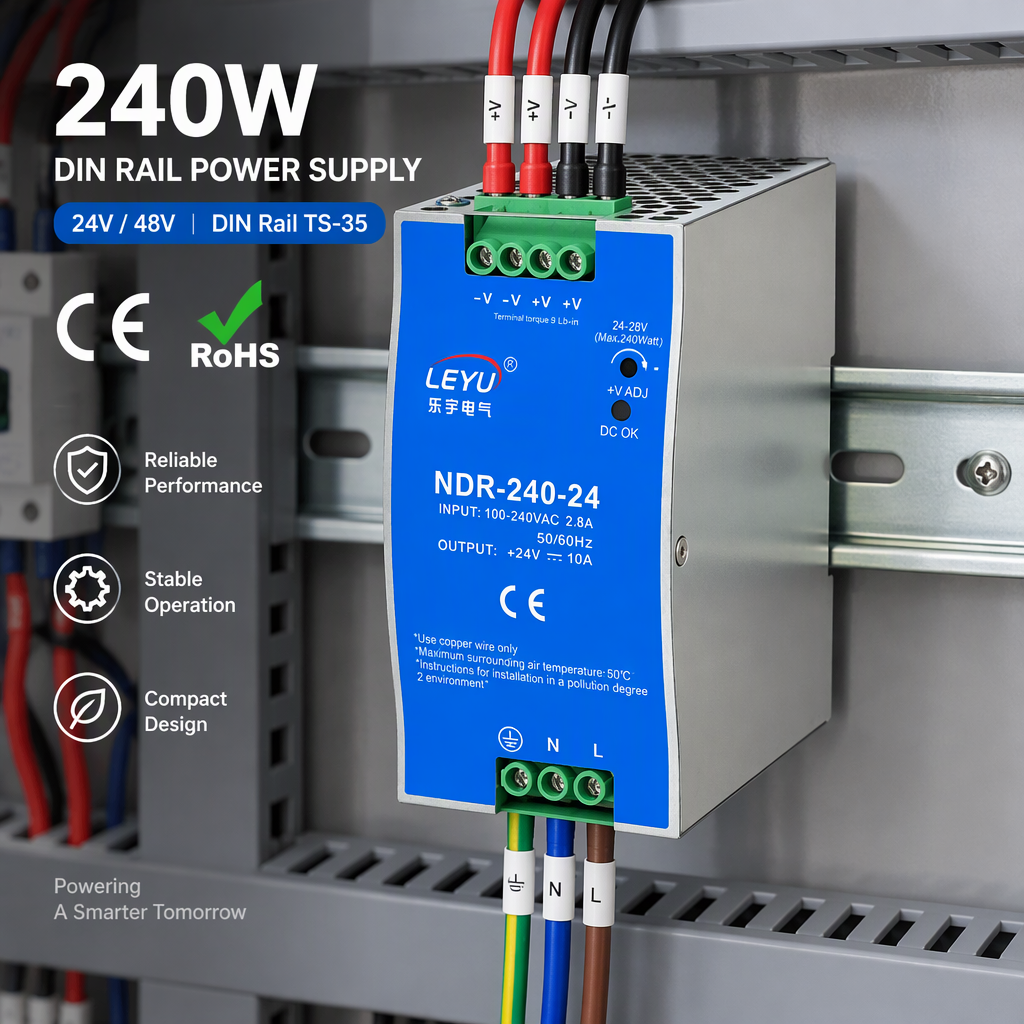
Galvanic isolation introduces substantial bill-of-materials overhead via optocouplers, safety capacitors, and transformer winding cores. In systems where the AC-DC front-end (such as our TÜV-certified DRP and NDR DIN-rail supplies) already establishes double/reinforced galvanic isolation from the Swiss utility grid (230V/400V 50Hz), downstream isolation is redundant.
Adopting China-manufactured non-isolated intermediate converters allows Basel panel builders to decrease hardware procurement costs by 30% to 45% while preserving robust common-ground signal integrity.
| Architecture Feature | Non-Isolated Synchronous Buck / Boost | Traditional Isolated Forward / Flyback | Impact on Basel System Integrators |
|---|---|---|---|
| Typical Conversion Efficiency | 94% – 98.2% | 82% – 89% | Eliminates cabinet cooling fans; satisfies Swiss Energy Efficiency Directives. |
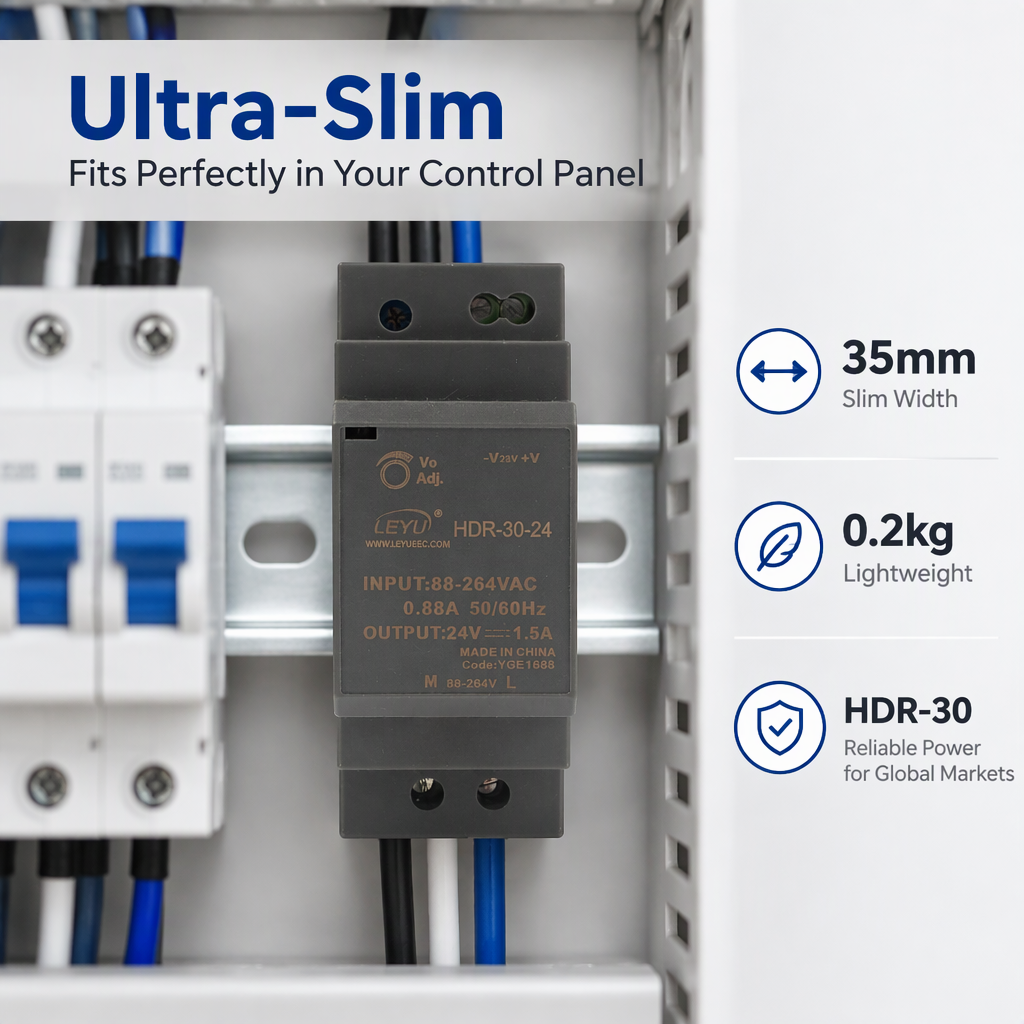
| Form Factor & Footprint | Ultra-Compact (Up to 60% smaller) | Standard to Bulky (Transformer-limited) | Fits tightly packed TS35 DIN-rail assemblies and narrow pharmaceutical automation enclosures. |
| Transient Response (0-100% step) | Ultra-Fast (< 50μs recovery) | Moderate (150μs – 500μs) | Zero droop during dynamic high-speed valve actuation and servo indexing. |
| Bill of Materials (BOM) Cost | Economical (Direct component routing) | High (Optocouplers, high-pot isolation components) | Significant margin gains for competitive serial machine manufacturing. |
| Galvanic Isolation | None (Common Ground Loop) | 1.5kV – 3kV AC Isolation Barrier | Perfect downstream of already isolated industrial SMPS supplies. |
High-Precision Applications Across Canton Basel-Stadt & Basel-Landschaft
From the Klybeck and Schweizerhalle life-sciences corridors to the multi-modal logistics hubs along the Rhine, our power converters support mission-critical infrastructure.
Pharmaceutical & Biochemical Process Synthesis
Basel is globally recognized as the epicenter of life sciences. Biochemical analytical instrumentation, chromatography skids, and automated microfluidic liquid handlers depend on pristine DC supply stability.
Our non-isolated POL converters step down centralized 24V DC cabinet distribution buses to 5V, 3.3V, and 1.8V with ultra-low output ripple (<15mVp-p), ensuring micro-pipetting servos and mass spectrometry photodetectors operate free of electrical noise.
Rhine Port Tri-Modal Logistics & AGV Fleets
The Rhine ports around Kleinhüningen and Birsfelden handle substantial inland freight. Automated Guided Vehicles (AGVs) and automated high-bay warehouses require rugged onboard DC-DC step-down converters.
Operating from 48V or 36V lithium-iron traction batteries, our modules supply auxiliary power to LiDAR sensors, safety PLCs, and optical bar-code scanners under severe vibration, broad ambient temperatures, and constant load changes.
Cleanroom Precision Automation & Micro-Machining
Basel-Landschaft houses premier micro-mechanical engineering and cleanroom automation facilities. These systems cannot tolerate electromagnetic interference that corrupts precision optical positioning tables or encoder readouts.
Our non-isolated modules are equipped with multi-stage integrated LC filters and optimized PCB flux-cancellation shielding, easily complying with EN 61000-6-3 radiated and conducted emission thresholds without external filter boards.
Emerging Power Electronics Trends in the Swiss Market
Three core evolutionary shifts dictating DC-DC supply qualification among Swiss electrical design engineers.
Migration to 48V DC Microgrid Bus Standards
Driven by energy-saving targets across Swiss industrial parks, machinery builders are moving away from traditional 12V/24V high-current central lines to 48V Intermediate Bus Architectures (IBA). This shift cuts $I^2R$ copper distribution losses by up to 75%.
Keldan supports this transition with wide-input non-isolated buck converters capable of handling 36V–72V down to regulated 12V or 24V sub-rails with conversion efficiencies topping 96.5% under continuous operating load.
Direct Compliance with Strict Swiss RoHS & Eco-Design Directives
Procurement teams serving Basel enterprises face severe regulatory scrutiny under Swiss Federal Chemicals Legislation (ChemRRV) aligning directly with EU RoHS 3 and REACH SVHC restrictions.
Keldan guarantees 100% material transparency, sourcing solely conflict-free minerals and lead-free passivation metals. We deliver complete laboratory material declaration dossiers to facilitate rapid Swiss market customs clearance and client audits.
Reshoring Strategic Stock & Agile Dual-Sourcing Partnerships
Supply chain shocks have led Swiss purchasing groups to adopt hybrid vendor strategies: partnering directly with Chinese tier-one manufacturers for volume and custom engineering, while maintaining regional buffer safety stock in Central European distribution hubs.
Our direct container and air-cargo logistics lines connect Yueqing through Zurich (ZRH) and EuroAirport Basel-Mulhouse-Freiburg (BSL/MLH) with scheduled lead times and end-to-end trace tracking.
Why Yueqing Keldan Technology Co., Ltd. Stands Apart
Based in Yueqing, Wenzhou—China's preeminent electrical engineering cluster—we combine industrial scale with stringent European quality controls verified by TÜV Rheinland.
TÜV Rheinland Onsite-Verified Production
Unlike trading intermediaries, our manufacturing facility has been physically inspected and audited by TÜV Rheinland. We maintain dedicated high-speed SMT surface-mount lines, automated multi-zone reflow ovens, and real-time AOI optical inspection rigs.
Our staff of 44 professionals, guided by senior engineers with over a decade of specialized SMPS experience, guarantees strict manufacturing compliance across all batch runs.
100% Full-Load Thermal Burn-In Protocol
Field unreliability is unacceptable in Basel's automated medical and processing lines. Every power supply and converter leaving our Yueqing factory undergoes an exhaustive 8-step quality verification cycle.
This includes raw material incoming screening, high-frequency manual calibration, and a mandatory elevated-temperature full-load aging test on automated burn-in racks to root out early component mortality.
Engineering-Led OEM/ODM Customization
We tailor converter solutions from initial concept drawings or physical benchmark samples. Custom capabilities include specialized input/output voltages, non-standard mechanical enclosures, customized PCB conformal coating for chemical resistance, and private labeling.
Our dedicated multilingual export team works across Central European Time (CET) to provide complete datasheets, STEP CAD models, and test certificates within 24 hours.
Frequently Asked Questions by Swiss Buyers & Engineers
Direct answers addressing safety certification, supply continuity, electromagnetic compatibility, and customization parameters.
Can non-isolated DC-DC converters safely be used in Swiss machinery without violating SEV or CE guidelines?
How do your non-isolated converters address common ground-loop interference in sensitive instrumentation?
What are the standard freight transit timelines and incoterms available for shipments to Basel?
What is the Minimum Order Quantity (MOQ) for custom-modified electrical specs or private labeling?
How are thermal derating curves certified for operation inside non-ventilated IP65/IP67 control cabinets?
What documentation is provided to satisfy internal Swiss quality control and CE conformity records?
Accelerate Your Power Architecture with Factory-Direct Engineering
Whether you require standard TS35 DIN-rail power modules or custom non-isolated point-of-load DC-DC converter boards for specialized instrumentation in Basel, our engineering department will formulate a comprehensive technical proposal and deliver sample evaluation units.
Send an Inquiry