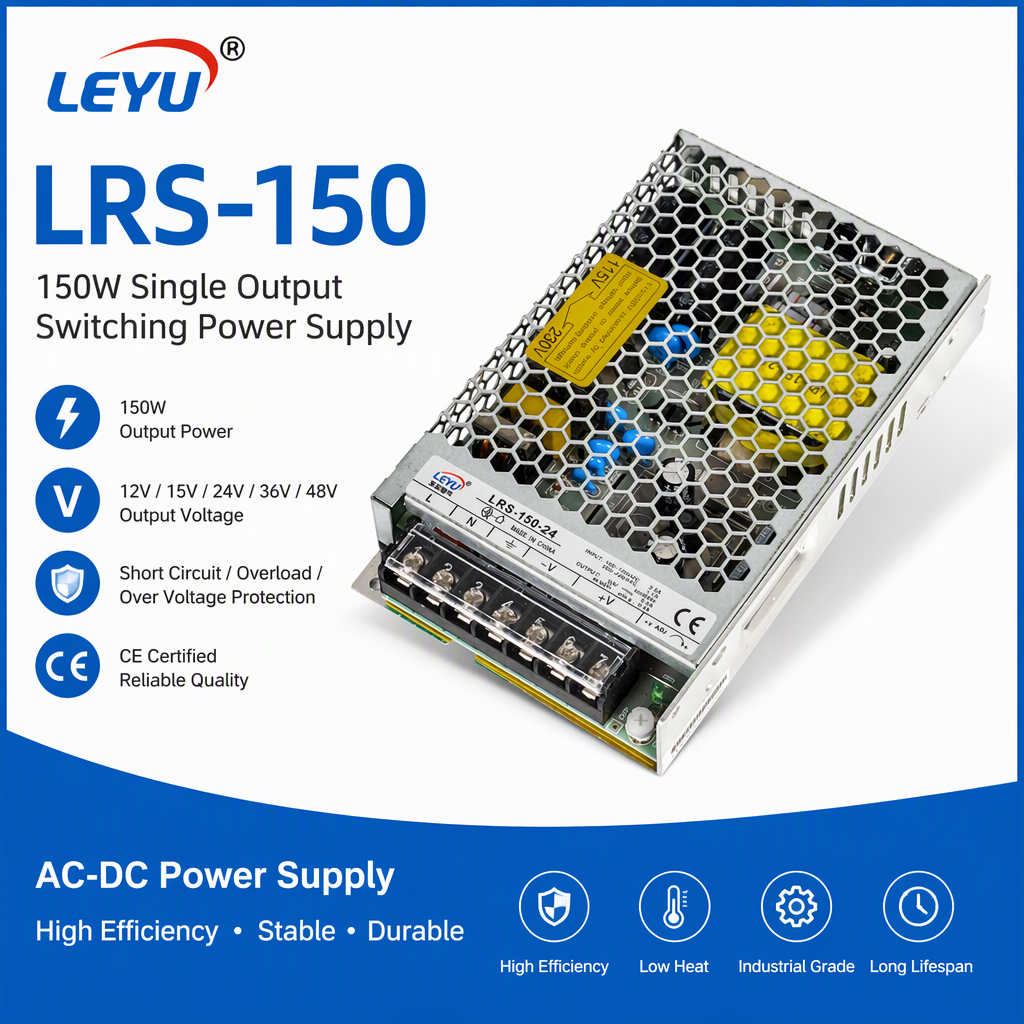
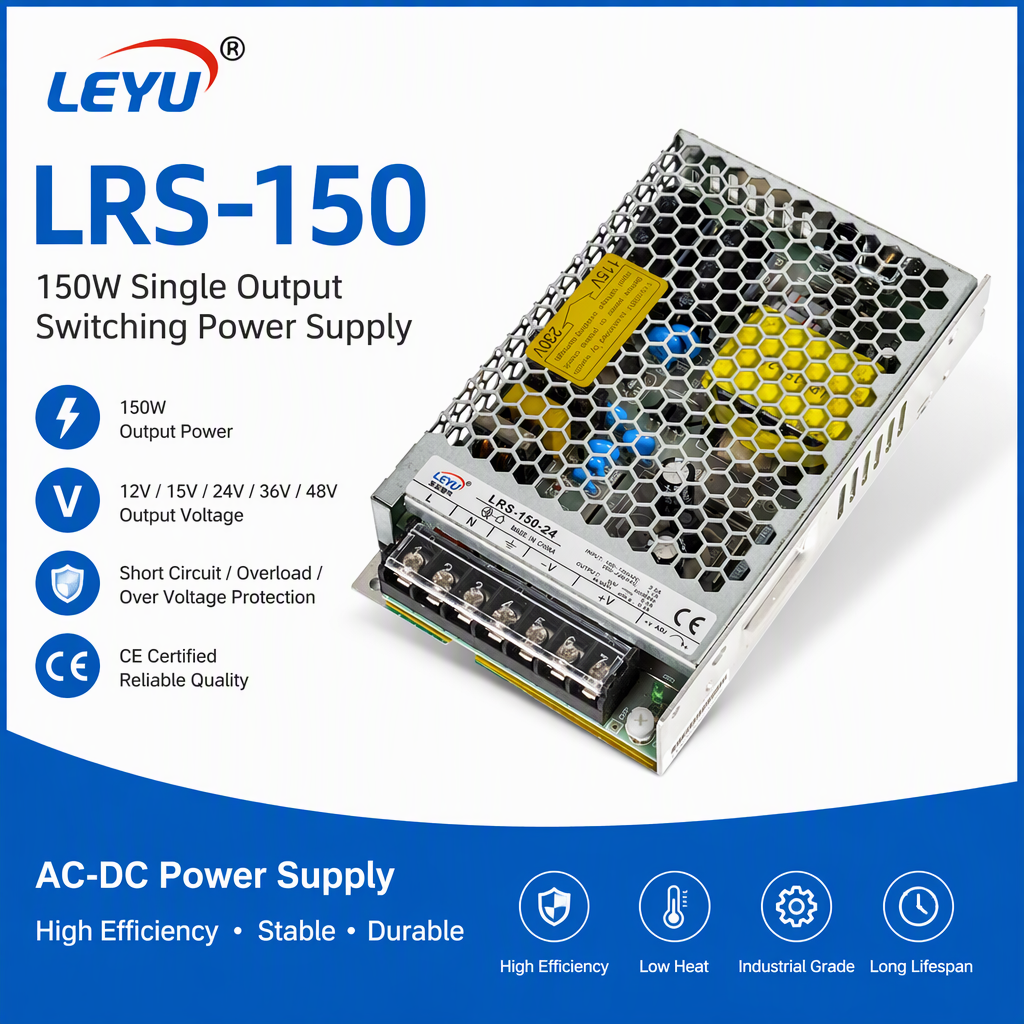
LEYU LRS-150-24 AC DC Switching Power Supply 150W 24V 6.5A Single Output SMPS for Industrial Equipment LED Lighting
150W / 24V / 6.5A
Low-Profile 30mm
CE Certified
Industrial-grade DIN Rail units, low-profile enclosed switching supplies, high-power DC variable sources, and weather-sealed drivers designed for heavy electrical transients and high-humidity operational conditions.
An empirical evaluation of regional grid behavior, tropical climatic stress, logistics via the Boten–Vientiane railway corridor, and component topology selection.
The electrification landscape in northern Laos, and specifically the greater Luang Prabang administrative and commercial zone, presents a unique confluence of rapidly expanding industrial modernization and demanding operational environments. As an international UNESCO World Heritage hub surrounded by emerging agricultural processing centers, hydroelectric generation infrastructure along the Nam Ou and Mekong rivers, and active stations along the China-Laos Railway (Boten–Vientiane railway corridor), electrical systems deployed across Luang Prabang face severe electrical and environmental challenges.
Switching Mode Power Supplies (SMPS) deployed throughout Luang Prabang are subjected to regular AC line input excursions from 170V to over 265V due to long-distance distribution lines, local grid unbalances, and high inductive switching transients during lightning-heavy tropical monsoon cycles. Sourcing power supplies that merely comply with standard commercial indoor tolerances often results in premature electrolytic capacitor dry-out, thermal runaway in switching power MOSFETs, and frequent brownout cut-offs.
Chinese direct manufacturing exporters—specifically those concentrated in Yueqing, Wenzhou's low-voltage electrical cluster—are structurally uniquely positioned to supply the Luang Prabang procurement ecosystem. By deploying components featuring wide-input tolerance circuits (85–264VAC universal input), high-grade 105°C-rated long-life capacitors, and conformal coating options for resistance against condensation and fungal buildup, industrial purchasers in Luang Prabang achieve significant improvements in mean-time-between-failures (MTBF) while lowering total cost of ownership (TCO).
Where and how industrial-grade SMPS platforms deliver critical 24/7 reliability across northern Laos.
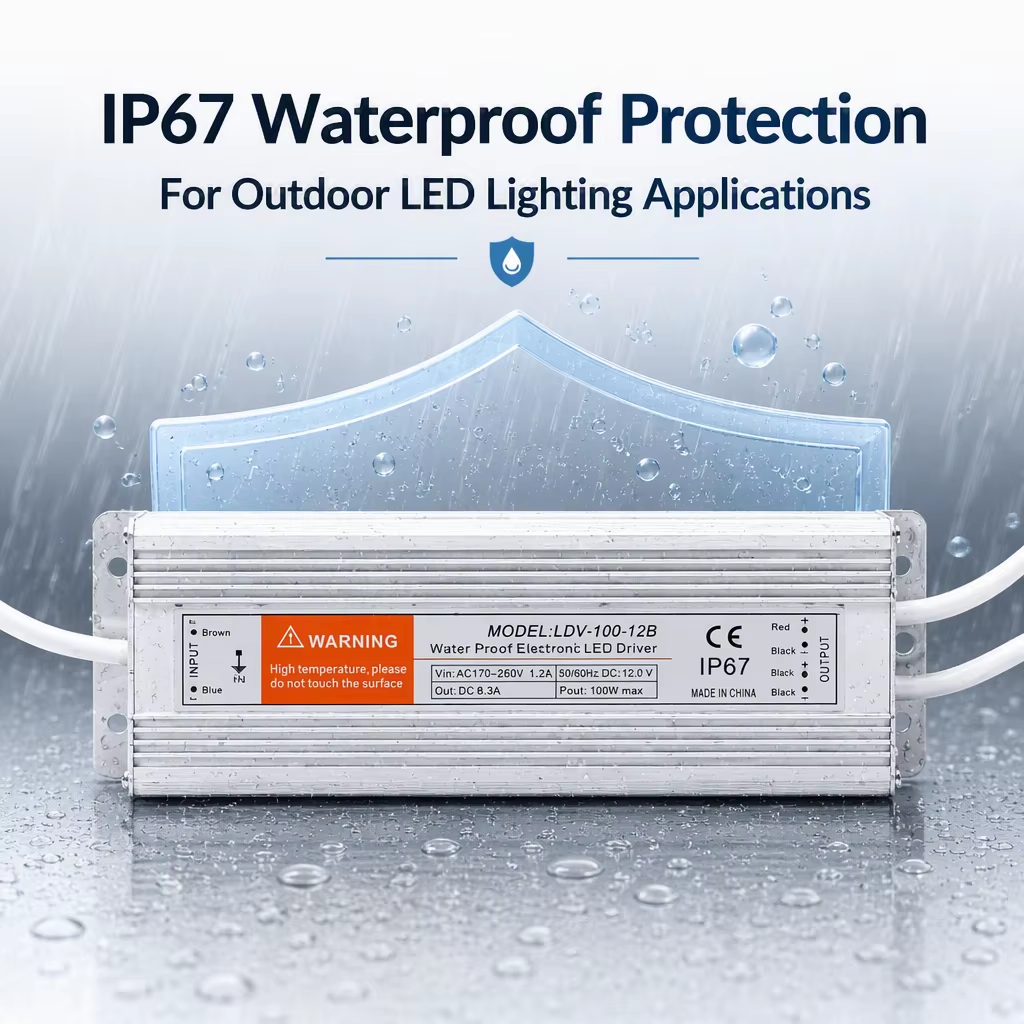
Luang Prabang’s historic boutique hotels, French colonial restoration projects, and riverside night markets require seamless architectural illumination. Ultra-slim LRS units and IP67 waterproof constant-voltage 12V/24V power supplies deliver silent, flicker-free low-voltage conversion concealed inside timber ceilings, damp riverbank terraces, and outdoor signage displays without risking fire hazards or moisture creep.
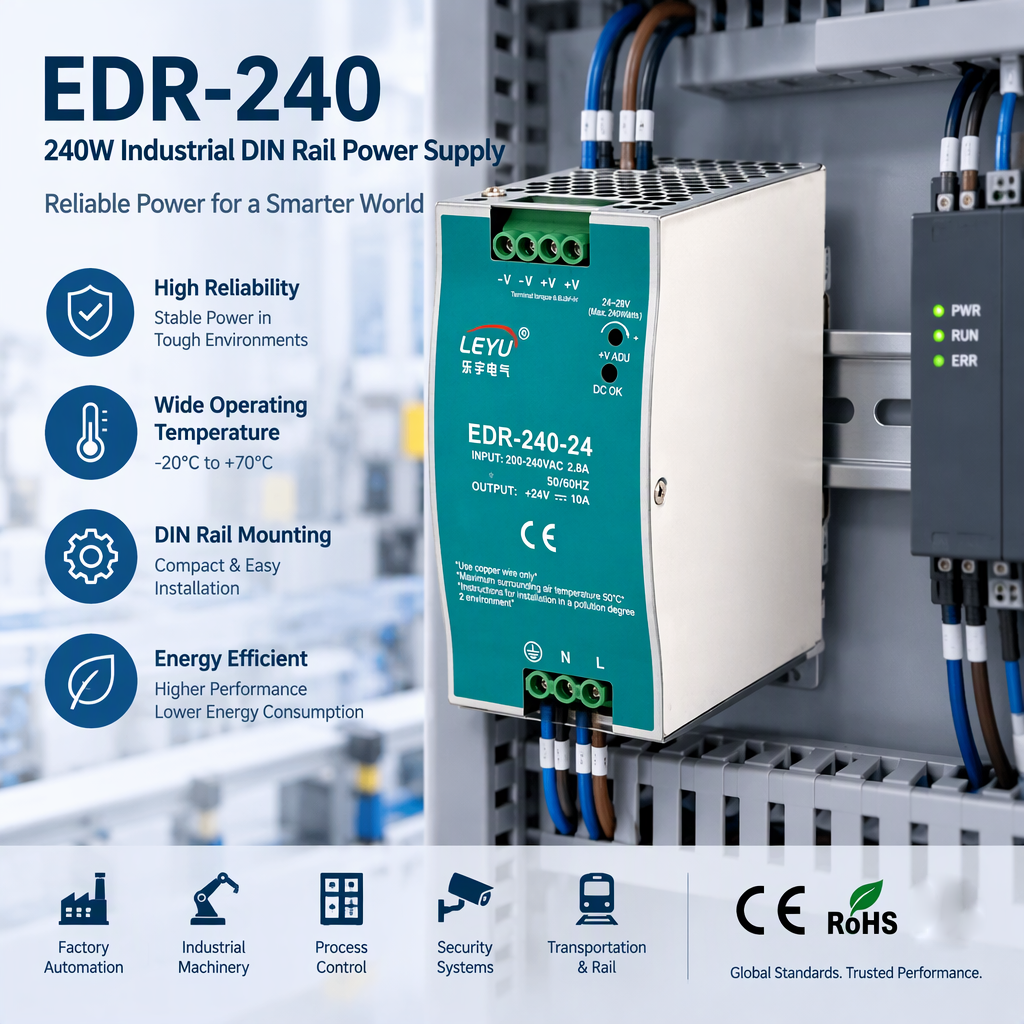
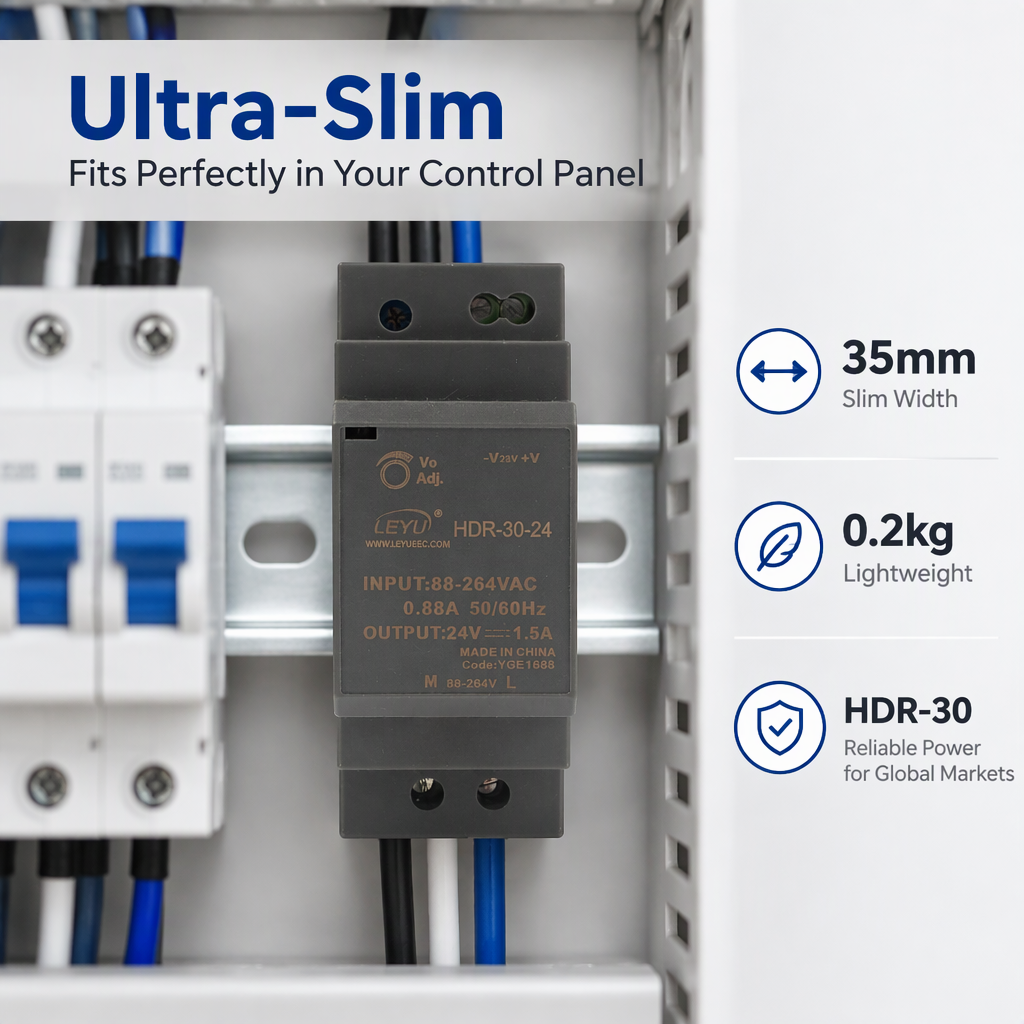
The operational expansion of the Luang Prabang Railway Station cargo transfer yards and surrounding dry ports requires robust automation. DIN Rail power supplies (NDR, EDR, and DRP 240W series) provide stable 24V DC to PLC cabinets, optical scanners, barrier controls, and automated weighbridge sensors, engineered with high electromagnetic compatibility (EMC) to resist high-voltage track surges.
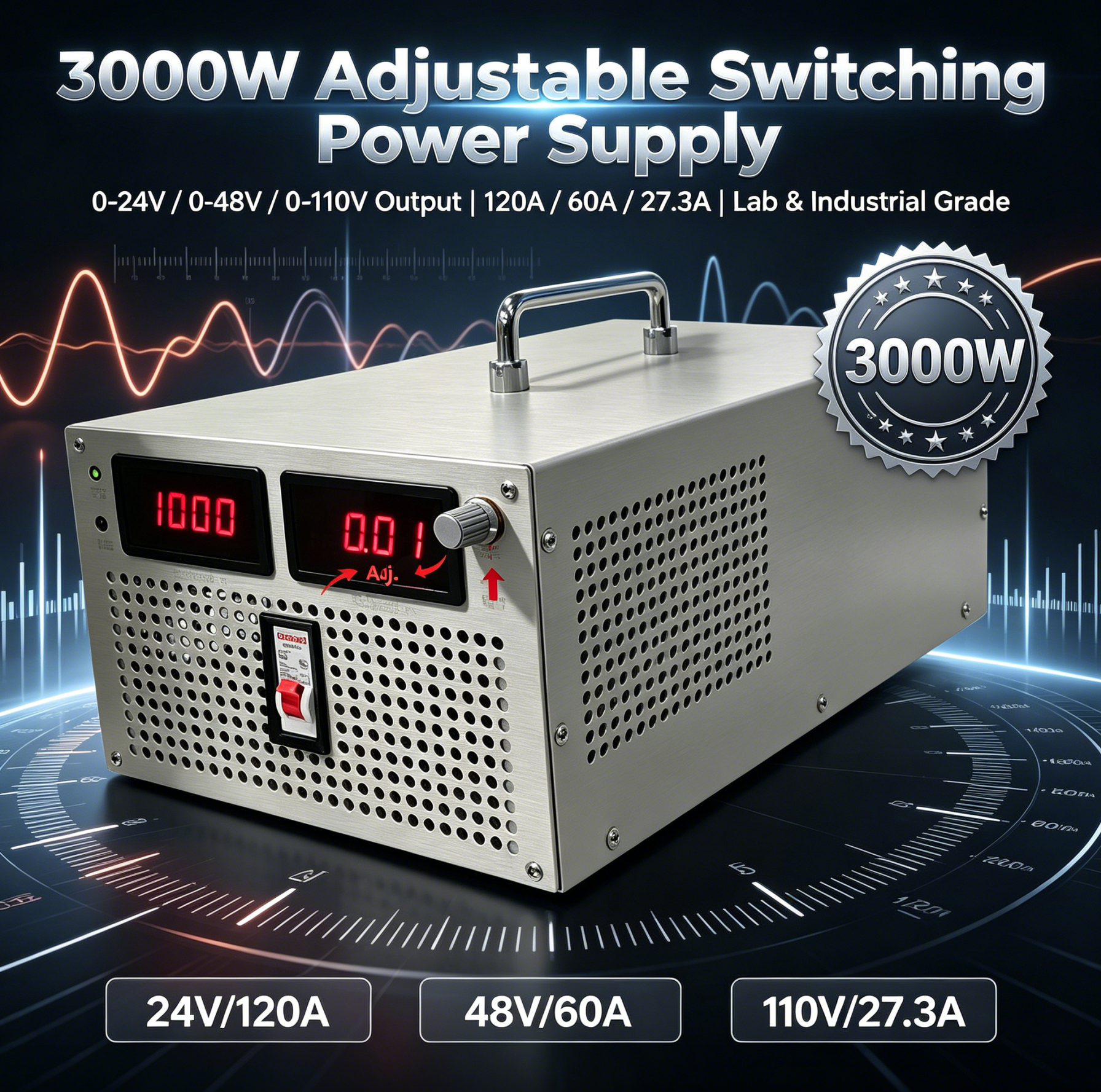
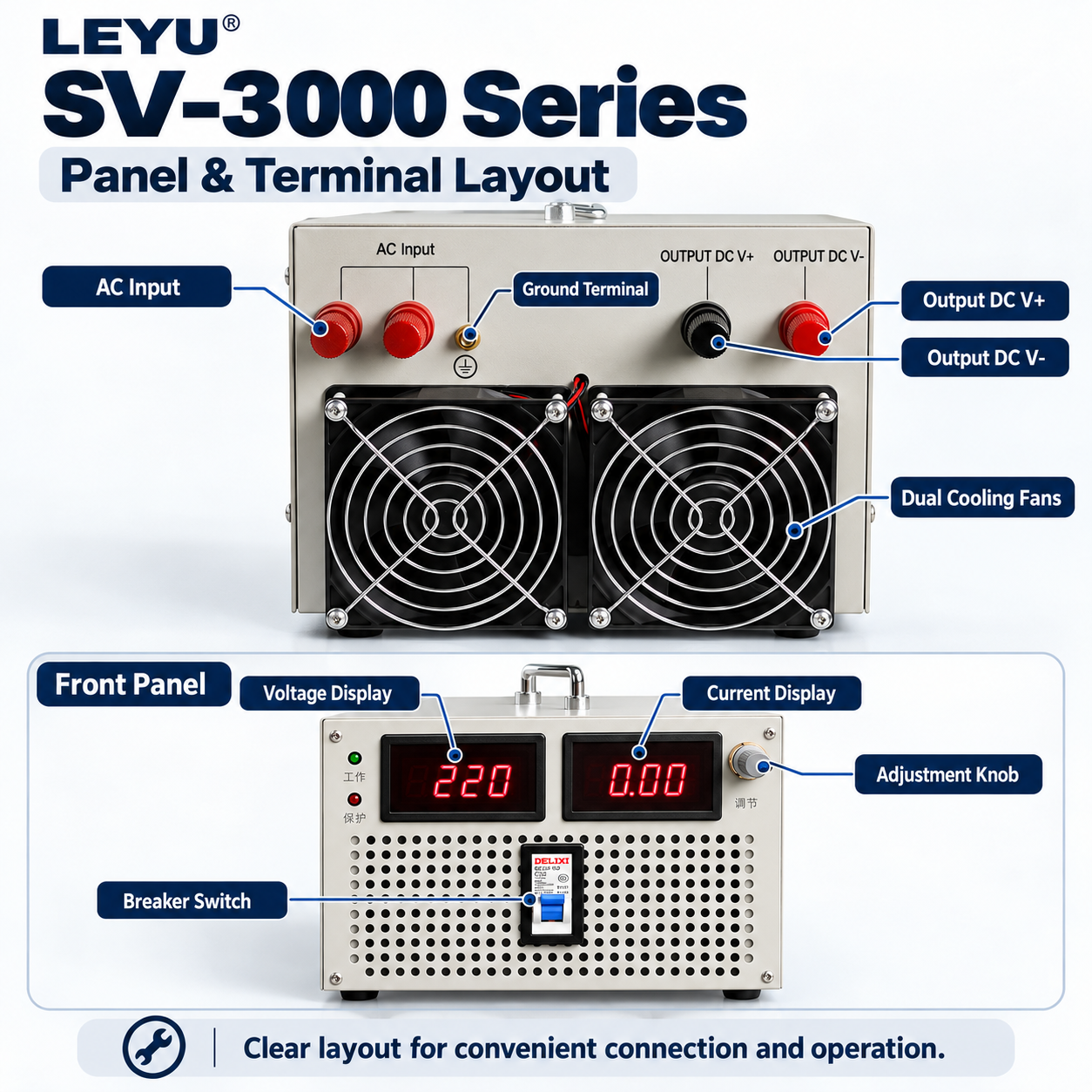
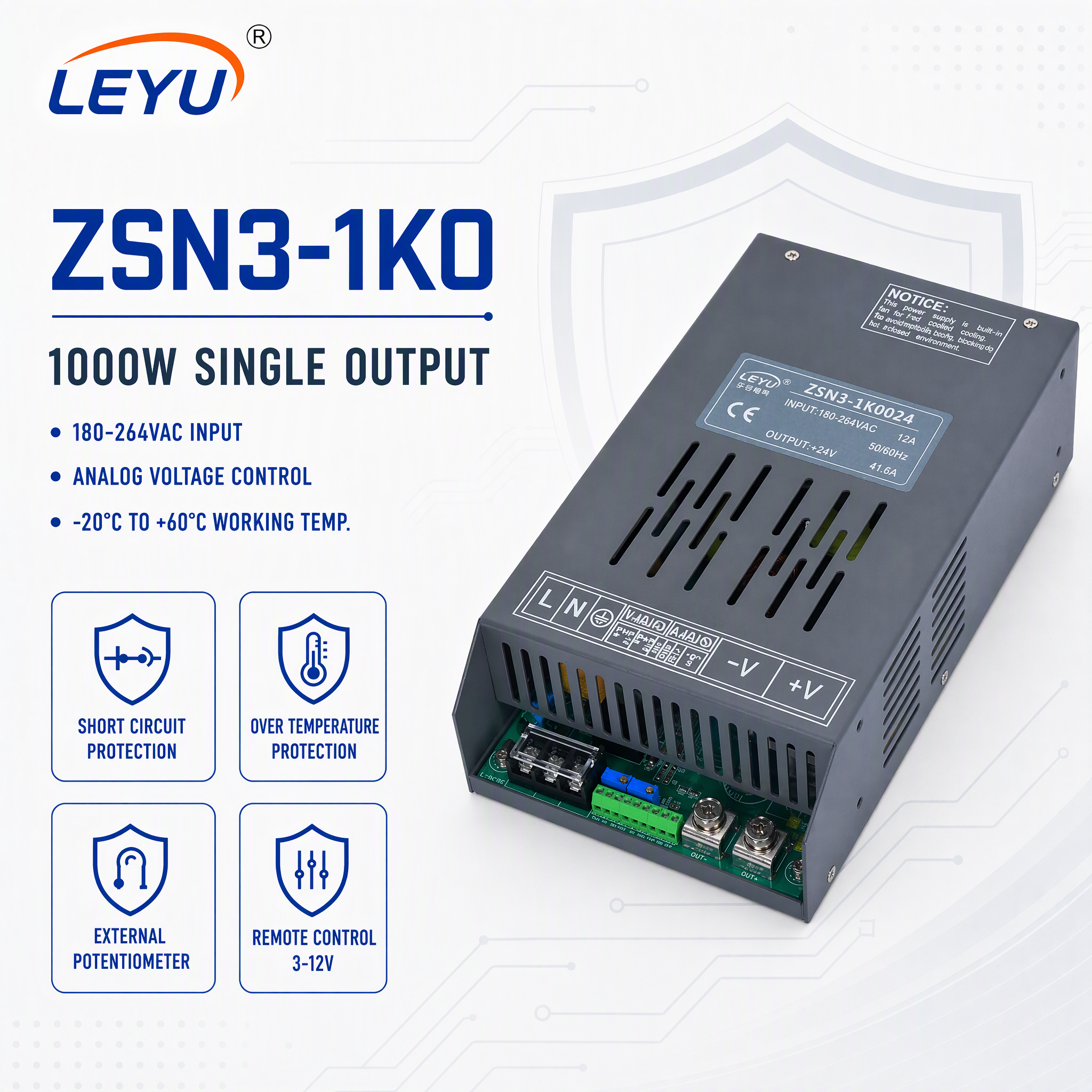
Rubber, tropical fruit drying facilities, coffee processing mills, and regional water pumping stations require round-the-clock automation panels. Standard 24V single-output supplies and heavy-duty 1000W–3000W adjustable converters energize industrial motor drivers, solenoid valves, and continuous monitoring arrays, functioning reliably even during severe ambient humidity levels exceeding 90% RH.
Strategic supply chain advantages driven by Belt and Road regional connectivity and clean energy deployment.
The trade corridor connecting Yunnan Province through Mohan/Boten directly to Luang Prabang has collapsed the traditional lead-time penalty for industrial hardware. Previously, procurement in Luang Prabang relied on fragmented overland road transit from Vientiane or circuitous routes via Thailand. Today, direct rail logistics allow containerized and consolidated consignments of certified Yueqing electrical equipment to arrive at the Luang Prabang freight depot within 48 to 72 hours of customs clearance.
Concurrently, the Laotian government’s national policy prioritizing renewable energy integration and municipal smart-grid surveillance has initiated a replacement cycle for legacy, bulky linear transformers. Local electrical engineers, panel fabricators, and M&E contractors are shifting wholesale purchasing towards Active PFC (Power Factor Correction >0.95) DIN rail power supplies. These units significantly reduce reactive power losses, conform to international energy efficiency mandates, and operate safely under irregular transformer step-downs typical of regional sub-grids.
Direct from Yueqing, Zhejiang—audited facilities, comprehensive quality gates, and customized B2B export support.
Our facility has undergone stringent physical audits by TÜV Rheinland as a verified Custom Manufacturer, confirming operational integrity across all SMT, reflow soldering, and QA/QC testing workflows.
Every single power supply passes through rigorous automated testing gates: incoming raw material screening, AOI optical inspection, manual debugging, and multi-hour full-load burn-in racks to ensure zero out-of-box failures.
Supporting private labeling, tailored voltage configurations (5V, 12V, 24V, 36V, 48V, or stepped DC), custom metal stampings, and bespoke cable terminations, with standard sample validation available from 1 piece.
Our 12-person export and application engineering team provides complete technical datasheets, full CE compliance declarations, and optimized transit packaging tailored for the Boten–Luang Prabang trade route.
Clear technical, logistical, and warranty answers resolving core B2B purchasing queries.
