Constant Current Power Supply Factories & Factory for Washington DC
OEM/ODM Precision Current Drivers, High-Voltage Adjustable SMPS, and Active PFC DIN Rail Topologies for Federal, Defense, Transit, and Commercial Infrastructure
High-Reliability Constant Current & Switching Topologies
Pre-screened switching power solutions and constant current converters designed to meet demanding electrical loads in the greater District of Columbia, Northern Virginia, and suburban Maryland.
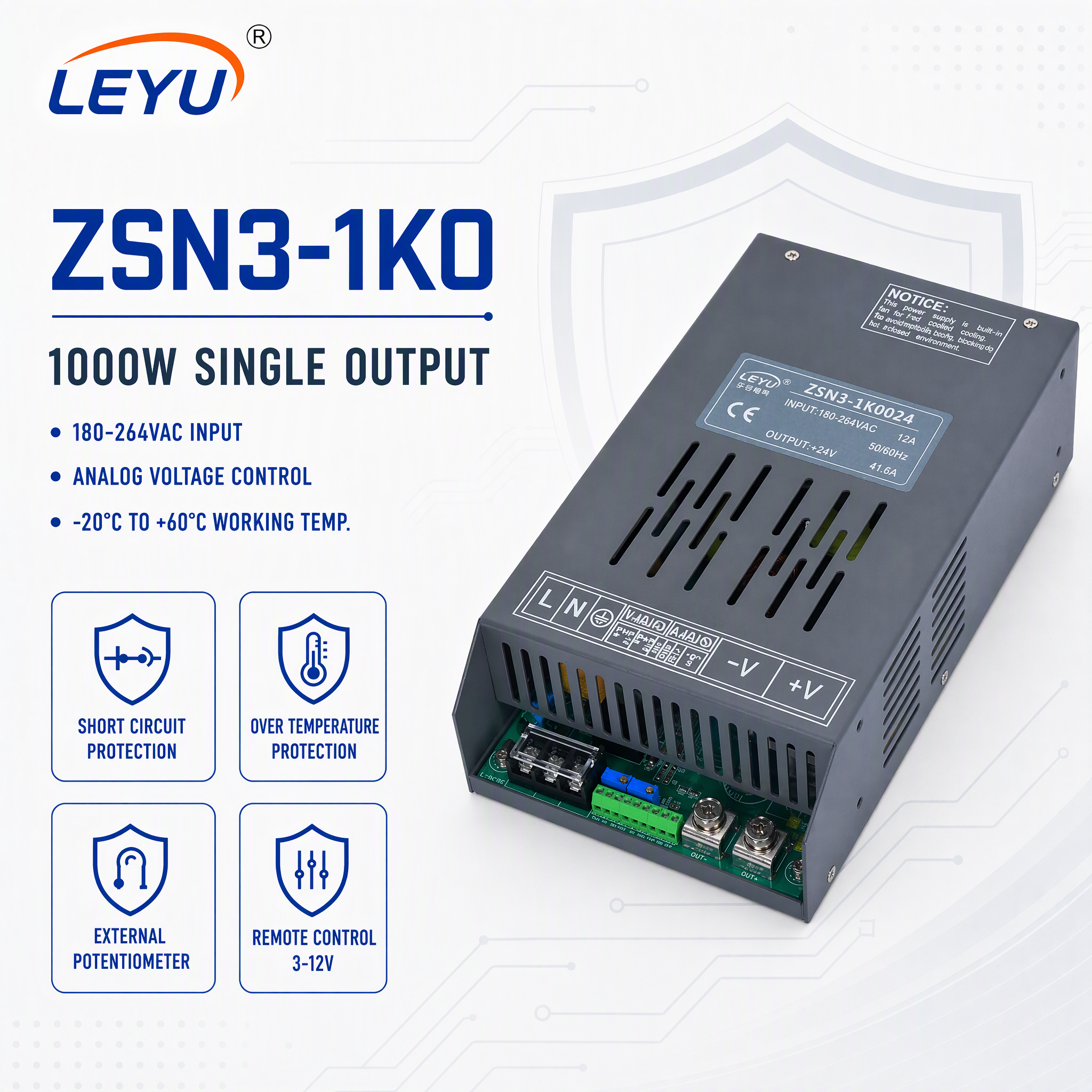
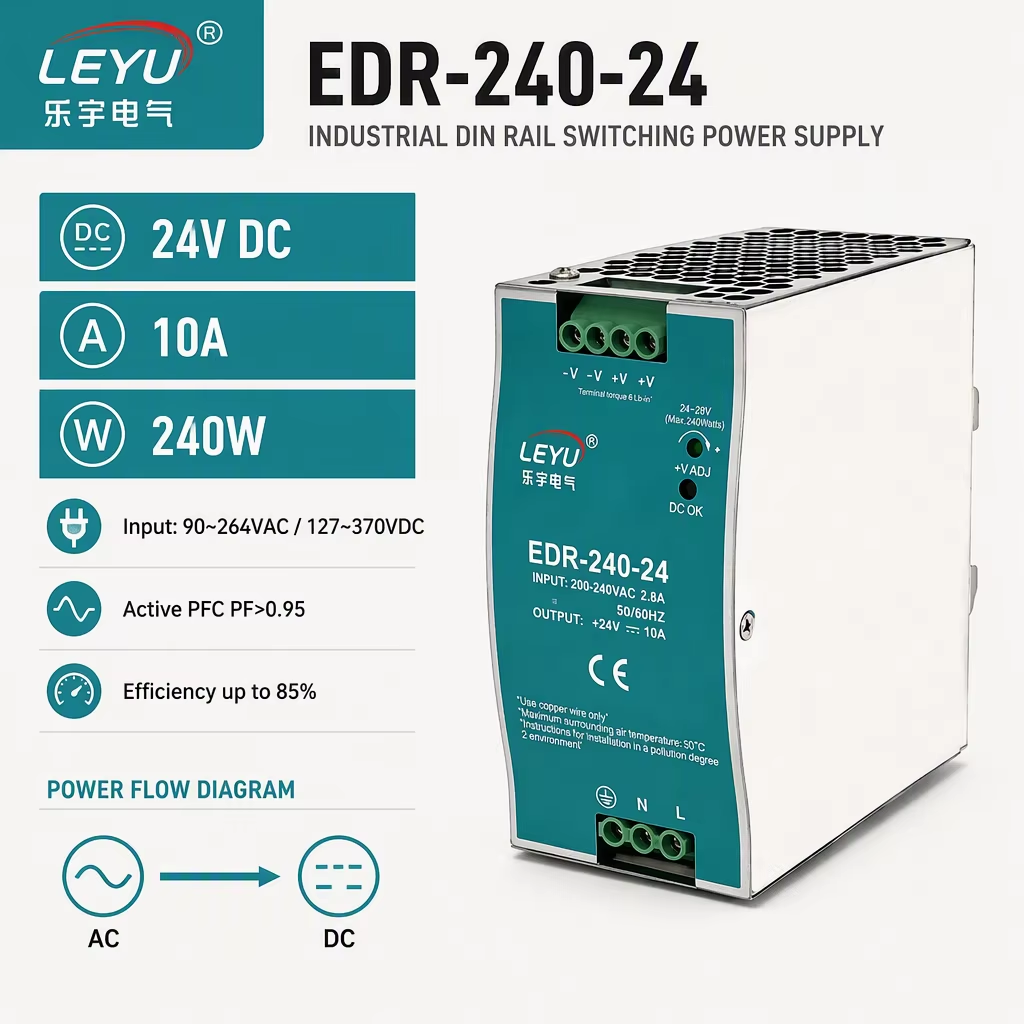
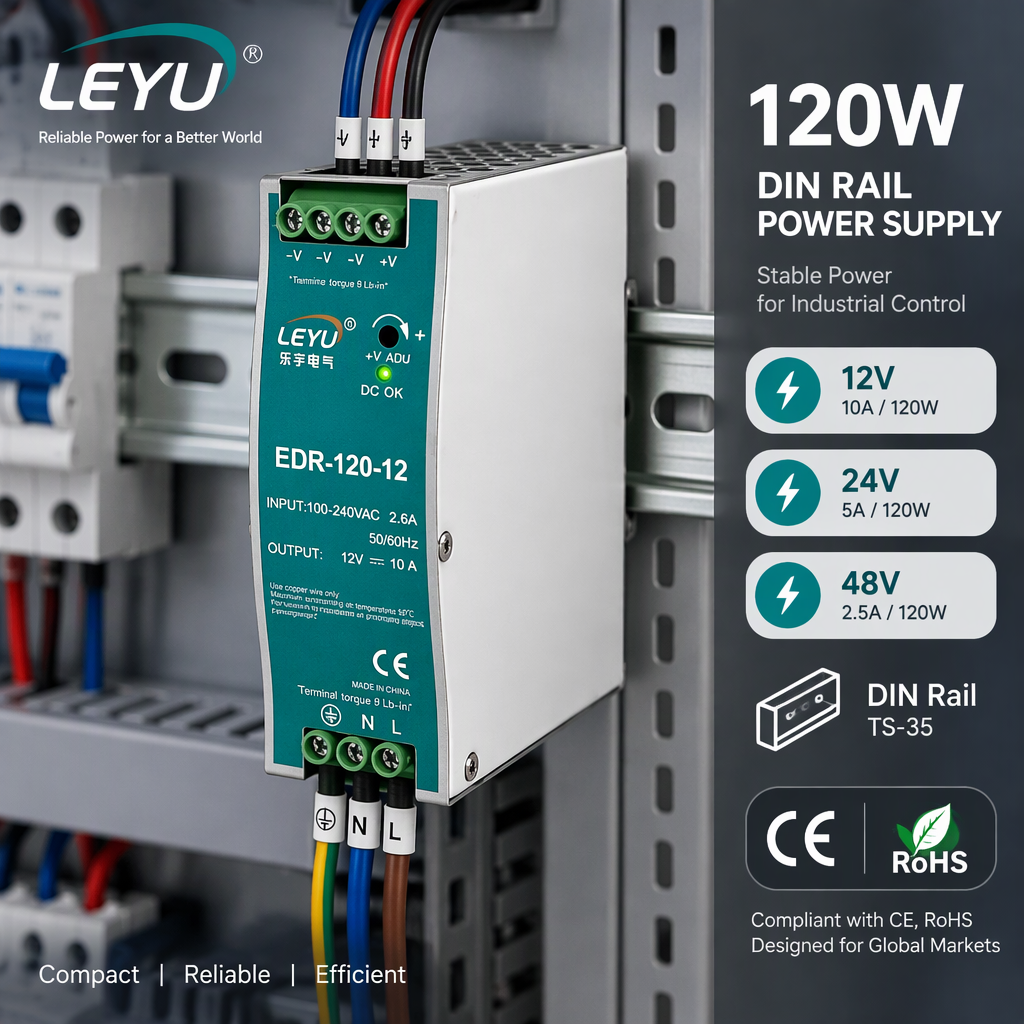
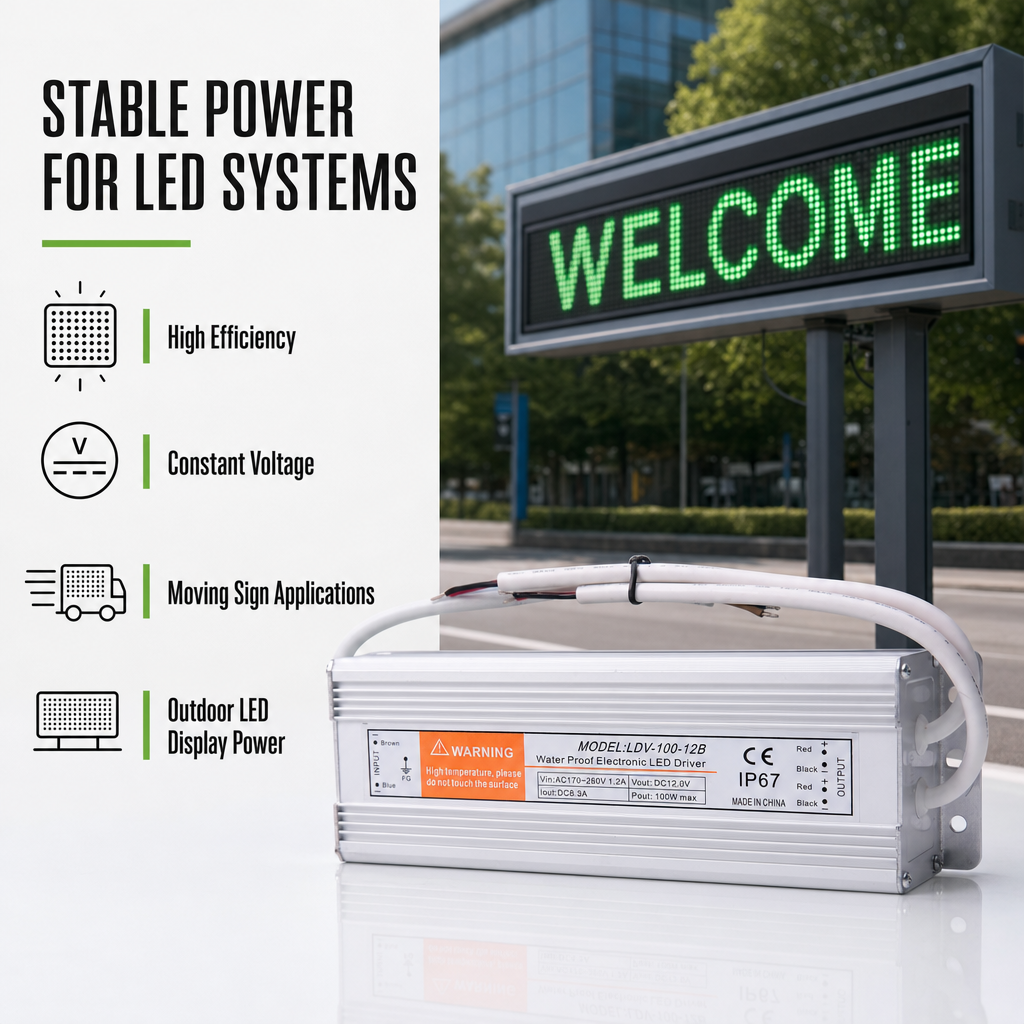
Precision Current Control Dynamics in the Washington DC Corridor
Solving harmonic distortion, thermal dissipation, and long-run impedance challenges across federal complexes, research universities, and data infrastructure.
Sourcing an industrial-grade constant current power supply factory for Washington DC requires navigating a multifaceted engineering landscape. Unlike conventional commercial markets, the National Capital Region (NCR)—encompassing the District of Columbia, Montgomery and Prince George's counties in Maryland, and Arlington, Fairfax, and Loudoun counties in Northern Virginia—imposes some of the world's most rigorous power reliability mandates. These parameters stem from the critical density of government agencies, defense contractors, hyper-scale cloud data farms, rail transportation authorities (such as WMATA), and top-tier clinical and laser research facilities.
Constant Current (CC) vs. Constant Voltage (CV): Addressing Non-Linear Thermal Dynamics
In DC power distribution, the fundamental design question often centers on output regulation architecture. A constant voltage (CV) supply maintains a stabilized potential (e.g., 12V, 24V, 48V DC) while allowing load current to vary based on downstream resistance. However, for specialized solid-state semiconductor loads, electrochemical processes, laser diode drives, and precision industrial LEDs, current regulation is paramount. Because diode forward voltage ($V_f$) drops as junction temperatures escalate (a negative temperature coefficient phenomenon), feeding diodes with constant voltage creates thermal runaway: elevated heat reduces forward voltage, drawing higher current, compounding heat until destructive component puncture occurs.
A specialized Constant Current Power Supply (CC PSU) dynamically modulates its rail voltage over a specified compliance voltage window to enforce a fixed, ultra-precise current (measured in milliamperes or amperes). This constant current closed-loop mechanism provides three distinct engineering advantages across Washington DC mission-critical facilities:
Immunity to Cable Voltage Drops
Long wiring runs in massive District transit stations, historic marble government corridors, or secure SCIF facilities inevitably cause resistive $I \times R$ losses. A CC power unit dynamically raises its driving voltage to sustain precise current at the terminal load regardless of circuit distance.
Thermal Runaway Mitigation
By strictly capping maximum amperage, solid-state LED arrays, UV sterilization chambers, and optical lasers maintain an immutable photon flux output without suffering localized junction overheating or premature chromatic shift.
Surge Current Suppression
Sudden utility line anomalies, common during East Coast summer storm spikes or industrial switching transients, are actively attenuated at the primary feedback coil, shielding sensitive sensors and instrumentation downstream.
Active Power Factor Correction (PFC) & Harmonic Standards
In the Washington DC metro grid, power quality standards set forth by regional utilities such as Pepco and Dominion Energy require strict compliance with IEEE 519 and EN 61000-3-2 limits on total harmonic distortion (THD). When deploying hundreds of power conversion modules in municipal complexes or commercial data corridors, traditional capacitive filter front-ends generate severe non-sinusoidal harmonic spikes. Yueqing Keldan Technology integrates active power factor correction (Active PFC) with advanced continuous conduction mode (CCM) controllers across its DIN rail and industrial chassis families. This achieves a power factor of $\text{PF} > 0.95$ under full load, virtually eliminating reactive current circulations, mitigating neutral conductor overheating in 3-phase building grids, and dramatically slashing apparent power ($kVA$) billing surcharges.
| Architecture Type | Typical DC Load | Efficiency Rating | Compliance Voltage Range | Ideal DC Regional Installation |
|---|---|---|---|---|
| Buck / Boost CC Driver | Laser diodes, high-flux luminaires | 90% - 93% | 18V – 54V DC | Laboratory test benches, transit portals |
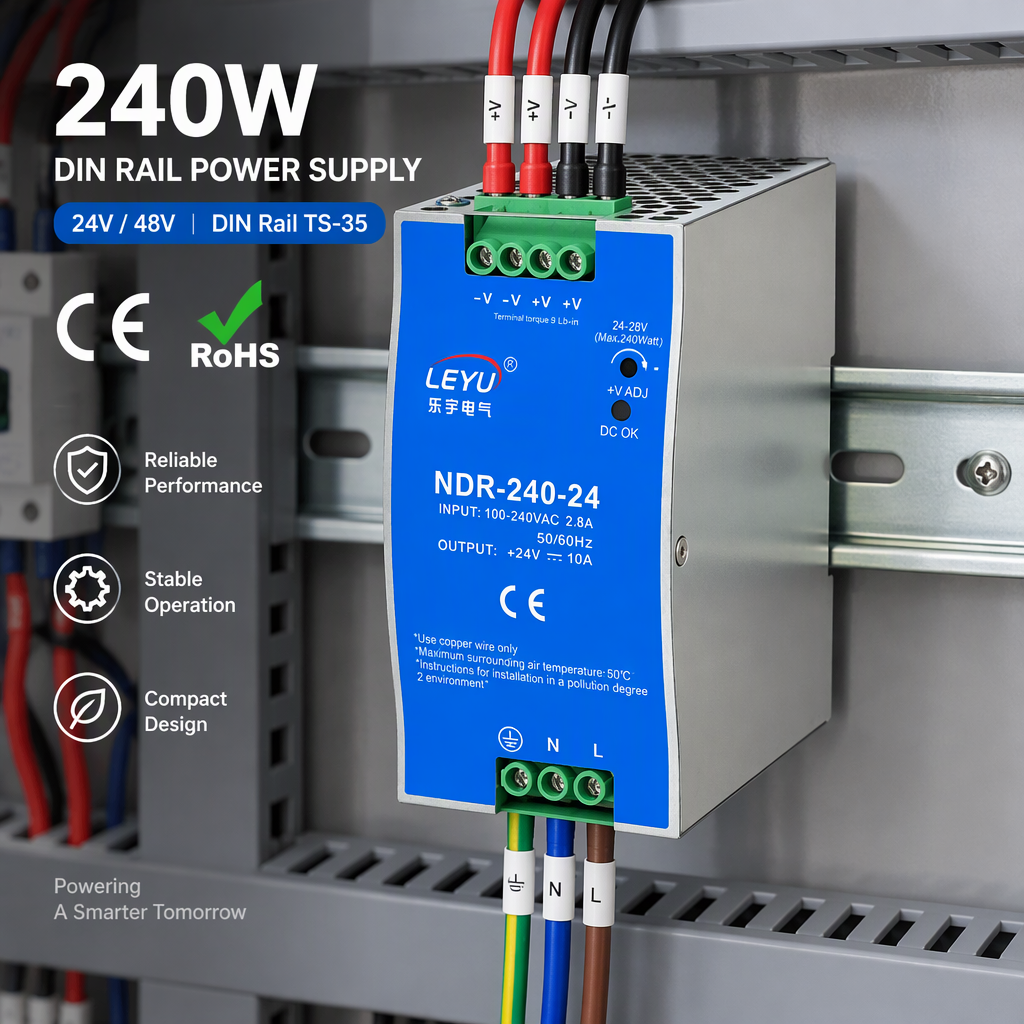
| Active PFC DIN Rail (DRP/EDR) | PLC automation, SCADA field units | 88% - 92% | Fixed or Trim (24V ±10%) | Dulles Technology Corridor data centers |
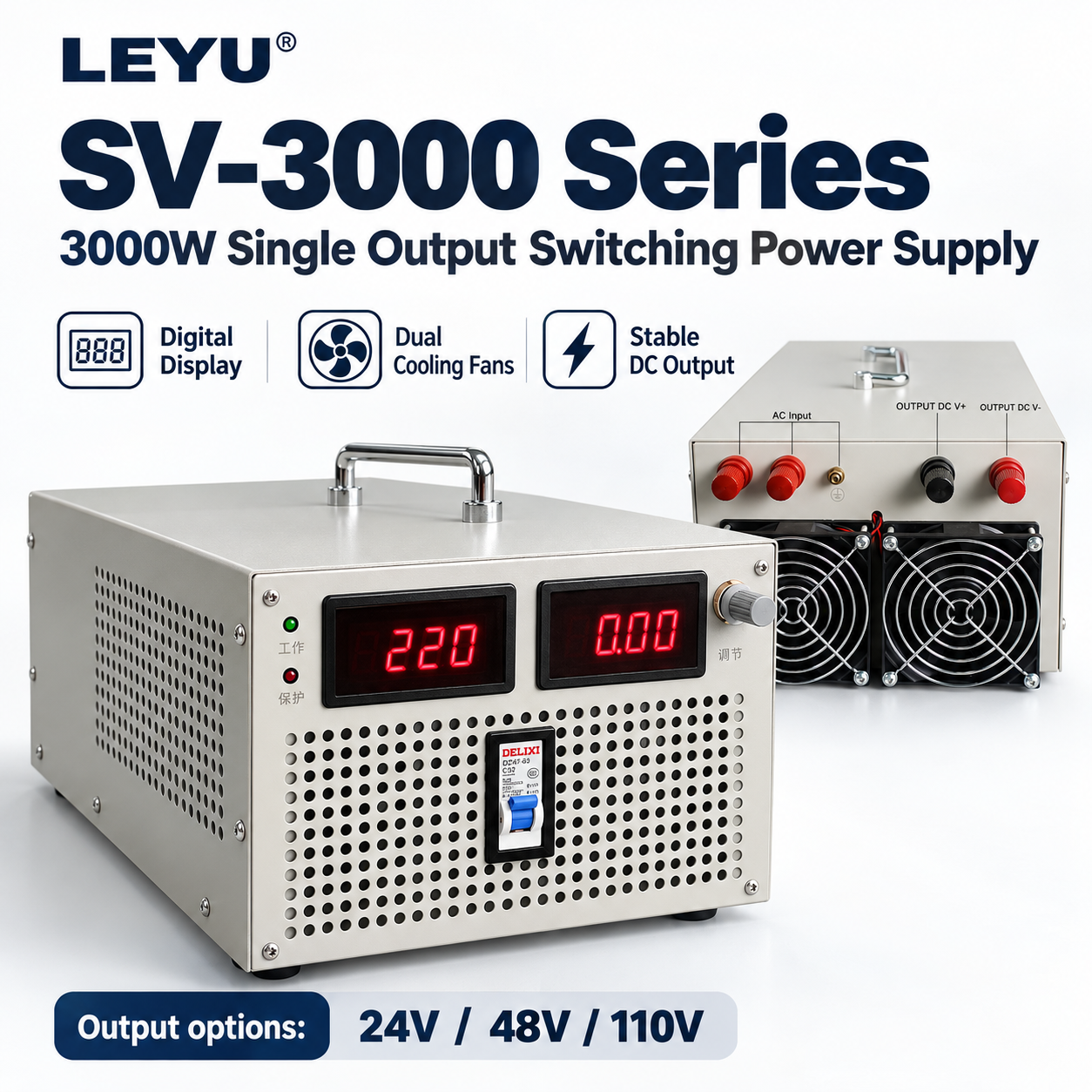
| High-Voltage Adjustable SMPS | Particle physics, plasma chambers | 86% - 91% | 0 – 110V DC / Adjustable | Government R&D centers, university labs |
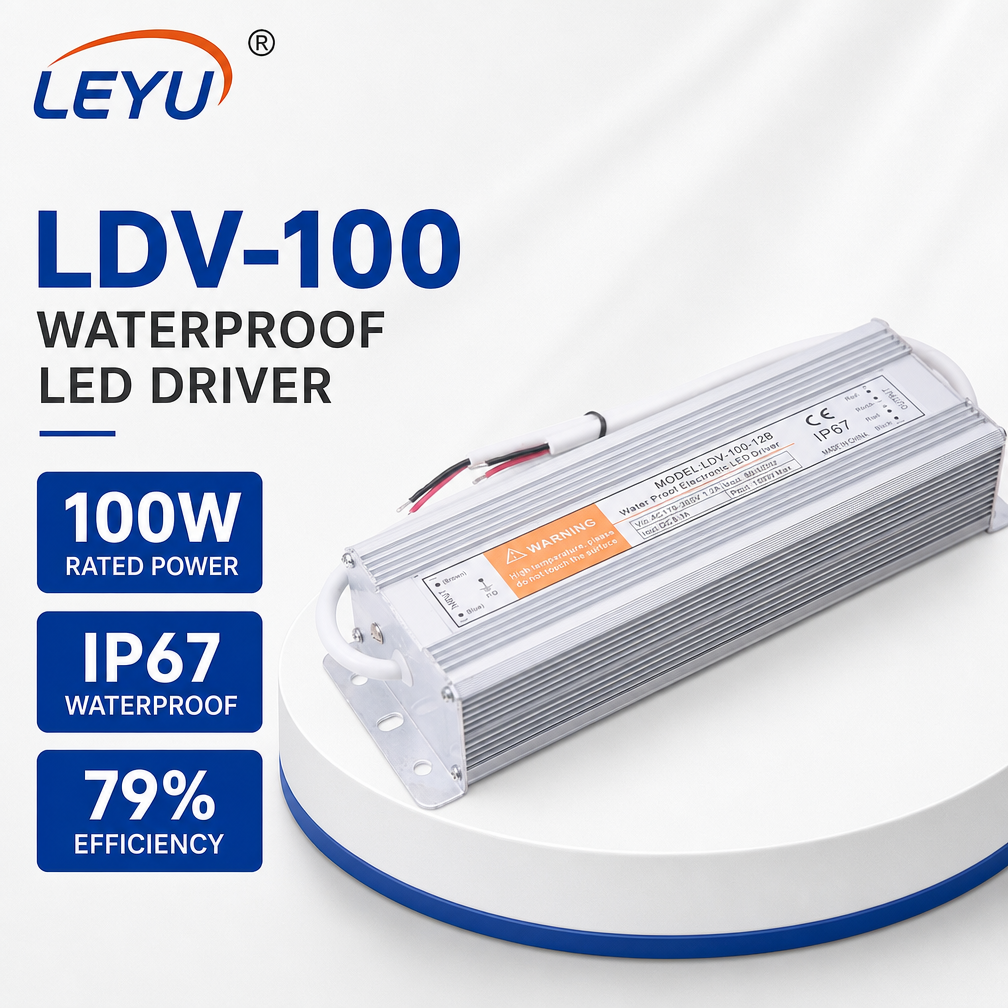
| Potted IP67 CC/CV Drivers | Exterior architectural accents, tunnels | 89% - 94% | 12V / 24V / 36V Constant Rails | National Mall monuments, exterior transit |
Where Our Power Topologies Operate in the National Capital Region
Engineered for high thermal tolerance, low electromagnetic emissions, and multi-year maintenance-free lifecycle reliability.
Dulles Data Center Corridor (Ashburn/DC-Metro)
Supplying stabilized 24V and 48V DIN rail switching supplies with active PFC for environmental telemetry, fire protection racks, and cooling control loops across Northern Virginia's world-leading cloud infrastructure cluster.
Federal Agencies & Secure Facilities (SCIFs)
Federal procurement mandates low acoustic noise and strict electromagnetic compliance (FCC Part 15 Class B). Our filtered power supplies prevent spurious RF emissions from leaking onto shared building power trunks.
Biotech & Medical Labs (Bethesda/I-270 Tech Corridor)
Adjustable high-voltage SMPS modules providing steady constant current excitation for electrophoresis, optical spectrometry, and custom solid-state laser hardware across Maryland's premier research institutes.
Transit Infrastructure & Smart Rail (WMATA Network)
Vibration-resistant TS35 DIN rail units mounted inside wayside enclosures, subway station passenger signaling panels, and automated fare collection equipment where wide input tolerances (90–264VAC) survive severe voltage dips.
Architectural Monuments & Historic Preservation
IP67 silicone-encapsulated constant current LED drivers running under extreme outdoor temperature swings across the National Mall, historic government facades, and municipal bridges without maintenance intervention.
Clean Energy & Battery Storage Integration
PWM solar charge controllers and pure sine wave off-grid inverters providing resilient secondary backup to emergency communications gear and mobile perimeter monitoring rigs operating across the Potomac basin.
Future Technology & Compliance Shifts in the Mid-Atlantic
How decarbonization targets, microgrids, and GaN/SiC power semiconductors are shaping capital procurement.
1. District Clean Energy Omnibus Act Mandates
The District of Columbia's aggressive climate initiatives require 100% renewable electricity by 2032 and carbon neutrality across existing building stock by 2045. As commercial facilities retrofit their mechanical plants and lighting loads, engineers are swapping antiquated linear regulators for ultra-high-efficiency switch-mode topologies exceeding 92% efficiency. Constant current power converters that waste minimal wattage as radiant heat directly reduce HVAC cooling loads in tightly sealed urban high-rises.
2. Defense Microgrids & Mission Continuity
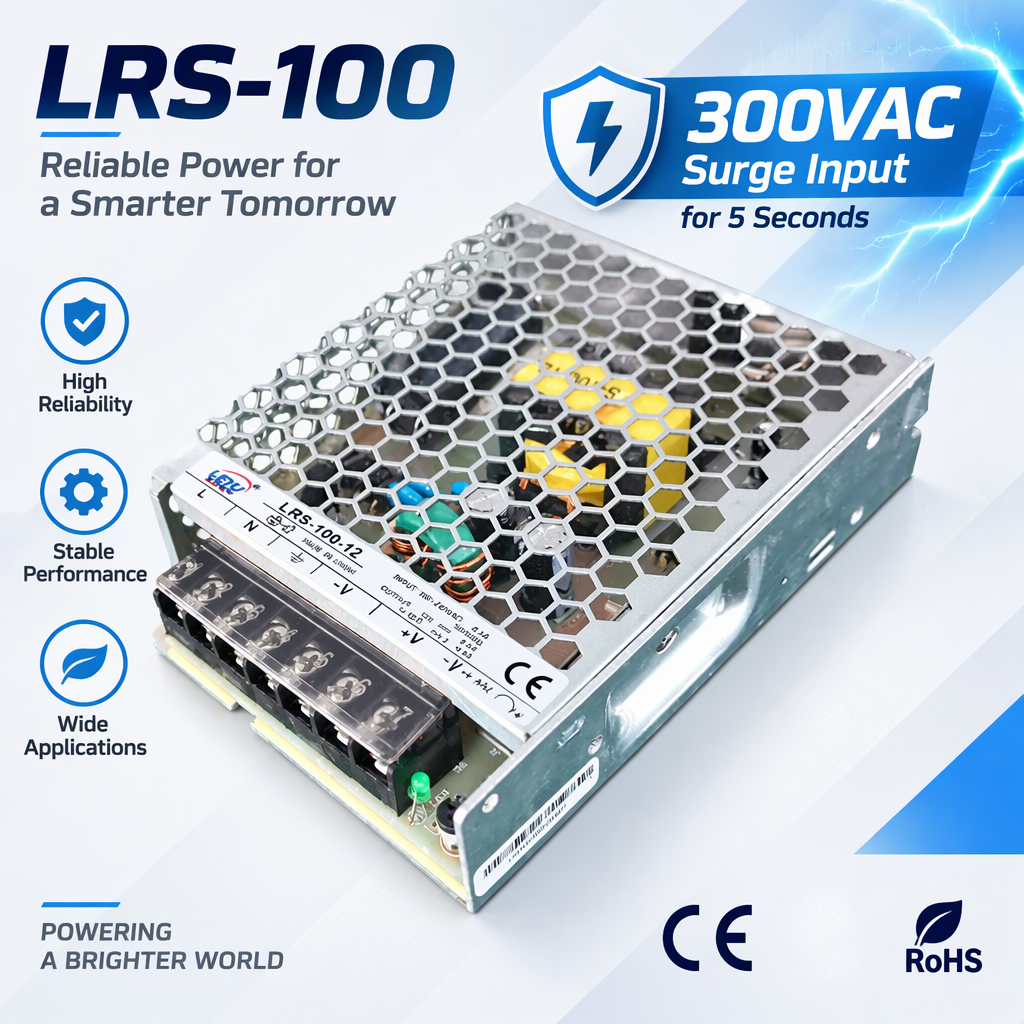
Regional military installations such as Joint Base Anacostia-Bolling and the Pentagon continue to harden base microgrids. During islanded operation, harmonic imbalances and generator frequency drifts can disrupt conventional electronics. Power supply units with ultra-wide input voltage ranges (90–264VAC) and robust surge suppression (withstanding 300VAC surges for 5 seconds) safeguard critical controls from switching transients.
3. Transition to Wide Bandgap (GaN/SiC) Switching Topologies
The power electronics industry is transitioning toward Gallium Nitride (GaN) and Silicon Carbide (SiC) semiconductors. These wide-bandgap switches run at exponentially higher frequencies with negligible switching loss. For systems integrators in Washington DC, this unlocks ultra-compact DIN rail chassis that halve the enclosure volume required inside congested electrical closets and wayside control boxes.
4. Strict Supply Chain Traceability and Onsite Quality Audits
Procurement directors serving federal agencies and municipal infrastructure cannot risk counterfeit semiconductors or unverified component substitutions. Working with a factory audited and verified on-site by TÜV Rheinland ensures verifiable bill-of-materials integrity, documented SMT reflow profiles, and comprehensive burn-in aging logs matching ISO-calibrated metrics.
Why Major B2B Buyers Partner with Keldan
Direct manufacturing transparency backed by 18+ years of specialized electrical production in Yueqing, Zhejiang.
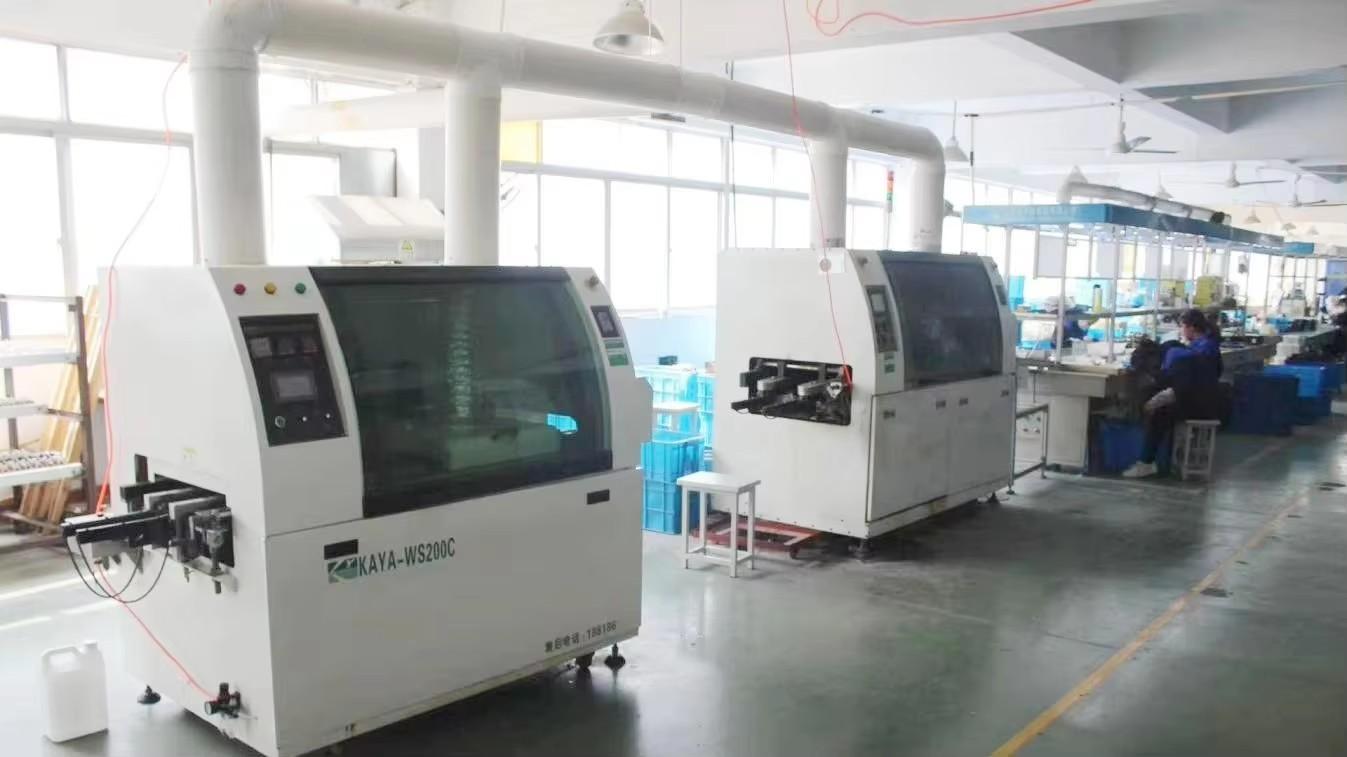
TÜV Verified Production Lines
Our workshop floor, machinery, quality inspection rooms, and trade capacities have been verified on-site by TÜV Rheinland, providing complete auditing confidence to Western engineering procurement offices.
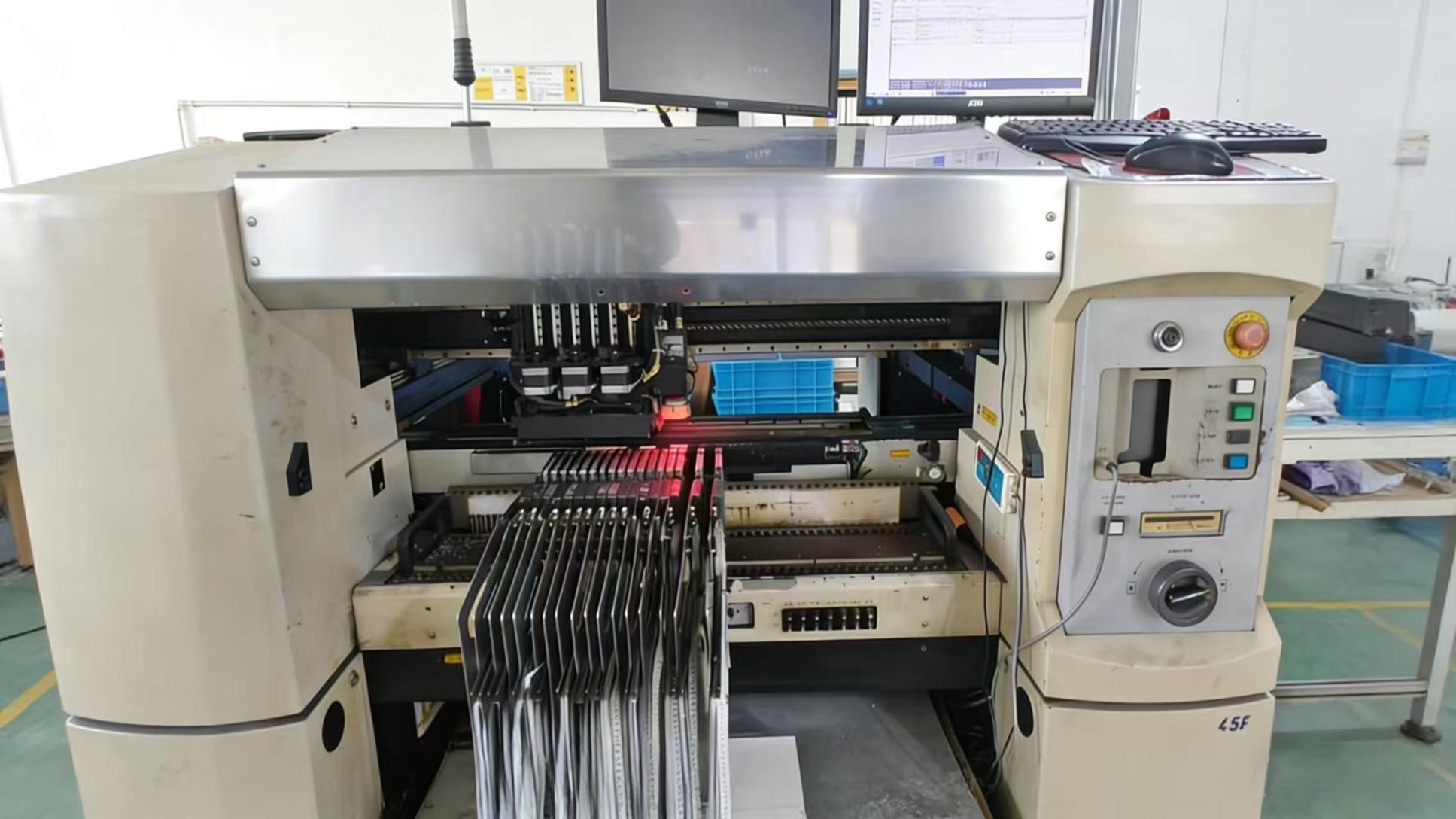
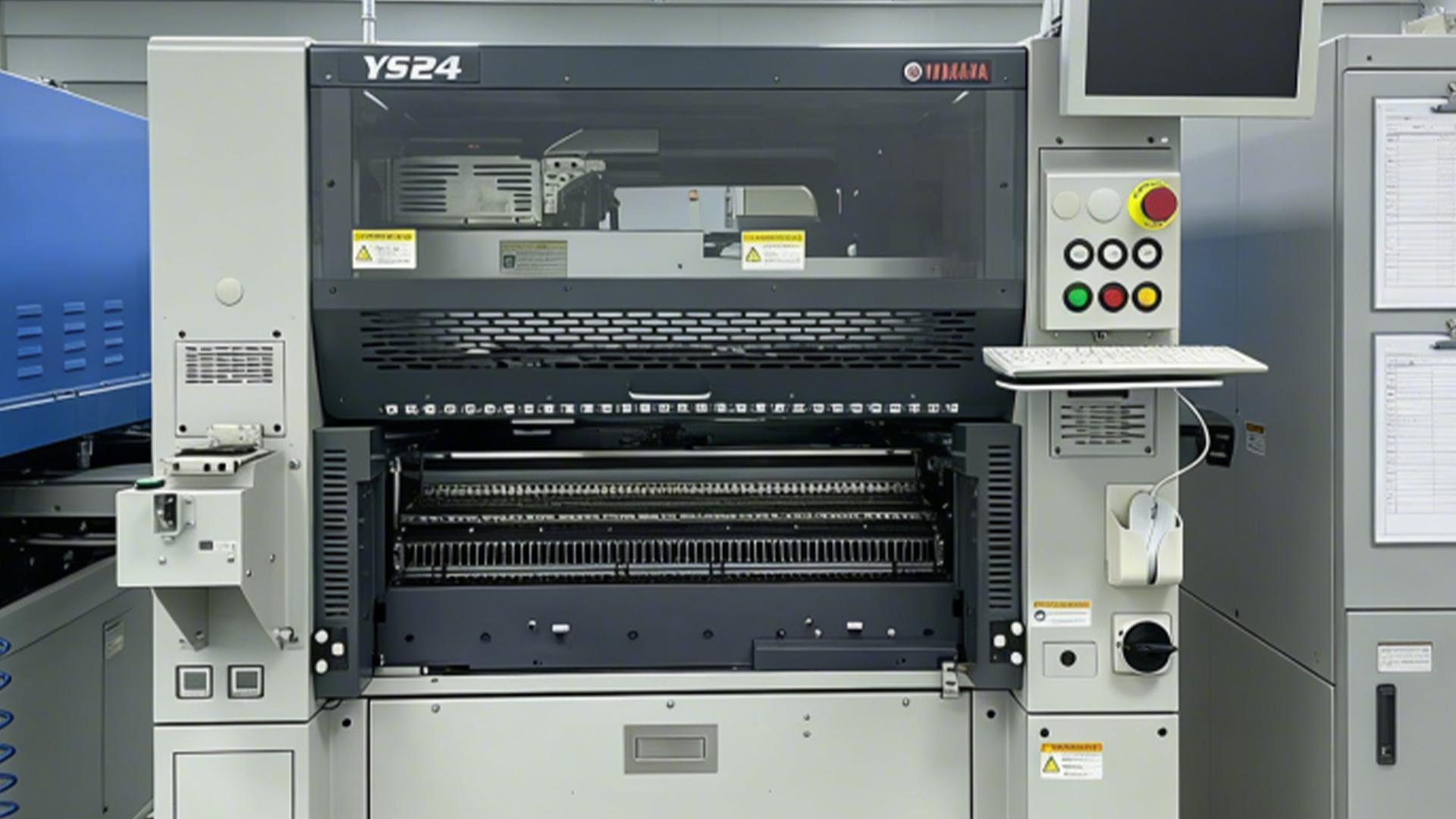
Complete In-House SMT & AOI
We do not outsource critical assembly. With automated pick-and-place lines, reflow soldering ovens, and Automated Optical Inspection (AOI), every solder joint and polarity alignment is systematically validated.
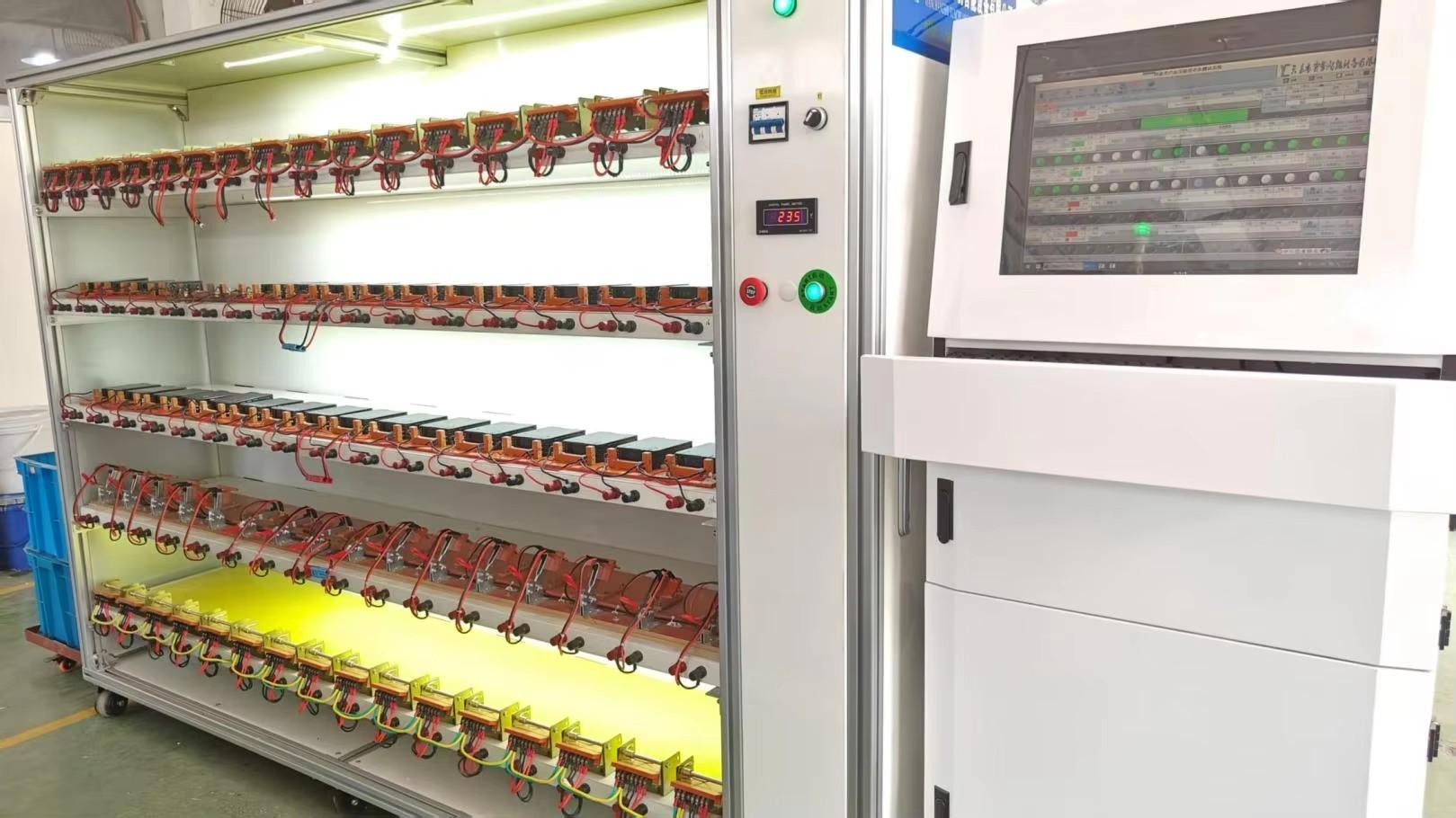
100% Full-Load Aging Protocols
Zero infant mortality escaping to the customer. Every single power supply undergoes automated burn-in aging under high-stress thermal and electrical loading on dedicated testing racks before packaging.
Agile OEM & ODM Customization
Supported by 5+ veteran electrical engineers (each with over 5 years of SMPS focus), we tailor output voltage/current, chassis enclosures, branding labels, and thermal topologies from client schematics or physical samples.
Frequently Asked Questions: Sourcing for the DC Metropolitan Area
Direct technical answers addressing electrical codes, shipping logistics, certification, and customization parameters.
How do Keldan constant current power supplies comply with District of Columbia electrical and commercial building codes?
What is the typical transit timeline and customs clearance structure for shipments heading to Washington DC or the Port of Baltimore / Dulles (IAD)?
Can you provide custom output voltages and compliance ranges for specialized defense or scientific lab use?
How does Yueqing Keldan Technology ensure batch-to-batch consistency and zero on-site failure rates?
What is the Minimum Order Quantity (MOQ) for standard versus OEM custom-engineered power supplies?
Plan Your Next DC Infrastructure or OEM Build
Submit your electrical schematics, compliance voltage limits, and target volume requirements. Our application engineering team replies within 24 business hours with datasheets and direct factory quotes.
