Industrial-Grade Constant Voltage Power Conversion Solutions
Precision-engineered AC-DC switching power supplies and programmable converters adapted to harsh environmental topologies, offering ultra-low line ripple, PFC pre-regulation, and modular mounting.
Engineering Whitepaper: Constant Voltage Architecture in Industrial Control Cabinets
In modern automation matrices, the stability of a constant voltage power supply (CV PSU) serves as the bedrock for system-level uptime. Unlike consumer converters, an OEM constant-voltage topology engineered for Seria's critical installations must accommodate wide AC input fluctuations (85–264 VAC), maintain stringent line-load regulation (±1% drift tolerances), and prevent spurious transients from disrupting programmable logic controllers (PLCs), optical sensors, and micro-actuators.
From a thermal engineering standpoint, high packaging density within IP20 enclosed chassis or TS-35 DIN-rail configurations demands electrolytic capacitors rated at 105°C with low ESR profiles, combined with synchronous rectification topologies. This approach preserves efficiency metrics exceeding 90% across variable operational duty cycles, effectively minimizing localized heat dissipation inside tightly packed enclosure envelopes.
| Architecture Class | Primary Topologies | Efficiency Factor | Target Applications |
|---|---|---|---|
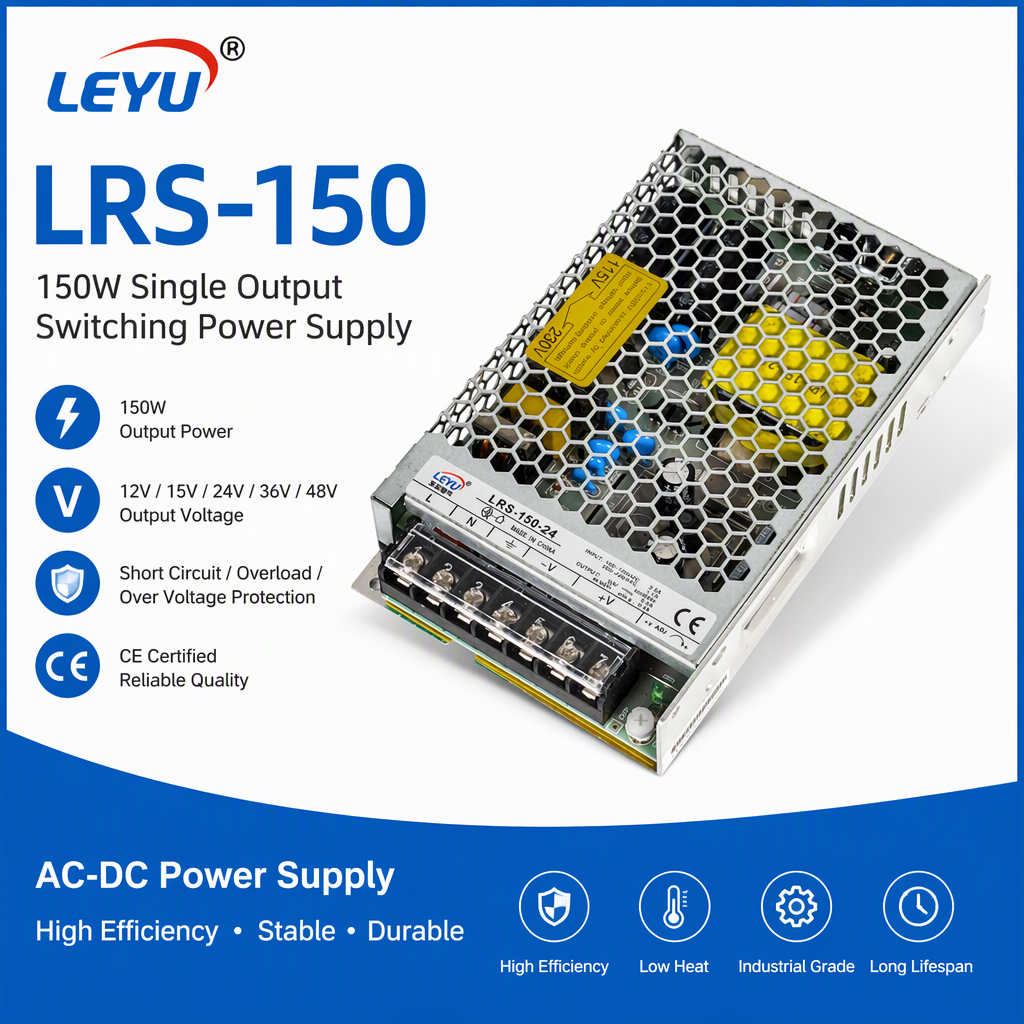
| Ultra-Slim Enclosed (LRS) | Flyback / Forward Converter | 88% – 91.5% | CCTV Arrays, LED Signage, Additive Manufacturing |
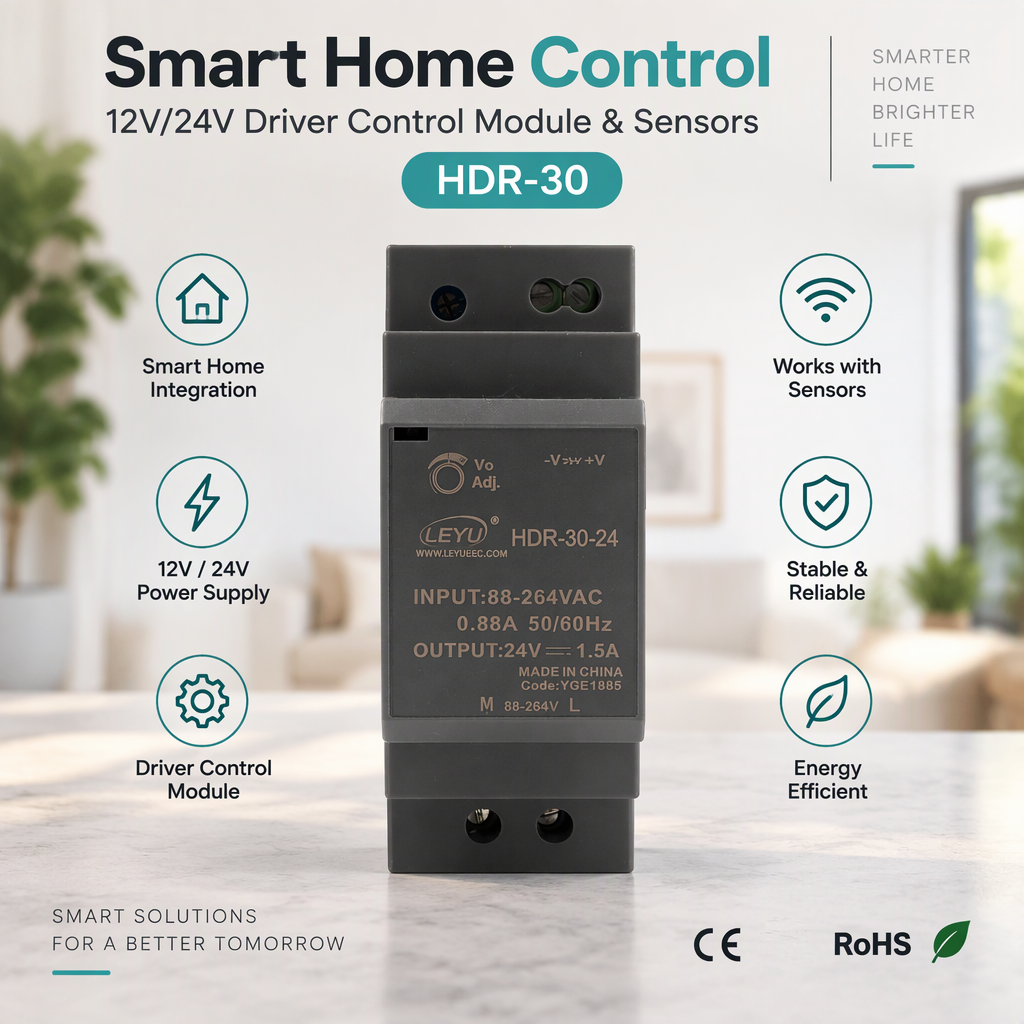
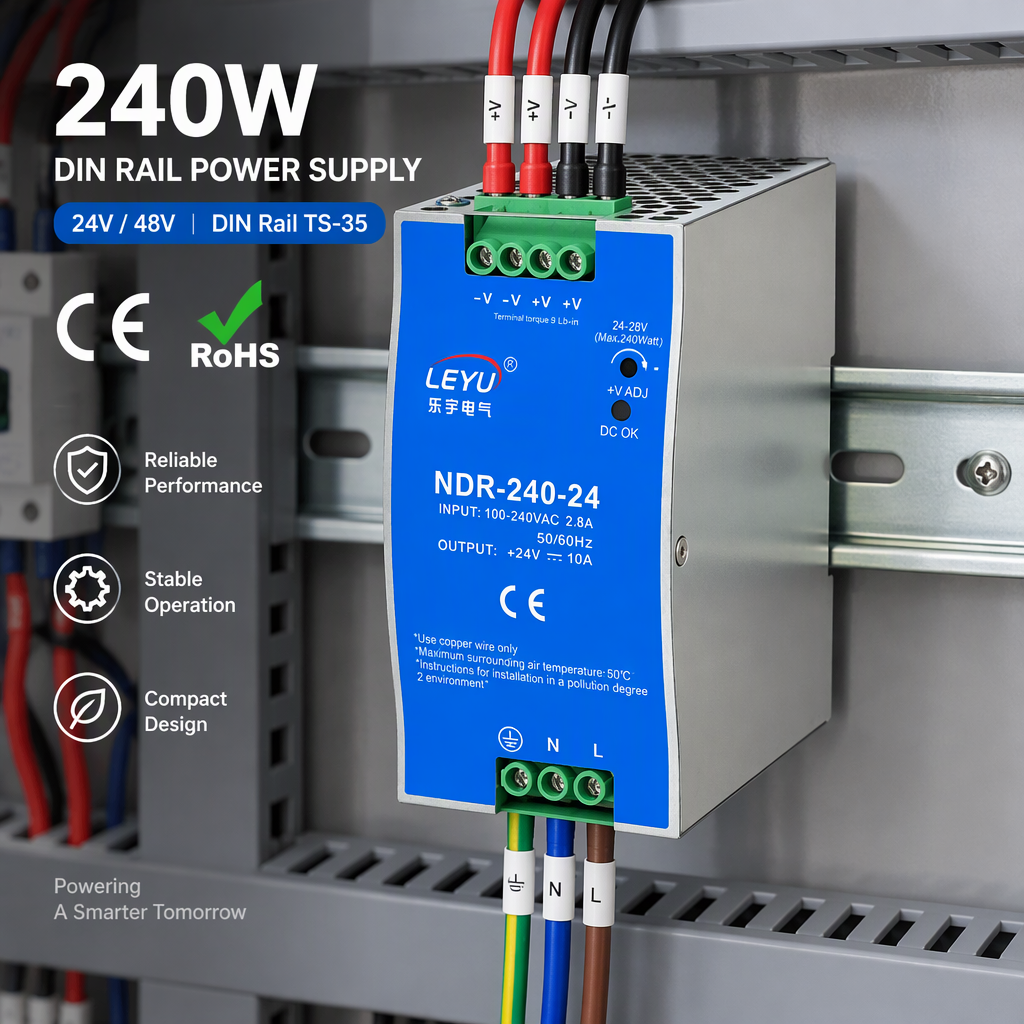
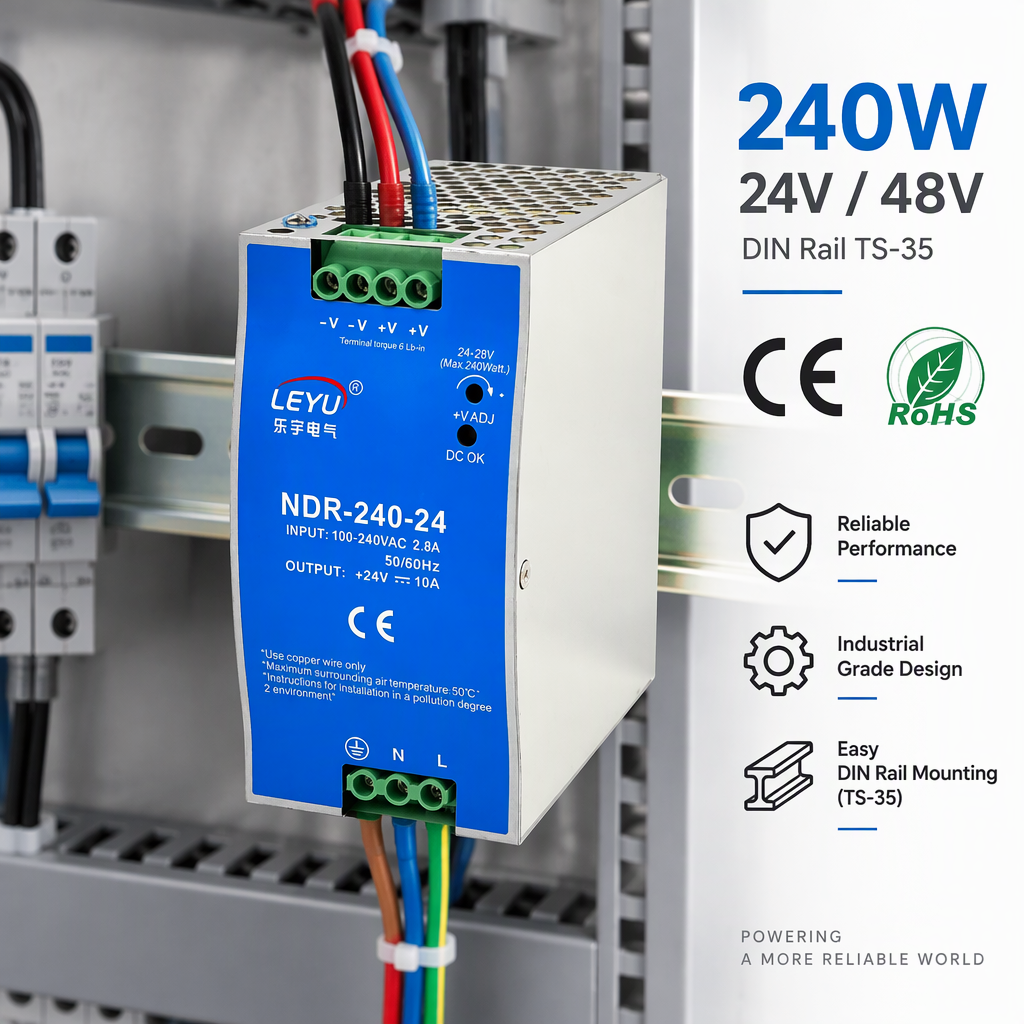
| Industrial DIN Rail (NDR/HDR) | LLC Resonant + Active PFC | 89% – 94.0% | PLC Enclosures, Process SCADA, Distributed I/O |
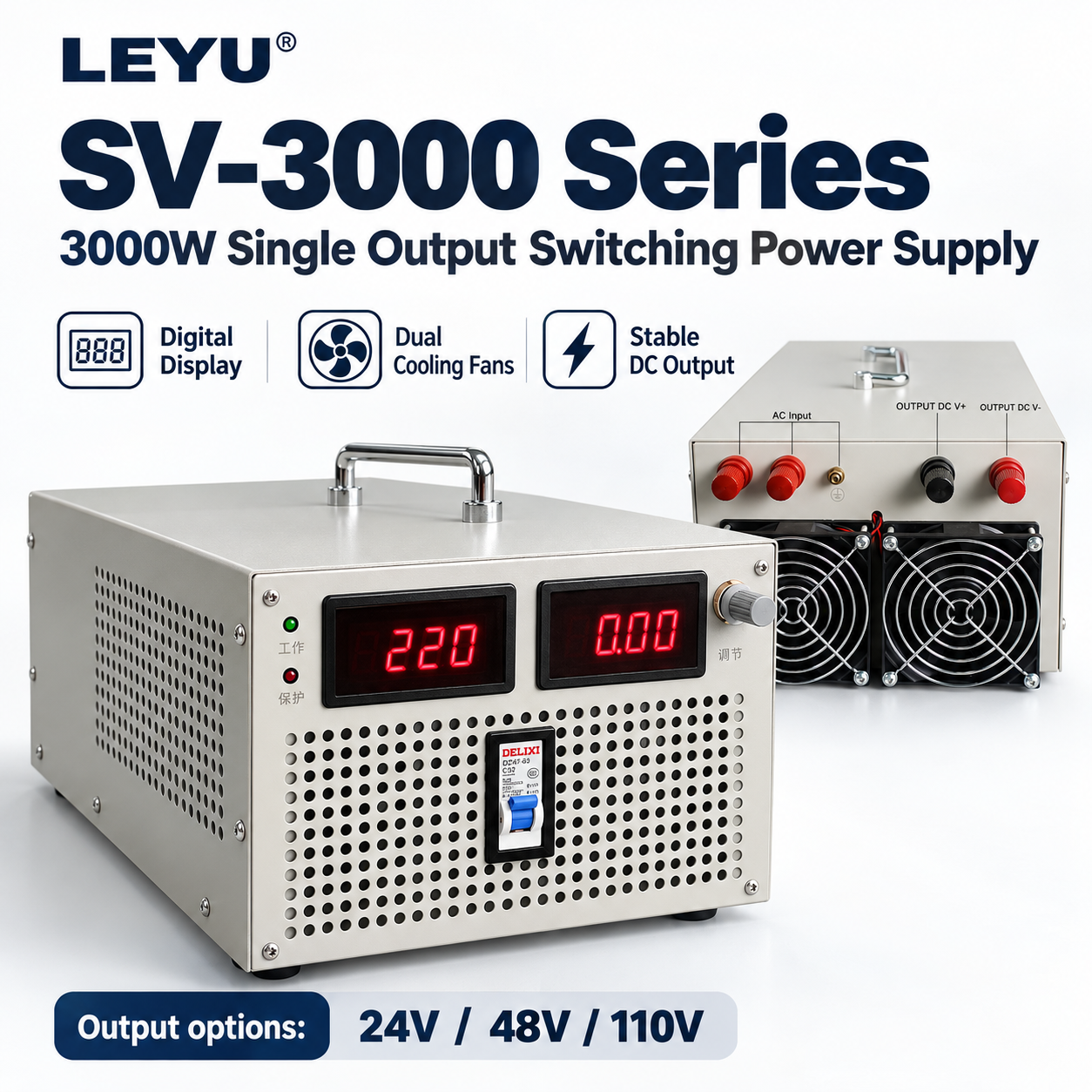
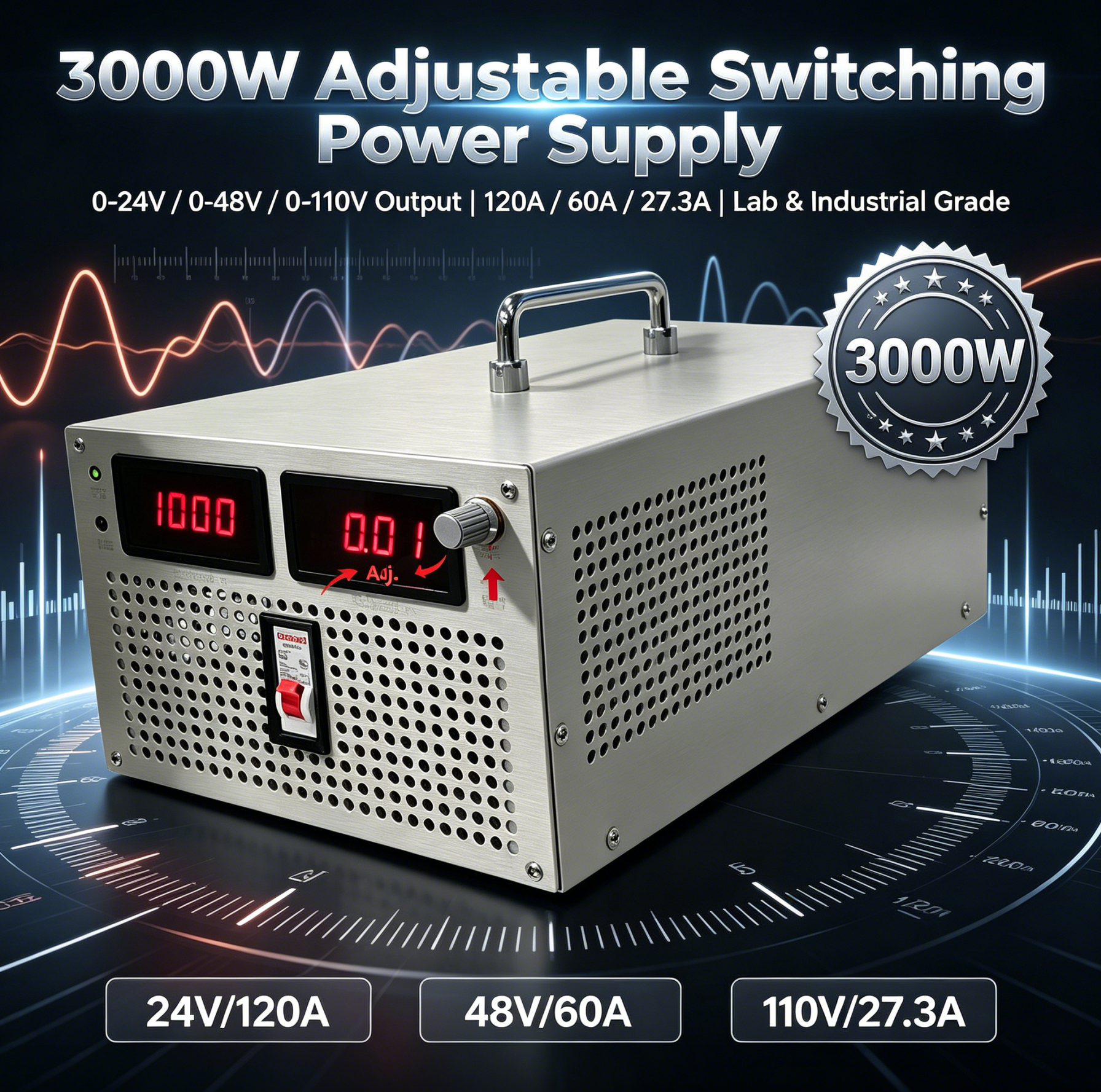
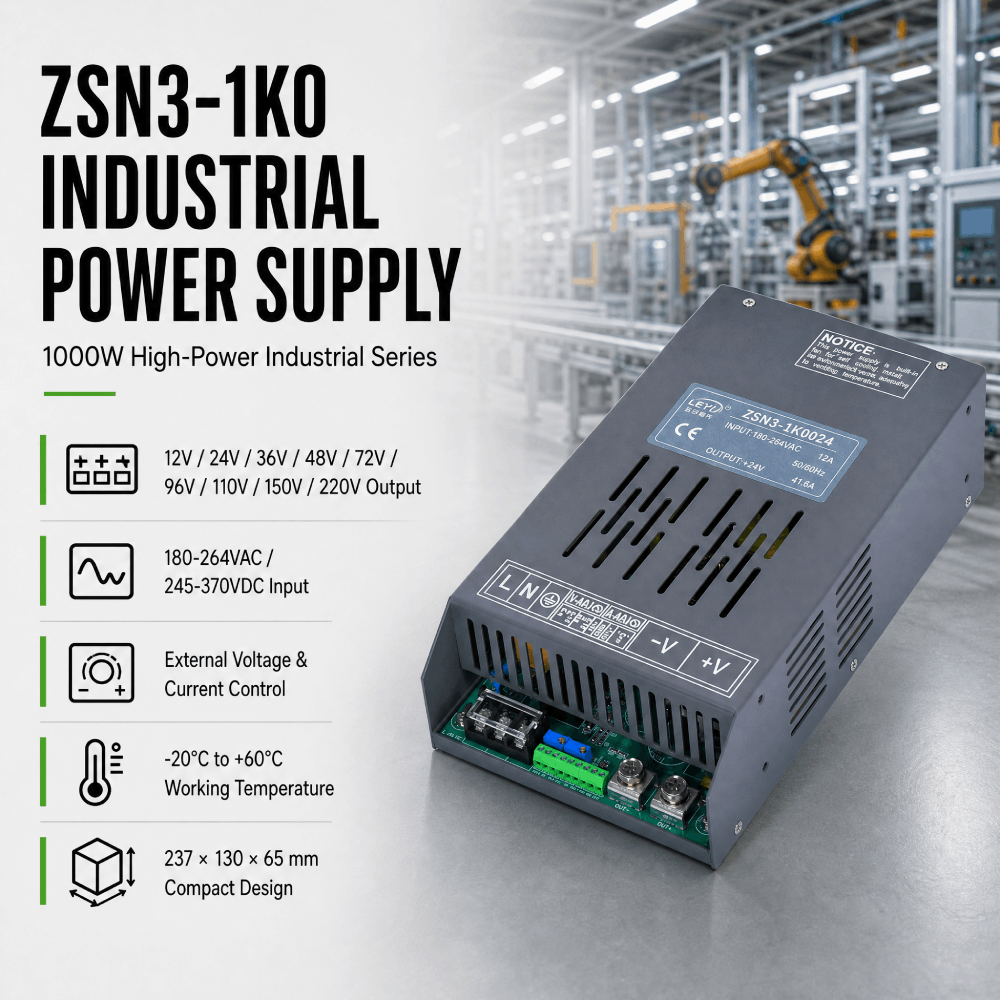
| High-Current Variable (SV/ZSN) | Full-Bridge PWM Interleaved | 87% – 92.0% | Electroplating, Laboratory Burn-In, Laser Diodes |
Localized Application Scenarios in Seria & Surrounding Regions
Targeted power integration configurations addressing specific environmental, thermal, and electrical conditions across maritime, energy, and process infrastructure.
Hydrocarbon Extraction & Offshore Skids
In high-vibration skids and auxiliary processing consoles in energy sectors around Seria, power modules require conformal coating against salt-spray corrosion, paired with wide operating temperature margins (-20°C to +70°C) without thermal derating.
High-Humidity Municipal Water & SCADA
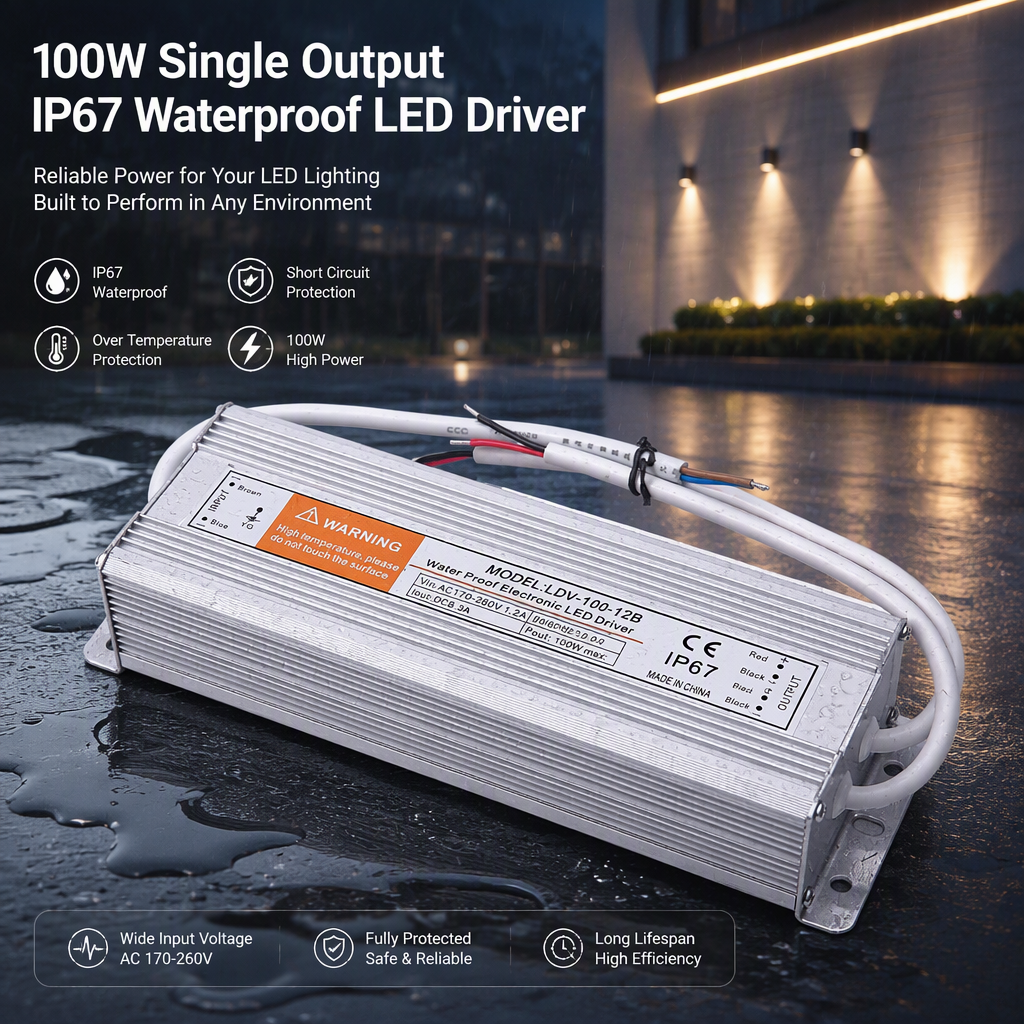
Perpetual ambient humidity above 85% causes electrochemical migration on unprotected PCBs. Sealed LDV-100 IP67 outdoor units and treated DIN-rail switchers guarantee uninterrupted telemetry without creeping dielectric breakdown.
Modular Distributed Power Sub-Stations
Centralized distribution systems benefit from NDR and DRP rail-mounted units equipped with Active PFC (PF > 0.95), dampening total harmonic distortion (THD) and preventing neutral wire overloading on long cable runs.
Emerging Supply Chain & Tech Trends for Constant Voltage Hardware
Key regulatory transformations, efficiency mandates, and procurement trends driving switch-mode power supply deployment.
Transition to Active PFC
Stringent compliance with harmonic standard EN 61000-3-2 has shifted regional engineering specs toward power supplies with active power factor correction, stabilizing high-density machinery circuits.
Thin-Form DIN Footprints
Panel real estate carries a premium. Specifiers are phasing out legacy open-frame units in favor of step-shaped HDR and slim NDR housings, reducing horizontal DIN length by up to 40%.
Direct OEM Customization
Engineering teams increasingly bypass intermediaries to secure bespoke OEM runs, tailoring output voltage trims (e.g., custom 13.8V, 27.6V, 54V) and client-specific terminal pinouts from source factories.
Traceable Factory Audits
Procurement frameworks now require verified QA documentation, including AOI yields, batch burn-in reports, and third-party facility validations (e.g., TÜV Rheinland) before vendor shortlisting.
Why Tier-1 System Integrators Partner With Keldan
Backed by over 18 years of specialized engineering in Yueqing, Zhejiang, we combine complete in-house manufacturing lines with third-party verified quality procedures.
TÜV Onsite Verified Facility
Our complete production perimeter—including SMT high-speed placement, automated reflow, wave soldering, and QC testing stations—is fully audited and verified on-site by TÜV Rheinland.
Dedicated R&D Engineering Unit
Our engineering team, with an average of 5+ years in switch-mode power conversion, supports deep design-based OEM/ODM customization from technical blueprints to physical verification samples.
Rigorous 100% Aging Testing
Zero-defect commitments require full-load burn-in testing on dedicated racks for every batch, screening out infant mortality before packaging and dispatch to international clients.
Frequently Asked Questions by Industrial Buyers & Engineers
Key technical and logistics inquiries addressed by our electrical application engineering team.
What is the primary difference between Constant Voltage (CV) and Constant Current (CC) power supplies in automation?
How should engineers size power reserve margins for inductive loads?
Are private-label OEM, customized enclosures, and specific pinouts supported?
What testing protocols are executed prior to batch release?
What minimum order quantities (MOQ) and lead times apply for custom runs?
Connect Directly With Our Application Engineers
Send your bill of materials, circuit drawings, or thermal constraints. Our engineering department provides drop-in cross-references, electrical calculation sheets, and customized sample units.
