Featured DC-DC & Switching Power Conversion Systems
Engineered for high thermal shock resistance, exceptional dielectric breakdown isolation, and extended electrolytic capacitor endurance in heavy-duty northern industrial environments.
High-Reliability DC-DC Conversion Architecture for Sapporo & Northern Japan
Industrial electrical designers operating in Sapporo, Ishikari, and across Hokkaido confront thermal and mechanical operational stresses far more rigorous than those found in mainland Honshu. In applications spanning agricultural cold-chain automation, geothermal auxiliary monitoring, sub-zero logistics hubs, and offshore wind power collection networks, DC-DC converter modules act as the vital baseline for voltage conditioning, galvanically isolating noisy main bus circuits from sensitive microcontrollers and edge-AI compute units.
A persistent vulnerability in traditional switching converters imported to high-latitude environments is cold-start degradation. Standard electrolytic capacitors suffer from electrolyte sluggishness below -20°C, causing equivalent series resistance (ESR) to spike by over 300% to 500%. This induces massive start-up output ripple, triggering false undervoltage lockouts (UVLO) in downstream PLCs and control transceivers. Keldan Technology addresses this design challenge directly by selecting high-grade solid conductive polymer capacitors combined with premium Japanese-sourced low-impedance electrolyte formulations, ensuring robust power conversion down to -40°C with deterministic boot margins.
Design Insight for Northern Japan: When stepping down primary battery strings (such as 48V telecom arrays or 110V/220V utility DC buses) to 12V or 24V PLC levels in unattended northern substations, module isolation must exceed 1,500VDC to prevent freeze-thaw ground bounce and electrostatic discharge (ESD) generated by dry winter blizzards from puncturing control logic boards.
Furthermore, magnetic saturation characteristics change noticeably across wide operating temperature curves. The ferrite cores chosen for Keldan's custom step-down (buck) and isolated forward-converter topologies demonstrate remarkably flat B-H saturation profiles. This guarantees that during massive inrush spikes—such as energizing hydraulic valves in snow-clearing machinery or automated greenhouse ventilation drives—the converter does not prematurely enter core saturation, avoiding destructive thermal runaway.
Mission-Critical Applications Across Sapporo & Hokkaido
Tailored power electronics operating in regional climatic conditions and heavy automated industrial infrastructure.
Automated Food & Cold-Chain Processing
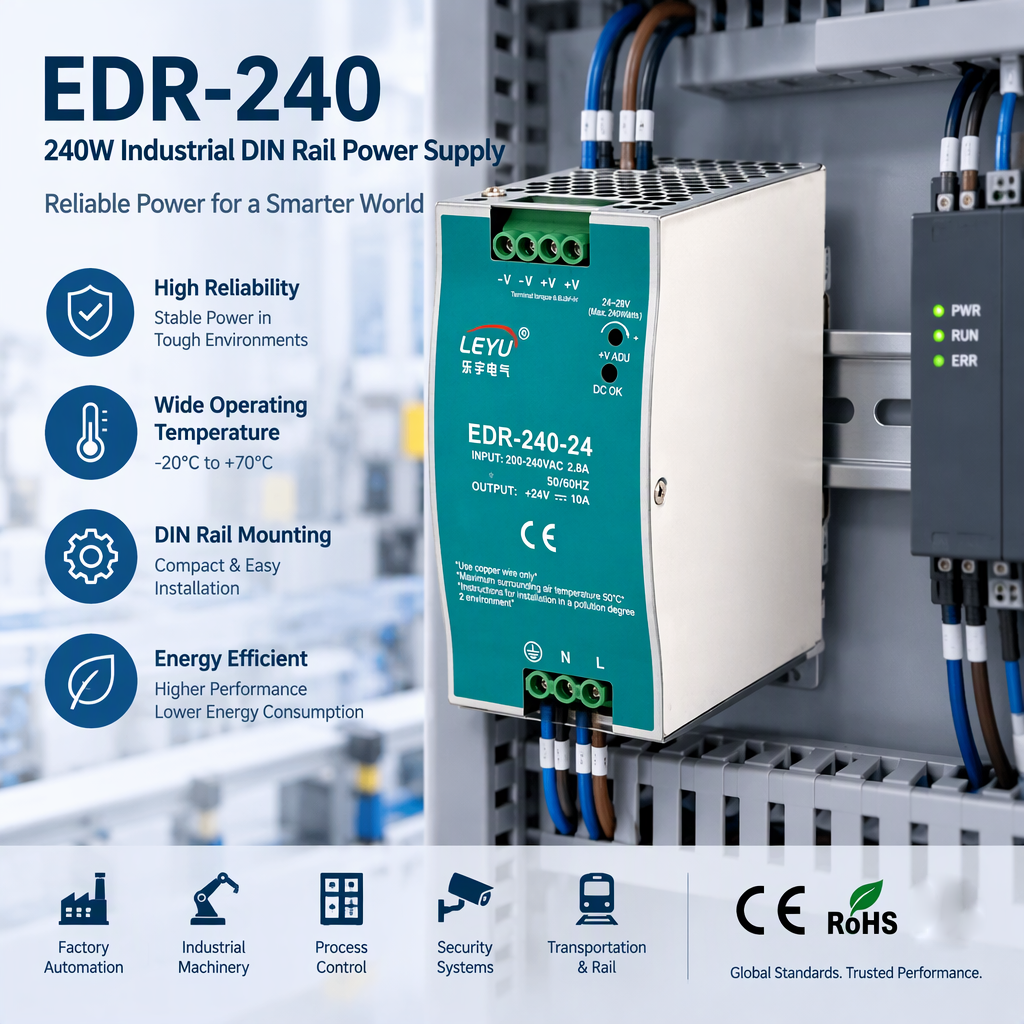
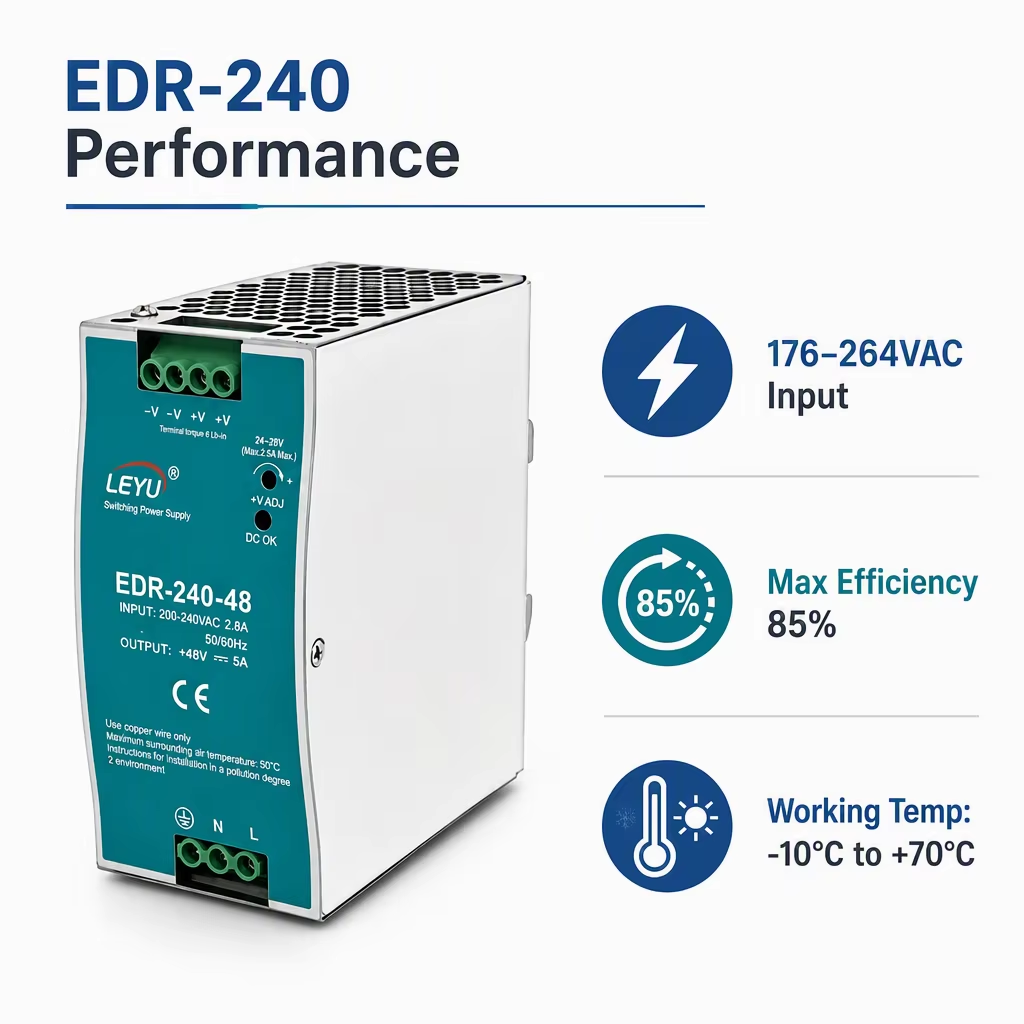
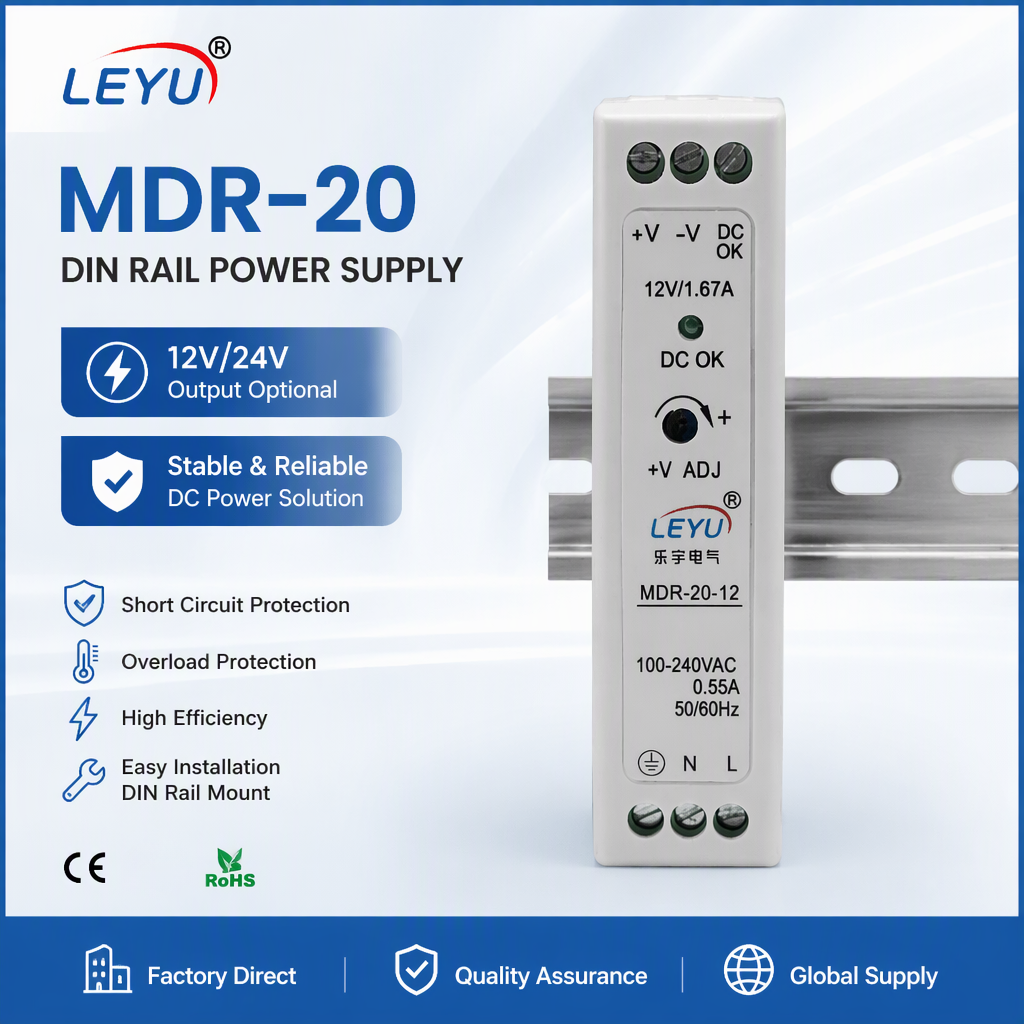
Sapporo and the adjacent Ishikari plain serve as the central agricultural and dairy processing center of Japan. Our EDR and MDR DIN-rail conversion units power remote telemetry units (RTUs), flow sensors, and servo drivers within -30°C blast-freeze facilities, maintaining zero baseline voltage drift under rapid moisture condensation cycles.
Wind & Solar Renewable Energy Conditioning
Hokkaido leads national deployments of megawatt-class solar and coastal wind turbine farms. Keldan's high-input-voltage DC-DC converters step down volatile variable-voltage battery storage banks (48V to 110V DC) into exceptionally clean, low-jitter 24V power rails required for SCADA monitoring equipment and high-frequency communication relays.
Smart City Infrastructure & Road Telemetry
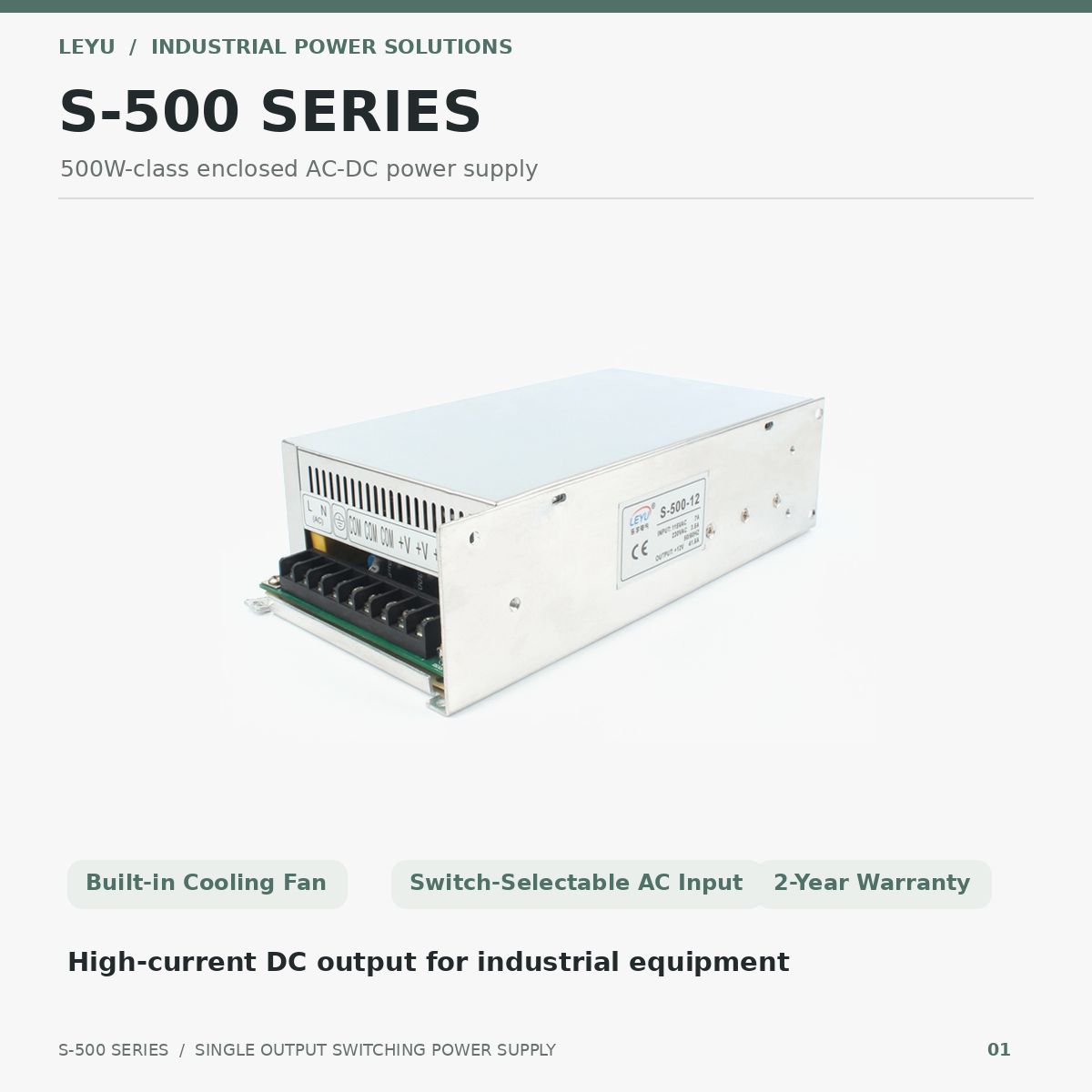
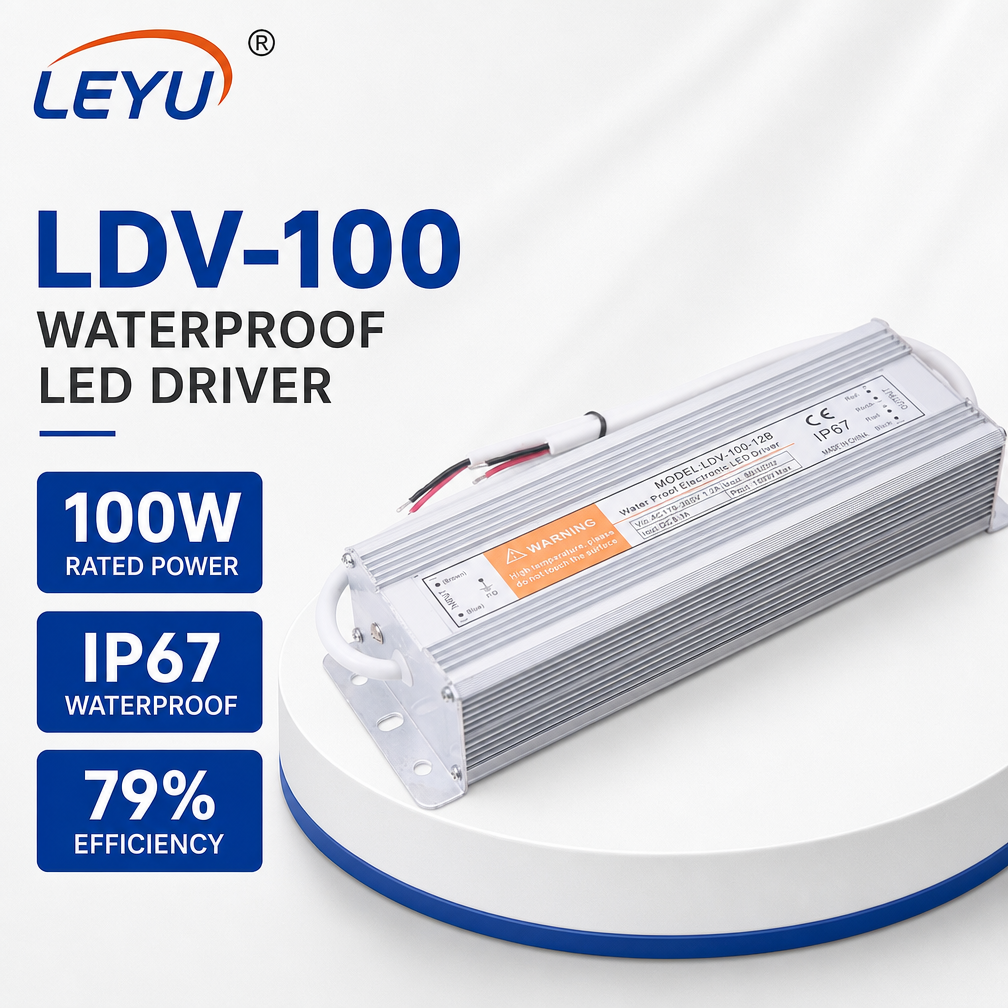
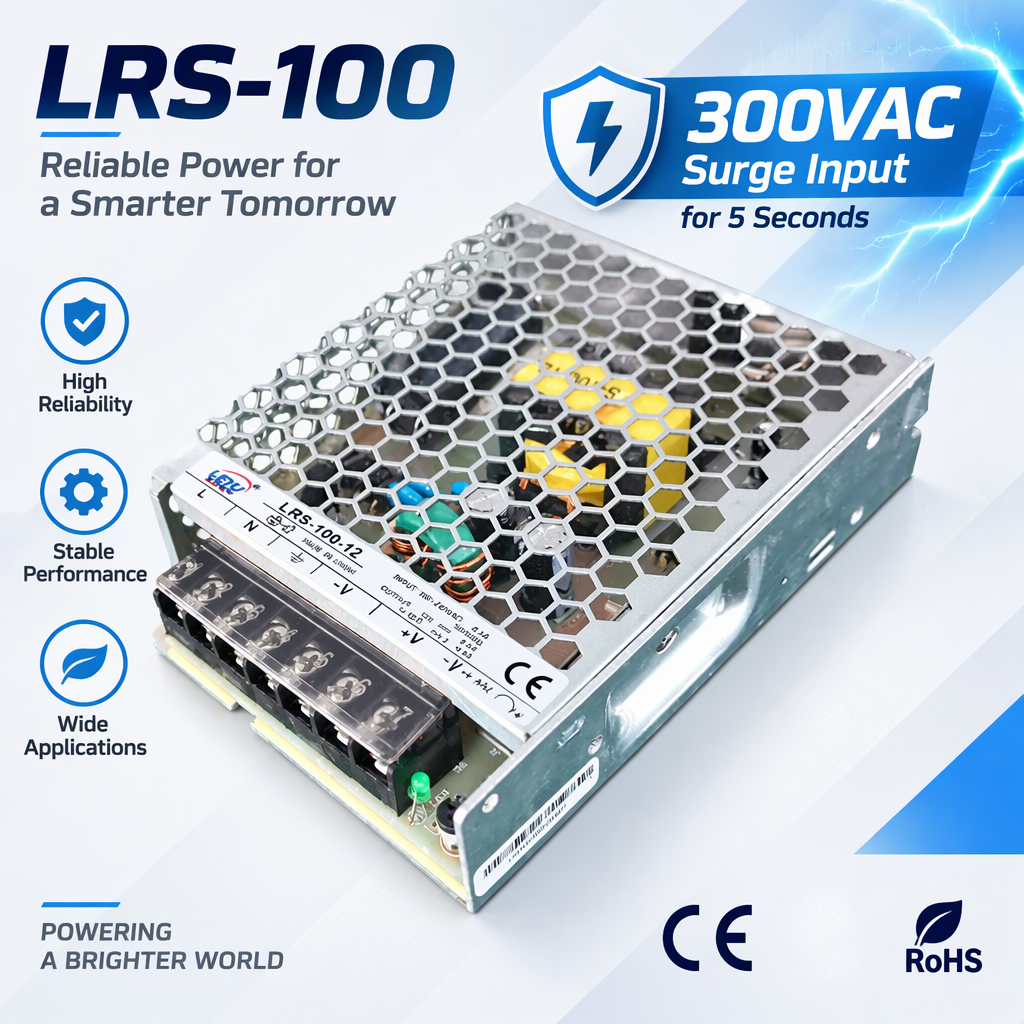
Highway snow-melting monitors, tunnel optical guidance arrays, and Sapporo municipal CCTV installations utilize our IP67-rated LDV and ruggedized S-series converters. These modules withstand extreme 300VAC electrical line surges and seasonal grounding freeze-shift without losing calibration or experiencing MTBF drop-offs.
Future Industrial Trends in Northern Japan's Power Sector
Hokkaido is undergoing a historical transformation into Japan's next-generation green tech and semiconductor corridor. With the multi-billion-yen development of cutting-edge fabrication complexes in nearby Chitose and massive data center developments in Ishikari seeking access to cold air and zero-emission power, the demand for sophisticated DC-DC topology has escalated beyond conventional catalog options.
Three primary engineering trajectories dominate the procurement strategy of Sapporo-based system integrators:
1. Wide-Bandgap Semiconductor Integration (GaN & SiC): Modern facilities require power densities upward of 40W/in³ to minimize cabinet footprints. By utilizing Gallium Nitride (GaN) and Silicon Carbide (SiC) switches, new converter modules achieve 94% to 96% conversion efficiency, dramatically minimizing internal heat generation inside tightly sealed, weather-insulated enclosure cabinets.
2. Decentralized Microgrid Resilience: Following historical regional power outage events, Hokkaido commercial infrastructure prioritizes autonomous DC microgrids running on decentralized 48V battery systems. High-reliability bidirectional and isolated DC-DC modules ensure smooth bridging between rooftop solar arrays, backup fuel cells, and local low-voltage control lines.
3. Low EMI Footprints for Sensitive Diagnostic Sensors: As Hokkaido's life-science laboratories and automated testing hubs expand around Hokkaido University, power conversion products must satisfy stringent CISPR 32 Class B electromagnetic radiation standards without requiring large external filter networks that add cost and mechanical bulk.
| Converter Category | Primary Voltage Range | Typical Topology | Cold-Climate Rating | Recommended Target Industry |
|---|---|---|---|---|
| Isolated DIN-Rail DC-DC | 18-36V / 36-75V DC in → 12V/24V out | Active Clamp Forward / Flyback | -40°C to +70°C Cold Boot | PLC Panels, Cold Storage Logistics, Food Automation |
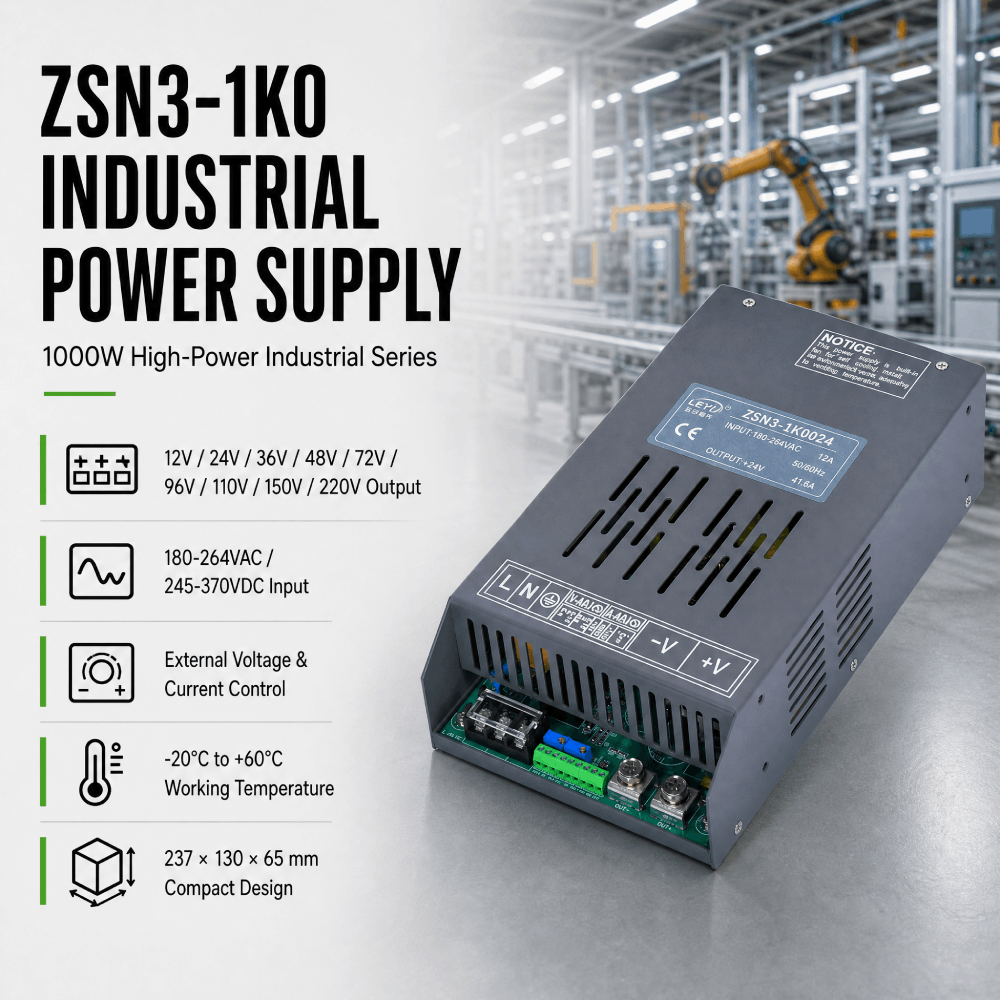
| High-Power Industrial SMPS | 85-264V AC / 120-370V DC Universal | LLC Resonant Half-Bridge + PFC | -30°C to +70°C Operating | Industrial CNC Equipment, Substation Aux Power |
| Harsh Environment Sealed | 90-305V AC Surge-Proof (300VAC 5s) | Quasi-Resonant Flyback (IP67) | -40°C to +80°C Polyurethane | Municipal Roadway Sensors, Outdoor Cold Signage |
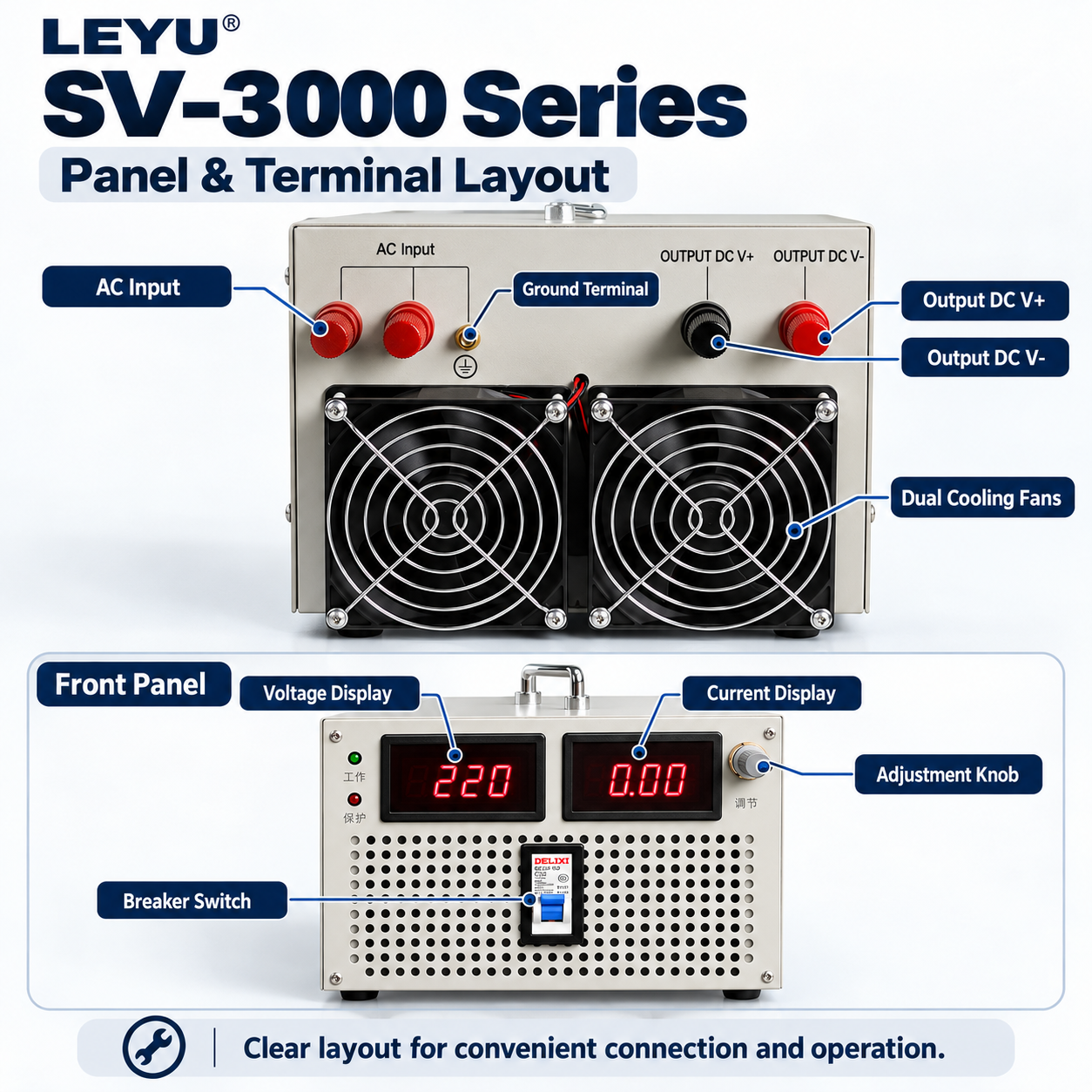
| Programmable Lab Grade | Variable 0-24V up to 0-220V Out | Microprocessor-Controlled PWM | 0°C to +50°C Regulated Room | Semiconductor R&D, Reliability Burn-in Labs |
Why Global Buyers & Japanese Integrators Partner with Keldan
Leveraging Yueqing's world-class electrical supply chain backed by rigorous Western quality auditing standards.
TÜV Rheinland Audited
Our production facilities, testing capabilities, and quality systems have been independently checked and certified onsite by TÜV Rheinland for total procurement reliability.
18+ Years Specialized R&D
Over 18 years focused strictly on power switching topologies, supported by a senior engineering department with individual engineers carrying 5+ years of SMPS custom design expertise.
8-Stage Quality Gates
From automated SMT placement, high-precision reflow profiling, and AOI visual verification to 100% full-load thermal burn-in aging racks before packaging release.
OEM & Custom Flexibility
Full sample-based and schematic customization: bespoke output voltages, conformal anti-condensation potting, private brand labelling, and low initial trial order MOQs.
