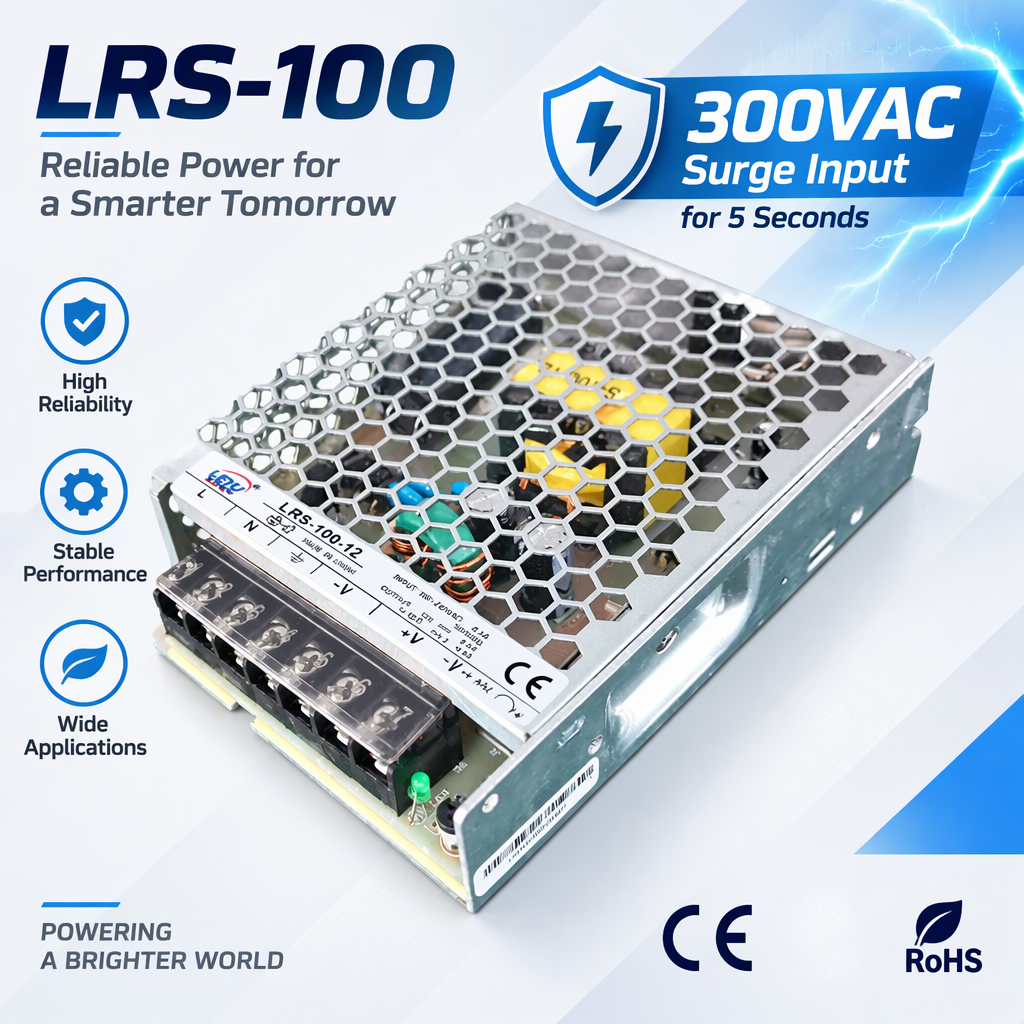
Surge Resistant
Factory-calibrated power supplies, converters, and inverter chargers engineered in our TÜV Rheinland-inspected facility, supporting automation panels, off-grid reserves, and mission-critical telecommunications across the Lazio industrial basin.
An analytical overview of harmonic distortion, grid code synchronization, and operational resilience across Lazio's changing electrical topology.
The transition toward distributed energy architectures across Central Italy requires specialized power conversion hardware capable of withstanding distinct localized stresses. In the metropolitan fabric of Rome—characterized by a complex coexistence of century-old civil electrical networks, dense commercial districts, and expanding peripheral logistical nodes (such as the Rome-East technological corridor and the Pomezia pharmaceutical belt)—inverter chargers and power supplies encounter unique environmental and electrical challenges.
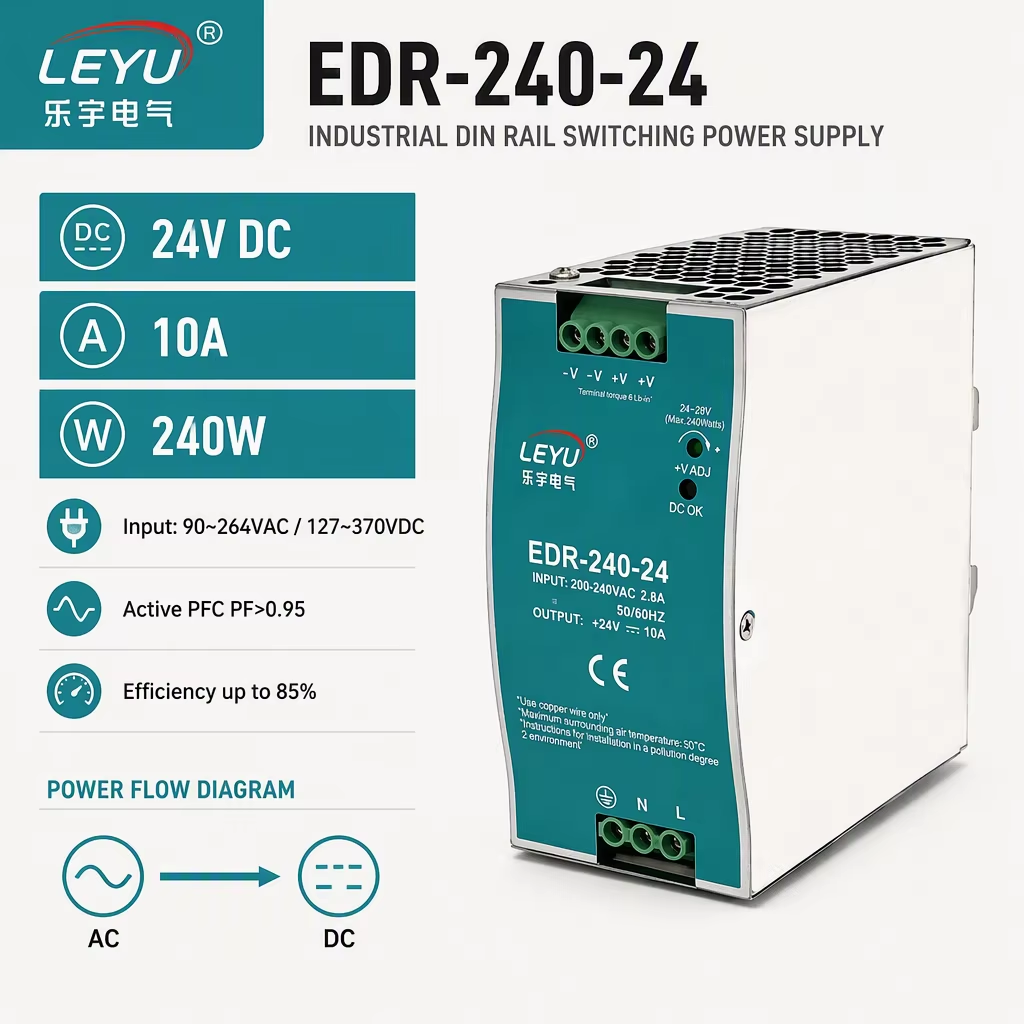
Procuring inverter chargers for this territory requires strict compliance with European electromagnetic compatibility (EN 61000-6-2, EN 61000-6-4) and harmonized low-voltage safety directives (LVD 2014/35/EU). A fundamental design consideration for Lazio electrical contractors is harmonic distortion mitigation. Industrial facilities operating switching power supplies alongside heavy inductive machinery often experience severe line harmonics. Yueqing Keldan Technology integrates high-frequency Active Power Factor Correction (Active PFC, PF > 0.95), drastically curtailing reactive currents and complying with CEI EN 61000-3-2 limits.
Unlike standalone off-grid inverters, an inverter charger operates bi-directionally. When grid power or generator input is present, the unit acts as a high-precision multi-stage battery charger (bulk, absorption, float, and equalization) adapted for lead-acid, AGM, GEL, or lithium (LiFePO4) chemistries. When utility AC fails or drops outside standard voltage envelopes (180V–260VAC), an ultra-fast automated transfer switch (ATS) re-engages inversion within <8ms to 15ms. This ensures that sensitive processing units, agricultural ventilation controls, and telecommunication switches experience continuous pure sine wave power without logic restarts.
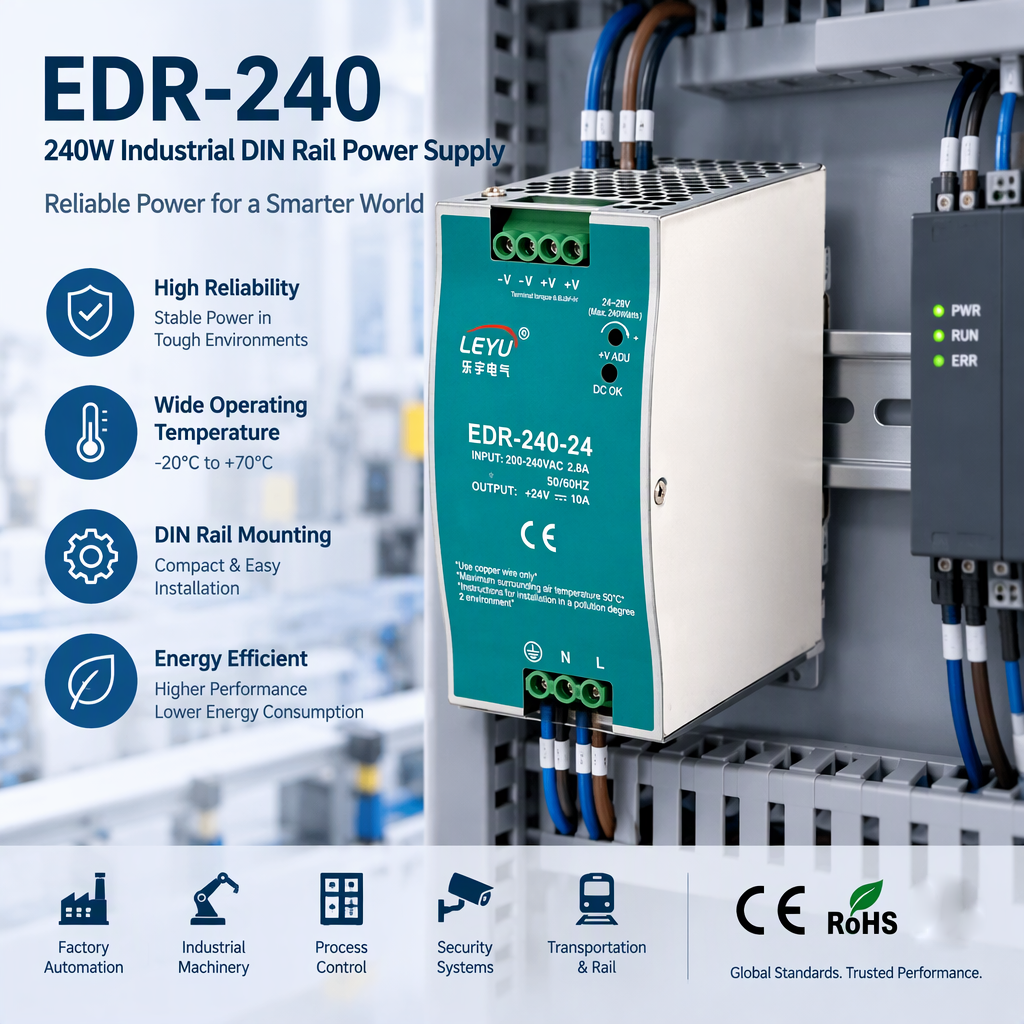
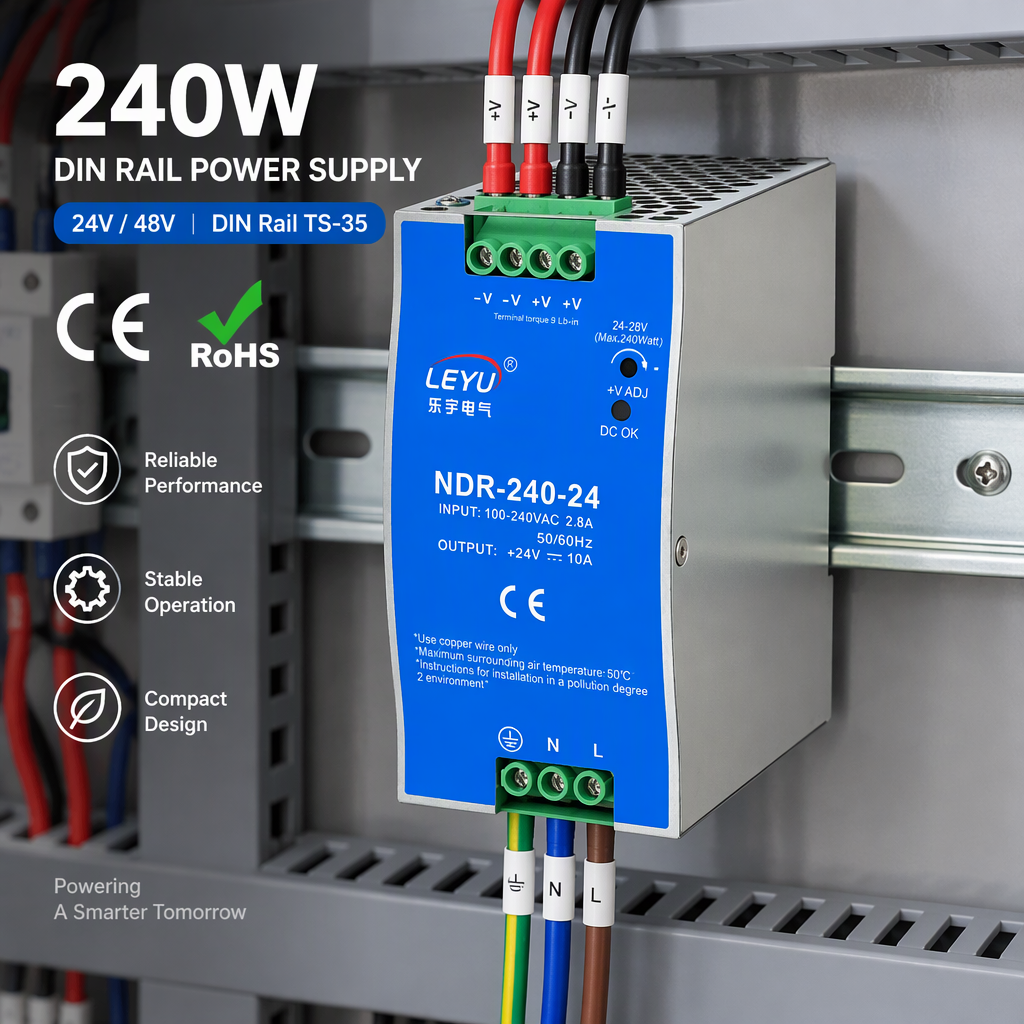
Furthermore, Rome's Mediterranean microclimate creates sustained summer thermal loads, with switchgear room ambients frequently exceeding 40°C. Standard off-the-shelf power converters experience steep derating curves under these conditions. Our industrial DIN rail series (such as the DRP-240 and LEYU EDR-240) and high-output switching units utilize extruded aerospace-grade aluminum chassis engineered with natural convection chimney pathways and smart thermal-sensing PWM fans. This architecture guarantees full nominal output up to 50°C ambient before initiating progressive, graceful derating.
Field-tailored deployment paradigms addressing the specific infrastructure requirements of Lazio's primary commercial and industrial segments.
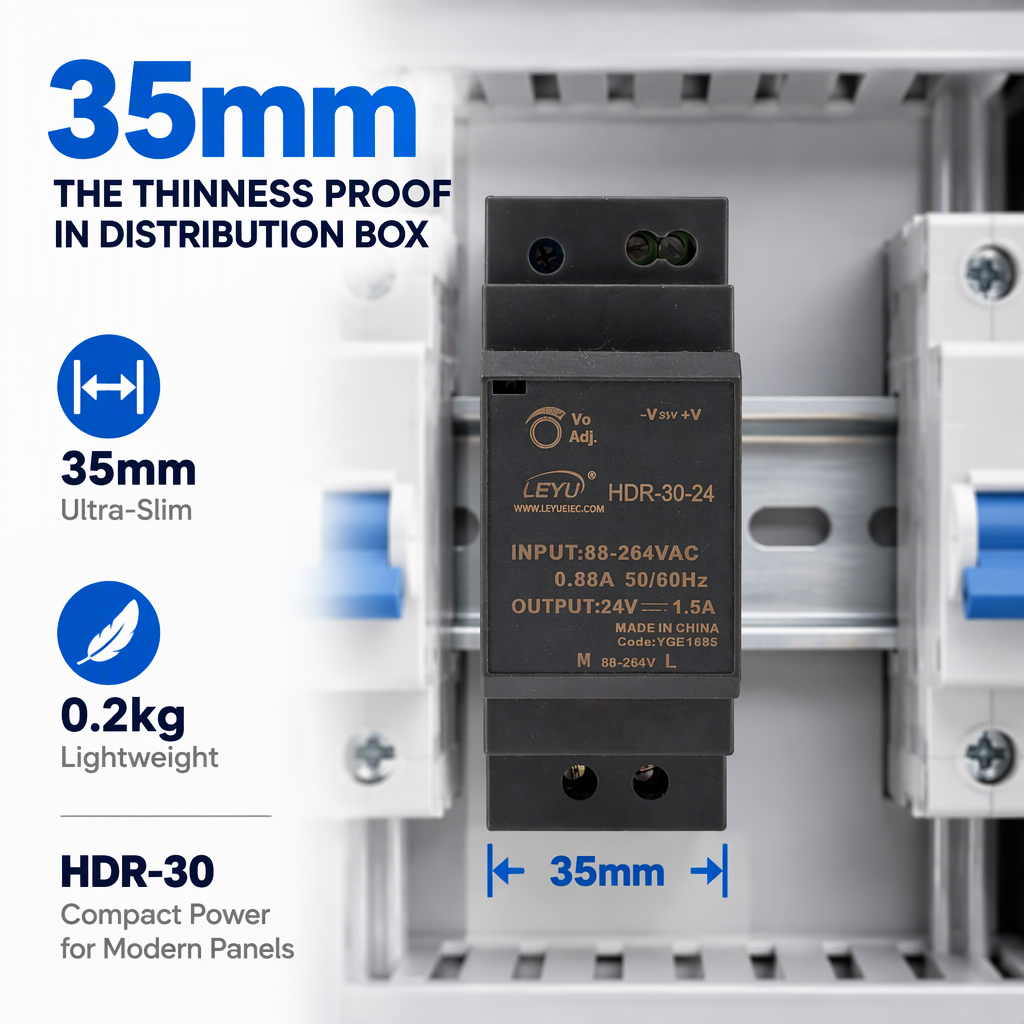
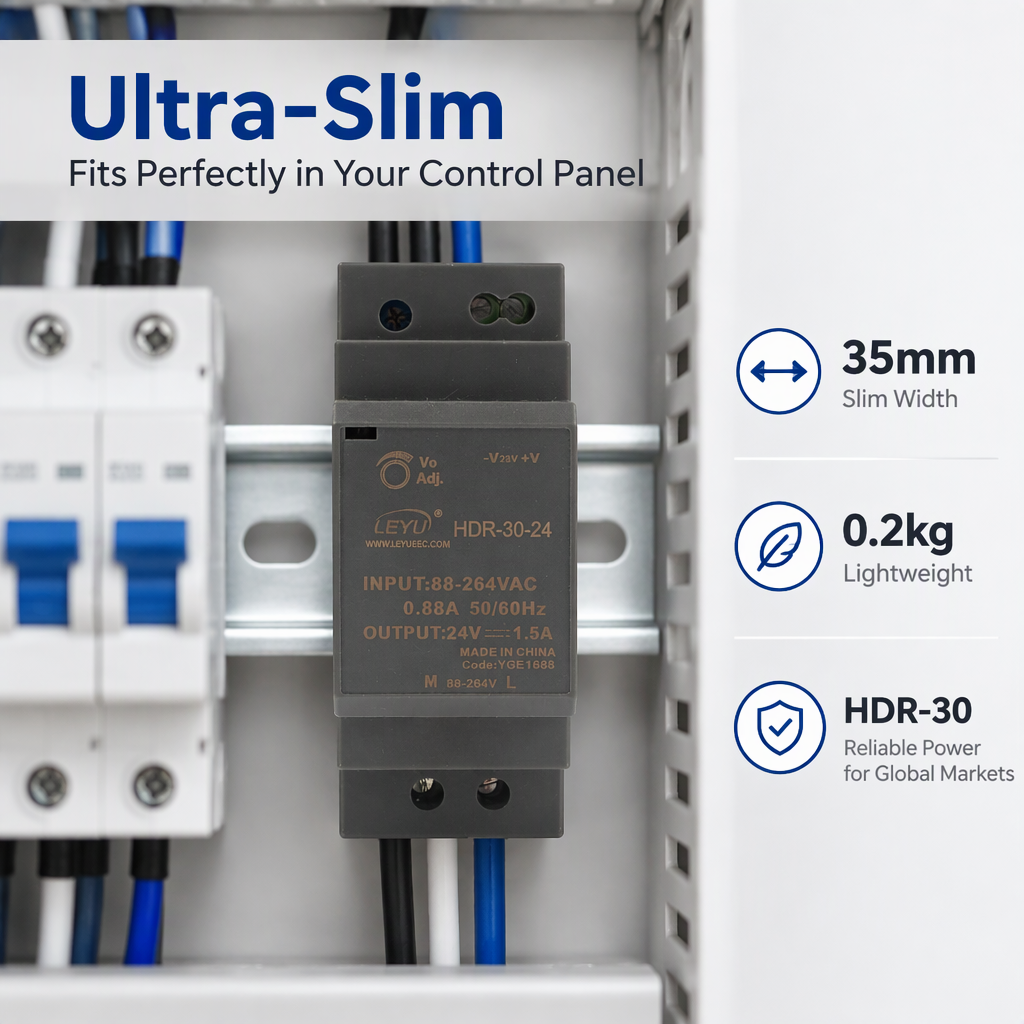
Preserving the aesthetic integrity of Rome's historic center (Centro Storico) prohibits disruptive utility rewiring. Local contractors deploy slim DIN rail switching modules (Ultra-Slim 30W, HDR series) inside micro-distribution boards for Building Automation and Control Systems (BACS), ambient museum LED drivers, and compact access control interfaces.
From the Castelli Romani vineyards to the Maremma Laziale agricultural basin, rural enterprises face recurring end-of-line grid drops. Pure sine wave inverter chargers coupled with PWM solar charge controllers deliver seamless backup power for cold storage refrigeration, irrigation telemetry, and off-grid hospitality chalets.
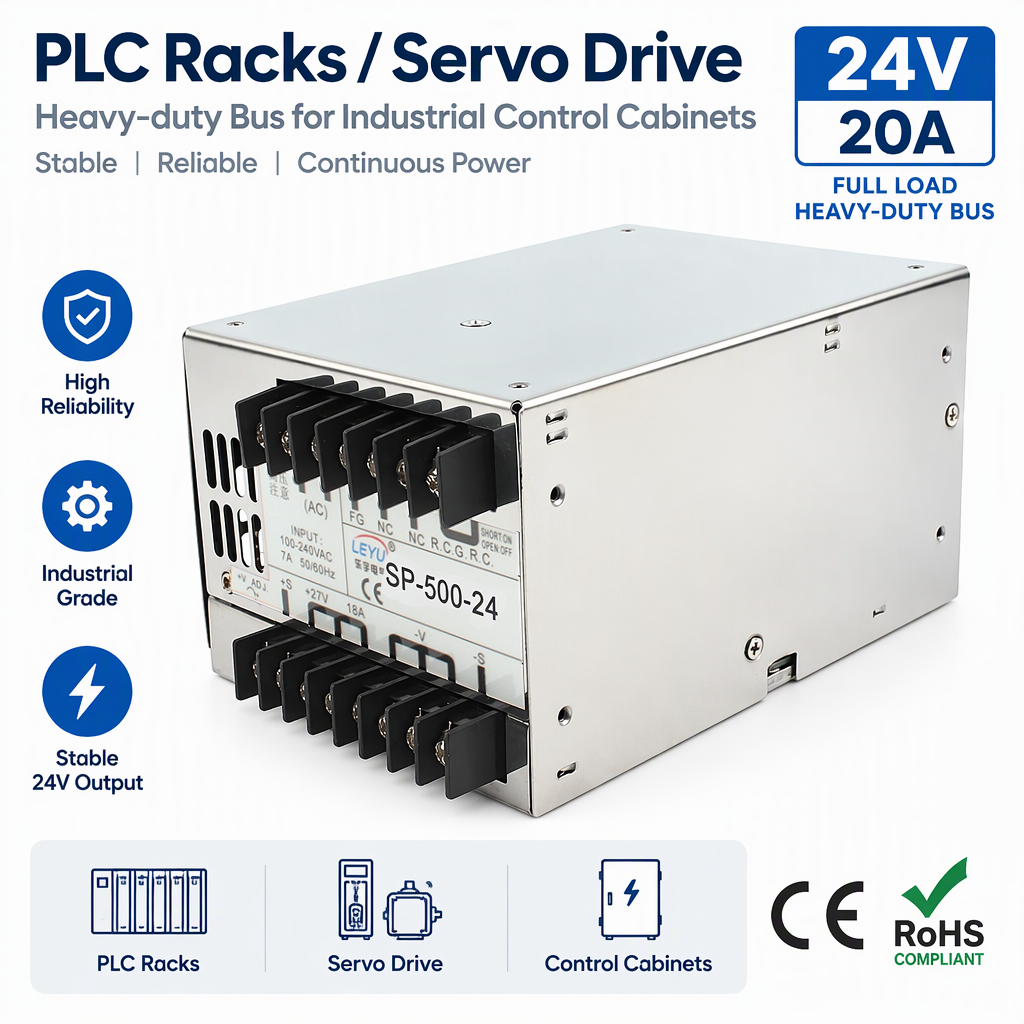
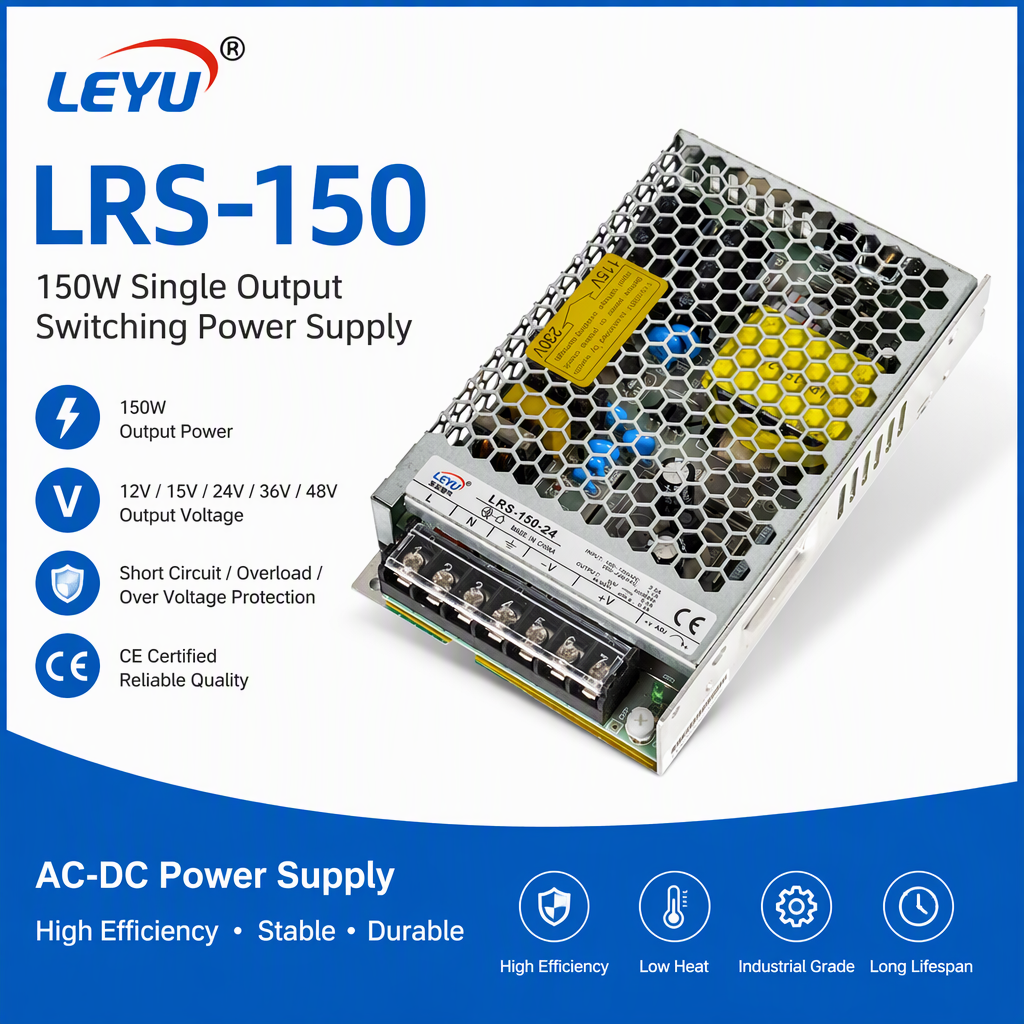
The manufacturing corridors around Latina and Pomezia demand uninterrupted 24V/48V control power for automated packing machinery, packaging PLCs, and optical inspection sorting tracks. High-capacity DRP-240 and SP-500 switching units safeguard these continuous processes against destructive brownouts and voltage dips.
Key drivers impacting procurement managers, industrial installers, and electrical distributors across Lazio under European decarbonization mandates.
Recent Italian summers have subjected Rome's underground power distribution grid to unprecedented peak demands, driven by universal air conditioning loads. Thermal stresses result in periodic localized brownouts and phase imbalances across industrial estates. As a consequence, specification engineers are systematically replacing standard standalone inverters with integrated inverter chargers that maintain emergency battery float states and offer instantaneous backup switching.
With Italy accelerating incentives for commercial energy independence, traditional flooded lead-acid battery banks are rapidly yielding to Lithium Iron Phosphate (LiFePO4) storage. This evolution demands that exported inverter chargers feature programmable charging algorithms, custom cut-off voltage thresholds, and robust BMS communication options to prevent premature lithium cell lockout during sustained deep cycles.
The Italian implementation of European Ecodesign directives has placed stringent limits on no-load idle consumption. Modern panel builders refuse converters that generate excessive parasitic heat when equipment is in standby. Keldan's current power generation architecture features eco-mode sleep circuits, limiting quiescent draw to negligible levels without sacrificing transient response speed.
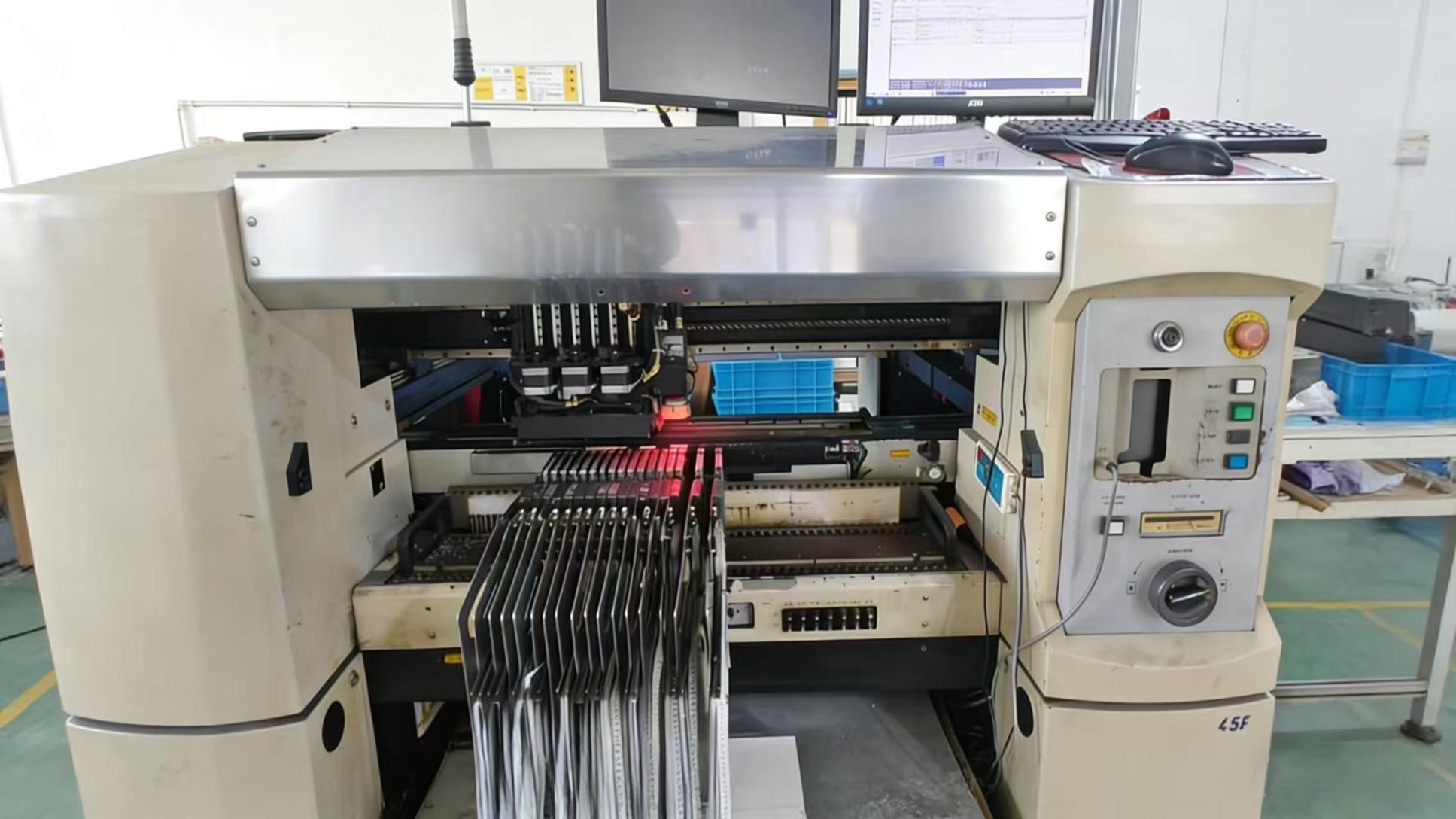
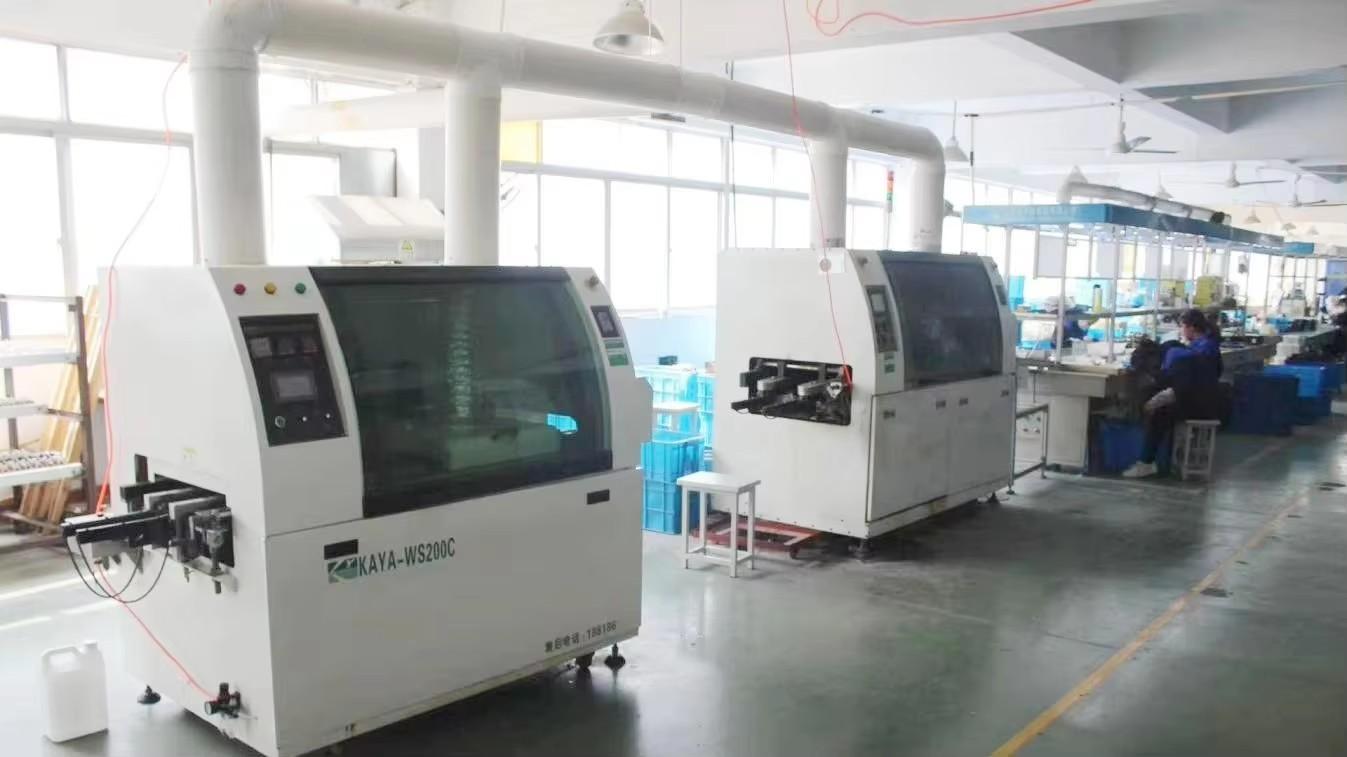
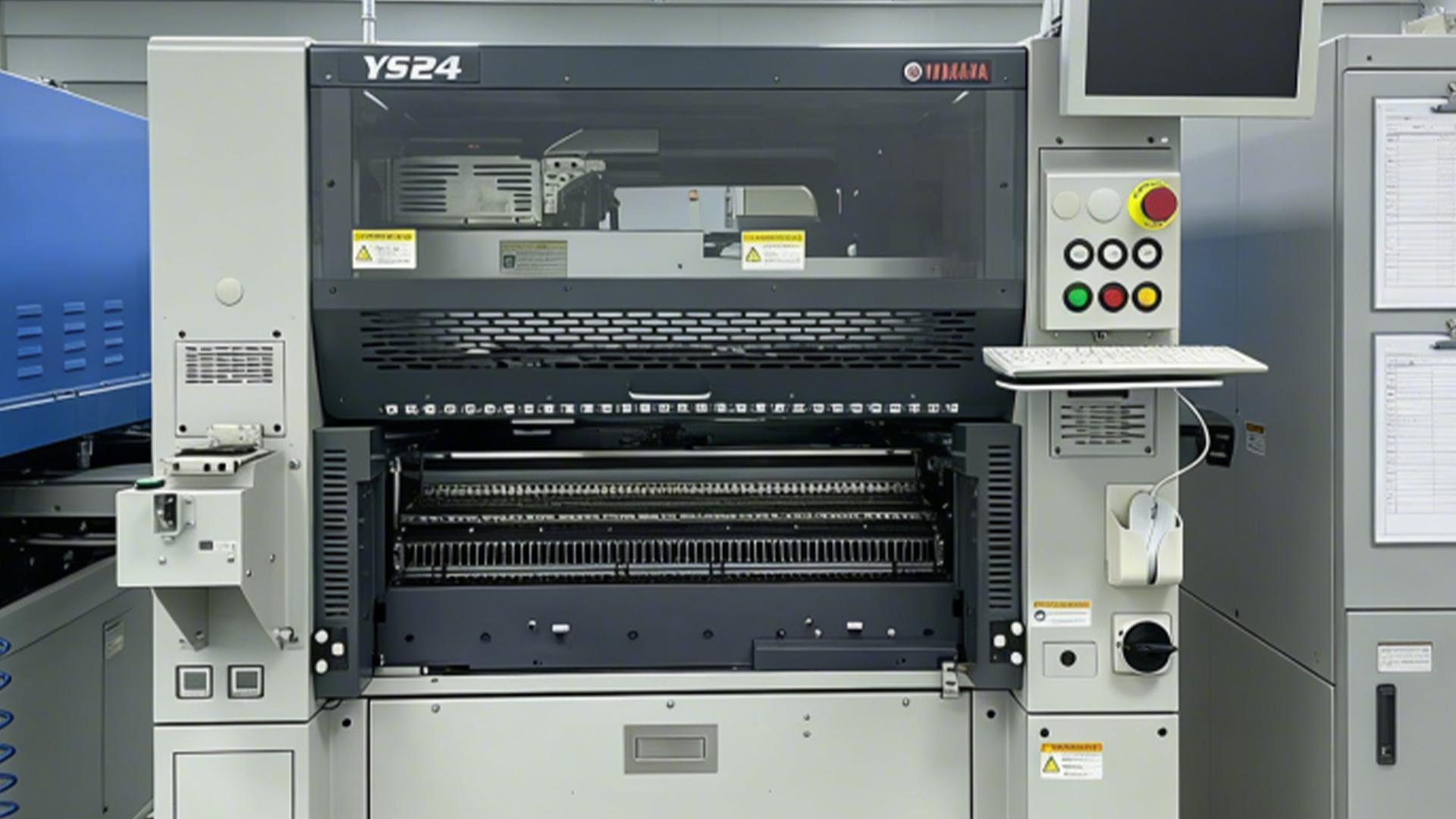
Direct factory oversight in China's low-voltage electrical capital, validated through third-party audits by TÜV Rheinland and verified by stringent testing regimes.
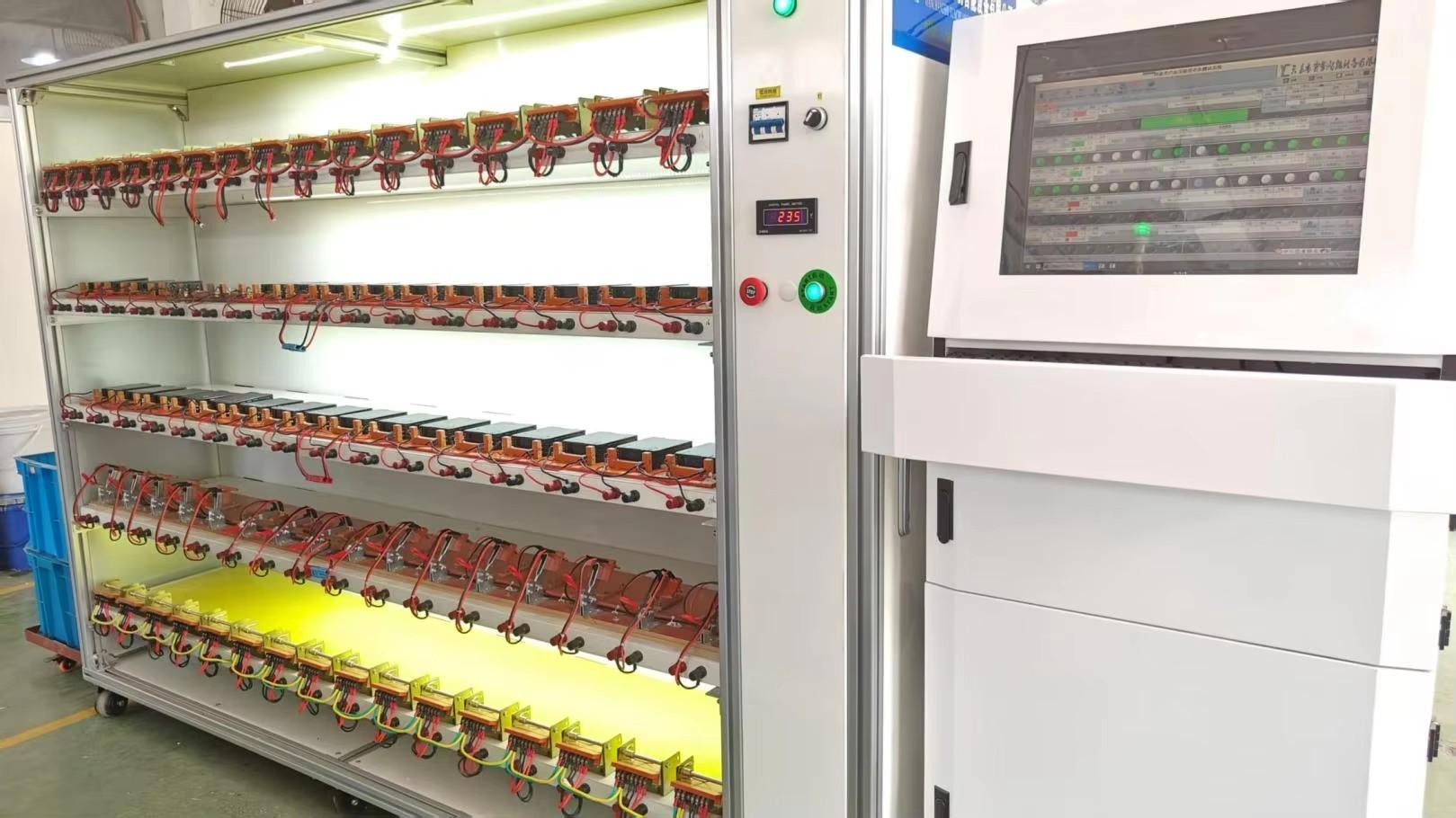
Our production facilities, testing protocols, and export QA/QC lines are verified on-site by TÜV Rheinland, providing complete transparency for European supplier compliance.
Specialized exclusively in power electronics, DIN rail modules, and sine wave inversion topologies, backed by our team of senior SMPS design engineers.
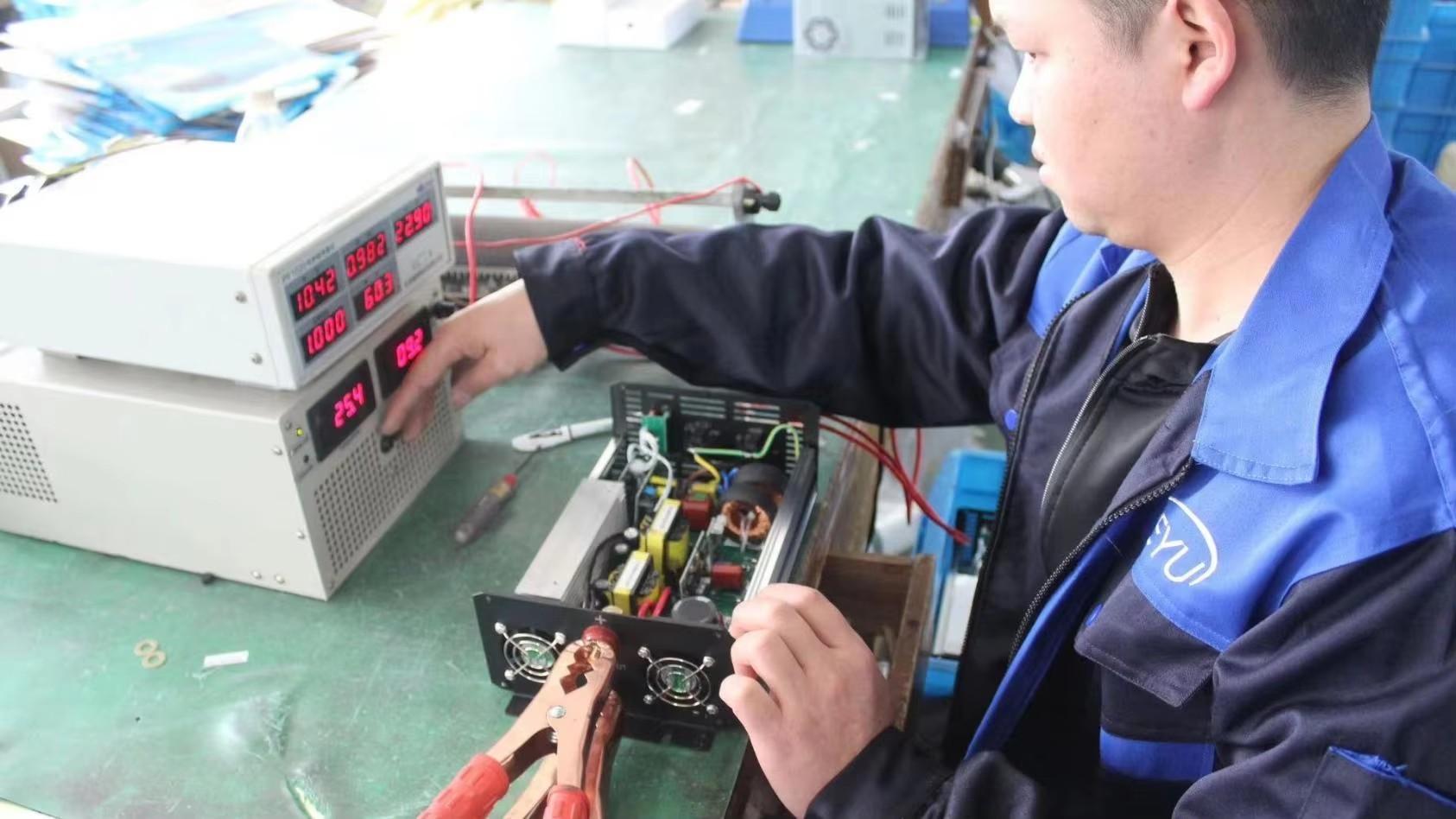
Every single power supply and inverter charger undergoes thermal stress screening and full-load burn-in cycles prior to packaging, eliminating early-life infant mortality.
Custom DC voltage rails, bespoke metal housings, specific connector blocks, and private labeling configured directly from engineering drawings or functional samples.
Addressing operational, regulatory, and logistics inquiries commonly raised by Italian electrical distributors, panel builders, and EPC installers.
