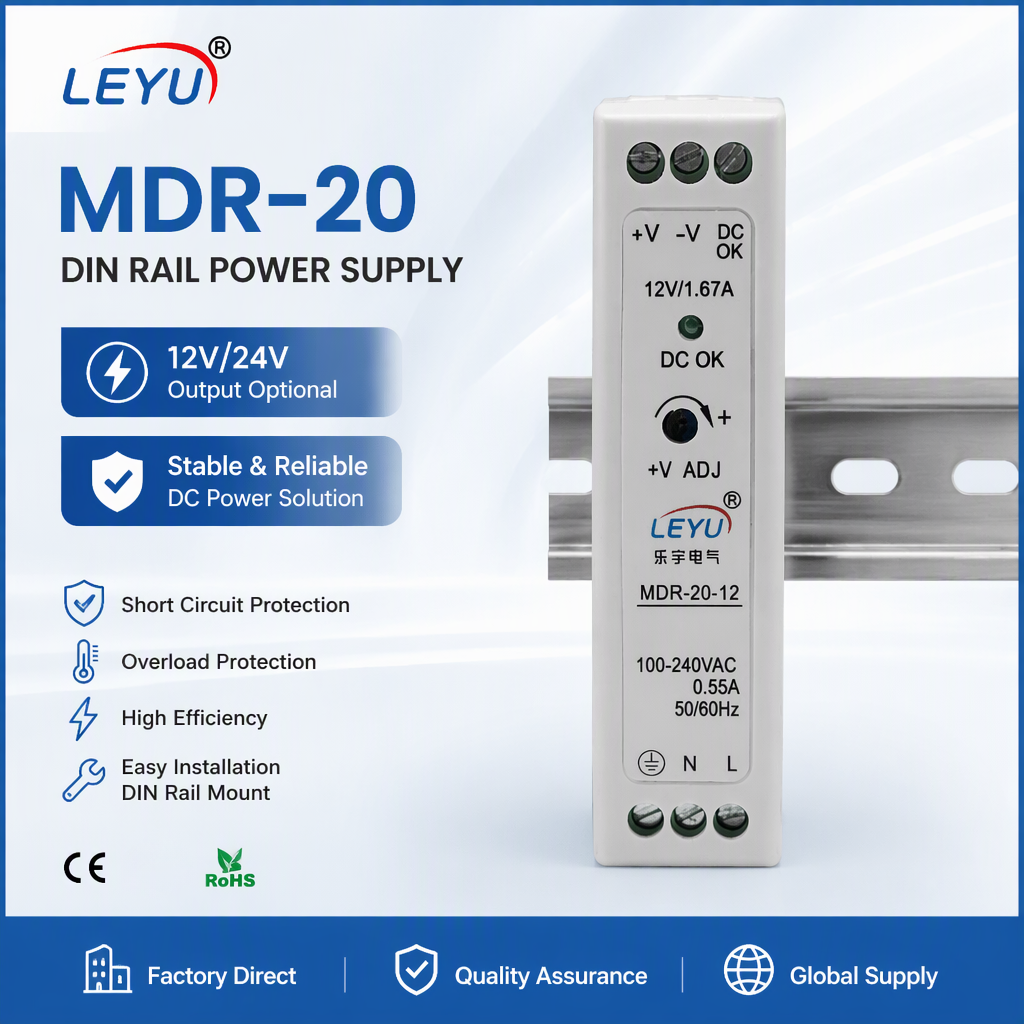
DIN Rail SMPS
MDR-20 20W DIN Rail Switching Power Supply 12V 1.67A 24V 1A AC DC
TS-35 Mount
12V/24V
Industrial Automation
Tested under rigorous burn-in protocols, these switching power units, industrial DC modules, and ruggedized DC-to-AC conversion solutions provide stable auxiliary power inside high-vibration control cabinets and sub-zero field shelters.
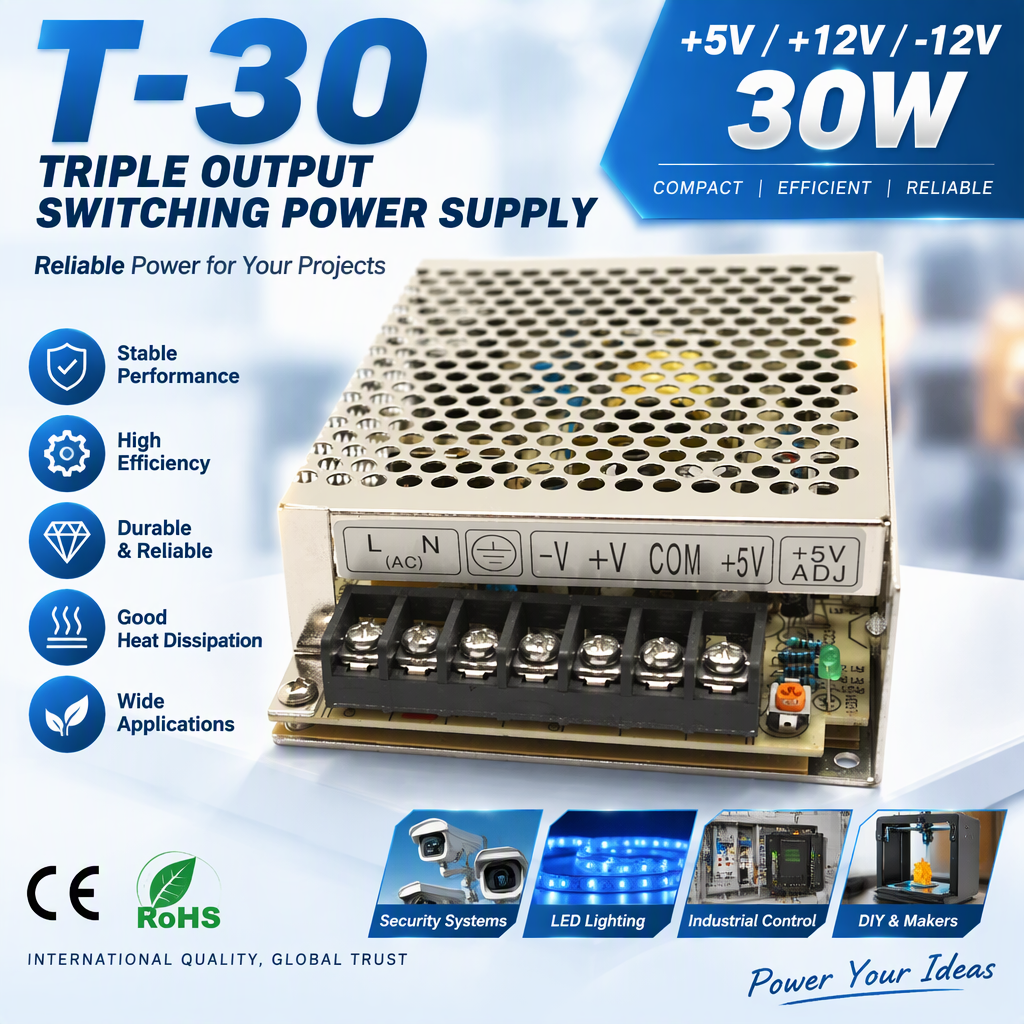
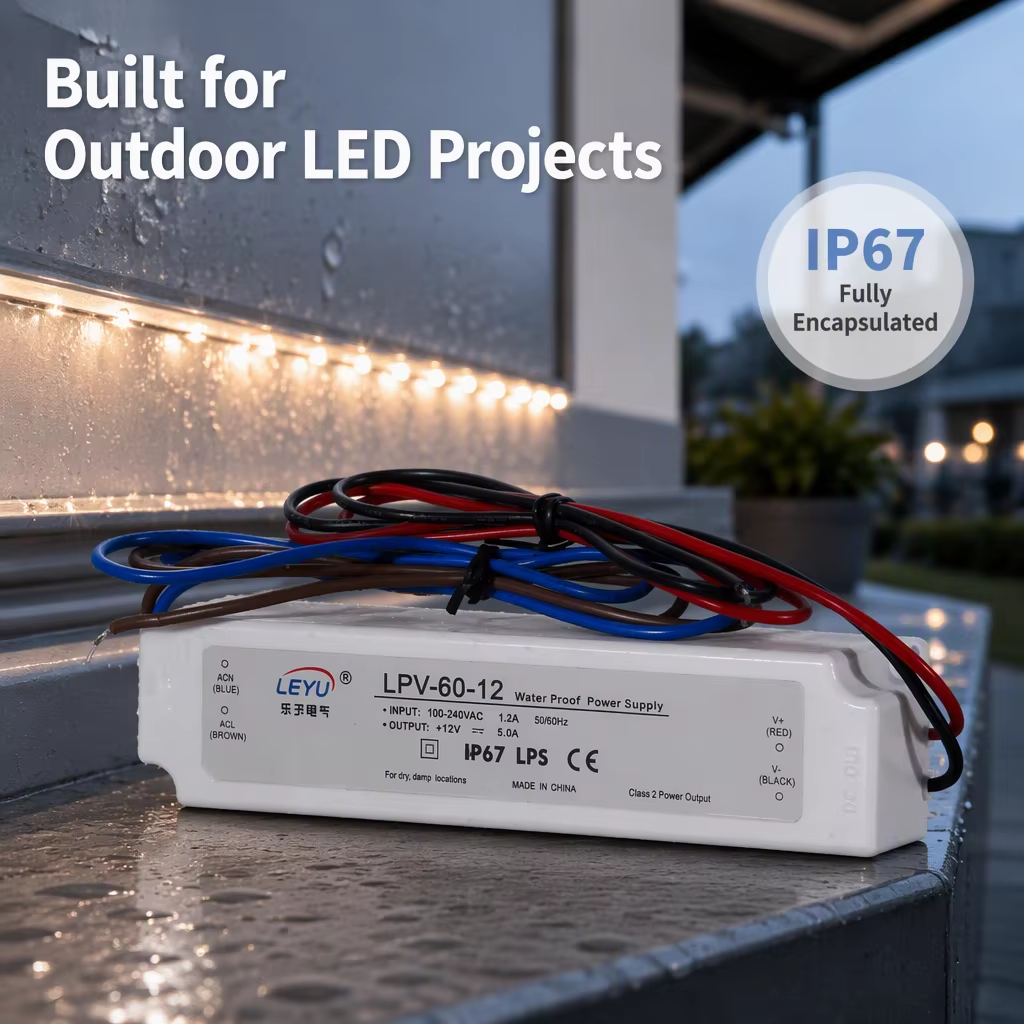
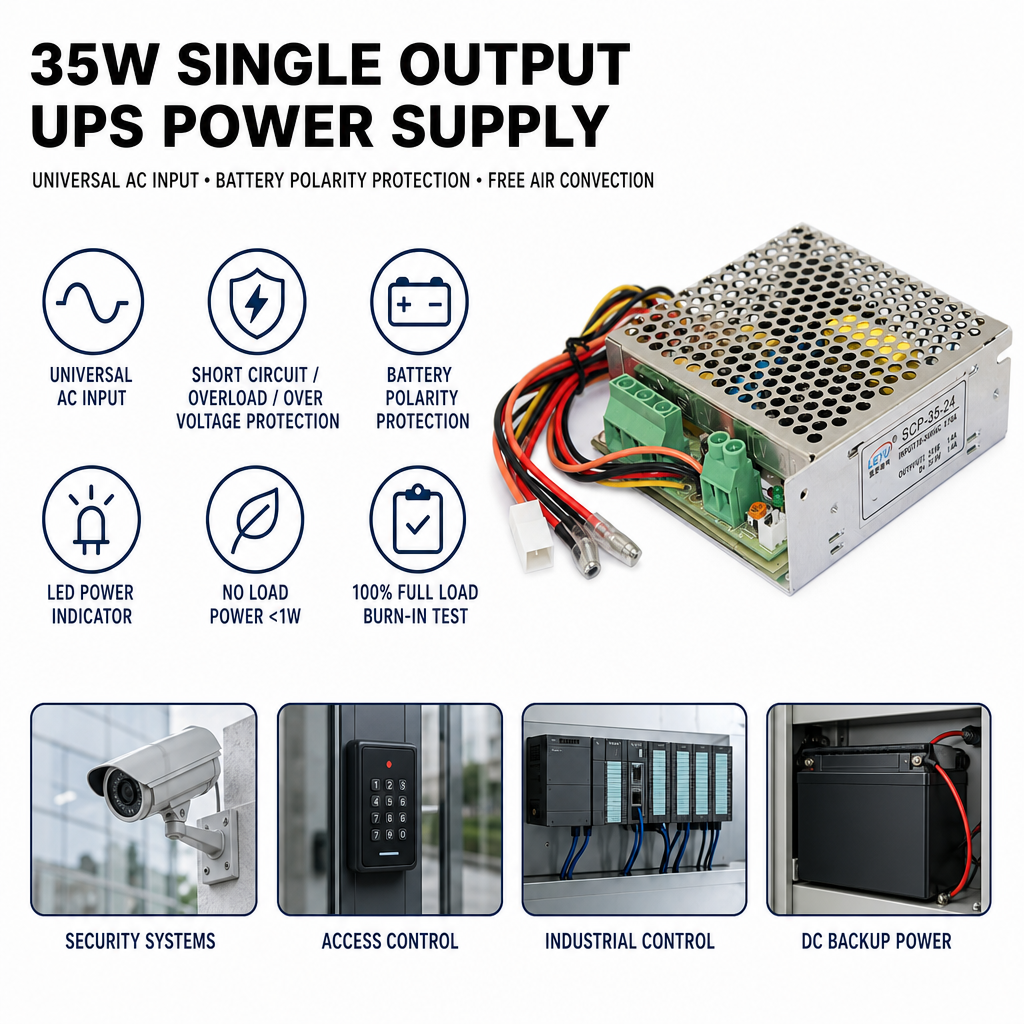
A technical assessment of modified sine wave topologies, peak surge factors, cold-start mechanics, and harmonic dissipation in industrial and off-grid Mongolian infrastructure.
In Erdenet—the industrial hub of Orkhon Province renowned for one of the world's largest open-pit copper and molybdenum mining installations—power reliability encounters harsh geographical constraints. Electrical hardware operating in this subarctic continental climate must withstand ambient winter temperatures plunging toward -35°C to -40°C, combined with substantial line fluctuations and fine mineral dust. When evaluating modified sine wave (MSW) inverters versus pure sine wave topologies, electrical procurement teams must dissect harmonic distortion, thermal dissipation, and conversion efficiency.
Modified sine wave inverters synthesize alternating current by generating a three-state, pulse-width-modulated (PWM) stepped approximation of a standard sinusoidal wave. Instead of an uninterrupted sinusoidal curve, the waveform pauses at zero volts before transitioning across polarity axes. While pure sine wave units remain mandatory for complex inductive loads (e.g., synchronous motors, high-precision laboratory analyzers, and sensitive medical imaging), modified sine wave inverters deliver exceptional cost-to-performance efficiency for resistive heating, halogen/incandescent mining illumination, AC universal-motor field tools, and basic switch-mode auxiliary chargers.
Because modified sine wave topology relies on high-speed switching of power MOSFETs across a primary high-frequency transformer, harmonic distortion (THD typically between 25% and 35%) produces eddy-current losses in iron-core transformers. Consequently, Yueqing Keldan Technology engineers its inverters with oversized magnetic cores, low-ESR solid electrolytic capacitors rated for -40°C cold cranking, and conformal-coated printed circuit boards (PCBs) to resist condensation caused by sudden shifts between outdoor freezing air and heated cabin enclosures.
| Operational Metric | Standard Commercial MSW Inverters | Keldan Ruggedized Industrial MSW Series | Engineering Advantage in Erdenet |
|---|---|---|---|
| Low-Temp Tolerance | -10°C to +40°C (Standard grade) | -30°C to +60°C Verified Operation | Cold-start capability without pre-warming jackets inside unheated containers. |
| PCB Dielectric Protection | Uncoated / Standard Solder Mask | Three-Layer Conformal Polyurethane Coating | Prevents short circuits caused by pulverized copper ore dust and condensation. |
| Surge Headroom (Peak) | 120% to 150% for 500ms | 200% Surge Rating for 2.0 Seconds | Absorbs inrush currents of immersion heaters, work lights, and angle grinders. |
| Switching Element Margin | MOSFET voltage margin +15% | Automotive-grade MOSFETs rated at +35% Vds | Resists high transient back-EMF common in unstable off-grid generator loops. |
| Input DC Voltage Range | ±10% nominal (Battery drift cutoff) | 10.0V–15.8V DC (12V) / 20.0V–31.5V DC (24V) | Supports both deeply depleted lead-acid batteries and high solar charging spikes. |
Field installations where rugged modified sine wave power supplies and high-reliability switching electronics bridge the gap between volatile off-grid conditions and daily operations.
Around the Erdenet Mining Corporation open-pit complexes, service vans, lube trucks, and field-repair flatbeds require on-demand 220V AC power to drive heating elements, hydraulic oil warmers, battery chargers, and impact wrenches. Utilizing a high-output 24V DC to 220V AC modified sine wave inverter directly integrated into the truck's dual-alternator system provides heavy-duty wattage at a third of the cost and weight of commercial lab-grade sinusoidal gear.
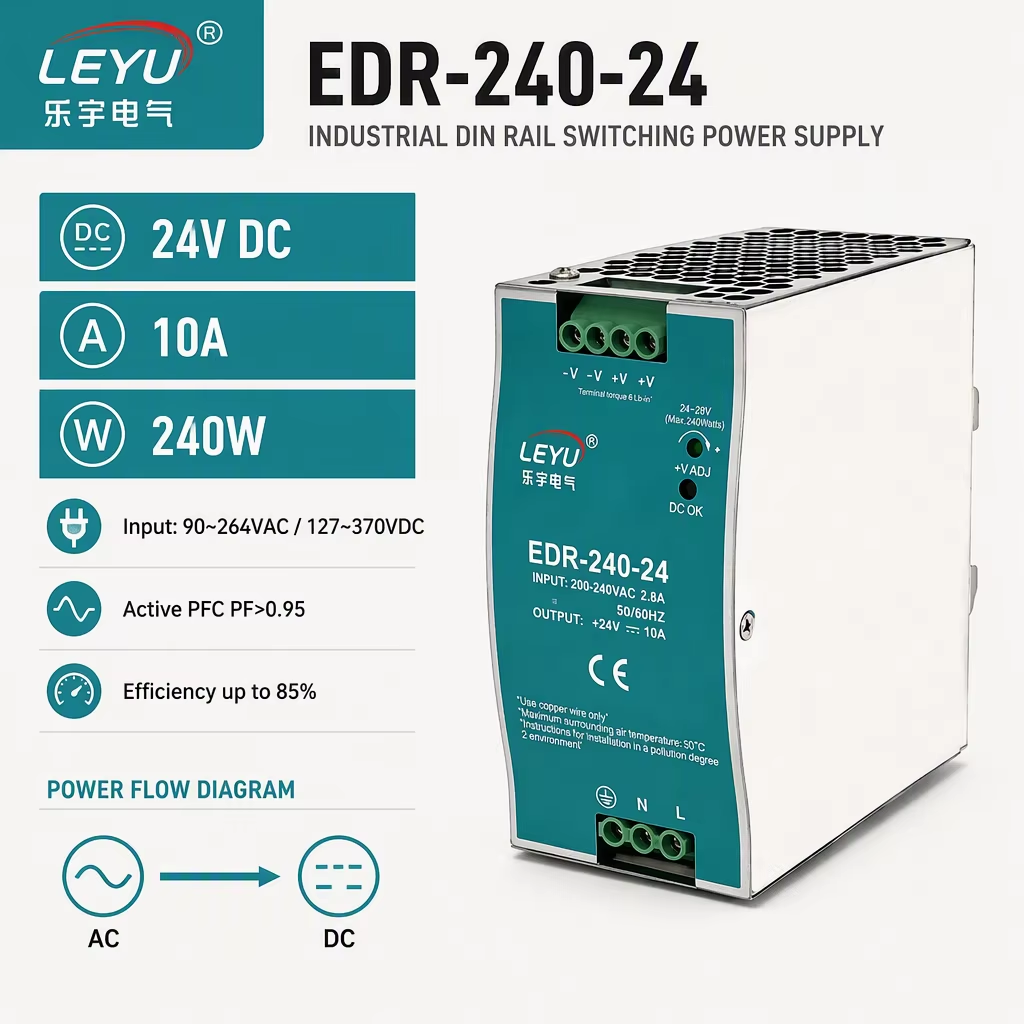
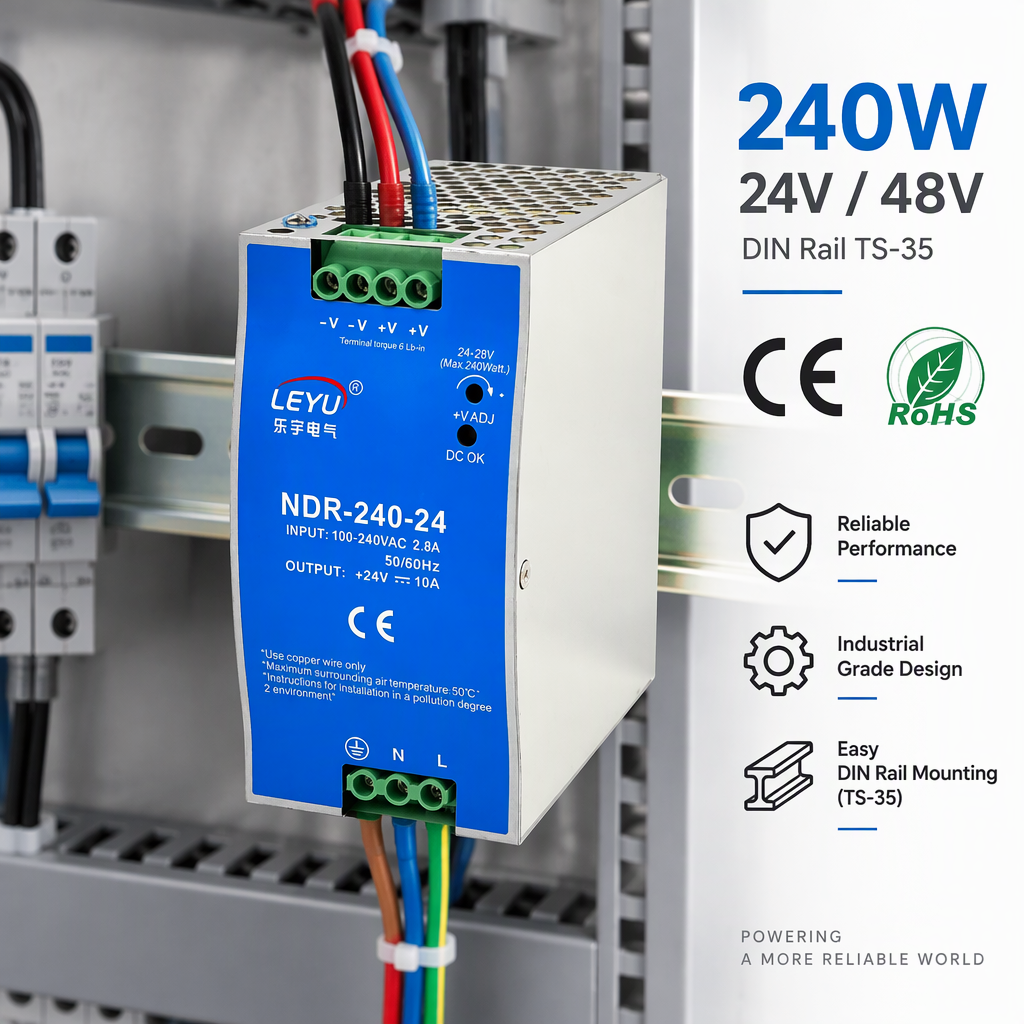
In electrical substations interconnected with the Central Energy System (CES), auxiliary DC banks (typically 24V, 48V, or 110V DC) require dependable bridge supplies. Our DIN rail modules—such as the NDR-240 Active PFC—work alongside backup inverters to sustain critical LED cabinet indicators, trace-heating strips, and telemetry routers without tripping under substation transient voltage surges.
In the peri-urban ger districts and rural livestock pastures surrounding Erdenet, distributed photovoltaic installations operate with 12V/24V deep-cycle gel or lead-acid batteries. Here, our modified sine wave inverters seamlessly drive household LED lighting strings, satellite television recievers, resistive kettle warmers, and diesel auxiliary cabin heaters, guaranteeing reliable living conditions across extreme winters.
Mongolia’s national "Vision 2050" and New Recovery Policy place immense strategic priority on energy independence, decentralized rural electrification, and modernization of heavy industrial infrastructure in Orkhon and Selenge provinces. Historically reliant on localized coal-fired combined heat and power plants (CHPs), Erdenet is actively accelerating solar PV adoption and battery energy storage system (BESS) integration.
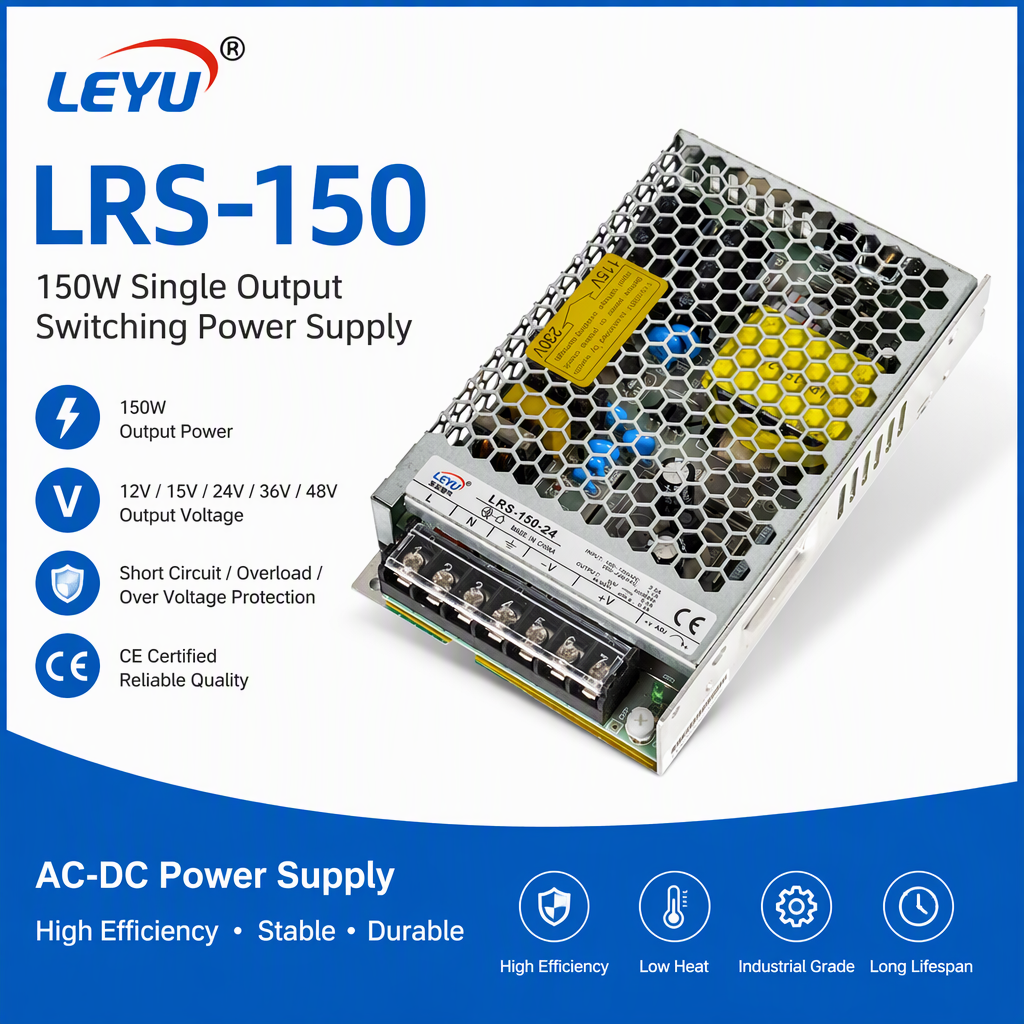
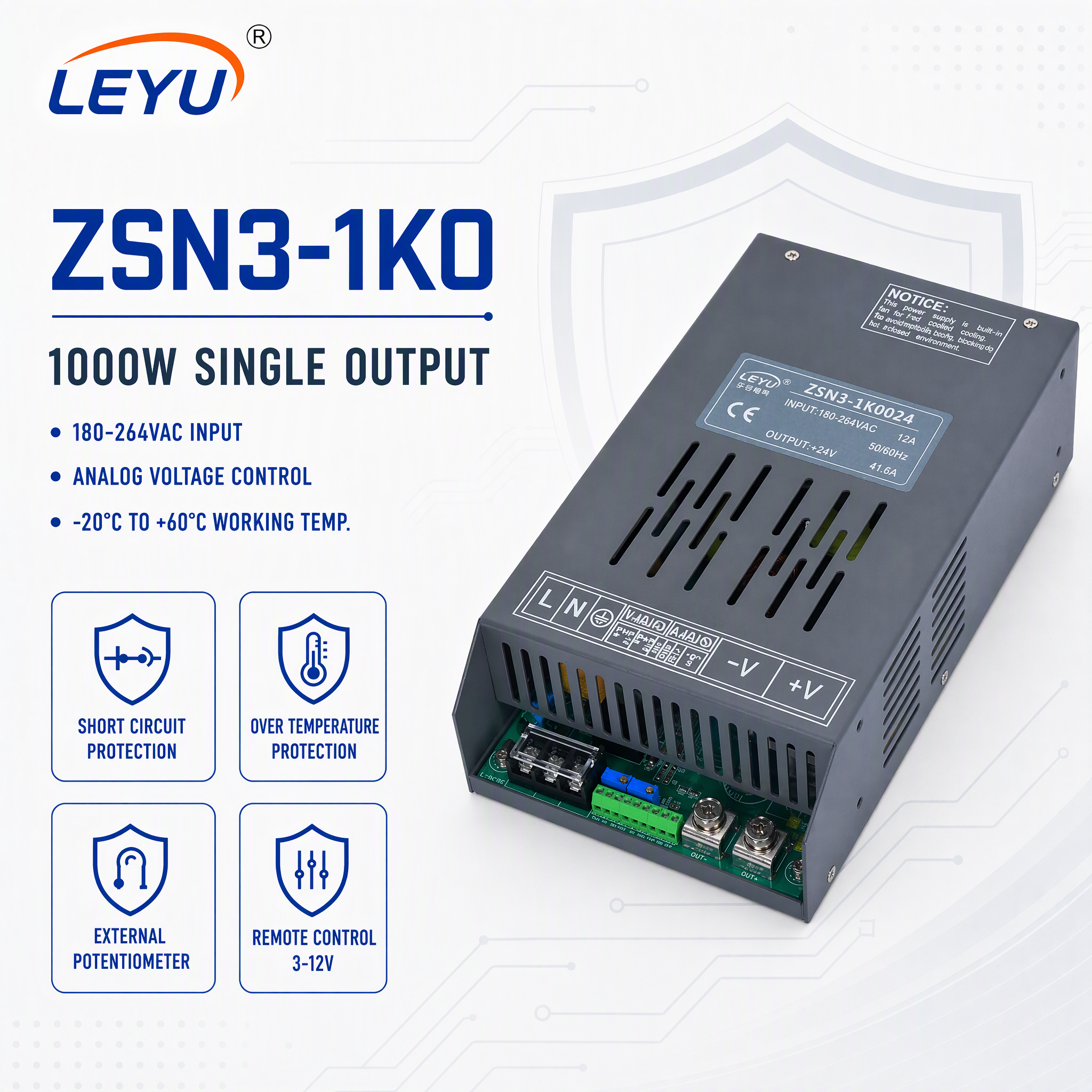
Procurement patterns over the last 24 months reveal a decisive shift: industrial engineering teams in Erdenet no longer source generic consumer inverters from open retail borders. Instead, industrial procurement departments demand direct manufacturer-backed qualification, complete test records (such as AOI and full-load burn-in certificates), and tailored DC inputs (e.g., wide 18V–32V ranges) to accommodate high-voltage charging profiles during peak subarctic sunlight hours. Furthermore, with the proliferation of outdoor surveillance, automated mining conveyor controls, and remote fiber transceivers, the convergence of DIN rail switching power supplies (EDR/NDR series) with smart inverter-charger backup topologies has become standard practice for regional system integrators.
Based in China's low-voltage electrical capital, Yueqing Keldan Technology Co., Ltd. combines rigorous SMT automation with verifiable European-standard certifications to support international projects.
Production facility, testing machines, and operational lines onsite-verified by TÜV Rheinland as a custom manufacturer with certified trade capacity.
Equipped with high-precision SMT mounters, reflow ovens, and Automated Optical Inspection (AOI) to eliminate solder shorts and component misplacement.
Every single power unit and inverter undergoes mandatory high-temperature, full-load burn-in aging racks to filter out infant mortality failures before export.
Our dedicated engineering department (engineers averaging 5+ years experience) customizes wide DC ranges, low-temperature silicon, and branded housings.
Direct technical answers regarding transport logistics, sub-zero battery mechanics, load selection, and customs procedures for imports into Orkhon Province.
Connect directly with our electrical engineering and export division for project datasheets, bulk procurement pricing, and custom OEM manufacturing.
