Featured Industrial Power & Conversion Systems
Factory-calibrated power supplies, lab rectifiers, and high-efficiency switching units rigorously verified for OEM integration across Loire-Atlantique panel builders and machine manufacturers.
Localized Application Scenarios in Nantes & Pays de la Loire
From the busy estuary terminals of Grand Port Maritime de Nantes Saint-Nazaire to the agricultural hubs of the Loire Valley, tailored power conversion determines operational uptime.
Deploying energy conversion equipment across western France requires an acute awareness of environmental stressors, fluctuating grid profiles, and distinct sector topologies. In the metropolitan area of Nantes and its peripheral logistics corridors—such as Carquefou, Saint-Herblain, and Montoir-de-Bretagne—modified sine wave inverters serve as indispensable, cost-effective auxiliary power units. While laboratory instrumentation and delicate hospital micro-electronics demand pure sinusoidal topologies, vast arrays of commercial operations require rugged, highly economical direct-current to alternating-current rectification for resistive and robust dynamic loads.
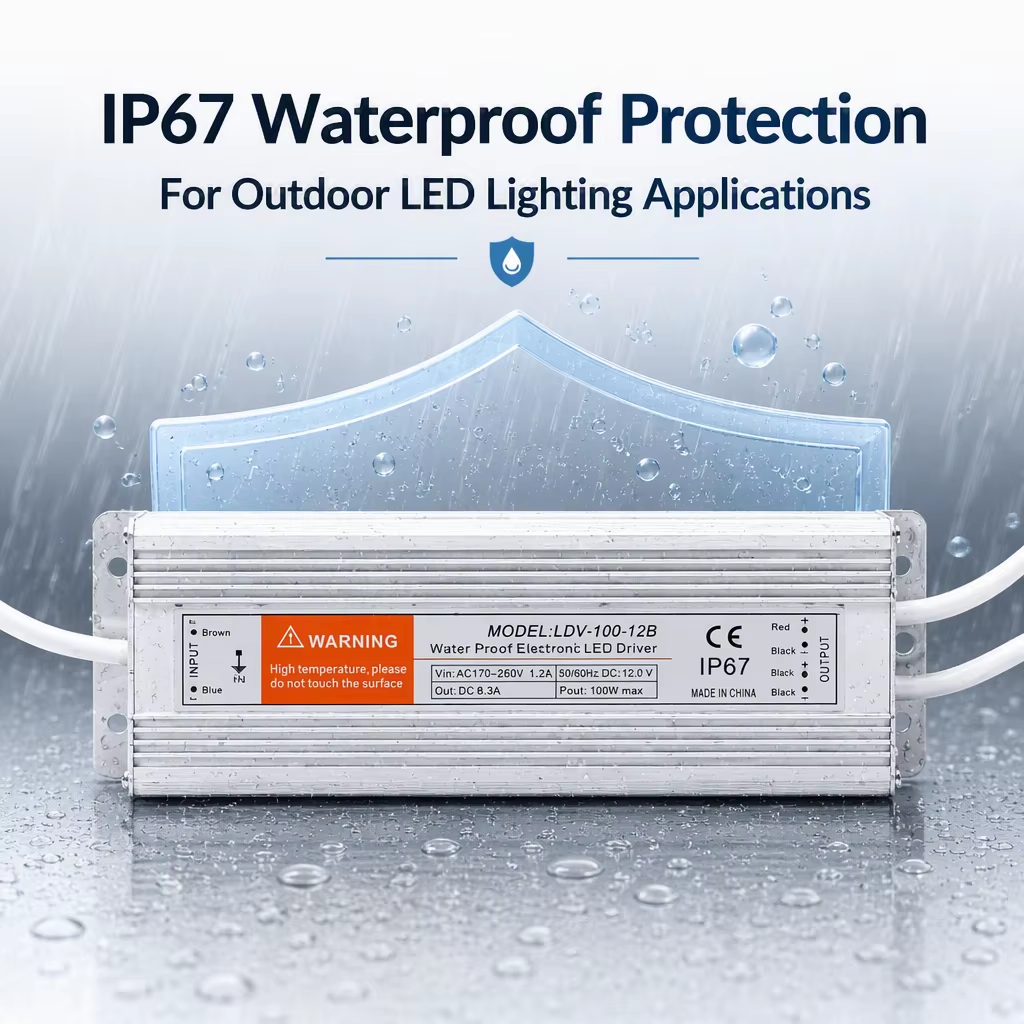
The modified sine wave (also termed modified square wave or stepped quasi-sine wave) produces an alternating voltage output where the waveform pauses briefly at zero volts before switching polarity. For contractors, fleet operators, and industrial agricultural facilities across Loire-Atlantique, this represents the optimum financial balance between hardware capital investment and field-proven reliability. Yueqing Keldan Technology Co., Ltd. configures modified sine wave inverters with industrial-grade low-loss switching MOSFETs, oversized aluminum heat-dissipation chassis, and specialized conformal coating to guard against the damp, salt-laden marine air characteristic of the lower Loire basin.
Shipyard Auxiliary & Marina Off-Grid Utility
Saint-Nazaire and Nantes docks host heavy naval repair and leisure boat fleets. Modified sine wave units step down 24V/48V shipboard banks to 230V AC to power quartz halogen deck spotlights, hull polishing buffers, soldering guns, and electric pre-heaters during shore-to-dock transitions without tying up expensive pure sine marine inverters.
Loire Valley Agritech & Viniculture Operations
Vineyards and horticultural greenhouses surrounding Clisson, Vertou, and Ancenis utilize solar-paired modified sine wave inverters to drive thermal water-circulation pumps, heating elements, valve actuators, and pest-repulsion systems, significantly reducing operational expenditures compared to high-tier electronics.
Mobile Fleets & Field Construction Crews
Utility vehicles operating throughout the Grand Ouest logistics hub rely on onboard 12V/24V inverters. These units supply seamless field power for angle grinders, drills, battery tool recharging docks, and industrial work lights, allowing continuous service without deploying noisy, petrol-driven mobile generators.
Engineering Trends Shaping Western France's Power Market
How regulatory shifts, electrification mandates, and energy price volatility are reshaping equipment selection across the Loire-Atlantique industrial basin.
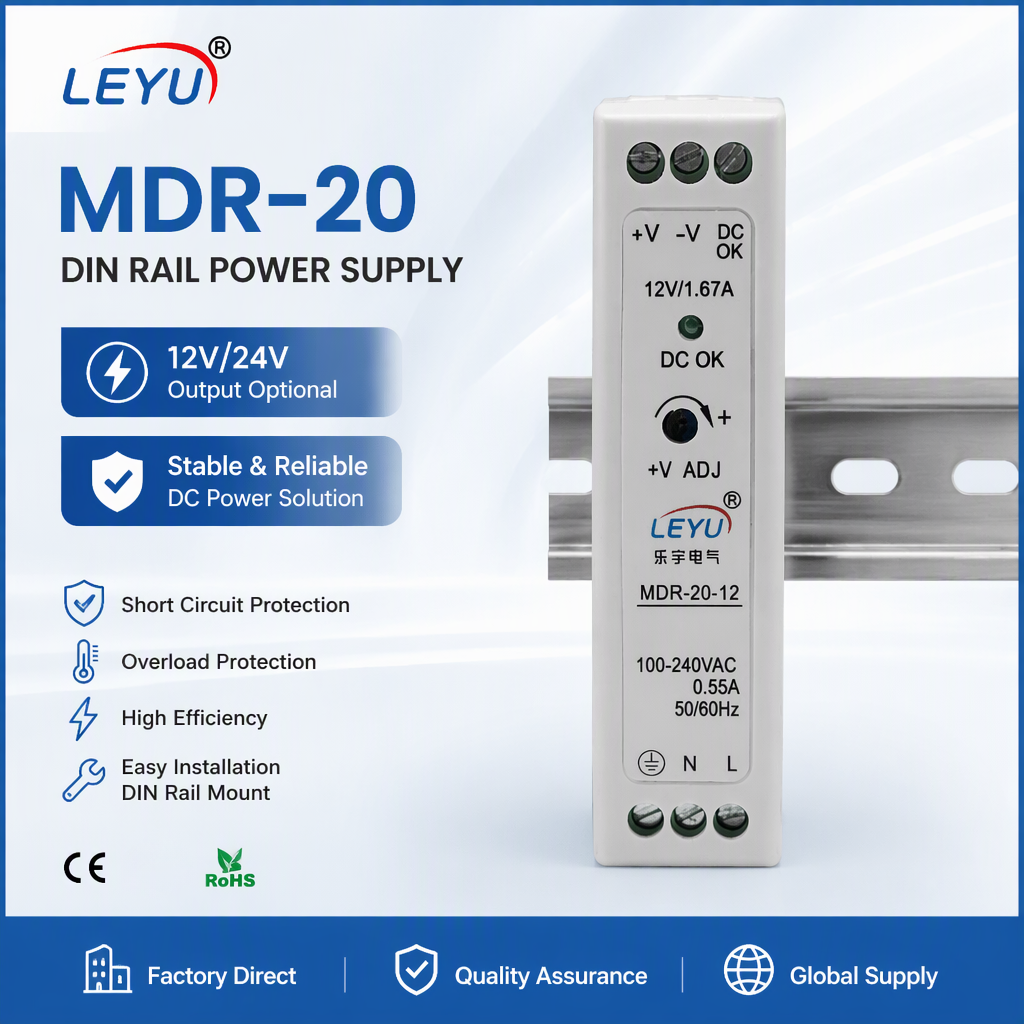
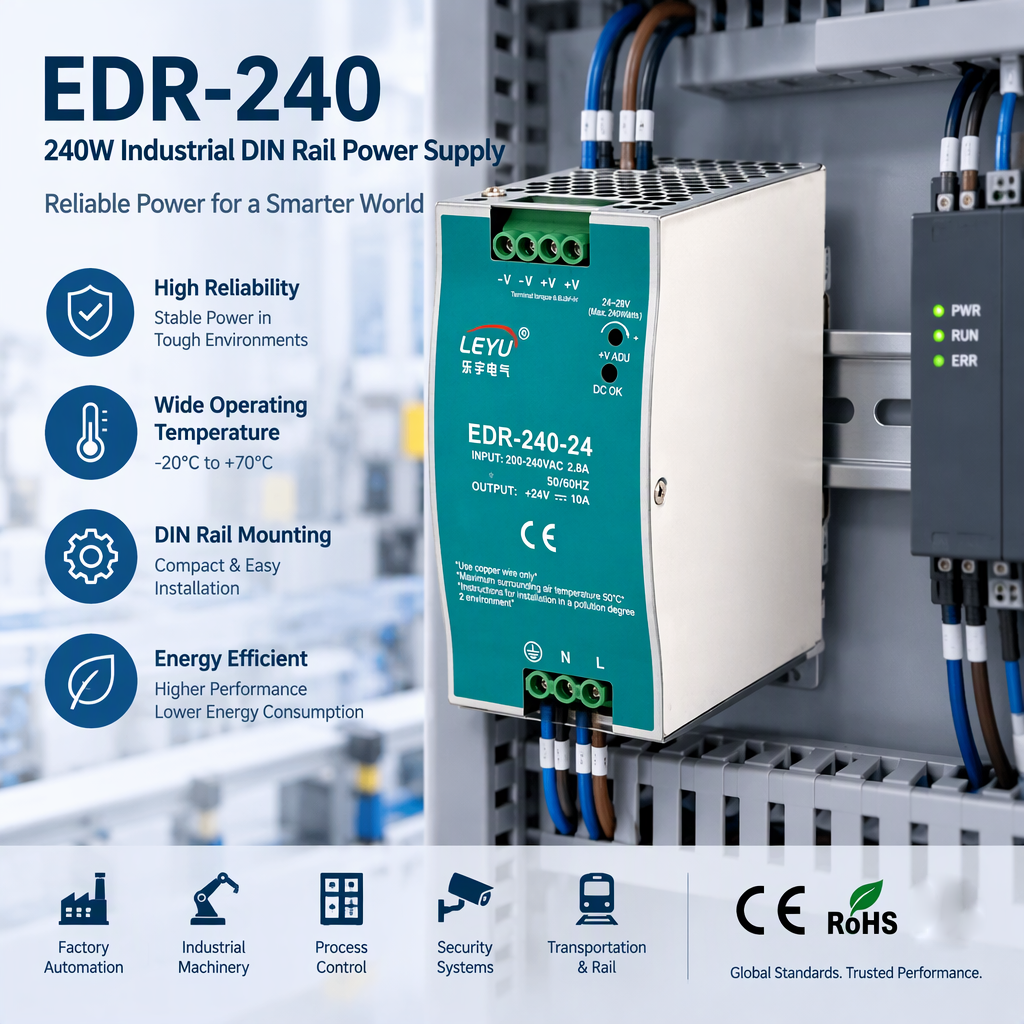
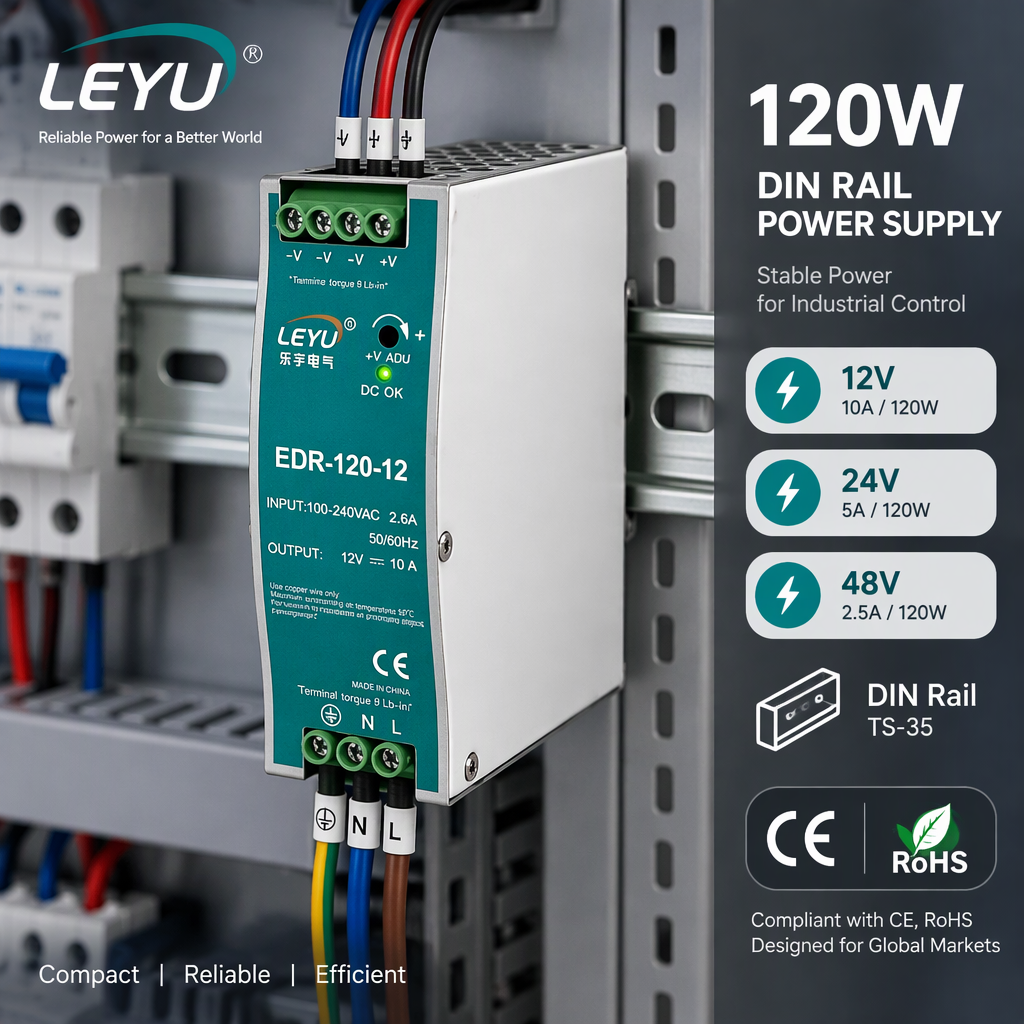
1. Dual-Inverter Architectural Configurations: Leading French electrical contractors are no longer over-specifying single, massive pure sine wave units for entire facilities or utility vehicles. Instead, modern industrial architecture leans toward hybrid dual-line topologies: critical communications, PLCs, and optical sensors run off a dedicated pure sine supply or DIN rail DC bus (such as Keldan's MDR or EDR units), while high-drain heating bands, immersion heaters, and standard power tools run off high-capacity modified sine wave inverters. This design philosophy drops capital hardware expenditures by up to 35% without degrading system reliability.
2. Decoupling and Local Storage in Agri-PV: In line with France's national decarbonization frameworks and Pays de la Loire's regional renewable integration schemes, agricultural properties are pairing localized solar arrays with decentralized energy storage. Modified sine wave inverters with integrated PWM solar charge control algorithms offer a direct route to running perimeter electric fences, drip irrigation solenoids, and aeration fans entirely independent of the Enedis commercial grid.
3. Stringent European Safety and EMC Compliance: Procuring for the French market requires strict adherence to the Low Voltage Directive (LVD 2014/35/EU) and Electromagnetic Compatibility Directive (EMC 2014/30/EU). In modified square-wave architectures, high-frequency harmonic switching can generate electromagnetic interference. Keldan's advanced filtering topologies, toroidal transformation stages, and multi-stage input filtering minimize radiated and conducted emissions, ensuring trouble-free co-existence with sensitive proximity sensors and telematics gear.
| Electrical & Application Factor | Modified Sine Wave (Stepped Waveform) | Pure Sine Wave (True Sinusoidal) | Nantes Regional Procurement Verdict |
|---|---|---|---|
| Waveform Harmonic Distortion (THD) | < 25% – 30% (Stepped Zero Crossing) | < 3% – 5% (Smooth Low THD) | Stepped wave suitable for 70%+ of workshop tools & heating; pure sine for audio/medical/PLCs. |
| Procurement Hardware Cost Ratio | 1.0x (Highly economical capital outlay) | 1.8x – 2.5x (Significantly higher bill of materials) | Modified sine delivers superior ROI for municipal maintenance fleets and rural farms. |
| Compatibility with Resistive Loads | Optimal (Space heaters, lamps, soldering, heating bands) | Optimal (Complete universal compatibility) | Modified wave achieves identical thermodynamic work output at lower system acquisition cost. |
| Thermal Rise on Inductive Motors | Moderate to noticeable (Requires 20% motor derating) | Negligible (Runs at motor nameplate temperature) | Heavy three-phase motors warrant pure sine, while intermittent field tools run smoothly on modified units. |
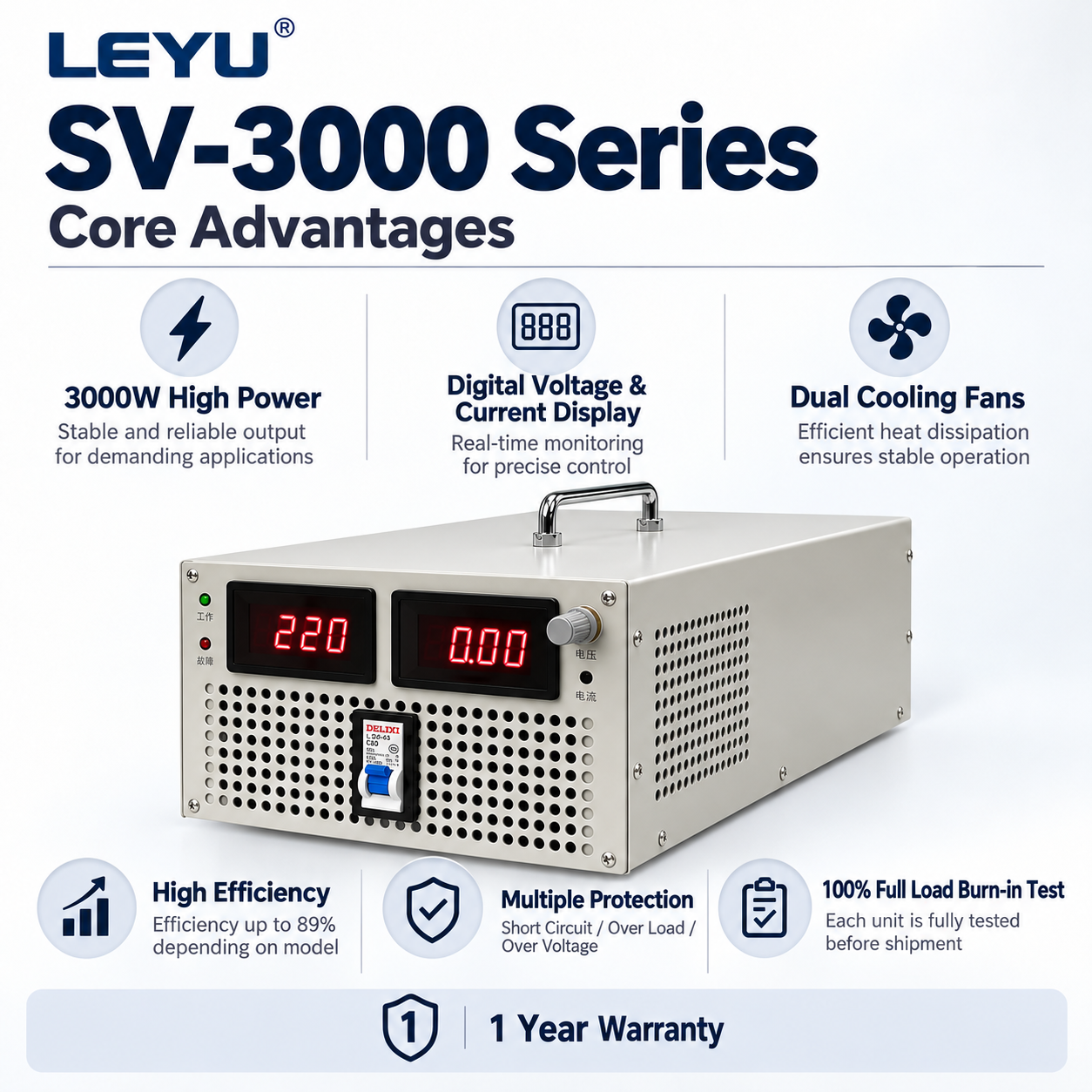
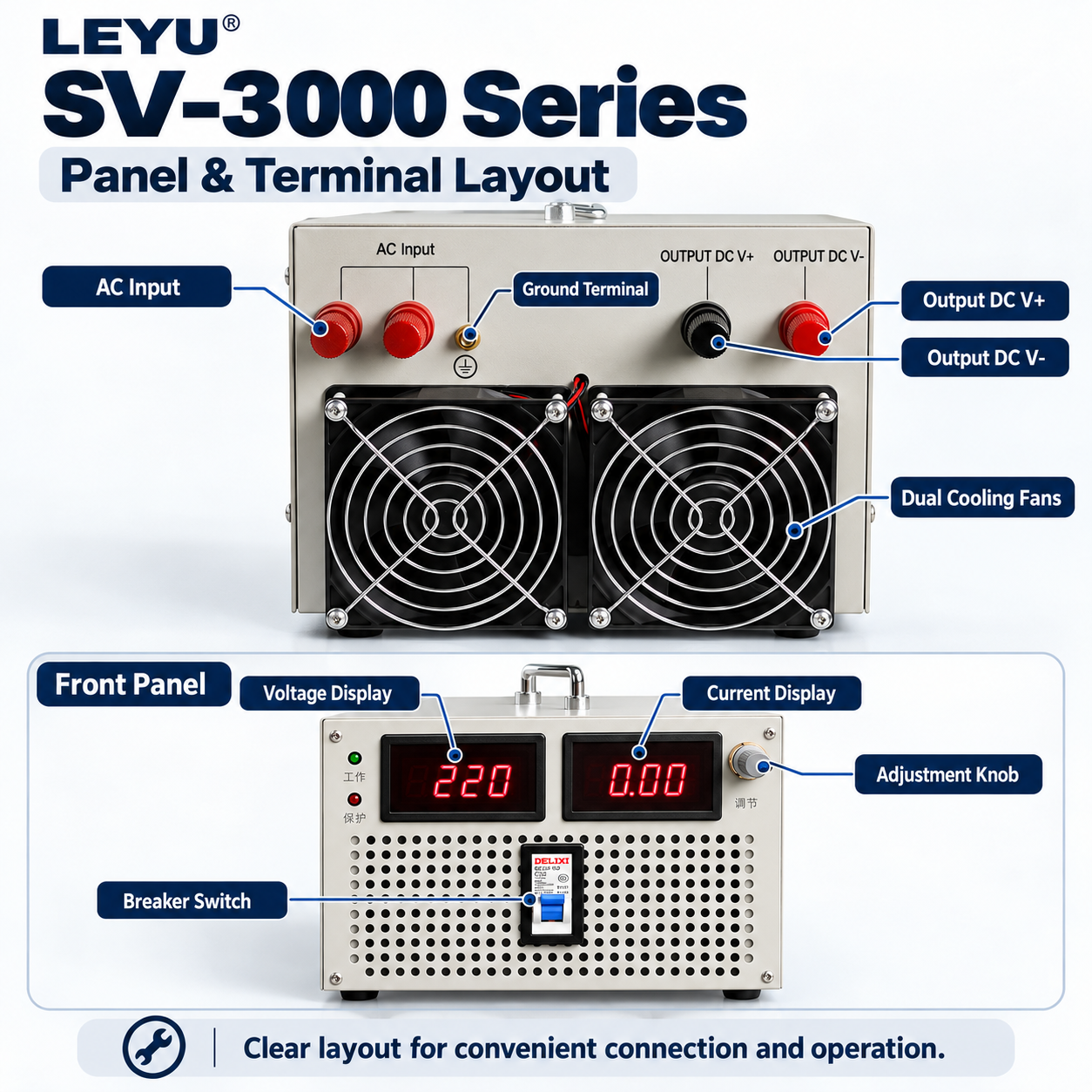
| Integration with DIN Rail DC Architecture | Seamlessly backed by high-voltage DC rectifiers & chargers | Standard DIN rail control integration | Pairs directly with Keldan 3000W adjustable rectifiers and TS35 power supplies for multi-tier panels. |
Why European Procurement Teams Partner with Keldan
Direct manufacturing execution in Yueqing—China’s low-voltage electrical capital—backed by comprehensive TÜV Rheinland on-site audit verification.
TÜV Rheinland Audited
Our Yueqing manufacturing facility holds verified on-site inspection credentials from TÜV Rheinland covering automated lines, quality control apparatus, and international trade capabilities.
18+ Years SMPS Mastery
Over eighteen years of continuous circuit topology development ensures low component stress, robust transient tolerance, and field-tested PCB layouts that survive severe operating environments.
In-House SMT & AOI Checks
We run our own high-speed surface-mount technology (SMT) machines, reflow ovens, and Automated Optical Inspection (AOI) units, eliminating third-party contract manufacturing errors.
100% Full-Load Burn-In
Zero unverified units leave the facility. Every inverter and switching power supply is subjected to prolonged full-load thermal burn-in racks to catch infant component mortality prior to packing.
Bespoke OEM / ODM Tailoring
Engineering-led customizations include specific DC terminal blocks, custom French NF-type AC socket enclosures, conformal moisture treatments, private silk-screening, and tailored packaging.
Flexible Low MOQs
Standard catalog power supplies and modified sine wave baseline models are available for engineering evaluation starting from single units, easing prototype qualification for regional OEMs.
Direct Port Logistics
Our 12-person international trade department orchestrates seamless sea, air, and multimodal multimodal forwarding straight into Le Havre or Montoir-de-Bretagne container terminals.
Dedicated Technical Account Support
You communicate directly with sales engineers who evaluate schematic loads, surge requirements, and thermal constraints rather than non-technical intermediary traders.
Frequently Asked Questions by Nantes Procurement Engineers
Key electrical compatibility, compliance, and ordering parameters addressed with complete technical transparency.
Can modified sine wave inverters safely power refrigeration compressors in Loire food distribution trucks?
What specific European directives and certifications are supplied with shipments to France?
How does Yueqing Keldan manage saltwater corrosion resistance for marine installations near Saint-Nazaire?
What are the practical delivery lead times and logistical terms for Loire-Atlantique destinations?
Can modified sine wave inverters be configured with French Type E (NF C 61-314) ground pin sockets?
What is the minimum order quantity (MOQ) for custom-branded modified sine wave equipment?
Accelerate Your Industrial Power Supply Chain in Western France
Whether you require baseline evaluation samples, technical schematics for custom cabinetry, or volume OEM container terms, our engineering export team is standing by to assist.
