Engineered for High-Reliability Solar & Automation Systems
Precision-engineered DIN rail power conversion, adjustable SMPS, and high-voltage DC equipment tested under rigorous thermal burn-in standards to guarantee uninterrupted operation across Singapore's tropical electrical networks.
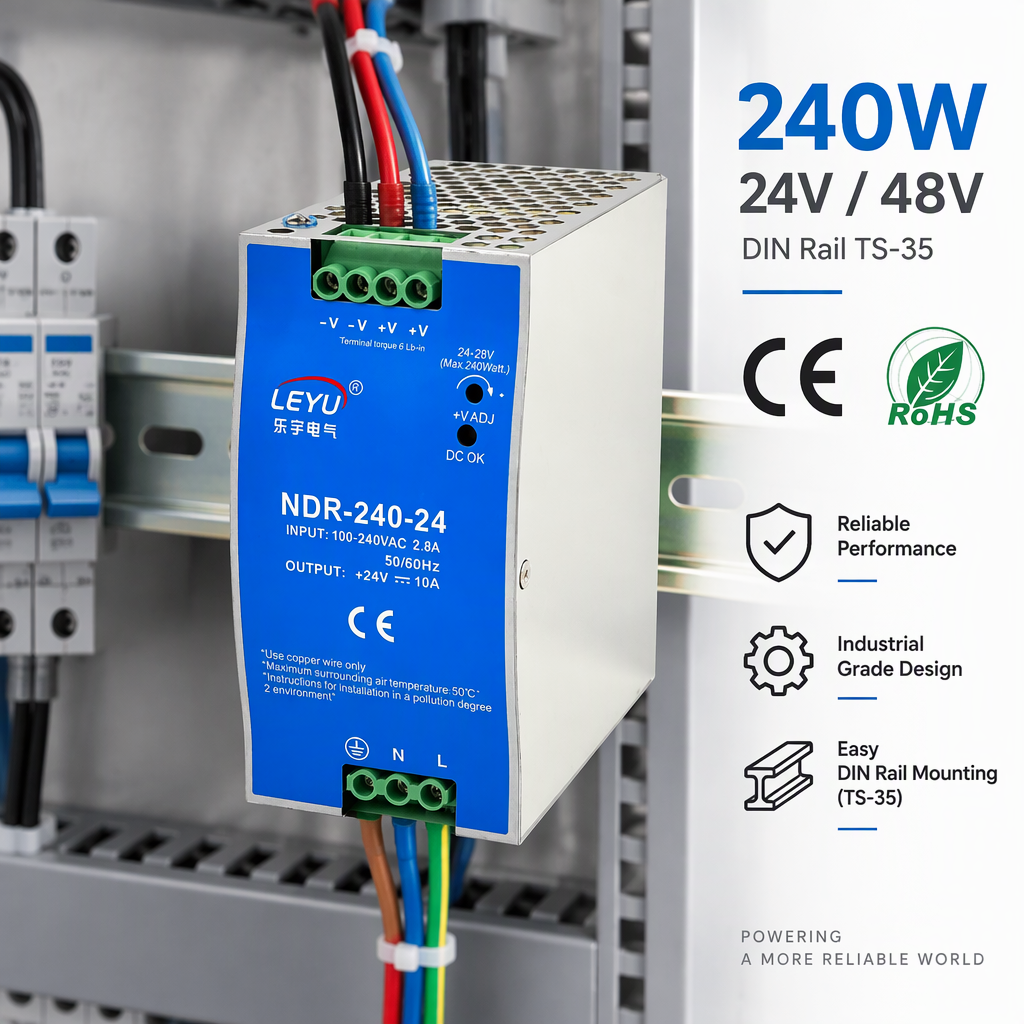
NDR-240 240W DIN Rail Power Supply 90-264VAC Universal Input Active PFC
- TS-35 Mounting
- 24V 10A / 48V 5A
- Industrial PFC > 0.95
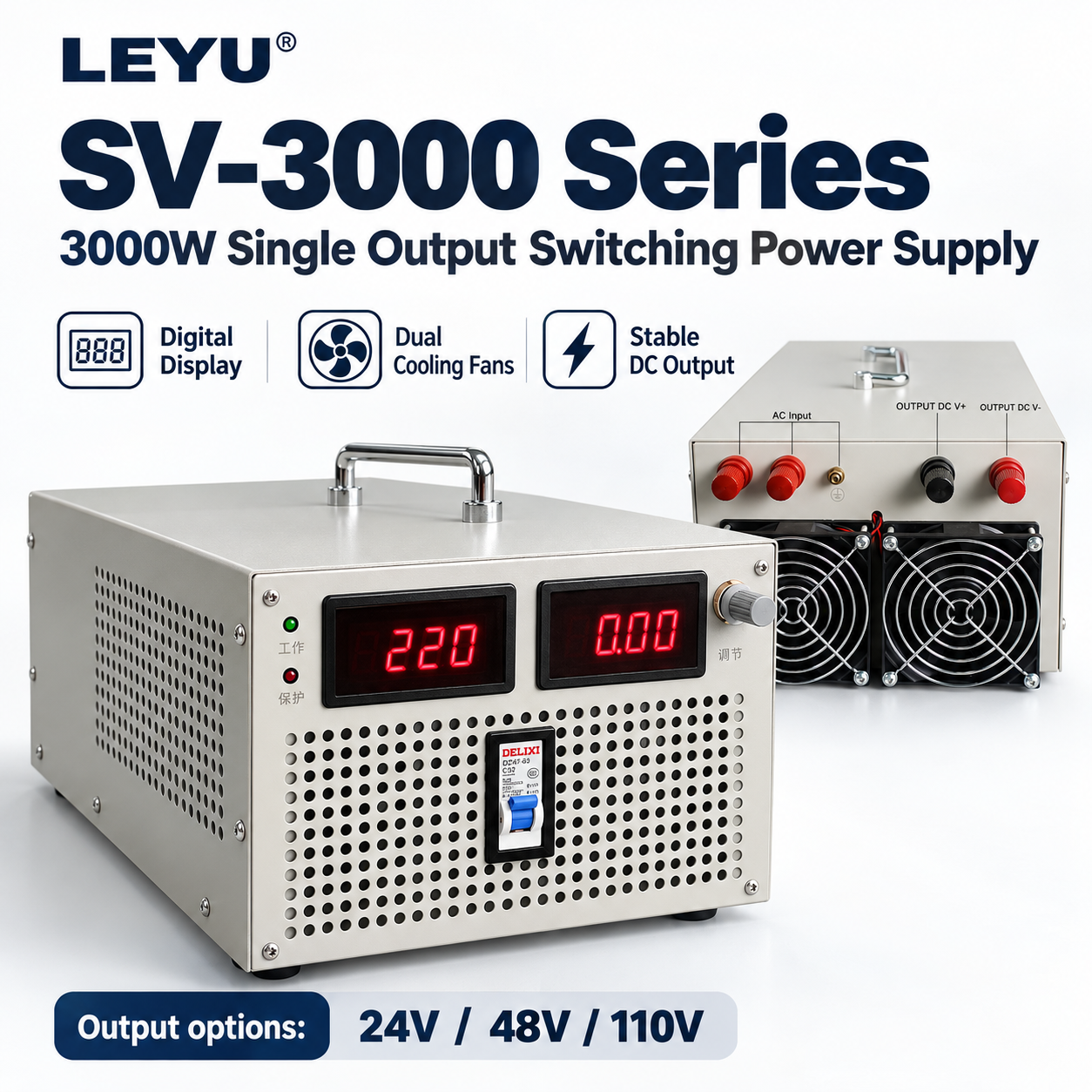
3000W High Voltage DC Power Supply 110V 27.3A Adjustable SMPS 220V AC
- 0-110V Adjustable
- 27.3A Max Current
- Substation Simulation
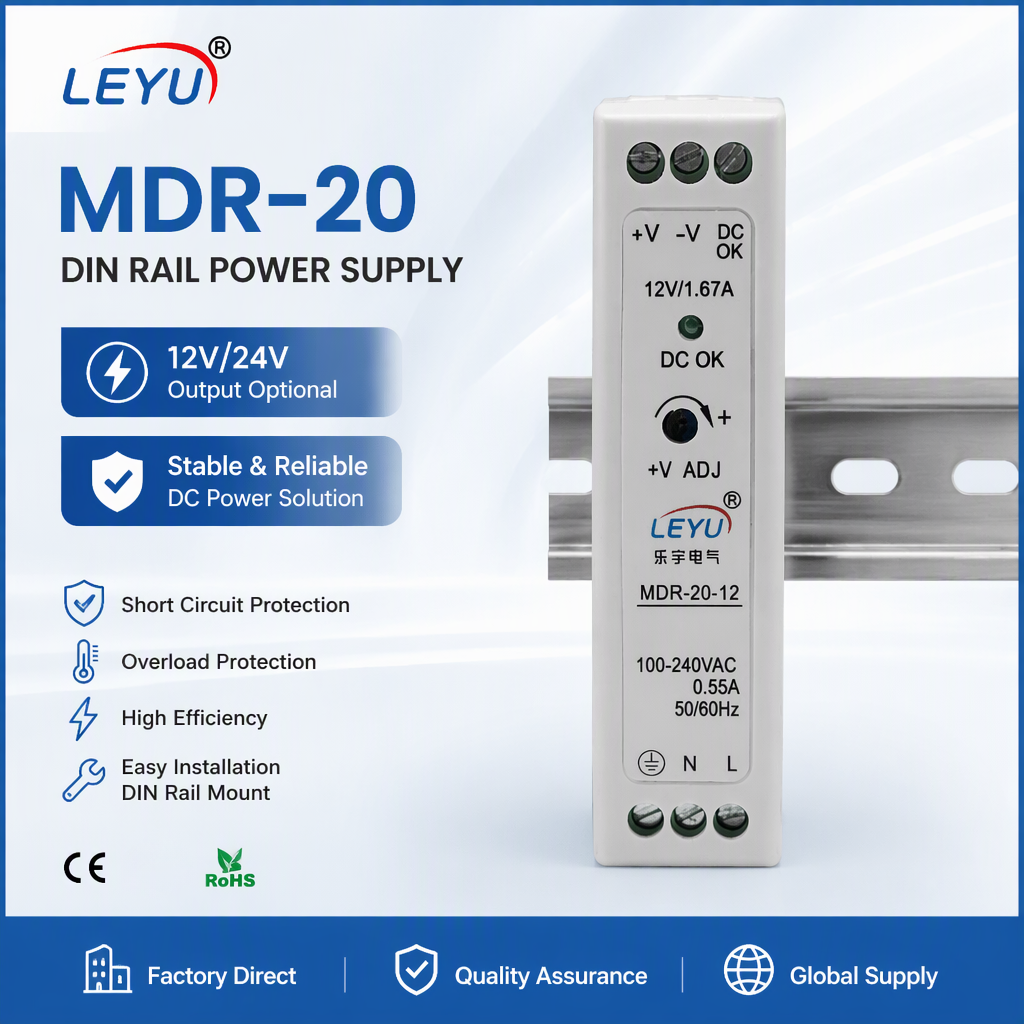
MDR-20 20W DIN Rail Switching Power Supply 12V 1.67A 24V 1A AC DC
- Low No-Load < 0.75W
- Class I, Div 2 Ready
- IoT Sensor Supply
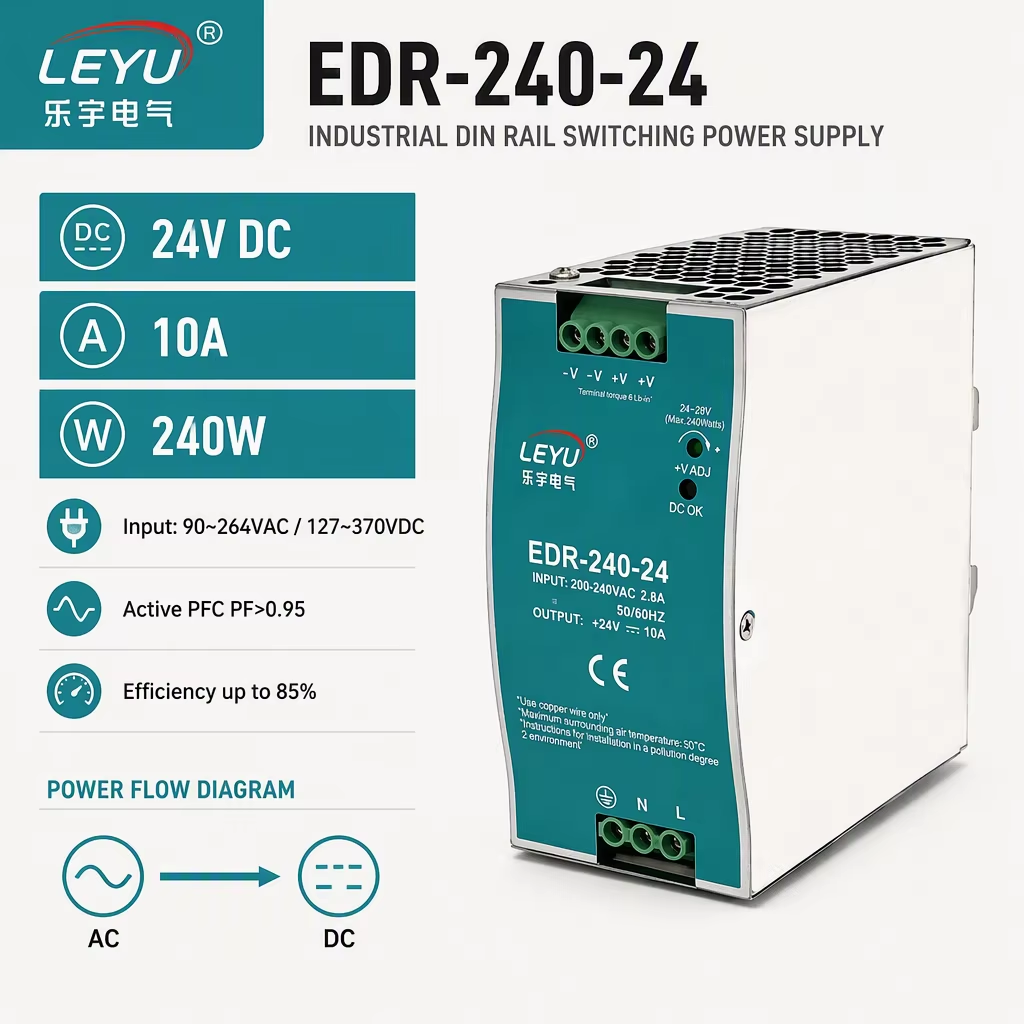
LEYU EDR-240-24 DIN Rail Power Supply 24V 10A 240W AC DC Single Output
- Convection Cooled
- Over-Temp Shutdown
- Heavy Industrial EMC
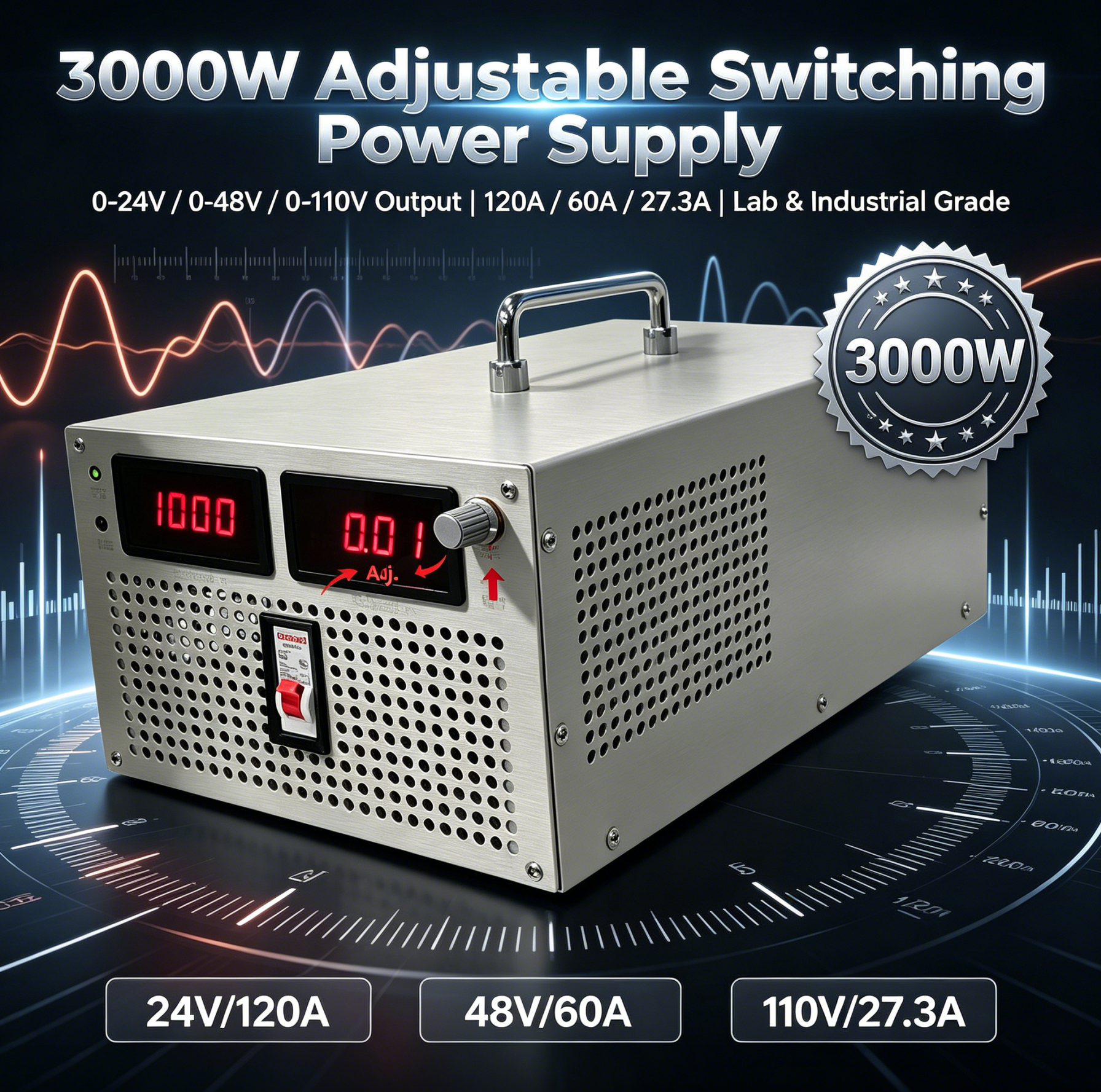
SV-3000 3KW Industrial Variable Power Supply 120A 60A Electroplating
- Variable Current Loop
- RS485 Remote Control
- Thermal Derating Logic
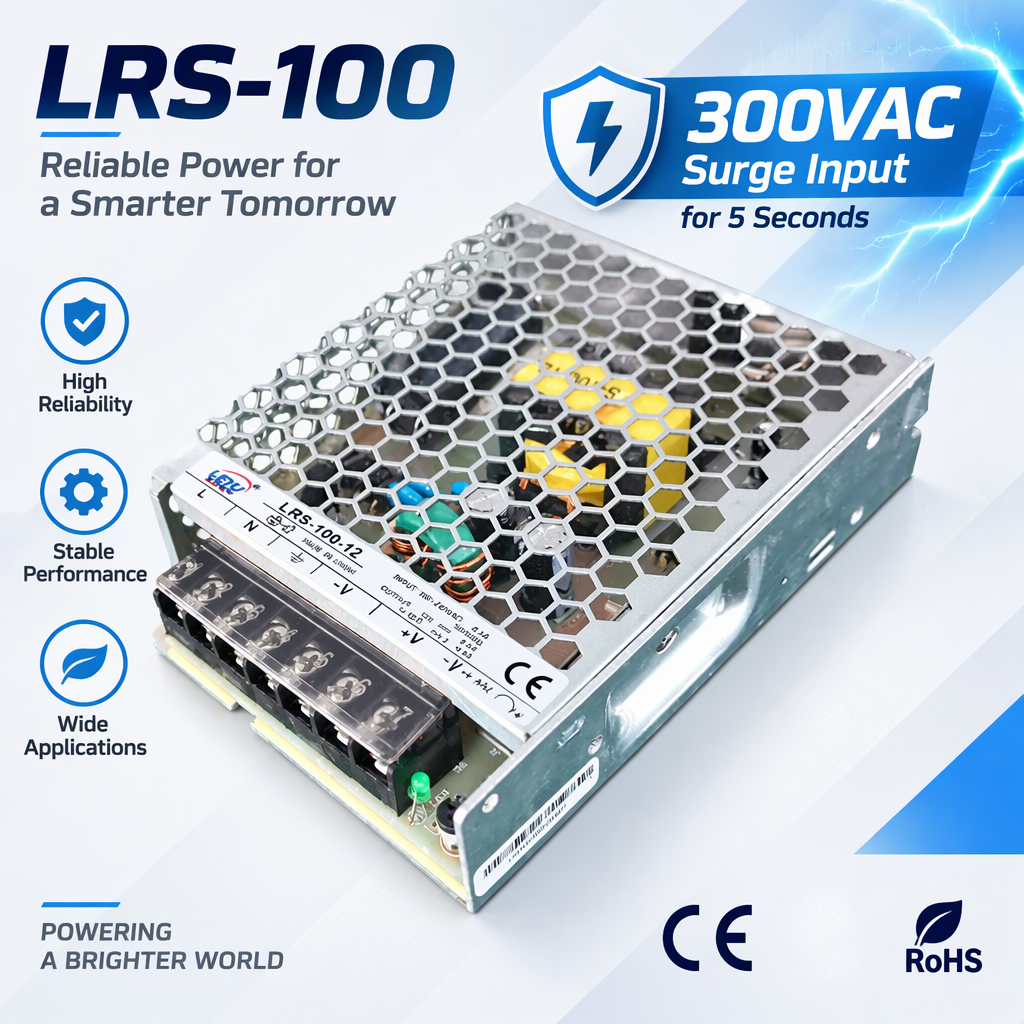
100W Industrial Switching Power Supply 300VAC Surge Input 5s Protection
- 300VAC Surge Withstand
- -30°C to +70°C Operating
- 5G Vibration Verified
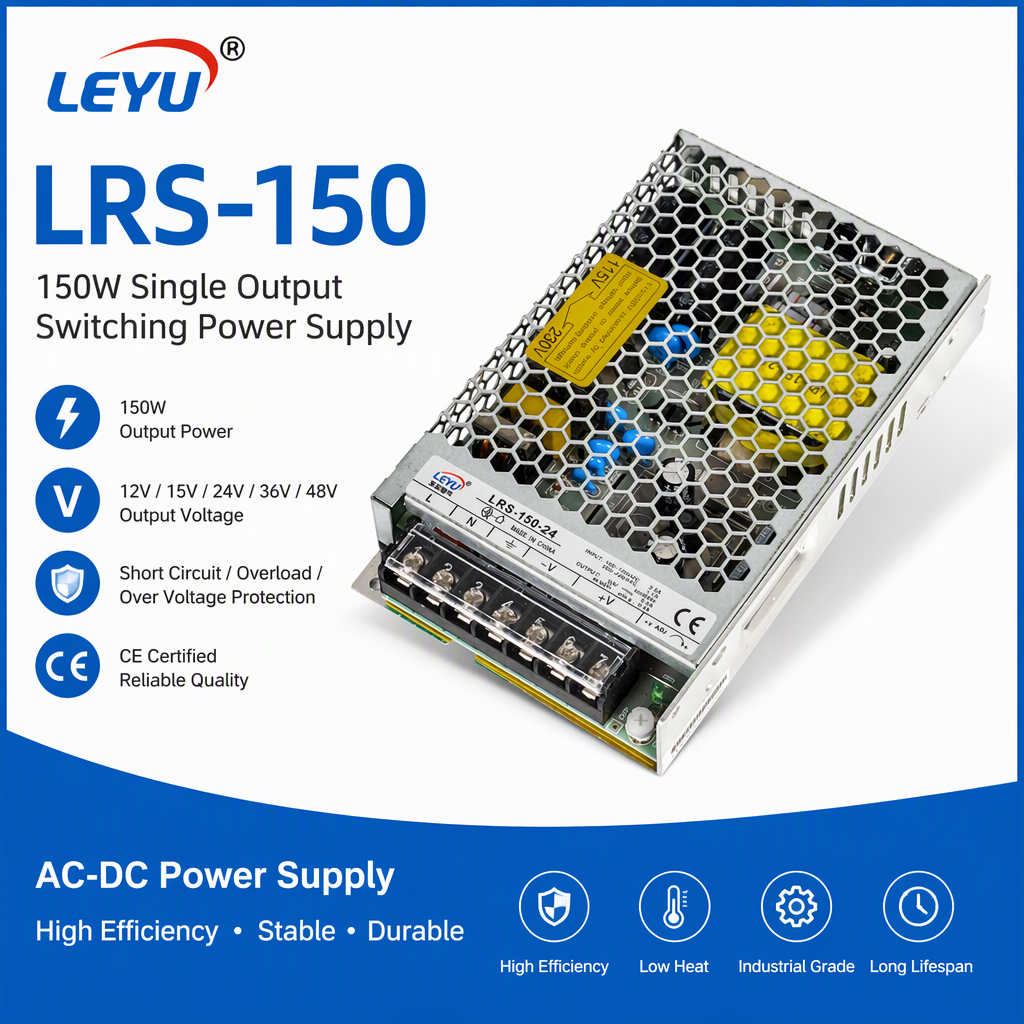
LEYU LRS-150-24 AC DC Switching Power Supply 150W 24V 6.5A Single SMPS
- 1U Low Profile (30mm)
- No Load < 0.5W
- Overload & Short Circuit
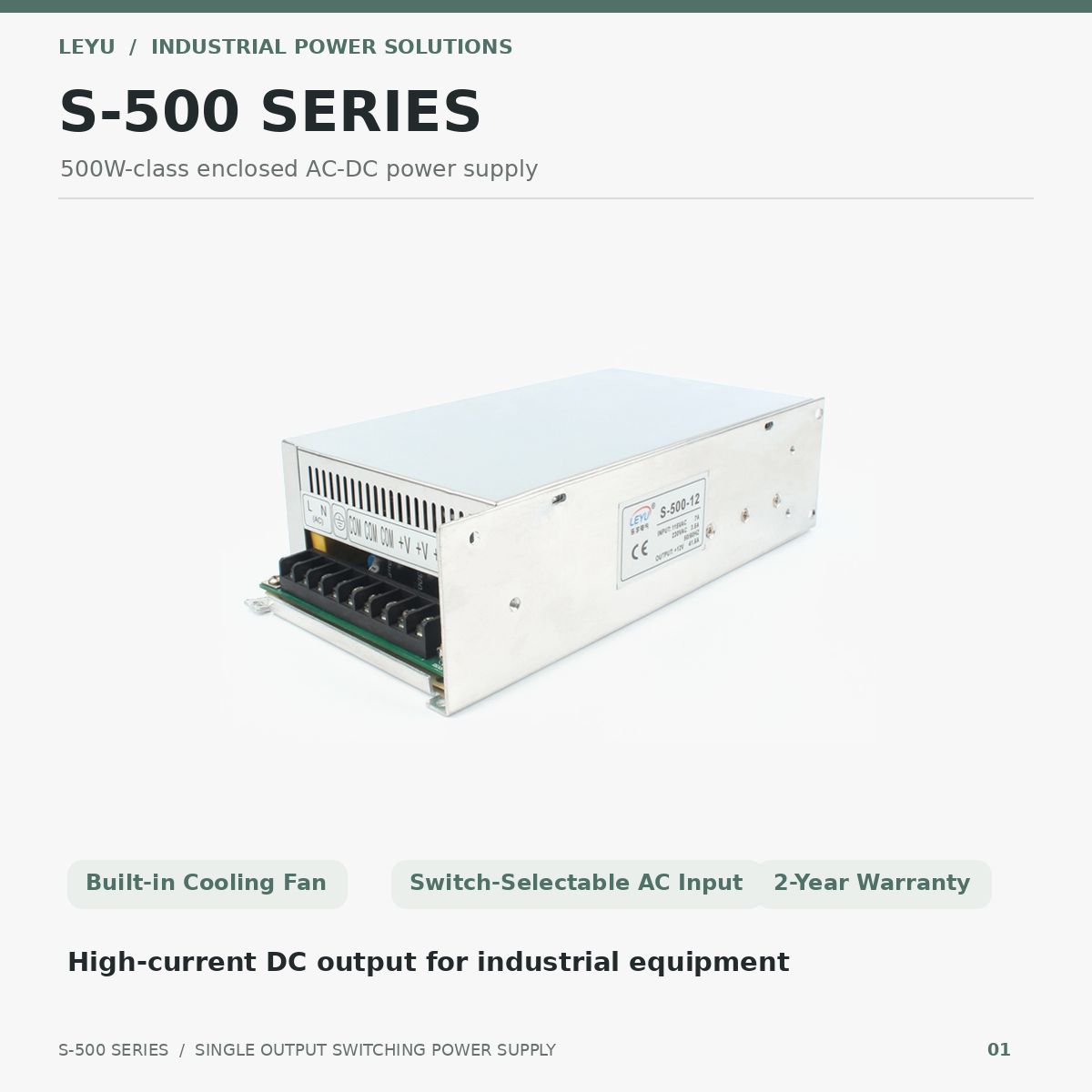
500W 24V 20A Switching Power Supply AC DC Converter Single Output 90-264VAC
- Forced Air Cooling Built-in
- Remote ON/OFF Sense
- High Reliability Electrolytics
Engineering High-Yield MPPT Charge Controllers for Singapore's Equatorial Microclimates
Deploying solar photovoltaic systems and off-grid DC microgrids in the Republic of Singapore presents a distinct set of electro-thermal challenges unmatched in temperate zones. Positioned roughly 137 kilometers north of the equator (Latitude 1°17′N), Singapore experiences sustained ambient temperatures hovering between 28°C and 34°C year-round, paired with relative humidity levels persistently oscillating between 70% and 98%. Under such conditions, a solar charge controller cannot be treated as an off-the-shelf consumer accessory; it operates as the mission-critical kinetic nexus between photovoltaic irradiance and electrochemical storage architectures.
Solar irradiance in Singapore is heavily characterized by dynamic, localized cloud intermittency caused by monsoonal cloud formations. Fast-moving cumulus clouds cause global horizontal irradiance (GHI) to swing violently from 150 W/m² to over 1050 W/m² within tens of seconds. Traditional solar charge controllers utilizing slow perturb-and-observe (P&O) algorithms become trapped in local maxima or oscillate inefficiently across the P-V characteristic curve, resulting in dynamic tracking losses exceeding 12% to 18%. Advanced MPPT charge controllers engineered with high-frequency multiphase interleaved synchronous buck topologies and ultra-fast scanning algorithms track the absolute Maximum Power Point in less than 50 milliseconds, capturing elusive irradiance spikes and safeguarding battery banks against under-voltage cycling.
"In high-density equatorial urban centers like Singapore, the thermodynamic penalty on solar equipment is severe. Rooftop PV operating temperatures regularly exceed 65°C, collapsing solar string voltages by up to 22%. MPPT controllers deployed across Jurong Island, Tuas, and coastal installations must maintain a wide Maximum Power Point operational window (V_mpp min to V_mpp max) while executing galvanic isolation and continuous thermal derating mitigation."
The Physics of Maximum Power Point Tracking: P&O vs. Incremental Conductance Under Dynamic Shading
The photovoltaic diode curve behaves non-linearly, governed by the classic Shockley equation adjusted for solar irradiation intensity and cell junction temperature:
I = I_ph - I_0 [ exp( (q (V + I R_s)) / (n k T) ) - 1 ] - (V + I R_s) / R_sh
As urban high-rises, gantry cranes at the Port of Singapore Authority (PSA), and tropical cloud sweeps impose partial shading conditions (PSC), the P-V curve transitions from a unimodal curve into a complex multimodal curve featuring multiple local peaks (LMPP) and a single global maximum power point (GMPP). Conventional single-stage controllers get stranded at a local peak, discarding up to 35% of harvestable energy.
Yueqing Keldan Technology integrates a modernized Incremental Conductance (IncCond) algorithm combined with periodic global sweeping. By monitoring the derivative of power with respect to voltage (dP/dV = I + V * dI/dV), our controllers determine whether the operational point is to the left (dP/dV > 0), at the peak (dP/dV = 0), or to the right (dP/dV < 0) of the maximum power point. The result is a static tracking efficiency reaching 99.6% and a dynamic tracking efficiency exceeding 99.2% even during Singapore's intense afternoon convective thunderstorms.
| Electrical Parameter | Standard PWM Controller | Commercial Grade MPPT | Keldan Heavy Industrial MPPT Series |
|---|---|---|---|
| Tracking Topology | Direct Pulsed Shunt / Series FET | Single-Phase Non-Synchronous Buck | Multiphase Interleaved Synchronous Buck |
| Harvesting Efficiency (Tropical PSC) | 65% – 72% | 88% – 93% | 98.4% – 99.5% |
| Dynamic MPPT Response Time | N/A (Fixed Step) | 1.2s – 2.5s | < 50 ms Global Sweep |
| Max PV Open Circuit Voltage (Voc) | Battery Nominal + 5V | 100V – 150V DC | 150V – 250V DC Wide String |
| Ambient Thermal Operating Limit | 45°C (Severe Derating) | 50°C (Linear Derating) | 60°C Full Load Continuous without Derating |
| Environmental Protection | Basic IP20 Plastic Enclosure | IP32 Metal Backplate | IP54 / IP67 Fully Anodized Extrusion + Conformal |
Engineered for Singapore's Harsh Maritime & Urban Infrastructure
Discover how specialized MPPT power controllers and DC conversion topologies solve real-world engineering obstacles across Singapore's industrial, commercial, and governmental installations.
Floating Solar & Coastal Maritime Buoys
Installed on projects akin to the Tengeh Reservoir floating PV cluster, coastal navigation markers, and Tuas Mega Port offshore telemetry buoys. Ambient maritime environments introduce high salinity, fine seawater mist, and biological fouling. Keldan's charge controllers utilize dual-sided conformal silicone coating (Humiseal standard) complying with IEC 60068-2-52 Salt Mist Severity Level 5, preventing dendritic copper migration and corrosion-induced ground faults.
Jurong Island Chemical & Petrochemical Microgrids
Petrochemical refineries and bulk chemical terminals across Jurong Island require unyielding electrical safety and galvanic isolation. Our industrial MPPT units and paired NDR/EDR series DIN rail supplies deliver class-leading electromagnetic compatibility (EMC immunity EN 61000-6-2) and ATEX-aligned non-sparking design concepts. They ensure SCADA telemetry, gas sniffers, and emergency perimeter illumination stay energized without risking arc hazards.
Urban BIPV & HDB Rooftop Installations
Under the Housing & Development Board (HDB) Green Towns Programme and BCA Green Mark Super Low Energy (SLE) standards, high-density residential rooftops integrate building-integrated photovoltaics (BIPV). These arrays experience severe shading from elevator machine rooms, water tanks, and lightning arrestors. Keldan's ultra-wide input voltage ranges enable long series strings that minimize balance-of-system (BOS) copper cabling costs while boosting harvest efficiency.
LTA Smart Traffic & Surveillance Systems
Autonomous Land Transport Authority (LTA) camera systems, roadside dynamic messaging signs, and ERP auxiliary gantry nodes require autonomous off-grid backup. Keldan MPPTs feature RS485 communication with native Modbus-RTU protocols, allowing municipal engineers in central control rooms to monitor battery state-of-charge (SOC), PV current generation, and heat sink thermal conditions in real time without dispatching maintenance crews.
Pulau Ubin Off-Grid Hybrid Microgrids
On Singapore's outlying islands, such as Pulau Ubin, decentralized clean microgrids operate independently from the main SP Group national grid. Here, our MPPT charge controllers interface directly with large-capacity Lithium Iron Phosphate (LiFePO4) and hybrid vanadium redox flow storage banks. Multi-stage programmed charging curves prevent overcharging, thermal runaway, and unbalanced cell deterioration under fluctuating daily loads.
Singapore Solar Market Trends: The Push toward Singapore Green Plan 2030
Singapore's solar landscape is undergoing unprecedented transformation dictated by physical spatial constraints and ambitious governmental targets. Under the Singapore Green Plan 2030, the island nation is aggressively targeting at least 2 Gigawatt-peak (GWp) of installed solar capacity by 2030, capable of meeting around 3% of national electricity demand. Given that Singapore possesses an extremely constrained land area of approximately 734 square kilometers, horizontal land-based solar farms are non-viable. As a consequence, solar deployment has migrated toward three frontiers:
1. Reservoir & Nearshore Floating PV (FPV)
Following the success of the 60 MWp Sembcorp Tengeh Floating Solar Farm, the Public Utilities Board (PUB) is reviewing further installations across Bedok, Lower Seletar, and Kranji reservoirs. FPV arrays enjoy water cooling effects that improve PV module efficiency by 5% to 10%, but they subject balance-of-system electronics to 100% condensing humidity. This accelerates the necessity for IP67-rated MPPT enclosures and galvanic isolation to thwart common-mode leakage currents into water bodies.
2. High-Efficiency Rooftop & Vertical Facades
With over 10,000 HDB blocks already outfitted or earmarked for solar PV under the SolarNova programme, focus is shifting toward BIPV on vertical facades and noise barriers along expressways (PIE, AYE, CTE). Vertical orientations experience substantial ground-reflection (albedo) variations and complex angular shading, requiring MPPT channels with hyper-granular tracker granularity and high multi-channel inputs.
3. Distributed Energy Storage Systems (BESS)
The Energy Market Authority (EMA) has emphasized the deployment of distributed BESS to mitigate solar intermittency. Charge controllers are no longer standalone regulators; they are required to support high-speed bidirectional communication (CAN Bus, Modbus TCP/IP, SunSpec), dynamically adapting float and absorption charge thresholds according to the grid frequency response and localized peak-shaving needs.
Precision Manufacturing Backed by TÜV Rheinland Onsite Verification
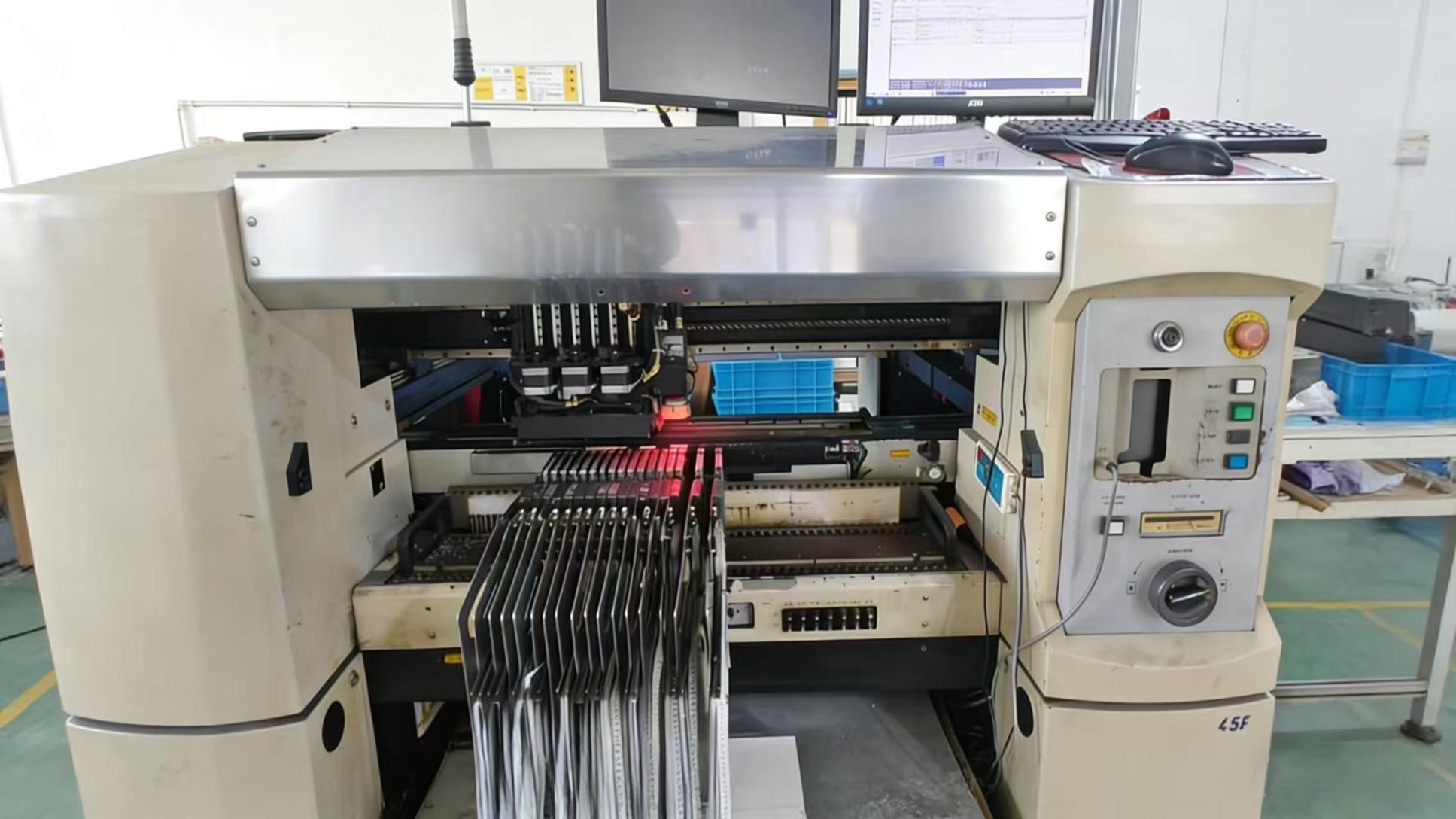
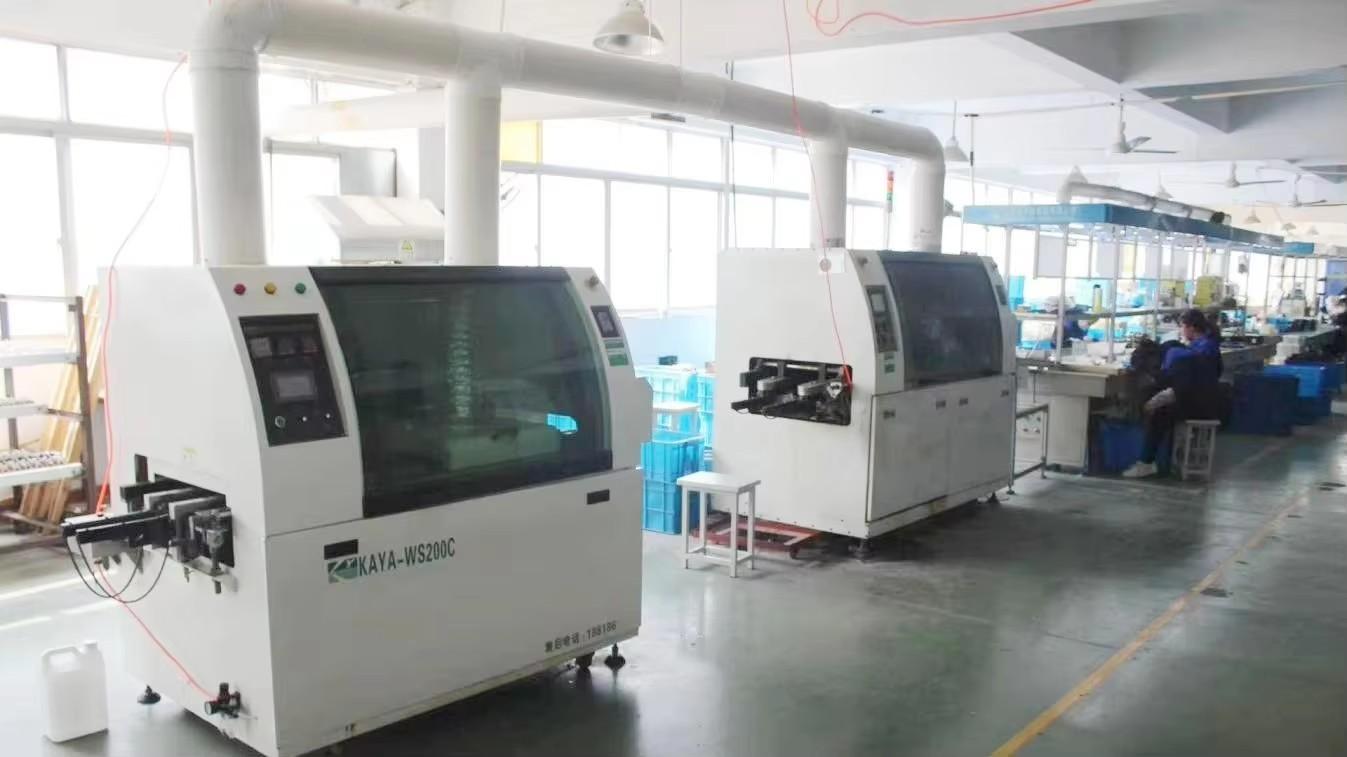
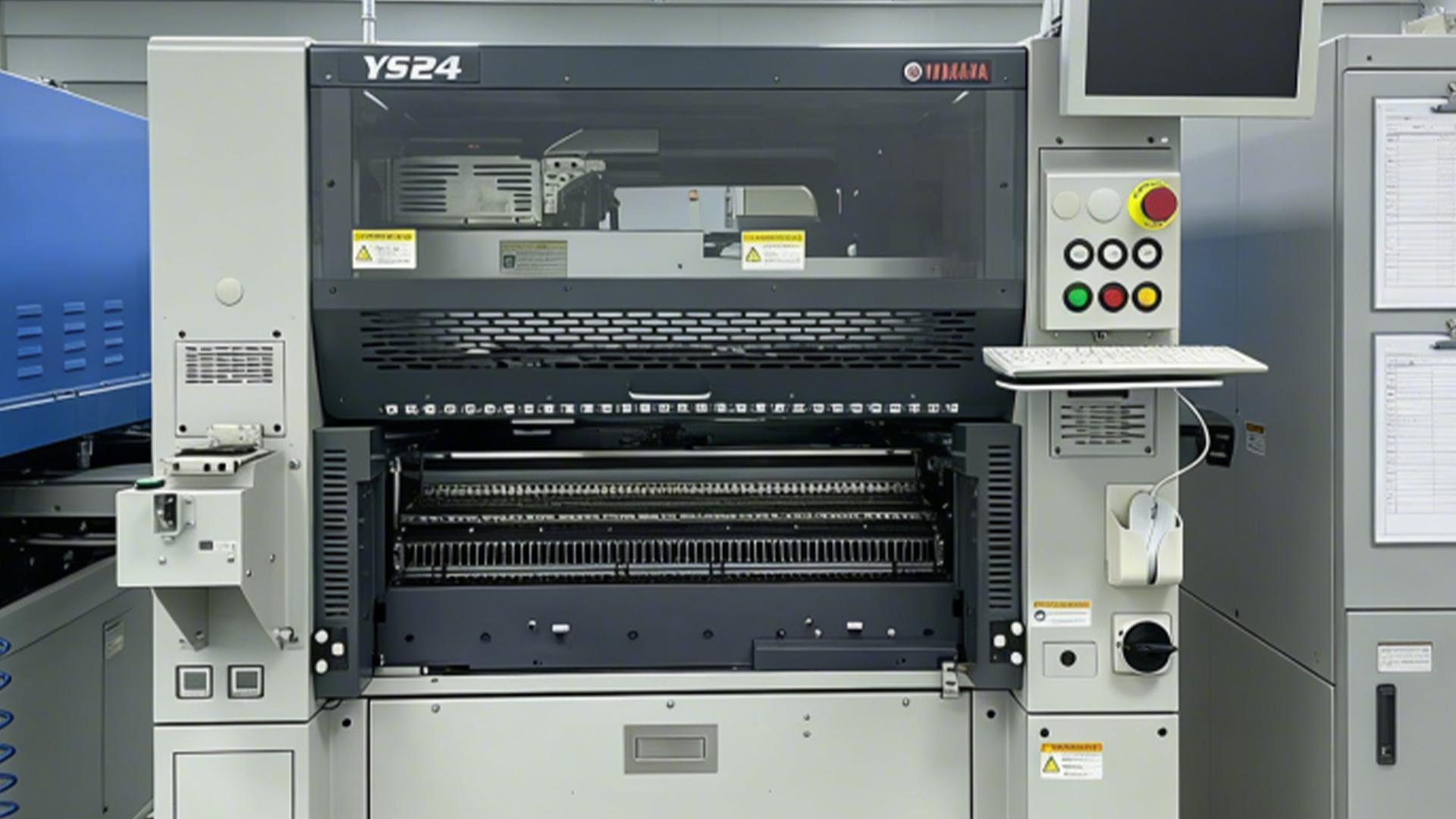
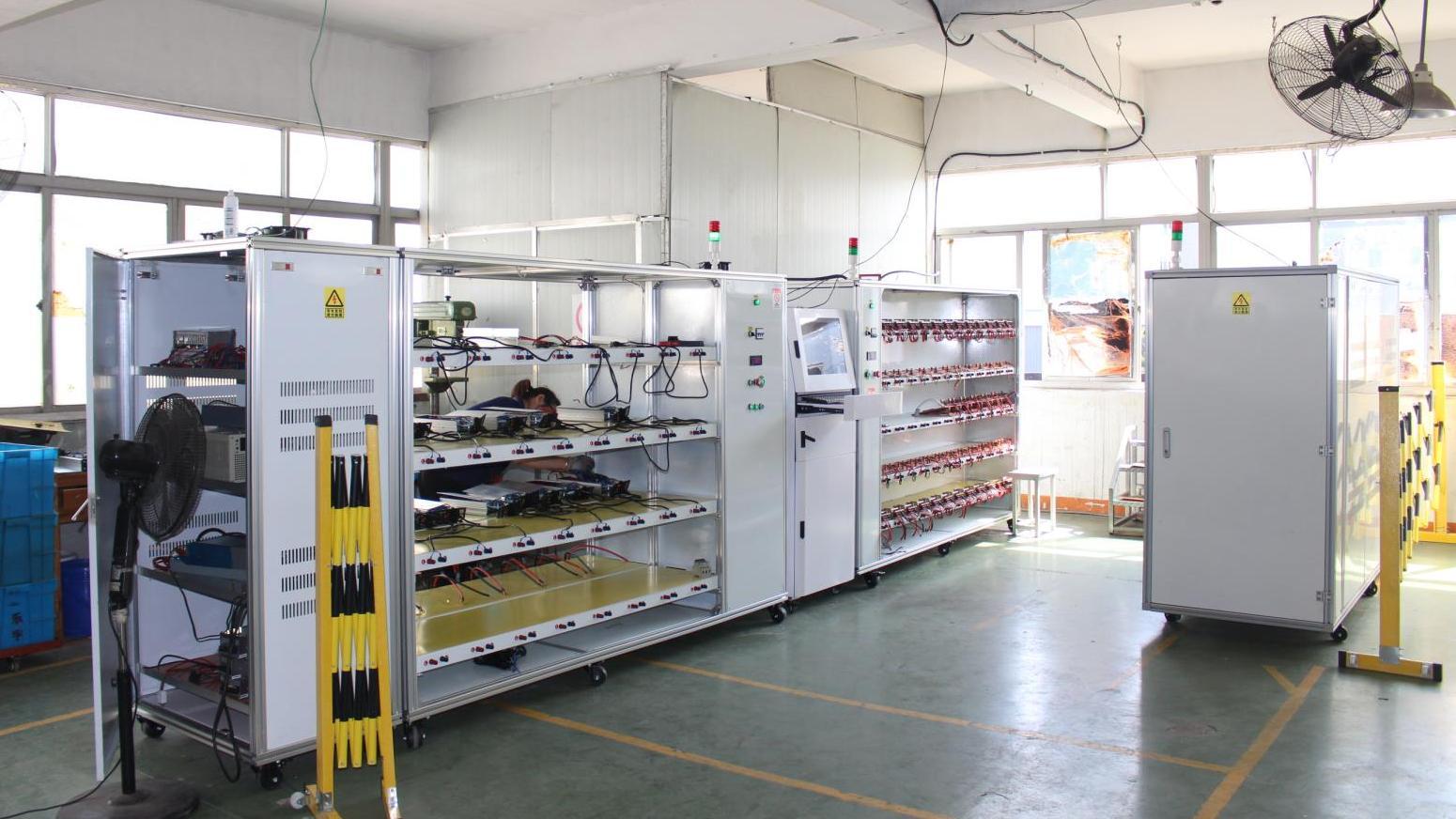
Manufactured in Yueqing, China's premier electrical capital, by Yueqing Keldan Technology Co., Ltd. Over 18 years of specialized engineering in DIN rail power supplies, switching power systems, and off-grid MPPT controllers.
Why Singapore EPC Contractors & Systems Integrators Partner with Keldan
Selecting a power conversion partner requires auditing technical credibility beyond digital storefronts. Yueqing Keldan Technology operates a dedicated production facility with 44 verified on-site personnel and a team of senior power electronics engineers, each possessing over 5 years of specialized experience in high-density switching mode topologies and embedded firmware design.
Unlike trading intermediaries, our production pipeline integrates comprehensive quality gates: incoming raw material verification (spectrometric verification of MOSFETs and long-life 105°C Japanese electrolytic capacitors), nitrogen-shielded SMT soldering, dual-camera AOI defect scanning, manual precision calibration of voltage sensing loops, and a mandatory 4-hour 100% full-load thermal burn-in run under elevated chamber temperatures (50°C). Every unit destined for the Singapore market is serialized, traceable, and CE-marked, with comprehensive test reports available upon request.
Frequently Asked Questions by Singapore Buyers
Essential technical, regulatory, and logistics inquiries clarified for Singapore-based electrical contractors, solar developers, and M&E consultants.
How do Keldan MPPT controllers comply with Singapore EMA and SS 638 standards?
What measures are taken to withstand Singapore's 95% humidity and coastal salt-mist corrosion?
What is the typical shipping lead time and sea freight route to PSA Singapore?
Can Keldan customize MPPT charge curves for lithium battery banks (LiFePO4, LTO)?
Do you support OEM branding and private labeling for Singaporean engineering firms?
What is your warranty policy, and how is technical support handled remotely?
Equip Your Next Singapore Solar Project with Heavy Industrial MPPT Power
Connect with our application engineers to request detailed technical datasheets, complete CAD step files, formal tender documentation, or direct wholesale B2B pricing for the Singapore market.
