Engineered Power Solutions: Solar Charge Regulators & Switching Converters
Every product line undergoes rigorous full-load aging (burn-in), automated optical inspection (AOI), and tropicalized conformal coating to ensure field survival across Central America's demanding environments.
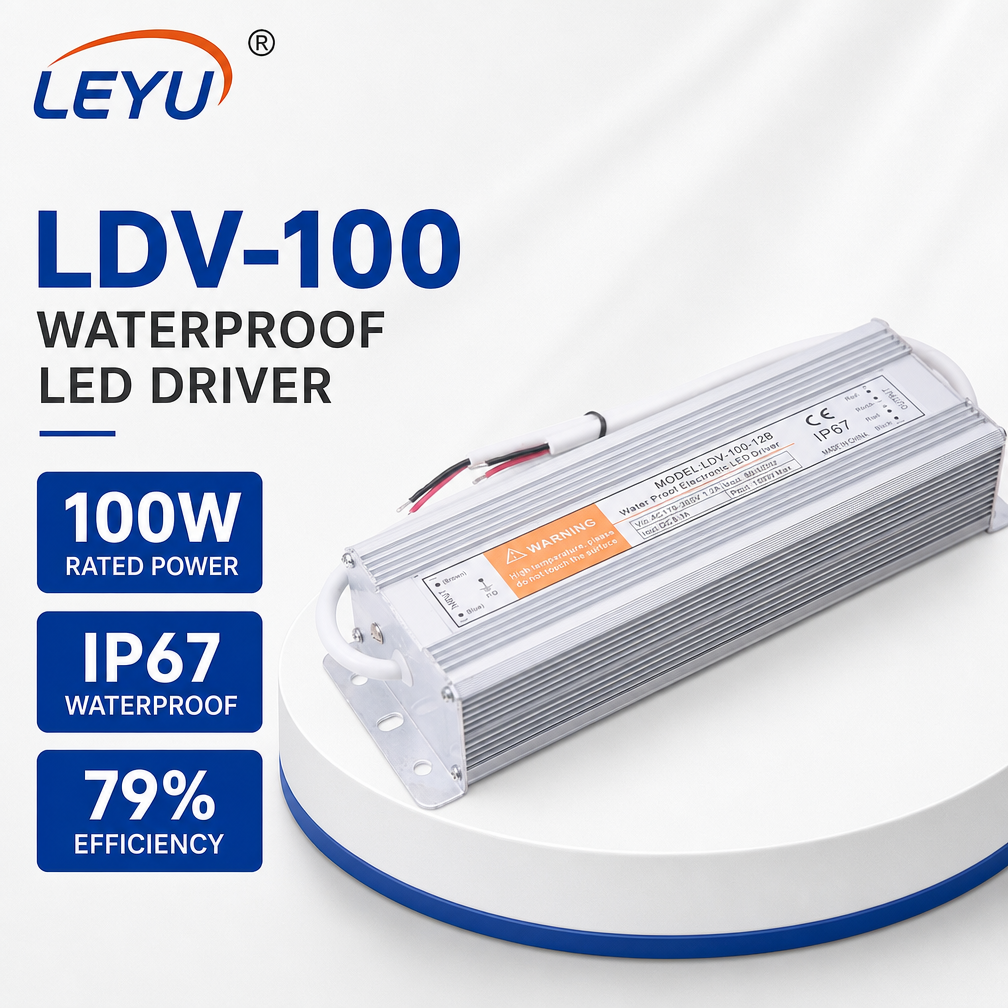
LDV-100 100W IP67 Waterproof LED Power Supply 12V 8.3A 24V 4.2A AC DC Switching Adapter for Outdoor Lighting
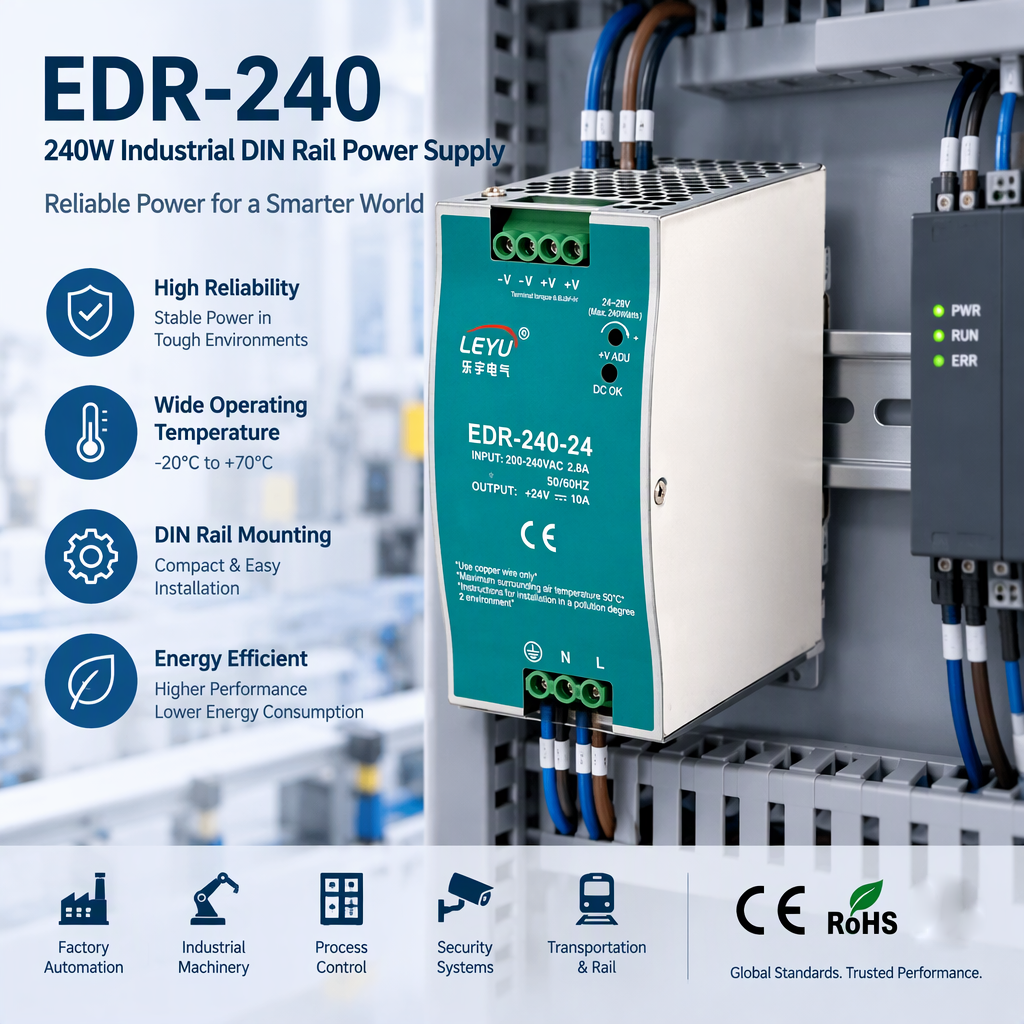
240W Industrial DIN Rail Switching Power Supply 24V 10A Compact Size for Automation Equipment & Control Panel
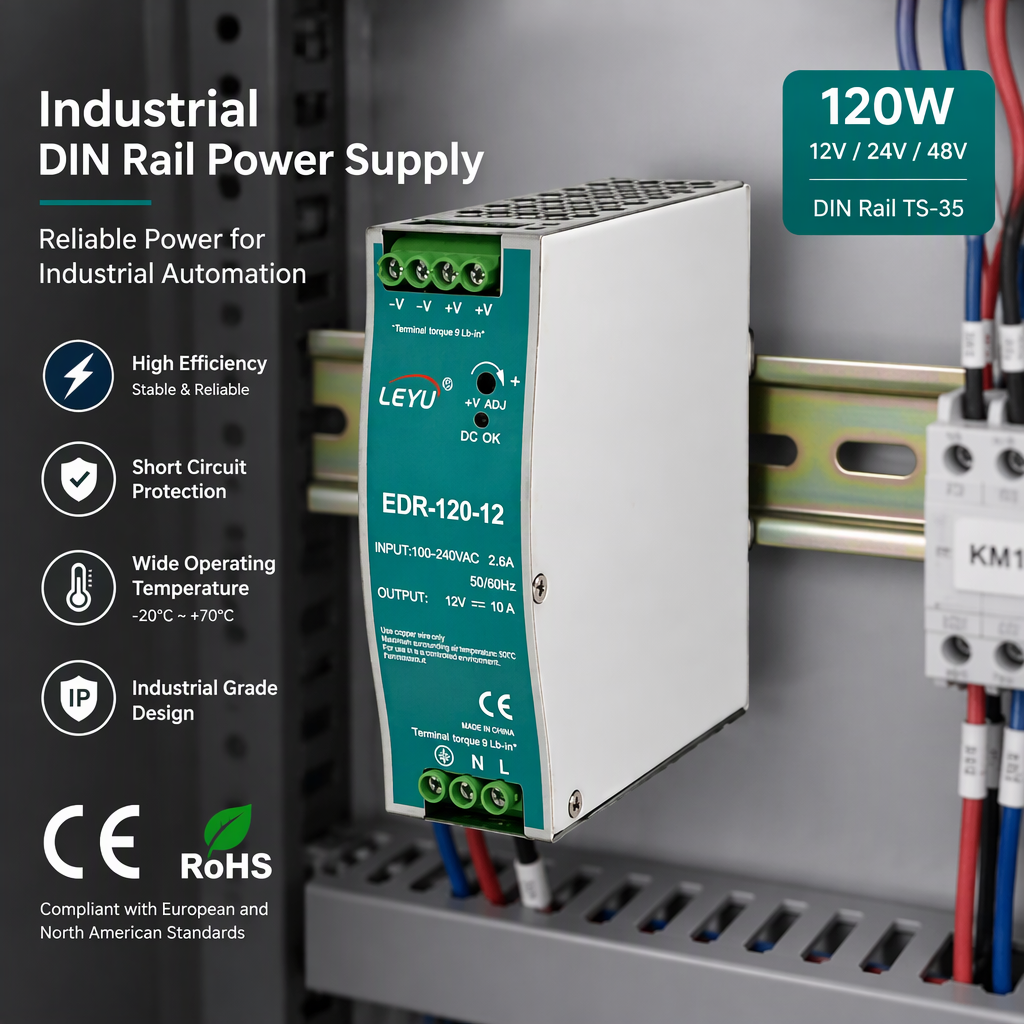
120W Industrial DIN Rail Power Supply 24V 5A AC DC Converter for PLC Control Cabinet Automation Equipment
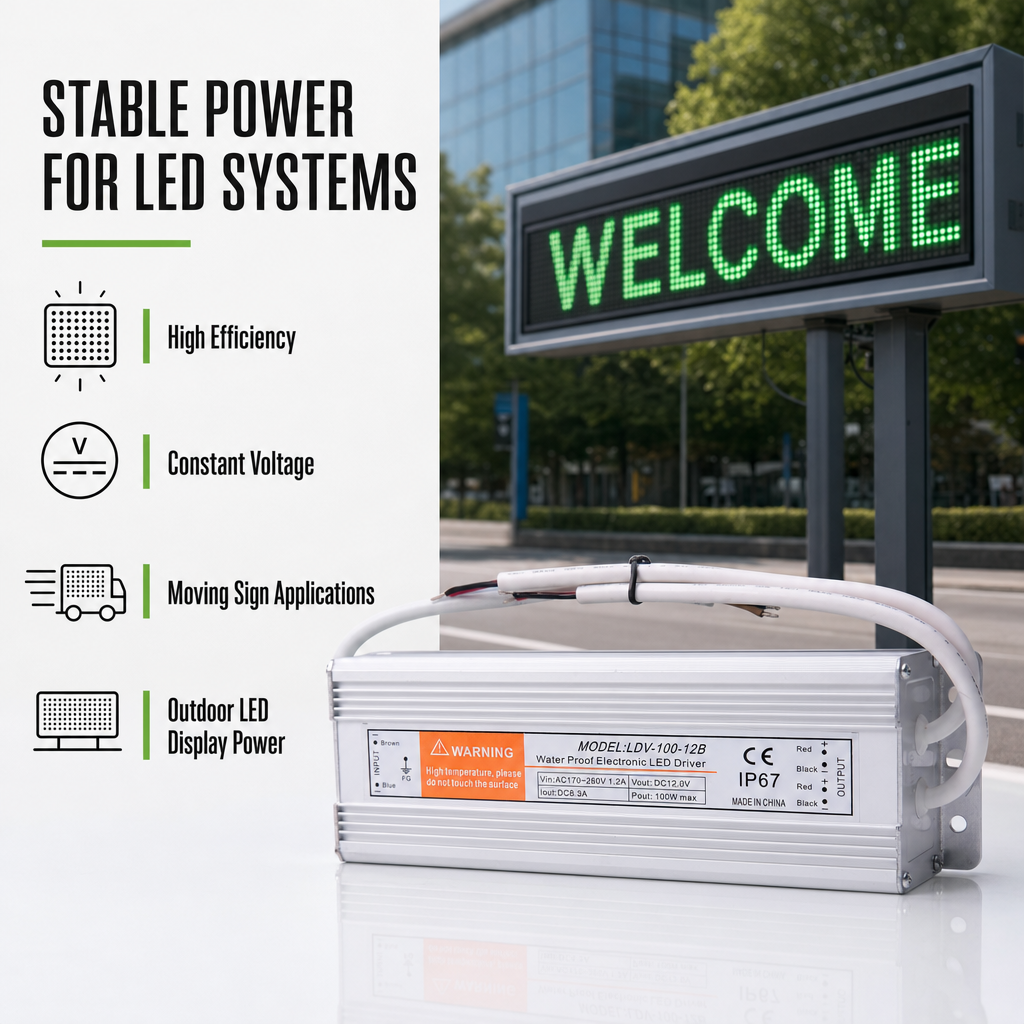
LDV-100 100W IP67 Waterproof LED Driver Power Supply 12V 8.3A 24V 4.2A AC to DC Adapter for Outdoor LED Strip Sign Lighting
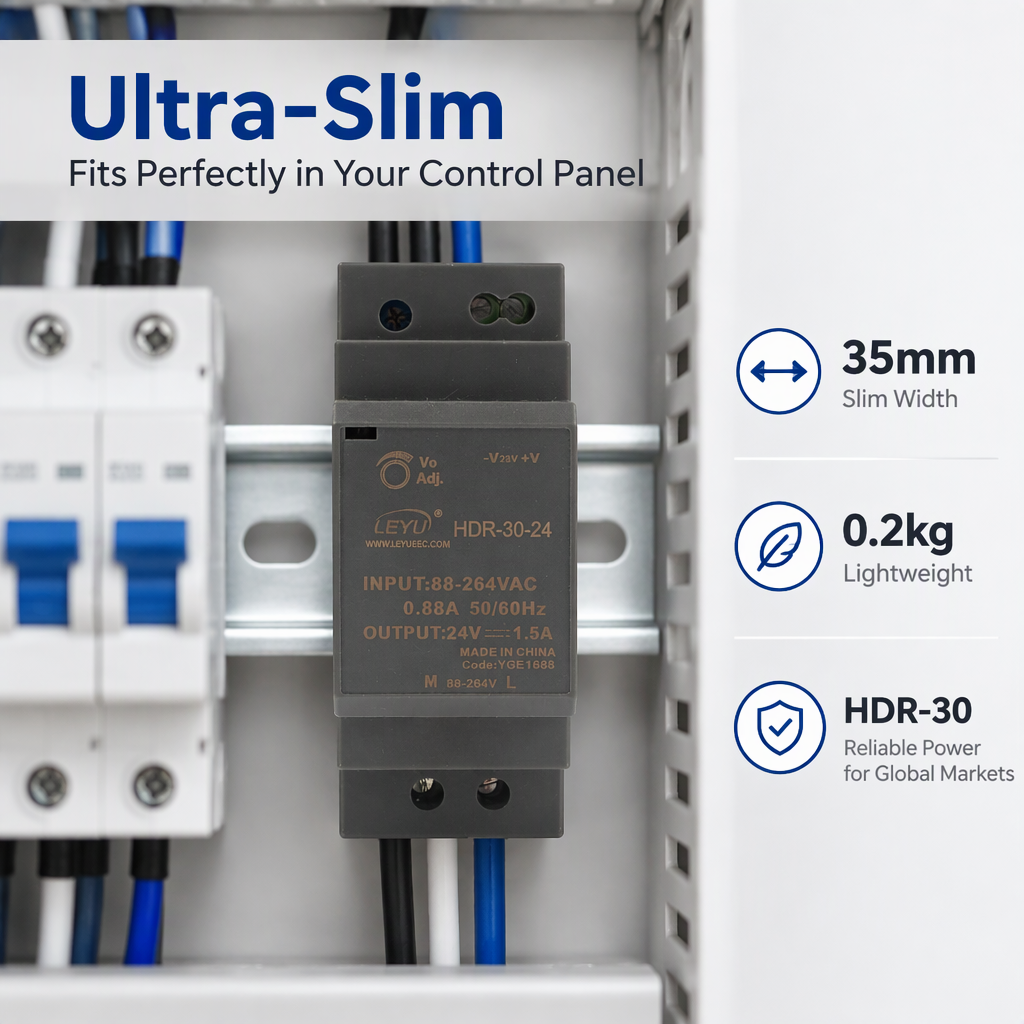
Ultra Slim 30W DIN Rail Switching Power Supply 12V 2A 24V 1.5A 35mm Width for Narrow Control Panels
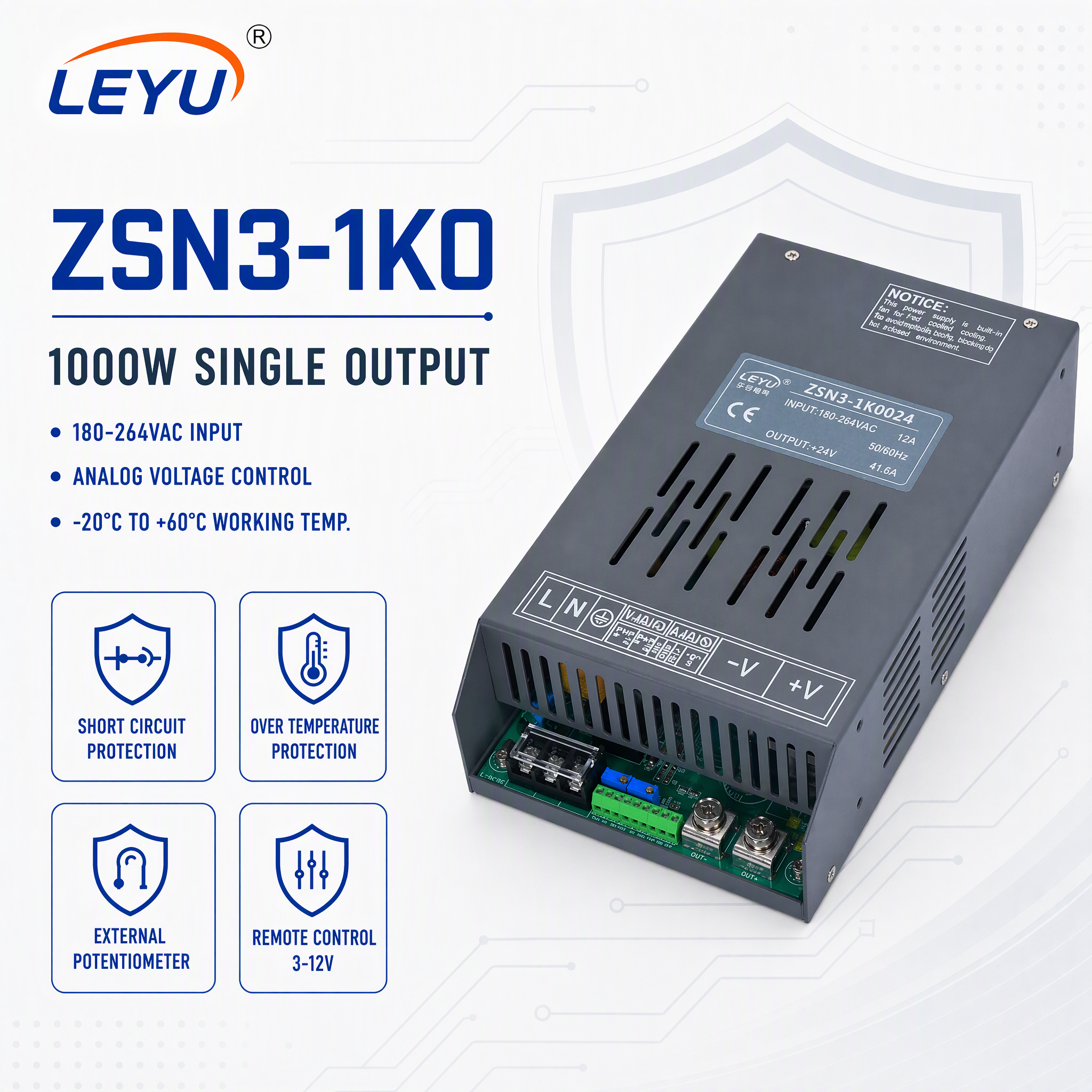
Fuente De Alimentacion Variable 1000W AC DC 24V 41.7A Adjustable Power Source for Laser Lab Use
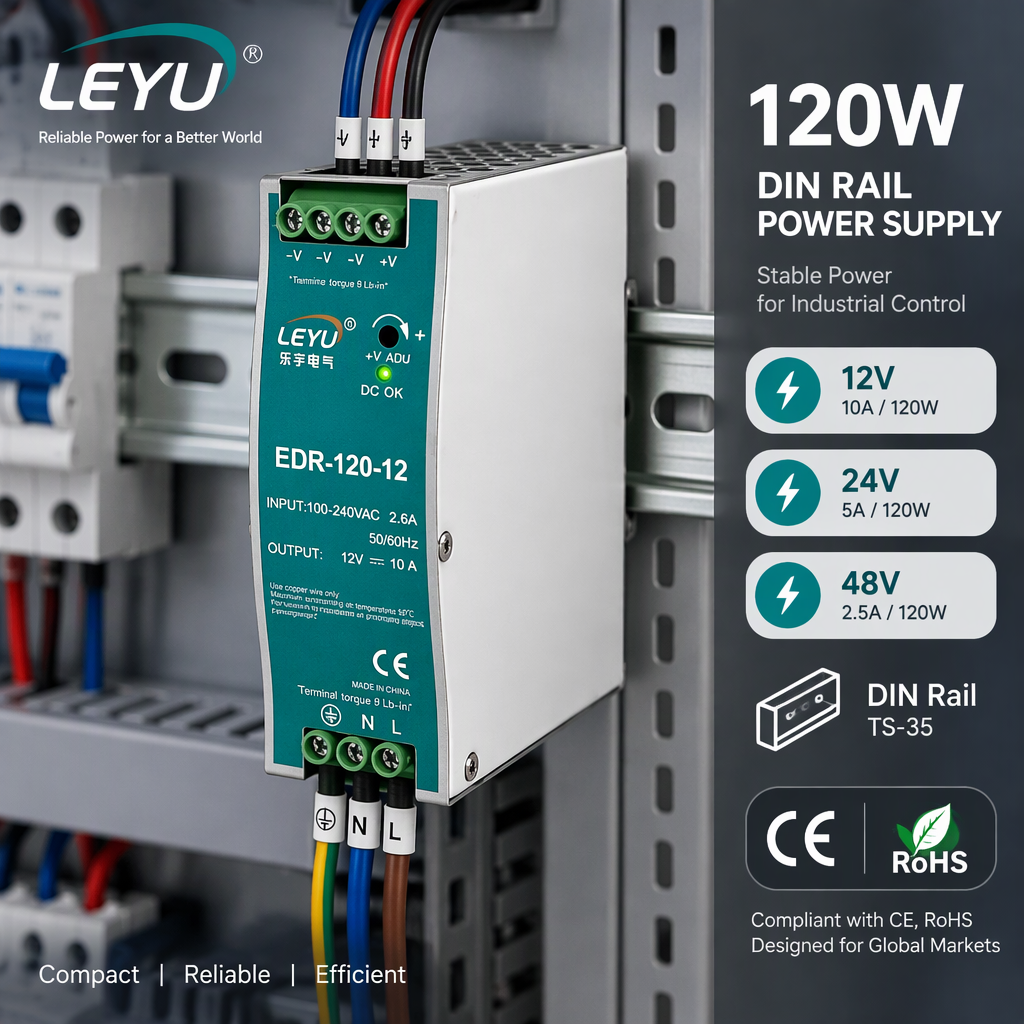
EDR-120 120W DIN Rail Power Supply 90-264VAC Universal Input 12V 10A 24V 5A 48V 2.5A Industrial Switching Power Supply
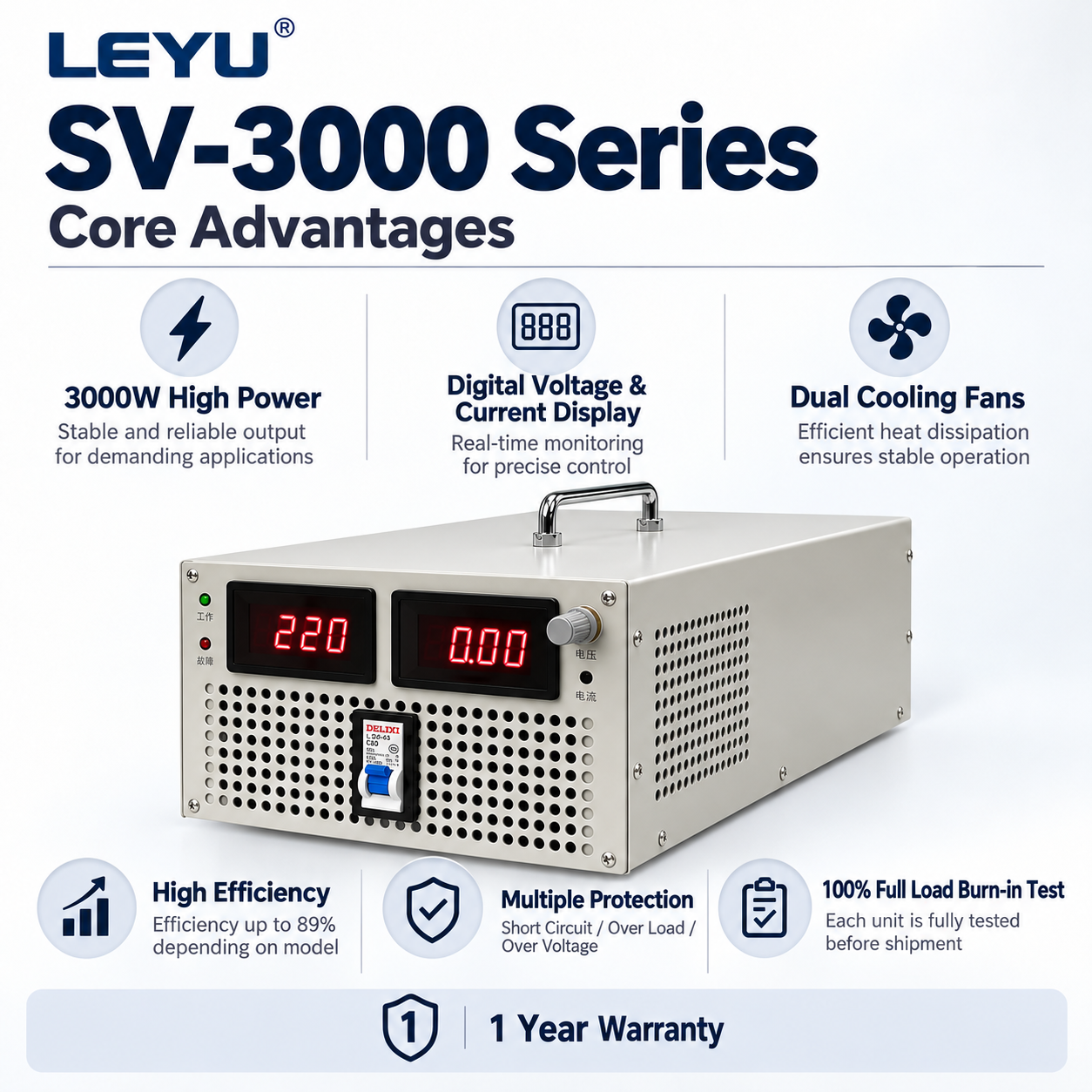
Industrial Adjustable DC Switching Power Supply 3000W Single Output 48V 60A AC DC Converter for Battery Charging
Optimizing PWM Charge Regulation Under Tropical Insolation & High Dew Points
Costa Rica presents one of the most distinctive operating landscapes for decentralized photovoltaic generation in Latin America. With equatorial solar radiation averaging between 4.5 and 6.0 kWh/m²/day in regions such as Guanacaste and the Nicoya Peninsula, coupled with sustained ambient relative humidity exceeding 85% across Puntarenas, Limón, and the Sarapiquí basin, balance-of-system (BOS) components face extreme hydrothermal and electrochemical stresses.
Pulse Width Modulation (PWM) charge controllers serve as the core electrical interface between photovoltaic arrays and DC chemical storage systems (Sealed AGM, Gel, and LiFePO4 batteries). Unlike standard grid-tied installations governed by the Instituto Costarricense de Electricidad (ICE) under Law 10086, off-grid systems require autonomous, non-oscillating battery charging routines capable of mitigating electrolyte stratification and grid-loss runaway.
Direct Coupling Efficiency: For nominal 12V and 24V off-grid applications where solar panel Vmp (17.5V–18.5V for 36-cell modules) matches battery absorption limits, PWM topologies deliver up to 96% direct electrical conversion efficiency without high-frequency inductor switching losses.
Yueqing Keldan Technology Co., Ltd. configures industrial-grade PWM controllers with 4-stage intelligent charging: Bulk, Absorption (PWM Constant Voltage), Float, and Equalization. This automated sequencing prevents irreversible lead sulfation in deep-cycle AGM/Gel units and provides precise over-voltage cutoff tolerances for lithium iron phosphate cells deployed across remote Costa Rican telecom sites.
PWM vs. MPPT Controller Architecture: Tropical Microgrid Matrix
Procurement directors and electrical contractors across Costa Rica frequently evaluate the technical trade-offs between PWM and MPPT architectures. The decision depends directly on module voltage-to-battery matching, thermal derating thresholds, and total lifecycle economics:
| Engineering Parameter | Keldan Industrial PWM | Standard MPPT Controller |
|---|---|---|
| Capex per Regulated Ampere | Low ($0.45 - $0.90/A) | Moderate-High ($1.80 - $3.50/A) |
| Thermal Robustness (>40°C Ambient) | High (Minimal Inductor Heat) | Medium (Requires Active Cooling) |
| Component Density & Failure Modes | Low MTBF Failure Rate | Higher Complexity (Buck Inductors) |
| Optimal Array Compatibility | 36-cell (12V) / 72-cell (24V) | High-Voltage 60/120/144-cell Panels |
| Resistance to Tropical Moisture | Complete Resin Encapsulation | Ventilated Heat Sinks Vulnerable |
For rural electrification under the Fondo Nacional de Financiamiento Forestal (FONAFIFO) eco-corridors and agricultural water monitoring stations, Keldan's solid-state PWM units eliminate high-frequency ripple, delivering clean, noise-free DC power to adjacent SCADA instrumentation, PLC controllers, and telemetry sensors.
Specialized Environmental Protections for Costa Rica's Microclimates
From the corrosive saline mist of the Pacific & Caribbean coasts to the interior cloud forests of Monteverde, our controllers integrate heavy-duty defensive barriers.
Conformal PCB Coating (MIL-I-46058C)
Every internal PCB is automatedly coated with high-grade modified polyurethane or silicone conformal barriers. This hermetically isolates SMD resistors, MOSFET gates, and microcontroller traces against fungal growth, condensing relative humidity (95%+ RH non-condensing), and ionic surface tracking prevalent across Puntarenas and Limón port facilities.
Saline Corrosion & Salt-Spray Resistance
Operating near Jacó, Manuel Antonio, or Tamarindo exposes electrical equipment to airborne sodium chloride. Keldan PWM controllers feature electroplated tinned brass terminal lugs, anodized aluminum heatsinks, and stainless-steel fastener assemblies that withstand ASTM B117 salt spray testing without contact degradation or galvanic corrosion.
Dynamic Temperature Compensation
Equatorial heat accelerates battery chemical reactions, causing premature grid corrosion in lead-acid cells and thermal stress in lithium packs. Our integrated negative temperature coefficient (NTC) sensors automatically adjust charging absorption and float voltage thresholds (-3mV to -5mV/°C/cell), ensuring maximum battery service life under Guanacaste's 40°C heat.
Precision Charge Algorithm: The Keldan Multi-Stage Cycling Model
Designed to maximize amp-hour collection during brief equatorial sunny intervals between torrential cloudbursts:
Bulk Charging Phase
Delivers 100% available solar array current into depleted battery banks until reaching absorption target threshold (14.4V for 12V Gel/AGM), recovering 80% capacity at maximum speed.
Absorption (PWM)
MOSFET gates switch at high-speed PWM duty cycles to hold voltage steady while current naturally tapers, preventing cell gassing and thermal runaway while fully charging plates.
Float Maintenance
Reduces voltage to a trickle float level (13.6V–13.8V), counteracting parasitic self-discharge and maintaining standby readiness without boiling liquid electrolytes.
Periodic Equalization
Automated bi-monthly controlled overcharge pulse (14.8V–15.2V) rebalances cell voltages, desulfates negative plates, and reverses electrolyte layering in flooded deep-cycle units.
Proven Application Scenarios in Costa Rica's Key Economic Sectors
Supplying Tier-1 energy integration firms, agricultural cooperatives, and government infrastructure projects from Guanacaste to the Osa Peninsula.
Off-Grid Eco-Lodges in Guanacaste & Osa
Costa Rica's world-renowned sustainable resorts in Corcovado, Monteverde, and Papagayo operate completely separated from the ICE national grid. Keldan PWM controllers and pure sine wave inverters power perimeter LED security lighting, mini-refrigerators, guest Wi-Fi terminals, and solar water pressure pumps silently without diesel generator pollution.
Coffee, Pineapple & Cattle Micro-Irrigation
Across Alajuela, San Carlos, and the Central Valley, agricultural operations deploy stand-alone solar pumping and automated drip irrigation. Our controllers manage 24V DC diaphragm and submersible pumps directly from solar arrays, while integrated low-voltage disconnects (LVD) protect battery banks from deep discharge cycles during prolonged rainy season storms.
Mountain Repeater Towers & Meteorological Stations
Telecommunications operators and environmental research institutes maintain remote solar-powered repeater links in the Cordillera de Talamanca. Low electromagnetic interference (EMI) PWM topologies ensure pristine radio frequency transmission, zero harmonics on VHF/UHF lines, and continuous 48V DC bus stability.
Costa Rica's Renewable Energy Roadmap: Law 10086 & Customs Integration
Costa Rica has achieved global acclaim by generating over 98% of its electricity from renewable sources (primarily hydroelectric, geothermal, and wind). However, the passage of Ley 10086 (Promoción y Regulación de los Recursos Energéticos Distribuidos a partir de Fuentes Renovables) has dramatically accelerated private solar investments and distributed energy resource (DER) projects across commercial, residential, and agricultural sectors.
While grid-connected installations must adhere strictly to ICE interconnection guidelines and ARESEP (Autoridad Reguladora de los Servicios Públicos) technical rules, decentralized off-grid generation is expanding rapidly to reinforce grid resiliency against climate-induced drought events (such as El Niño dry spells affecting reservoir storage in Lake Arenal).
Importers and distributors in San José, Heredia, and Cartago benefit from simplified customs clearance when partnering with Keldan. Our export documentation matches Costa Rican customs tariff codes (Partida Arancelaria SAC 8504.40 - Static Converters & Solar Regulators), providing certified Declarations of Origin, CE technical files, and comprehensive packaging that accelerates clearance through the Dirección General de Aduanas at Puerto Caldera (Pacific) and Puerto Limón (Atlantic).
Logistics, Port Clearance & B2B Shipping Routes to Costa Rica
Yueqing Keldan Technology operates a streamlined export protocol designed for Latin American trade channels:
- Ocean Freight (FCL/LCL): Direct sailings from Ningbo-Zhoushan Port and Shanghai Port to Puerto Caldera (22–28 days transit time) and Puerto Limón (26–32 days). Optimal for palletized bulk shipments of DIN rail units, enclosed switching supplies, and charge controllers.
- Air Cargo Expedited: Direct air cargo connections to Aeropuerto Internacional Juan Santamaría (SJO) in Alajuela for prototype validation, urgent project replacements, and critical infrastructure spares within 5–7 days.
- Import Duty Optimization: Under Costa Rica's renewable energy tax incentives, qualifying solar conversion hardware and charge controllers may be eligible for reduced import duties upon filing with MINAE (Ministerio de Ambiente y Energía). Keldan provides full bilingual technical datasheets and commercial invoices to facilitate your tariff exemptions.
Bilingual Engineering Support: Our technical documentation, installation wiring schematics, and terminal markings are available with complete Spanish nomenclature (Entrada Solar PV, Batería, Salida Carga DC) to streamline field commissioning for Costa Rican technicians.
A Verified Custom Manufacturer You Can Audit with Confidence
Based in Yueqing, Zhejiang—China's low-voltage electrical engineering capital—Keldan Technology combines 18+ years of technical manufacturing depth with third-party verified quality systems.
TÜV Rheinland Onsite-Verified Facility
Our complete factory operations, production lines, QA/QC laboratories, and export trade capacity have been independently audited and verified onsite by TÜV Rheinland. We maintain 44 verified staff, 5+ veteran electrical engineers with 5+ years of SMPS and charge controller design experience, and 12 dedicated multilingual trade specialists.
Rigorous 8-Stage Manufacturing & Burn-In
Zero-defect tolerance begins with 100% incoming material inspection on key components (low-ESR capacitors, genuine IR/Infineon power MOSFETs, copper wound chokes). Products move through high-speed SMT placement, reflow soldering, AOI optical defect screening, manual assembly, debugging, and 100% full-load aging burn-in racks before shipment approval.
Flexible OEM/ODM Customization & Private Label
We provide full design-based and sample-based customization for Costa Rican distributors and brand owners. Options include customized terminal layouts, integrated LCD backlights with Spanish user menus, adjustable cutoff voltages for specialized battery chemistries, custom metal/polycarbonate enclosures, and silk-screened client branding with low introductory MOQs.
Frequently Asked Questions by Costa Rican Solar Contractors & Importers
Direct technical and logistical answers to streamline your qualification and procurement decisions.
For off-grid systems utilizing nominal 12V panels (Vmp ~18V) with 12V batteries or 24V panels (Vmp ~36V) with 24V banks, a PWM controller operates at equivalent real-world efficiency (92-96%) to an MPPT regulator, but at 50-70% lower acquisition cost. Additionally, PWM controllers have far fewer discrete surface components and no bulky buck inductors, delivering superior thermal durability and substantially higher Mean Time Between Failures (MTBF) under high ambient humidity and heat.
Coastal environments in Costa Rica suffer from extreme atmospheric salt aerosols. Keldan protects every unit with an automated three-layer conformal coating across all PCB traces and solder joints, paired with heavy-duty tinned copper/brass screw terminals and anti-corrosive passivated housings. This eliminates electrochemical dendrite growth, short-circuit tracking, and terminal oxidation caused by marine salinity.
Standard catalog models of DIN rail power supplies, switching converters, and PWM controllers can be sampled starting from 1 piece for engineering evaluation. Standard production batches typically start at 10 to 50 pieces depending on the chassis. Production lead time is 7 to 15 working days, with express air cargo options reaching SJO Airport in 5–7 days or ocean freight reaching Puerto Caldera in approximately 22–28 days.
Yes. While conventional PWM units are pre-set strictly for lead-acid flooded or sealed AGM/Gel chemistries, Keldan offers customized firmware parameters or user-programmable menus tailored to LiFePO4 4S (12.8V) and 8S (25.6V) battery packs. These profiles disable equalization charging (which damages lithium cells) and enforce tight high-voltage disconnect thresholds (3.65V per cell) to ensure safe integration with onboard Battery Management Systems (BMS).
Yes, all Keldan power supplies, inverters, and PWM controllers carry full CE conformity marking, RoHS hazardous substance compliance, and meet electromagnetic compatibility standards under EN 61000-6-2 (Industrial Immunity) and EN 61000-6-4 (Emissions). These certifications provide full compliance documentation required by Costa Rican electrical inspectors, ICE project audits, and municipal building code verifications.
Request Specifications, Factory Pricing & Samples for Costa Rica
Whether you require standard 12V/24V 10A-60A PWM controllers, industrial DIN rail modules for automation cabinets, or custom OEM private labeling, our Yueqing engineering team provides comprehensive datasheets, test reports, and FOB/CIF quotes within 24 hours.
