TÜV Rheinland Onsite-Verified Manufacturer Yueqing, Zhejiang, China

PWM Solar Controller Factories & Factory Serving Estonia

Engineering industrial off-grid autonomy, sub-zero battery longevity, and verified power architecture for Nordic and Baltic renewable infrastructures.

18+
Years In Power Electronics
TÜV
Rheinland Onsite Verified
100%
Full-Load Burn-In Tested
4.8 / 5
Verified Global Rating
Product Engineering Portfolio

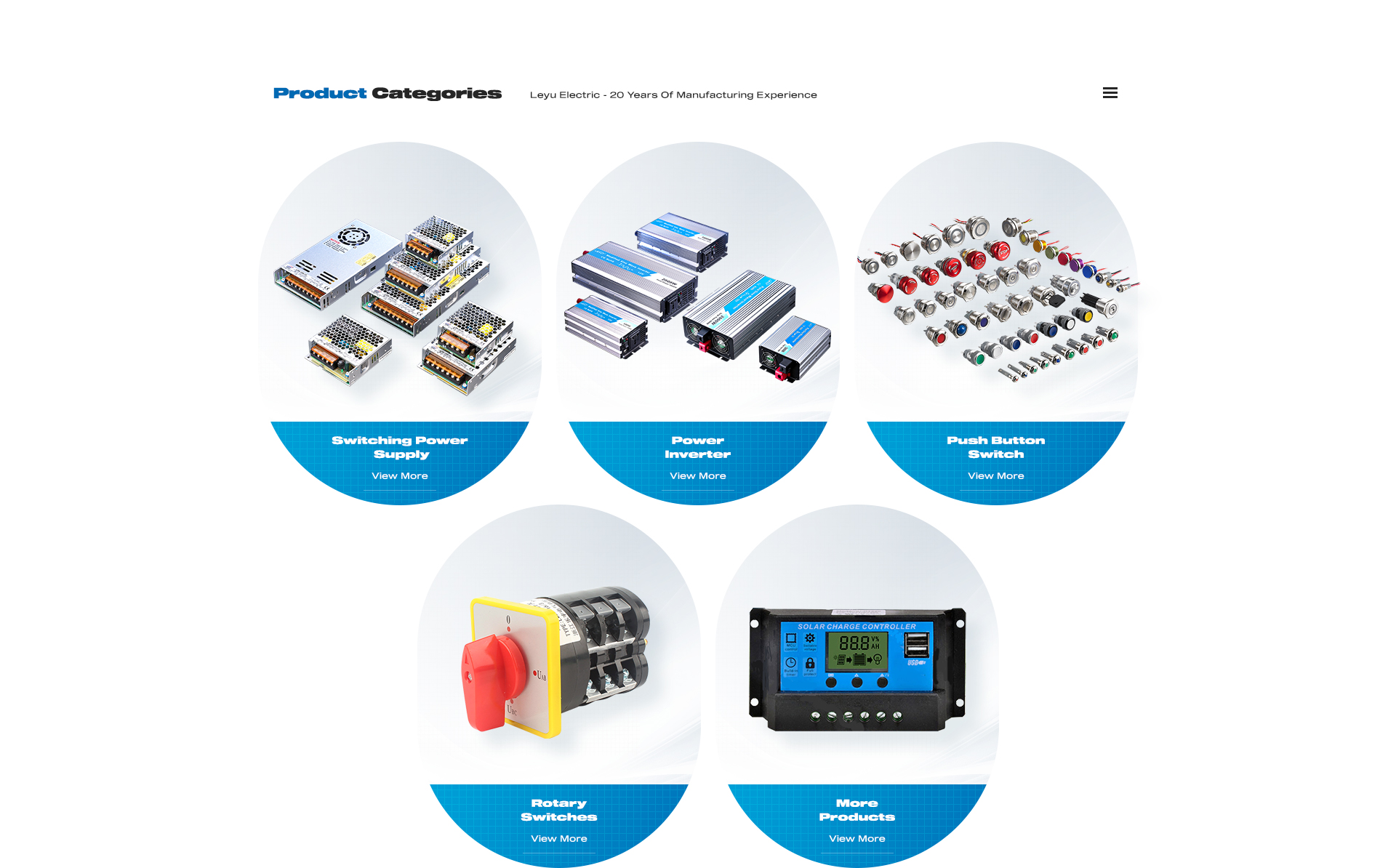
Industrial Grade Power Conversion & Control Solutions

Precision-manufactured power electronics engineered to seamlessly integrate with Baltic hybrid systems, off-grid telemetry nodes, and harsh-environment automation cabinets.

Nordic Engineering & Operational Reality

PWM Solar Controller Applications Across Estonia's Climate Zones

Operating small-scale photovoltaics at 58°–59° North latitude introduces unique electrical challenges: acute seasonal irradiance swings, protracted winter frost, and high maritime humidity.

Off-Grid Telecom & Forest Telemetry

Estonia’s extensive national parks, bogs (such as Soomaa and Lahemaa), and remote forestry plots utilize autonomous IoT sensor networks. Standard electronics fail under cold soak conditions. Our PWM solar charge controllers incorporate conformal-coated PCB assemblies and multi-stage temperature compensation to guarantee reliable battery floats down to -35°C without dielectric breakdown.

Baltic Maritime & Island Micro-Grids

In the West Estonian archipelago—including Saaremaa, Hiiumaa, and Kihnu—seasonal coastal homes and navigational buoys face persistent salt-mist corrosion. Standard open-frame terminals corrode rapidly. Our custom factory enclosures use tinned copper screw clamps and IP32–IP54 sealing, preventing electrolytic degradation and short-circuit faults along coastal solar setups.

Cabin Energy & Saunas (Suvilad)

Estonia's pervasive culture of weekend cottages (suvilad) demands robust, budget-aligned solar architecture for 12V lighting, water pumps, and telecommunications. Pulse-Width Modulation (PWM) offers an inherently robust, mechanically simple, and electromagnetically silent charging topology, completely eliminating high-frequency switching noise that interferes with rural communication equipment.

Nordic Deployment Criteria Generic Commercial PWM Units Keldan Industrial PWM Factory Standard Direct Operational Benefit in Estonia
Operating Temperature -10°C to +40°C (Non-guaranteed) -35°C to +60°C rated Zero winter cold-freeze disconnects during Baltic blizzards
Condensation Safeguard Standard bare FR4 boards Automated dual-pass conformal coating Resists autumn condensation cycles and high maritime humidity
Temperature Coefficient Fixed voltage float threshold Adjustable -3mV/°C to -5mV/°C/cell Prevents chronic undercharging of AGM/Gel batteries in winter
Lithium (LiFePO4) Logic Lead-acid firmware only Integrated sub-zero charge inhibition Protects expensive lithium battery banks from freezing-damage
Strategic Market Analysis

Emerging Off-Grid Energy Trends Across the Republic of Estonia

How energy security mandates, the desynchronization from the BRELL grid, and digital rural infrastructure are shaping local procurement choices for solar controllers.

1. National Energy Resilience & Micro-Storage Decentralization

Following geopolitical realignment and the Baltic power grid's final integration with continental Europe's ENTSO-E system, Estonian commercial enterprises and municipalities have prioritized backup decentralized energy systems. In rural Harju, Tartu, and Ida-Viru counties, standalone solar kits equipped with industrial PWM controllers provide critical emergency power for perimeter defense, communication nodes, and off-grid monitoring.

Unlike complex digital MPPTs with multiple microcontrollers that present higher failure rates during voltage surges, analog-driven PWM topologies provide unmatched mean time between failures (MTBF), making them the preferred fail-safe charging element for secondary emergency circuits.

2. Hybridization with Wind Turbines & Smart Remote Metering

Because Estonia experiences minimal solar irradiance between November and February, standalone systems frequently deploy micro-wind turbines alongside solar arrays. Our OEM factory supports this hybrid setup by producing custom PWM diversion-load controllers that manage both solar and wind dump-load resistance in a single compact housing.

Furthermore, Estonia's global standing as an advanced digital society ("e-Estonia") drives demand for hardware telemetry. Buyers frequently require RS485 Modbus RTU protocols integrated directly into our PWM charge controllers, allowing direct interface with local IoT microcontrollers and remote industrial dashboards.

Enterprise Manufacturing Authority

Yueqing Keldan Technology Co., Ltd. — Your Direct Manufacturing Partner

Headquartered in Malujiao Village, Beibaixiang Town, Yueqing, Zhejiang—the global epicenter of low-voltage electrical engineering—Keldan brings over 18 years of technical mastery to switching power supplies, pure sine wave inverters, and PWM solar controllers.

  • TÜV Rheinland Onsite Verified: Independent third-party audit verifying full manufacturing capacity, automated assembly lines, and certified quality protocols.
  • Dedicated R&D Engineering: In-house staff of experienced SMPS & power electronics engineers, ready to customize PCB logic, enclosure dimensions, and terminal layouts.
  • 8-Stage Strict QC Standard: Incoming component validation, automated SMT, reflow soldering, AOI optical inspection, full-load burn-in aging, and final dynamic tests.
  • Export-Ready Logistics: Direct shipping routes to Tallinn, Muuga Harbor, and regional Baltic distribution centers with complete CE compliance and technical datasheets.
Yueqing Keldan Technology Co., Ltd. Manufacturing Facility
Procurement Due Diligence

Frequently Asked Questions by Estonian & Baltic Buyers

Clear, technically accurate answers covering import compliance, extreme cold operation, warranty terms, and custom OEM manufacturing.

Why specify PWM solar charge controllers instead of MPPT for small Baltic installations?
While MPPT controllers excel in large grid-tied high-voltage arrays, PWM controllers offer distinct technical and economic advantages for small installations (under 200W–300W):

1. Temperature Resilience: PWM architecture utilizes robust solid-state MOSFET switching without high-frequency inductive coils, significantly reducing thermal failure rates during extreme Estonian freeze-thaw cycles.
2. Zero Electromagnetic Interference: PWM devices generate virtually zero EMI/RFI interference, which is critical for remote environmental sensing, amateur radio setups, and telecom repeaters.
3. Cost Efficiency: For 12V panels matched to 12V battery banks, the voltage differential is small; PWM operates at nearly 90% cost-effectiveness relative to higher-priced MPPT alternatives.
Do your solar controllers carry genuine CE certification recognized in the European Union?
Yes. Every unit manufactured at Yueqing Keldan Technology Co., Ltd. complies with the relevant European Union Low Voltage Directive (LVD 2014/35/EU) and Electromagnetic Compatibility Directive (EMC 2014/30/EU). CE Declarations of Conformity (DoC), test certificates, and full lab test reports are made available for customs clearance at Tallinn Port or direct audit by Estonian technical authorities (Tarbijakaitse ja Tehnilise Järelevalve Amet - TTJA).
How do Keldan controllers handle winter battery charging at temperatures below -20°C?
For lead-acid, AGM, and Gel chemistries, battery chemical reactions slow significantly in sub-zero temperatures, requiring elevated charging voltages to reach full capacity. Our factory configures an integrated or external NTC temperature sensor that dynamically increases voltage thresholds according to programmable coefficients (-3mV to -5mV/°C/cell). For modern LiFePO4 batteries, our firmware can be customized with a low-temperature charging cutoff (0°C) to prevent irreversible lithium plating and cell damage.
What are the minimum order quantities (MOQ) and lead times for shipping to Estonia?
For evaluation samples and standard models, our MOQ starts from 1 piece to support fast engineering verification. For custom OEM runs (private brand laser engraving, customized firmware presets, Baltic multilingual instruction manuals), our typical batch MOQ begins at 50–100 pieces. Air-freight deliveries to Tallinn Airport (TLL) take approximately 5–8 business days, while standard maritime container shipments to Muuga Harbor take 30–38 days.
Can Keldan manufacture dual-purpose or custom enclosure solutions for DIN-rail mounting?
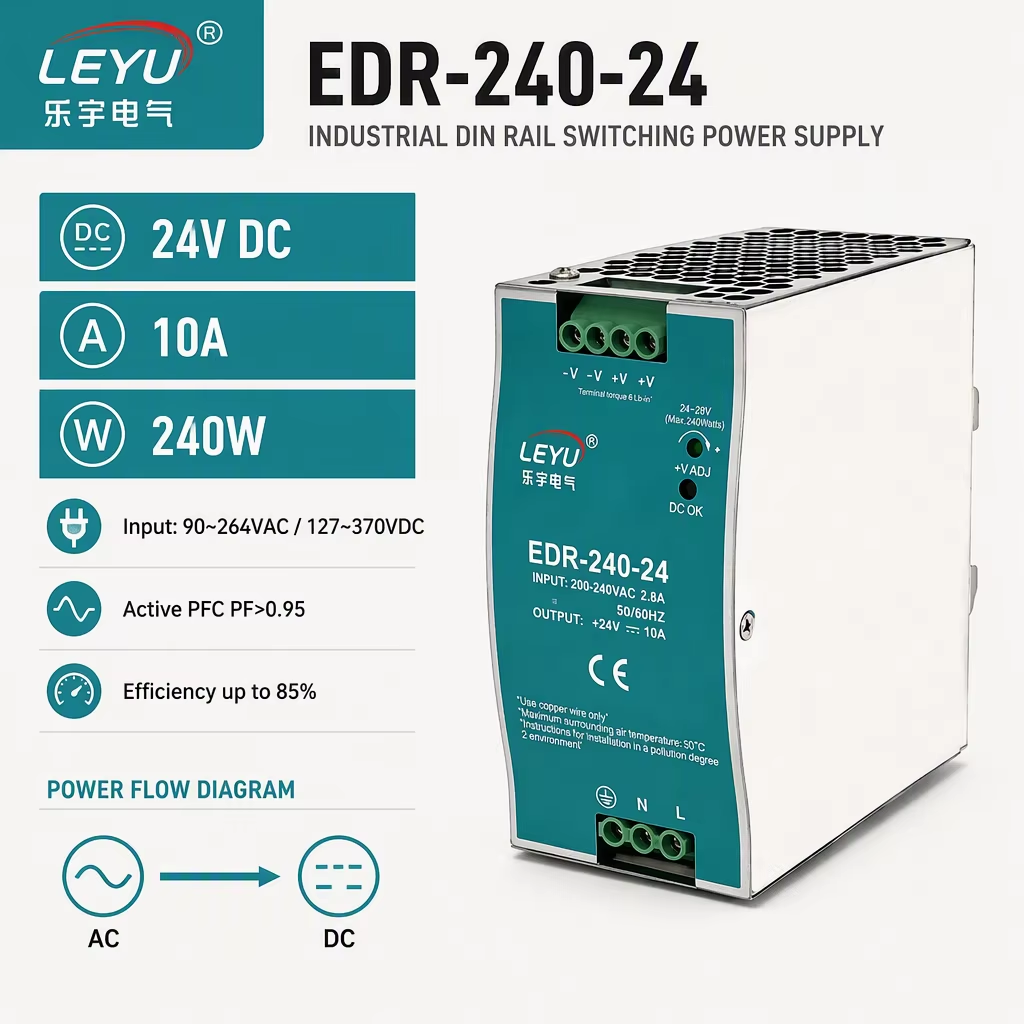
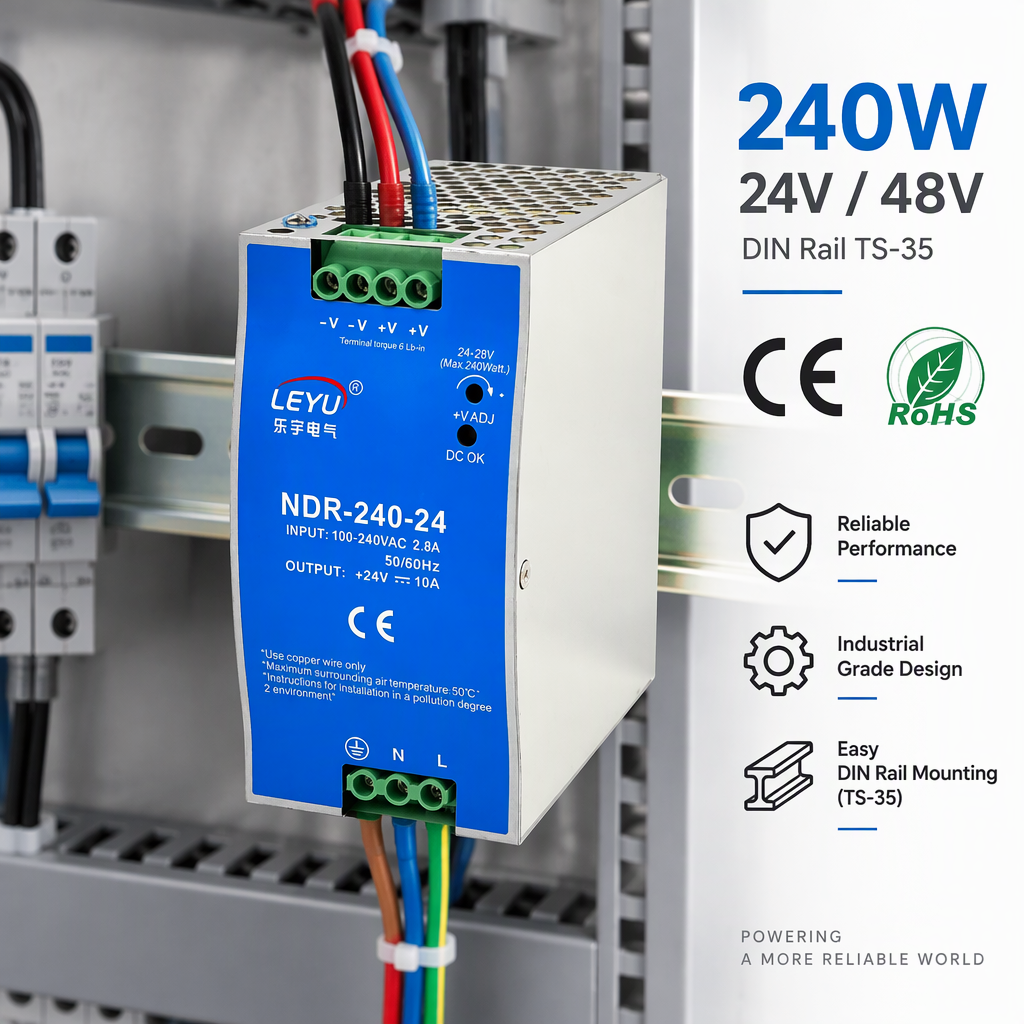
Yes. Recognizing that Baltic electrical engineers and industrial installers strongly favor standard TS35 DIN-rail mounting within distribution boxes, we provide custom adapter brackets or native DIN-rail enclosures. We also provide hybrid combinations incorporating our switching power supplies (such as the NDR or EDR series) and battery backup modules directly within the same electrical architecture.

Engineer Your Resilient Baltic Solar Solution Today

Connect directly with our engineering team in Yueqing. Whether you require customized sub-zero firmware, OEM private labeling, or a container quotation for Estonian logistics, we deliver verified manufacturing quality.