Precision Rectification & Charge Control Hardware
Yueqing Keldan Technology delivers precision industrial power modules, switching converters, IP67 LED drivers, and adjustable DC power stations designed to support off-grid solar storage, marine equipment, and automation control arrays.
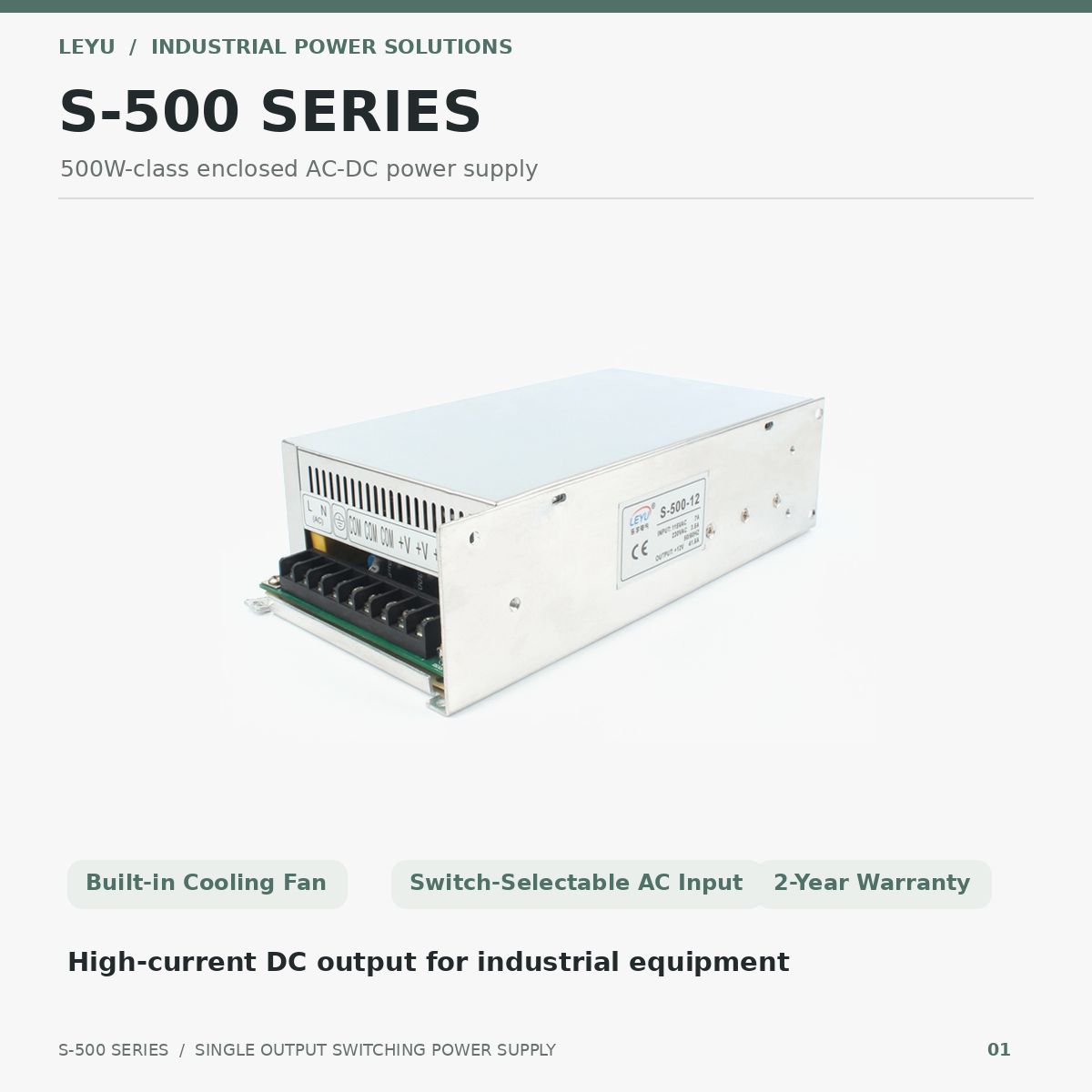
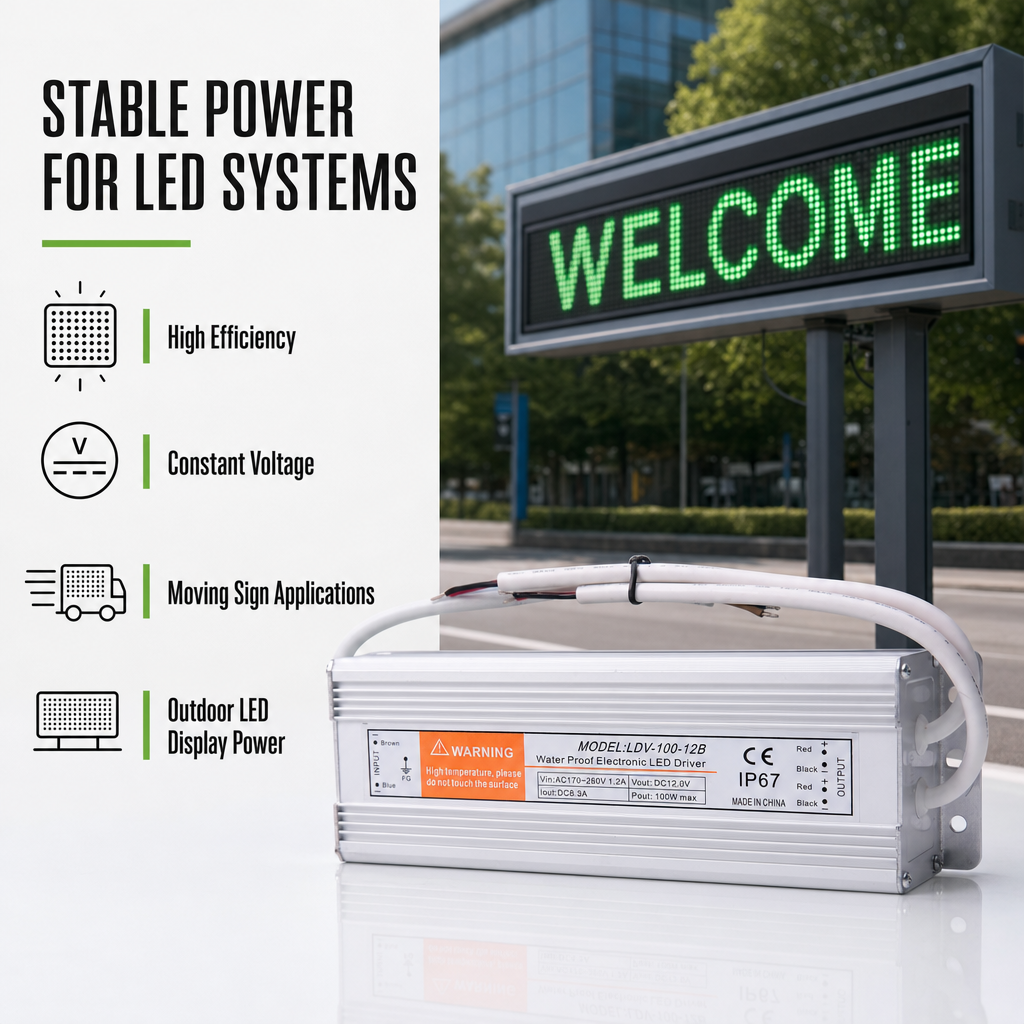
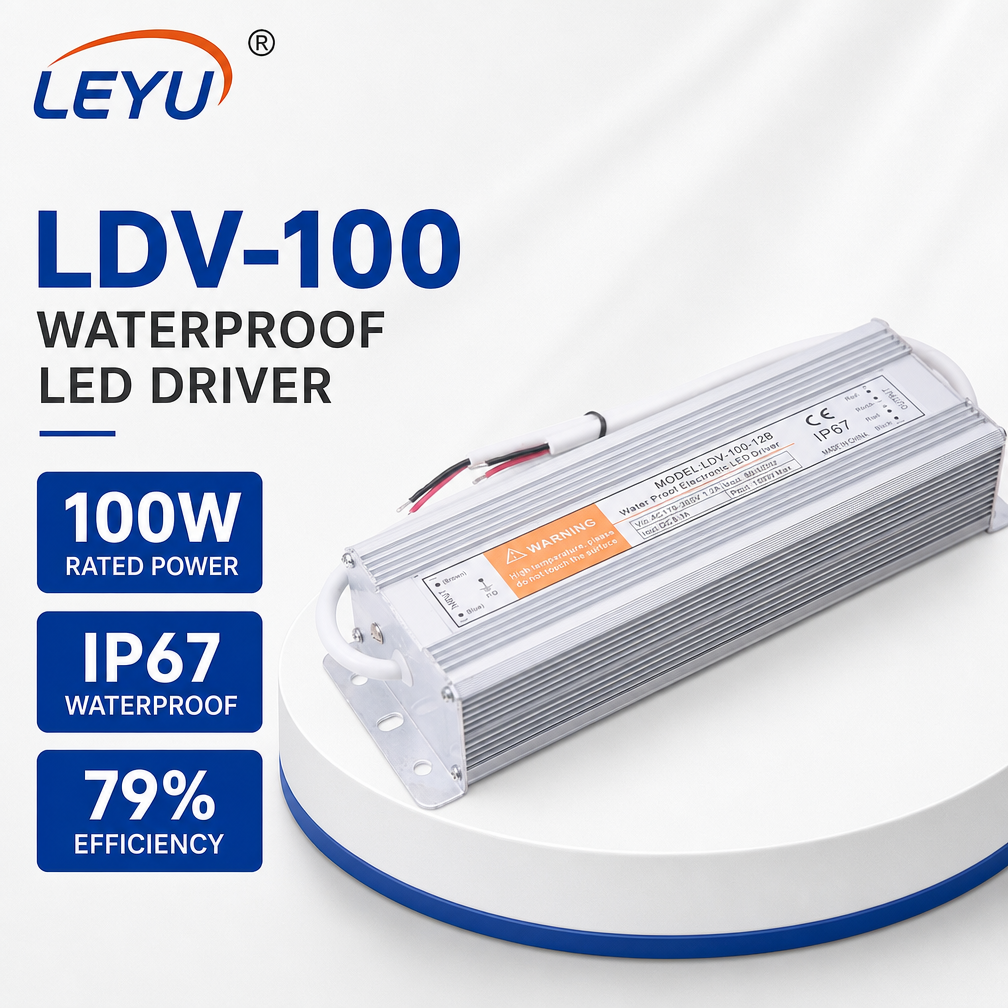
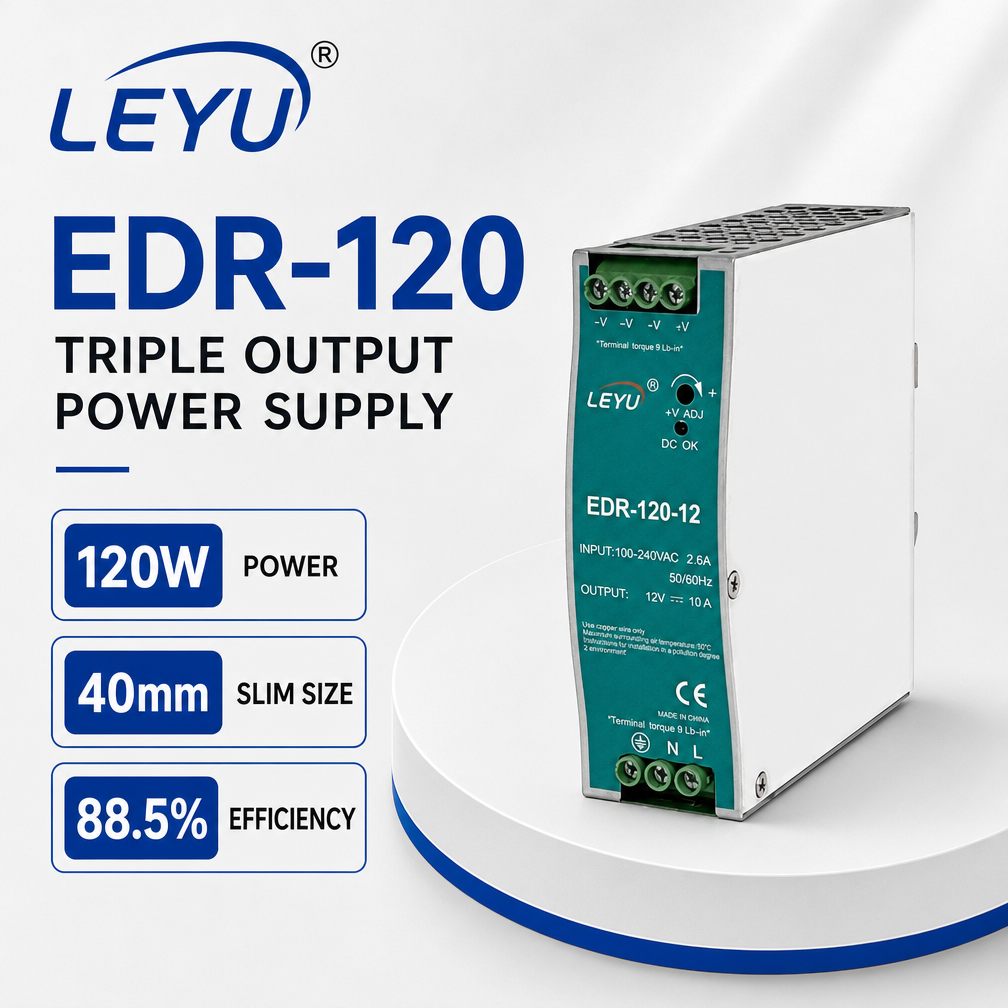
Solar Charge Controller & DC Bus Deployment in Aarhus and Midtjylland
As Denmark accelerates its transition toward fossil-free municipal power and resilient regional microgrids, Aarhus (Midtjylland) has emerged as a testbed for decentralized energy storage systems (BESS), marine hybrid auxiliary power arrays, and commercial rooftop solar installations. However, deploying photovoltaic infrastructure at latitude 56°N presents unique electrical, thermal, and meteorological hurdles that standard off-the-shelf controllers fail to address over a 15-year service lifecycle.
In Aarhus, solar radiation exhibits pronounced seasonal asymmetry: summer yields peak sharply while winter solar irradiance drops below 15% of annual maximums, accompanied by high diffuse light fractions, frequent overcast cycles, and sustained sub-zero temperatures. Under such conditions, a high-performance Solar Charge Controller (Regulator) serves not merely as a simple current limiter, but as the critical electro-thermal brain of the DC distribution network. It must manage steep open-circuit voltage spikes ($V_{oc}$) triggered by cold crystalline modules, suppress transient ripples when auxiliary grid feeds switch, and maintain high efficiency down to 10% load thresholds.
MPPT Cold-$V_{oc}$ Headroom
Scandinavian winter temperatures regularly drop past -10°C, increasing crystalline panel $V_{oc}$ by 12% to 18%. Our charge architectures integrate 100V, 150V, and 200V withstand thresholds to prevent MOSFET breakdown during zero-load morning sunrise surges.
Multi-Stage Dynamic Algorithmic Profile
Supports low-temperature lithium iron phosphate ($LiFePO_4$) battery charging protocols with programmable BMS threshold cutoffs, prevent dendrite formation at temperatures below 0°C, and automates float/bulk transitions for AGM backup banks.
Severe Low-Ripple Current Rectification
Paired with our high-efficiency DIN-rail switching modules (EDR and NDR series), our DC charging controllers clamp current ripple below 50mVp-p, protecting downstream IoT telemetry, marine instrumentation, and automated control cabinets.
Key Regional Deployment Scenarios Across Midtjylland
B2B procurement managers and system integrators throughout Aarhus Havn (Port of Aarhus), skeletal logistics hubs in Brabrand, and eco-parks across Skejby require verified, ruggedized conversion solutions tailored to distinct industrial operating envelopes:
Maritime & Port Infrastructure
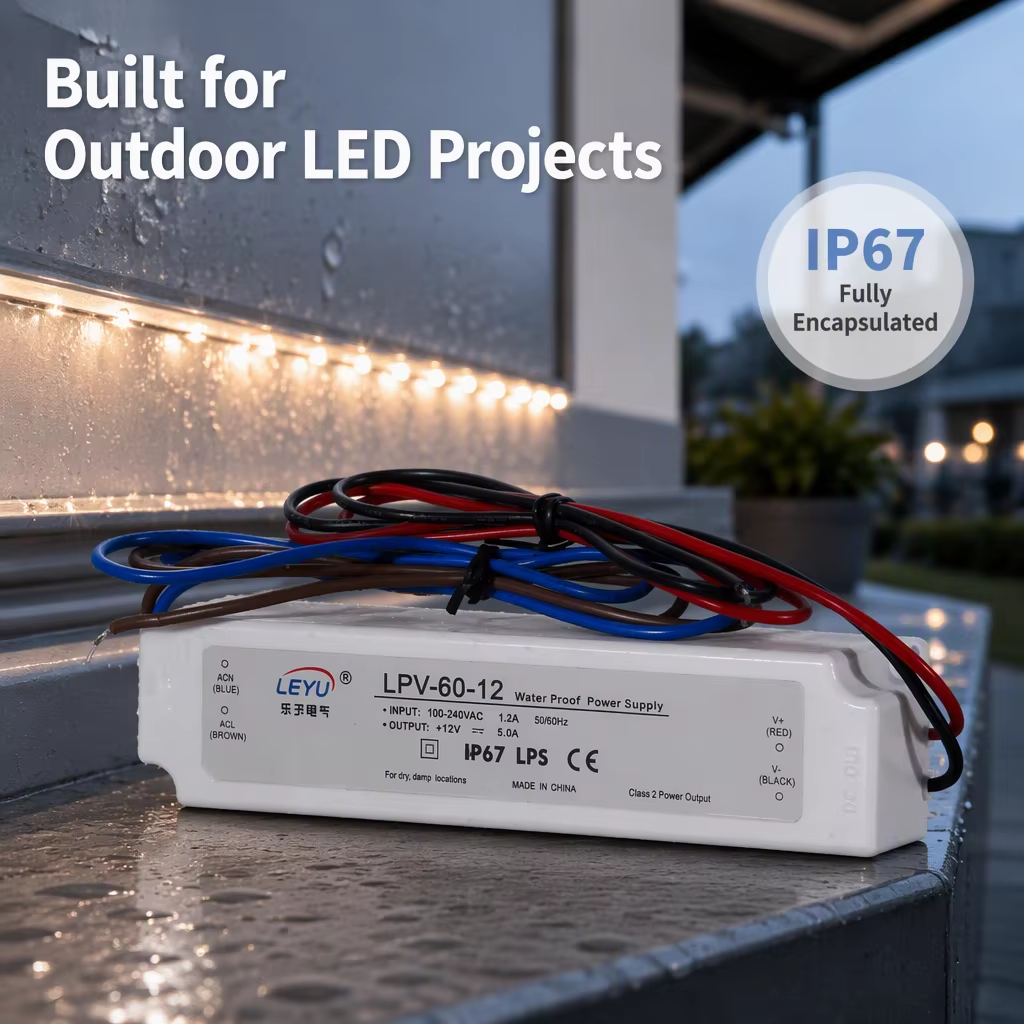
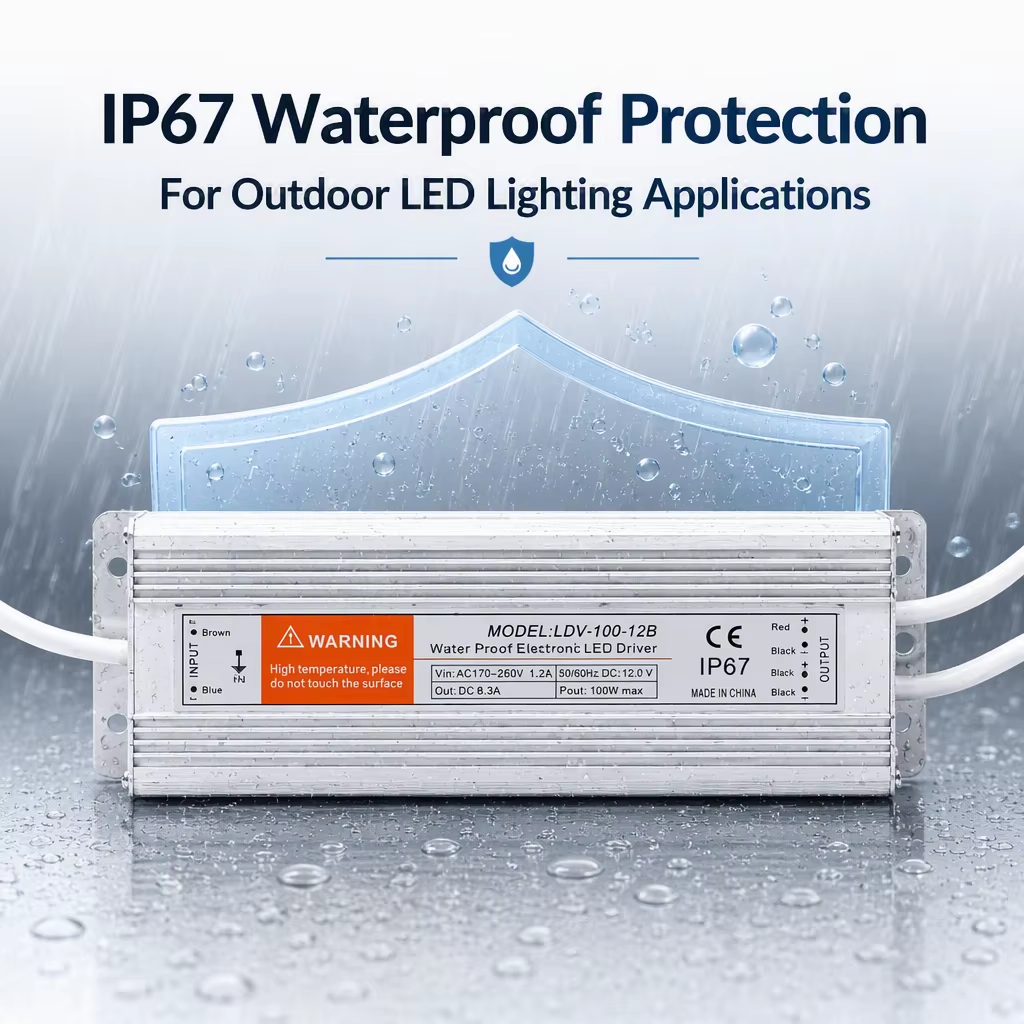
Harborside navigation beacons, utility workboats, and perimeter sensor nodes in the Bay of Aarhus demand IP67 sealed housings, conformal-coated PCBs, and ISO 9227 salt-spray resistant hardware capable of enduring maritime humidity.
Industrial DIN Rail Cabinets
Automated manufacturing facilities in Skejby and Viby leverage our compact EDR/NDR DIN rail units within PLC automation enclosures, balancing 24VDC telemetry power with auxiliary solar battery banks.
Off-Grid Agricultural Telemetry
Remote agricultural sensing arrays across greater Central Denmark utilize 12V/24V PWM charge controllers configured with low standby parasitic draw (<8mA) to preserve battery longevity across harsh Nordic winters.
Backup Commercial BESS Buffering
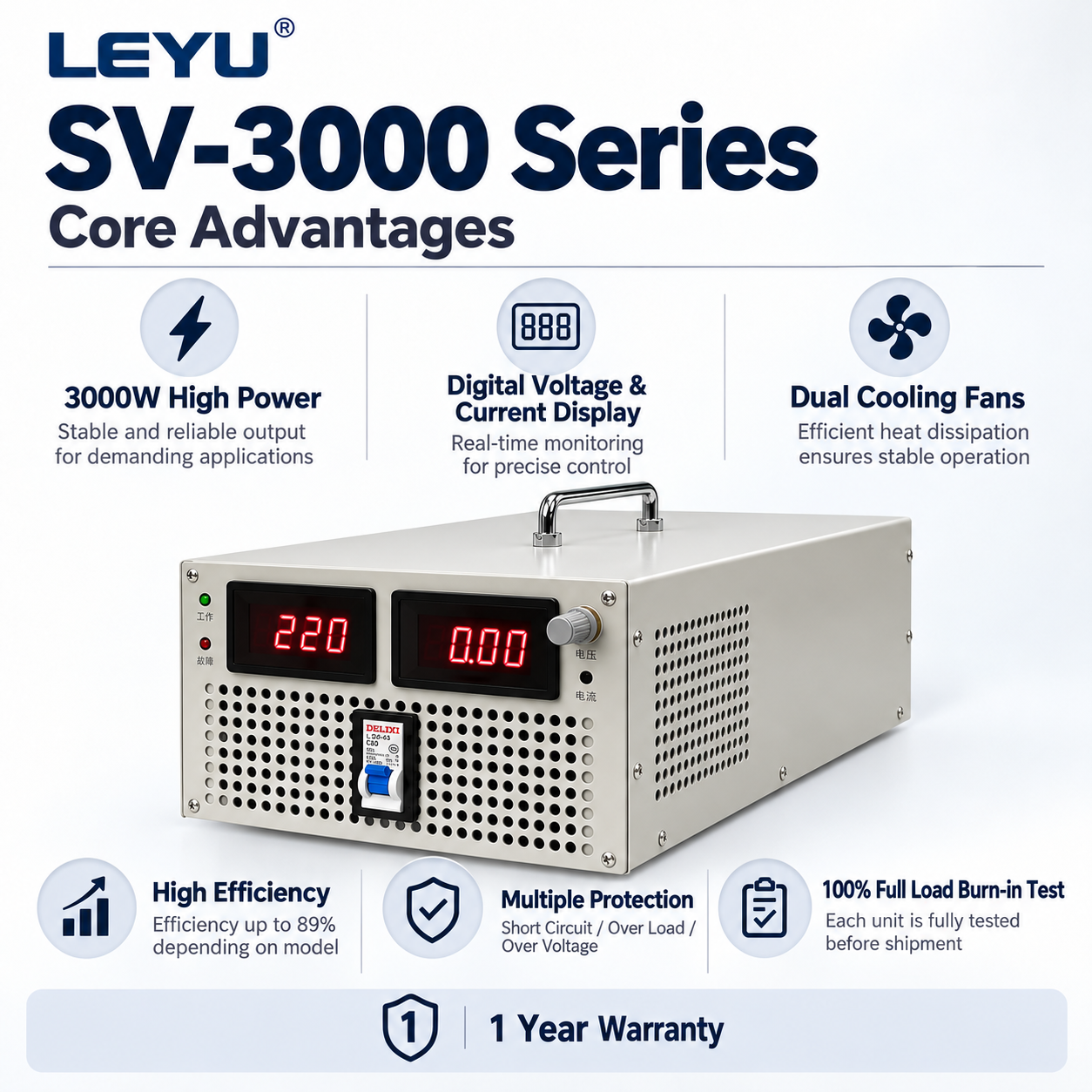
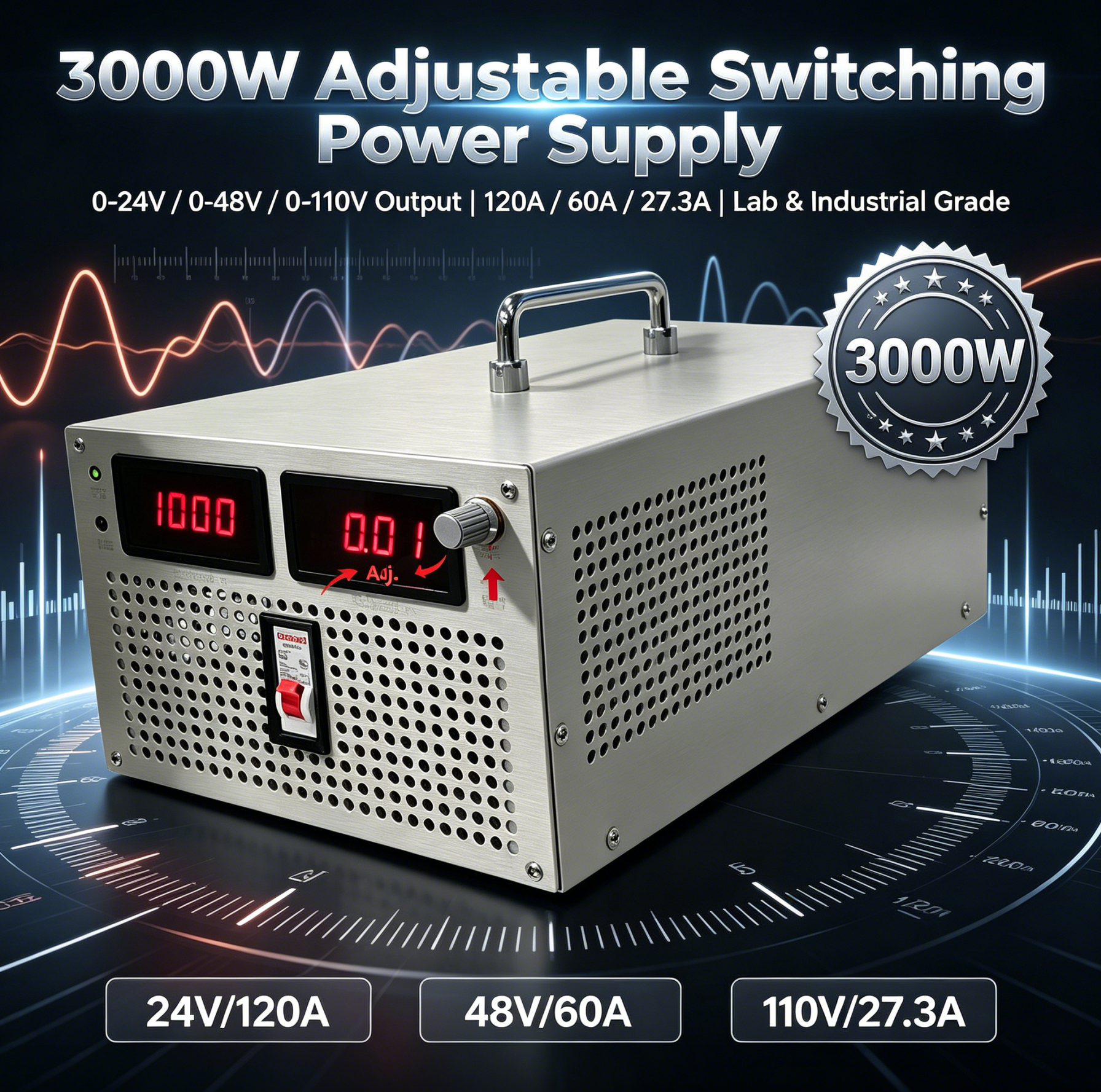
Pairing high-output 3000W adjustable DC power units with heavy-duty controller architectures allows local telecom towers and IT shelters to smooth peak-load spikes and maintain uninterrupted operations during grid fluctuations.
Engineering Selection Matrix: PWM vs. MPPT vs. Hybrid Switching for Danish Climates
Specifying the optimal solar charge controller topology depends heavily on solar array sizing, total voltage differential between modules and battery banks, and operational ambient temperatures. The following matrix illustrates the performance trade-offs:
| Controller Parameter | Industrial PWM Series | Advanced MPPT Series | High-Power Hybrid Bench / Cabinet Unit |
|---|---|---|---|
| Conversion Efficiency | 75% – 82% (Direct V-drop) | 97.5% – 99.1% (Switch-mode buck) | 92% – 95% (Multi-stage active PFC) |
| Cold Climate Harvest Gain | Baseline (Standard $V_{mp}$ match) | +25% to +38% under diffuse/low-temp Nordic sky | Not PV dependent; Constant DC current output |
| Nominal Input Voltage ($V_{in}$) | 12V / 24V / 48V (Panel $V_{oc} < 50V$) | Up to 150VDC / 200VDC wide input range | Wide AC/DC dual inputs (90–264VAC or DC rail) |
| Typical Aarhus Application | Signage, roadside cameras, small marine vessels | Commercial off-grid BESS, utility telecom, agritech | Electrolysis, laser lab facilities, industrial charging |
| Electromagnetic Immunity | EN 55032 Class B (Low noise emissions) | Heavy Industrial EN 61000-6-2 / CISPR 32 | Active Power Factor Correction ($PF > 0.95$), low harmonics |
| Recommended Pairing | LPV-60 / LDV-100 IP67 Driver Modules | Pure Sine Wave Inverters (1000W–5000W) | EDR-120 DIN Rail & SV-3000 Variable Supply |
Emerging Technology Trends in Denmark's Solar & Power Sectors
The renewable power supply market in Denmark is entering an era of stringent efficiency mandates and smart grid integration. Three macro trends directly influence how electrical engineers and technical buyers source solar charge controllers in the Aarhus territory:
1. Tightening European Ecodesign and Harmonic Compliance: EN 61000-3-2 and EU RoHS directives now stringently govern total harmonic distortion (THD) and component-level material certifications. As distributed solar arrays tie into local microgrids, charge regulators and their coupled AC/DC switching power supplies must maintain an active power factor exceeding 0.95 while demonstrating low electromagnetic interference to eliminate cross-talk with wireless SCADA networks.
2. Rapid Proliferation of Smart $LiFePO_4$ Chemistry: Traditional three-stage lead-acid charging curves are rapidly being replaced by specialized lithium charging algorithms that interface directly with battery management systems via RS485 or CAN bus protocols. Controllers deployed in Aarhus require integrated low-temperature charge termination circuitry to prevent irreversible lithium plating when battery core temperatures dip below freezing.
3. Resilience-First Infrastructure Sourcing: Municipal buyers in Midtjylland are shifting procurement away from unverified intermediaries in favor of factory-direct partnerships that provide auditable supply chains. Complete component traceability, transparent bill-of-materials (BOM) reporting, and third-party verified test documentation have become non-negotiable criteria for Danish commercial tenders.
Why Aarhus Engineers Choose Yueqing Keldan Technology
With over 18 years of technical specialization in power conversion electronics, Yueqing Keldan Technology combines verified manufacturing rigor with high-mix flexibility.
TÜV Rheinland Audited Facility
Our Zhejiang production lines, QC testing regimes, and export engineering workflows are independently verified onsite by TÜV Rheinland.
Engineering-Led OEM/ODM
Supported by 5+ veteran SMPS engineers with over 5 years experience each, providing schematic customization, voltage matching, and private labeling.
8-Stage Rigorous Quality Gate
From incoming automated component screening and AOI optical inspection to 100% full-load burn-in aging racks before packaging release.
Rapid Prototyping & Flexible MOQ
Standard enclosed switching models and DIN rail power units available from 1 piece for rapid evaluation and lab testing.
10+ Years Global Export Logistics
Dedicated 12-person multilingual trade documentation team providing seamless DDP air/sea freight routing into Aarhus and European ports.
4.8/5 Verified Buyer Rating
Consistent high ratings across global B2B procurement platforms for electrical parameter accuracy, low defect rates, and rapid turnaround.
Frequently Asked Questions by Aarhus Engineering Buyers
Direct technical answers addressing certification, cold-weather reliability, logistics, and custom OEM manufacturing.
