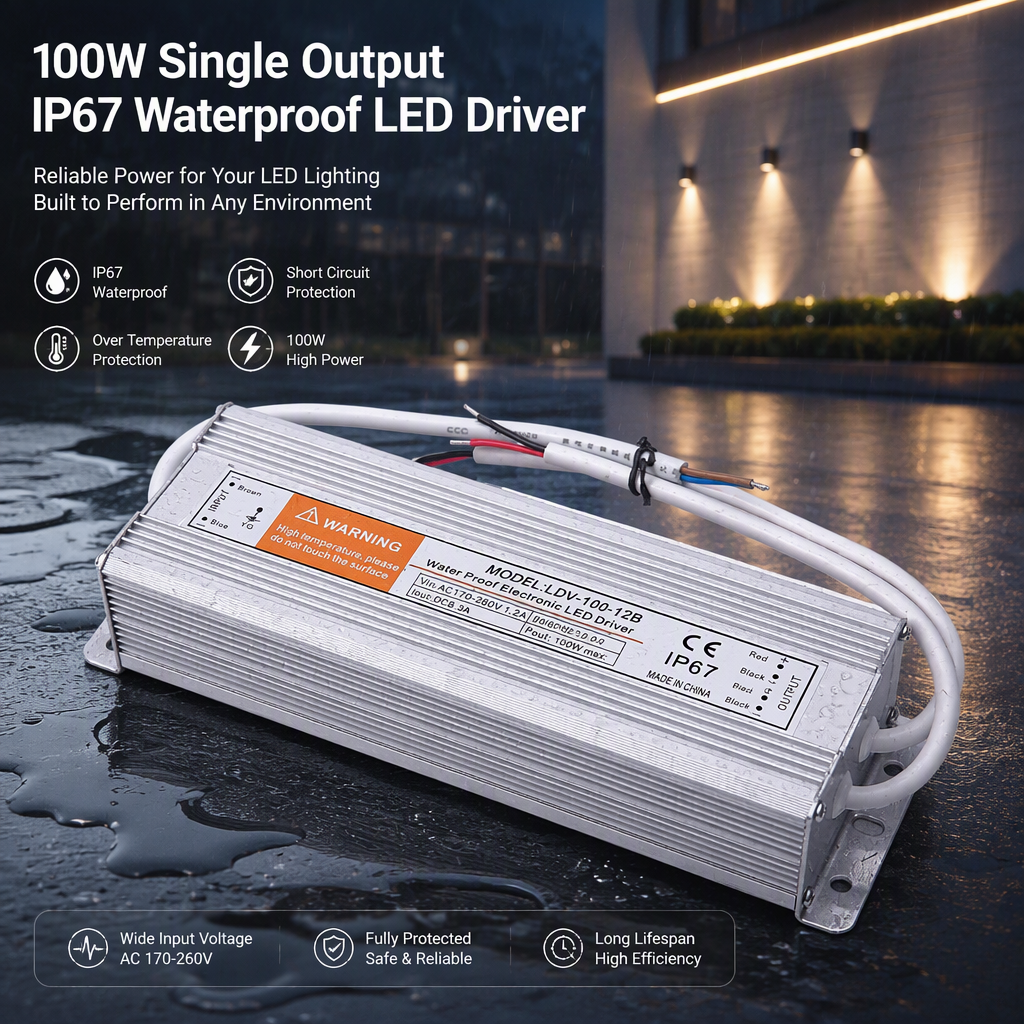
LDV-100 Factory Direct 100W Waterproof LED Driver Power Supply 12V 24V IP67 Outdoor AC to DC Transformer
100W Constant Voltage
IP67 Sealed
Coastal Humid-Resistant
Tested under 100% full-load aging racks to meet strict Japanese electrical quality demands across robotics, high-speed rail lines, and coastal plant infrastructure.
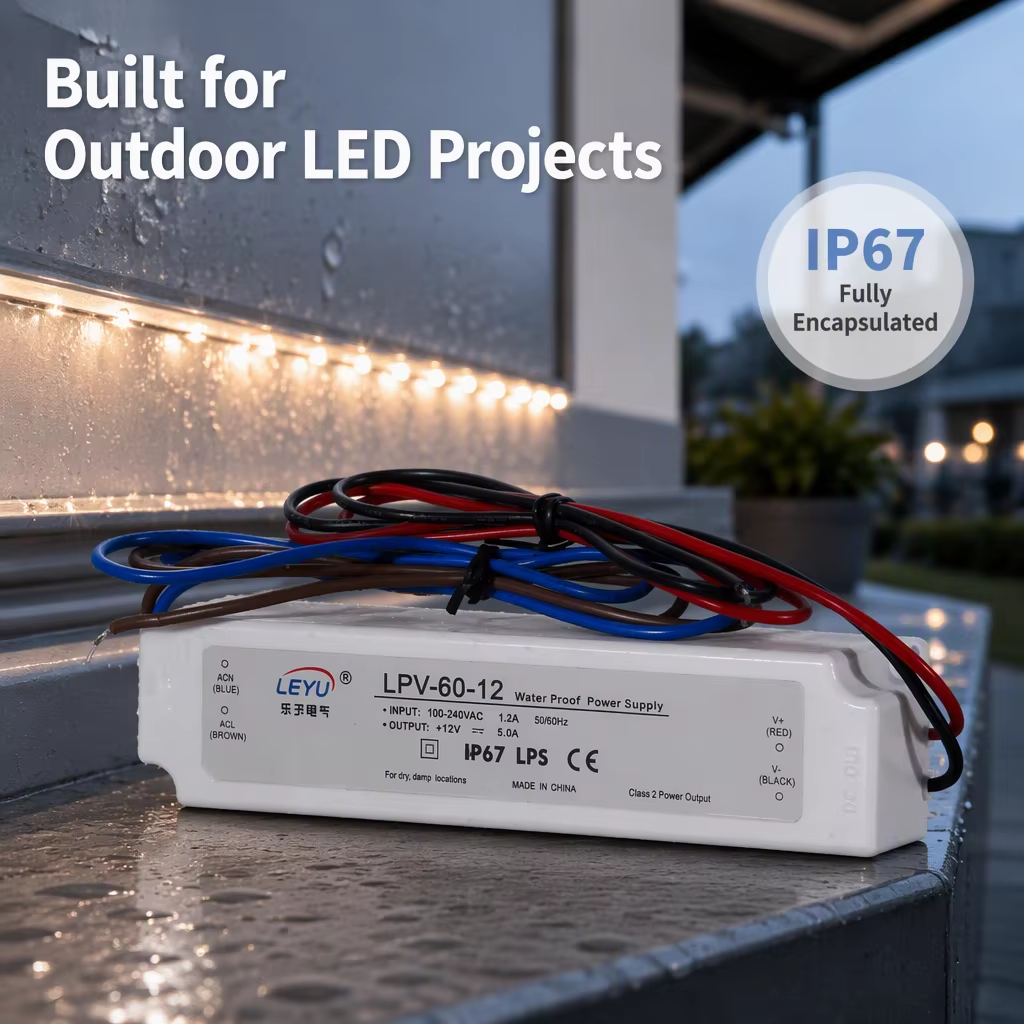
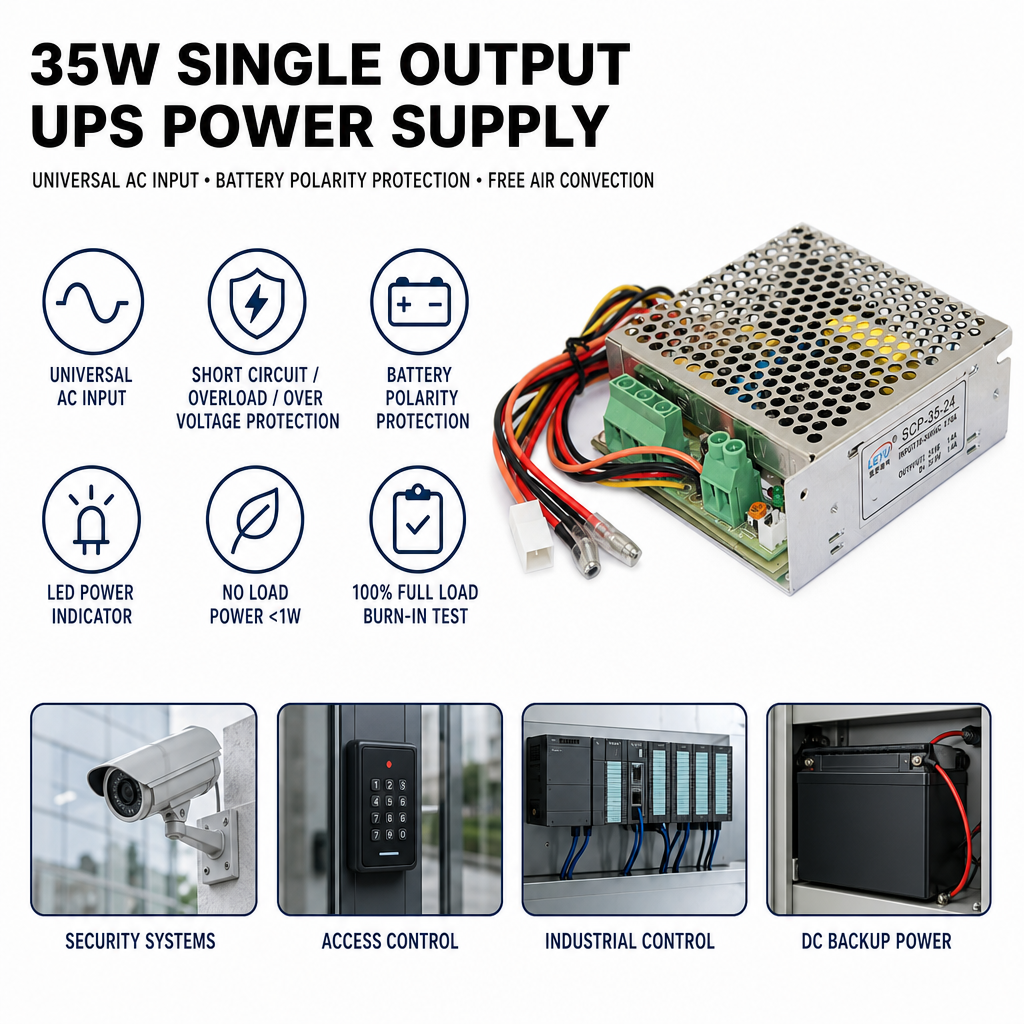
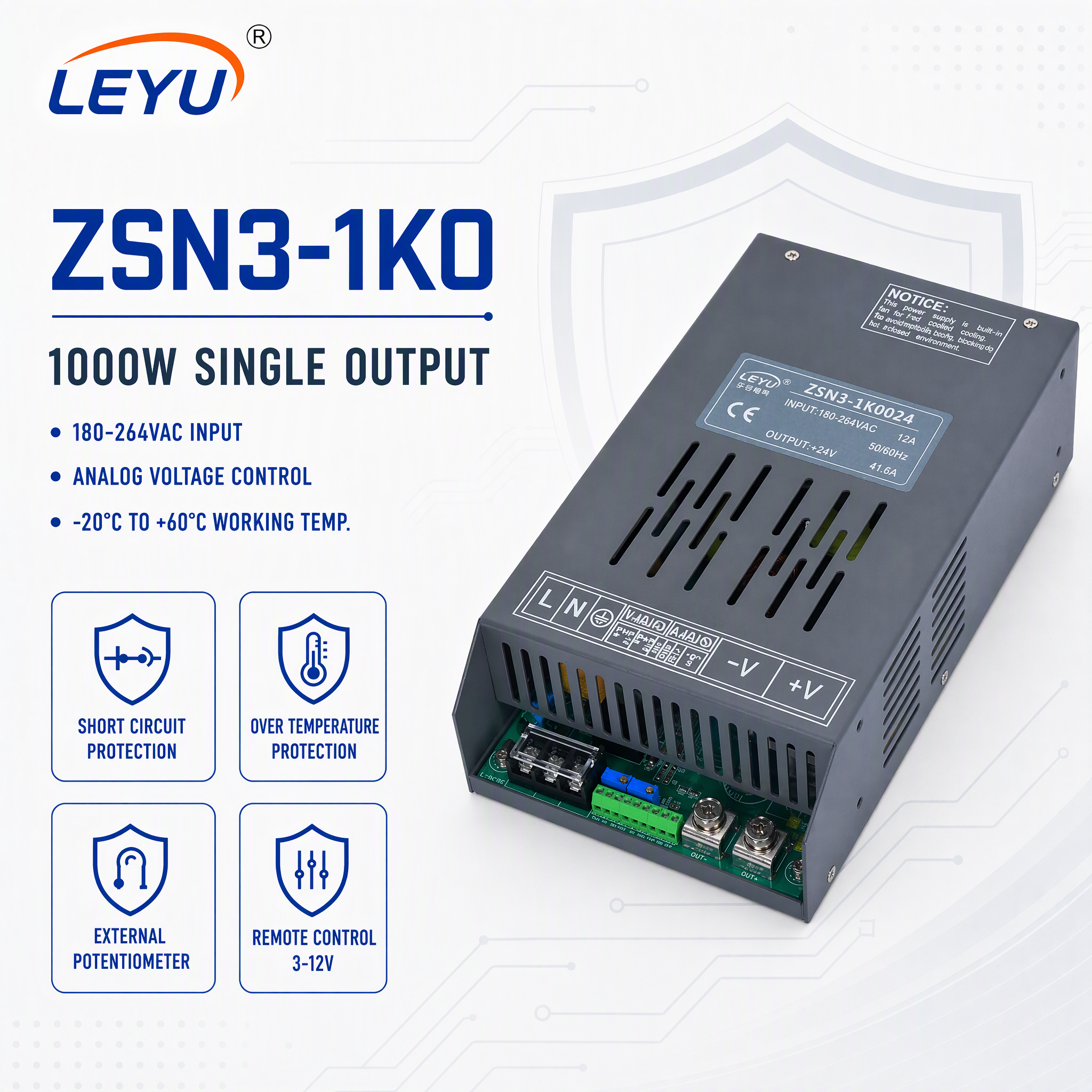
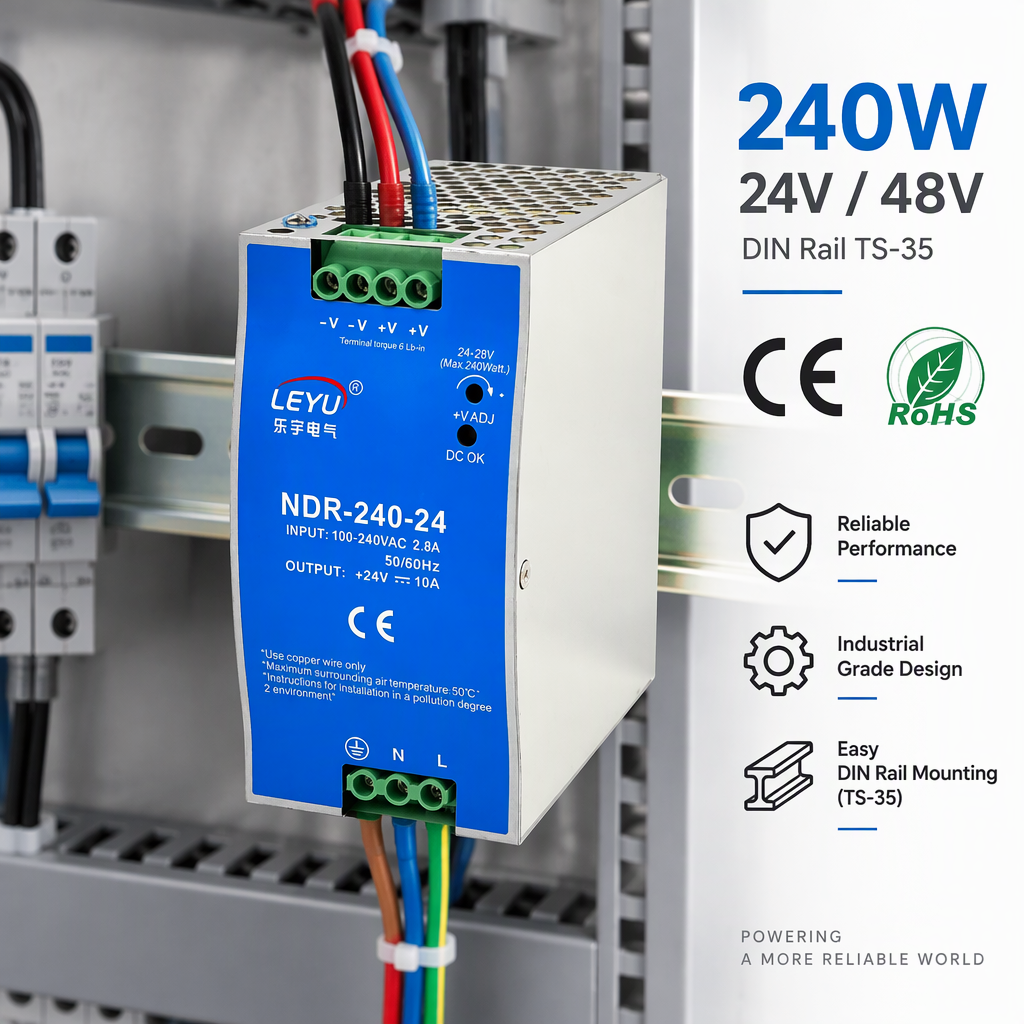
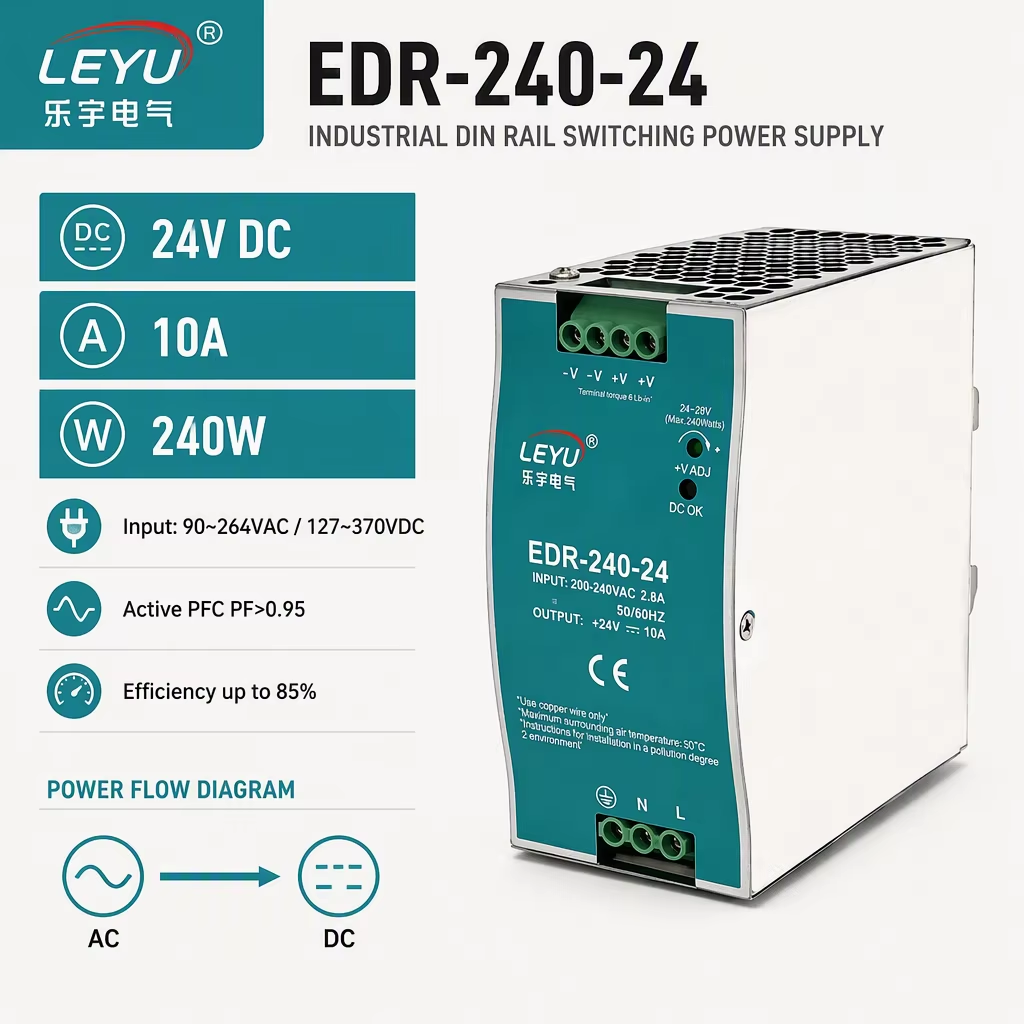
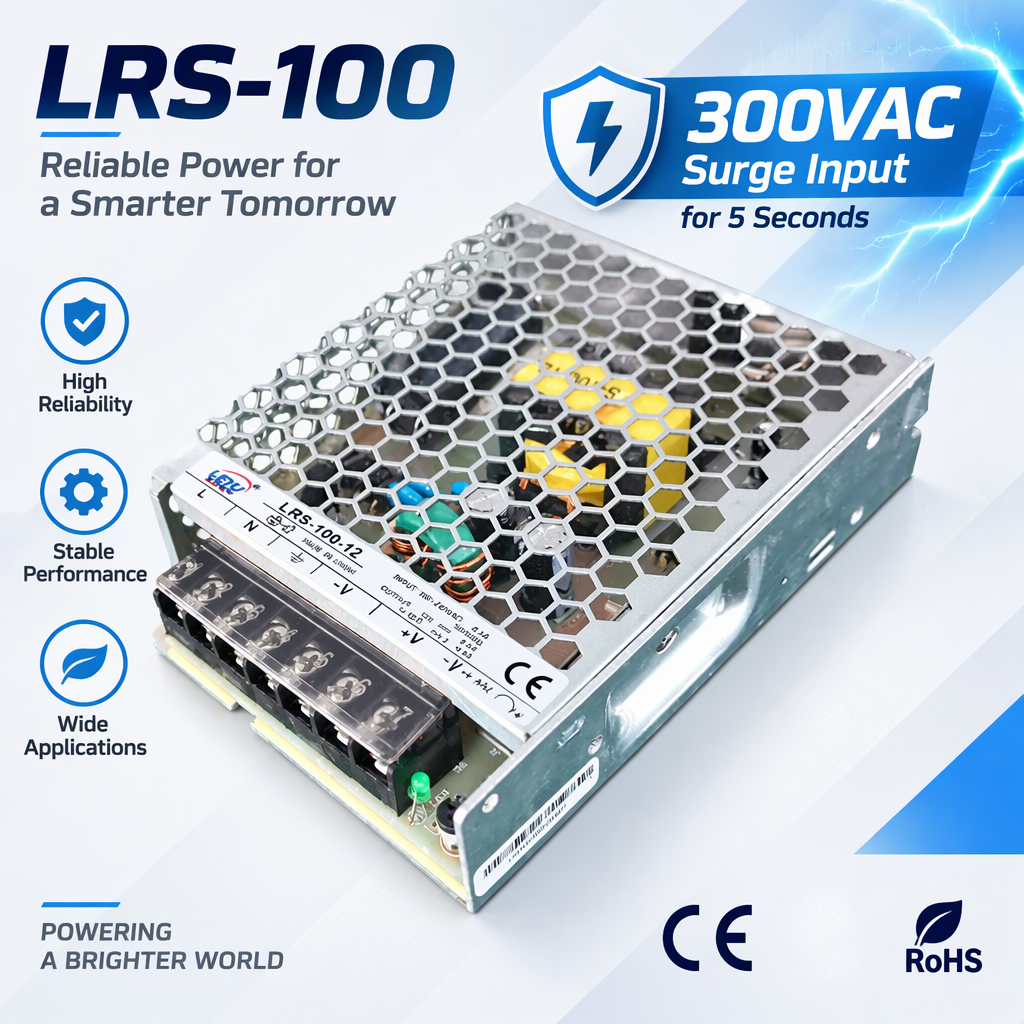
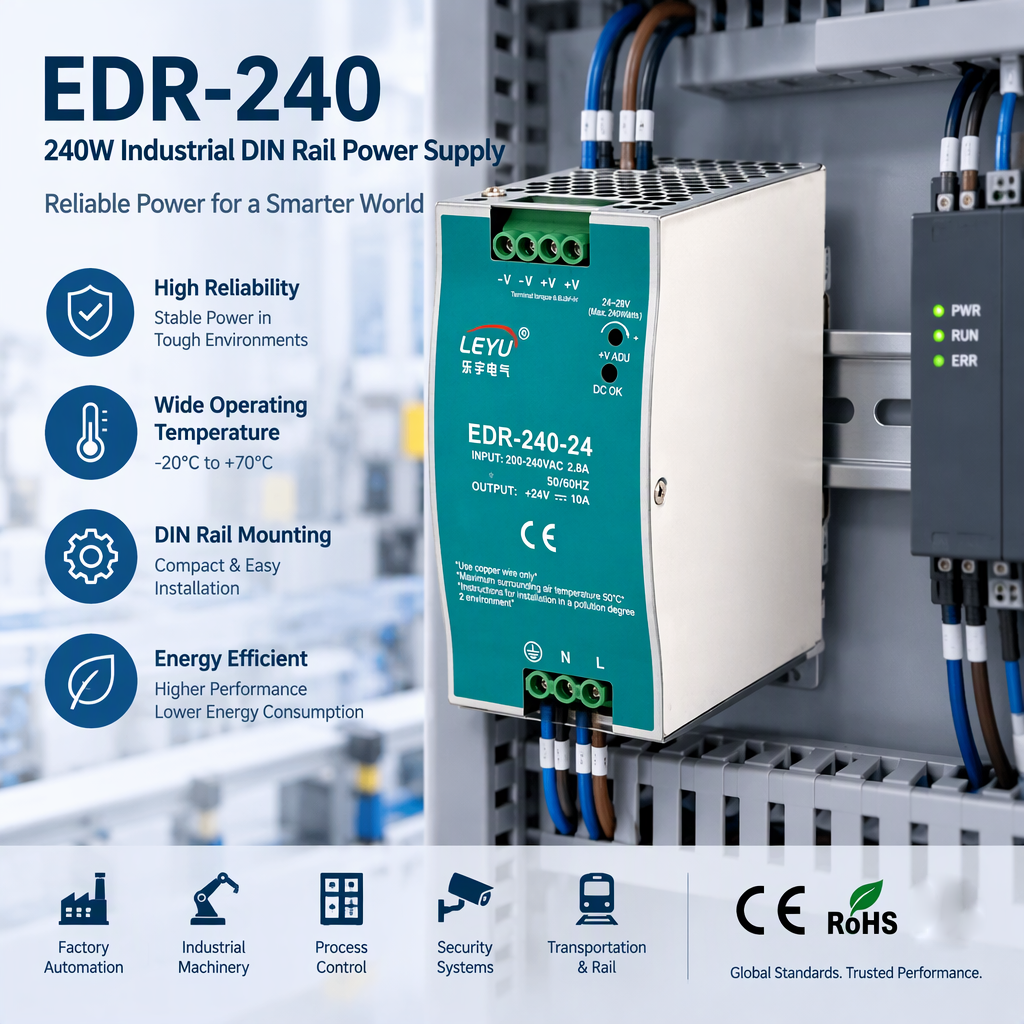
The Keihin Industrial Region, centered across Kawasaki (Kanagawa Prefecture), forms the backbone of Japan's heavy machinery, semiconductor fabrication, robotics assembly, and clean-energy infrastructure. In dense industrial zones like Kawasaki Ward (Kawasaki-ku), Nakahara Ward, and Saiwai Ward, design engineers encounter space limitations and thermal dissipation bottlenecks inside next-generation industrial machinery. As factory equipment transitions toward decentralized distributed power architectures (DPA) and Point-of-Load (PoL) DC bus supplies, non-isolated DC-DC buck, boost, and buck-boost converters have replaced bulky isolated power converters in applications where an intermediate bus already guarantees galvanic safety.
Unlike isolated topologies that rely on transformer cores, optocouplers, and magnetic barriers—which inherently introduce core losses, leakage inductances, and physical bulk—a non-isolated DC-DC converter leverages a shared common ground (direct negative or positive return path). This mechanical omission yields unmatched operational advantages: power conversion efficiencies exceeding 96% to 98.5%, significantly smaller volumetric footprints (often saving 40% to 65% of PCB area), rapid transient response under step-load switching, and reduced bill-of-materials (BOM) overhead.
For electrical system architects serving Kawasaki's robotic assembly facilities, selecting between isolated and non-isolated DC-DC architectures requires balancing isolation voltage requirements, transient load speeds, and chassis thermal dissipation:
| Electrical & Mechanical Attribute | Non-Isolated Synchronous Buck / Boost | Isolated Flyback / Forward / Half-Bridge |
|---|---|---|
| Typical Conversion Efficiency | 94% to 98.6% (Minimal magnetic/switching losses) | 82% to 90% (Transformer core + leakage loss) |
| Volumetric Power Density | Extreme (Up to 120W/in³; minimal surface footprint) | Moderate to Low (Transformer core requires space) |
| Ground Loop Architecture | Common Ground (Shared input and output return) | Galvanically Separated (>1.5kV to 3kV isolation barrier) |
| Transient Step Recovery (0–100%) | < 25 to 50 microseconds (Direct LC loop response) | > 150 to 400 microseconds (Feedback loop delay) |
| Thermal Signature at 20A Load | Low heat dissipation; simple conduction cooling | Requires heatsinking or active forced-air ventilation |
| BOM Overhead & Unit Cost | Cost-effective (Streamlined inductor and FET bill) | Higher (Precision pulse transformer & isolator ICs) |
Industrial machines installed across Kanagawa Prefecture rely on three non-isolated circuit configurations:
Kawasaki's procurement landscape demands strict adherence to international electrical standards, rapid sample prototyping, clear engineering compliance, and robust factory aging. Below is an engineering evaluation of the top 10 manufacturers and global exporters capable of supporting industrial system integrators across the Keihin Industrial Belt:
An established, TÜV Rheinland onsite-verified custom manufacturer with 18+ years of dedicated power electronics expertise. Specializing in high-power non-isolated PoL converters, DIN-rail modules, high-efficiency enclosed supplies, and custom-tuned step-down modules. Supported by 5+ veteran power supply engineers (each possessing 5+ years of direct SMPS/PoL R&D experience), Keldan provides tailored voltage ranges, specialized EMI filtering, and rapid low-MOQ sampling for Kawasaki automation builders.
Headquartered in Tokyo with widespread integration across Kanagawa industrial hubs. Known for the i3A, i6A, and i7A series of non-isolated buck and buck-boost modules. They deliver broad input ranges and 1/16th-brick footprints tailored for test and measurement racks and telecom equipment.
A recognized Japanese power supply manufacturer serving domestic automated assembly lines. Cosel's non-isolated "BRFS" and "BRS" Point-of-Load series provide low ripple noise, compact SMT packaging, and integration with domestic Japanese PLC control hardware.
A leader in high-density electronics, Murata produces non-isolated PoL converters (such as the OKI and OKX series). These modules deliver high peak currents for FPGA core processing, DSP boards, and edge-computing micro-controllers across the Keihin corridor.
Renowned for its Factorized Power Architecture (FPA) and ultra-high-density non-isolated PRM (Regulator) and VTM (Current Multiplier) modules. Highly sought after by advanced research facilities in Kawasaki for dense robotics and AI supercomputing racks.
Providing modular non-isolated switching regulators, RECOM's R-78 series serves as a drop-in replacement for lossy LM78xx linear regulators. This substitution eliminates heat sinks in industrial machine refits across Kanagawa facilities.
An established Asian standard in switching power supplies. In addition to their modular DIN-rail solutions (NDR, EDR, and HDR families), Mean Well supplies non-isolated step-down LED and DC-DC modules used in plant monitoring systems across Greater Tokyo.
A power management supplier offering high-current non-isolated PoL converters for industrial servers, telecommunications base stations, and smart manufacturing infrastructure throughout the Tokyo-Yokohama-Kawasaki region.
A supplier of standard miniature non-isolated regulators, Mornsun's K78 series offers wide-input step-down modules. They are widely used in low-power auxiliary circuits and embedded sensor boards across Asian industrial exports.
A specialized Japanese domestic manufacturer focusing on low-noise DC-DC converters and micro-POL regulators. Bellnix supplies high-reliability boards to domestic defense, aerospace, and precision medical equipment builders in Japan.
Kawasaki's industrial corridor features a unique combination of coastal chemical facilities, heavy metallurgical plants, automated logistics hubs, and high-tech electronic R&D campuses. Non-isolated DC-DC converters are deployed across several specialized field applications:
Petrochemical refineries and hydrogen energy hubs along Tokyo Bay operate under high ambient salinity, humidity, and chemical vapors. Here, compact non-isolated buck converters drive 24V-to-5V telemetry modules within IP67 explosion-proof field enclosures. Low heat generation prevents thermal buildup inside sealed containment units.
Kawasaki is home to precision mechatronics and collaborative robot (cobot) developers. Non-isolated synchronous buck regulators power multi-axis articulated arms directly from 48V internal buses. This provides the instantaneous current response required during motor acceleration while minimizing payload weight inside robot joints.
Autonomous mobile robots (AMRs), automated guided forklifts, and optical sorting systems in bay warehouses depend on non-isolated buck-boost modules. These regulators deliver a stable 24V supply to LiDAR sensors, PLCs, and optical scanners even as high-drain traction batteries fluctuate under heavy loads.
The shift toward decarbonization and intelligent automation across Kanagawa Prefecture has accelerated three core technical transitions in power distribution:
Combining the cost efficiency of China's electrical hardware capital (Yueqing, Wenzhou) with verified quality controls that satisfy Japanese technical standards.
Our factory lines, quality inspection systems, and trading operations have been audited on-site by TÜV Rheinland. This gives Japanese procurement directors full visibility and documented traceability for international compliance.
Our in-house R&D team consists of 5+ power engineers, each bringing over 5 years of hands-on SMPS and DC-DC converter experience. We provide custom voltage trims, specialized enclosures, unique wire harnesses, and targeted EMI filtering directly from your engineering schematics.
Every product passes through our comprehensive 8-step QA/QC pipeline: incoming component screening, precision SMT placement, reflow thermal inspection, automated optical inspection (AOI), manual soldering verification, multi-parameter functional calibration, 100% full-load burn-in aging, and final packaging release checks.
Our 12-person international trade department manages logistics, certificates of origin, bilingual Japanese/English technical datasheets, and safe export shipping to ports in Tokyo, Yokohama, and Kawasaki, ensuring smooth delivery without import friction.
Clear, technical answers to common queries regarding non-isolated conversion compliance, common grounds, and import specifications:
Yes. While mains-connected AC-DC converters require strict PSE diamond/circle approvals under Japan's Electrical Appliances and Materials Safety Act (Den-An), sub-assembly non-isolated DC-DC converters operating at extra-low voltages (<60VDC) typically qualify as components. They must comply with regional EMC standards (VCCI Class A/B and JIS C 61000-6-2/4), which Keldan supports through tailored circuit layouts and filtering.
Because non-isolated converters share a common negative return, heavy motor commutation transients can induce ground bounce across sensitive sensor lines. We recommend a star-ground configuration at the power source, separating high-current return traces from logic grounds and placing high-frequency bypass ferrite beads close to the converter's input pins.
For standard catalog DC-DC and switching converters, samples are supported from a single unit (1 pc). For specialized OEM modifications—such as custom non-isolated output voltages, custom pinouts, or specialized conformal coatings—production runs typically start from 10 to 50 pieces, enabling agile hardware iteration.
For coastal installations across Kawasaki Ward, we offer optional thick-film acrylic or silicone conformal coatings applied to assembled PCBs (MIL-I-46058C / IPC-CC-830 certified). This prevents dendritic copper migration and electrochemical corrosion caused by salt-laden ocean air.
If a high-side MOSFET breaks down in a simple buck circuit, the raw input voltage can reach the downstream load. Keldan's non-isolated industrial designs incorporate active crowbar over-voltage protection (OVP) and fast-acting Zener-clamped shut-offs to clamp output rails and protect downstream PLCs and processors.
Standard sample units ship via DHL/FedEx Express within 3 to 5 business days, reaching Tokyo Haneda or Narita air cargo terminals in 48 hours. Batch maritime shipments from Ningbo or Shanghai port clear into Tokyo or Yokohama port within 4 to 7 sailing days.
