Top Trusted Constant Current Power Supply Factories & Supplier serving Santa Clara
Precision constant current driver architectures, switching power converters, and TS-35 DIN rail units tailored for Silicon Valley edge AI hardware, semiconductor fabrication, and clean-tech infrastructure.
18+ YearsPower Electronics R&D
TÜV RheinlandVerified Facility Audit
100% Burn-InFull Load Thermal Aging
Active PFCPower Factor > 0.95
Engineered Topologies
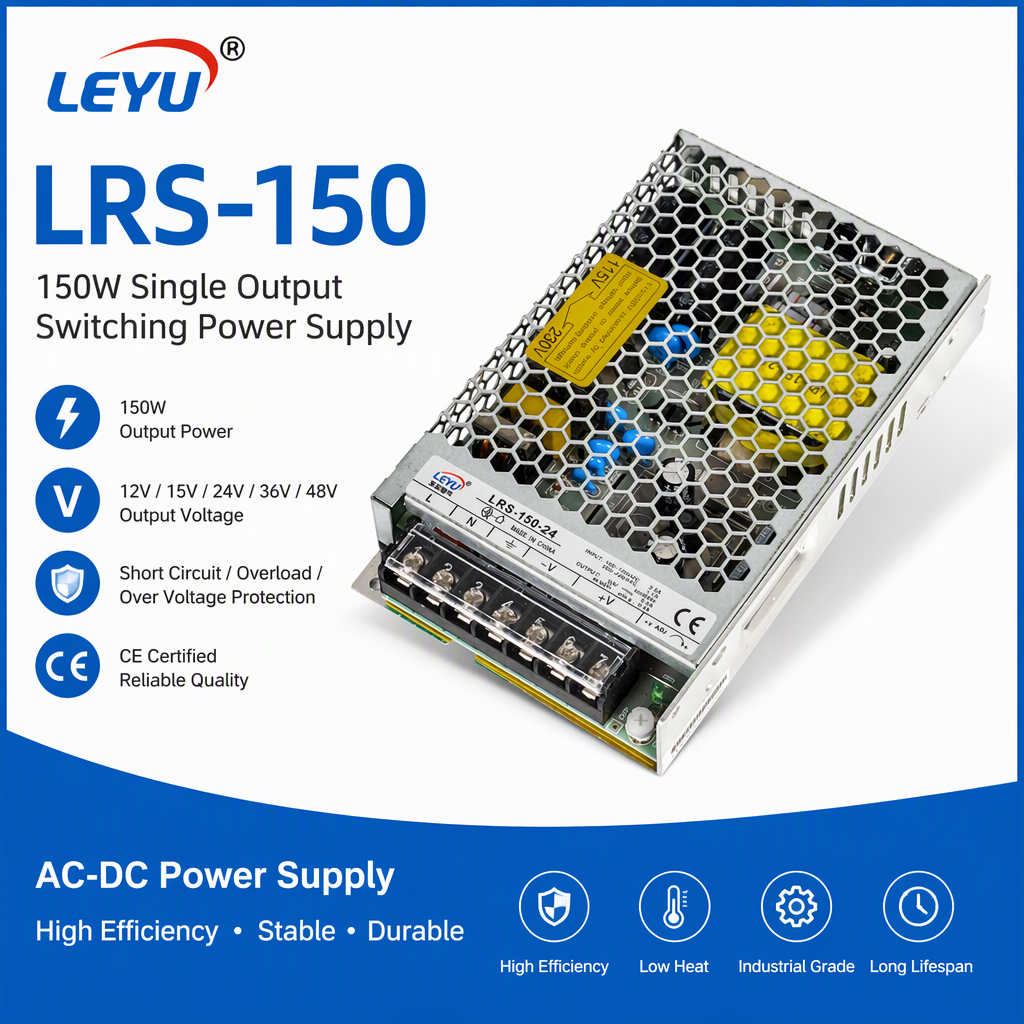
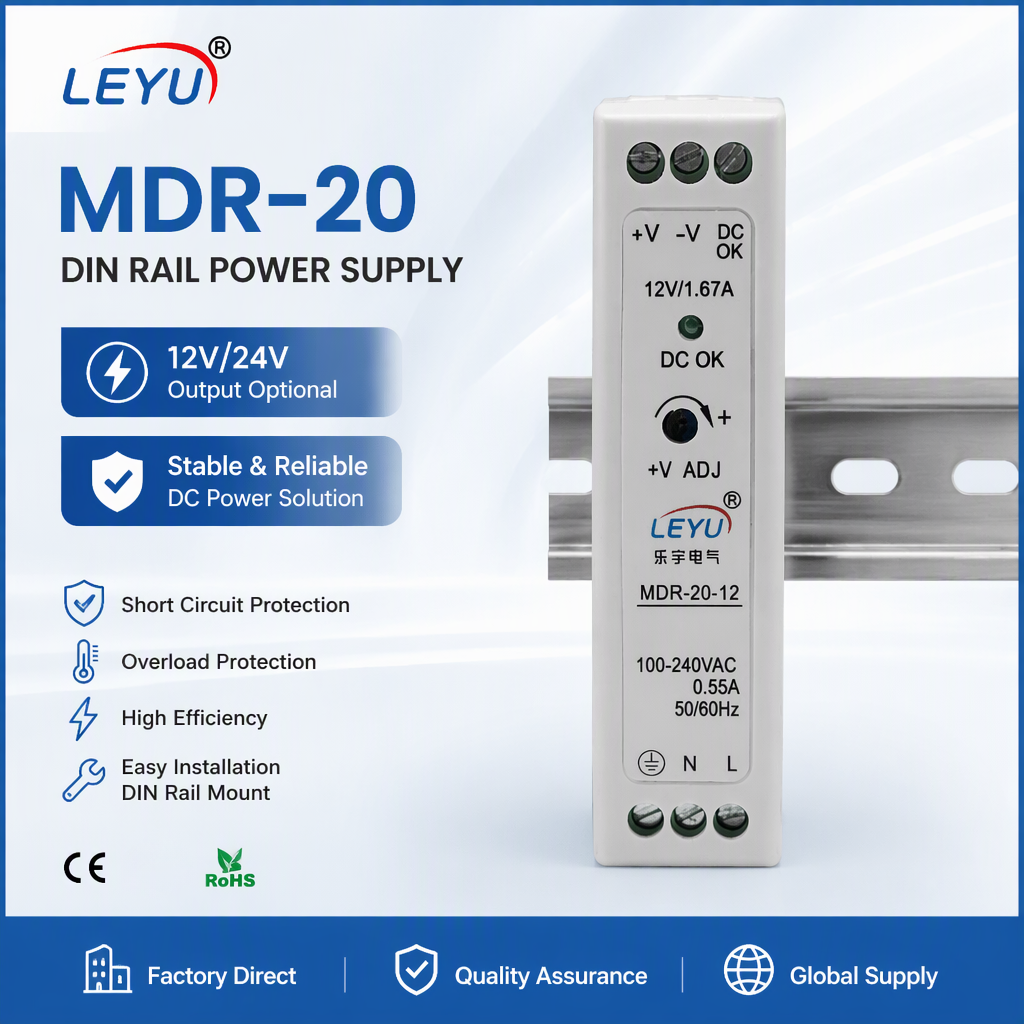
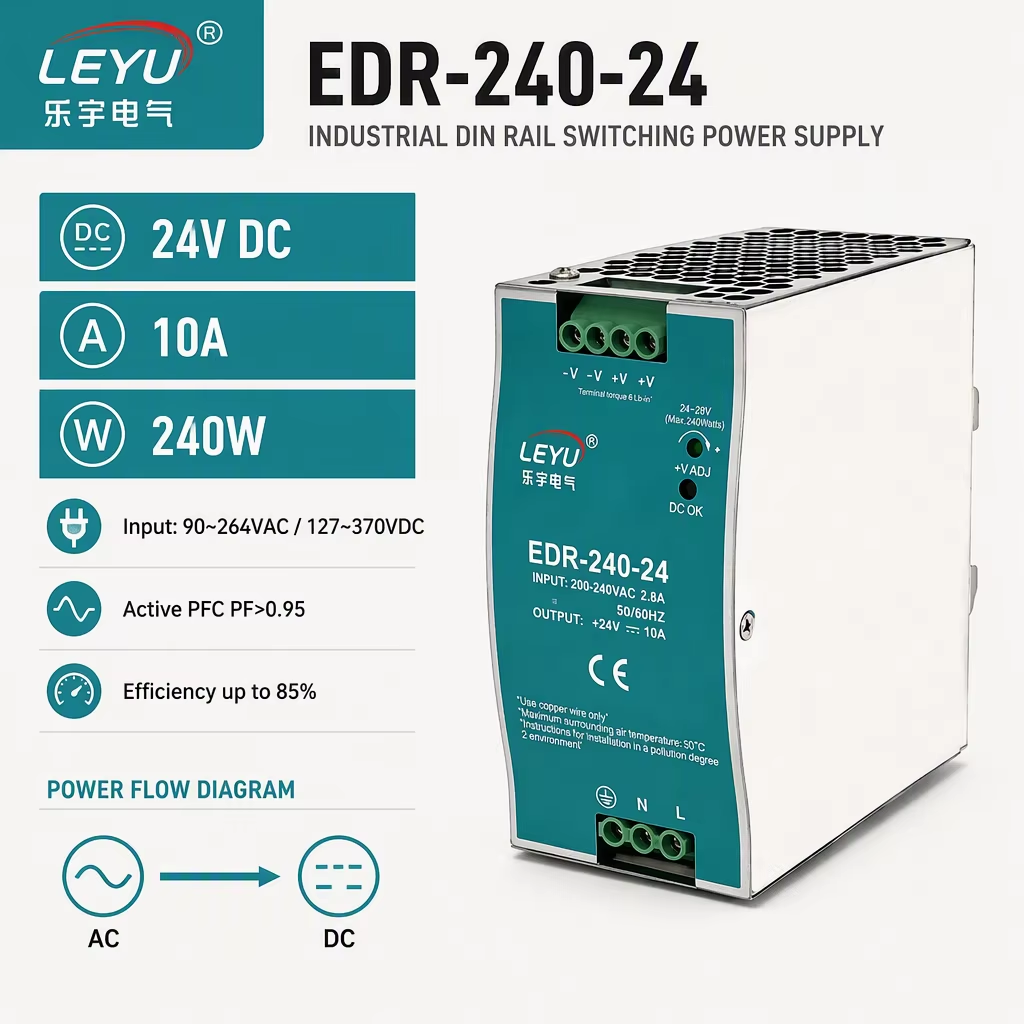
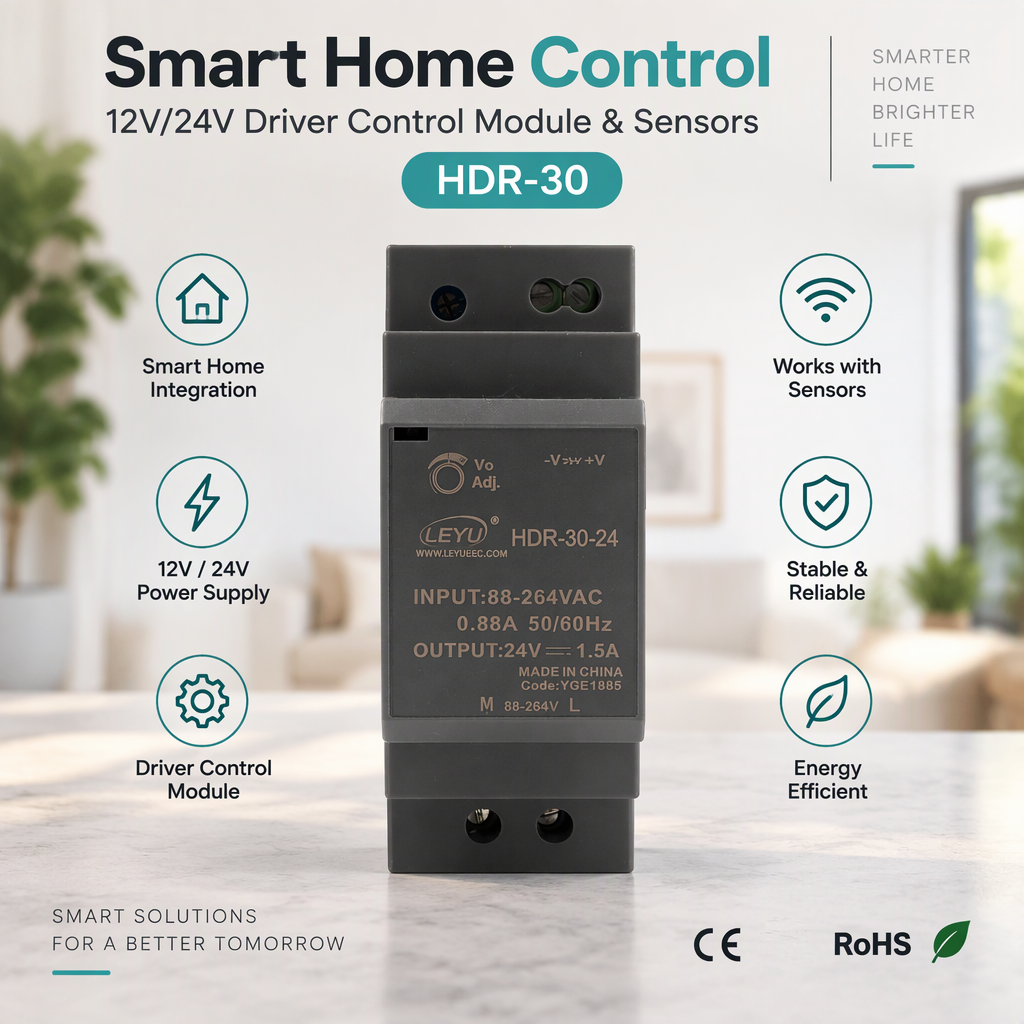
High-Efficiency Power Supplies & Drivers Ready for Deployment
Explore standard industrial power conversion units manufactured under rigid quality controls, serving high-reliability OEM integration across Santa Clara County.
Mission-Critical Constant Current Deployments in Santa Clara
In the technical hub of Santa Clara, power supply requirements diverge significantly from generic commodity electronics. Explore how our constant current architectures sustain local tech clusters.
Semiconductor Metrology & Cleanroom Automation
Santa Clara’s chip fabrication ecosystems and photolithography support facilities rely on non-pulsating, ultra-low ripple constant current sources. Our isolated power units feed automated wafer handlers, robotic arm actuators, and laser inspection diodes where slight current fluctuations translate directly to micrometer defect spikes.
AI Server Rack Instrumentation & Liquid Cooling Loops
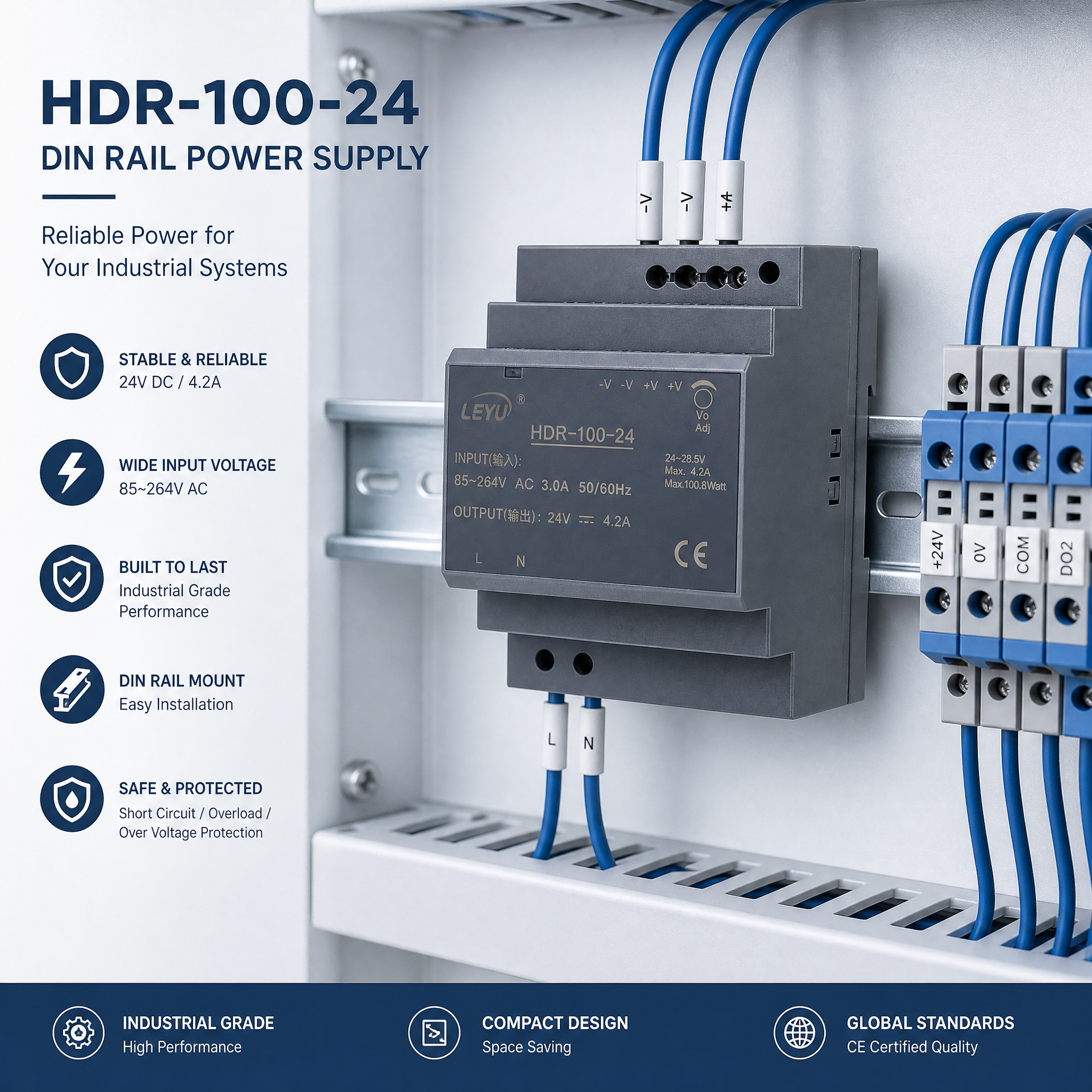
Hyperscale and enterprise colocation data centers spanning Silicon Valley integrate our TS-35 DIN rail units (such as the EDR and MDR lines) into cooling distribution units (CDUs). The constant current output powers inductive proportional valves, flow meters, and thermal telemetry nodes without inducing harmonic pollution back into the 480V three-phase busbars.
Precision Architectural & Horticulture Cleantech
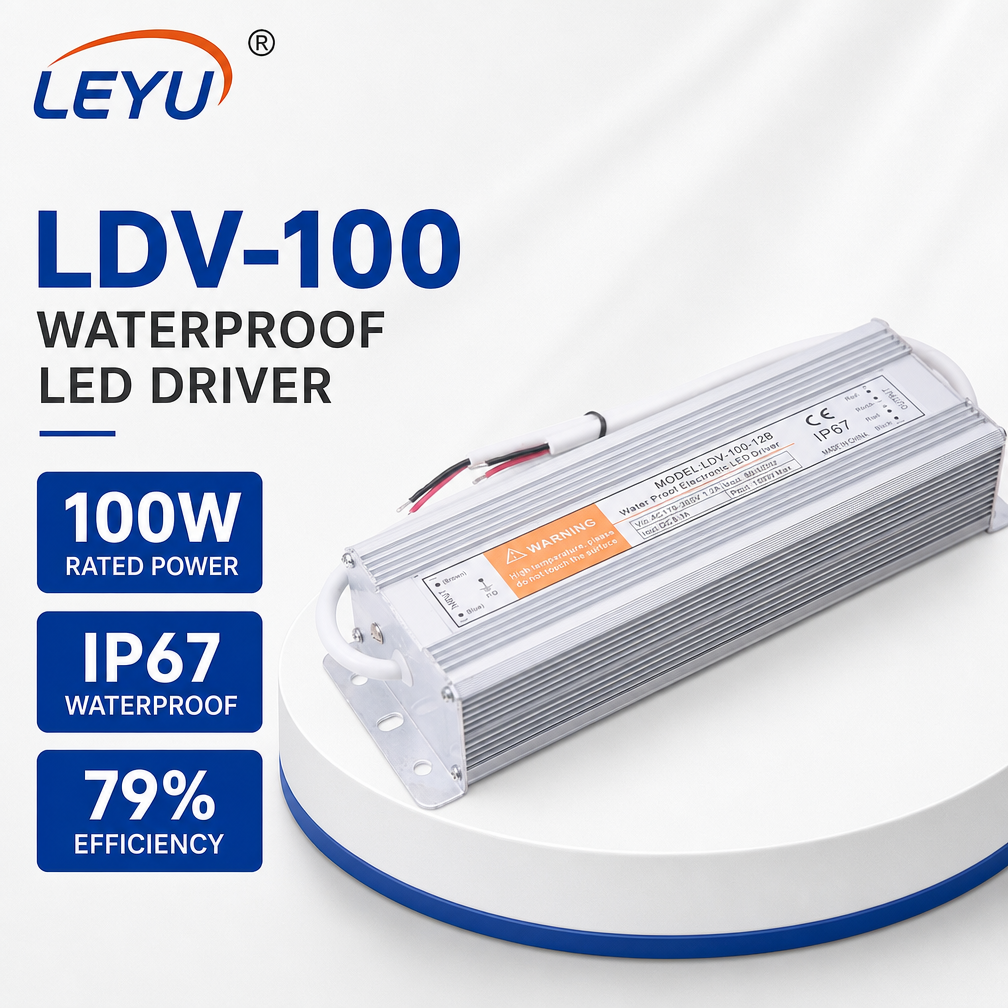
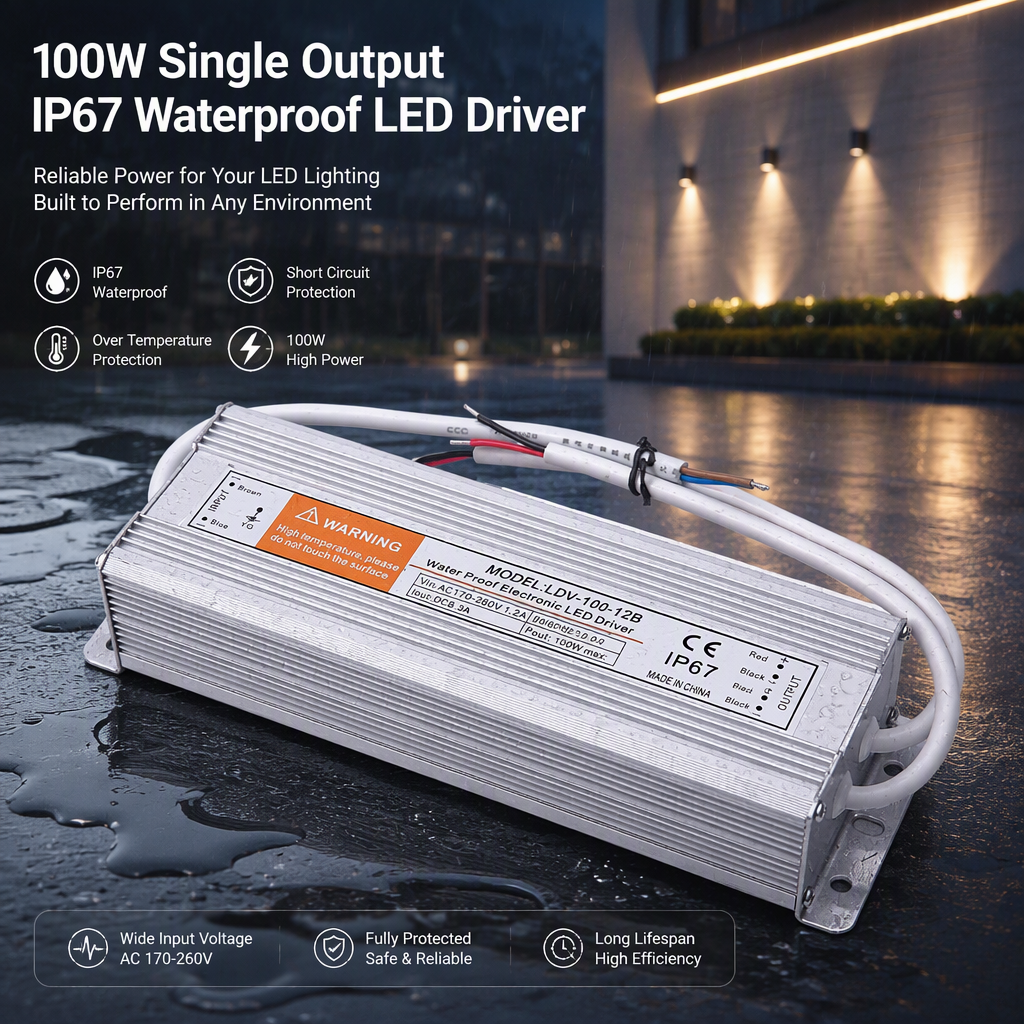
Silicon Valley green-building initiatives demand IP67 sealed constant current drivers (LDV Series) capable of driving multi-channel LED arrays for climate-controlled vertical farming and zero-net-energy corporate campuses. High active PFC (>0.95) eliminates reactive power surcharges levied by municipal utilities like Silicon Valley Power (SVP).
When selecting a constant current power supply supplier serving Santa Clara, hardware procurement managers and test engineers require clear topological data. Unlike constant voltage systems that stabilize output potential across fluctuating amperage demands, constant current circuits modulate terminal voltage dynamically within a designated compliance window (e.g., 18V to 36V DC) to lock the output current at precise, unwavering milliamp levels. This architecture prevents catastrophic thermal runaway in series-connected high-power laser diodes, UV curing systems, and battery formation arrays common in local aerospace and defense skunkworks.
Industry Dynamics
Engineering Trends Shaping Santa Clara’s Power Architectures
Strategic transitions across Northern California require power supply manufacturers to adapt switching topologies to modern density, thermal, and regulatory constraints.
Wide-Bandgap GaN & SiC Topologies
The push toward ultra-compact 1U and modular DIN enclosures has accelerated the shift away from legacy silicon MOSFETs. Leveraging high-frequency Gallium Nitride (GaN) switching stages enables power densities exceeding 25W/in³ while minimizing dissipation inside sealed control cabinets.
Mandatory Active Power Factor Correction
With aggressive decarbonization roadmaps established by California Title 24, power conversion hardware exceeding 75 Watts must achieve active power factor correction (PFC > 0.95). Minimizing total harmonic distortion (THD < 10%) preserves power purity across multi-megawatt server labs.
Dual Certification: UL 62368-1 & Industrial EMC
Hardware builders throughout the Bay Area frequently merge information technology equipment (ITE) with factory-floor robotics. Unified compliance covering UL 62368-1 (hazard-based safety) alongside EN 61000-6-2 (heavy industrial immunity) ensures friction-free equipment listing.
Custom Voltage Trimming & Analog Dimming
Local robotics startups routinely configure motors and solid-state loads requiring non-standard currents (e.g., 6.5A or 14.6A). Integrated trimmers, 0-10V analog inputs, and PWM signaling allow adaptive closed-loop current control directly from microcontrollers or PLC analog modules.
Positioned directly inside China’s premier electrical manufacturing hub in Yueqing, Zhejiang, we bridge the gap between factory-floor unit economics and stringent Western engineering tolerances.
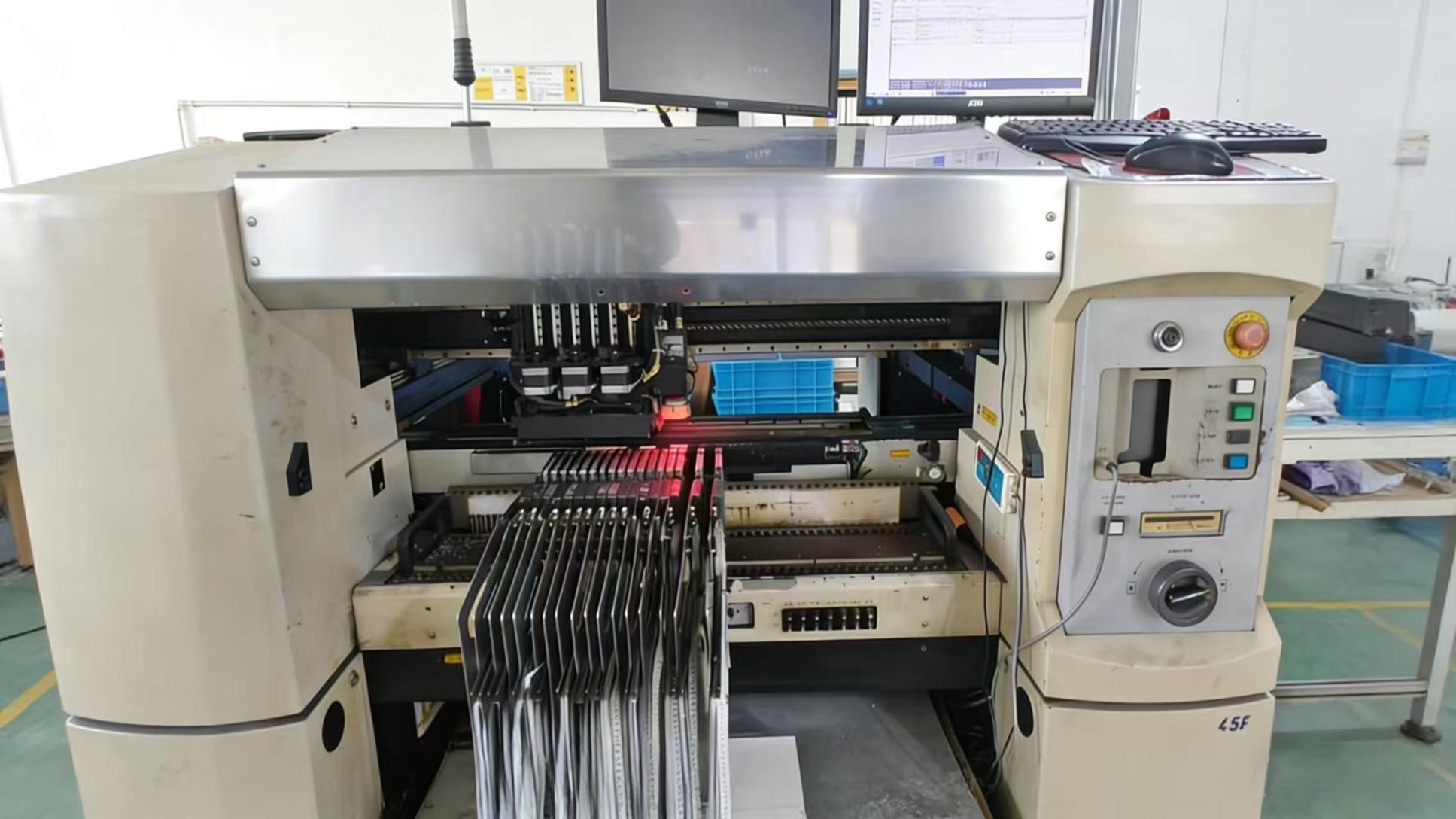
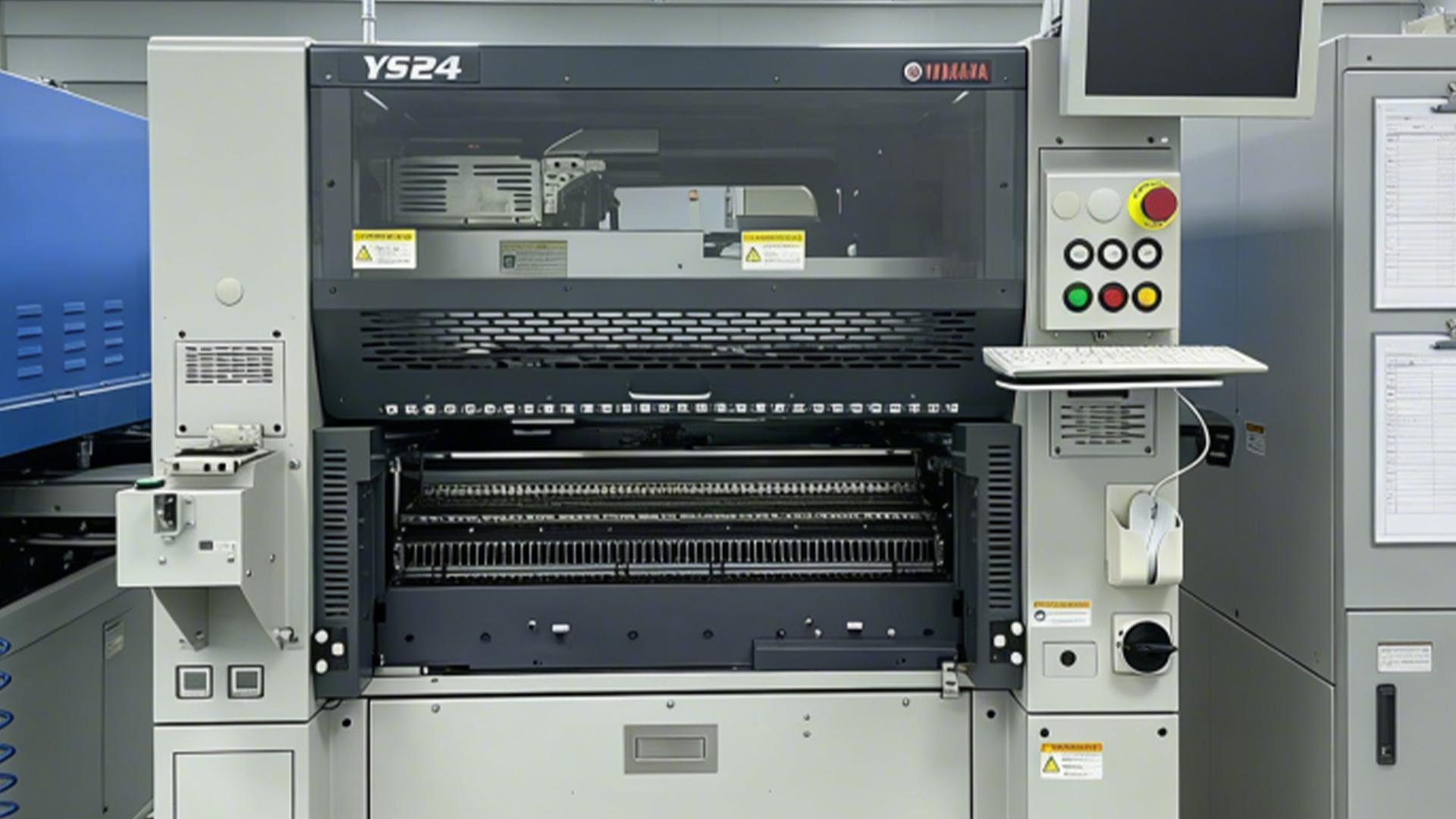
End-to-End In-House Production: Complete oversight from incoming raw capacitor screening to automated reflow soldering, AOI optical validation, and final mechanical assembly.
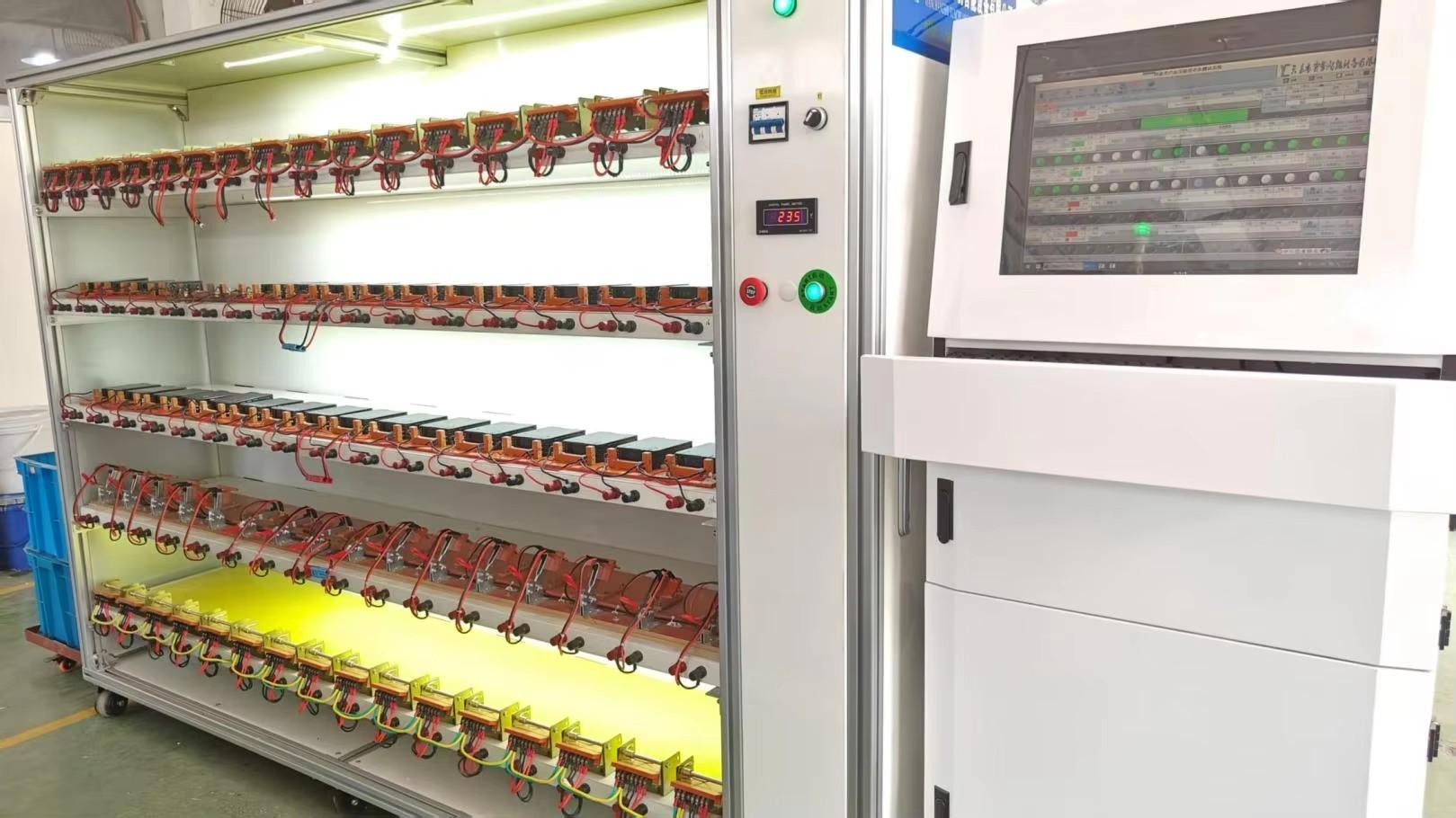
100% Full-Load Burn-In Racks: Every production unit runs through continuous thermal stress aging to intercept and eliminate infant mortality failures before sea or air transit.
Agile OEM/ODM Prototyping: Dedicated engineers with 5+ years of hands-on SMPS experience customize compliance windows, lead lengths, housings, and branding with rapid turnaround.
Direct technical answers covering compliance, duty tariffs, thermal margins, and custom engineering for Silicon Valley procurement teams.
What is the core difference between constant current (CC) and constant voltage (CV) when specifying power supplies for industrial equipment?
A constant voltage (CV) power supply maintains a fixed output potential (such as 12V or 24V DC) regardless of current fluctuations, provided the total load does not exceed the rated maximum amperage. In contrast, a constant current (CC) power supply locks the amperage (for example, 6.5A or 10A) and automatically varies the terminal voltage across a specified compliance range to match the changing impedance of the load. Constant current topologies are non-negotiable for semiconductor burn-in fixtures, laser diodes, high-brightness LED strings, and inductive DC motor holding circuits to prevent overcurrent breakdown and thermal runaway.
How does your factory accommodate Section 301 tariffs and logistics into the Port of Oakland / SFO?
We partner with premier freight forwarders and customs brokers experienced with Northern California entry points (Port of Oakland for FCL/LCL ocean freight, and SFO or SJC for rapid sample air freight). All shipments are correctly classified under standard HTS codes (such as 8504.40 for static converters). We provide comprehensive DDP (Delivered Duty Paid) or FOB shipping terms with clear commercial documentation, allowing Santa Clara accounts to accurately compute landed costs upfront without administrative delays at port clearance.
Can your power supplies be configured for redundant parallel operation inside automated control cabinets?
Yes. For mission-critical industrial applications where uptime is mandatory, our DIN rail power units (such as the EDR-240 and HDR-100 series) can be paired with external decoupling ORing diodes or active MOSFET redundancy modules. Furthermore, specific high-wattage custom configurations can integrate internal current-sharing circuits, enabling N+1 hot-swap topologies that ensure continuous power delivery to PLCs, sensors, and telemetry systems in the event of an individual supply line failure.
What thermal derating considerations should be applied when mounting power supplies in enclosed Silicon Valley server racks?
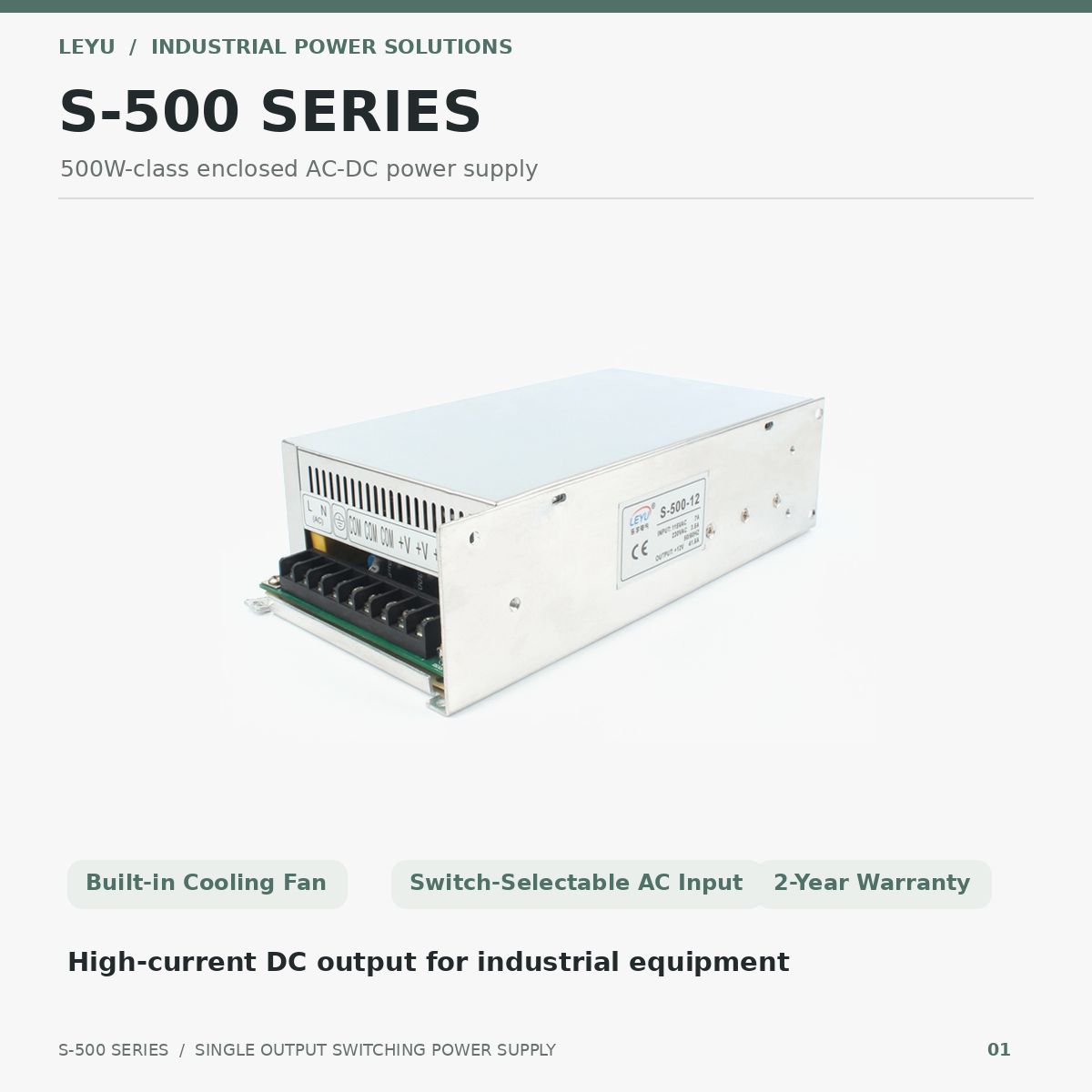
Inside sealed NEMA enclosures or densely packed server cabinets operating in ambient temperatures above 40°C, natural convection cooling decreases in efficacy. Our engineering team recommends designing with a 20% to 30% operational headroom under continuous load. In our datasheets, derating curves generally indicate a linear decrease in maximum output power between 50°C and 70°C (typically 2.5% per °C). For forced-air models like our 500W enclosed SMPS, ensuring unimpeded intake and exhaust pathways prevents premature thermal cut-off tripping.
What are the minimum order quantities (MOQ) and lead times for prototype testing versus mass production?
For standard catalog items across our LRS, MDR, EDR, and HDR series, prototype samples can be ordered starting from 1 piece with an immediate dispatch window of 3 to 7 working days. For OEM/ODM modified products (such as customized compliance voltages, conformal coating, or custom wire harnesses), sample evaluation builds typically run within 10 to 14 days. Production batches range from 50 to 500 units depending on customization requirements, with lead times averaging 3 to 4 weeks.
Are test reports and factory burn-in documentation provided with custom batches?
Absolutely. Every commercial batch shipped to our North American clients includes Certificate of Conformity (CoC) documentation, full-load burn-in test records, hi-pot isolation verification (primary-to-secondary testing up to 3000VAC), and ripple/noise measurement reports. Detailed engineering reports verifying compliance with CE, RoHS, and targeted UL benchmarks are readily available upon request to expedite your end-system qualification audits.
Accelerate Your Project with Verified Power Engineering
Whether you require standard TS-35 DIN rail units or custom-engineered constant current drivers for specialized hardware fabrication, connect directly with our application engineers today.