Core Industrial Power Conversion & DIN Rail Supplies
Direct OEM/ODM manufacturing solutions engineered for Dutch industrial automation, energy storage balancing, and continuous marine operations.
Executive Technical Overview: The Critical Role of Inverter Chargers in the Netherlands
The energy transition in the Kingdom of the Netherlands has entered an acute phase defined by a structural phenomenon known locally as netcongestie (grid congestion). As regional distribution system operators (DSOs) such as Liander, Enexis, and Stedin grapple with saturated grid transformers and zero-capacity connection queues, the strategic utility of bi-directional inverter chargers and robust auxiliary power conversion hardware has transitioned from elective redundancy to mission-critical infrastructure.
An inverter charger functions as the intelligent nucleus of an independent microgrid or hybridized commercial facility. Unlike standard grid-tied PV inverters that inject generated power unconditionally into the utility line, a true heavy-duty inverter charger integrates a multi-stage AC-to-DC power factor corrected (PFC) battery charger, a high-speed automatic transfer switch (ATS), and a pure sine wave DC-to-AC inverter driven by advanced Digital Signal Processors (DSP). In the Netherlands, where commercial feed-in tariffs are actively suppressed and negative electricity spot prices occur frequently on the EPEX SPOT day-ahead market, bi-directional inverter chargers unlock vital peak shaving, solar self-consumption, and localized resilience.
Information Gain Insight: The Dutch transmission system operator (TenneT) and local DSOs are mandating non-firm access agreements (CBC - Capaciteitsbeperkingscontracten) for commercial connections over 3x80A. Deploying high-efficiency bi-directional inverter chargers allows facilities to buffer renewable generation on-site, mitigating DSO curtailment penalties while stabilizing local three-phase voltage swings.
Architectural Breakdown: Hybrid Inversion & Auxiliary Power Topologies
Modern European B2B procurement teams require modularity, thermal resilience, and galvanic isolation. When specifying equipment for demanding maritime vessels navigating the Port of Rotterdam or precision greenhouse automation throughout Zuid-Holland, low-frequency versus high-frequency inverter topologies present distinctive operational trade-offs:
Toroidal Low-Frequency Resilience
Heavy iron-core copper transformers provide massive inductive surge capacity (up to 300% for 20 seconds). Essential for inductive water pumps, commercial air chillers, and large hydraulic hoists without tripping sensitive DC bus overcurrent protections.
DSP-Controlled Multi-Stage Charging
Adaptive charging algorithms optimized for Lithium Iron Phosphate (LiFePO4) chemistry and classic AGM/Gel banks. Integrated CANopen, Modbus-RTU, and RS485 communication protocols interface directly with battery management systems (BMS).
Sub-10 Millisecond Transfer Latency
True uninterruptible power supply (UPS) capability. During localized brownouts or grid disconnections, solid-state ATS modules transfer critical automation cabinets and telecommunication lines with zero phase slippage.
Localized Application Scenarios Across the Netherlands
Deploying power electronics in the Low Countries demands rigorous compliance with wet, saline, and tightly regulated industrial ecosystems. Yueqing Keldan Technology Co., Ltd. supplies the core hardware, DIN rail converters, and custom inverter solutions tailored to these specialized Dutch requirements:
1. Inland Marine & Maritime Vessels
Navigating the Rhine-Meuse-Scheldt delta requires robust auxiliary power. Barges and electric canal tour boats in Amsterdam and Rotterdam deploy 24V/48V pure sine wave inverter chargers. Conformal-coated PCBs resist continuous moisture and salt spray, preventing galvanic corrosion across maritime switchboards.
2. Westland Agri-Horticultural Greenhouses
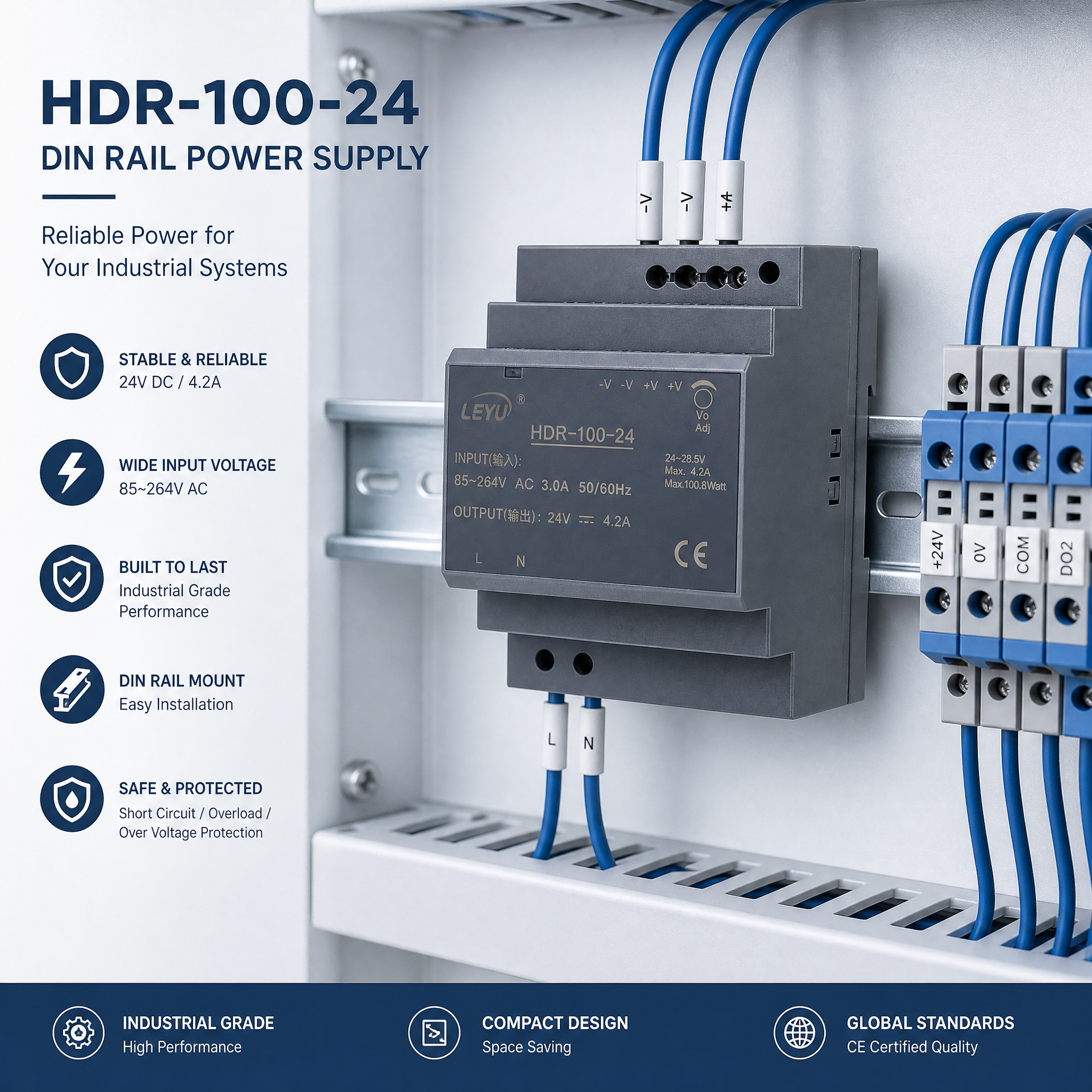
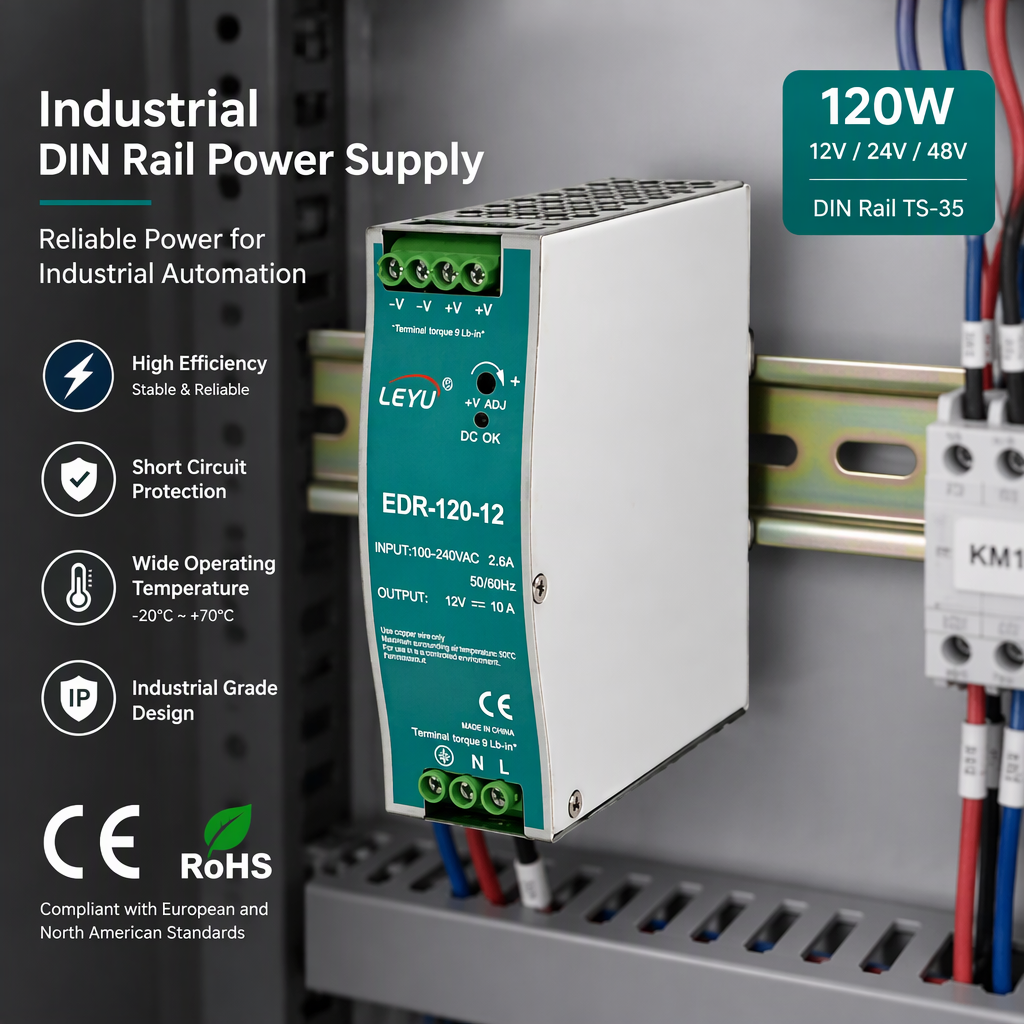
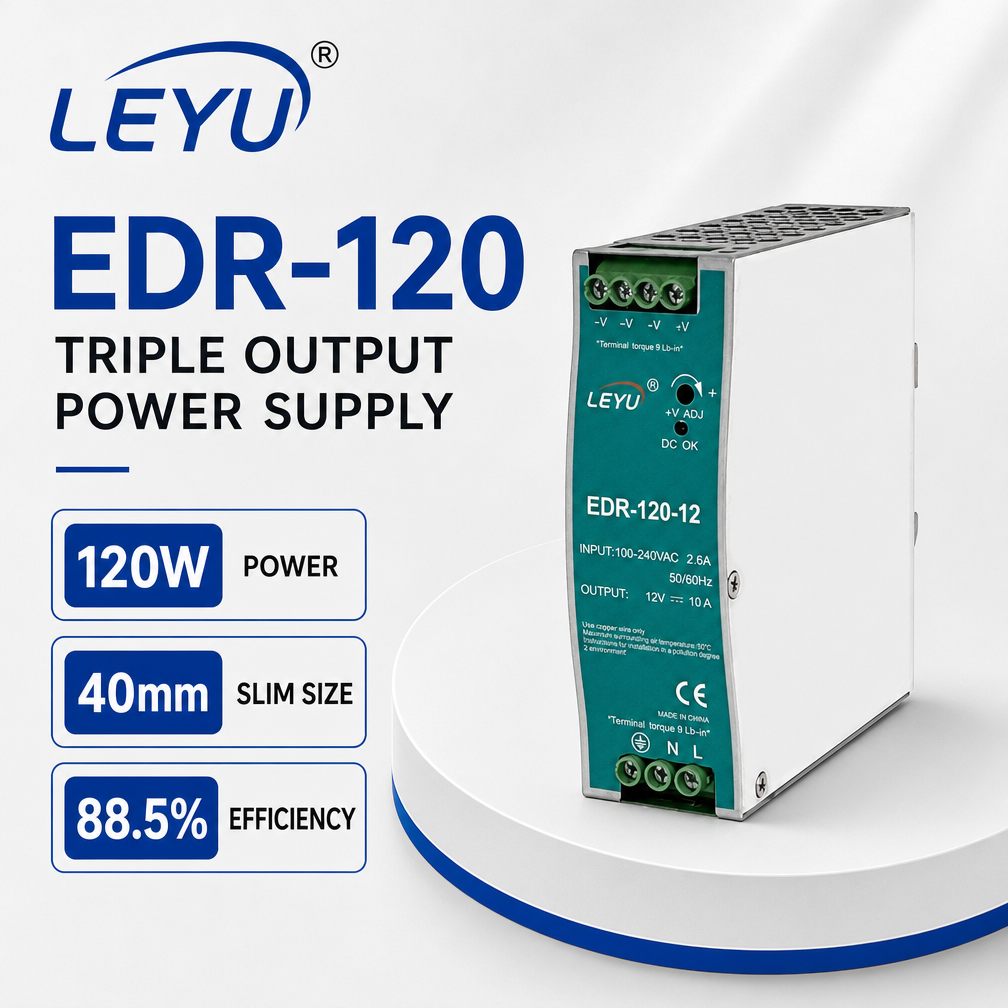
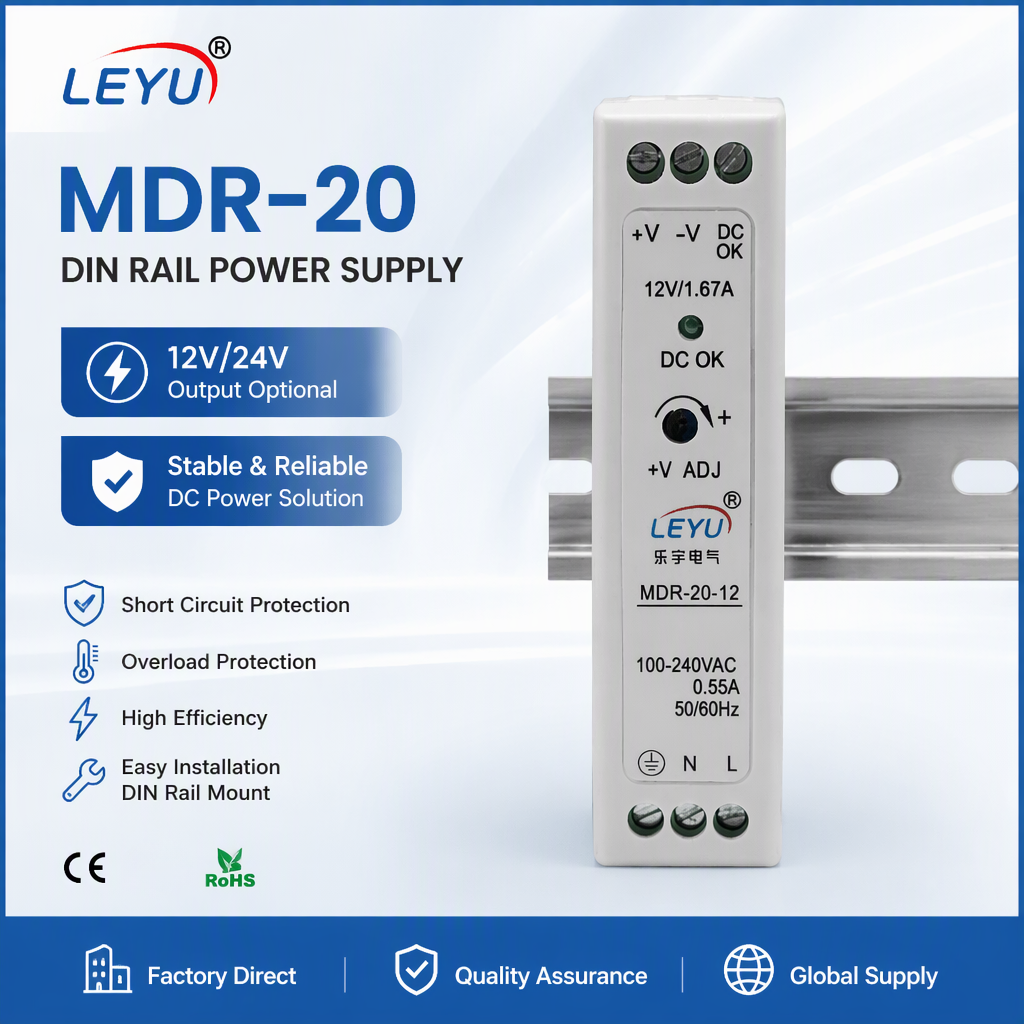
The Dutch horticulture belt (Glastuinbouw) operates continuous climate computers, LED growth arrays, and motorized shading screens. Industrial DIN rail units such as the HDR-100 and EDR-120 provide clean, stabilized 24V DC bus rails for PLC nodes, while high-capacity inverters maintain climate control during grid drops.
3. Amsterdam Datacenter & Telecom DC Backup
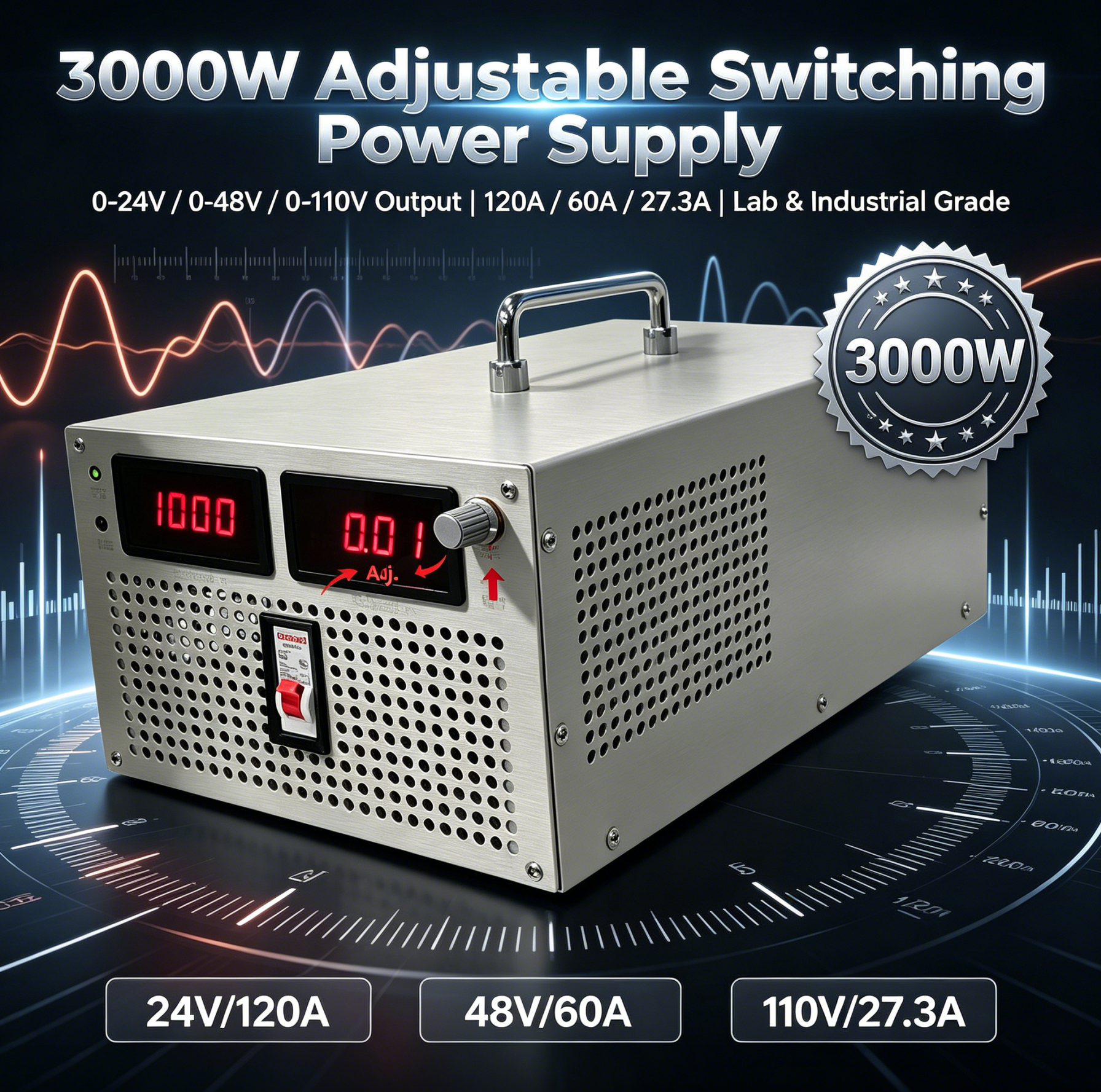
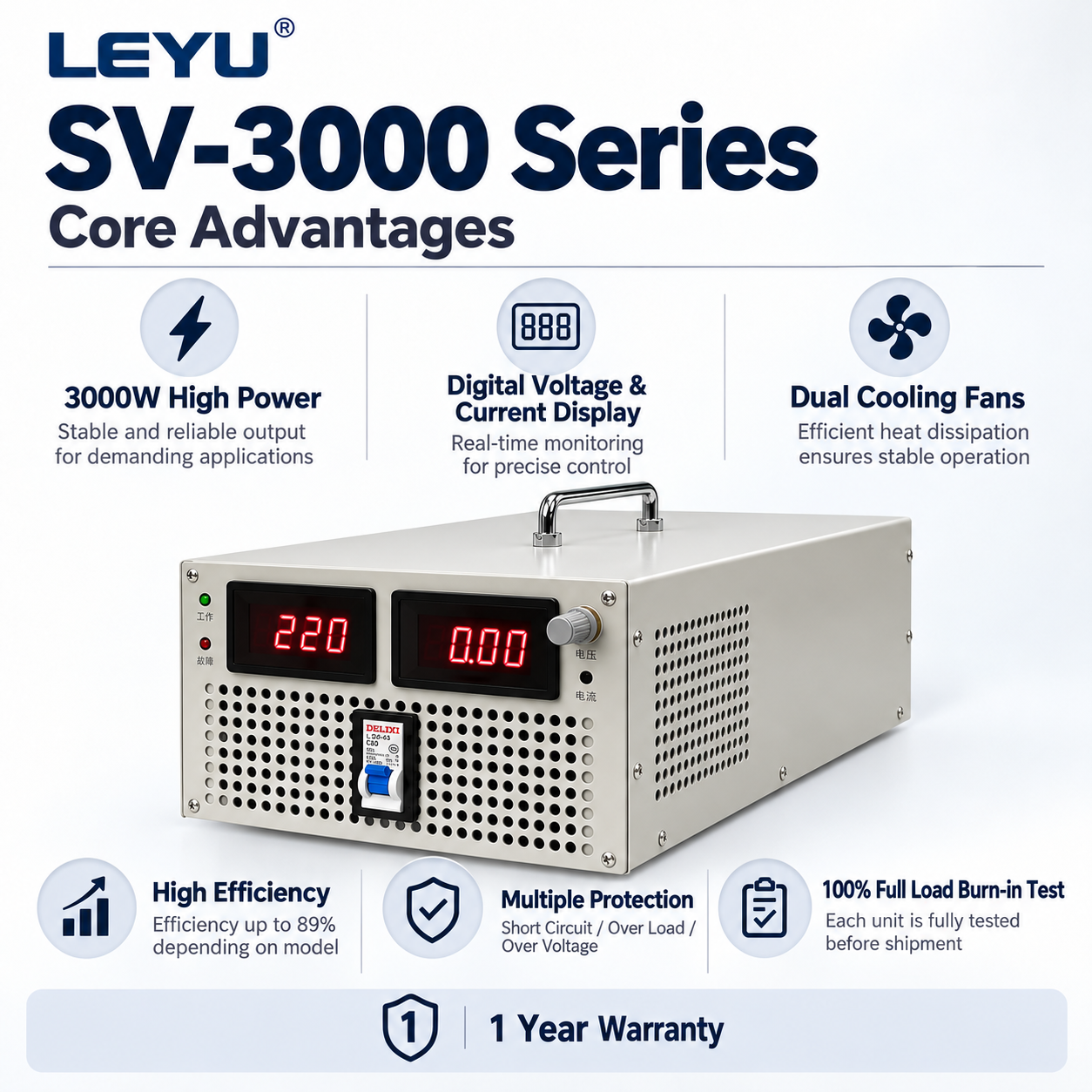
As one of Europe's tier-1 digital hubs (AMS-IX), uptime is measured in fractions of seconds. Our 3000W adjustable DC power supplies and DIN rail modules act as secondary DC rectifiers and battery buffer chargers, feeding 48V optical transceivers and cooling control loops under strict EMIR/EMC standards.
Engineering Comparison: Industrial Power Hardware for Dutch Systems
Procurement teams evaluating power electronics for deployment in the Netherlands must cross-examine efficiency curves, PFC parameters, and input voltage tolerance against fluctuating European grid standards (230V ±10% at 50Hz):
| Series / Model | Power Rating | Input Voltage Window | Nominal Output DC | PFC / Surge Rating | Target Application in NL |
|---|---|---|---|---|---|
| HDR-100 Series | 100W | 85 ~ 264 VAC Universal | 12V / 24V / 48V DC | Class II Isolation (Ultra-Slim) | Building automation & TS-35 cabinet controllers |
| EDR-120 Series | 120W | 90 ~ 264 VAC Single Phase | 12V (10A) / 24V (5A) | EN 61000-3-2 Harmonic Compliant | Industrial machinery & SCADA node power |
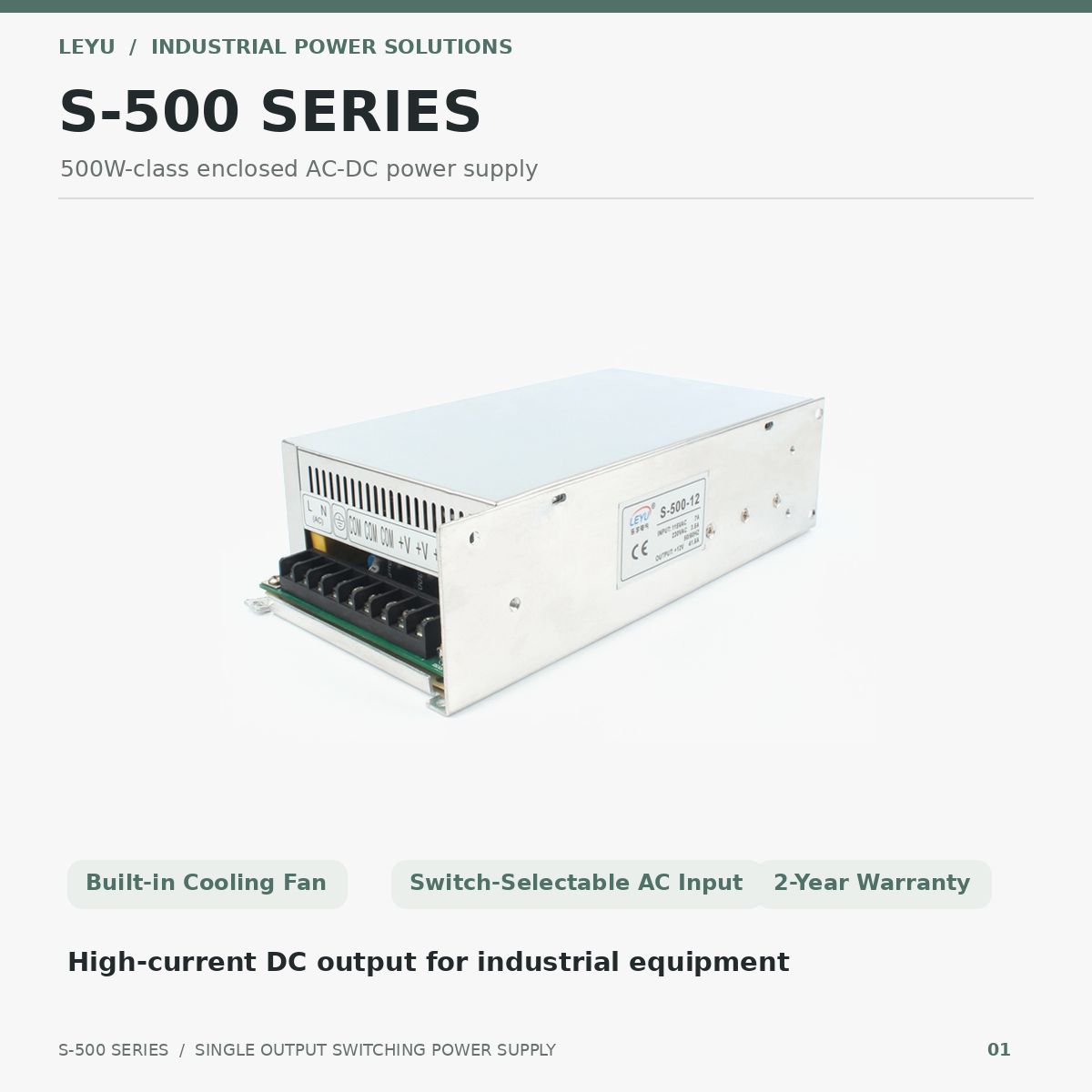
| 500W SMPS Series | 500W | 90-132VAC / 180-264VAC | 24V DC (20A Output) | Short Circuit / Overload / Over-temp | Heavy automation, CNC tooling, robotics |
| SV-3000 Variable | 3000W | 220VAC ±15% 50/60Hz | Adjustable 0-120A / 0-60A | Digital DSP Current/Voltage Limiter | Electroplating, lab test benches, electrolysis |
| 3000W DC Battery Charger | 3000W | 180 ~ 264 VAC Input | 48V DC (60A Continuous) | Multi-stage programmable curve | Industrial battery bank charging, telecom racks |
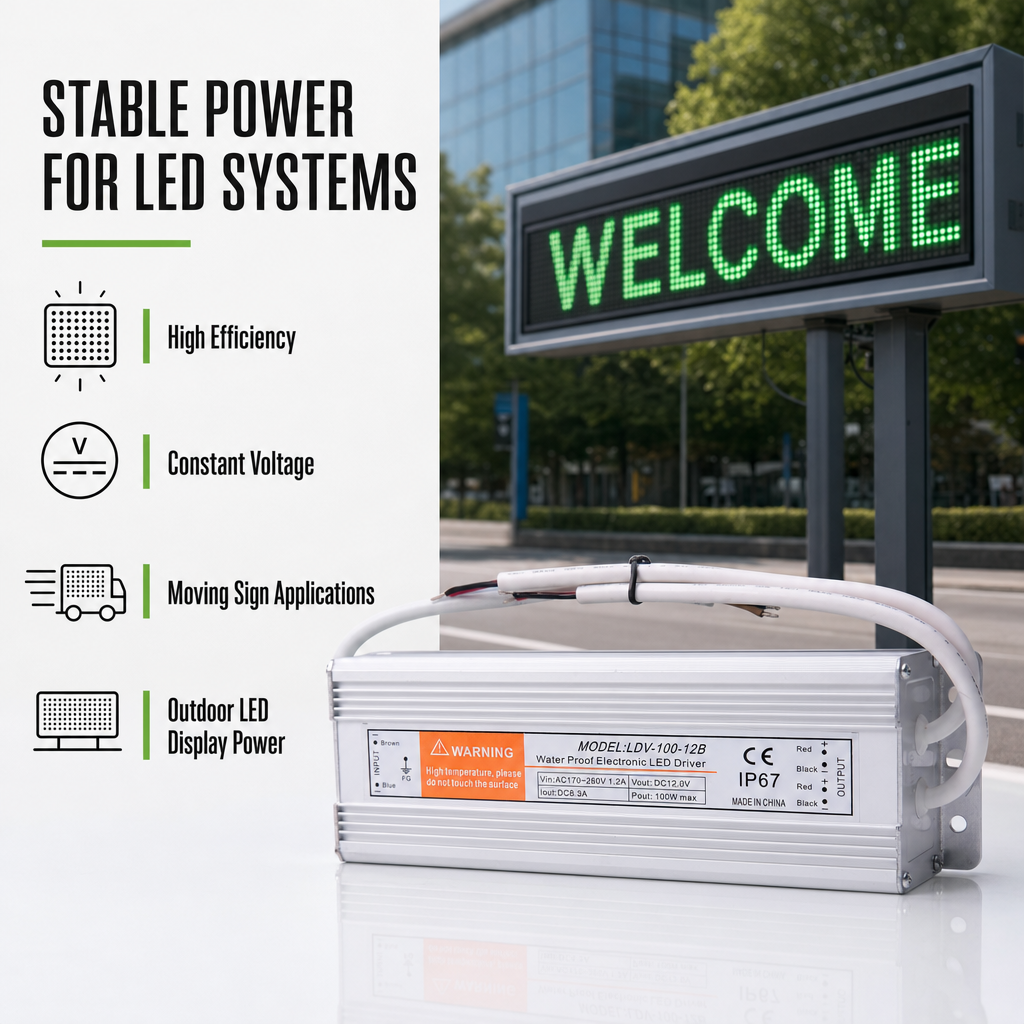
| LDV-100 IP67 Driver | 100W | 100 ~ 264 VAC Universal | 12V (8.3A) / 24V (4.2A) | IP67 Hermetic Waterproofing | Outdoor canal illumination, greenhouse mist zones |
Strategic Market Trends Transforming Dutch Power Procurement
Three pivotal regulatory and structural changes are reshaping how industrial Dutch buyers, system integrators, and electrical wholesalers source power supplies and inverters:
1. Demise of the Salderingsregeling
The scheduled phase-out of the Dutch net-metering scheme (salderingsregeling) mandates that commercial and residential solar installations prioritize on-site self-consumption. Inverter chargers with dynamic zero-export regulation and smart battery charging algorithms allow owners to store solar surpluses instead of paying negative feed-in penalties to energy retailers.
2. SDE++ Subsidy Focus on BESS
Under the Stimulering Duurzame Energietransitie (SDE++) subsidy frameworks, commercial energy storage systems (C&I BESS) coupled with hybrid inverter systems receive prioritization. Large-scale distribution warehouses in Brabant and Gelderland are retrofitting existing rooftop PV installations with high-amperage battery chargers to eliminate demand charges.
3. Stringent NEN 1010 & CE Directives
Dutch electrical safety inspections governed by NEN 1010 and NEN-EN-IEC 62368-1 require uncompromising insulation resistance, low harmonic distortion (THD < 3%), and certified galvanic separation. Sourcing directly from verified manufacturers eliminates the liability risks associated with non-compliant white-label electronics.
Why Tier-1 Dutch Importers Partner with Yueqing Keldan Technology
Located in the heart of China's low-voltage electrical capital, Yueqing Keldan Technology Co., Ltd. delivers an 18-year heritage of precision engineering, lean SMT fabrication, and strict quality control. Unlike trading brokers or catalog aggregators, Keldan operates as a fully vetted Custom Manufacturer onsite-verified by TÜV Rheinland.
For Dutch B2B engineering firms, equipment reliability is verified through hard data. Every power supply and inverter charger model is subjected to rigorous production-line scrutiny:
In-House Automated SMT & AOI
Dual high-speed Yamaha surface-mount technology (SMT) lines combined with automated optical inspection (AOI) guarantee micron-level component placement, eliminating cold solder joints and bridge faults on dense PCB layouts.
100% Full-Load Burn-In Racks
Every single power unit passes through active burn-in chambers under maximum load conditions at 45°C ambient temperatures for 4 to 8 hours. Infant mortality risks are screened out before goods are sealed into sea freight cartons.
Engineering-Led OEM/ODM Support
Our dedicated team of 5+ senior power electronics engineers (each possessing over 5 years of domain experience) provides fast-track custom voltage topologies, modified enclosures, conformal coatings, and custom firmware algorithms.
Frequently Asked Questions for Dutch Technical Buyers
How do your inverter chargers comply with Dutch NEN 1010 and CE electrical installations?
Can your chargers be customized for Dutch winter cold-weather LiFePO4 charging?
What are the typical lead times and customs logistics for delivery to Rotterdam?
What is the Minimum Order Quantity (MOQ) for custom OEM enclosure branding?
How does Yueqing Keldan Technology verify product quality before shipping?
Can your power supplies operate reliably in maritime and coastal humidity conditions?
Ready to Engineer Your Power Infrastructure?
Connect with our senior power application engineers. Receive detailed electrical schematics, STEP 3D CAD files, and competitive factory-direct quotations tailored to the Dutch market.
