Standard & Custom Power Conversion Units for Miskolc System Integrators
High-efficiency switched-mode power supplies, DIN-rail modules, high-voltage test racks, and programmable DC power stations validated for harsh industrial environments.
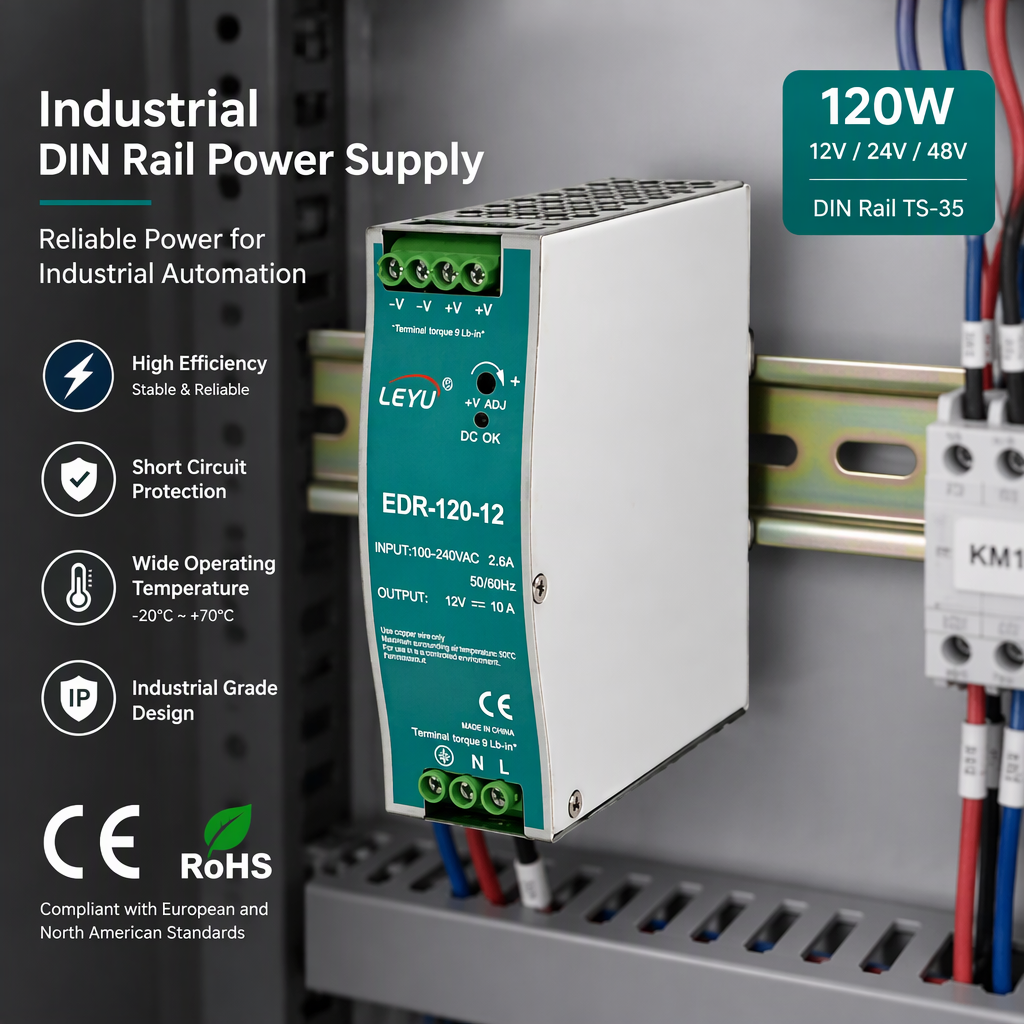
120W Industrial DIN Rail Power Supply 24V 5A AC DC Converter for PLC Control Cabinet Automation Equipment
Explore Technical Specs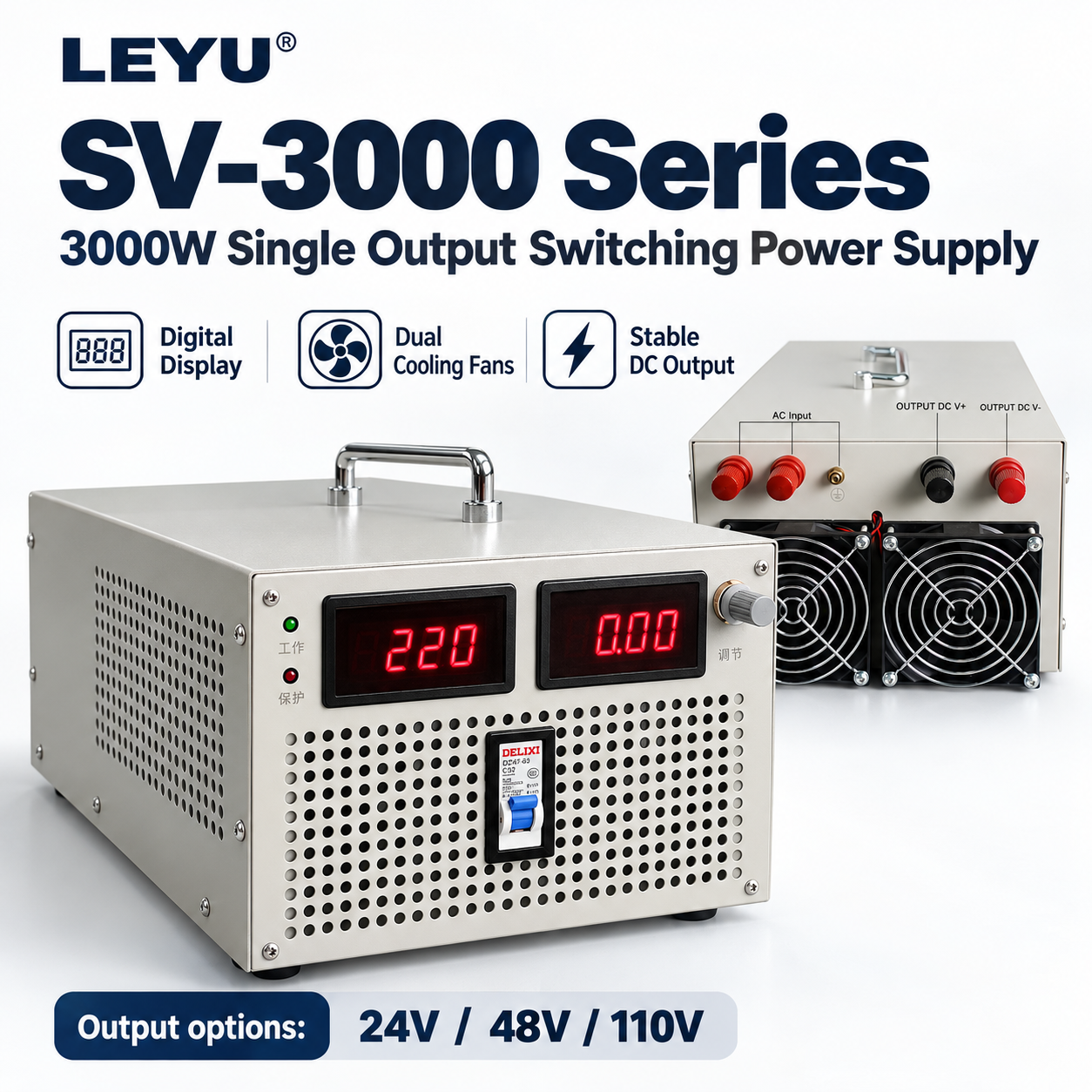
3000W High Voltage DC Power Supply 110V 27.3A Adjustable SMPS 220V AC to 110V DC Converter for Industrial Use
Explore Technical Specs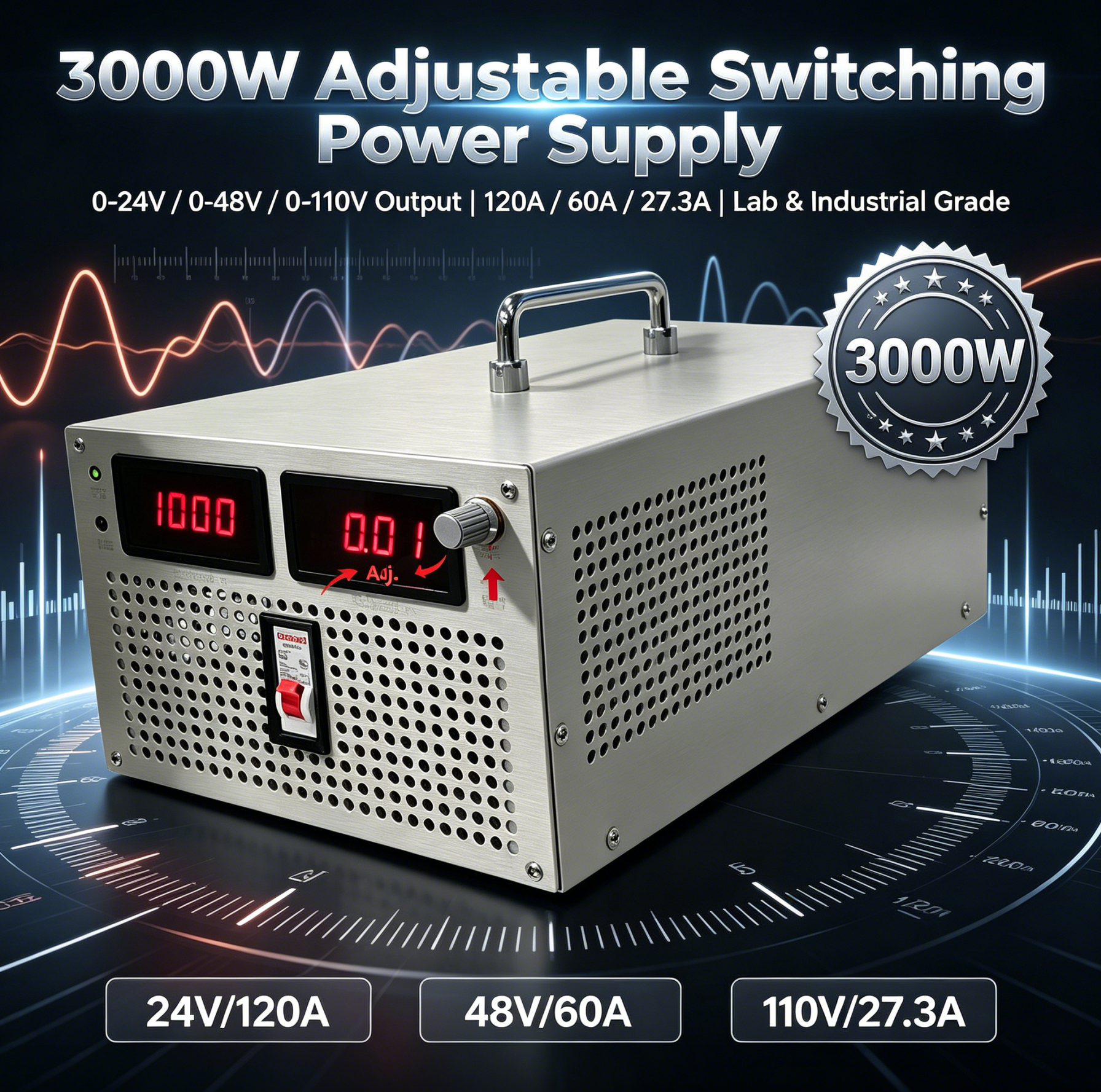
SV-3000 3KW Industrial Variable Power Supply 120A 60A for Electroplating Electrolysis & Laser Equipment AC 220V Input
Explore Technical Specs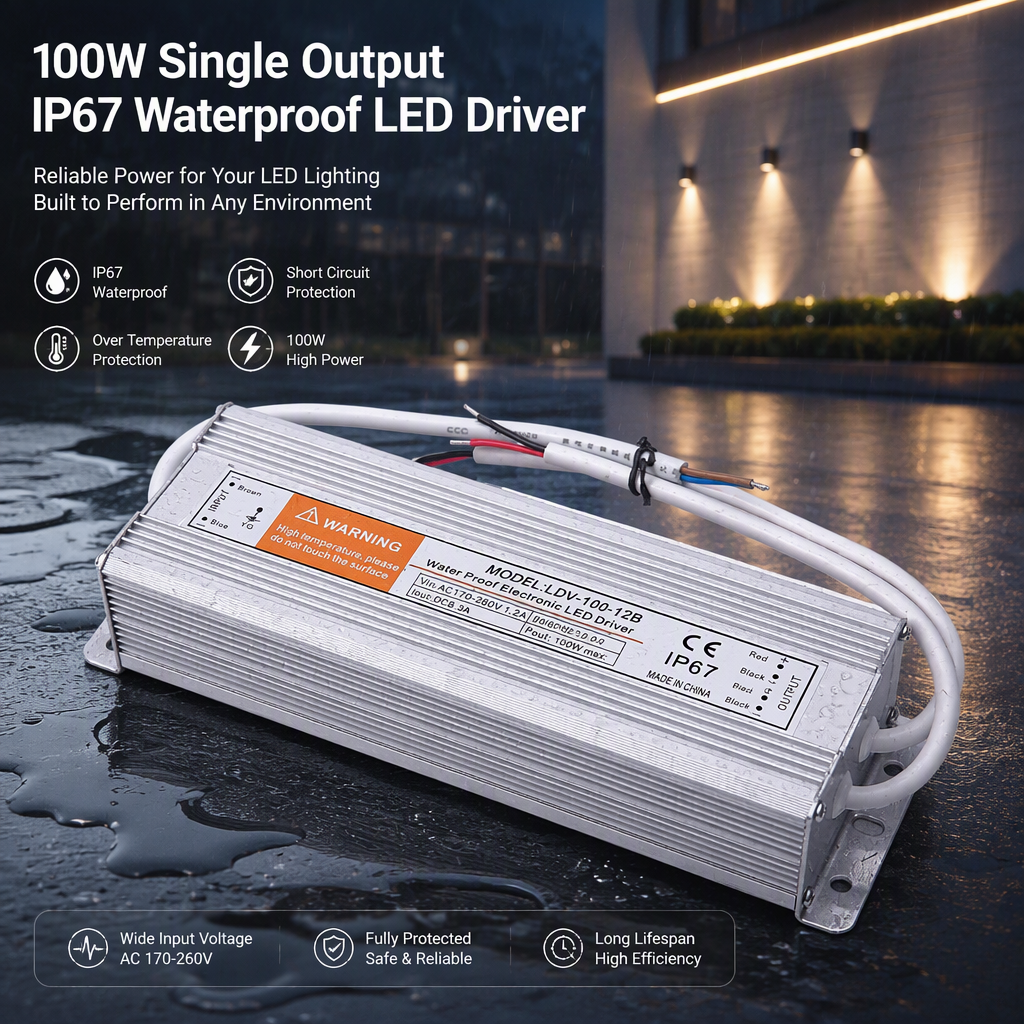
LDV-100 Factory Direct 100W Waterproof LED Driver Power Supply 12V 24V IP67 Outdoor AC to DC Transformer
Explore Technical Specs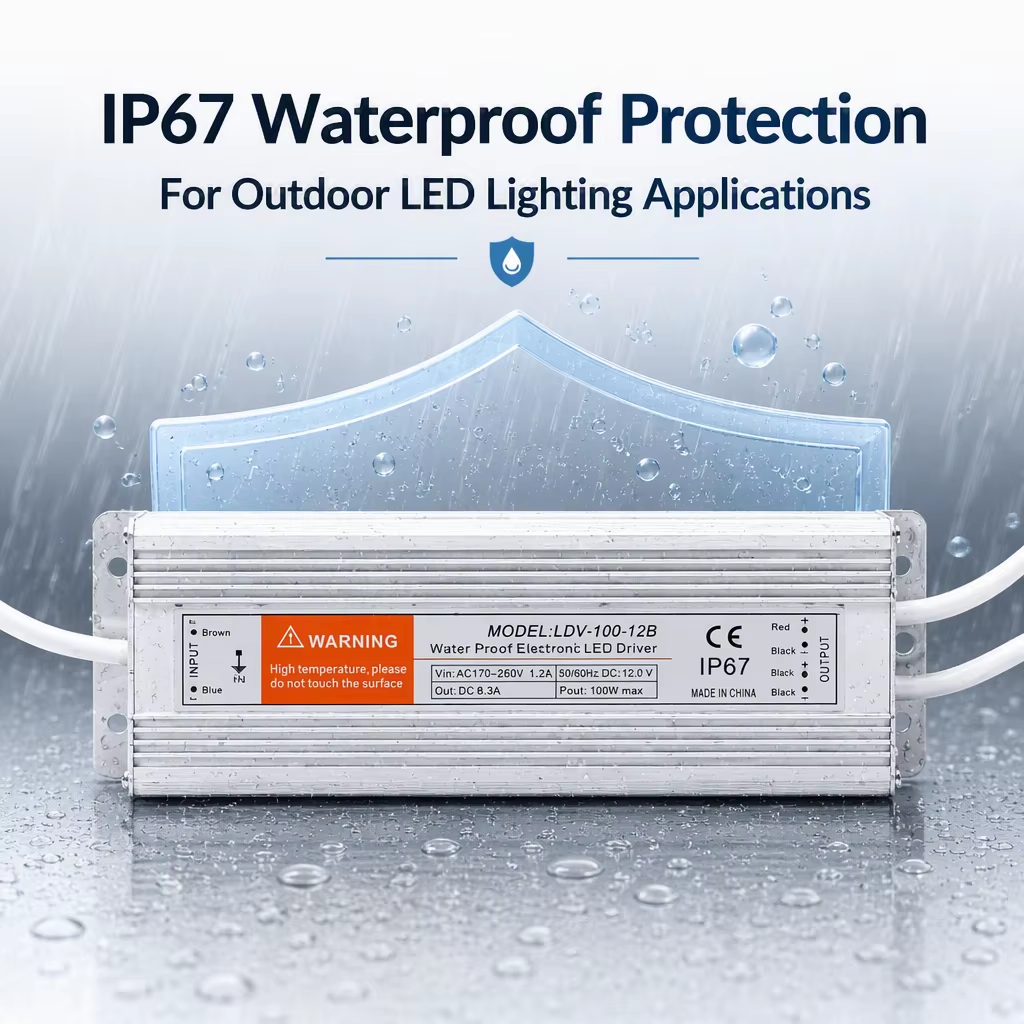
100W IP67 Waterproof LED Driver 12V 24V Constant Voltage Power Supply for Outdoor Billboards Signage & LED Strip Lights
Explore Technical Specs
ZSN3 1000W Programmable Variable DC Power Supply AC to DC 12V 24V 48V 110V 220V Adjustable SMPS for Laser Lab Use
Explore Technical Specs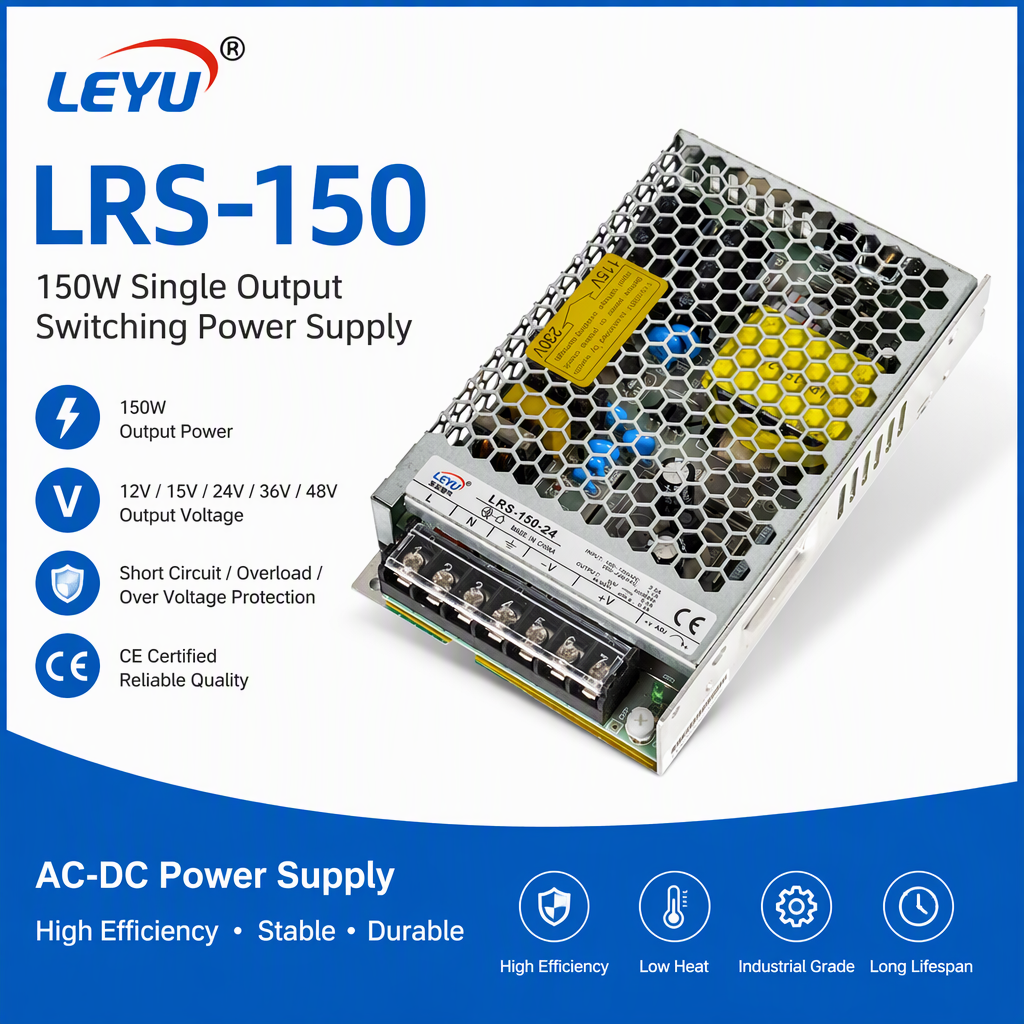
LEYU LRS-150-24 150W 24V 6.5A AC DC Switching Power Supply Single Output Low Profile for Industrial Control
Explore Technical Specs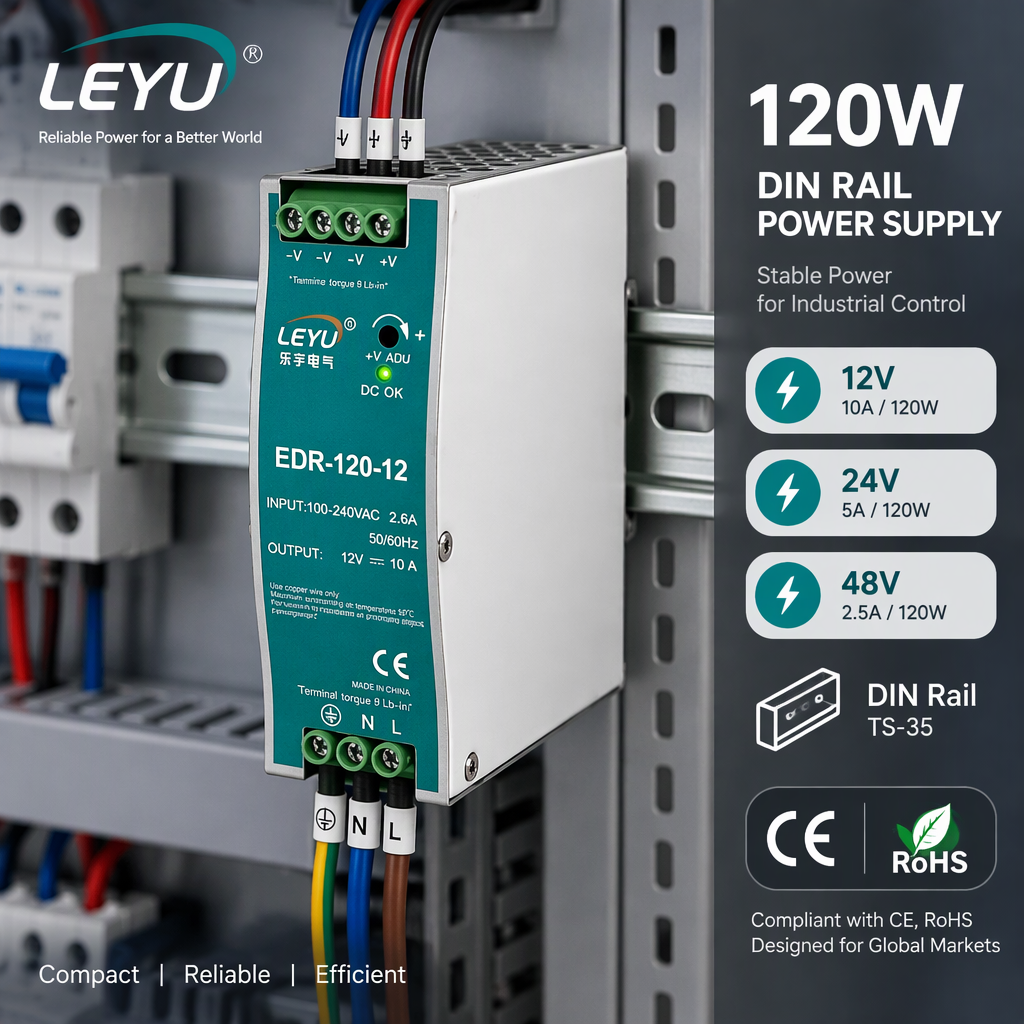
EDR-120 120W DIN Rail Power Supply 90-264VAC Universal Input 12V 10A 24V 5A 48V 2.5A Industrial Switching Power Supply
Explore Technical SpecsEngineering Triple Output SMPS for Critical European Industrial Automation
Overcoming cross-regulation instability, common-mode ground loops, and transient switching noise in multi-rail industrial architectures.
In modern industrial control topologies across Borsod-Abaúj-Zemplén county and specifically the metropolitan manufacturing cluster of Miskolc, automation systems rarely rely on a single uniform DC voltage. A typical robotic cell, PLC telemetry rack, or mechatronic inspection station demands simultaneously distinct voltage potentials: +5V DC or +3.3V DC to power sensitive microcontrollers, high-speed DSPs, and FPGA logic cores; +12V DC or ±15V DC to energize high-precision analog operational amplifiers, data acquisition ADCs, and laser telemetry sensors; and +24V DC to actuate electromagnetic solenoid valves, contactor coils, and servo drives.
Sourcing these disparate power levels using three physically separate single-output power bricks introduces severe engineering penalties: excessive TS35 DIN rail space consumption, thermal stacking inside sealed IP54 enclosures, elevated bill-of-materials (BOM) complexity, and catastrophic ground-loop ground potential shifts. A dedicated industrial Triple Output Switched-Mode Power Supply (SMPS) resolves these operational vulnerabilities within a unified, galvanically isolated chassis. However, manufacturing triple-output topologies for export into the European Union demands rigorous adherence to power stage dynamics, stringent thermal dissipation engineering, and electromagnetic compatibility (EMC).
Our OEM manufacturing facility directly addresses the primary failure mechanism of legacy multi-output units: cross-regulation degradation. In standard flyback or half-bridge multi-output converters, voltage sensing feedback is typically closed only around the primary high-current rail (commonly +5V or +24V). When secondary channels experience unbalanced or dynamic step-load transients, secondary output rails can suffer voltage sags or surges exceeding ±10%, triggering downstream logic faults or sensor calibration drift. We implement independent secondary post-regulation, coupled inductors, and precision synchronous buck stages that preserve tight voltage stability within ±1.5% across all rails, even during 100% asymmetrical step-load variations.
Coupled Inductor Magnetic Design
By interweaving secondary transformer windings and employing coupled choke filtering, magnetic flux sharing dynamically redistributes energy across channels, eliminating high-voltage spikes on unloaded secondary rails.
True Galvanic Channel Isolation
Complete 3000VAC primary-to-secondary dielectric withstand with up to 500VDC channel-to-channel isolation. Prevents high-voltage industrial transients on actuator rails from corrupting low-voltage microcomputing nodes.
Active Power Factor Correction (PFC)
Integrated active power factor correction pre-stages achieve PF > 0.98 across universal 85–264VAC input ranges, complying with European harmonic regulations (EN 61000-3-2 Class A & D) for plant-wide grid efficiency.
Localized Application Scenarios in Borsod-Abaúj-Zemplén’s Industrial Hub
Deploying heavy-duty power supplies across automotive tier-1 production cells, advanced machinery, and university R&D centers in Northeastern Hungary.
Miskolc is experiencing an intense industrial renaissance. As the commercial and manufacturing anchor of Northeastern Hungary, the city has transformed from its historic metallurgical roots into a high-technology corridor featuring automotive engineering, precision mechanical machining, electrical machinery fabrication, and lithium-ion battery component ecosystems. Supplying this localized market requires an intimate comprehension of plant floor realities across the Miskolc South Industrial Park (Miskolci Déli Ipari Park), Mechatronics Industrial Park, and neighboring industrial corridors such as Tiszaújváros and Kazincbarcika.
Automotive Tier-1 & Tier-2 Assembly
Robotic welding lines, transmission sub-assembly machines, and automated torque tooling in Miskolc demand 24V for pneumatic valves, +5V for PLC encoder communications, and isolated ±12V rails for real-time laser profiling scanners.
EV Battery Ancillary Equipment
The rapid expansion of electric vehicle battery supply networks across Eastern Hungary requires clean DC power supplies for formation testing rigs, electrolyte dosing controllers, and hazardous environment monitoring instrumentation.
University of Miskolc R&D Labs
Collaborative engineering projects at the Faculty of Mechanical Engineering and Informatics require benchtop programmable DC power units (such as our ZSN3 and SV-3000 series) for power electronics research, pulsed plasma studies, and robotics development.
Heavy Metallurgical & Chemical Enclosures
Operating inside facilities exposed to chemical vapors, iron particulates, and thermal cycling requires conformal-coated PCB assemblies, high surge immunity (EN 61000-4-5 Level 4), and ruggedized IP20 to IP67 metal housings.
Multi-Channel Power Architecture: Selection Matrix for Plant Engineers
Evaluating channel balance, noise immunity, and regulatory compliance for Miskolc industrial panel builders.
| Architecture Metric | Standard Flyback Triple Output | Coupled-Inductor Synchronous SMPS | Discrete Multi-Module Setup |
|---|---|---|---|
| Cross-Regulation Stability | ±6% to ±12% (Poor on secondary rails) | ±1.0% to ±2.0% (Tight stability) | ±0.5% (Independent feedback) |
| Cabinet Footprint (TS35 DIN) | Compact single enclosure (40–60mm) | Ultra-compact enclosure (45–70mm) | Bulky footprint (120–180mm total) |
| Mean Time Between Failures (MTBF) | ~220,000 Hours (MIL-HDBK-217F) | > 480,000 Hours (Industrial grade) | Variable (~150,000 Cumulative) |
| Channel-to-Channel Ground Isolation | Shared common return ground | True isolated returns (Option: 500VDC) | Complete physical isolation |
| Harmonic Distortion (EN 61000-3-2) | Passive filter (Basic compliance) | Active PFC stage (THD < 8%, PF > 0.98) | Dependent on individual modules |
| Total System Procurement Cost | Low baseline | Optimal performance-to-cost ratio | High (3x units + 3x wiring BOM) |
Local Industrial Trends Reshaping Power Supply Demand in Miskolc
Transitioning from centralized legacy automation to energy-efficient, Industry 4.0-ready distributed electrical infrastructure.
The industrial landscape across Borsod-Abaúj-Zemplén is accelerating toward three decisive technology inflection points. Procurement managers, plant electrical directors, and automation OEMs in Miskolc must configure their power architectures to meet evolving operational guidelines:
1. Industry 4.0 Data Acquisition and Smart Sensor Proliferation: Legacy plants in Miskolc formerly utilized centralized control cabinets where 24V DC was brute-forced through long cable runs. Today's modern machine design relies on edge IoT gateways, vision systems, and fieldbus telemetry (PROFINET, EtherCAT, IO-Link). These edge modules require localized low-noise power where ±12V or 5V rails must operate with ultra-low ripple (< 50mVp-p) to prevent signal jitter during sub-micron dimensional quality scanning.
2. Mandatory Energy Efficiency and the EU Green Deal: Driven by corporate sustainability mandates and high European industrial electricity tariffs, plant managers are aggressively targeting standby power dissipation and conversion efficiency. Inverters and switching power supplies running 24/7 in continuous manufacturing must deliver efficiencies exceeding 92% to 94% across 40% to 100% load bands, dramatically lowering cabinet cooling demands and air-conditioning electricity loads.
3. Resilience Against Central European Grid Disturbances: Grid volatility caused by severe summer thermal waves and the integration of intermittent regional solar parks across Hungary creates micro-interruptions and harmonic voltage distortions. Our power supplies integrate heavy-duty electrolytic capacitors rated for 105°C with extended hold-up times (≥ 25ms at full load), allowing automated PLCs in Miskolc to ride through brief line sags without halting robotic production sequences.
Why Miskolc Importers Partner Directly with Our Zhejiang Factory
TÜV Rheinland onsite-verified custom manufacturing facility delivering certified engineering, traceability, and flexible OEM customization.
TÜV Rheinland Onsite Verification
Our manufacturing plant in Yueqing, Wenzhou has undergone complete onsite inspection by TÜV Rheinland. We operate certified clean rooms, high-speed SMT placement lines, nitrogen reflow ovens, and Automated Optical Inspection (AOI) stations.
100% Full-Load Burn-In Thermal Screening
Every single power supply unit undergoes full-load elevated-temperature aging (45°C ± 5°C) for 4 to 8 hours under computer-monitored cyclic ON/OFF states. Infant mortality failure rates are driven below 0.05% before factory release.
Engineering-Led OEM/ODM Capability
Staffed by 5+ senior power electronics engineers, each with over 5 years of dedicated SMPS topology experience. We customize primary input ranges, output channel voltages, conformal coating, chassis sheet metal, and private labeling.
Frequently Asked Questions by Hungarian System Integrators
Addressing CE conformity, customs transit to Miskolc, electrical isolation, and sample testing protocols.
What CE, EMC, and safety standards do your power supplies comply with for the Hungarian market?
How do your triple output units manage cross-regulation when one rail experiences no load?
What are the lead times and shipping routes for shipments delivering into Miskolc?
Can you support custom output voltage configurations and conformal coating for chemical plants?
What is your factory Minimum Order Quantity (MOQ) for Miskolc industrial panel builders?
Accelerate Your Miskolc Power Engineering Projects
Connect with our senior SMPS application engineers for comprehensive datasheets, 3D CAD step files, sample dispatch, or custom multi-output transformer modeling.
