Industrial Power Supplies & Inverters Specified for Mandalay Facilities
Precision-engineered switching architectures, DIN rail converters, and high-wattage industrial drivers tailored to buffer erratic grid behaviors across Mandalay Industrial Zone and regional corridors.
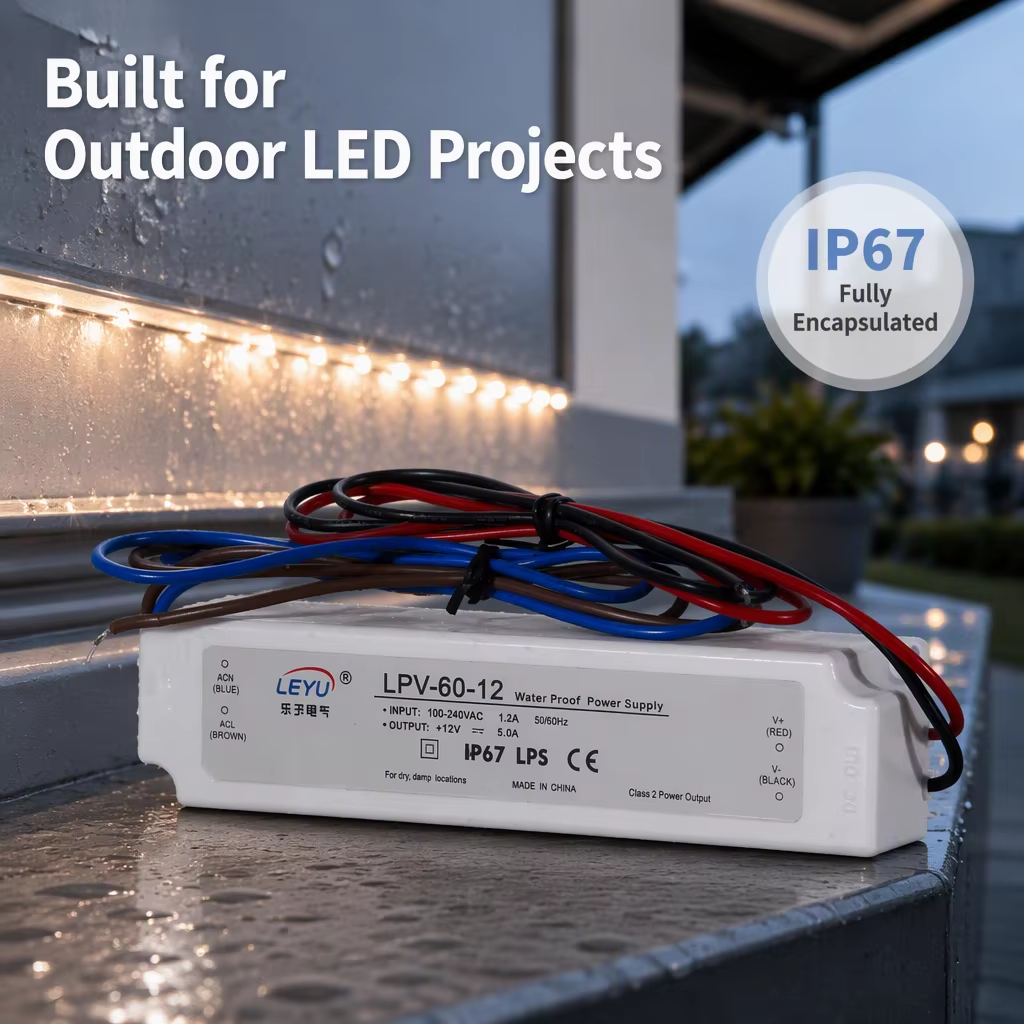
- IP67 Fully Encapsulated Housing
- Universal AC Input: 90–264VAC
- High Surge Immunity for Outdoor Use
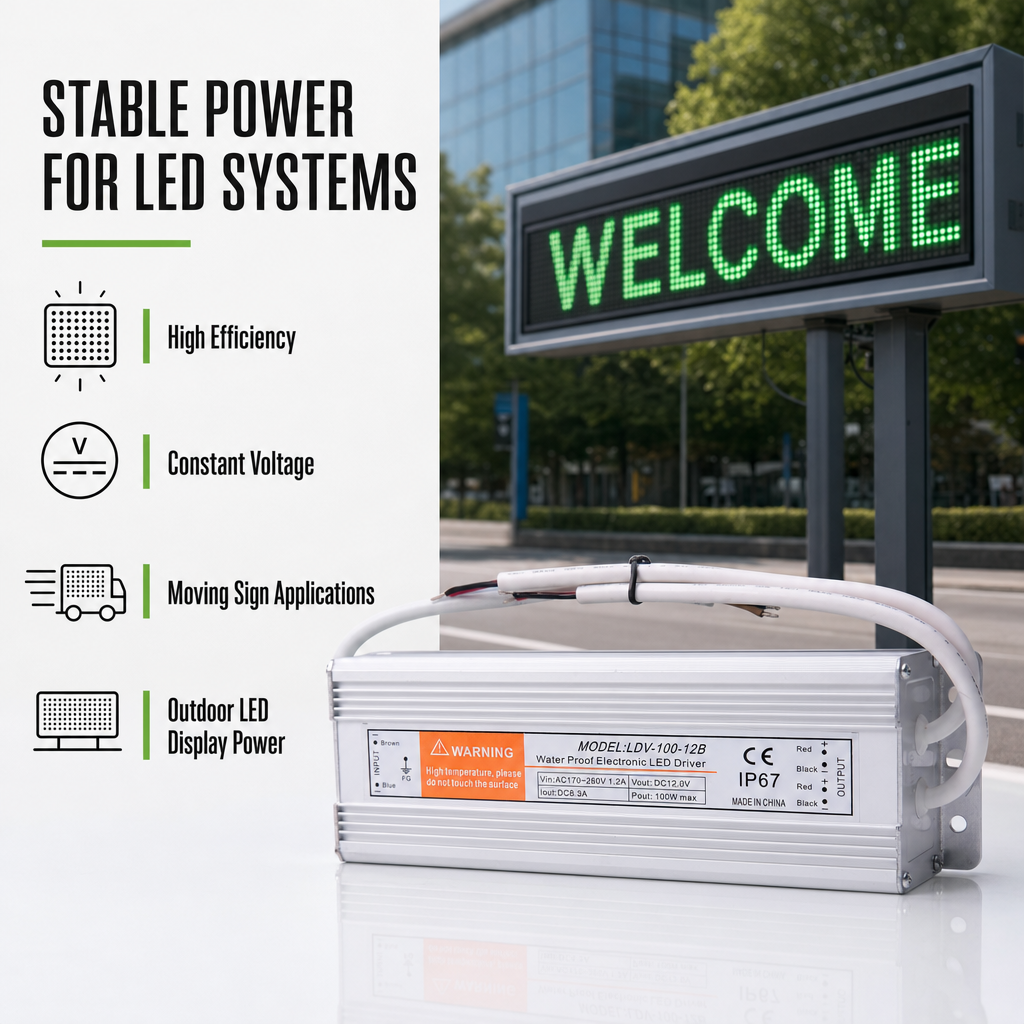
- Heavy Aluminum Heat-Dissipation Casing
- Over-voltage & Short-circuit Recovery
- High Efficiency: Up to 88%
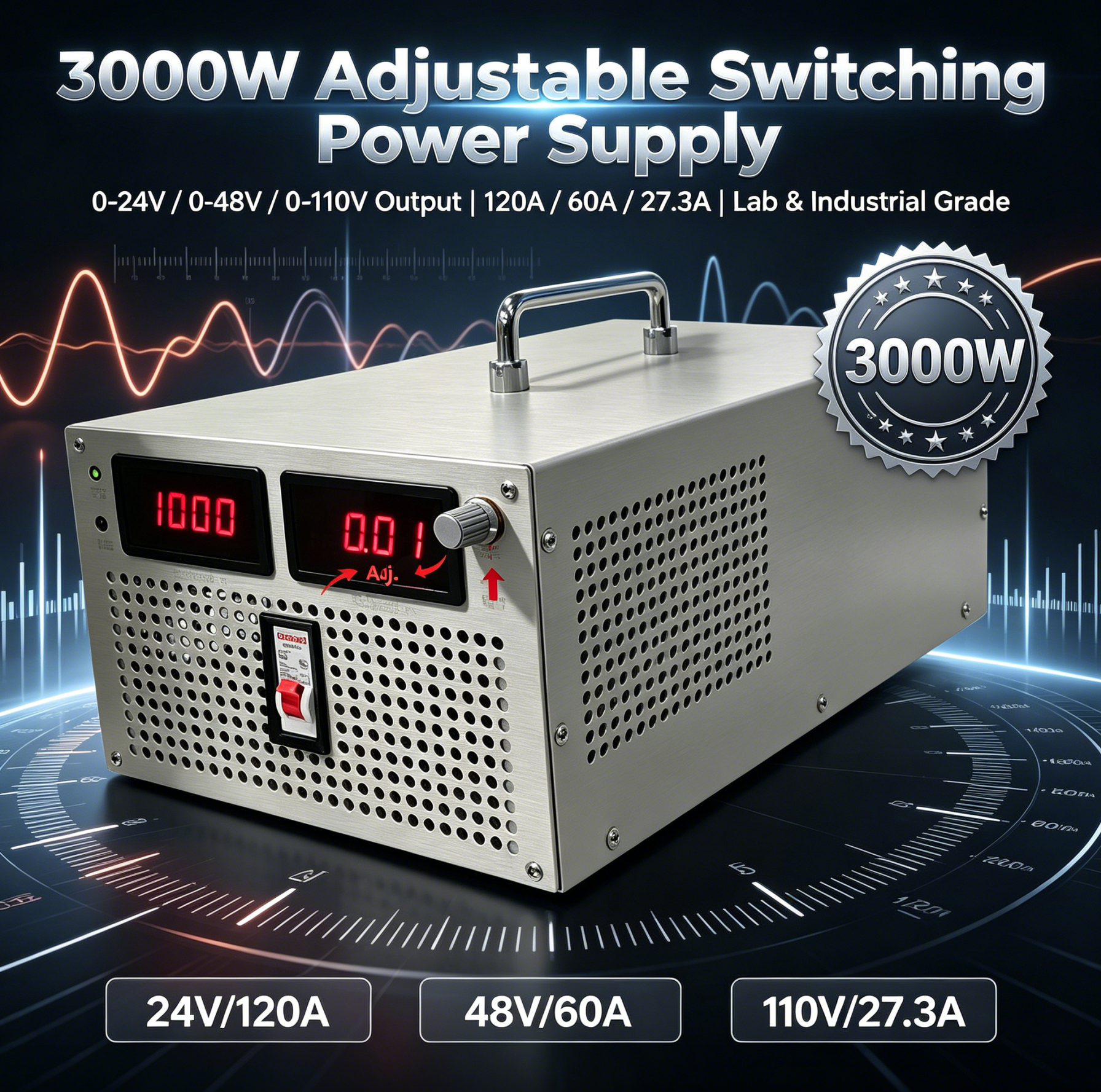
- Stepless Voltage & Current Regulation
- Dual Digital LED Meter Display
- Active Fan Cooling with Thermal Cutoff
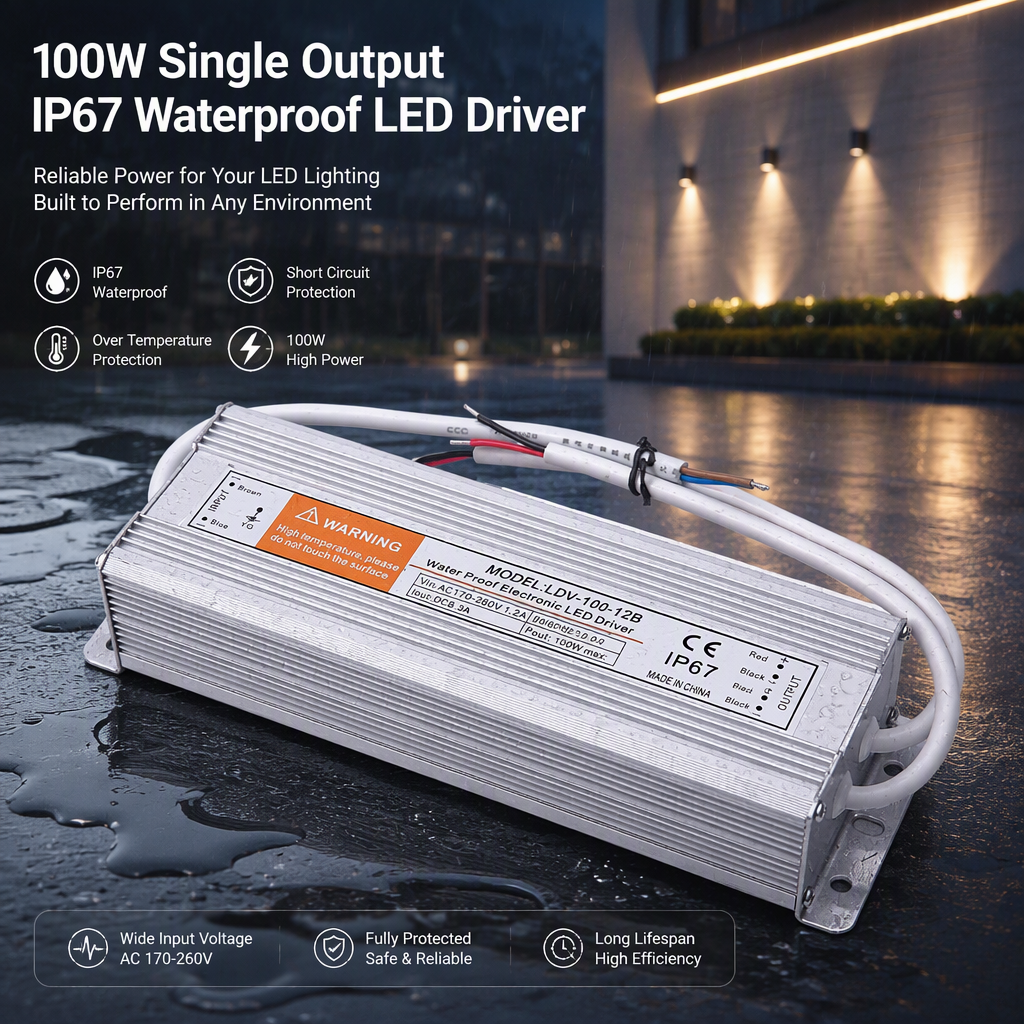
- Engineered for High-Moisture Environments
- Low Ripple Noise <150mVp-p
- Industrial Grade MTBF >200,000 Hours
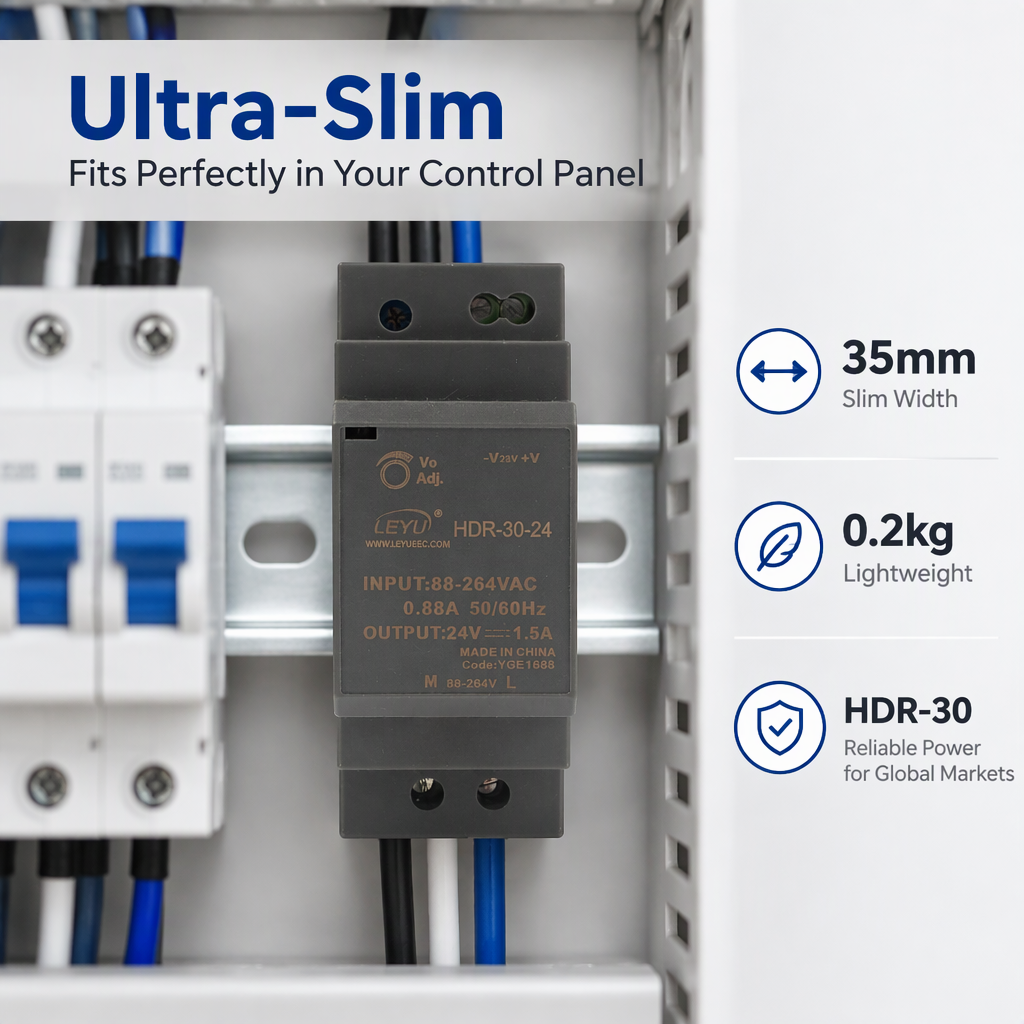
- Ultra-Slim 35mm DIN TS-35 Mount
- Class II Isolation (No FG Required)
- Free Air Convection Cooling Design
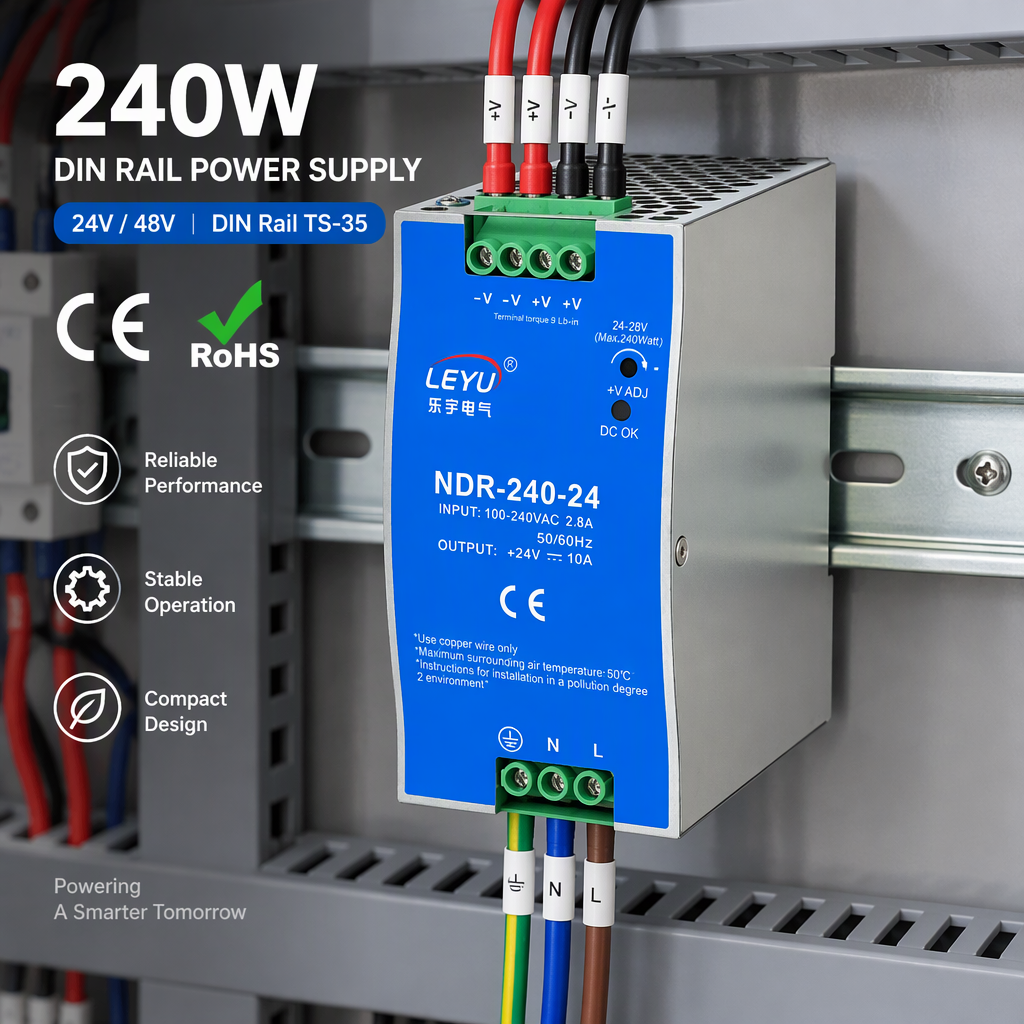
- Active Power Factor Correction (PF > 0.95)
- 150% Peak Load Capability (3 Sec)
- Heavy Industrial Immunity (EN61000-6-2)
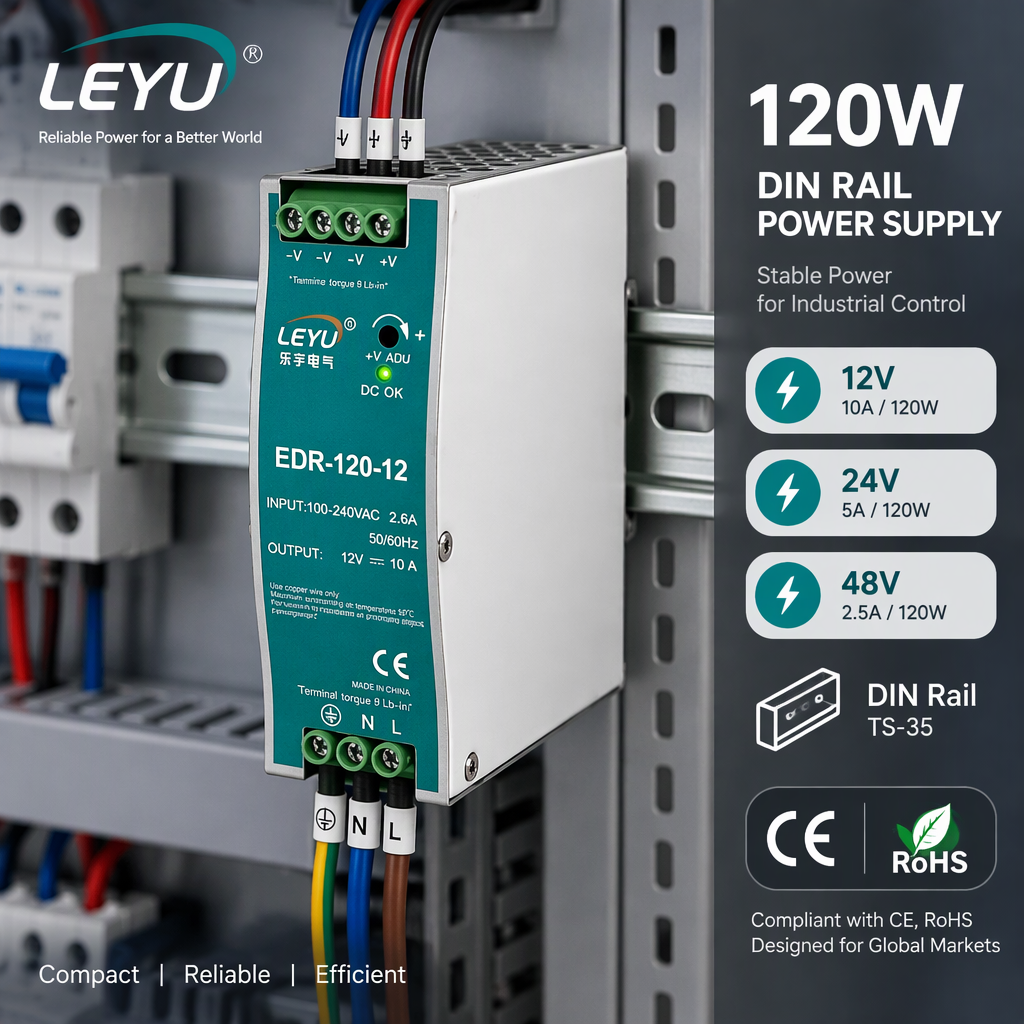
- Universal AC Input Range: 90–264VAC
- Rugged Metal Casing for Hostile Panels
- Operating Temperature: -20°C to +60°C
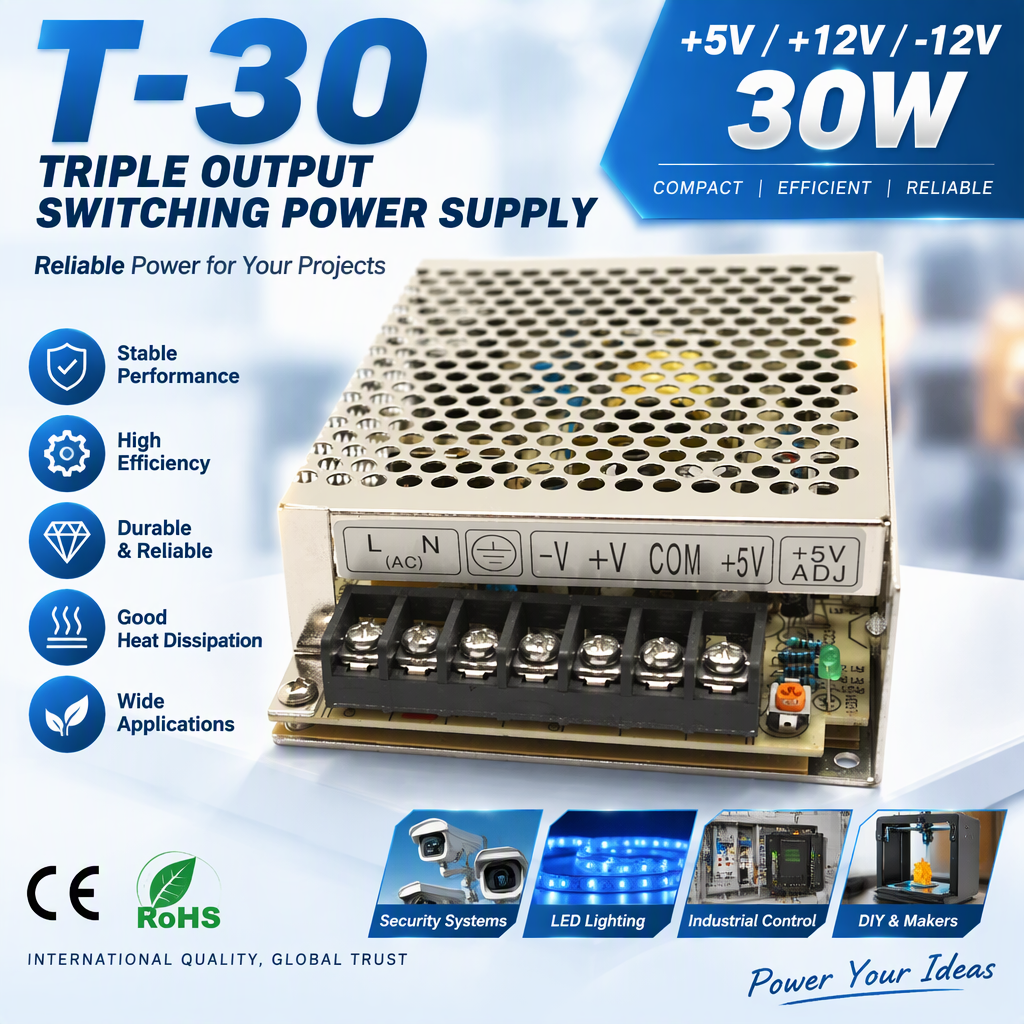
- Triple Isolated Rails for Logic & Sensors
- Compact Enclosed Metal Enclosure
- Built-in EMI Filtering & Suppression
Engineering Uninterruptible Power Supply Systems for Mandalay's Electrical Infrastructure
Mandalay functions as the commercial, logistics, and mineral processing epicentre of Upper Myanmar. However, operating mission-critical automated production lines, jade and gemstone processing facilities in Pyigyitagon, or heavy milling operations in the Myotha National Industrial Park (MNIP) requires navigating unique electrical challenges. The Mandalay Electricity Supply Corporation (MESC) grid frequently experiences severe voltage sags, unplanned rolling blackouts, transient overvoltage spikes, and notable frequency drift. Standard consumer-grade Uninterruptible Power Supplies (UPS) and commercial AC-DC converters often fail prematurely when subjected to these harsh conditions. Providing continuous uptime requires high-spec industrial DC-UPS topologies, wide-voltage-tolerant switching rectifiers, and ruggedized power conversion equipment.
For industrial plant engineers and procurement teams across the region, understanding the underlying physics of grid instability is critical. When municipal transmission lines drop from nominal 230V down to 140V during peak afternoon heat, or when secondary diesel generators introduce severe total harmonic distortion (THD > 15%) upon automatic transfer switch (ATS) engagement, conventional power equipment trips or experiences thermal runaway. Our power supply engineering addresses these vulnerabilities by pairing custom switching designs with active Power Factor Correction (PFC), deep electrolytic storage reserve margins, and zero-transfer battery buffering.
Mandalay Industrial Grid Vulnerability Matrix
The table below outlines common electrical disruptions observed across Upper Myanmar's major manufacturing hubs, alongside the engineering mitigation mechanisms built into our industrial power solutions:
| Electrical Anomaly | Typical Grid Reading in Mandalay | Operational Risk to Equipment | Engineering Mitigation Architecture | Protection Grade |
|---|---|---|---|---|
| Severe Voltage Sag (Brownout) | 140VAC – 180VAC (Peak hours) | Motor stalls, PLC logic reboots, excessive current draw | Ultra-wide 85–264VAC universal input with constant current limit | Continuous Active |
| Frequent Grid Dropouts | Daily 4 to 8-hour outages | Loss of batch data, automated tool collision, frozen resin/laser lines | Seamless DC-UPS battery management with zero-second transfer time | Critical Level |
| Generator Transfer Spikes | Up to 1.2kV transient spikes during ATS shift | Blown primary MOVs, bridge rectifier breakdown | Multi-stage gas discharge tubes (GDT) and heavy metal-oxide varistors | Class IV Surge |
| Tropical Heat & Humidity | 40°C–45°C ambient, 85%+ RH (Monsoon) | Capacitor electrolyte dry-out, thermal shutdown | Conformal coating, 105°C Japanese solid-state caps, derating at 60°C | Tropicalized Spec |
Optimized Topologies: DC-UPS vs. Centralized AC Double-Conversion Systems
A prevalent engineering dilemma facing Mandalay's facility operators is whether to install massive centralized AC-to-AC Online Double Conversion UPS plants or deploy distributed, modular DIN Rail DC-UPS systems across distributed control panels. In modern industrial automation architectures, distributed 24VDC / 48VDC UPS networks offer significant structural advantages:
Centralized AC-UPS units require extensive maintenance, introduce single-point-of-failure liabilities, and suffer massive conversion losses (DC to AC to DC again at each machine terminal). By contrast, deploying modular DIN rail DC-UPS modules—such as pairing our 240W Active PFC units with intelligent battery management controllers—eliminates the double-inversion loss. During a grid collapse in an industrial zone like Amarapura, the DC bus remains stable at 24VDC without interruption. Programmable Logic Controllers (PLCs), Human-Machine Interfaces (HMIs), solenoid valves, and safety sensors continue running, safely managing machine kinematics and saving process parameters before any secondary generator engages.
Localized Industrial & Infrastructure Deployment in Upper Myanmar
Precision power engineering tailored to the key commercial and production sectors driving Mandalay's economic ecosystem.
Jade, Gemstone & Jewelry Processing (Pyigyitagon)
Precision ultrasonic carving, CNC polishing, and laser engraving machinery demand immaculate DC ripple below 50mV. In Mandalay's jade workshops, sudden power cuts cause expensive gemstone cracking under tool pressure. Our constant-voltage switching systems and battery-backed DC supplies ensure instantaneous tool retraction and laser cooling continuity.
Heavy Industry & Milling in Myotha (MNIP)
Facilities across the Myotha National Industrial Park operate extensive conveyor belts, automated baggers, and cement packaging lines. Large inductive motor starters produce substantial voltage dips. Our DRP-240 series with Active PFC maintains full regulation despite 30% grid dips, preventing PLC drops and expensive downtime in packaging workflows.
Agro-Food & Cold Storage Logistics
From Kyaukse sugar mills to Amarapura cold chain storage, maintaining temperature telemetry, ammonia leak detectors, and automated valve actuators is a strict compliance requirement. Our DIN rail power modules with DC-backup maintain SCADA monitoring and alarm broadcast systems even during extended regional power shedding.
Telecom Base Stations & Fiber Nodes
Cell towers spanning the Ayeyarwady basin and Upper Myanmar transmission corridors rely on 48VDC telecommunication rectifiers. Our pure sine wave inverters and high-efficiency SMPS power remote BTS shelters, microwave links, and optical distribution nodes under high ambient temperatures with minimal cooling.
Healthcare & Clinical Diagnostics
Regional hospitals and diagnostic laboratories across central Mandalay require uninterrupted power for hematology analyzers, ultrasound scanners, and emergency surgical theatre LED arrays. High-spec switching power supplies offer low electromagnetic interference (EMI Class B) to safeguard sensitive electronic sensors.
Hybrid Solar-Diesel Microgrids
Rising diesel operational costs across Myanmar have accelerated the adoption of hybrid photovoltaic-battery-generator installations. Our PWM solar charge controllers and bi-directional pure sine wave inverters synchronize solar harvesting with battery banks, drastically reducing generator fuel consumption across independent estates.
Mandalay Power Trends: The Transition to Hybrid Microgrids & Rugged Solid-State Conversion
The energy landscape in Upper Myanmar is rapidly transitioning from passive grid reliance to active, autonomous microgrid power architectures. Escalating fuel tariffs and scheduled utility rationing have made relying solely on diesel generators economically unsustainable for competitive manufacturing. Industrial engineers are redesigning their factory power distribution around three distinct engineering trends:
1. Widespread Integration of Solar PV with Industrial Battery Storage (BESS)
Rooftop solar installations across factories in Chanmyathazi and Pyigyitagon are no longer merely supplementary green additions; they serve as primary daytime base-load providers. However, blending fluctuating photovoltaic generation with erratic grid lines and diesel backup introduces complex electrical harmonics. Plant managers now specify inverters and power conversion units that feature broad MPPT tracking voltages, pure sine wave outputs with Total Harmonic Distortion (THD) under 3%, and integrated battery charge management to buffer cycling wear.
2. Transition from Bulky Offline UPS to Intelligent DIN-Rail DC Systems
Historically, factory engineers attempted to solve blackout challenges by purchasing bulky, centralized lead-acid offline UPS units. In Mandalay’s ambient summer climate where cabinet temperatures frequently surpass 45°C, sealed lead-acid (SLA) batteries inside unventilated enclosures often degrade within twelve to eighteen months. Progressive plant designers are shifting decisively toward modular DIN-rail DC-UPS solutions utilizing external battery mounting or lithium-iron-phosphate (LiFePO4) chemistry. Decoupling the heat-generating power electronics from the battery pack doubles chemical lifespan and allows targeted, critical-only component backup.
3. Stringent Electromagnetic Compatibility (EMC) Compliance
As modern servo drives, variable frequency drives (VFDs), and programmable logic controllers proliferate throughout Mandalay's textile, weaving, and metal fabrication workshops, electrical noise pollution on internal factory buses has reached unprecedented levels. High-frequency harmonic reflections often trigger erroneous sensor trips and communication failures across RS-485 and Ethernet protocols. High-performance power supplies equipped with two-stage input EMI filtering, active power factor correction (PFC > 0.95), and EN 55032 Class B certification are now fundamental procurement prerequisites.
Why Regional Industry Partners Choose Yueqing Keldan Technology Co., Ltd.
Headquartered in Yueqing, Wenzhou—China’s global electrical engineering hub—Yueqing Keldan Technology Co., Ltd. has dedicated more than 18 years to the development, precision manufacture, and international distribution of advanced DIN rail power supplies, switching power supplies, power inverters, solar controllers, and panel control components. We bridge the gap between rigorous industrial durability and direct factory economics for Myanmar's dynamic industrial markets.
TÜV Rheinland Audited Facility
Our manufacturing complex has been inspected and verified onsite by TÜV Rheinland as a verified Custom Manufacturer. This audit validates our automated SMT surface-mount lines, automated wave soldering facilities, and rigid internal quality management systems.
100% Full-Load Burn-In Screen
Every single power supply unit undergoes full-load aging and elevated-temperature stress testing in computer-monitored burn-in rooms before dispatch. This screens out infant mortality defects, guaranteeing field dependability from day one.
Flexible OEM / ODM Engineering
Backed by senior electrical engineers with over 5 years of SMPS specialization, we develop customized output rails, custom conformal coatings for tropical humidity, private-label casings, and tailored terminal block orientations with rapid prototype turnarounds.
Seamless Cross-Border Logistics to Mandalay
Our experienced 12-person export trading department coordinates shipments via established Yunnan overland cross-border freight routes (Ruili / Muse corridor) or maritime shipping directly into Yangon with bonded forwarding to Mandalay, ensuring low tariffs and predictable delivery schedules.
Verified Staff & In-House Capacity
With 44 full-time staff onsite and integrated manufacturing lines—from bare PCB surface mount (SMT), automated optical inspection (AOI), and manual potting to final packaging—we ensure consistent quality across large industrial batches.
Verified CE & International Standards
All standard switching power supplies and DIN rail modules conform to international CE, RoHS, and strict low-voltage directives (LVD / EMC), enabling straightforward compliance for multinational joint ventures and EPC contracting firms.
Frequently Asked Questions: Sourcing Power Supplies for Mandalay
Direct technical guidance for plant engineers, OEM panel builders, and procurement officers in Upper Myanmar.
How do your switching power supplies endure Mandalay's extreme voltage swings?
What are the lead times and shipping corridors for deliveries into Mandalay?
Why is Active Power Factor Correction (PFC) essential for factories running backup diesel generators?
How do you protect electronics from the high ambient temperatures (40°C+) and humidity of Upper Myanmar?
What Minimum Order Quantities (MOQ) apply for commercial orders and custom OEM projects?
What third-party certifications and inspection reports can you provide for import compliance?
Upgrade Your Facility's Power Resilience in Mandalay
Whether you are designing control panels for an industrial plant in Myotha, upgrading telecommunications towers along the Ayeyarwady corridor, or sourcing reliable power conversion units for gemstone workshops, our application engineers are ready to assist with direct factory proposals, customized datasheets, and fast quotations.
